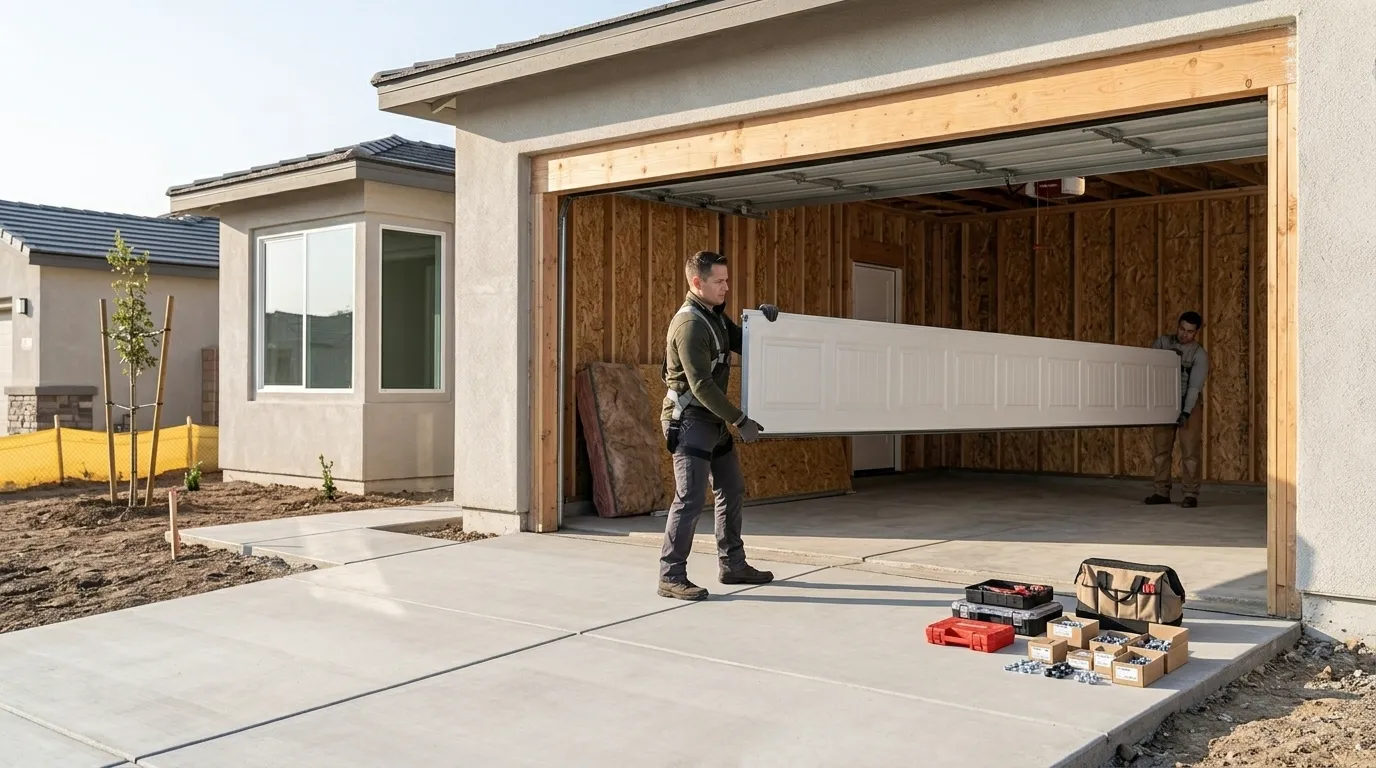
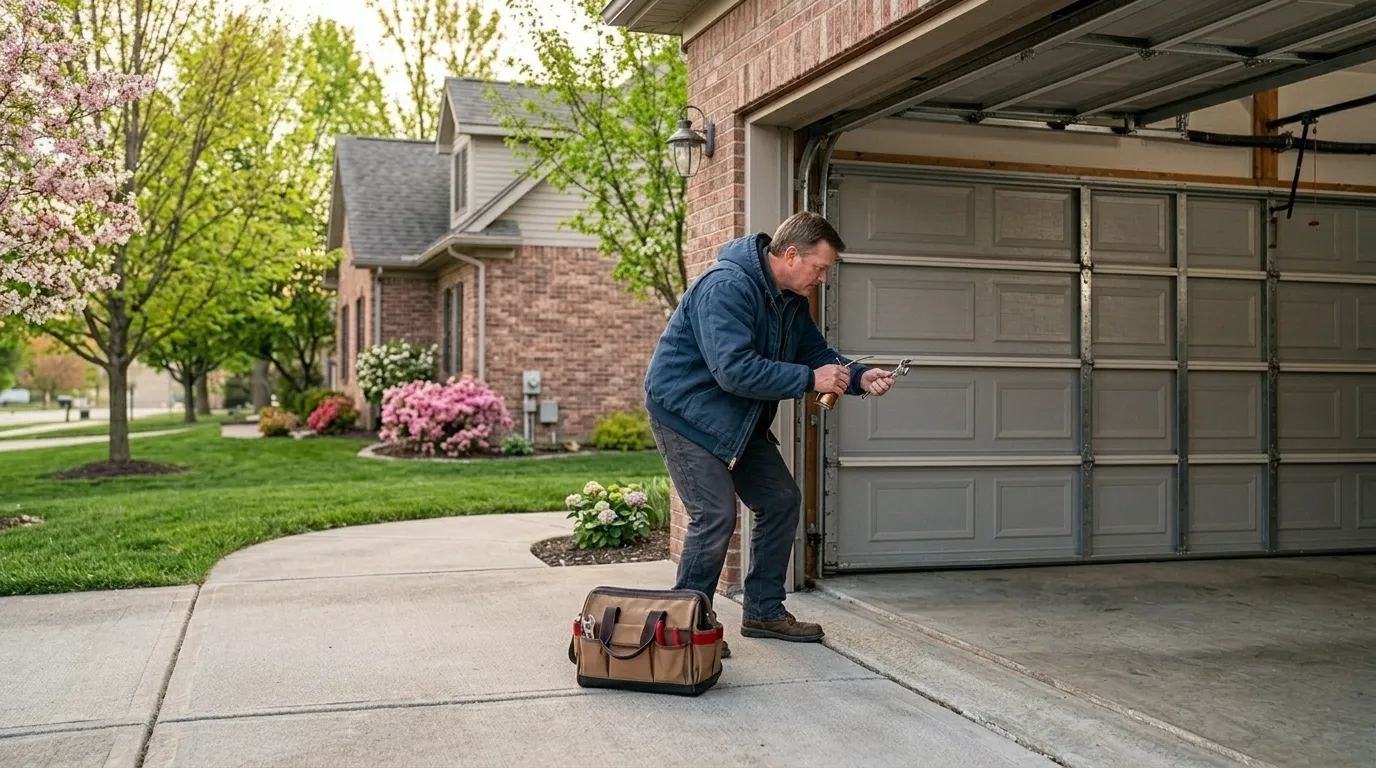
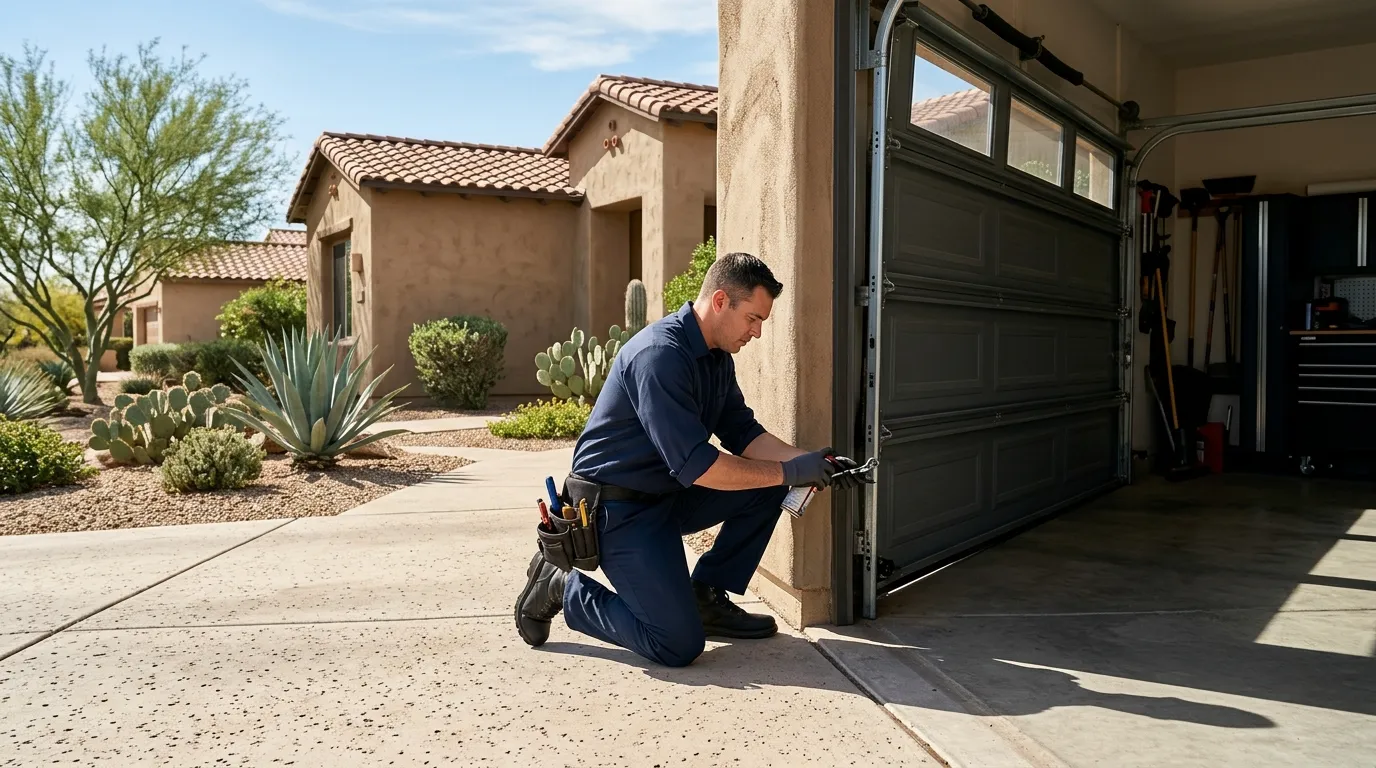
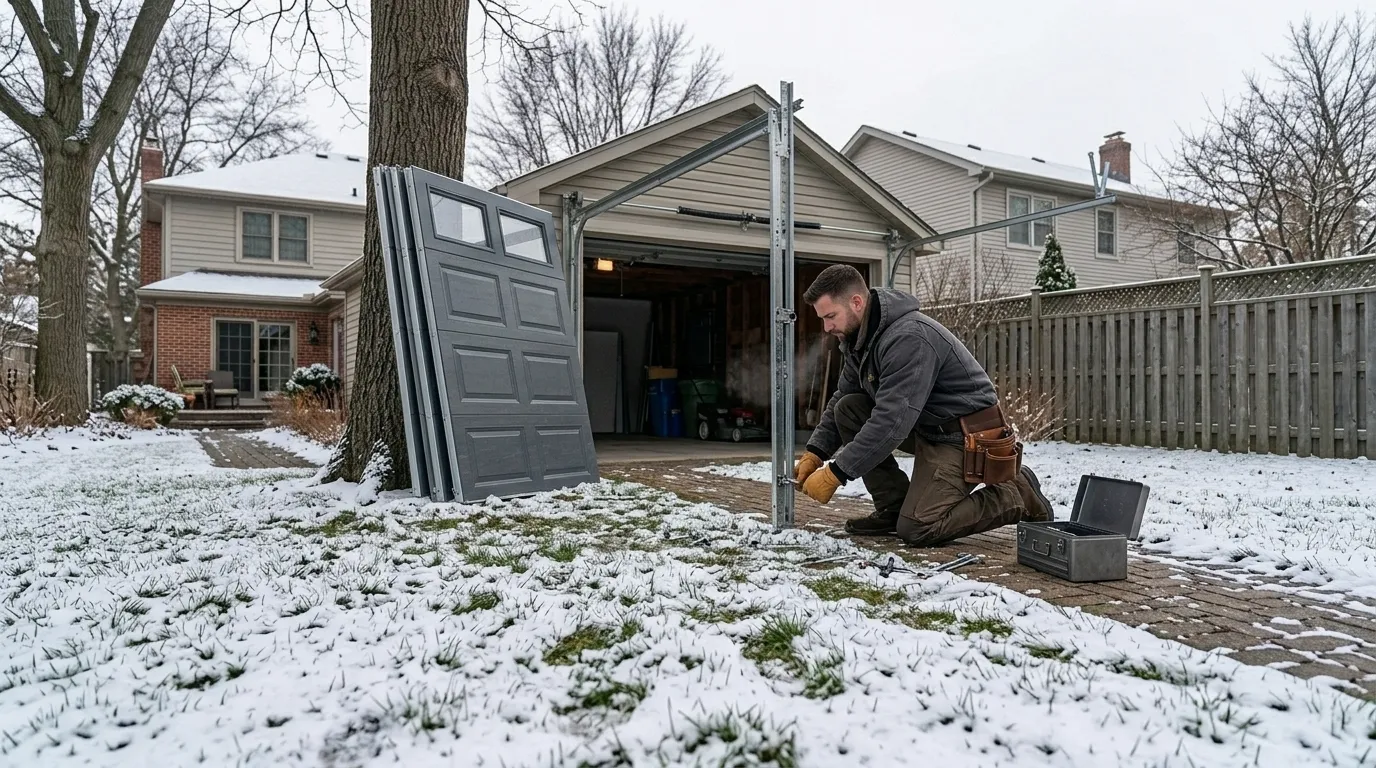
Most of the housing stock across the Orlando service area went up between 1964 and 2021, with the median build year sitting at 1987 - right in the middle of the tract-housing boom that put builder-grade steel doors on tens of thousands of garages across the 39 named areas we cover. Those doors used thin-gauge panels, often 24 or 26 gauge, meant to be cheap and light, not durable. Thirty-plus years later, that steel dents easily, and once one panel section is bent, the track alignment for the whole door goes with it.
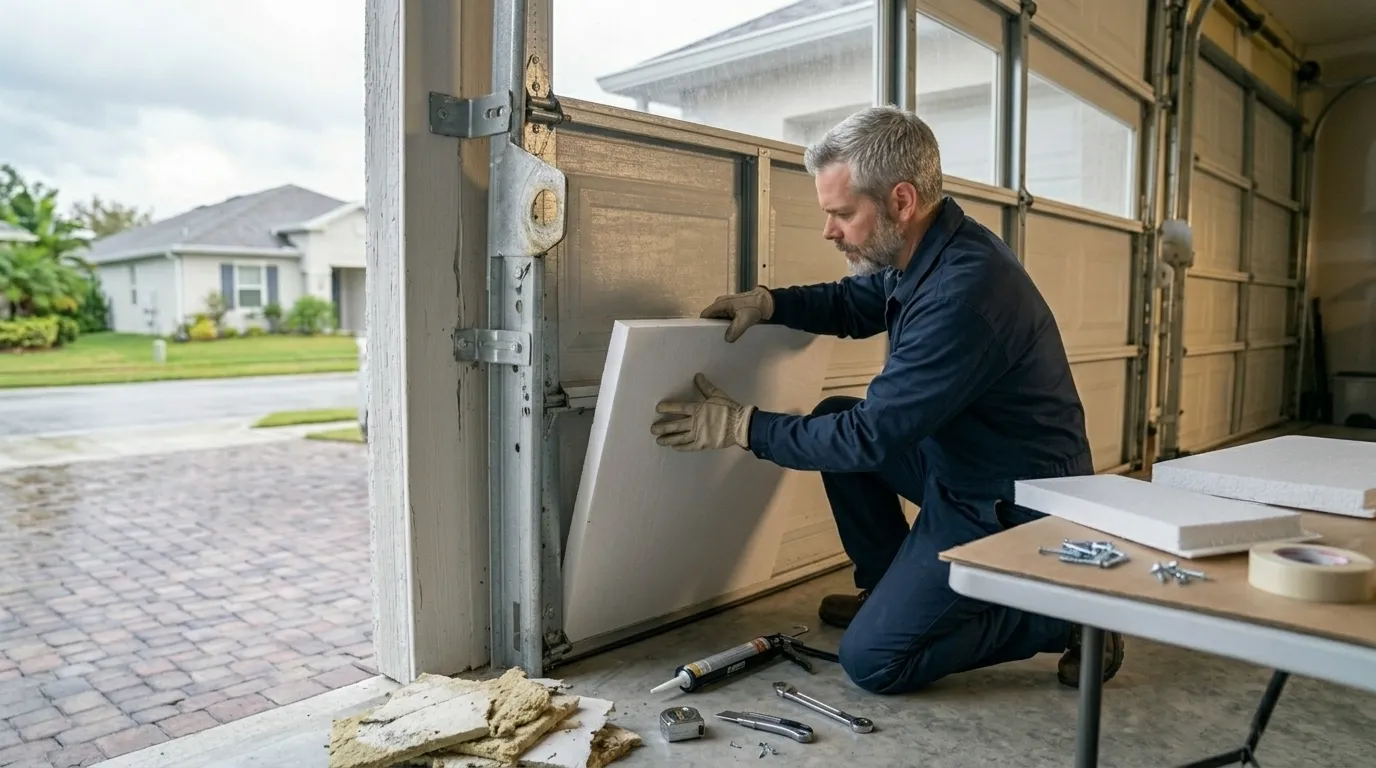
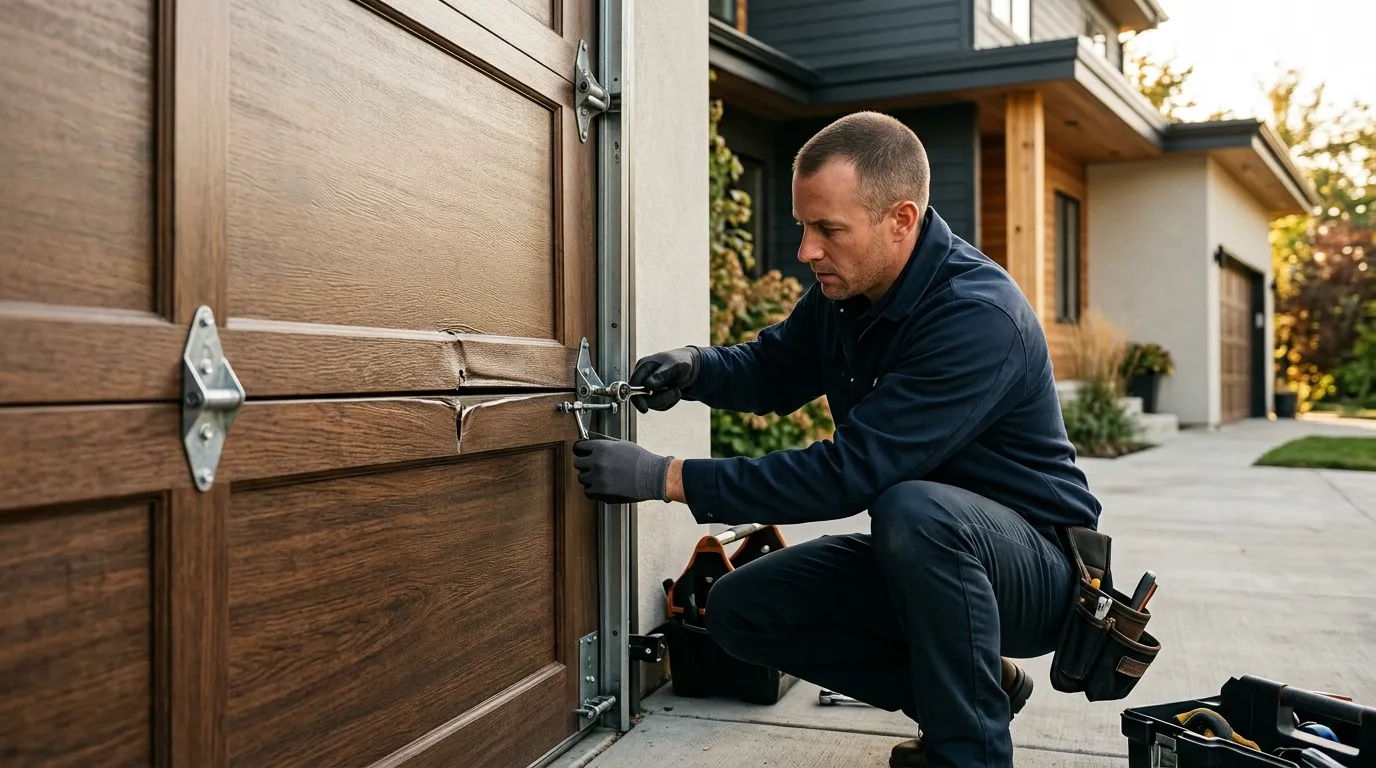
Orlando sits in a mild temperate band, so we don't see the freeze-thaw cracking that wrecks panels up north. What we see instead is UV breakdown on the paint and laminate finish, foam-core delamination from years of heat cycling in the garage, and dents from lawn equipment, cars, and basketballs that never get fixed until the door won't track straight anymore. A panel that's cosmetically rough on a 1987-built house is often structurally fine underneath; a panel that's buckled inward at a hinge point usually isn't, and that's the difference between a patch job and a real replacement.
The age spread matters too - a house built in the earlier part of that 1964-2021 range may have a discontinued panel profile that no longer matches anything on the shelf, which changes whether you replace one section or the whole door.
Booking a Visit
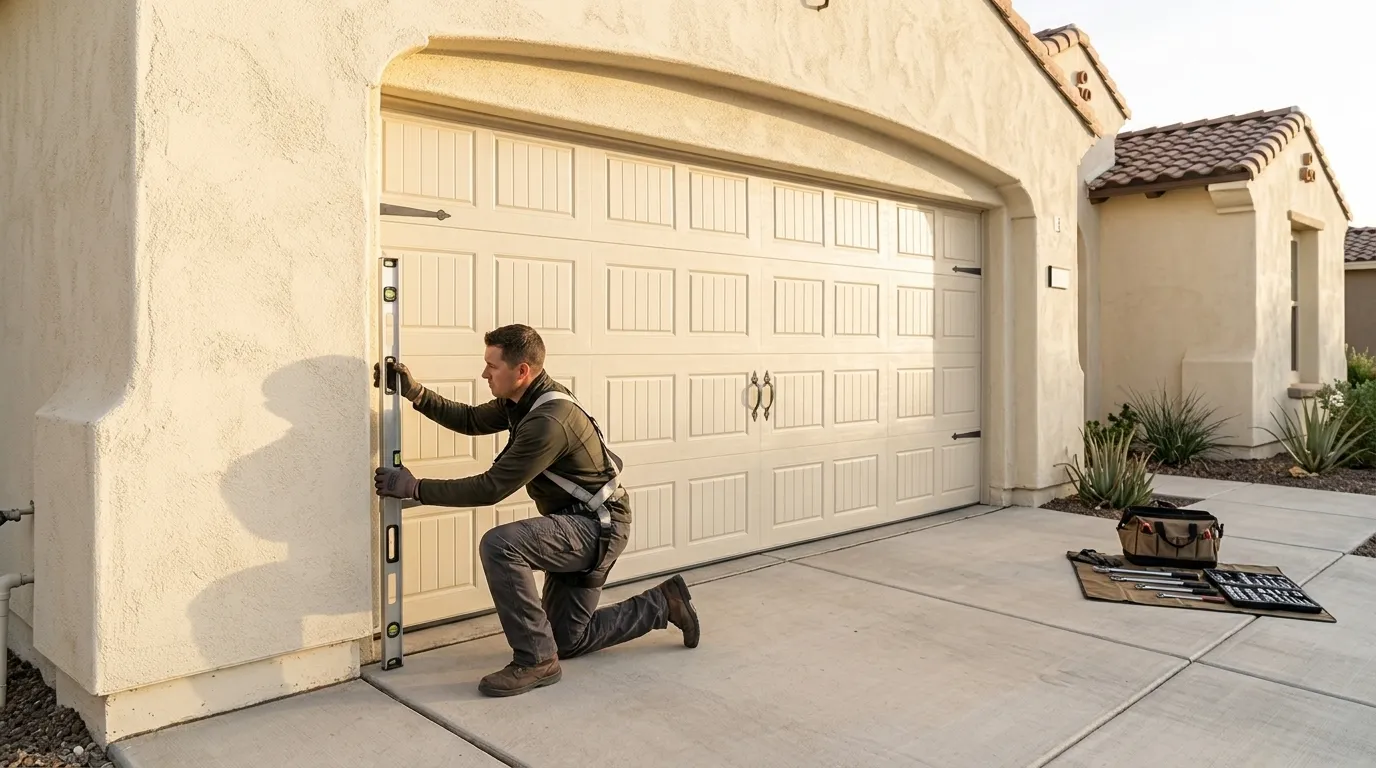
We come out, measure the door in place, and tell you straight whether the damaged section can be matched and swapped or whether the whole door needs to go. Panel matching only works if the manufacturer still makes that profile - on an older door from the earlier end of Orlando's 1964-2021 build range, that's not always the case, and we'd rather tell you that on-site than order a panel that won't fit.
Bring us the door's brand and model if you know it, or a photo of the damage and the label inside the garage near the opener. That saves a visit. If you don't know the brand, that's fine too - it's part of what we check when we're there.
You can reach us through the site at /.
How It Shows Up
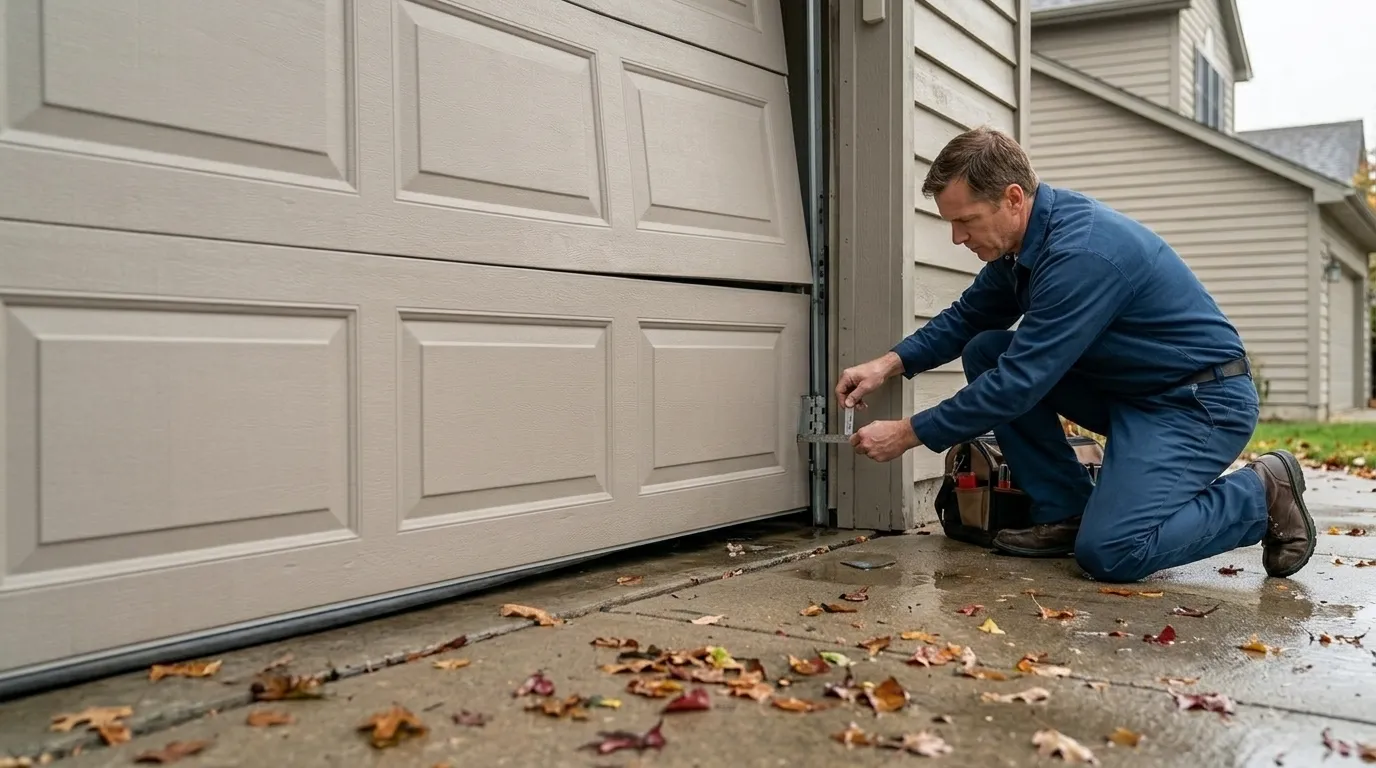
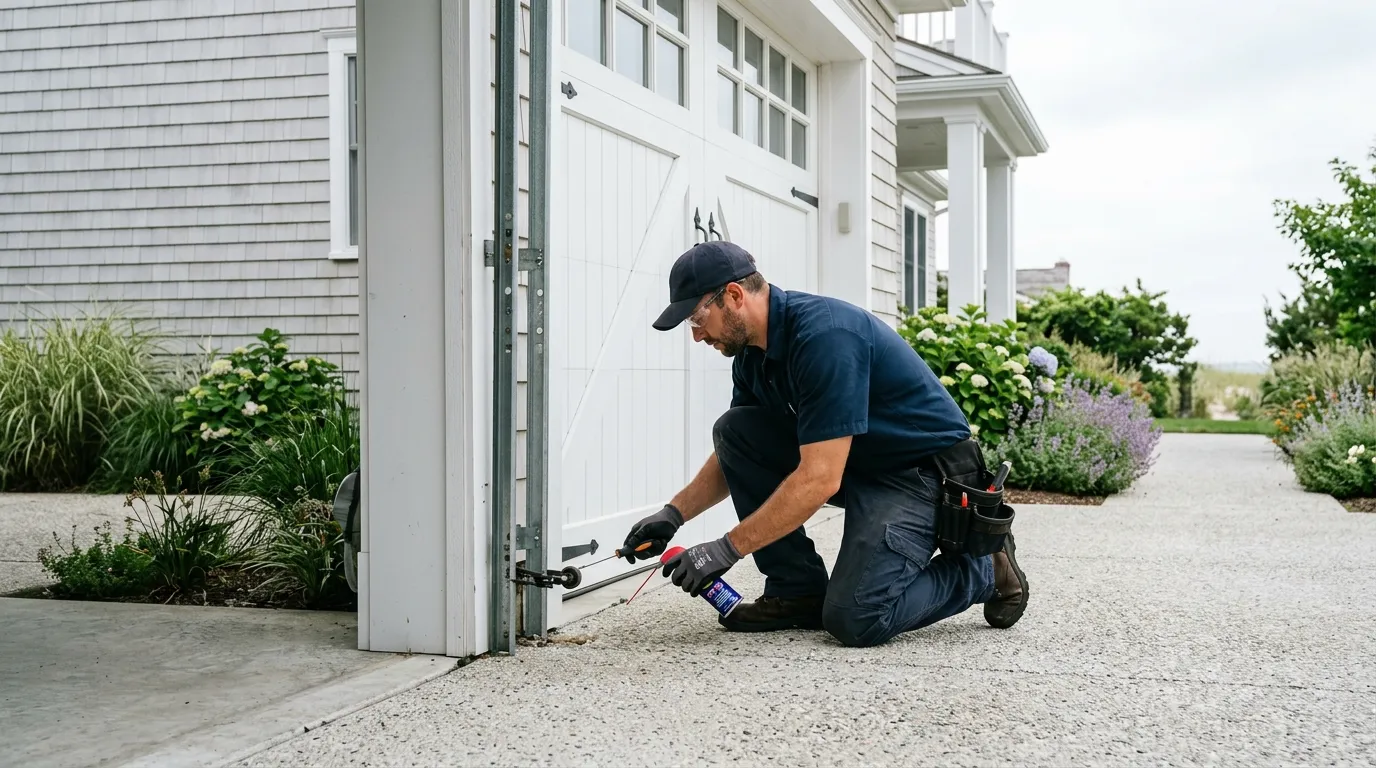
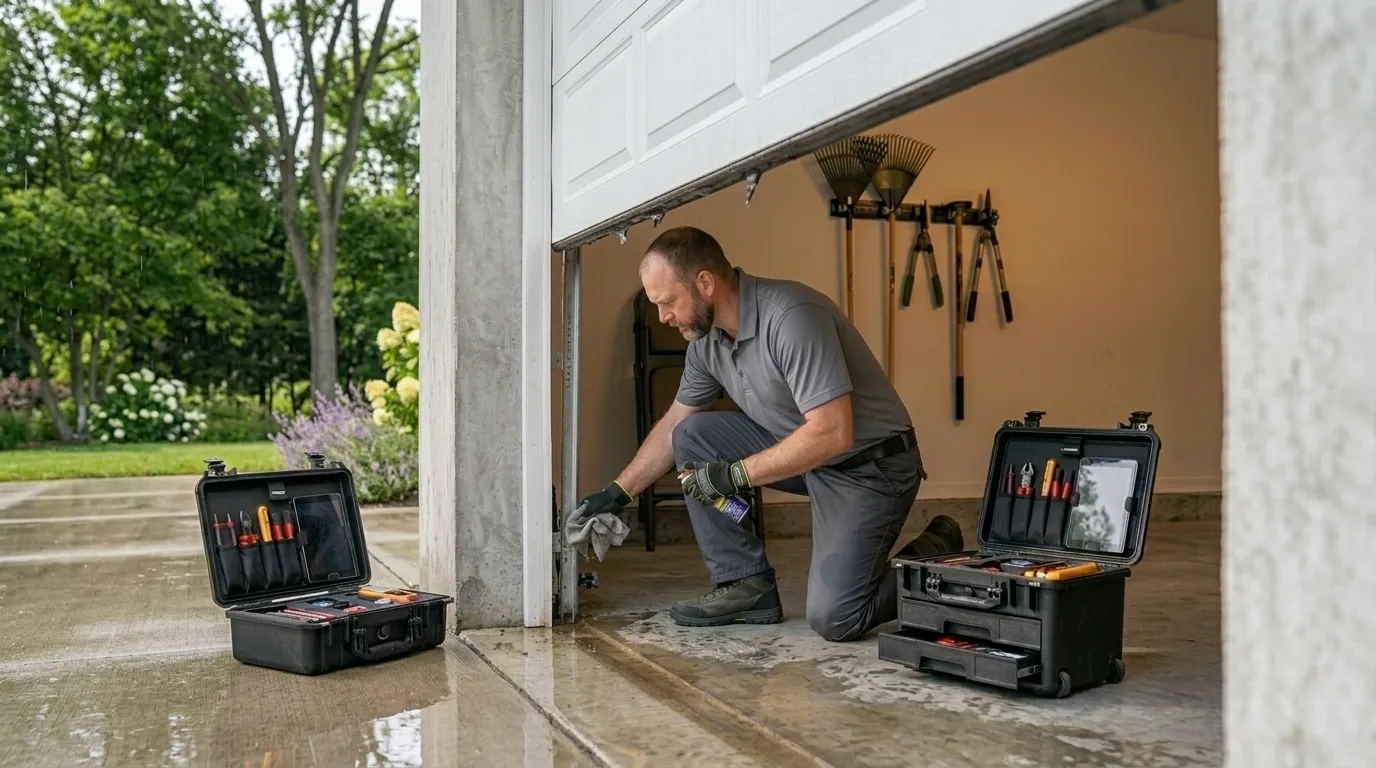
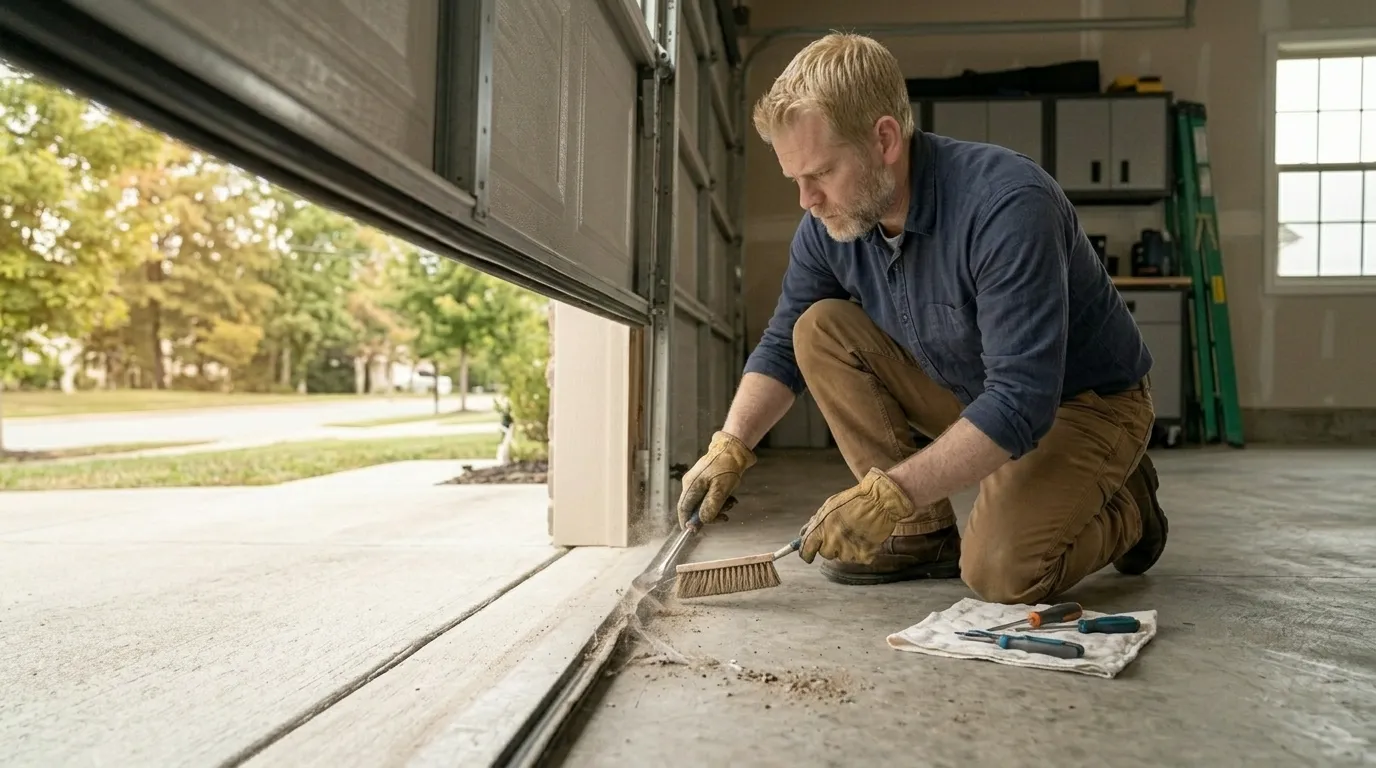
The most common call we get is a single bottom panel dented from a car bumper or a trailer hitch, with the door still opening but scraping or catching partway up. Next most common is a middle-section panel bowed inward, usually from someone leaning a ladder or lawn equipment against it - the door still runs on the track, but you can see daylight through the seam when it's closed.
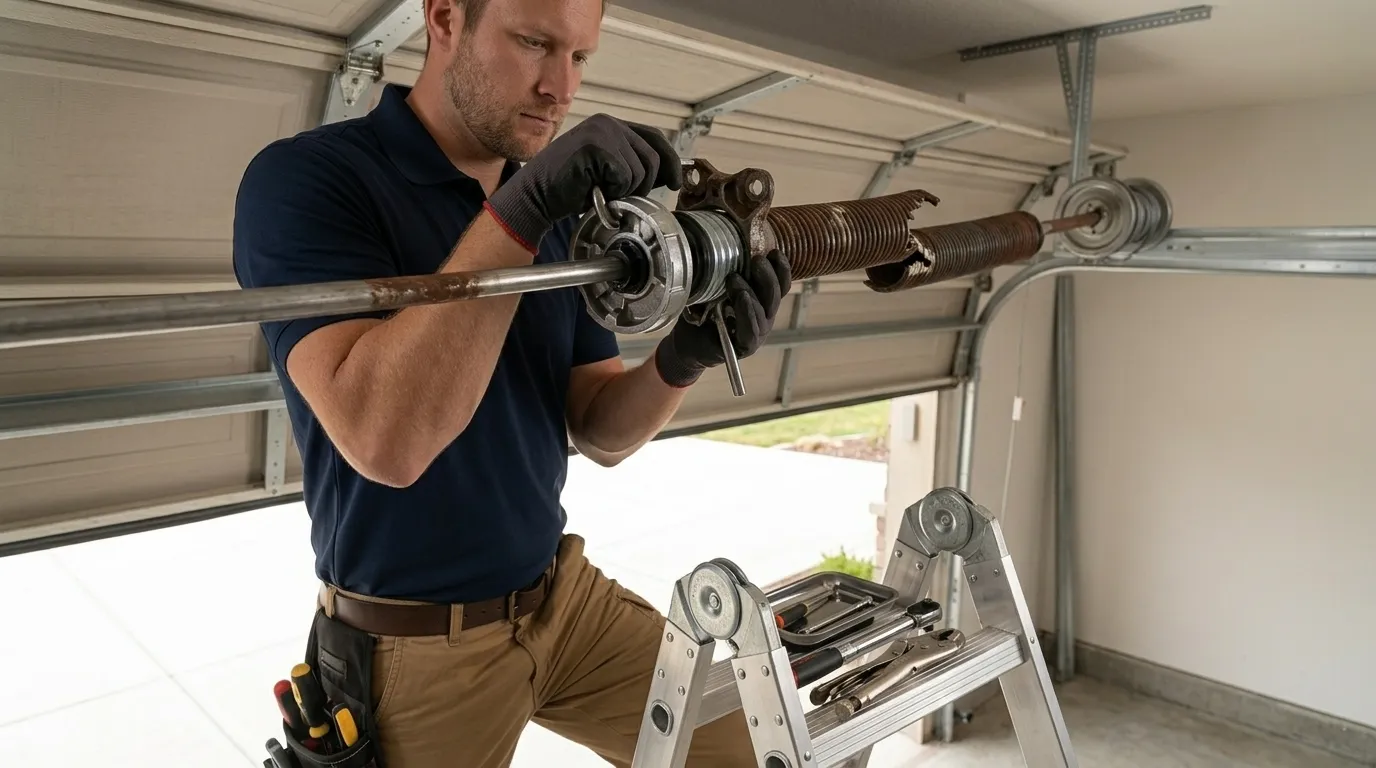
Less obvious, but just as real: a panel that looks fine but has water sitting inside the foam core after years of humidity exposure. It gets heavier over time, throws off the spring balance, and the opener starts straining on a door that used to run quiet. That one usually gets misdiagnosed as an opener problem when it's actually the panel weight that changed.
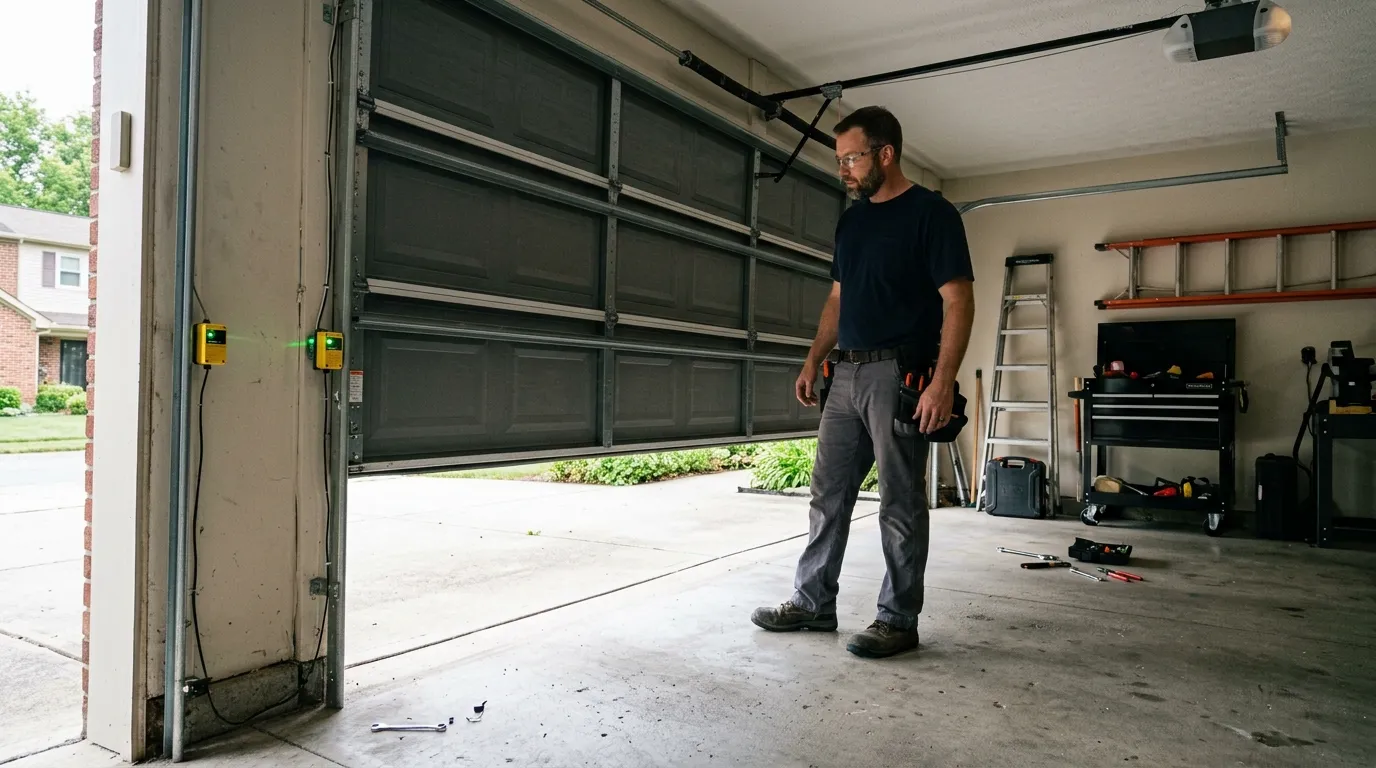
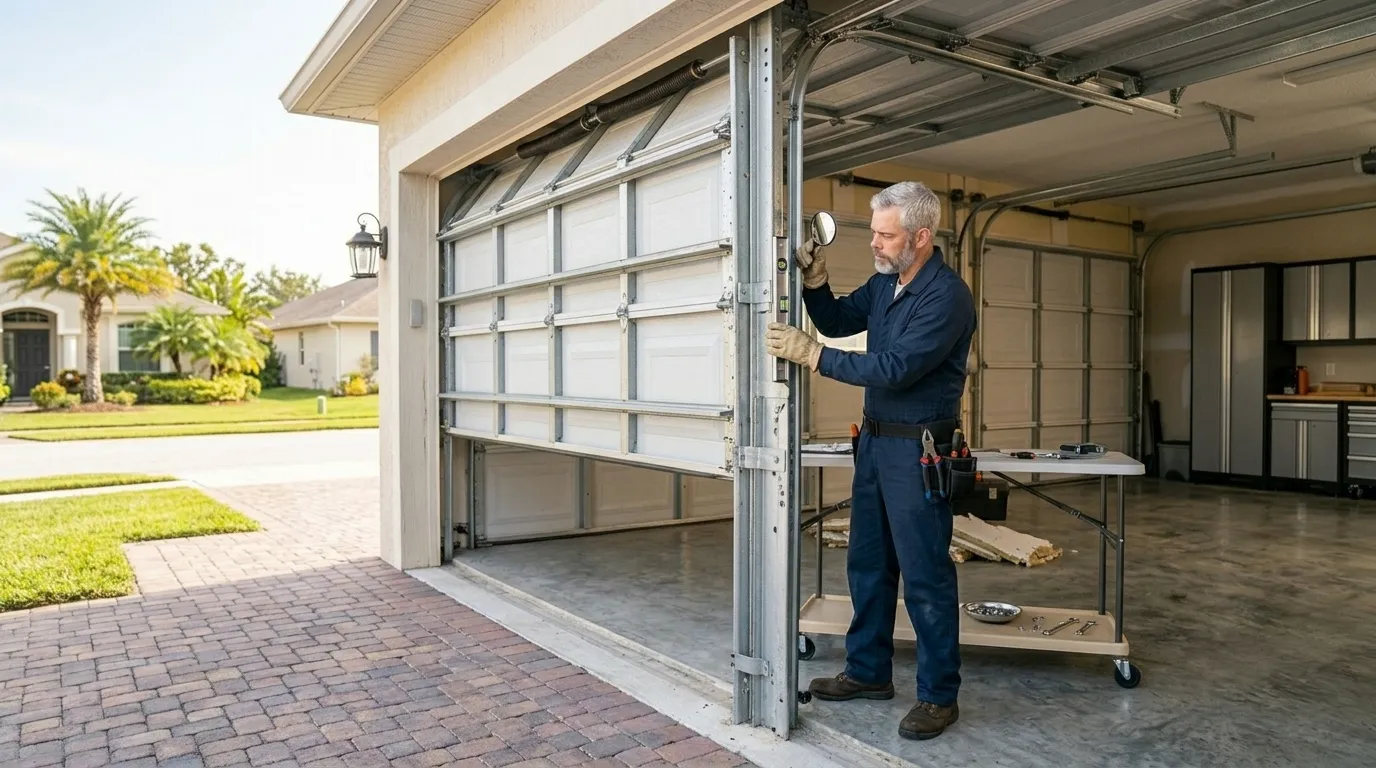
On double-wide doors, one damaged panel section can pull the whole door out of square at the tracks, so what looks like a cosmetic dent on one side shows up as the door binding or reversing on the opposite side.
The Cost of This Job
We don't have a fixed price to quote here, because the honest answer depends on things we can only see in person: whether the panel profile is still made, whether it's a single section or a full door, steel versus aluminum, and window inserts if the door has them. A single matched panel swap on a common, still-manufactured profile is a different job than sourcing an obsolete section for an older door.
One limitation worth saying plainly: if your door's panel style has been discontinued, patching one section can end up costing close to what a full replacement door runs, once you count labor twice. In that case we'll tell you replacement is the better move rather than sell you a repair that won't hold up or match. We'd rather lose the smaller job than have you call us back in a year.
How it works
From “it’s stuck” to “it’s fixed”
1
Tell us what’s wrong
Describe the symptom - won’t open, loud bang, opener runs but the door won’t move.
2
On-site diagnosis
A technician tests the door under power and by hand and finds what actually failed.
3
Clear, up-front plan
You get the fix that’s needed and what drives the cost - before any work starts.
4
Repaired & tested
The repair is done, the door is set true and tested, and the work area left clean.
Serving Orlando, FL - tell us what your door’s doing and we’ll take it from there.
Can you match just the damaged panel or does the whole door need replacing?
It depends on whether your door's panel profile is still made. Many doors installed on Orlando's 1980s and 90s housing stock used styles that have since been discontinued, so matching isn't always possible. We check the brand and model on-site and tell you straight whether a single-panel swap will work or if the door needs full replacement.
Why did my garage door panel warp when it wasn't hit by anything?
In Orlando's mild but humid climate, foam-core panels can take on moisture over years, especially if the seal at the bottom has worn out. The added weight throws off the spring balance and can bow a panel without any impact at all. It's more common on older doors from the earlier end of the local build range.
Is a dented panel just cosmetic or does it need fixing?
A shallow dent on a flat section is usually cosmetic. A dent or bow near a hinge or roller bracket usually isn't - it changes how the panel sits in the track and can throw the whole door out of alignment. We look at where the damage is, not just how bad it looks, before calling it either way.