How Long You Are Without the Door
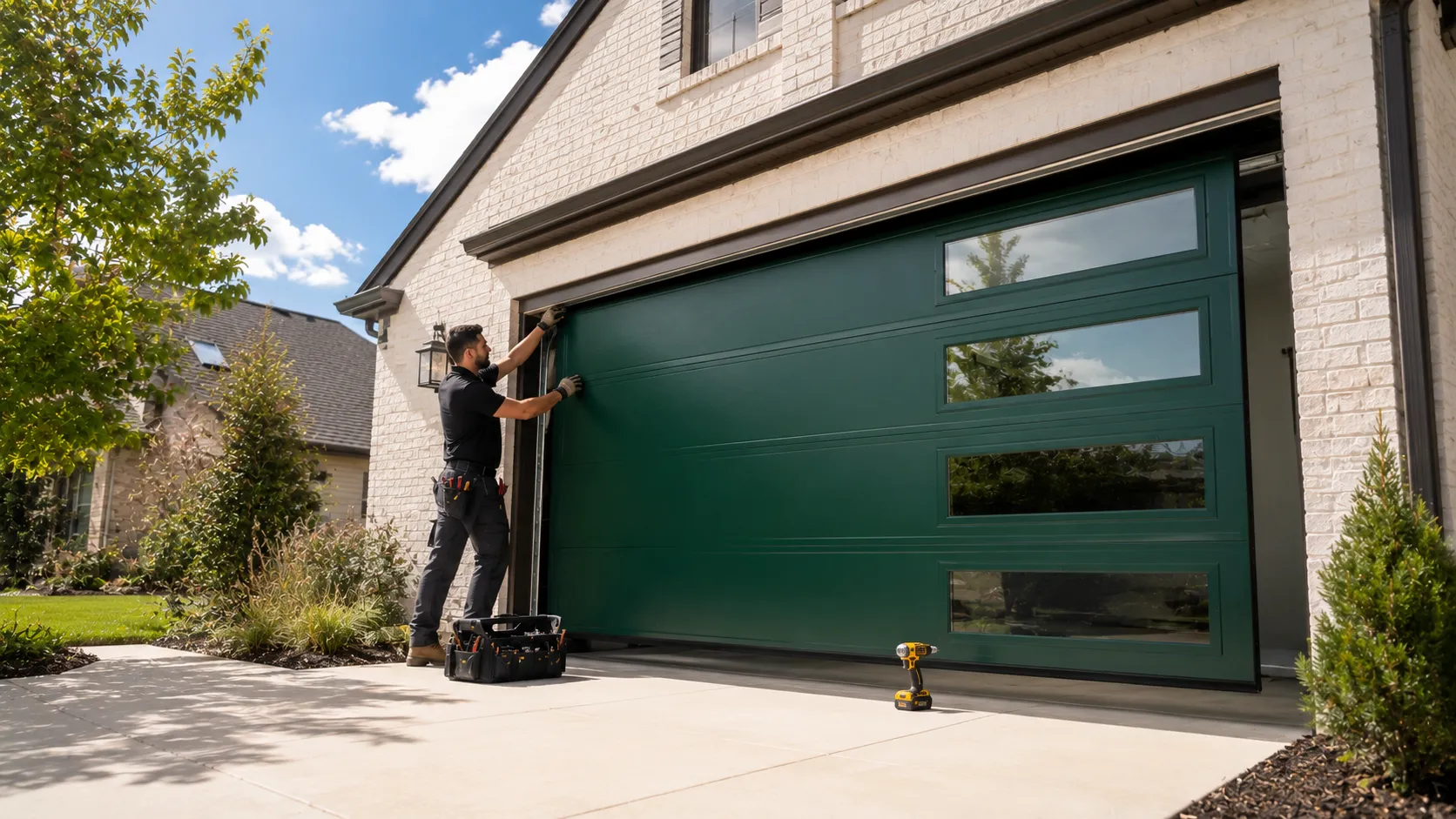
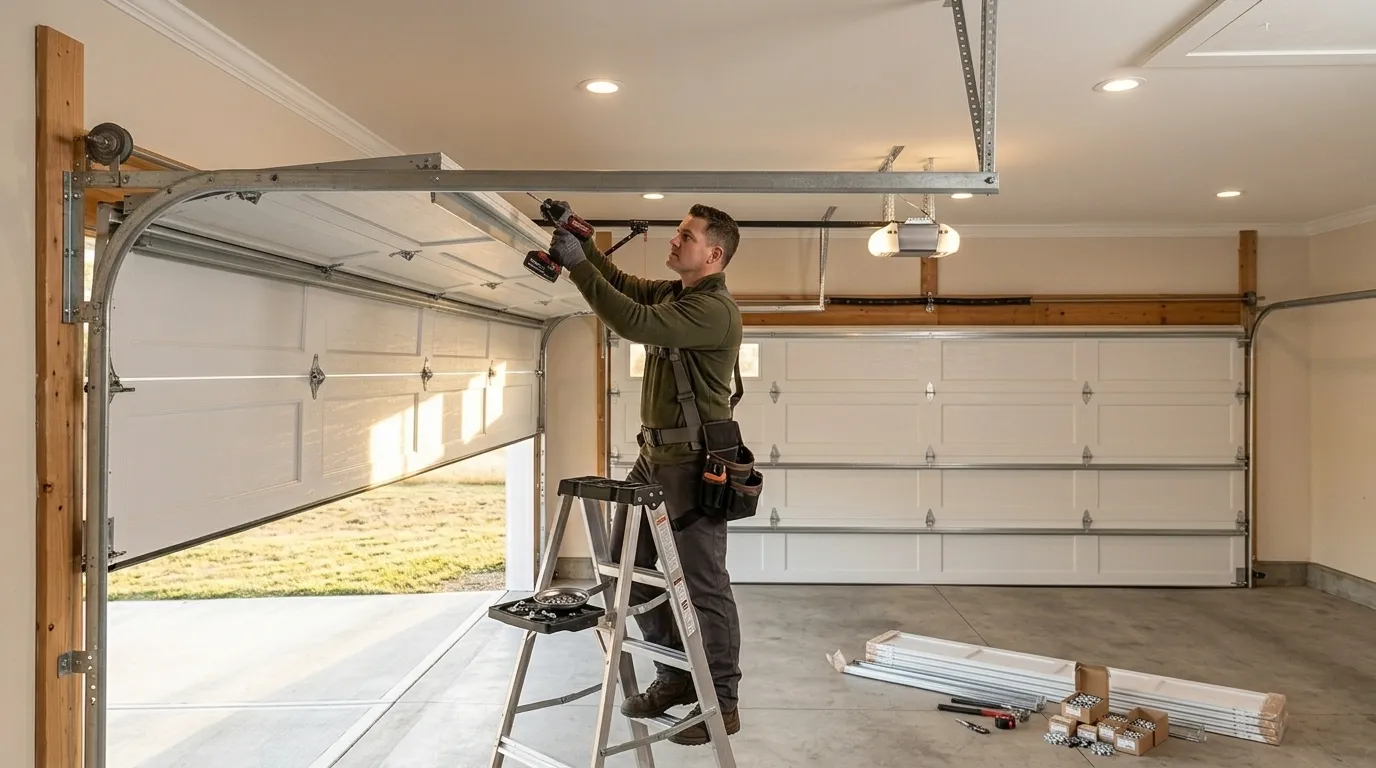
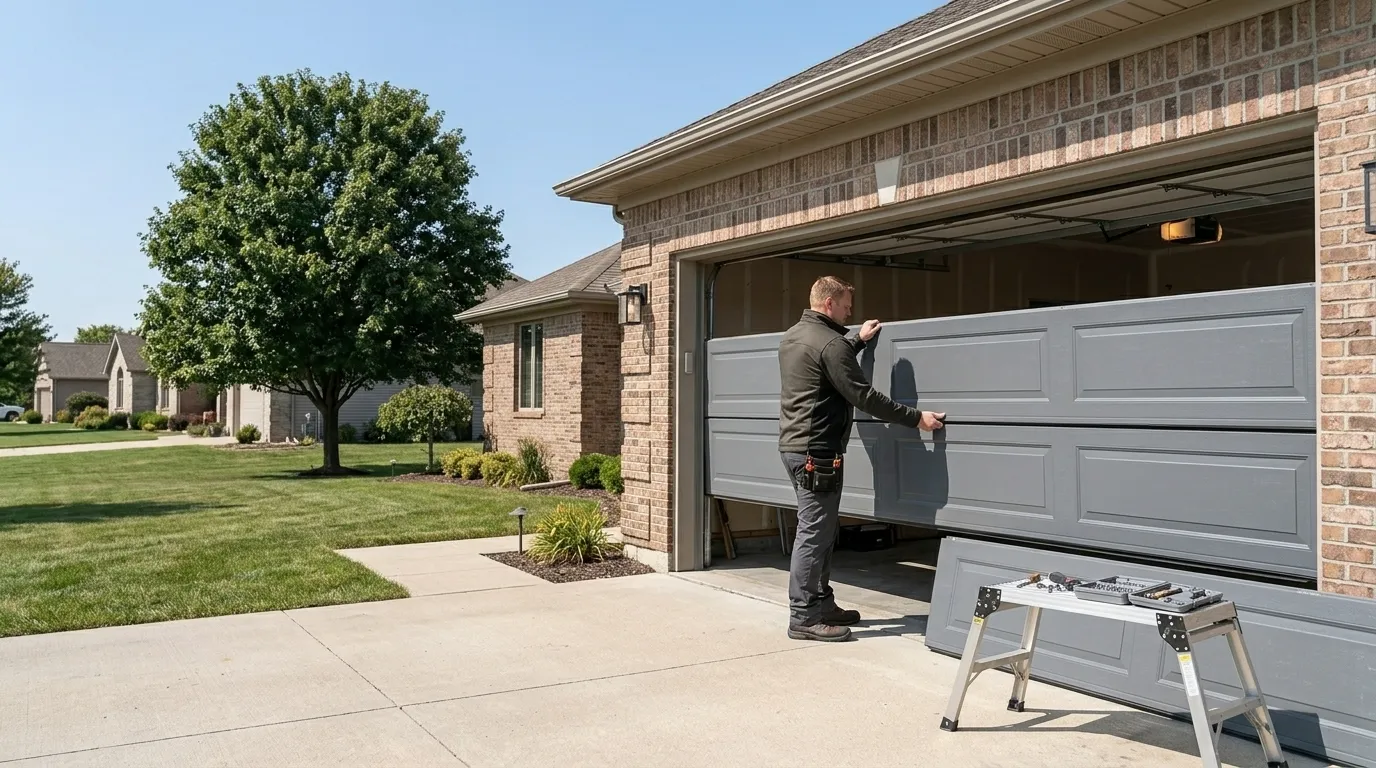
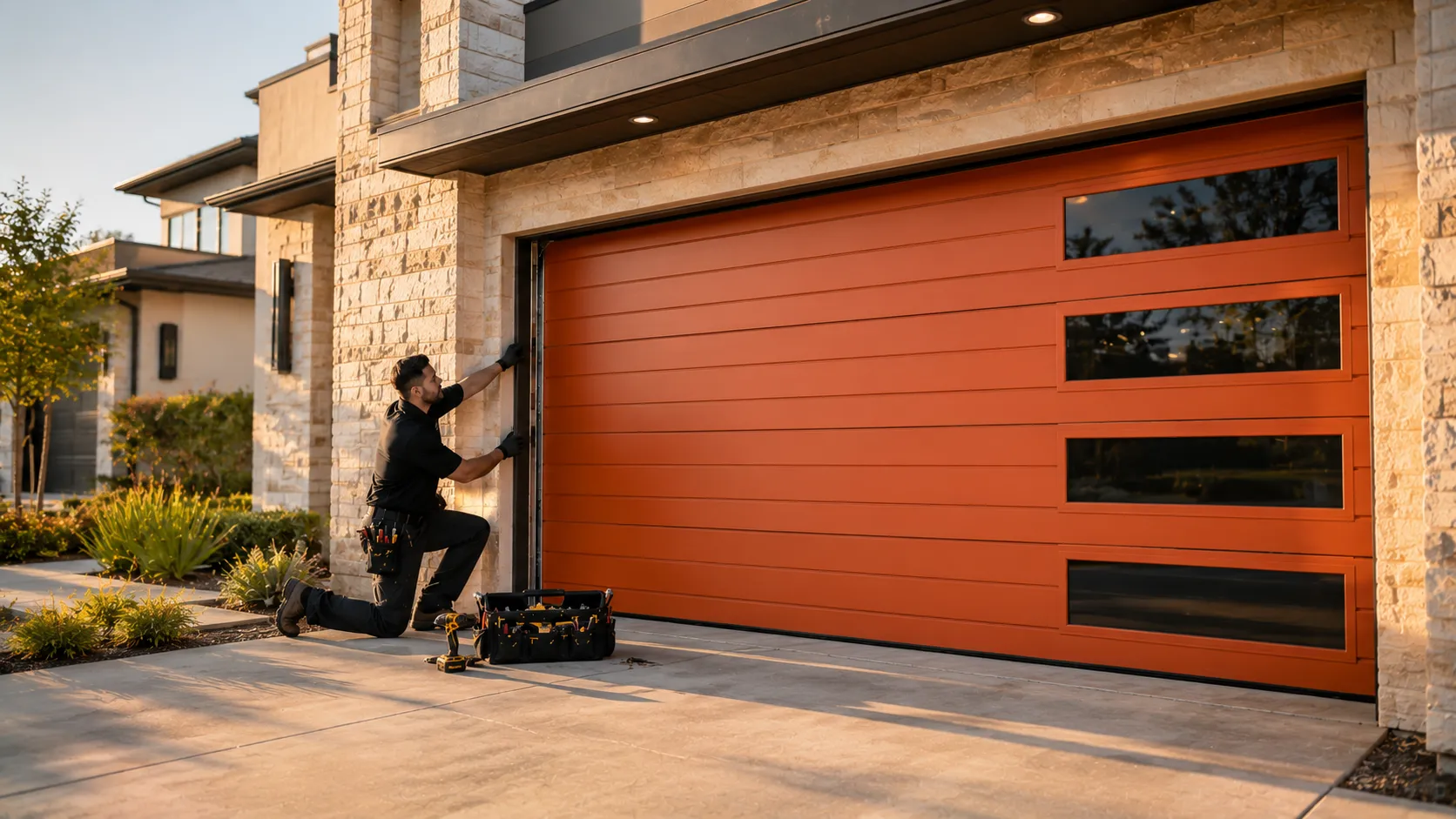
On a straight swap - same size opening, no reframing, no header repair - a new door install runs about half a day once the crew is on site. Add reframing for a settled jamb, which is more common in Lockhart's 1983-era stock than in newer construction, and you're looking at closer to a full day.
We don't hold a local depot here, so the door itself has to be ordered and staged before the crew shows up. That's true for the whole service area, not unique to Lockhart, but it matters more on a smaller job count - we're not swinging by with a spare panel from a nearby stop. Plan the appointment day around being without the garage for the full window, not just the install itself.
Booking a Visit
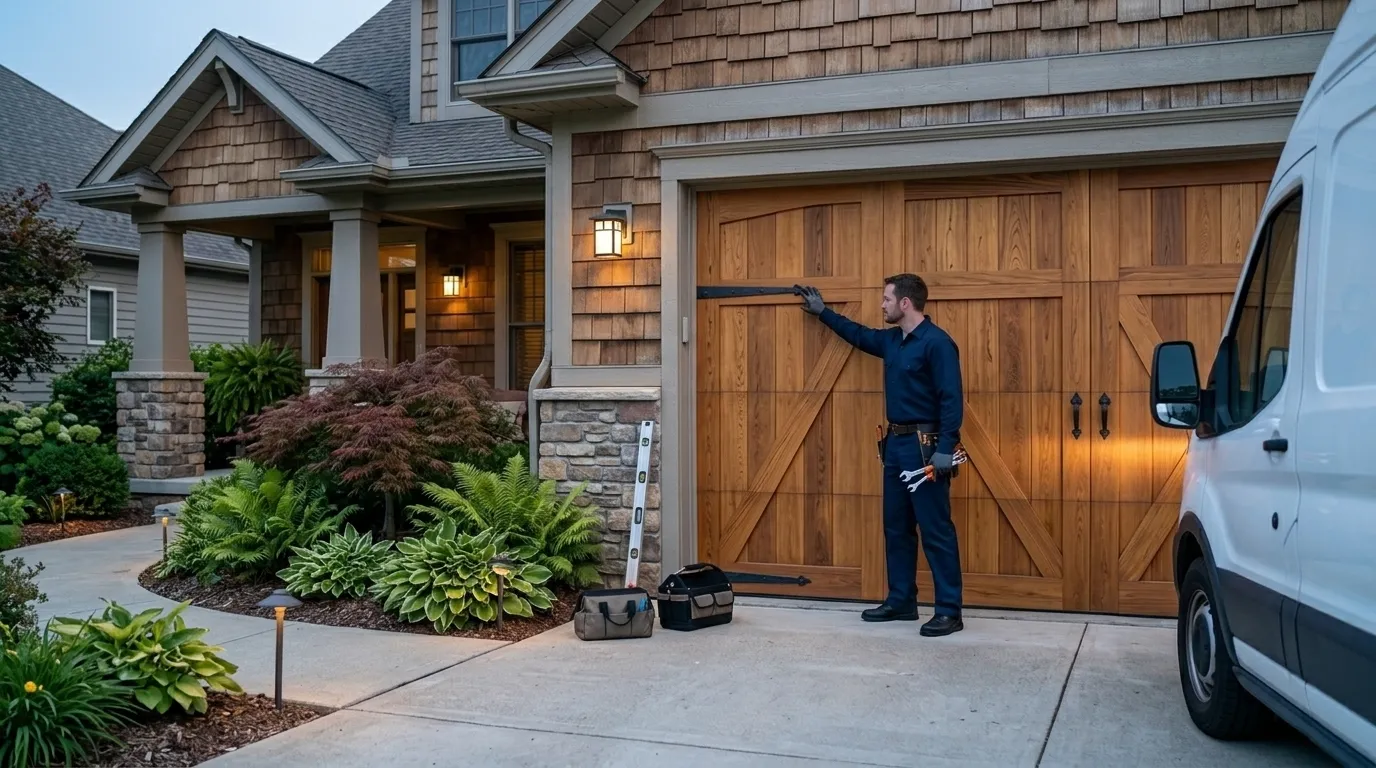
We schedule the visit from Orlando, and Lockhart runs about 19 miles out, so booking here means picking a day, not a same-morning slot. When you call, tell us the door's rough age if you know it - anything installed before the late 80s usually means we bring reframing tools along instead of finding out on site and making a second trip.
If you're not sure what your opening needs, a measurement visit ahead of the install saves everyone a wasted afternoon. We'd rather look at the header and the track mounts once, quote it straight, and schedule the real job for a day we know it'll go the way we planned. For general installation questions that aren't tied to Lockhart's older stock, our main Orlando installation page covers pricing and door types in more depth.
How It Shows Up
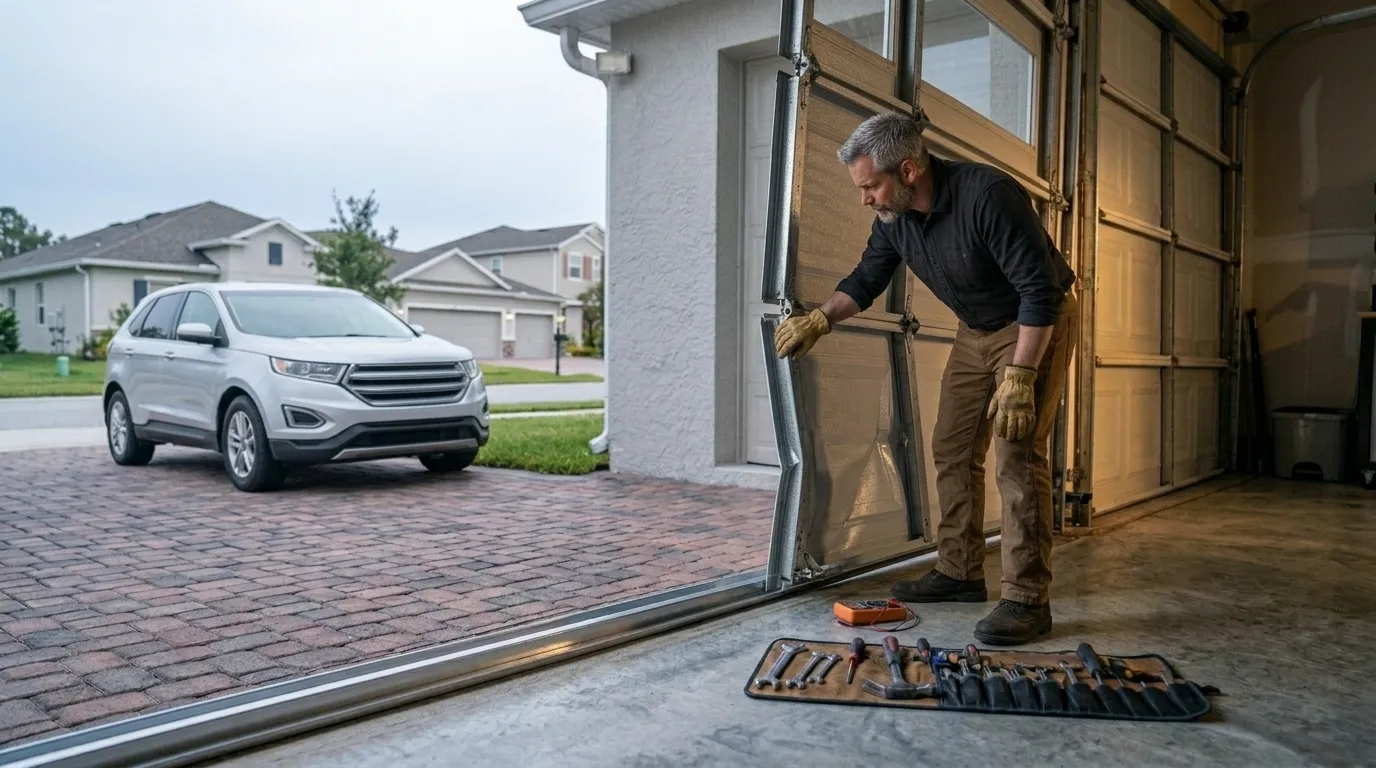
You'll usually notice it before the door fails outright. A track that's pulled slightly away from an aging frame makes the door bind on one side going up - it'll sound like a scrape rather than a clean roll. On a settled 1983-era opening, that's often the frame, not the door or the opener.
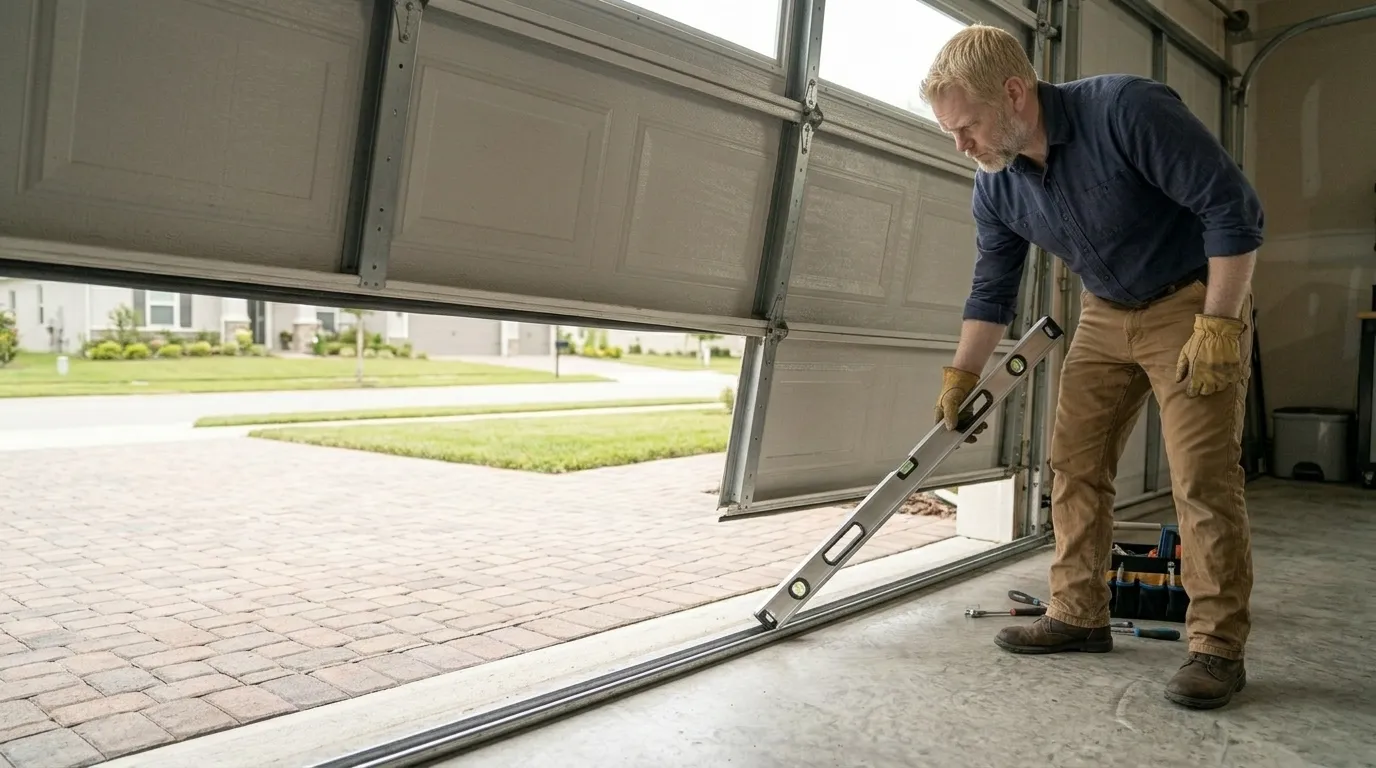
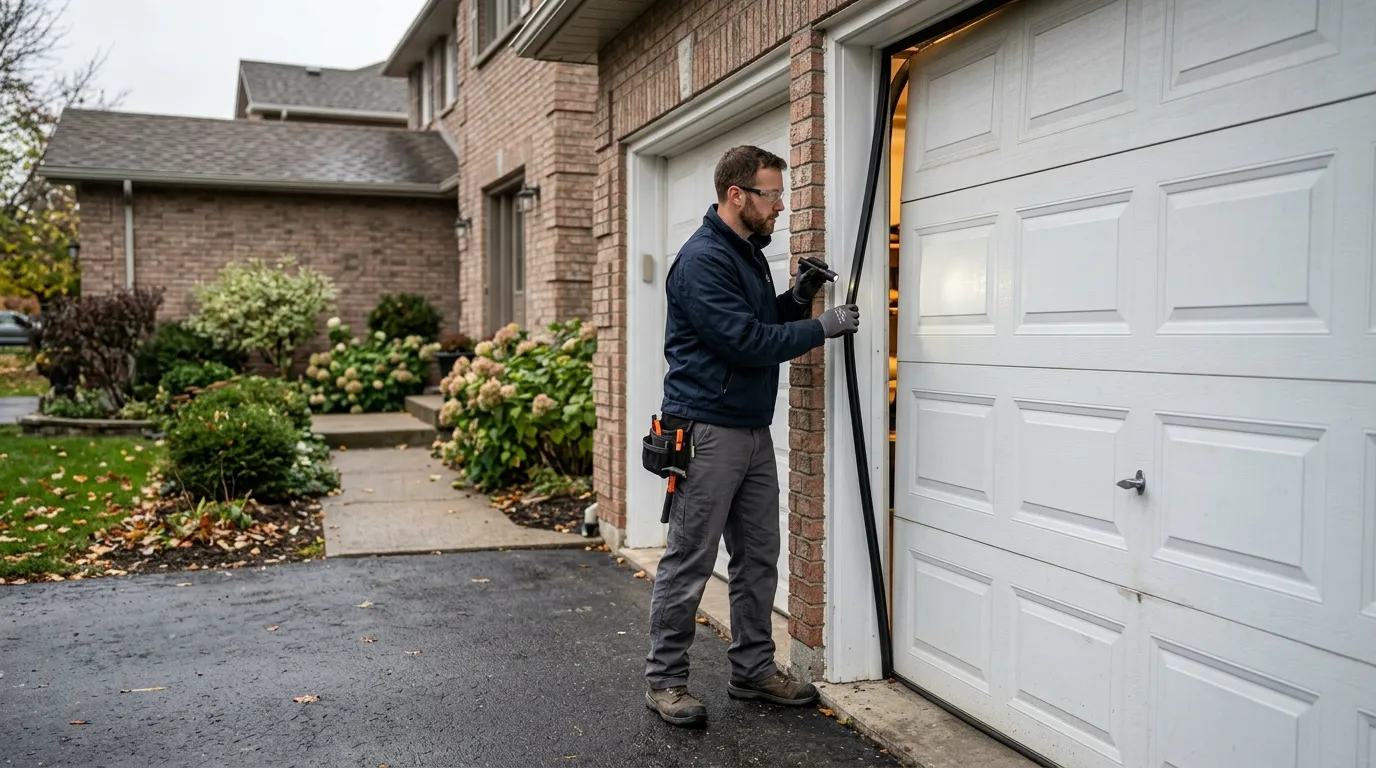
Another sign: a new door that won't sit flush against the weatherstrip at the bottom, even after the installer's leveled it. That points to the slab or the jamb having moved over the years, which is more common in Lockhart's older housing than in newer construction closer to the median 1987 mark citywide.
Doing It Yourself
A DIY kit install on a square, newer opening is a reasonable weekend project for someone comfortable with a drill and a level. On a Lockhart house from the early 80s, we'd steer you away from it. Reframing a settled jamb, correcting an out-of-plumb track mount, or rewiring an opener circuit that wasn't sized for a modern unit - these aren't kit-instruction problems, and getting them wrong on a spring-loaded door is how people get hurt.
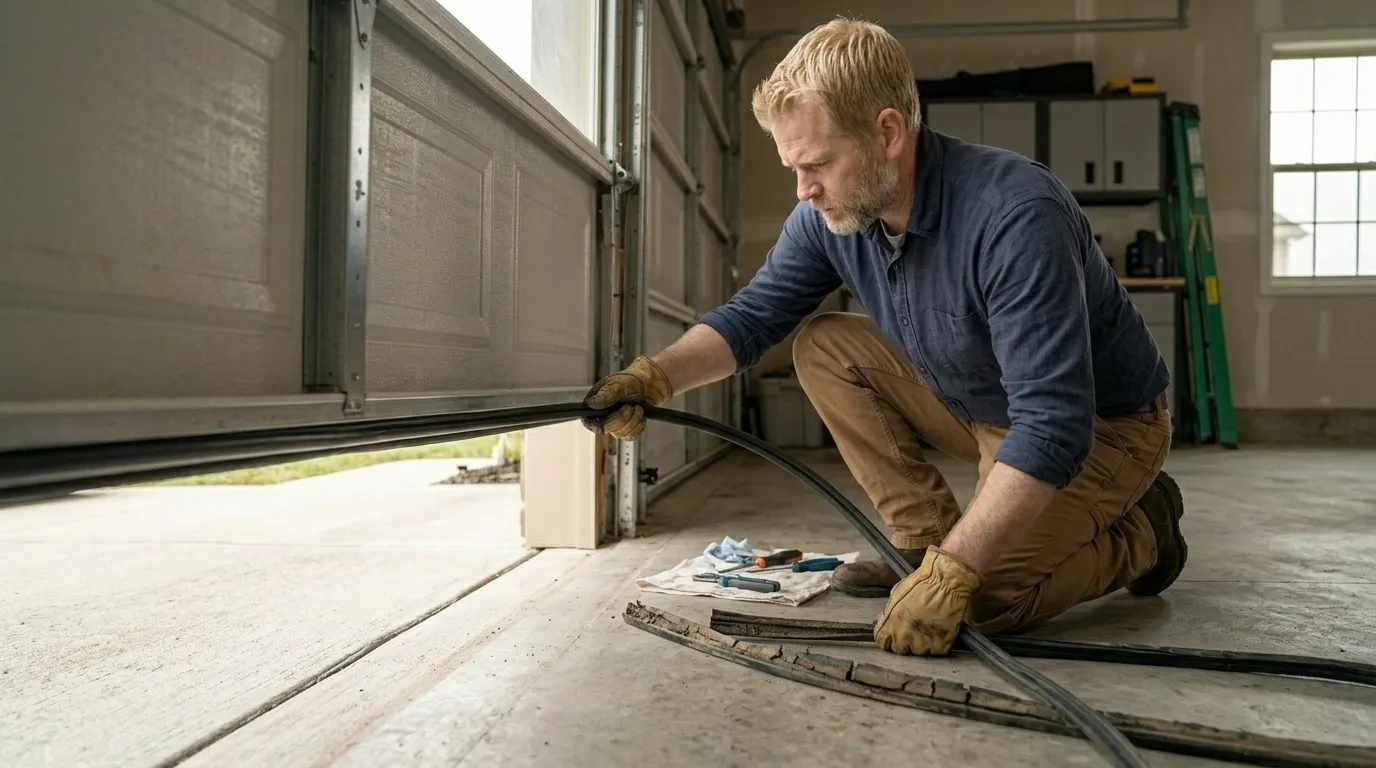
Where DIY makes sense: swapping weatherstripping, replacing a worn roller, or repainting an existing door that still fits its frame well. Those don't touch the structural questions above. If you're not sure which side of that line your project falls on, that's worth a phone call before you start pulling panels.