Booking a Visit
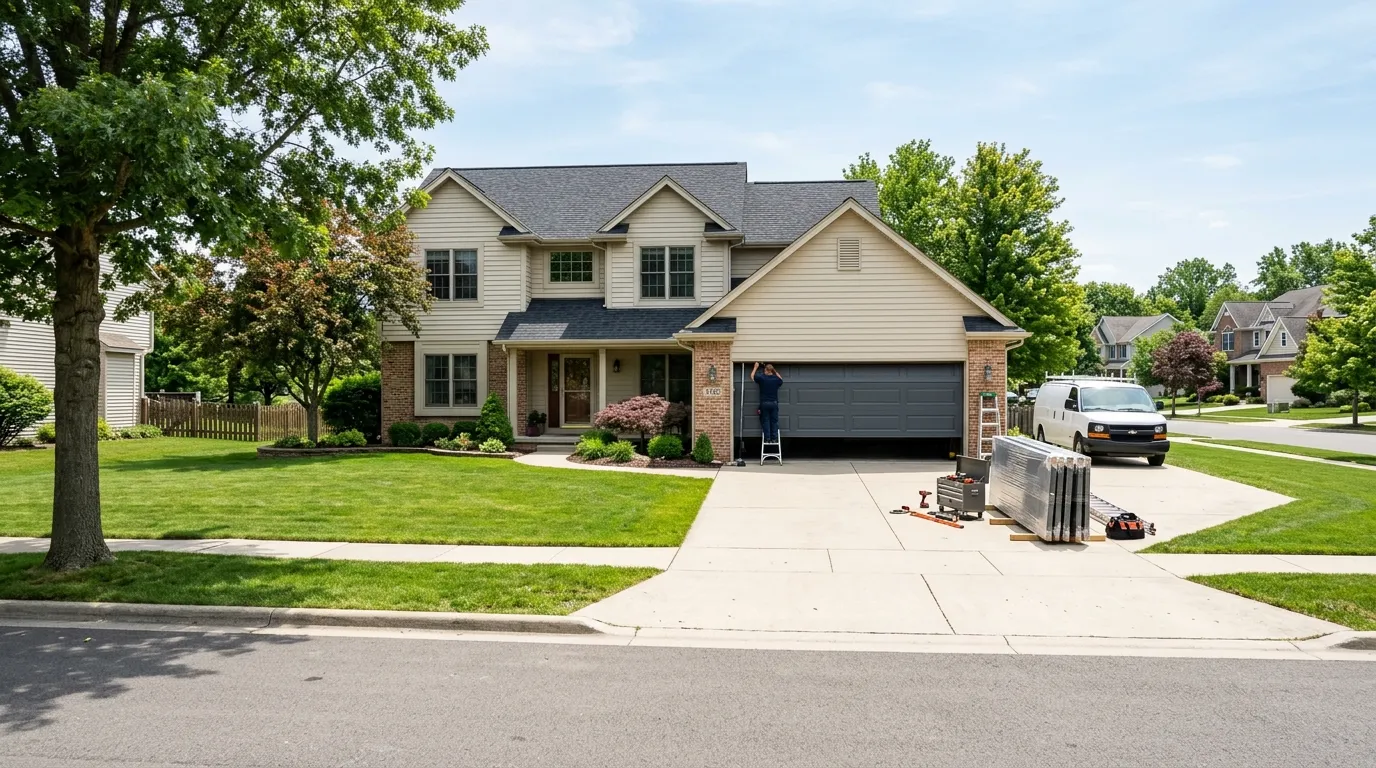
Because the trip out is real mileage, we ask for a few details up front: door width, whether it's a single or double, and roughly how old the current opener is. If you know the horsepower or the model plate, even better. This isn't paperwork for its own sake - it's what lets one visit cover the install instead of a return trip for the correct rail length or a different logic board.
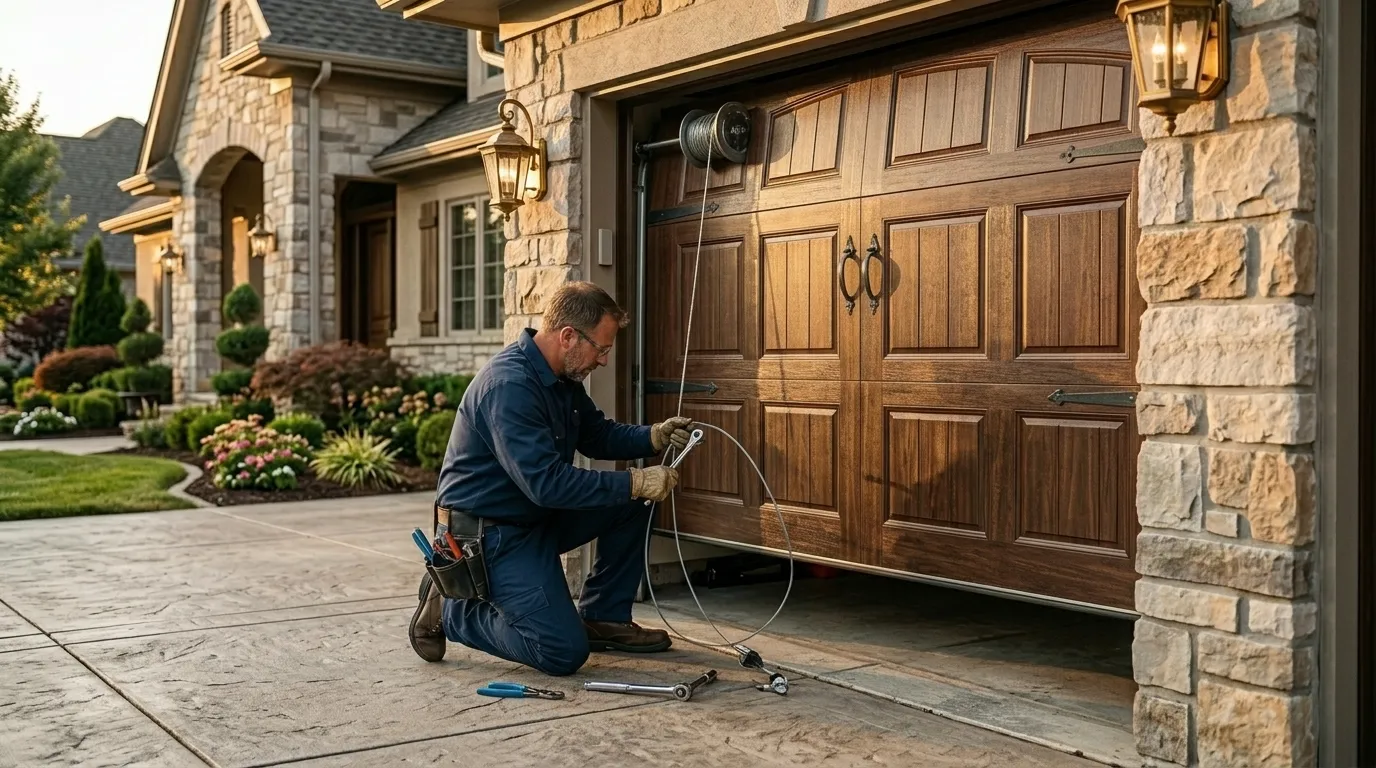
We don't run a branch in Pine Hills. Every job here is dispatched from Orlando, so the appointment window reflects that distance rather than a local queue. If your opener failure is tied into a spring or cable problem too, mention it when you book - that's a different repair path and worth folding into the same visit rather than splitting it into two.
Doing It Yourself
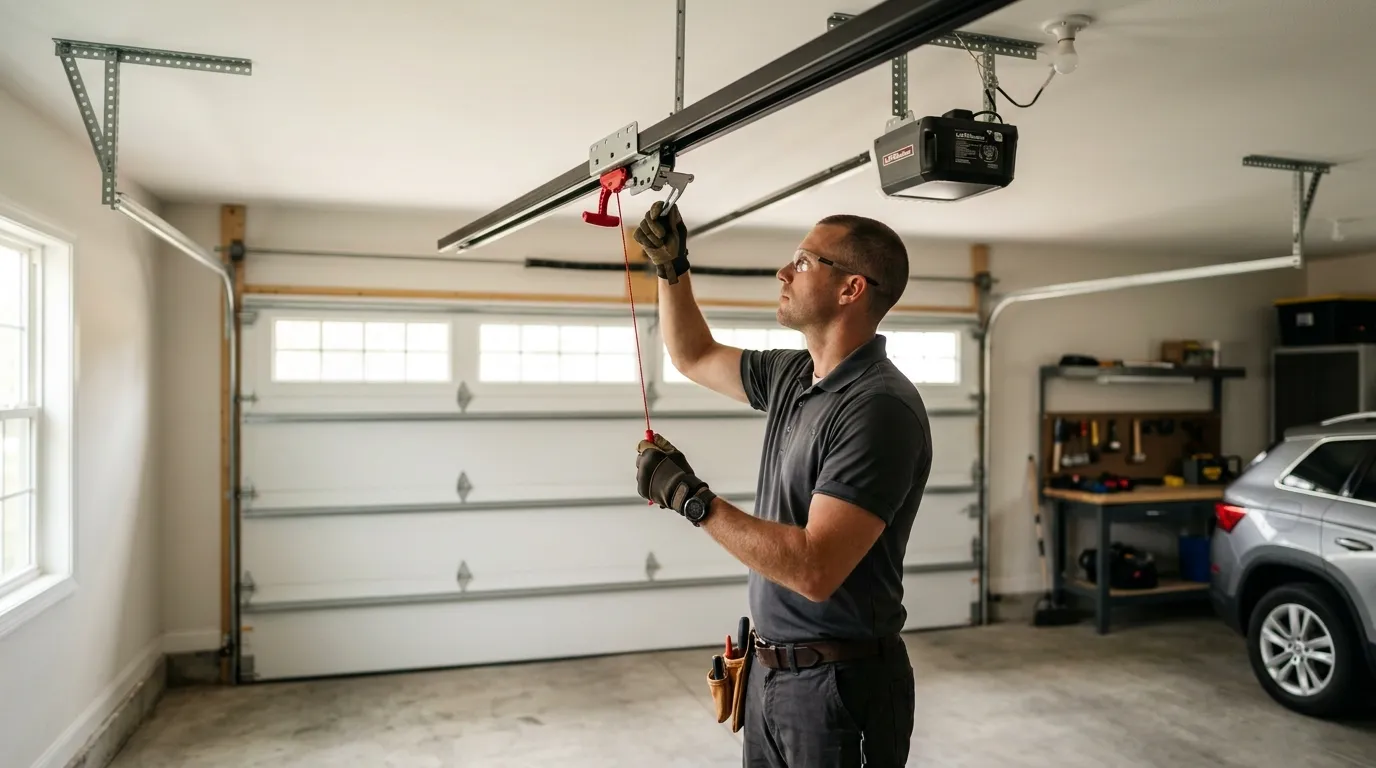
A homeowner with the right ladder and a free Saturday can hang a basic chain-drive unit on a standard eight-foot door. Where it goes wrong in this neighborhood is the electrical tie-in and the safety sensor alignment - older Pine Hills garages built around 1980 often have outlets placed for a different generation of opener, or none within reach at all, and that's not a job to solve with an extension cord run across the floor.
The other trap is travel and force settings. Openers built for older, heavier one-piece or early sectional doors get set too aggressive for a newer lightweight panel, or too weak for an old wood door that never got swapped out. Get that wrong and the door either won't seal against the weather strip or it reverses before it's down - both are things we catch on install and most box instructions don't mention.
What Can Go Wrong
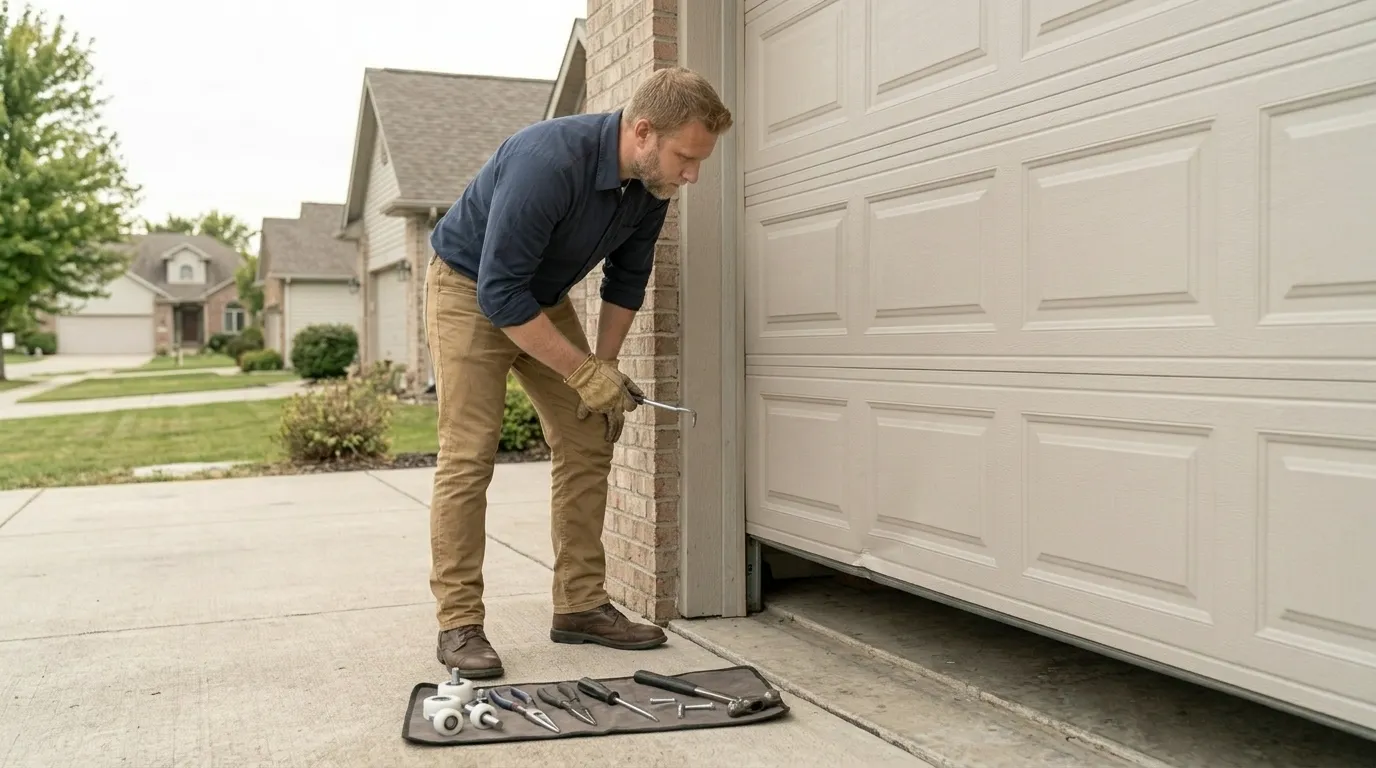
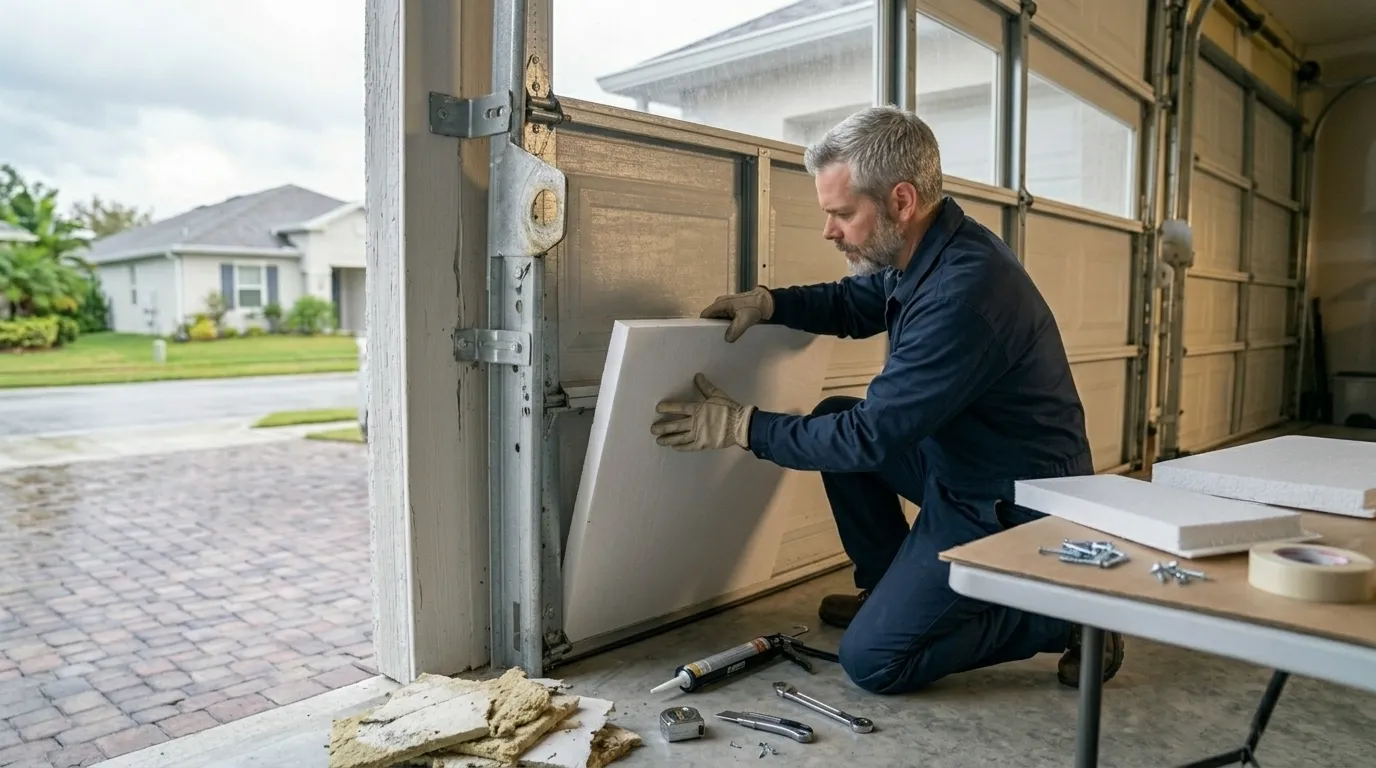
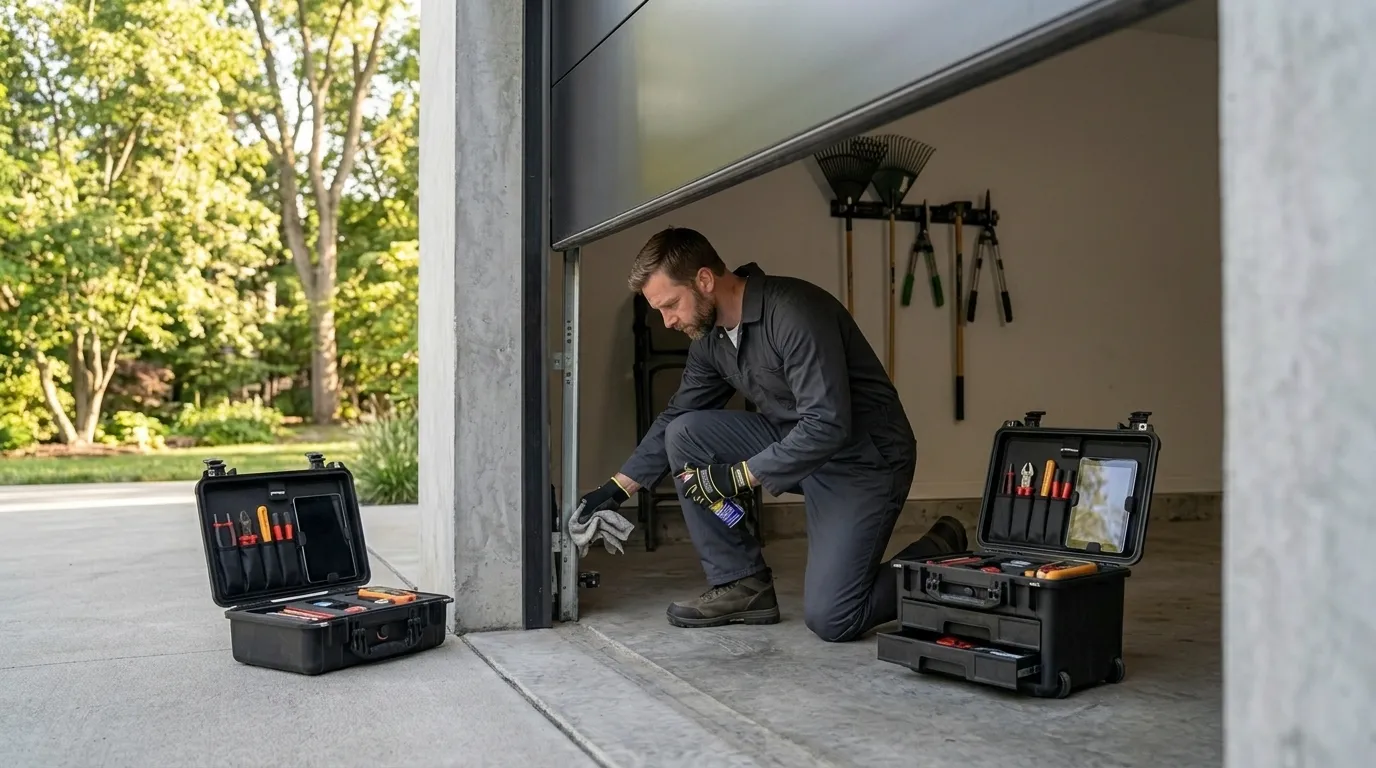
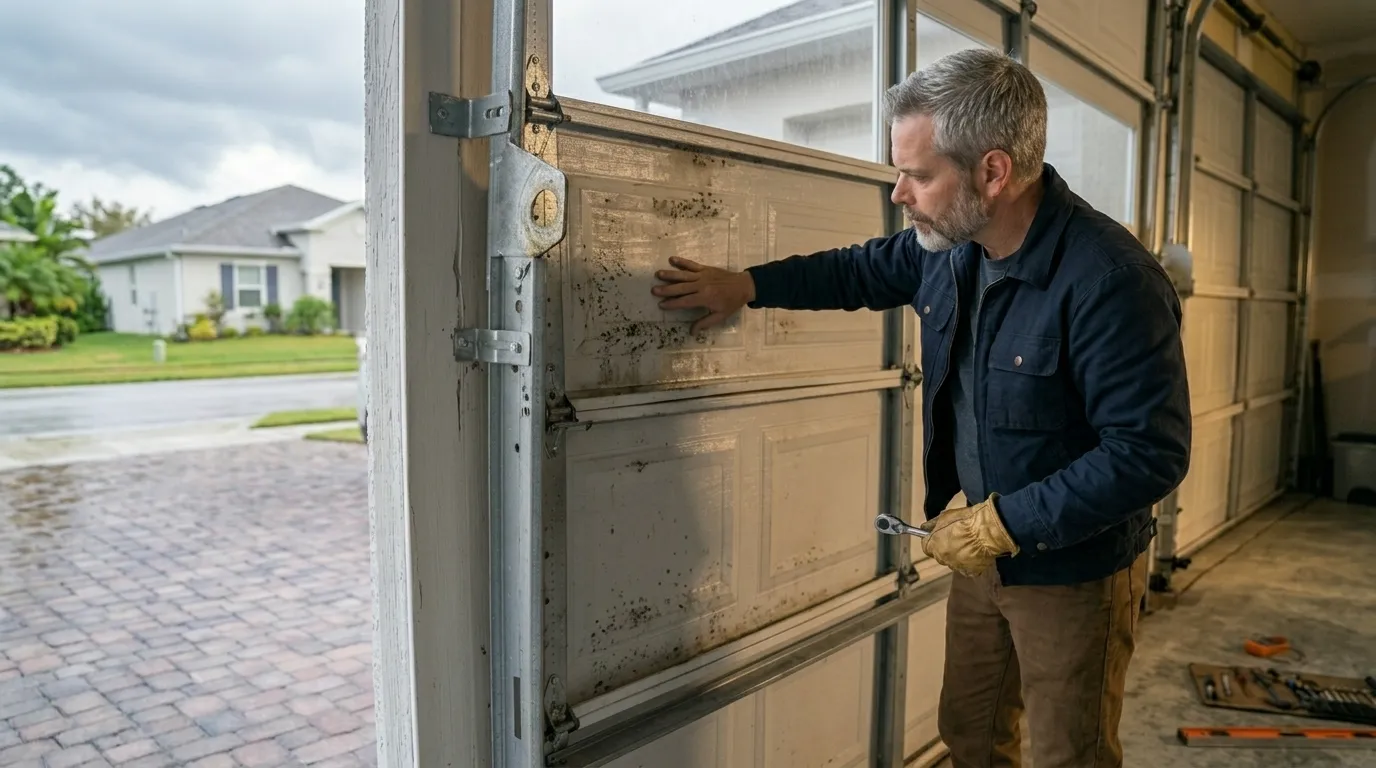
The most common call we get from Pine Hills isn't a dead opener - it's a working motor driving a door that's binding on worn rollers or a bent track, so the opener strains, overheats, and eventually burns out early. Replacing the opener without fixing the door it's lifting just repeats the failure in a year or two.
We also see mismatched logic boards where a previous owner or handyman installed a universal remote system that doesn't talk cleanly to the opener's rolling code, leaving the door randomly unresponsive. And on older 1980s-era garages, the header framing sometimes doesn't have a true horizontal surface for the mounting bracket, which means shimming it level before the unit goes up - skip that step and the chain rattles within months.
What the Repair Takes
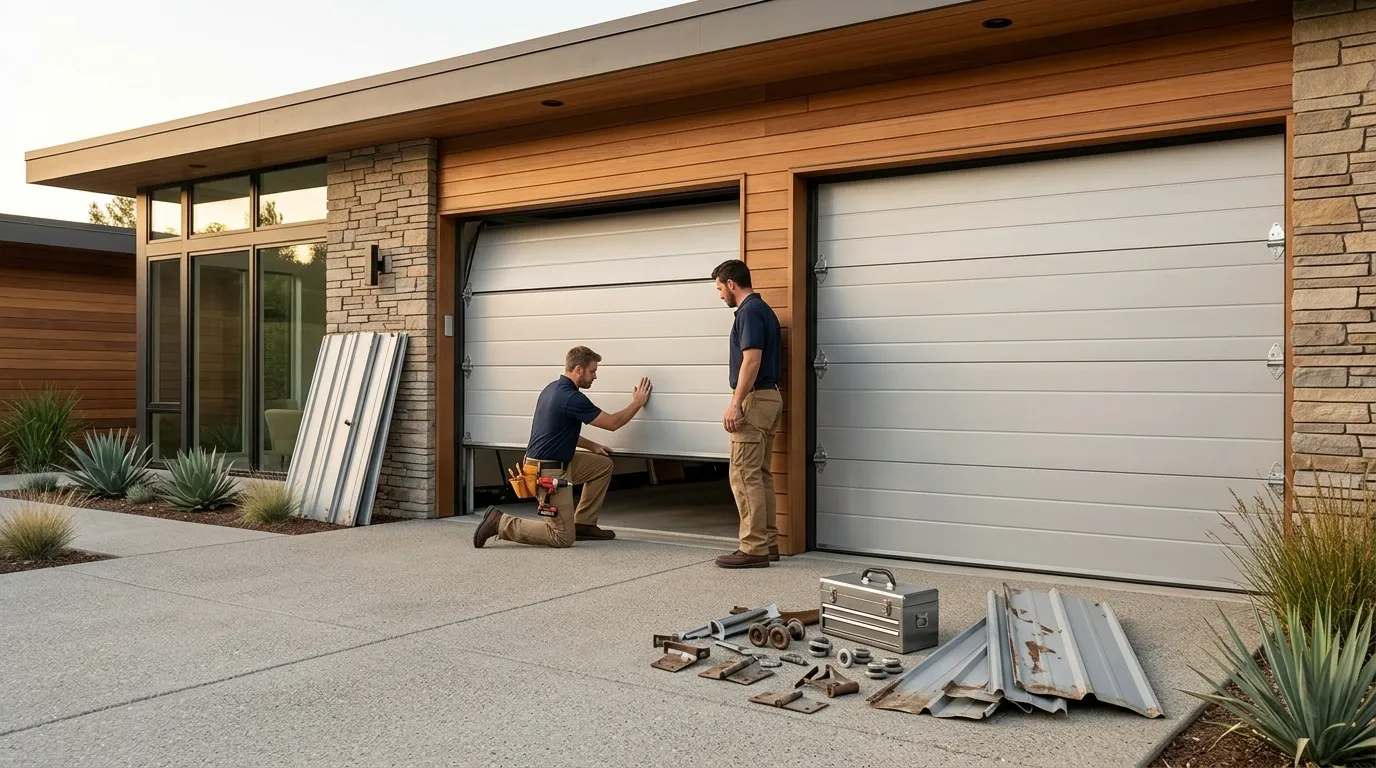
A straightforward swap - same rail length, same mounting points, no rewiring - is usually a same-visit job once we're on site. Add a header repair, a new circuit run, or a full rail-length change because the door height differs from the old setup, and the visit runs longer or needs a return trip for parts we don't carry standard on the truck.
One honest limit: we don't stock every logic board or remote-code module for older opener brands, especially ones tied to a home's original 1980s build. If your unit is an obscure or discontinued line, we'll tell you on the spot whether we can get the part or whether replacement makes more sense than chasing a part that's hard to find.