Booking a Visit
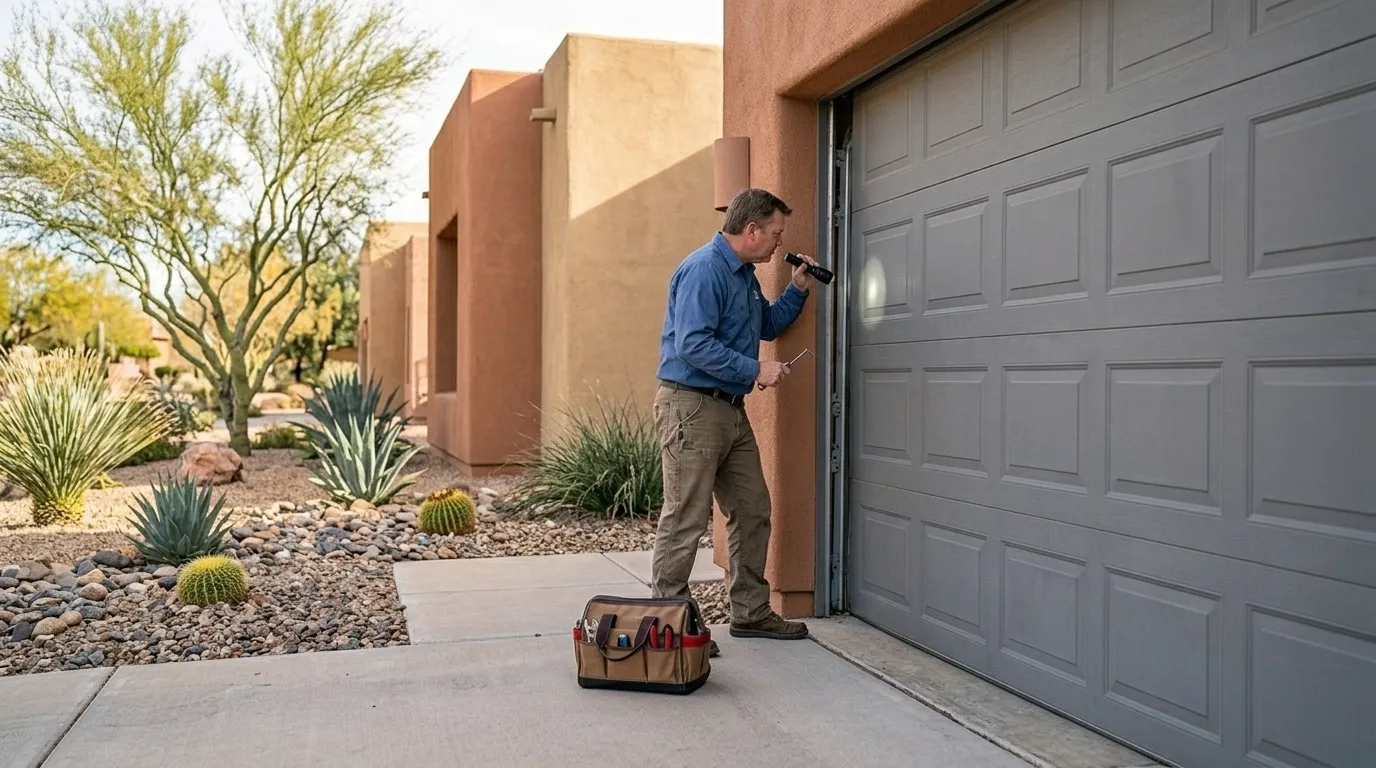
There's no branch in Pine Hills - the crew comes out of Orlando, about 18 miles away, same as the distance to Pine Hills listed for the wider service map. That means a visit here gets scheduled, not walked into same-hour. When you call, have the door's rough age and panel count ready, and a photo of the damage if you can get one. It saves a wasted first trip if the panel style turns out to be one the crew already knows is discontinued. Measurements get taken on-site because panel widths and rib counts from doors around 1980 don't always match what's stocked today, and guessing from a phone description isn't good enough for a section that has to seat flush against its neighbors.
Doing It Yourself
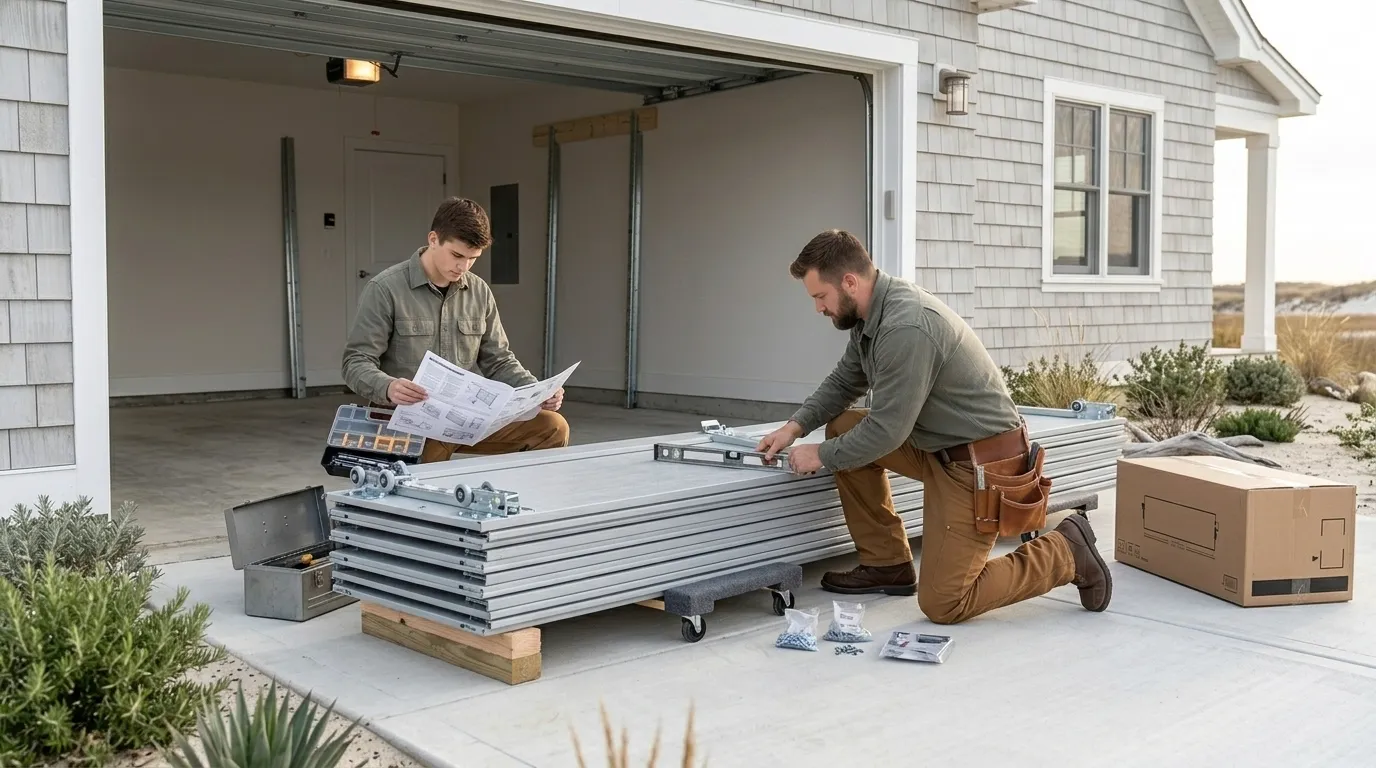
A single-panel swap kit looks simple on the shelf, and for a newer door it sometimes is. For a door built close to 1980, it usually isn't. The rib spacing, the color coat, and the hinge spacing on doors that old were never standardized the way they are now, so a panel bought off a big-box shelf can be close and still not close enough - visible seam, mismatched color, or a hinge pattern that's off by fractions of an inch and throws the whole section out of plane. Honest limitation: if the panel is discontinued, which is common at this age, there's no shortcut that gets you an exact match. You're choosing between a visible patch job or replacing the section-matched panels as a set, and no online kit will tell you that ahead of time.
What Can Go Wrong
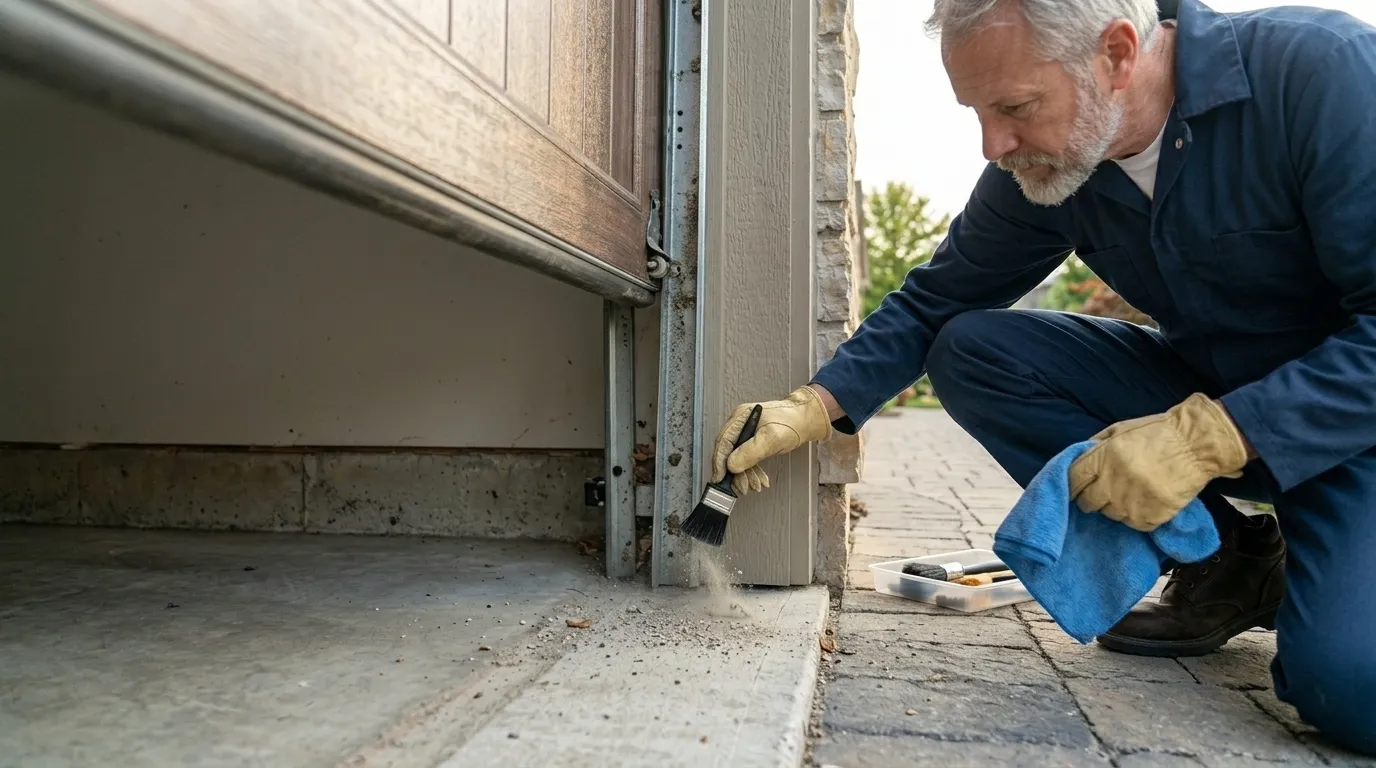
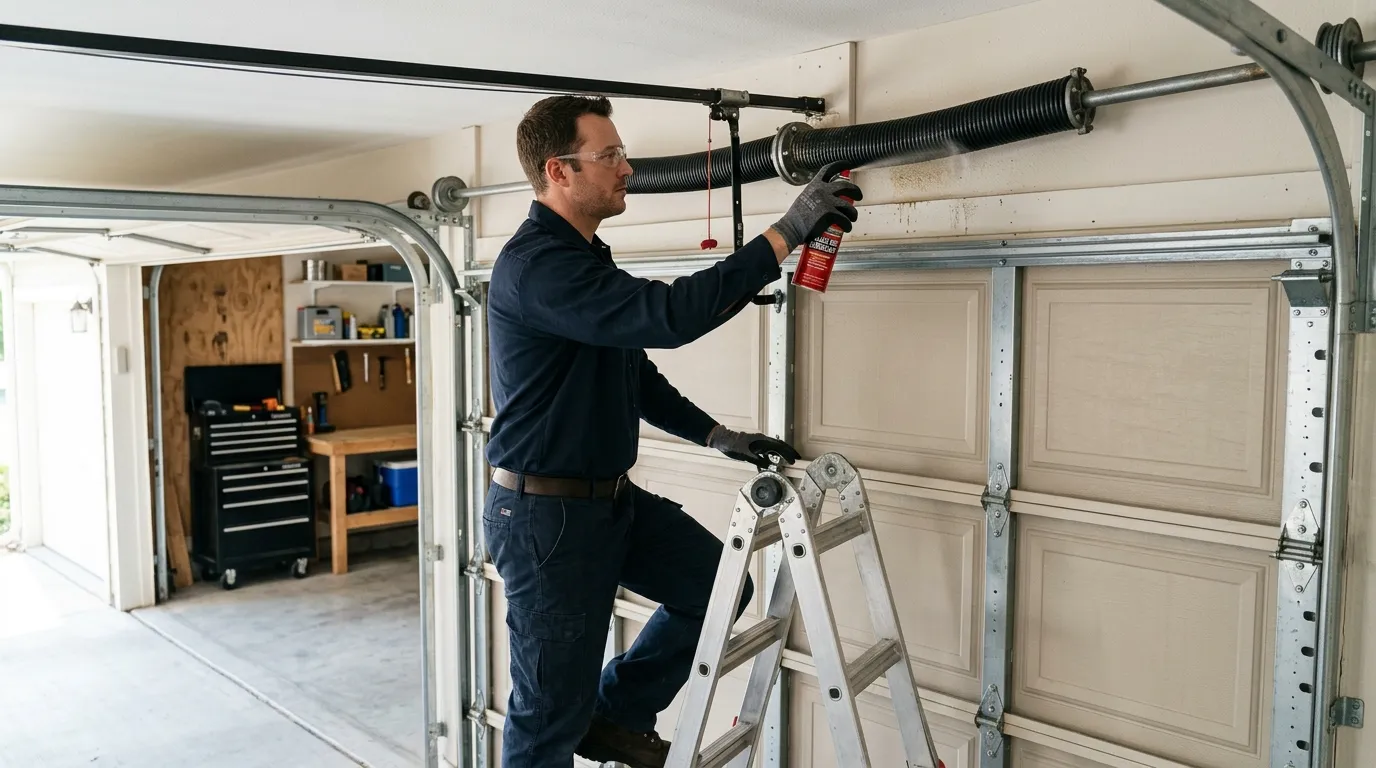
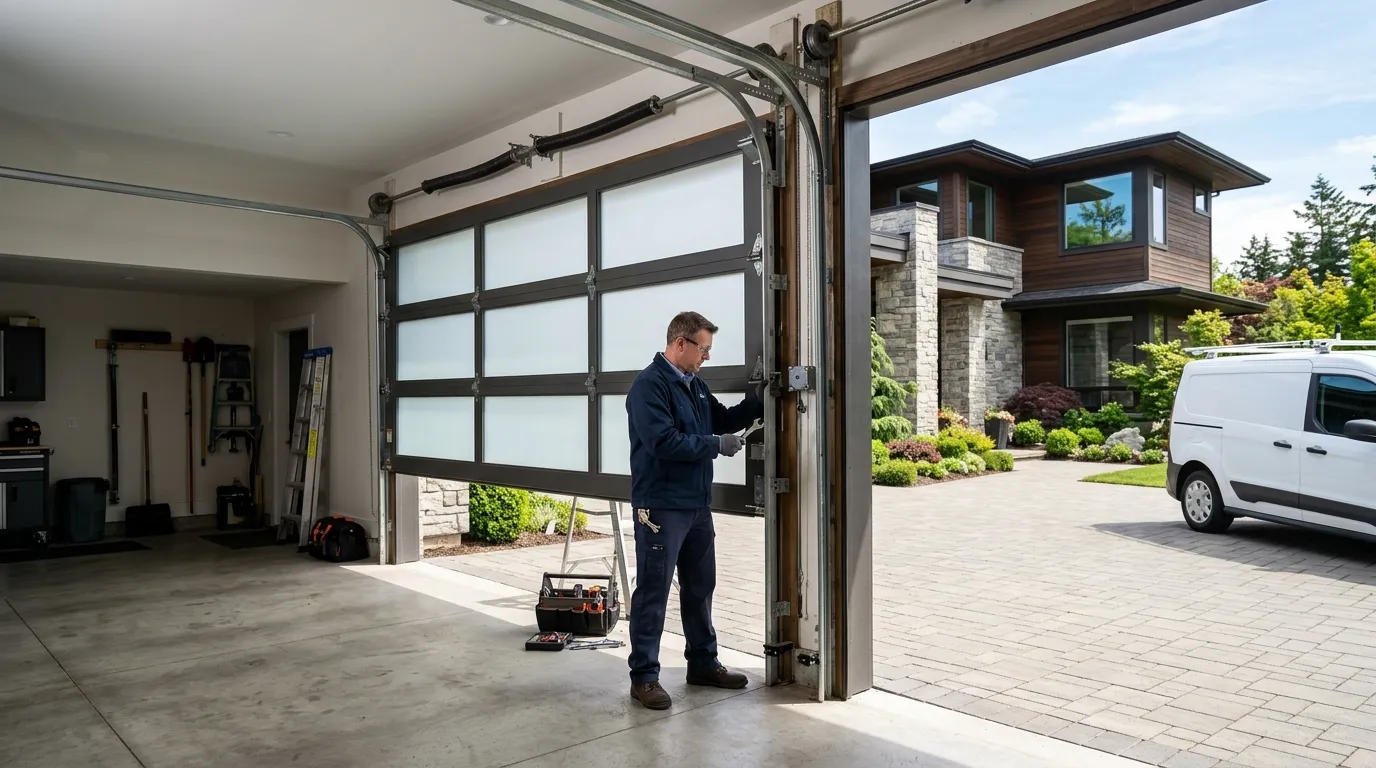
A panel that's slightly off in width or gauge doesn't just look wrong - it changes how the door hangs on the track. On a door built around 1980, adding one new-stock panel next to three original ones can shift the balance point enough that the torsion spring is now lifting a different weight than it was set for. That shows up as a door that struggles partway up, or one that slams the last foot on the way down. Track alignment is the other common casualty: mismatched panel thickness pushes the roller path out of true, and the door starts grinding at the same spot on every cycle. None of this is dramatic at first. It's the kind of wear that gets ignored for months and then fails on a Saturday.
What the Repair Takes
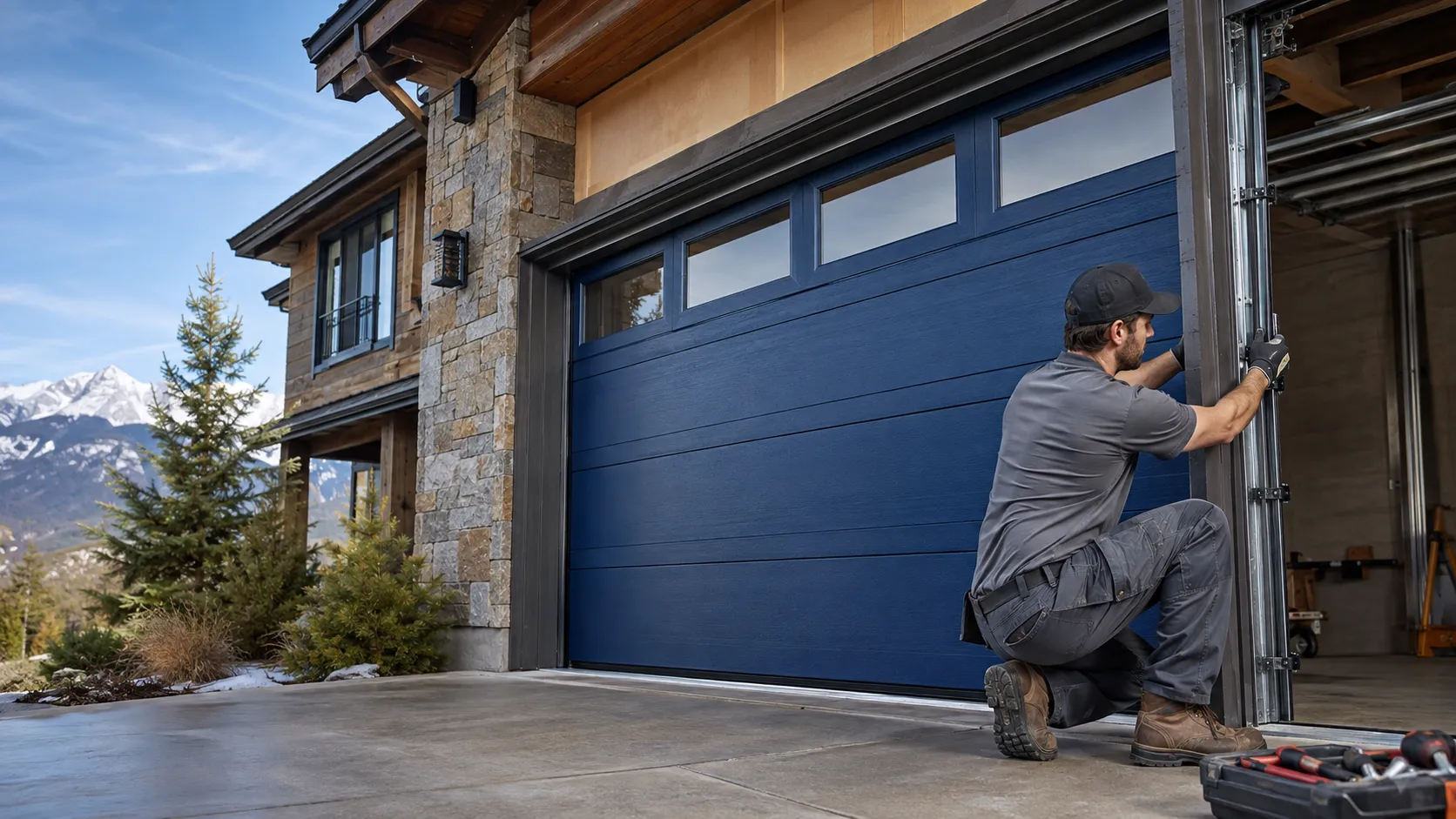
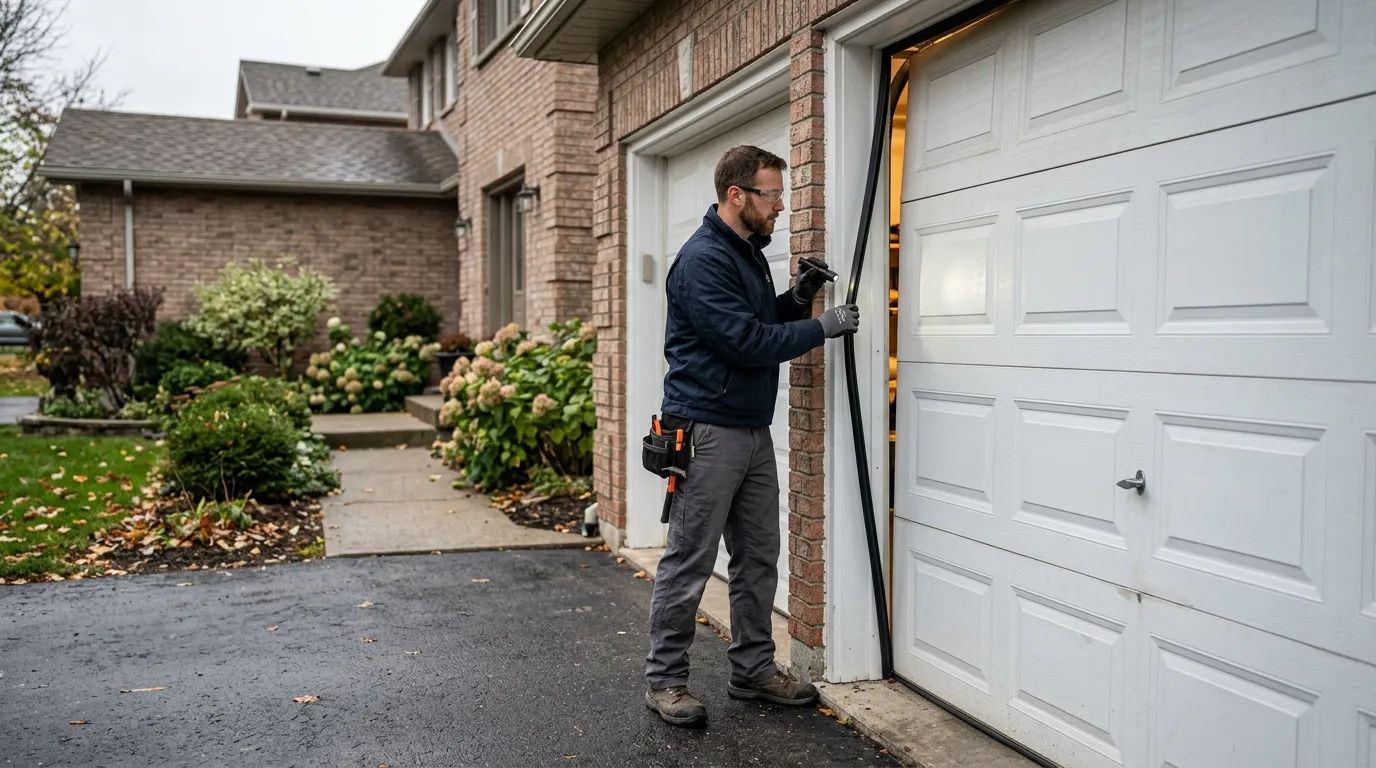
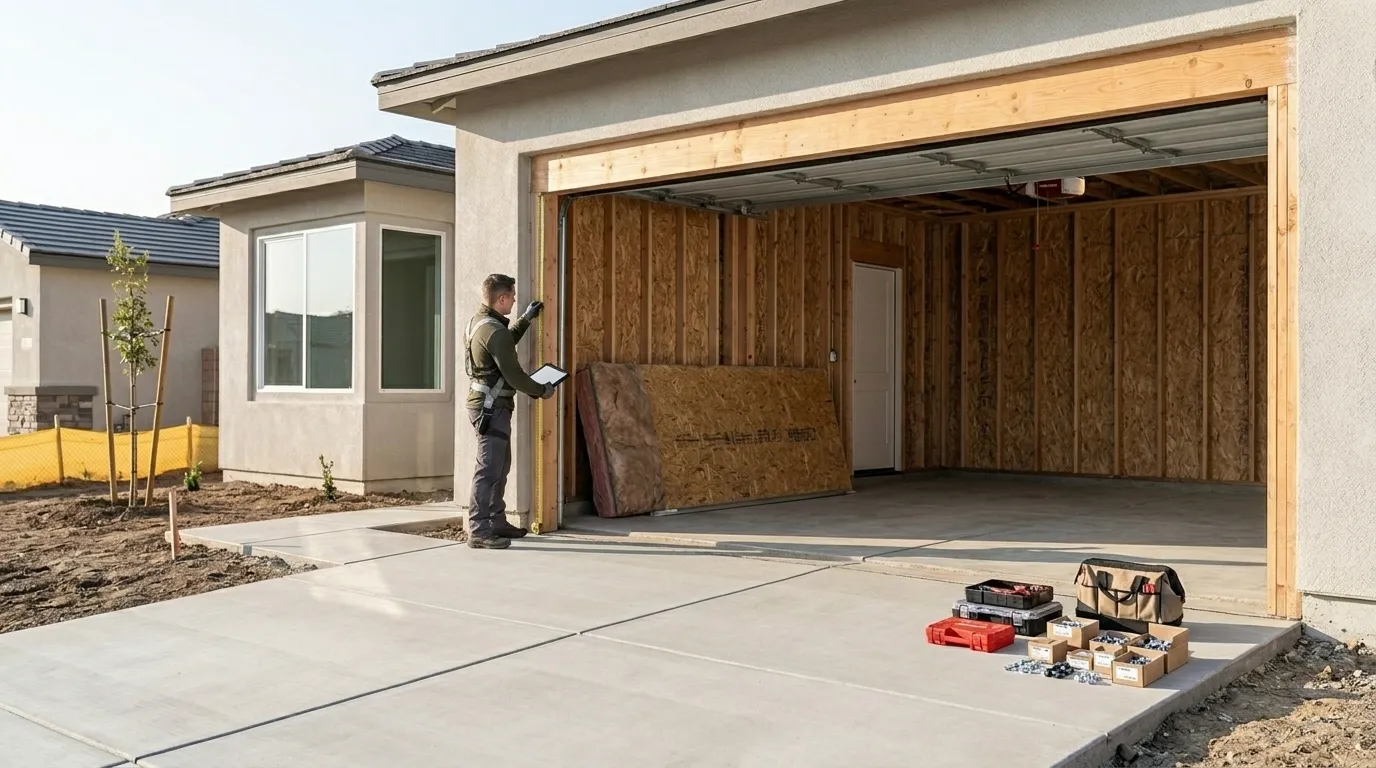
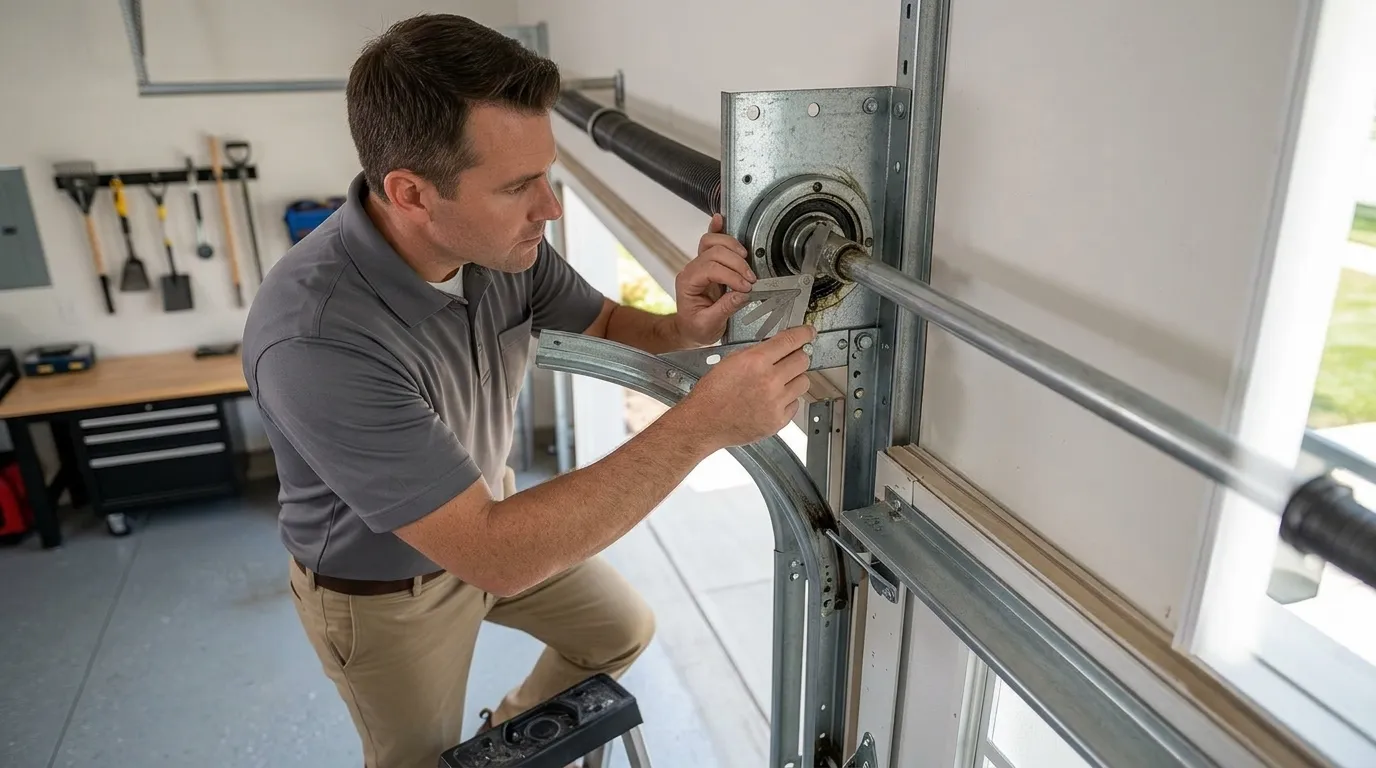
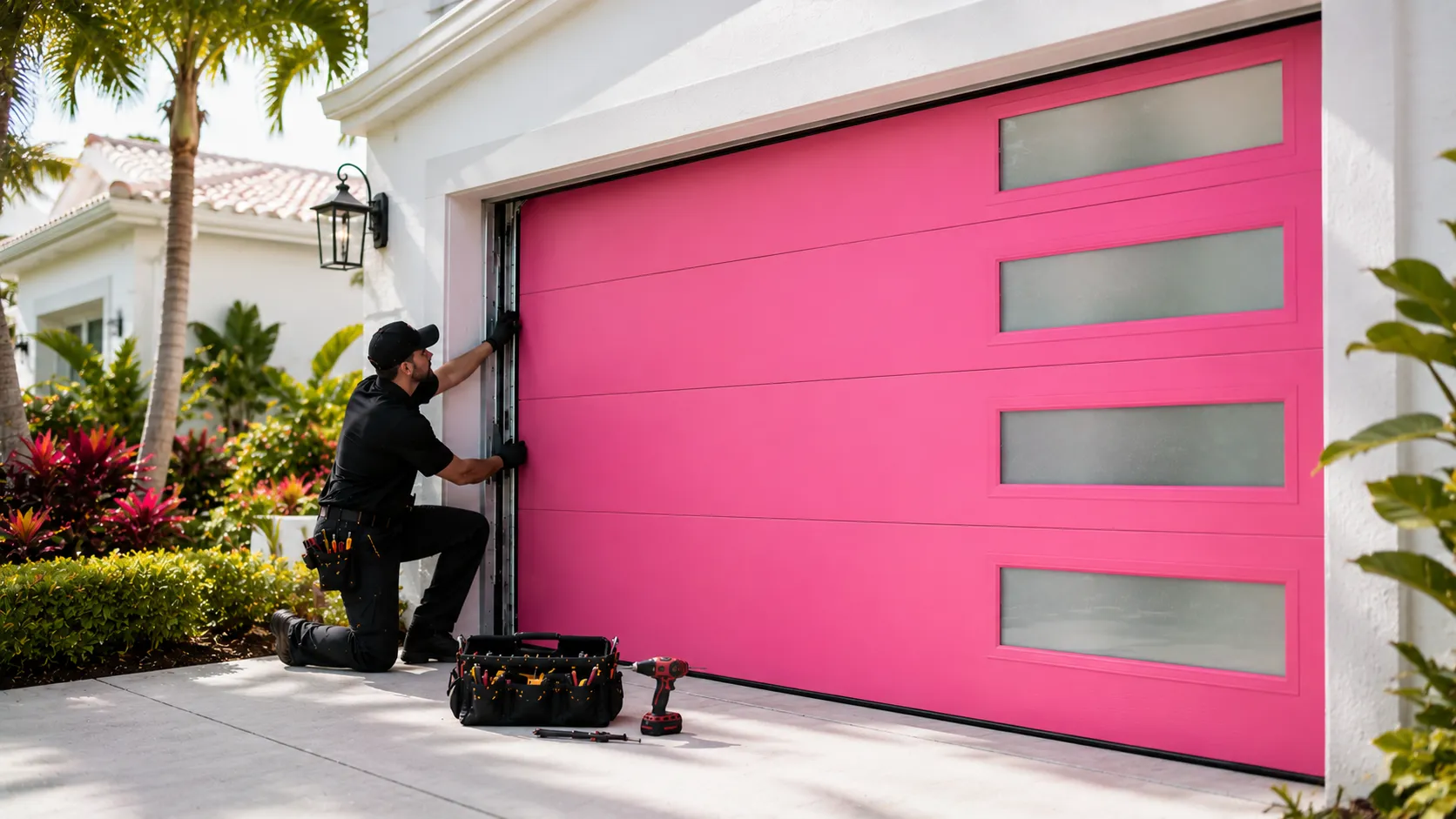
The visit starts with measuring the existing door - width, panel height, gauge, and hinge spacing - because on a door this age none of that can be assumed from the outside. If a matching panel exists, it goes in and the door gets rebalanced against the existing spring, since even a small weight difference changes how hard the spring has to work. If no match exists, the honest option is replacing the door as a matched set rather than living with a visible seam. Either way, the door doesn't get handed back without checking that it opens and closes evenly across its full travel - a panel swap that isn't rebalanced is just a new problem waiting on the same spring. See the full panel replacement service or the Pine Hills service page for what else the crew covers out this way.