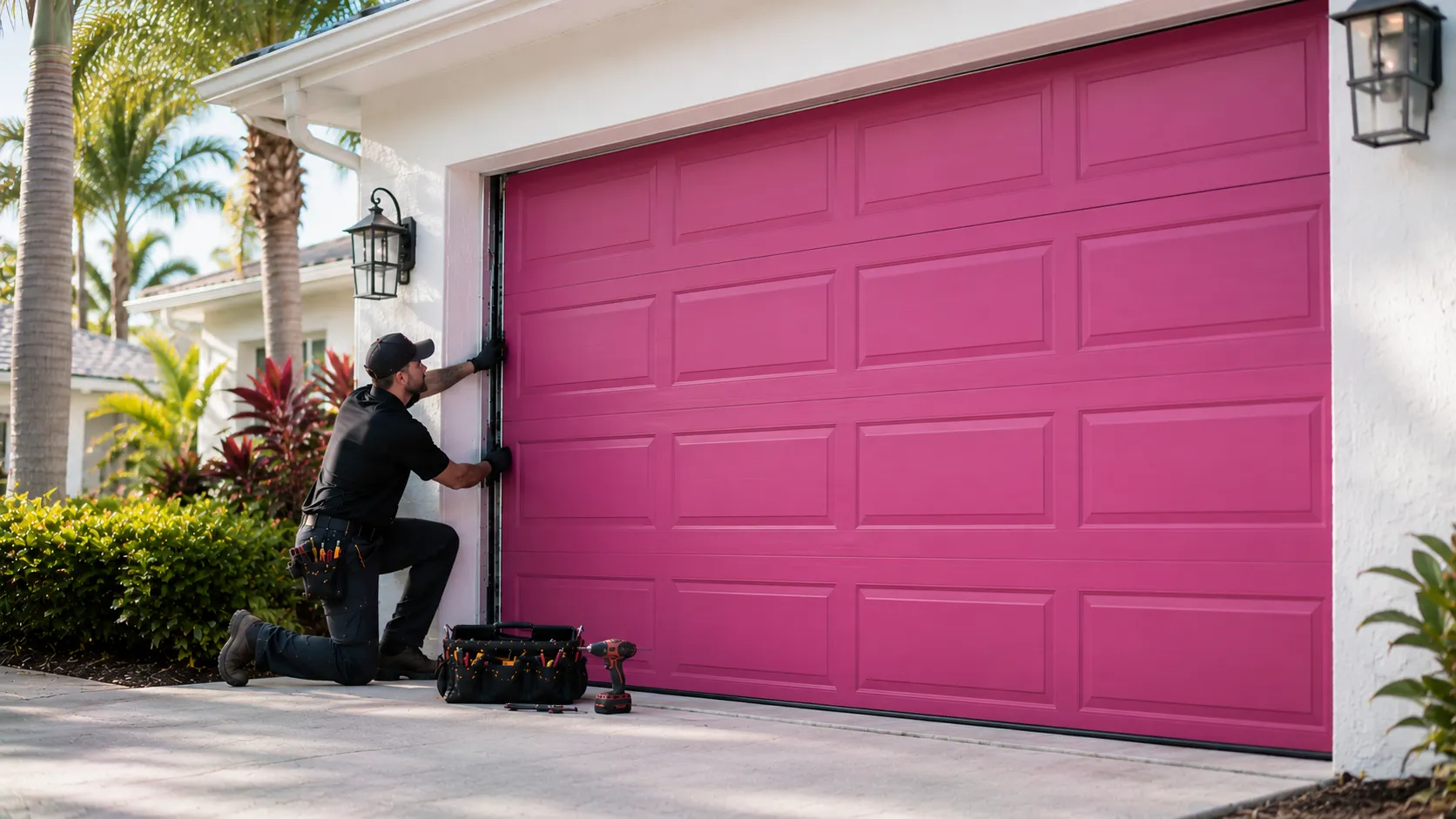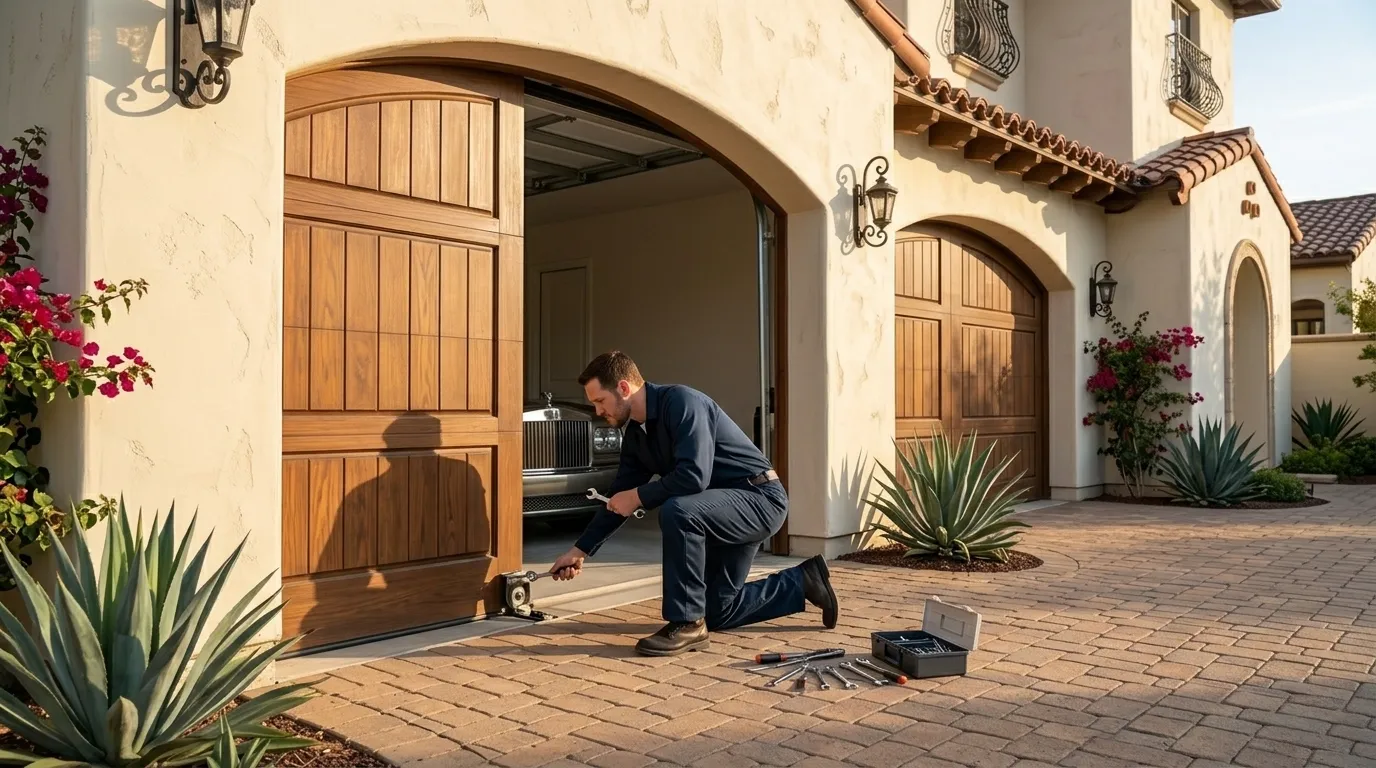
How Long You Are Without the Door
We run this call out of Orlando, about 11 miles from Union Park. There's no local depot here, so the honest limitation is that we're driving in with whatever's already stocked on the truck - if your door needs a part that isn't standard, that's a second trip while we source it.
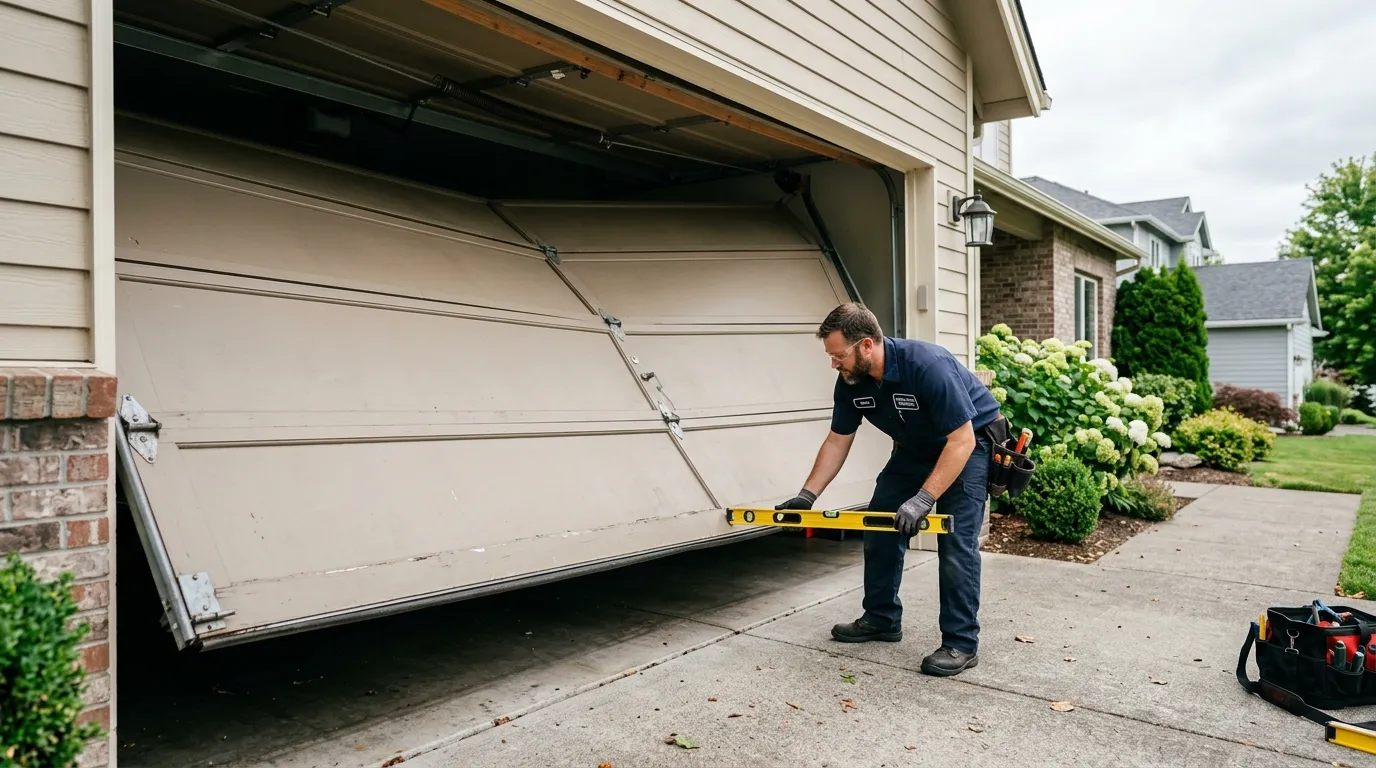
Most of what fails on a mid-1980s door - springs, rollers, cables, a burnt-out opener circuit board - is common enough that it's on the truck already. The jobs that stretch out are the odd ones: an obsolete opener model, a track bent badly enough that the whole rail needs replacing, or hardware sized differently than what a shop stocks off the shelf for a house this age.
We won't promise a same-day fix as a blanket rule, because we haven't got a fact to back that up for every job. What we can say is that the failures typical of this housing stock are usually straightforward once we're looking at the door in person.
Why This Fails Locally
Union Park's housing stock centers on a median build year of 1985, which puts it near the front edge of the broader 1964-2021 range seen across the service area. Doors from that era are steel, single skin, no foam backing, hung on hardware that was standard for the time but has had close to four decades of daily cycling to wear out.
The climate here is mild temperate - no deep freeze, no heavy snow load - so the failures aren't weather-driven the way they'd be up north. They're driven by age and use: a spring that's done its rated number of cycles, a roller that's worn its track groove wider than it should be, a cable starting to fray where it wraps the drum.
With roughly 3,660 households in Union Park, the neighborhood is small and consistent enough that a lot of these doors were installed within a few years of each other, on the same handful of builder-grade hardware lines. That means when one door on a street starts grinding or dropping unevenly, it's not unusual for a neighbor's door to be a few years behind on the same failure.
What Is on the Truck
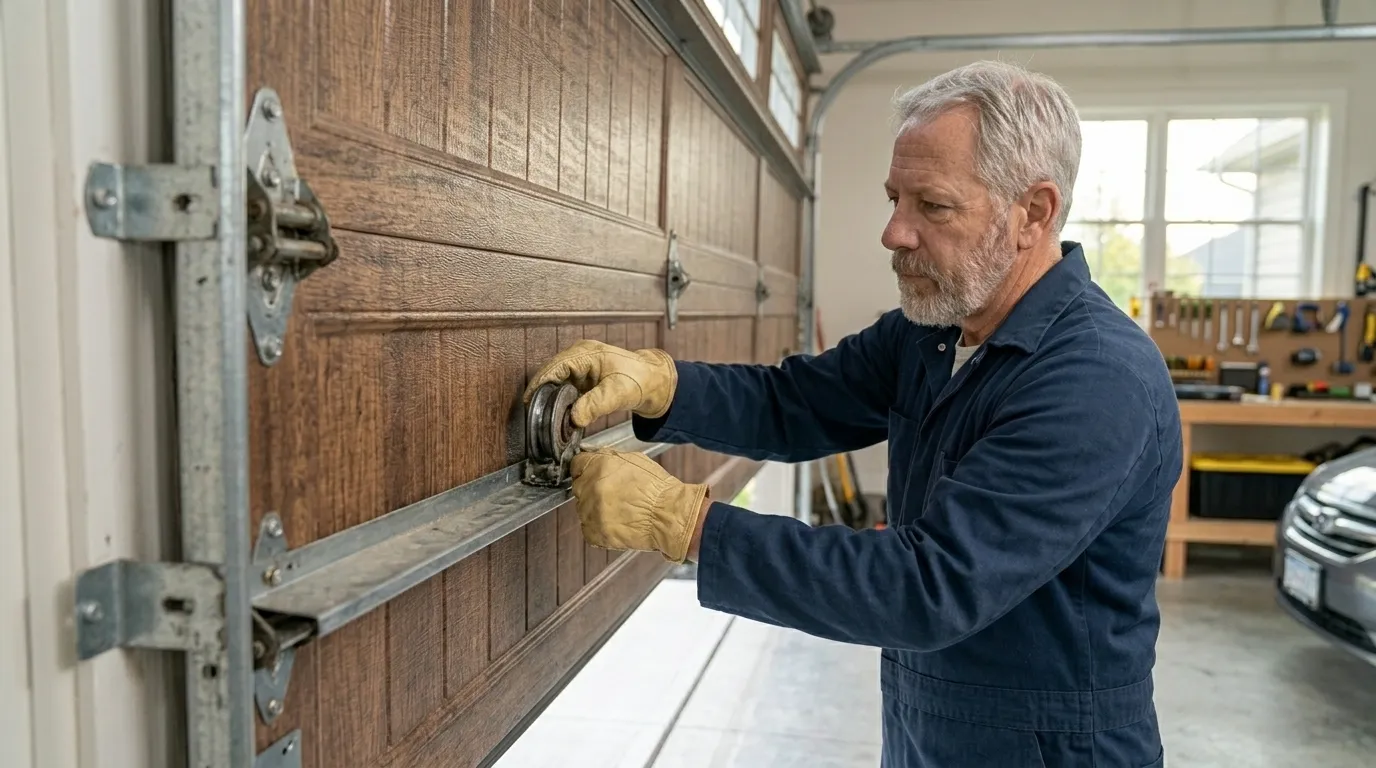
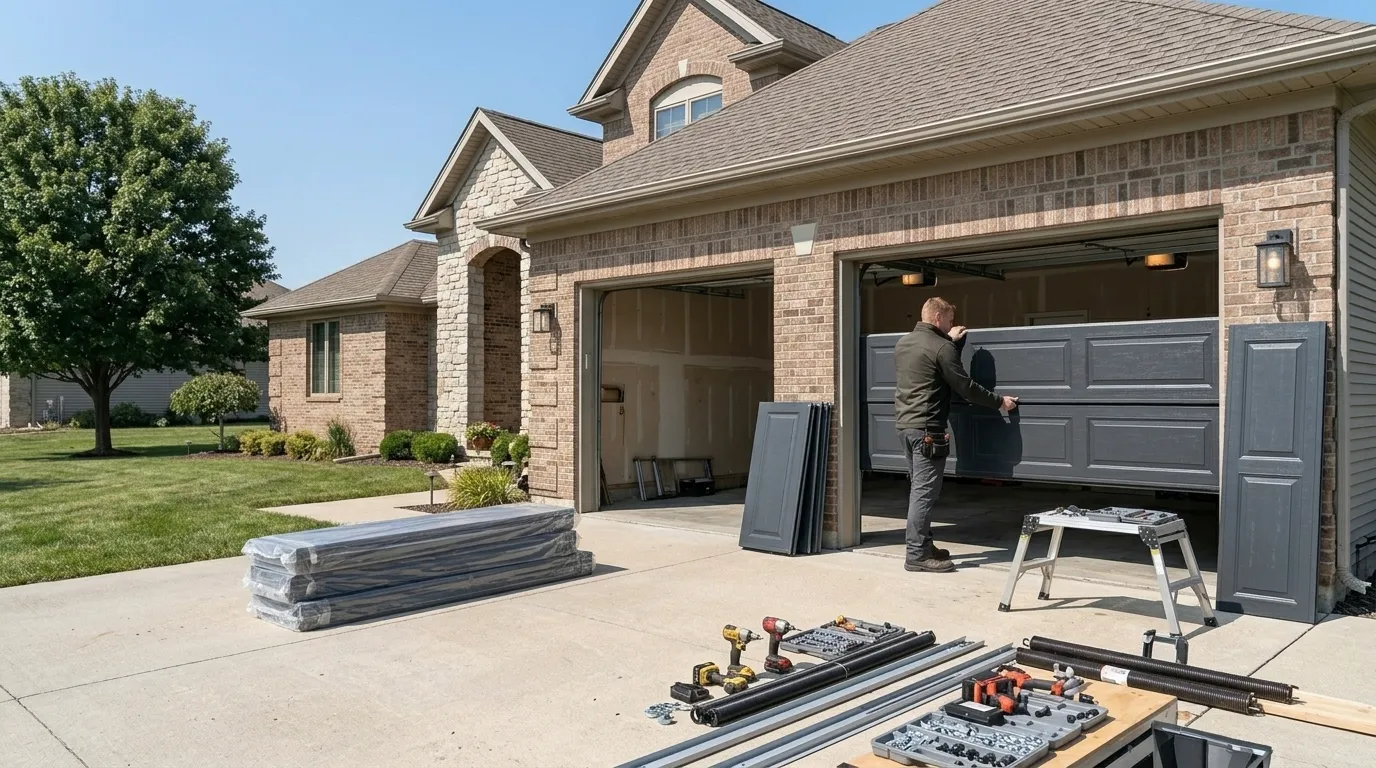
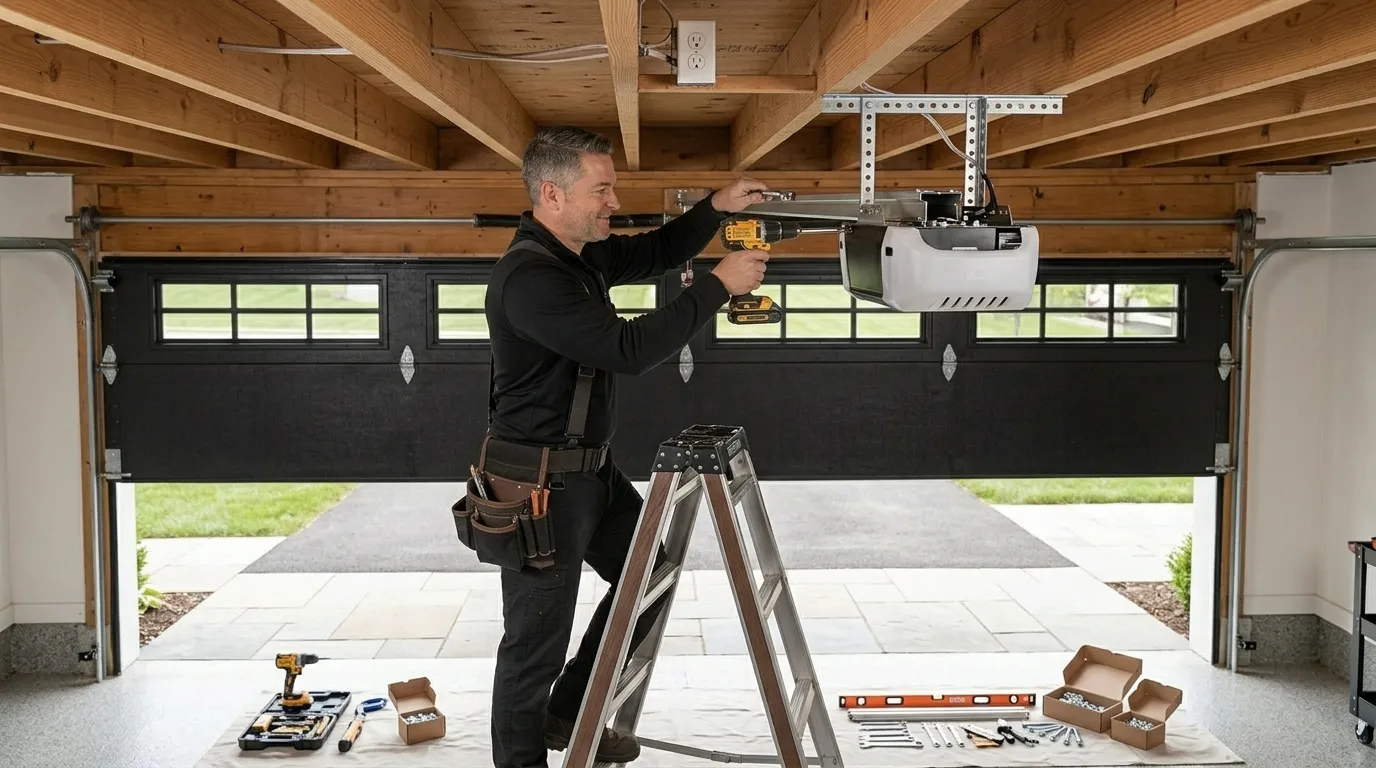
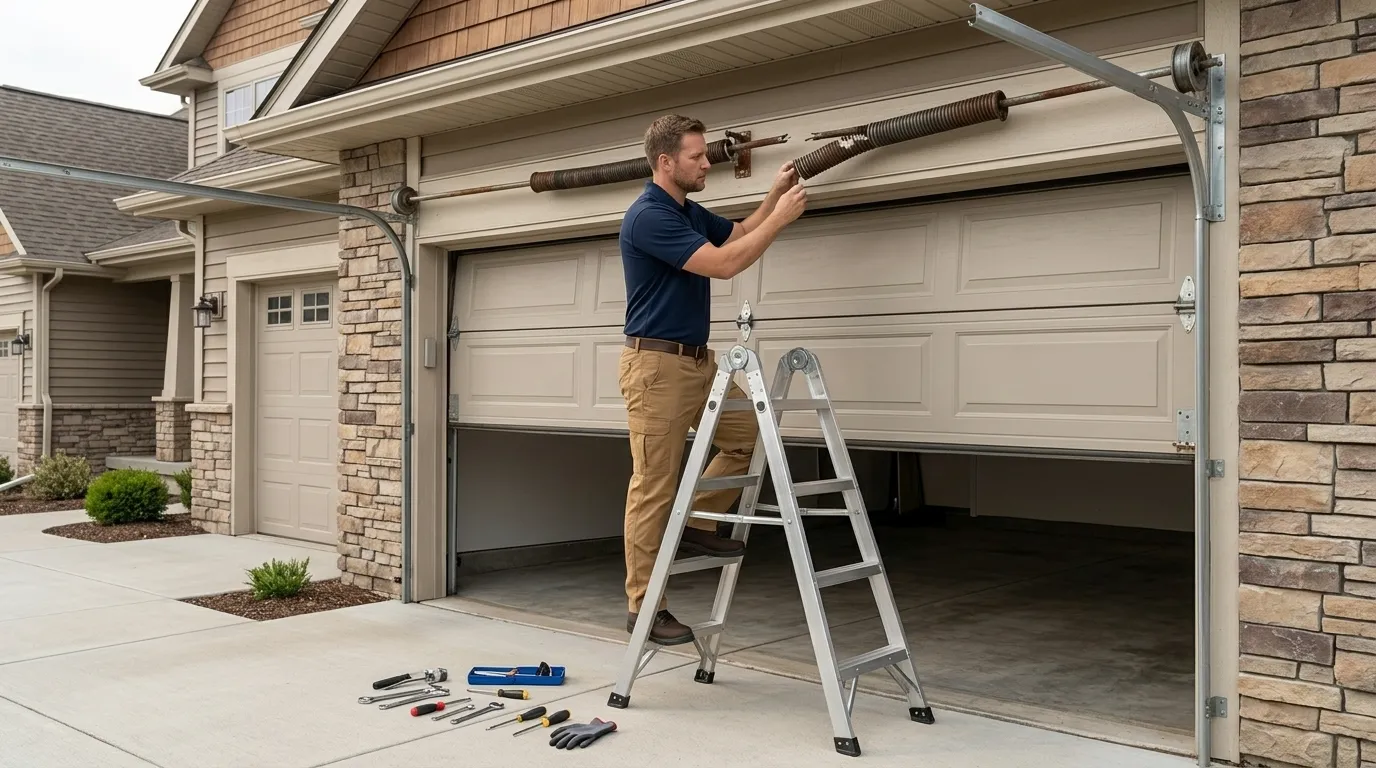
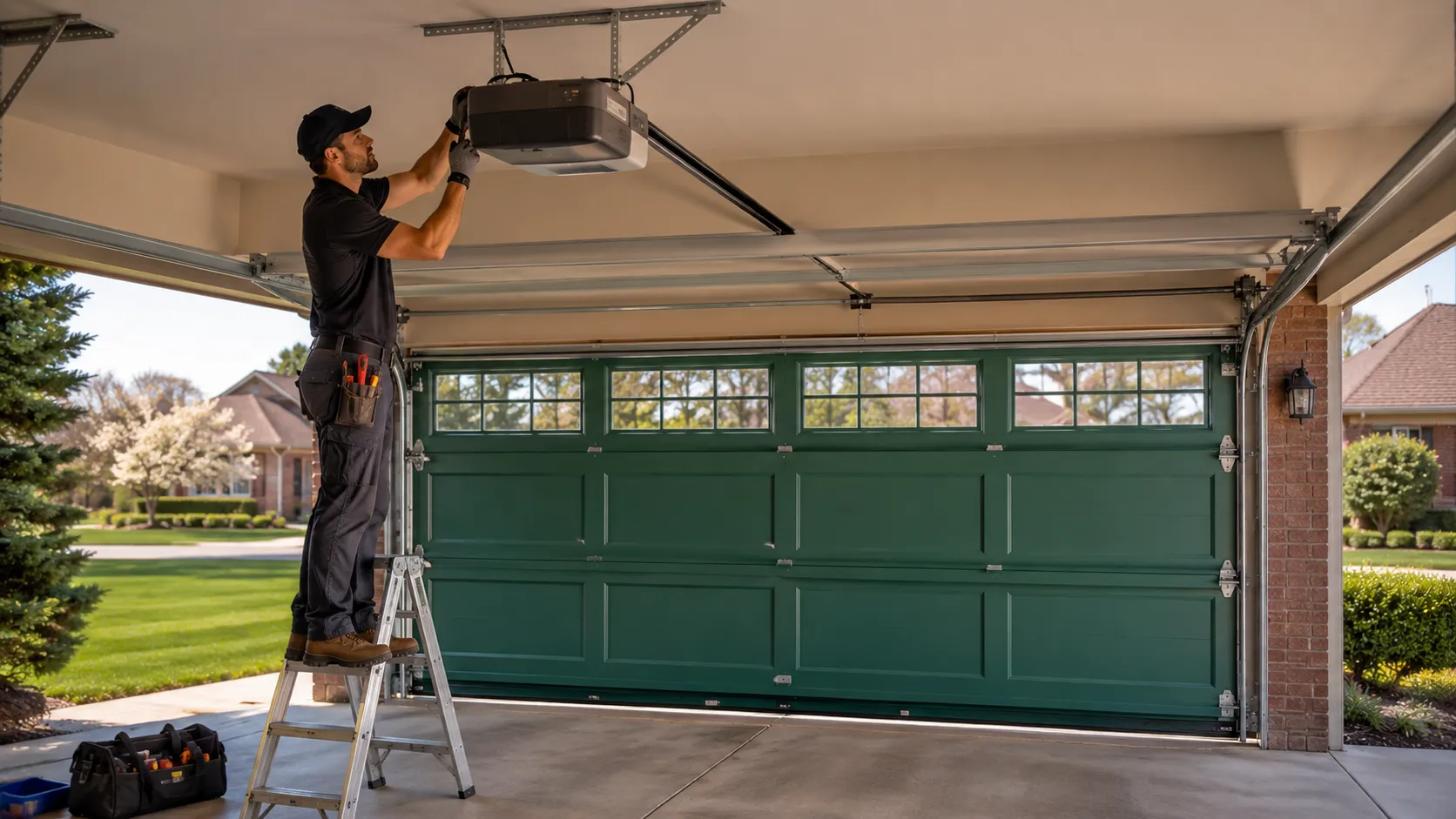
For a house built around 1985, the truck carries what actually gets used here most: torsion and extension springs in the common sizes, galvanized aircraft cable, nylon rollers to replace worn steel ones, and standard track hardware. Opener boards and drive gears for common brands are stocked too, since a dead opener is one of the more frequent calls on doors this age.
What's not always on board is anything unusual - a specialty panel, an odd-width track, or an opener model old enough that its parts aren't made anymore. On a door original to 1985, that's a real possibility, and if it comes up, the honest answer is a second visit rather than a rushed workaround that doesn't hold.
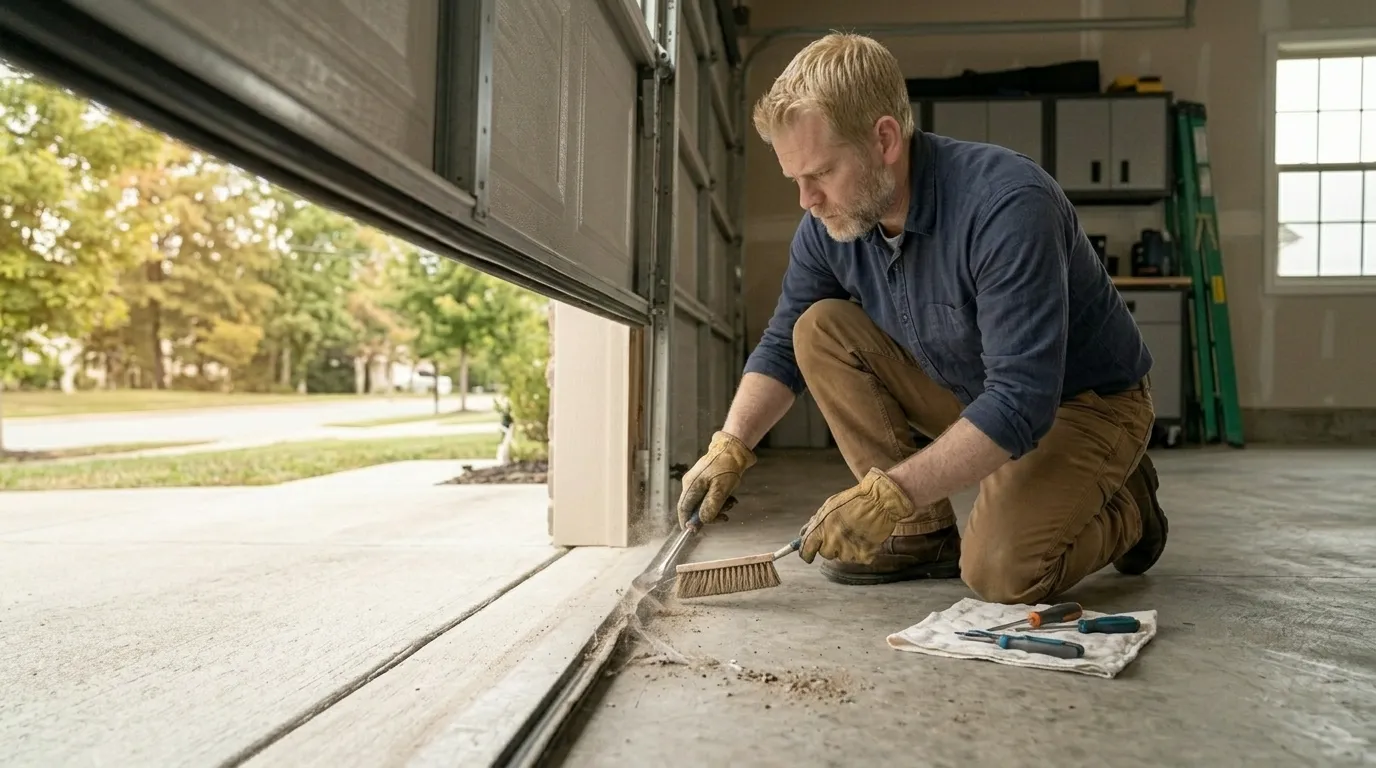
We carry lubricant, weatherstrip, and hinge sets as well, since the mild climate here doesn't wreck seals the way freeze-thaw cycles do elsewhere, but daily UV and heat still dry out rubber over the years. The goal on the truck is to cover what a typical Union Park door needs on the first trip, not to guess at everything that could possibly be wrong.