How Long You Are Without the Door
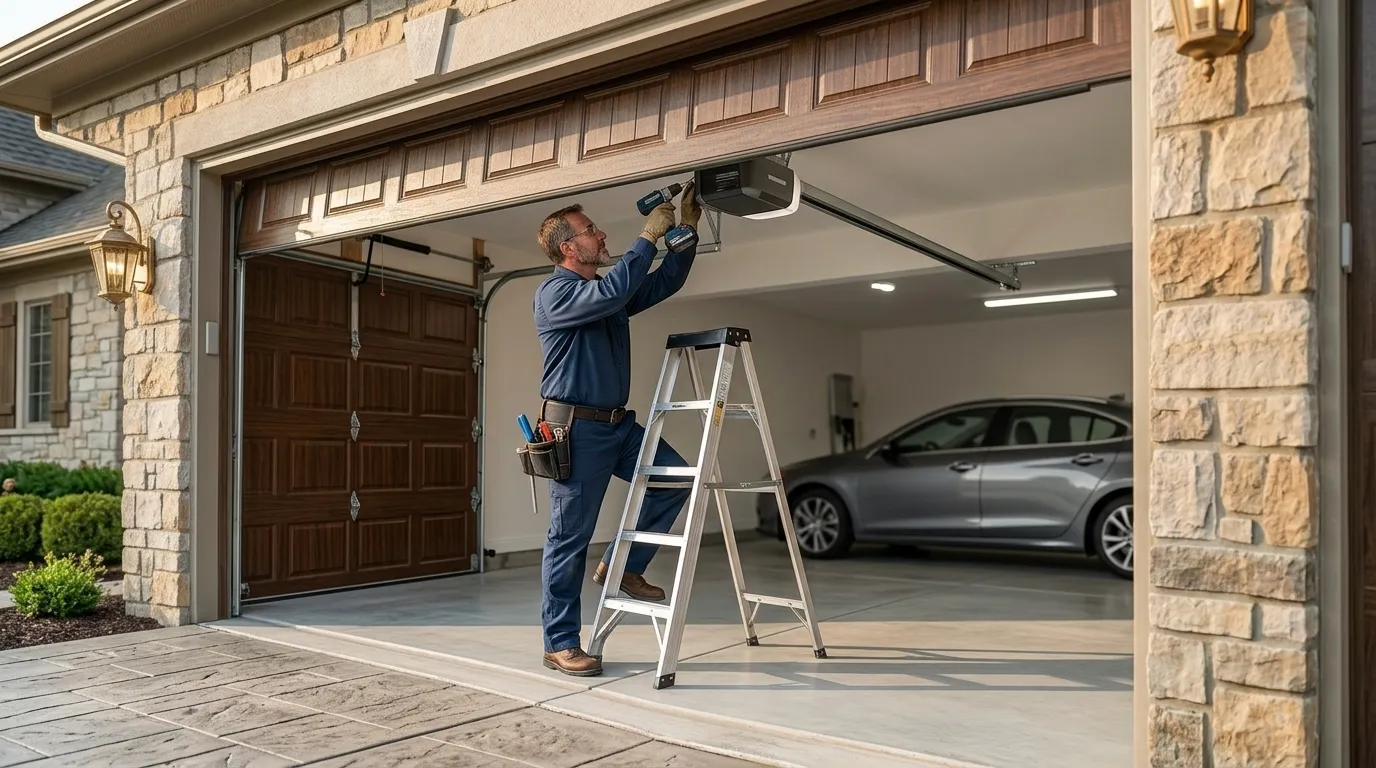
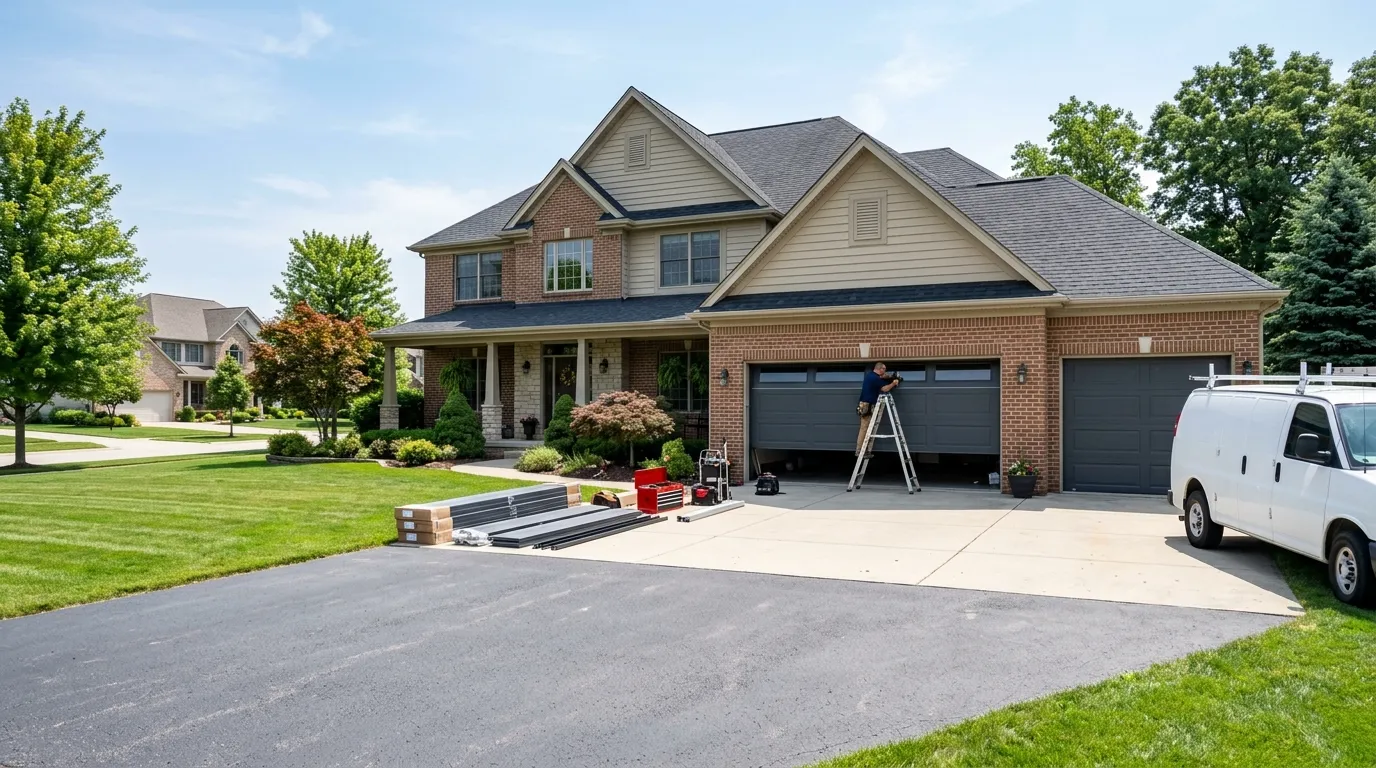
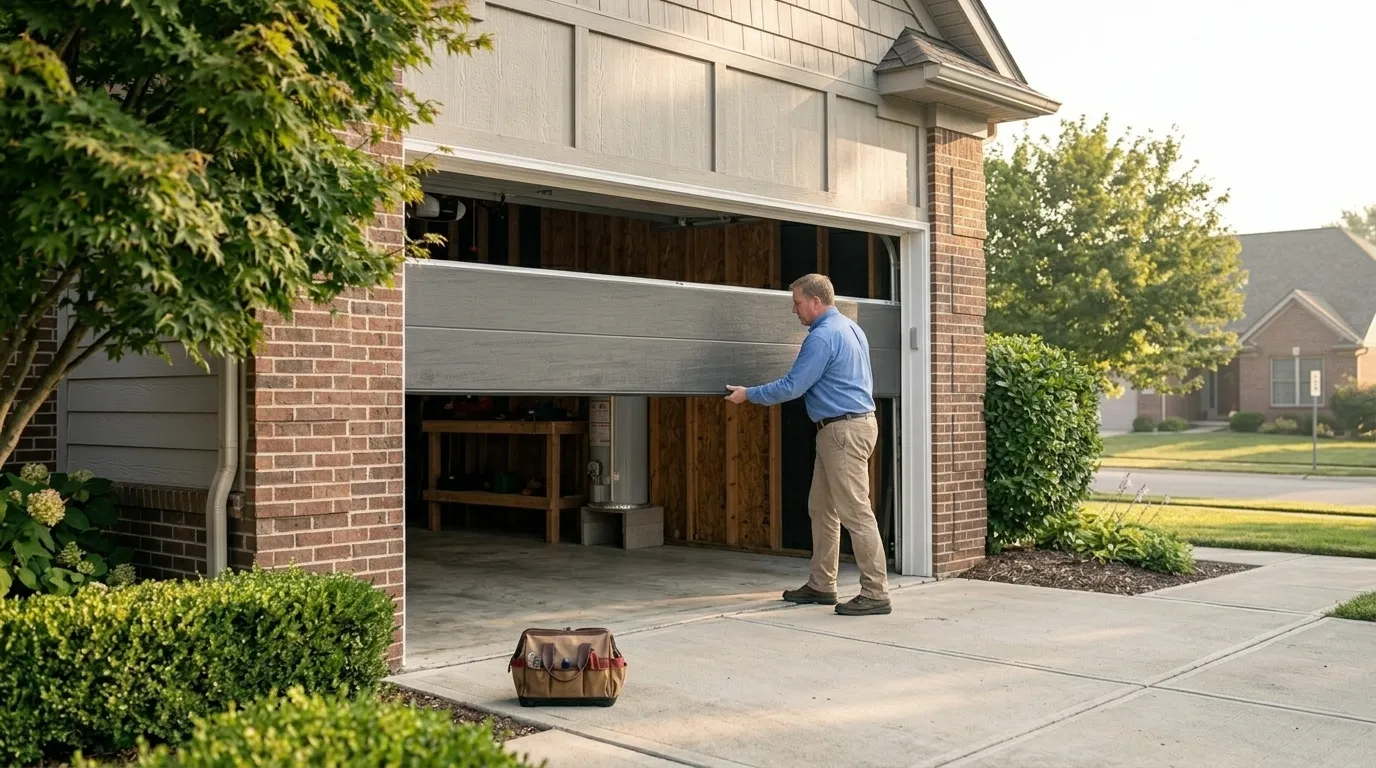
Because the drive out here is real, we don't schedule this as a stop-in-and-see job. We come with the door already on the truck, the track hardware measured to your opening, and a plan for the full install in one visit - usually the better part of a day for a full replacement, less for a straight swap on existing track.
The 11 miles from Orlando means we're not built for a same-day emergency swap on a door we haven't seen. If your opener quit and the door won't budge, that's a different call than a planned installation - for a scheduled new door, we'd rather take the extra day to confirm the opening size and order the right unit than show up with the wrong width and make two trips.
With only 3,660 households in Union Park itself, we're not running installs here every day of the week, so we do batch what we can - if a neighbor is also getting a door done, we'll try to route both on the same trip. That's routing convenience for us, not a discount, but it's why our scheduler sometimes asks if anyone nearby is also due for work.
Why This Fails Locally
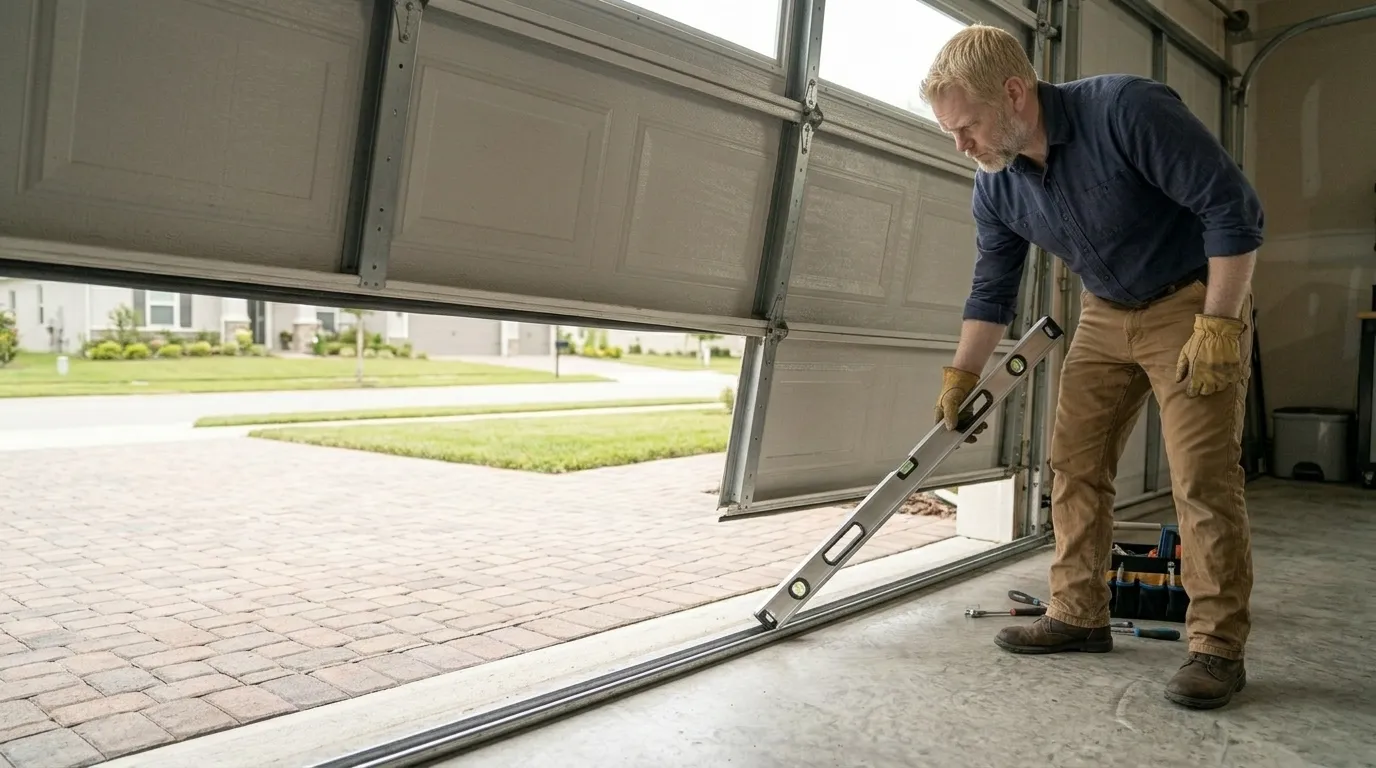
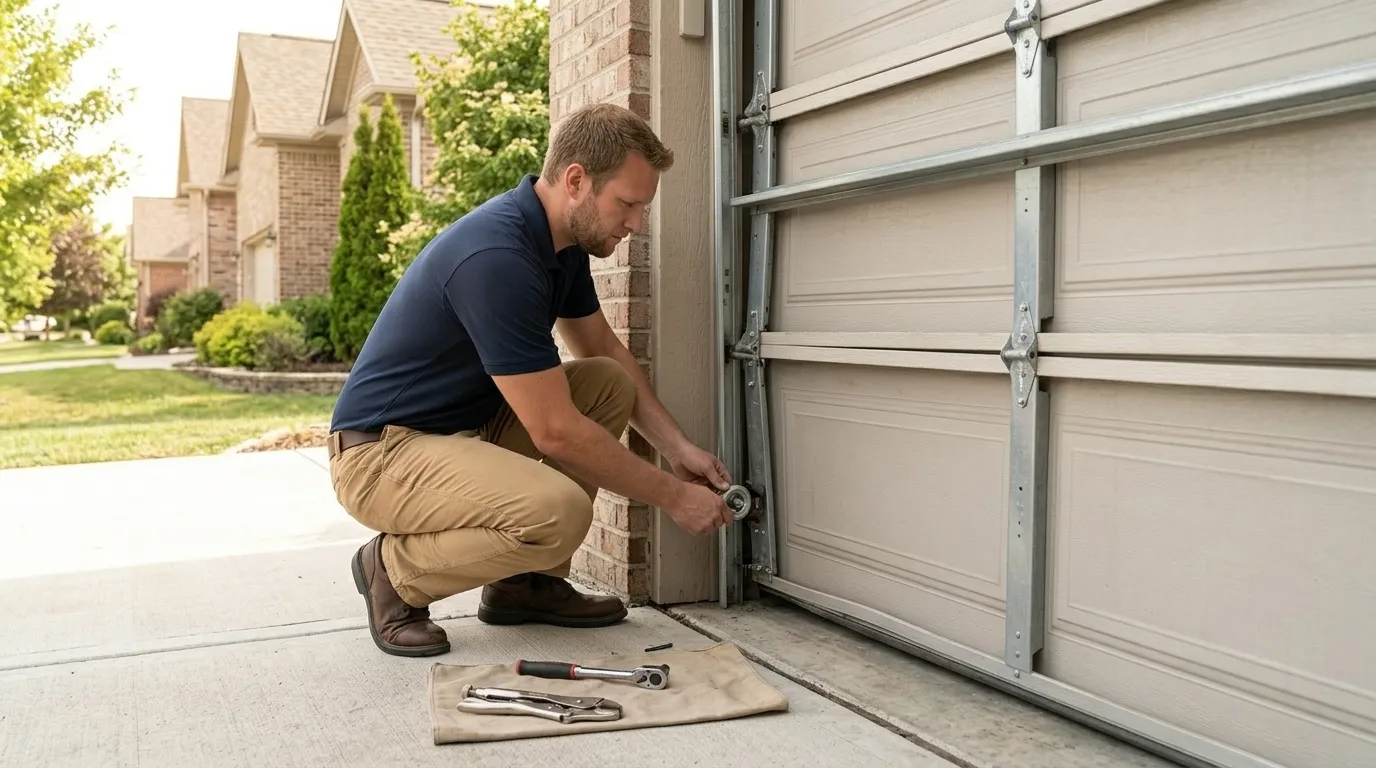
The housing here centers on 1985, a few years ahead of the wider service area's 1987 median but still square in the 1964-to-2021 range that spans the 39 areas we work across. What that means on the ground: a lot of Union Park garages still have their original steel door, non-insulated, on the hardware that shipped with the house - narrower rail, lighter-gauge track, rollers that were never rated for 35+ years of cycling.
We're in a mild temperate band here, so we're not fighting frost heave under the slab or ice-locked track the way colder regions do. The failure mode out here is slower and less dramatic: UV breaking down the original nylon rollers, humidity swelling the bottom seal, and steel panels that have dented and never been swapped because the door still opens. None of that announces itself the way a frozen track does up north - it just gets a little worse every summer until a cable finally goes.
That's the case for replacing rather than patching once a door hits this age: the springs, track, and rollers are all wearing out on the same schedule, and fixing one piece at a time on a 1985 door usually costs more over two years than replacing it once.
What Is on the Truck
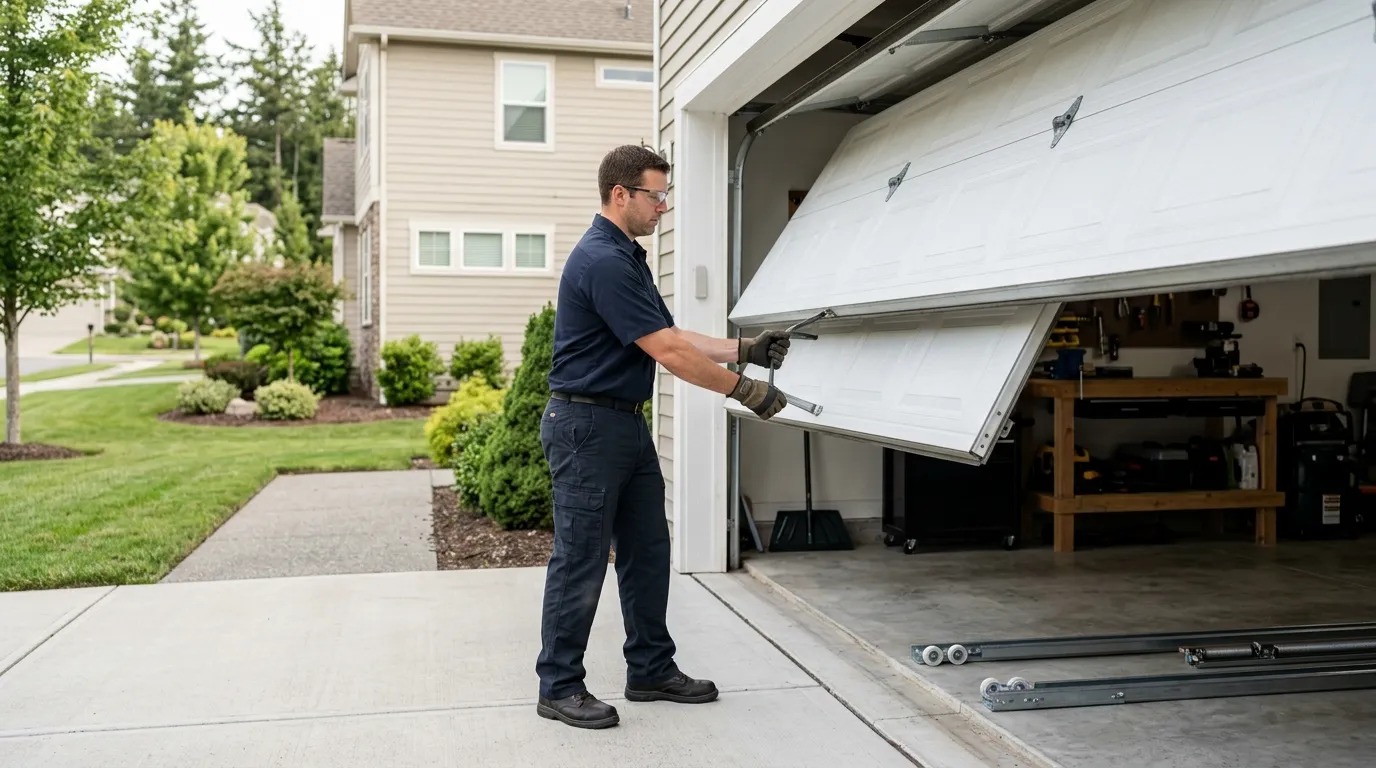
For a Union Park job we load for the door width that's common to the area's housing era - standard single and double openings sized to 1980s construction, not the wider bays you'd see in newer builds elsewhere in the service area. We bring torsion springs rated to the door weight we've already measured, not a generic size we adjust on site.
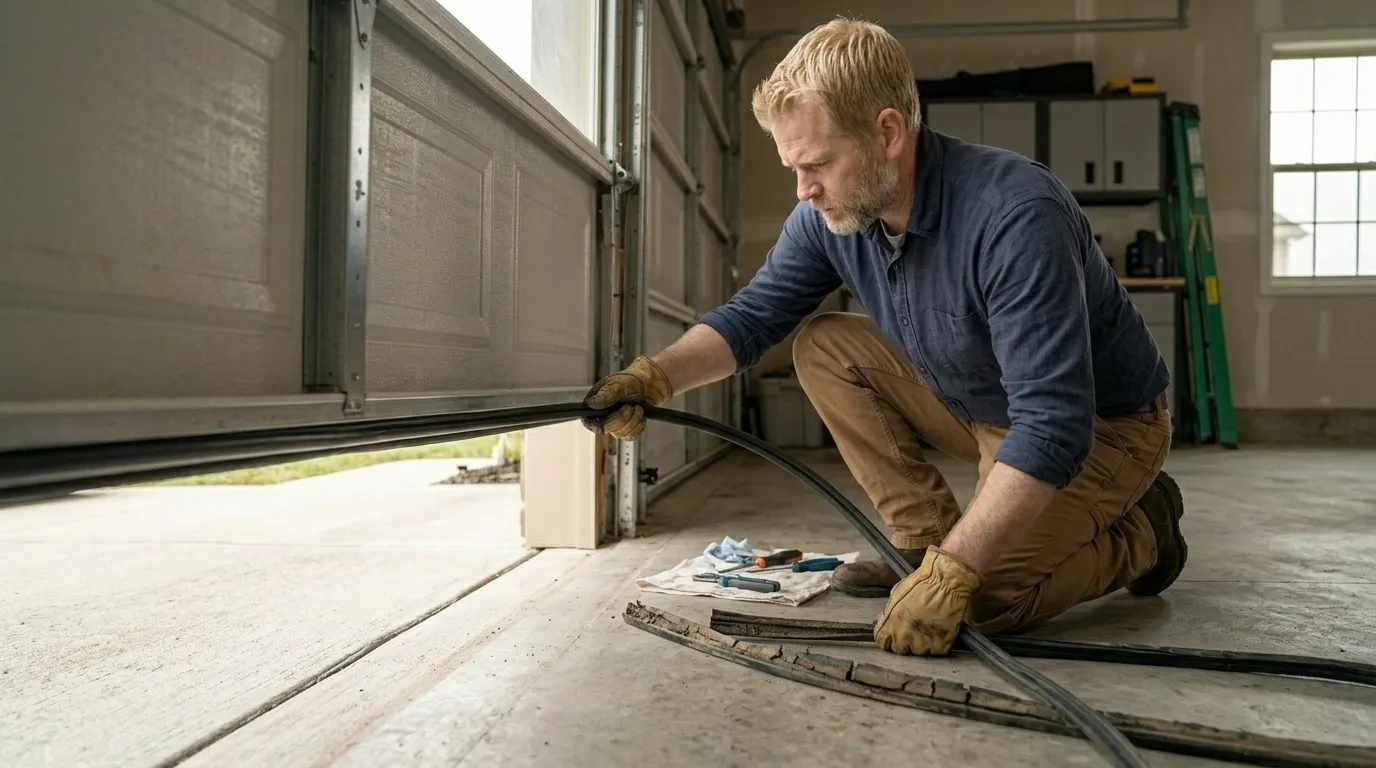
Because the climate here is mild rather than freeze-prone, we're not carrying the cold-weather lubricants or heated-track fixes that colder-climate crews need - we stock UV-stable rollers and weatherseal instead, since sun and humidity are the wear factors that actually show up on doors out this way.
We also carry extra lag bolts and jamb-repair hardware for exactly the bracket issue that shows up on older framing, along with a grounded-outlet tester, since checking the power before we hang an opener takes two minutes and saves a callback. What we don't carry is a wood-composite door in stock - those are special order regardless of where in the service area the job is.