How Long You Are Without the Door
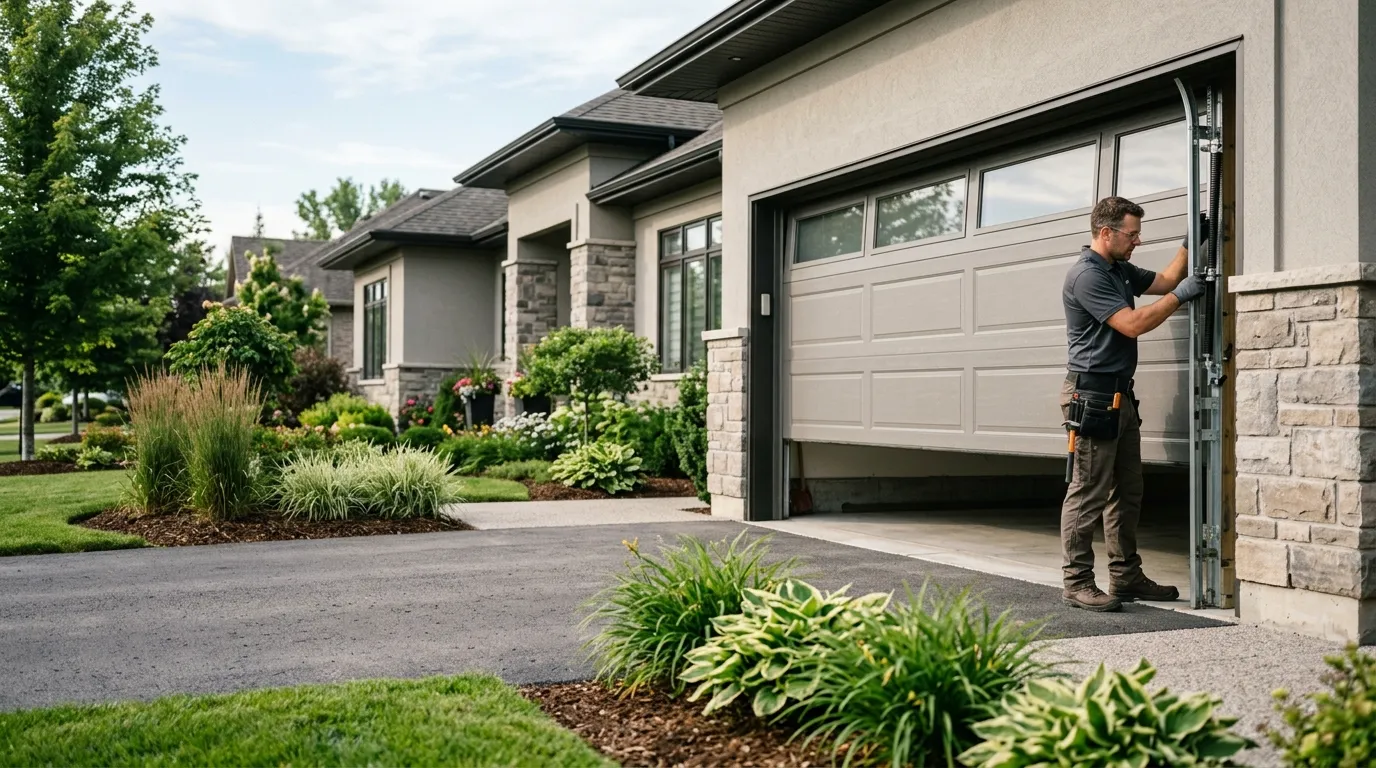
Union Park sits about 11 miles out from Orlando, which is a real drive but not a haul. There's no branch out here - the truck comes from Orlando on every call, so the time you're without a working door has two parts: the drive and the repair itself. We're not going to put a number on the drive time because that's a dispatch question, not a facts-on-a-page question, but it's worth knowing upfront that Union Park isn't served from a local yard.
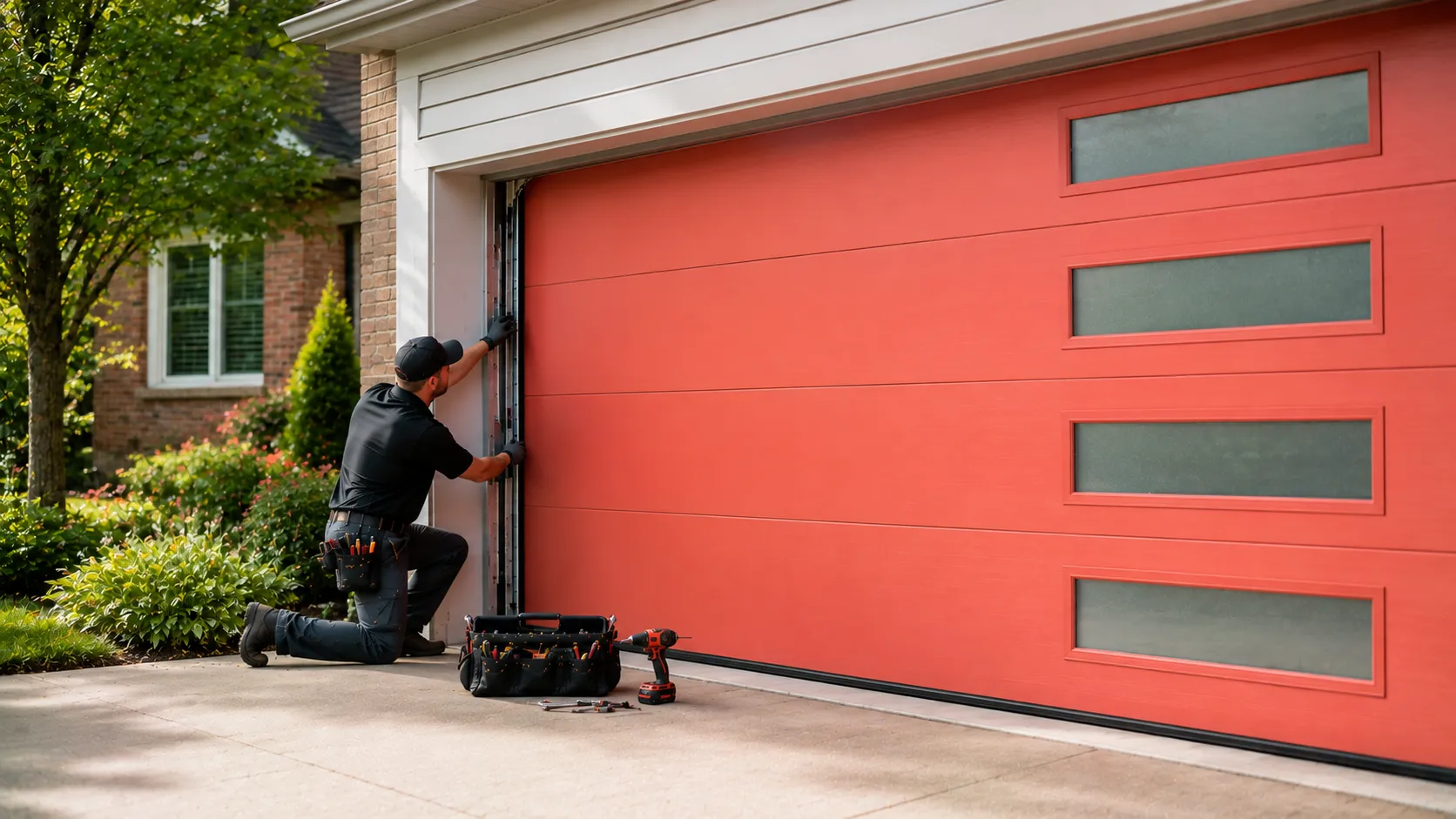
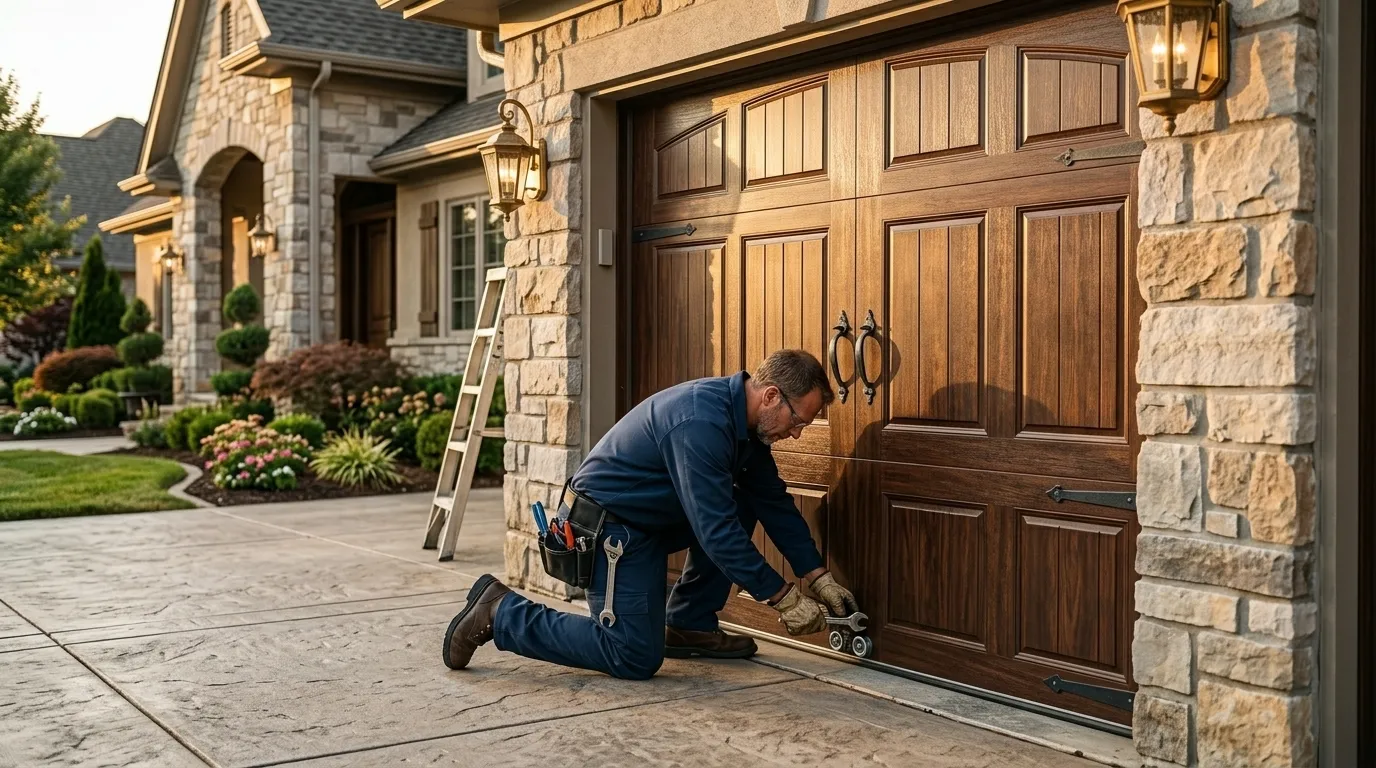
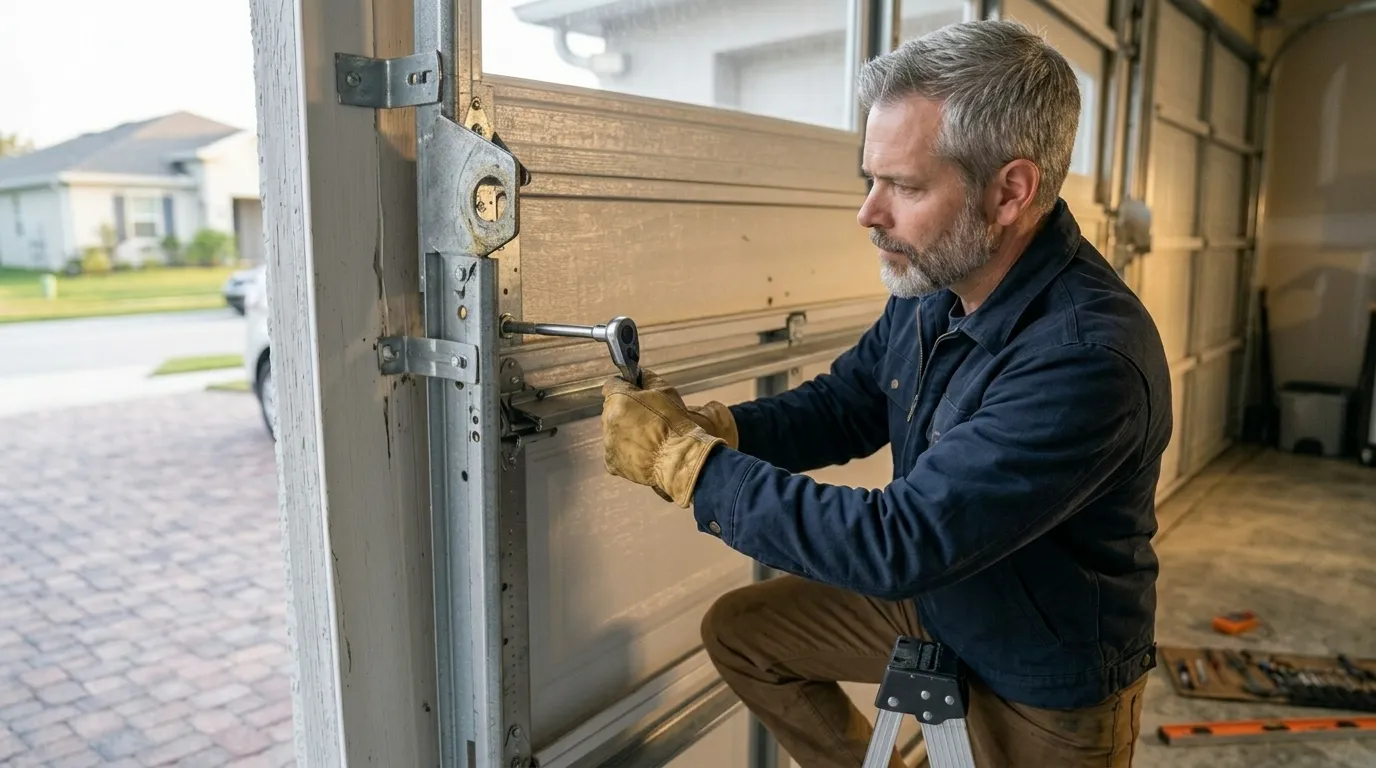
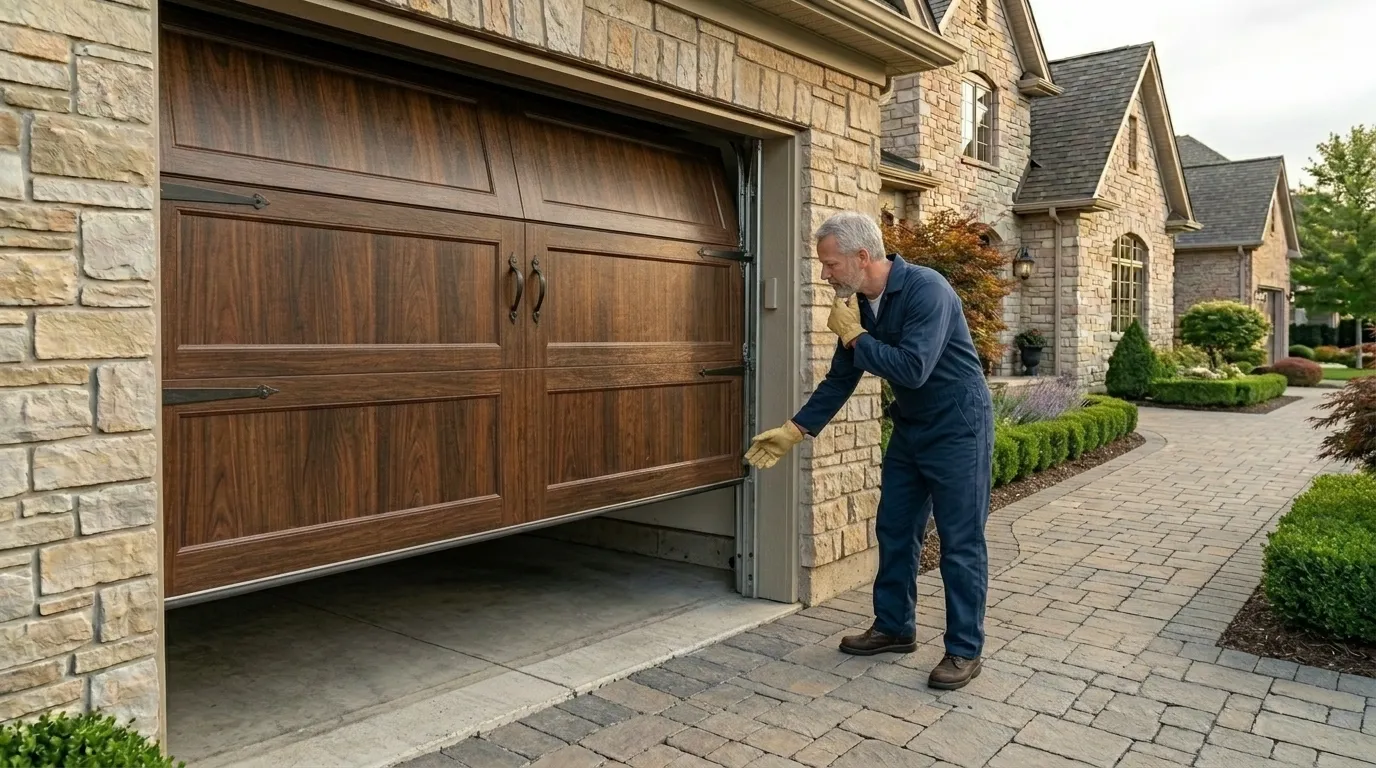
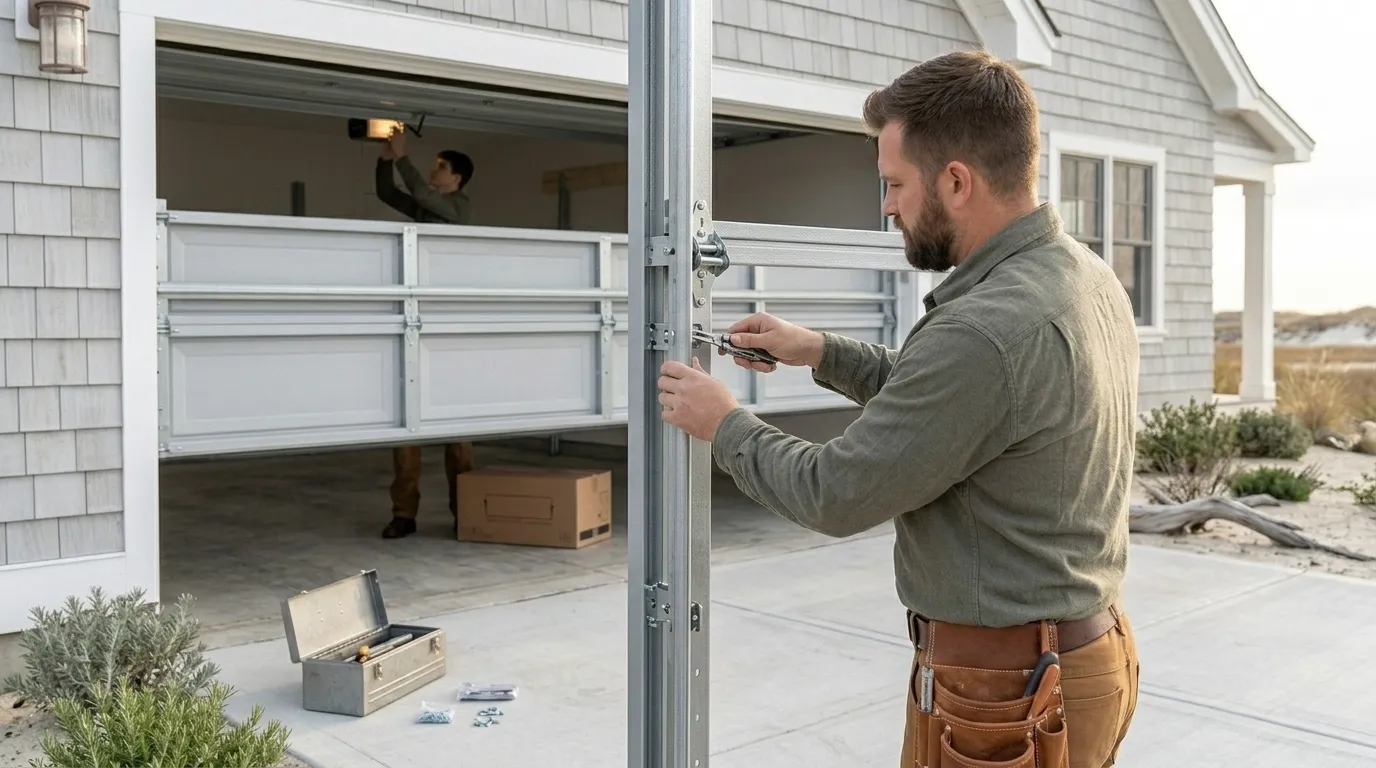
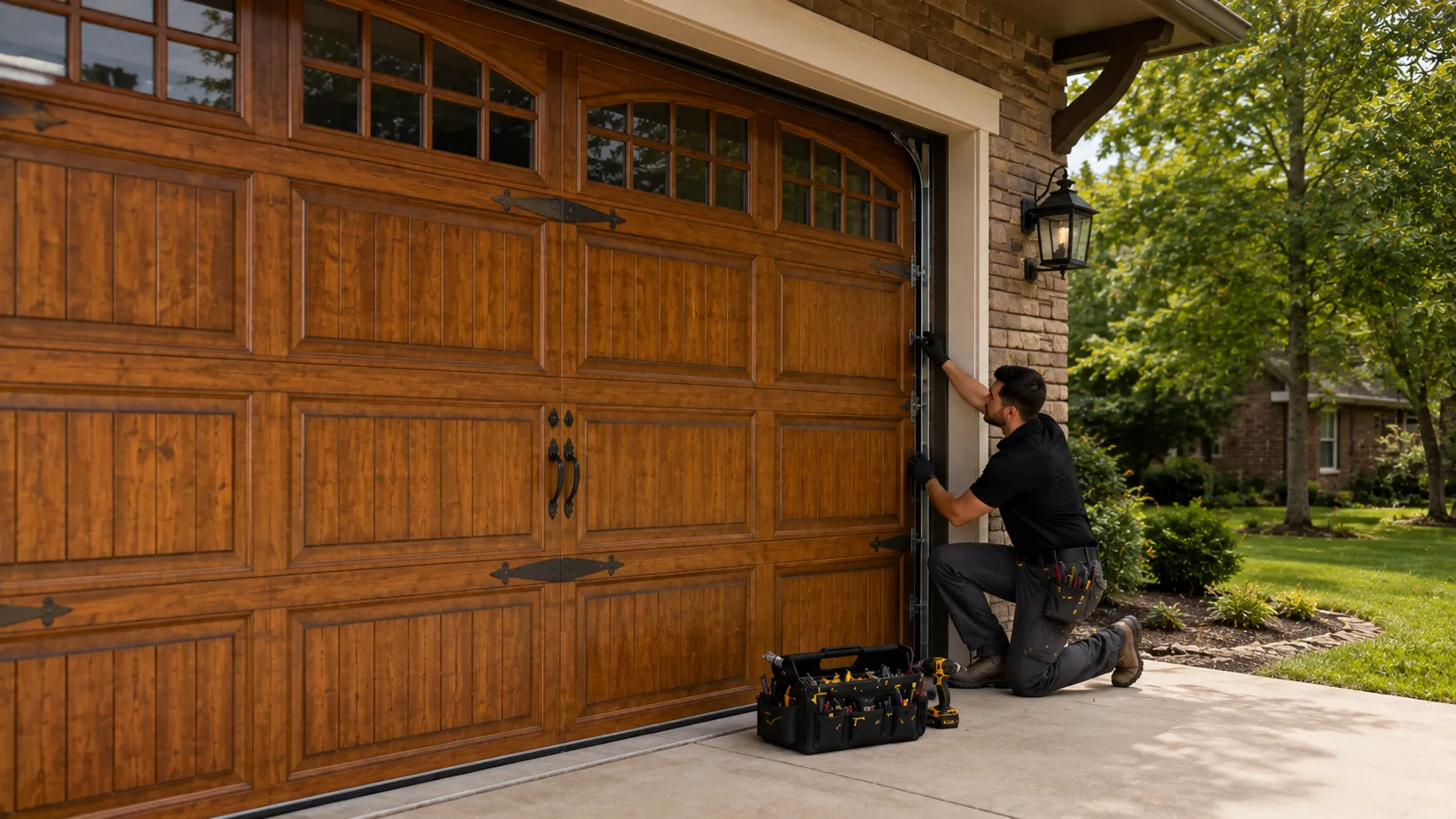
Once the truck is on site, an off-track repair on a single door with no bent track and no snapped cable is usually the fastest version of this job. Add a bent track section or a cable that let go and you're looking at more time, because straightening or swapping track means pulling brackets and rechecking the door's travel afterward, not just lifting rollers back onto the rail.
The one thing that stretches a job past a same-visit fix is parts. If the door needs a track section, roller set, or hardware that isn't standard stock on the truck, that's a return trip, not a delay caused by anything wrong with the crew's work.
Why This Fails Locally
Union Park's housing runs older than you'd guess for a suburb this size - median year built here is 1985, ahead of the wider service area's 1987 median. That two-year gap sounds small, but it means a meaningful share of Union Park garages are running on track and roller hardware that's now approaching or past the 35-40 year mark, installed under a different set of building assumptions than a house built in the 2000s.
Older track brackets were often set with fewer fasteners per section than current practice calls for, and after decades of daily cycling, those brackets loosen. A loose bracket lets the track flex sideways under load. Flex enough times and eventually a roller walks off the rail on a lift or a close - that's the off-track call.
The climate here doesn't put the same stress on hardware that freeze-thaw regions see, so it's less about weather damage and more about age and cycle count. A door opened and closed twice a day for 38 years has been through roughly 27,000 cycles. That number alone explains most of what we find when we pull a Union Park door off the wall to look at the track.
What Is on the Truck
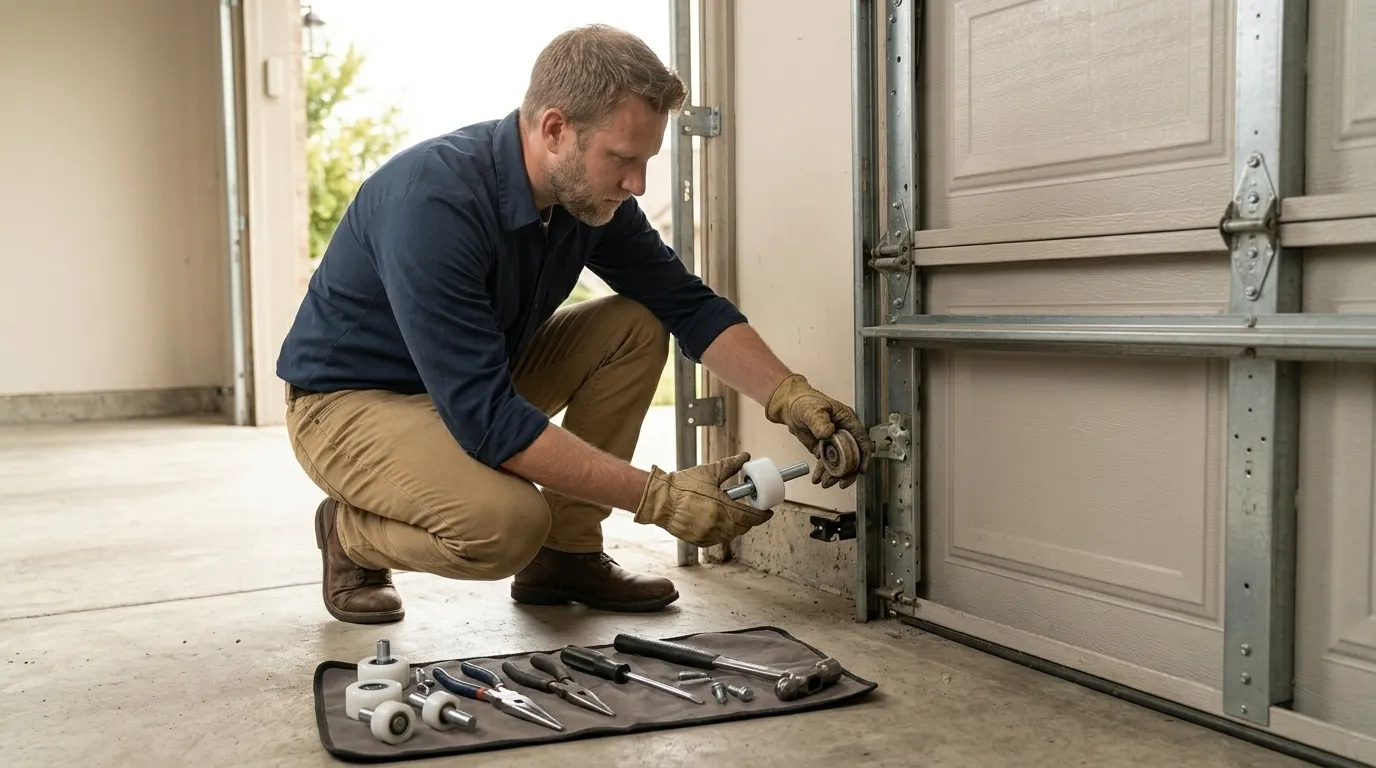
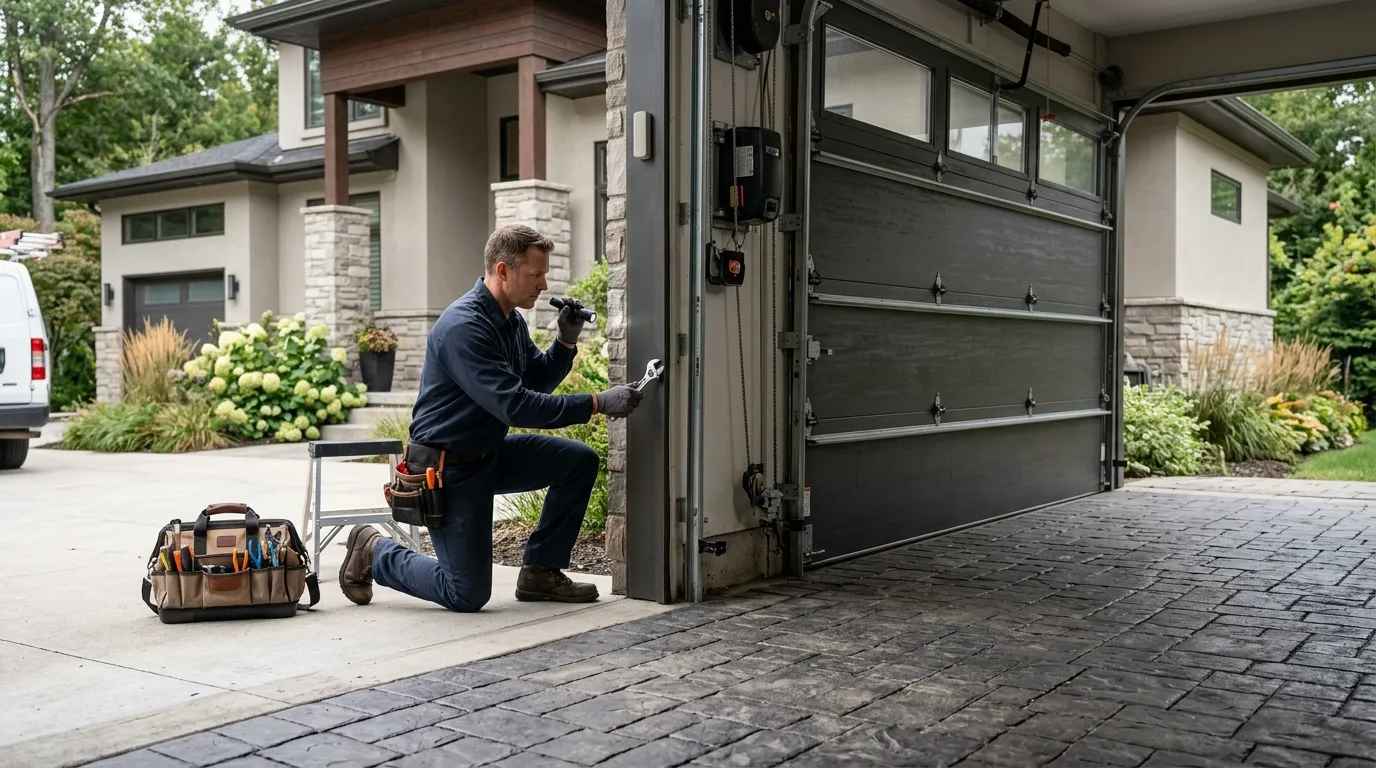
For an off-track call in Union Park, the truck carries standard rollers, common track sections, and the brackets and fasteners that fit the residential track sizes used across most of the service area's 1980s-90s housing stock. That covers the majority of calls without a return trip.
What it doesn't carry is everything. If a Union Park door turns out to need a nonstandard track width or an obsolete bracket pattern from an older or unusual install, that's a parts order, not a same-visit fix - and we'd rather tell a homeowner that up front than pretend otherwise.
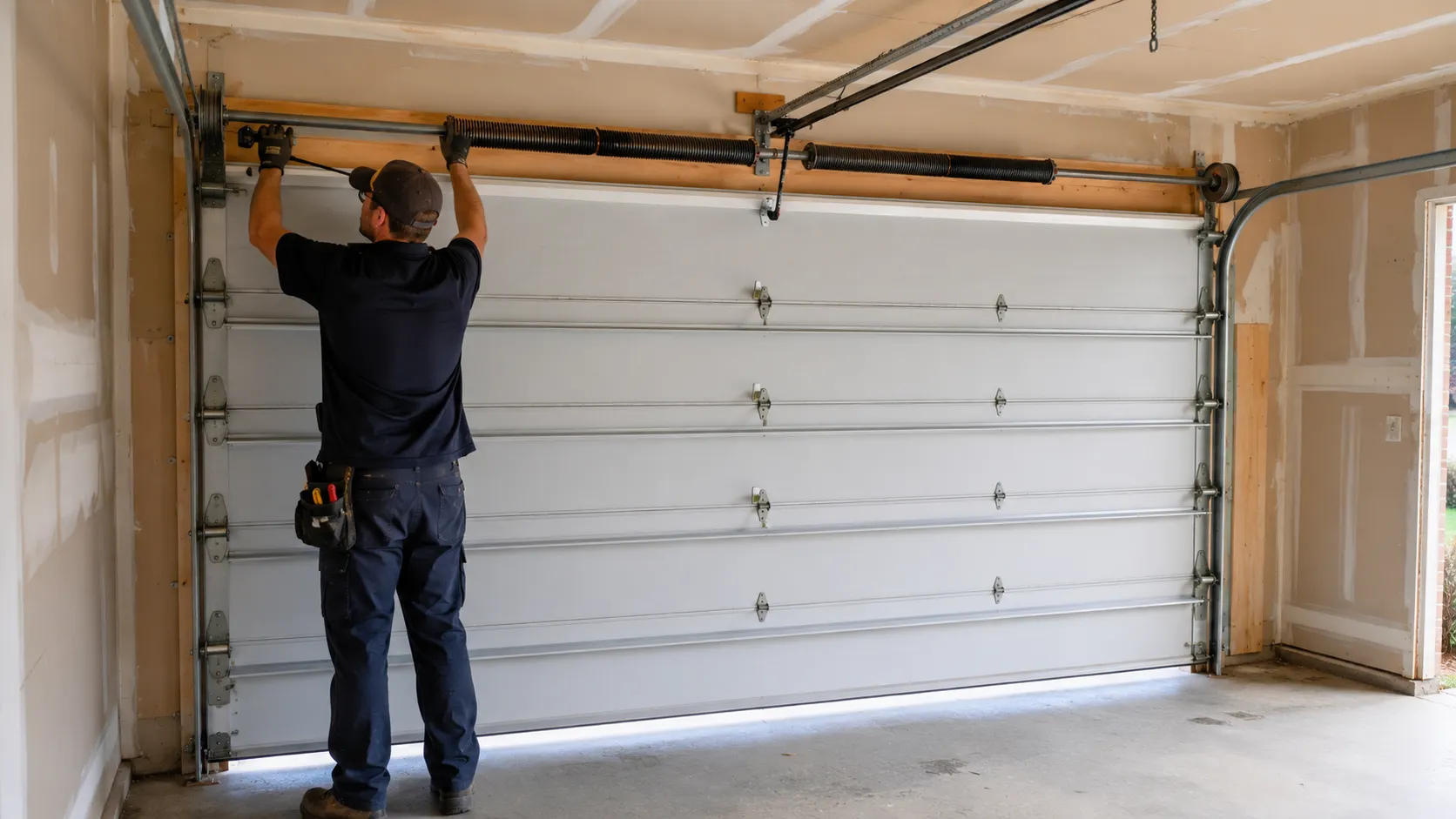
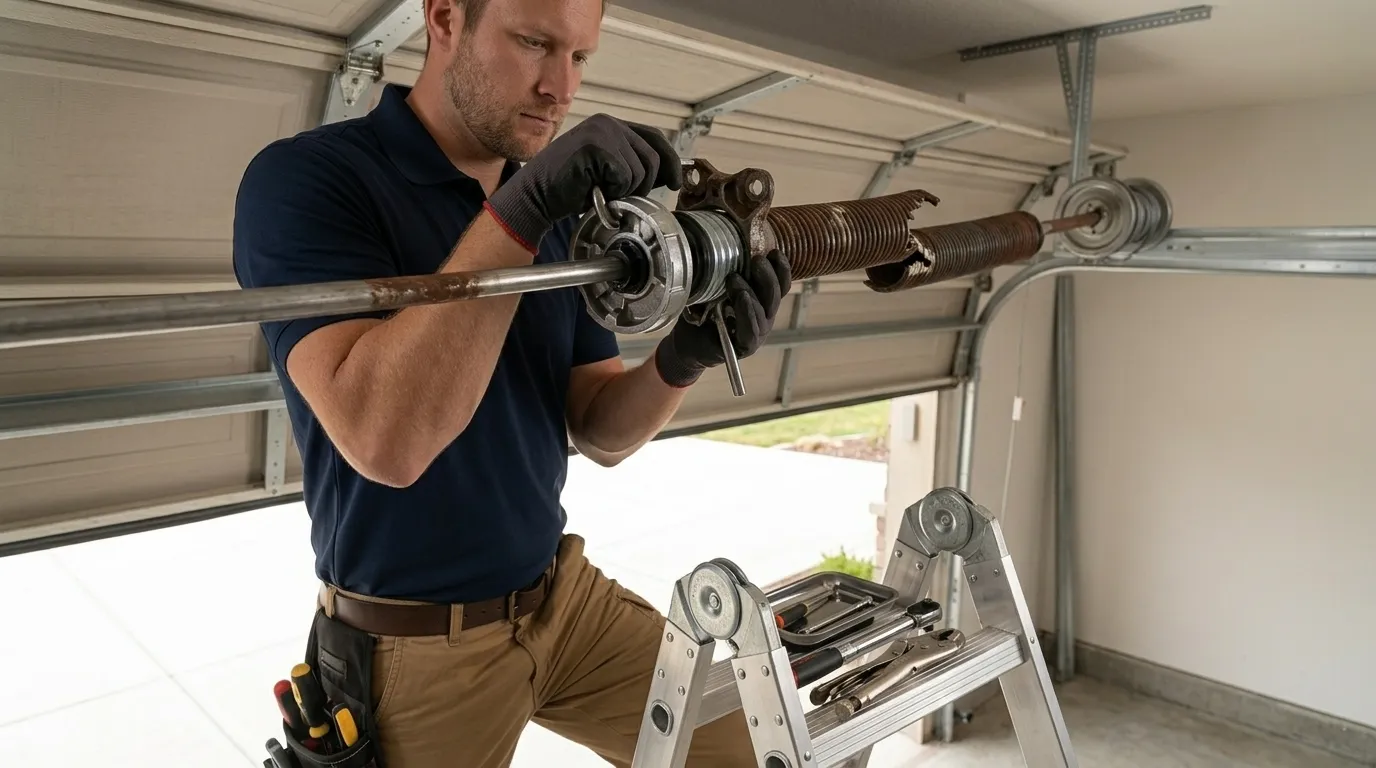
Cables, when they're the culprit, get replaced as a pair on most doors rather than one at a time, since a cable that snapped from age usually has a matching cable on the other side that's not far behind it. That's a judgment call made on site, not a blanket rule for every door.