Booking a Visit
When you call, the questions we ask are about the door, not the neighborhood - what year the house was built if you know it, whether the opener has ever been replaced, and whether the spring let go all at once or the door's been getting harder to lift for weeks. A door that's been struggling for months usually means a cable or roller problem stacked on top of a tired spring, and knowing that before the truck leaves Orlando means we bring the right part instead of guessing. Azalea Park's median household income sits at $64,585, noticeably under the broader area's $82,107, and that's worth saying plainly: we'll tell you when a repair is the cheaper right answer and when it isn't, rather than defaulting to a full replacement quote. With 5,668 households in Azalea Park, most on lots built out in a single era, we see the same handful of failure patterns repeat house to house - which makes diagnosis over the phone more useful here than in a neighborhood with mixed-era construction.
Why This Fails Locally
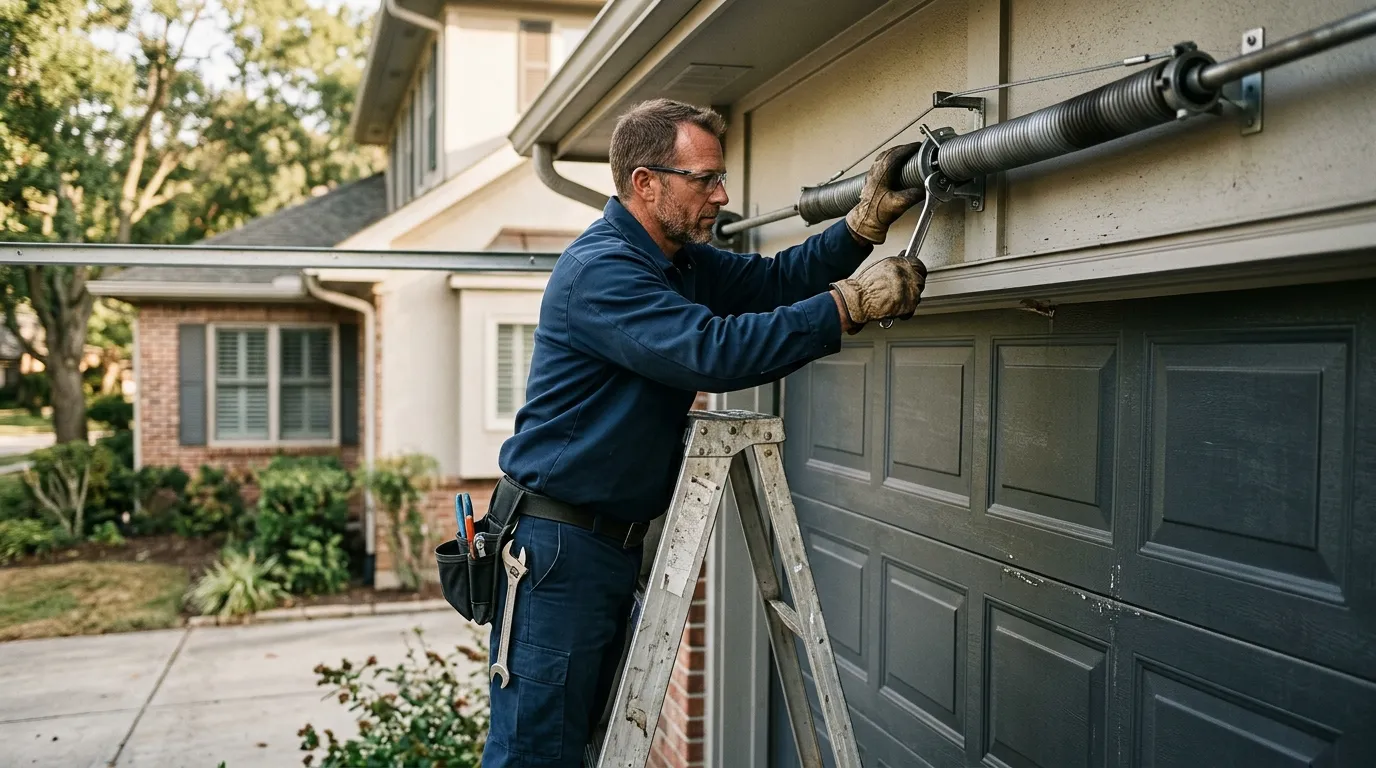
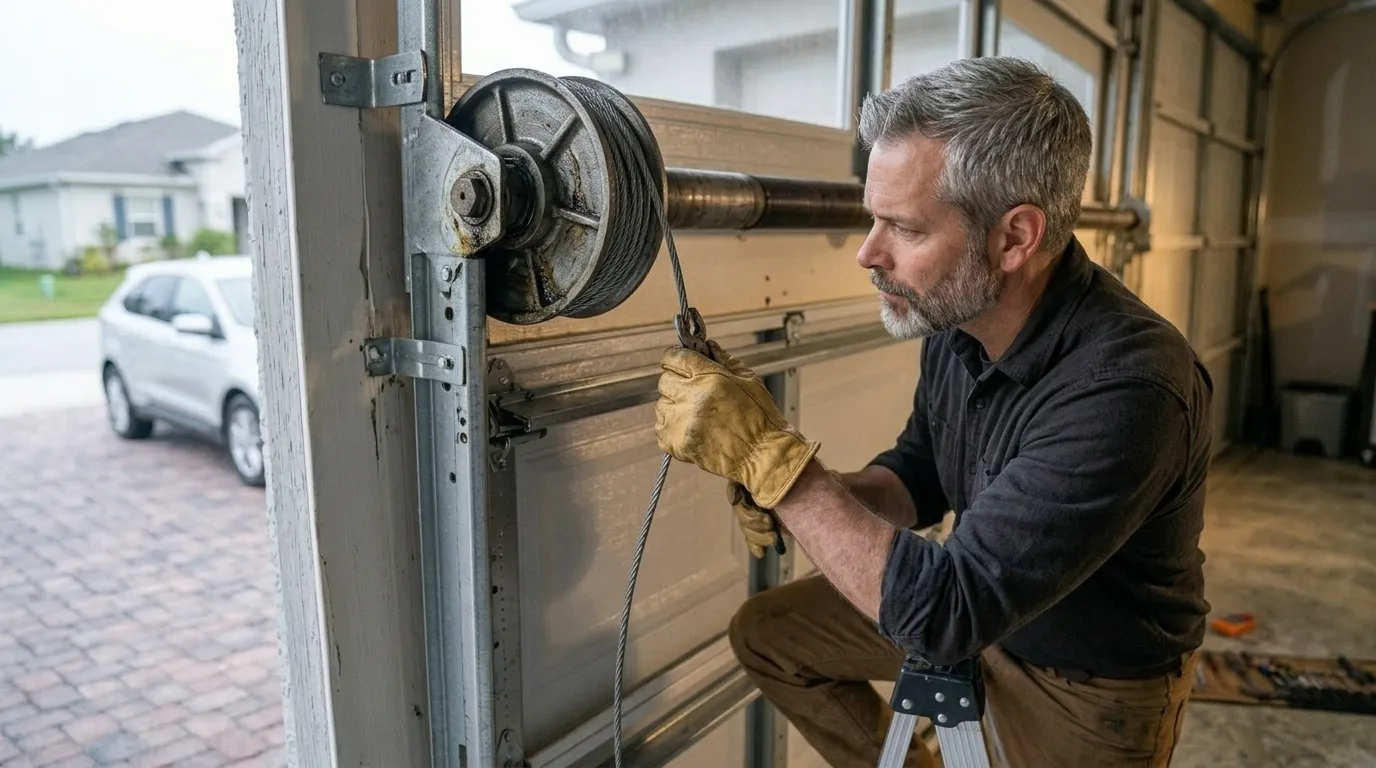
A door installed in 1982 is on hardware that predates most of the openers sold today. Torsion springs from that era were often sized for heavier single-layer wood doors, and when a homeowner swaps in a lighter insulated steel door later without re-balancing the spring, the opener ends up doing work it wasn't built for. That mismatch shows up as a motor that runs hot, gears that strip early, or a door that reverses on its own. Orlando's broader housing stock runs newer on average - into the 1990s and 2000s in a lot of the named areas - so a repair truck that only sees newer torsion setups can misjudge an older Azalea Park spring on sight. The mild temperate climate here doesn't stress rubber seals and metal the way freeze-thaw regions do, so the failures we see are mechanical fatigue and mismatched hardware, not weather damage. That's a narrower list of causes, but it means the fixes have to match the original spec, not just whatever's on the shelf.
How It Shows Up
Usually it starts small: the door hesitates for a half-second before it moves, or it closes a little crooked and needs a nudge to seat. A homeowner will say the opener "sounds different" before they say anything's actually broken - that's the motor working against a spring that's lost tension, and it's the easiest version of this call to fix cheaply if it gets caught early. The version that turns into an emergency call is the door that won't budge at all, usually because the spring finally let go rather than just losing strength gradually. Given how much of Azalea Park's housing sits in that early-1980s window, we expect more of the first kind of call than the sudden kind - which is good news, because it's the cheaper fix and the one least likely to need a same-day trip.
What Is on the Truck
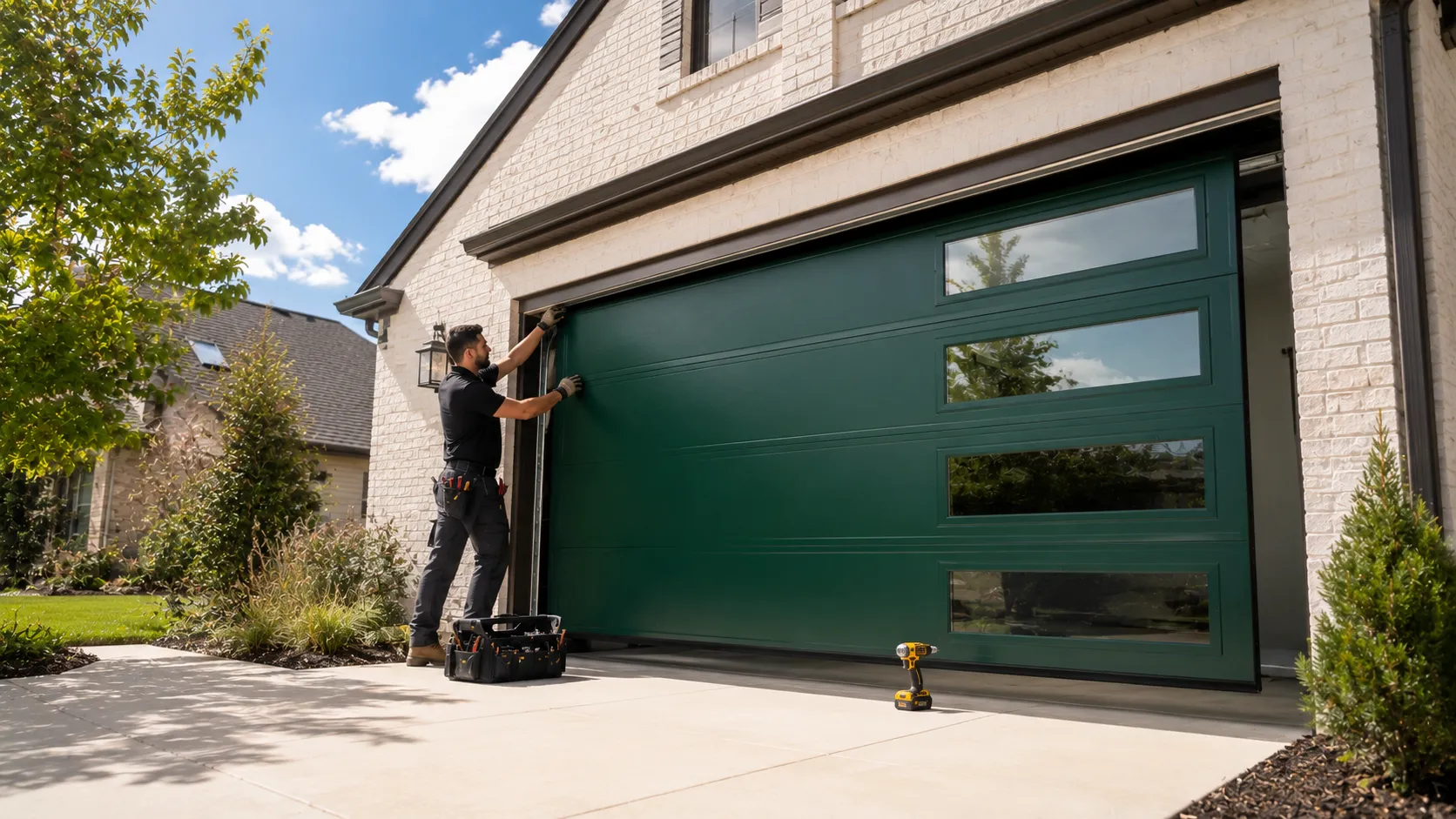
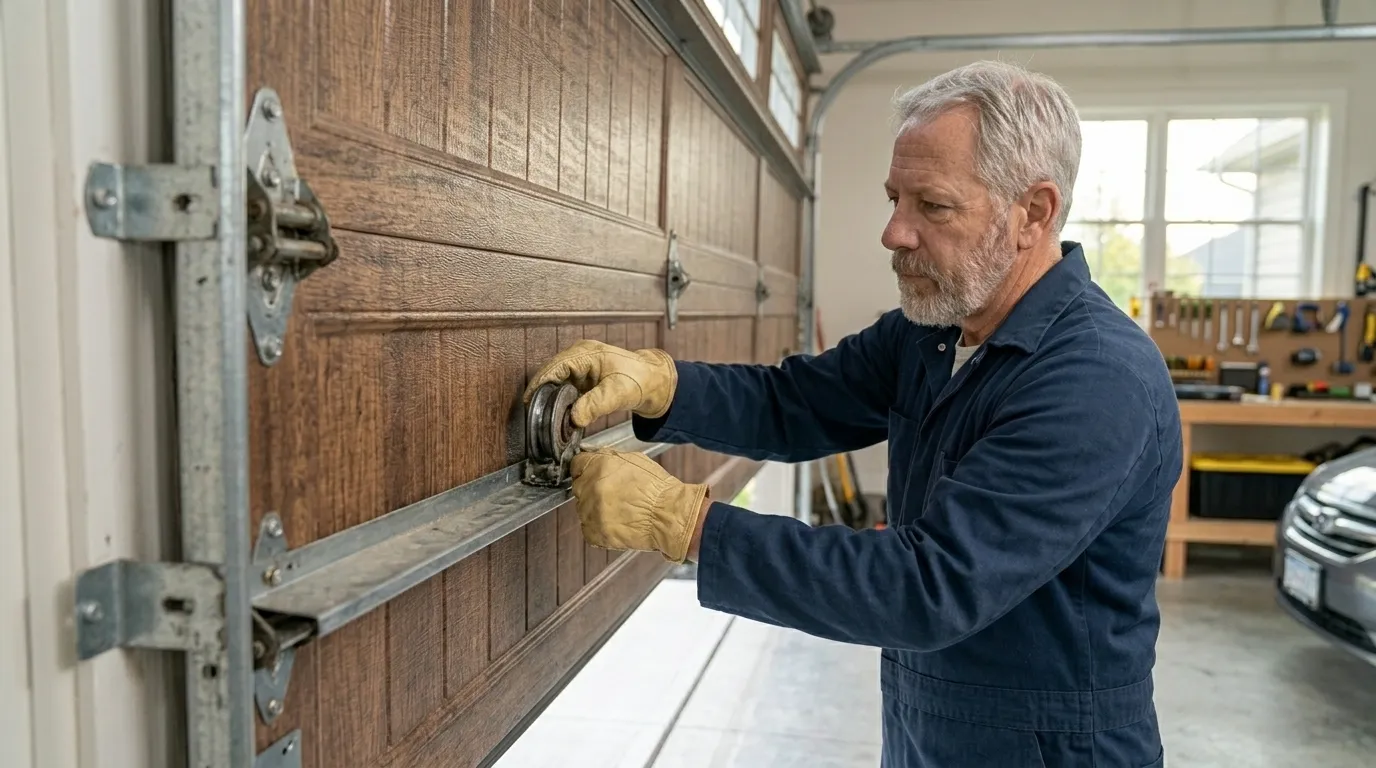
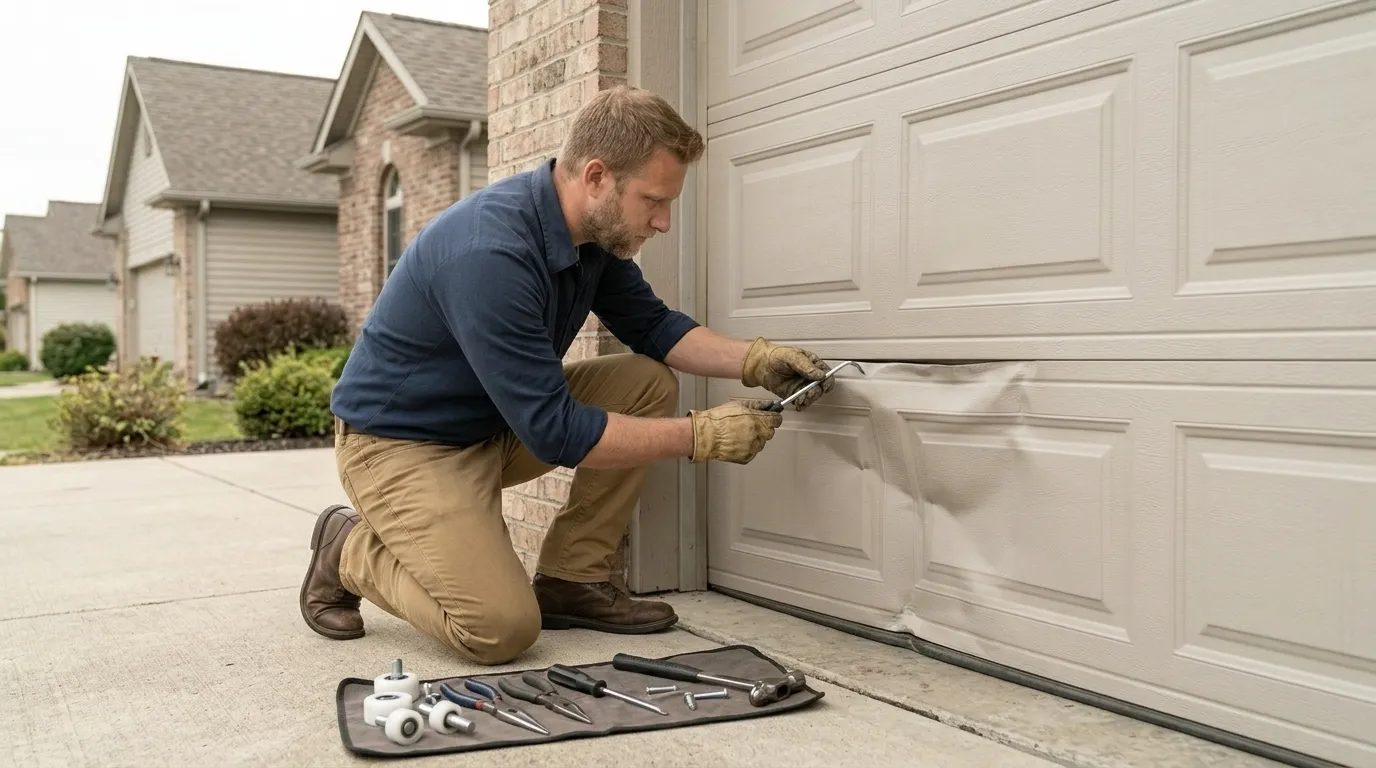
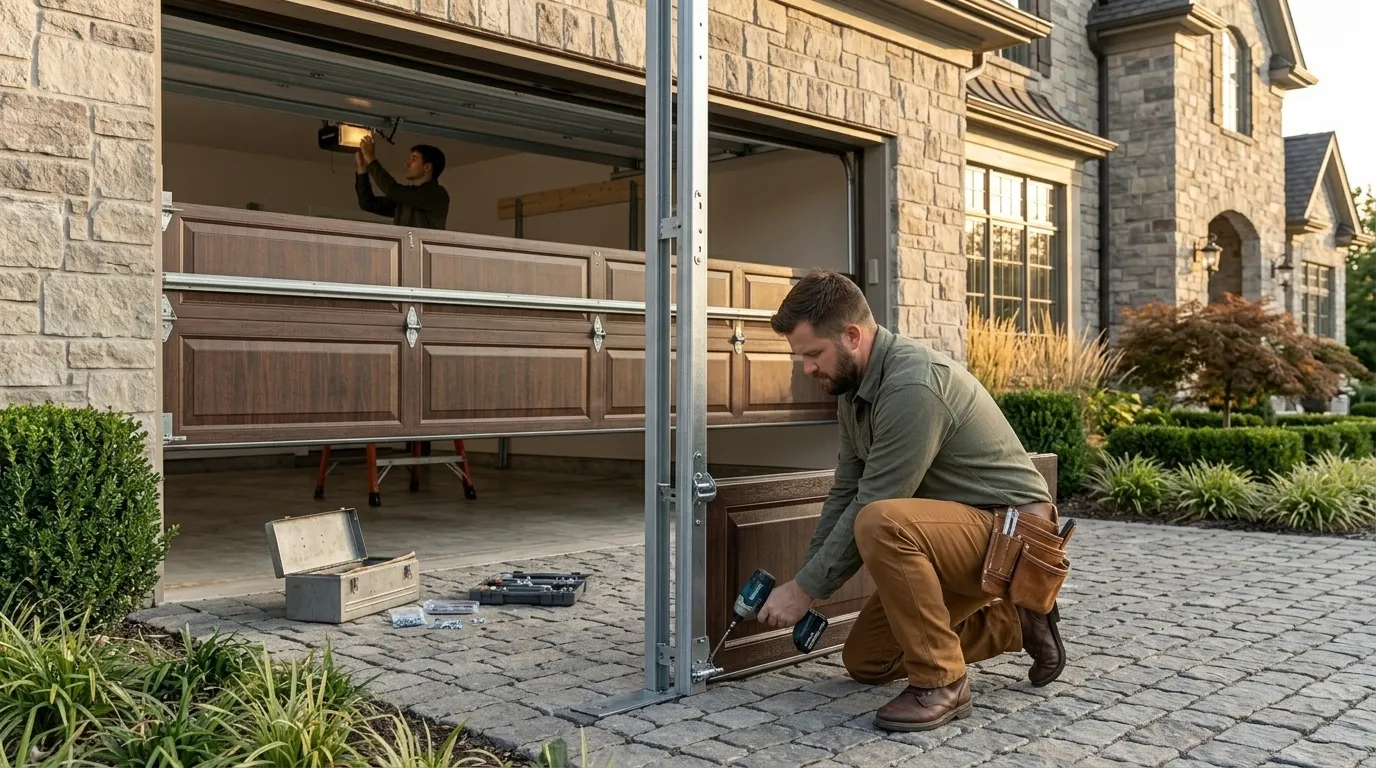
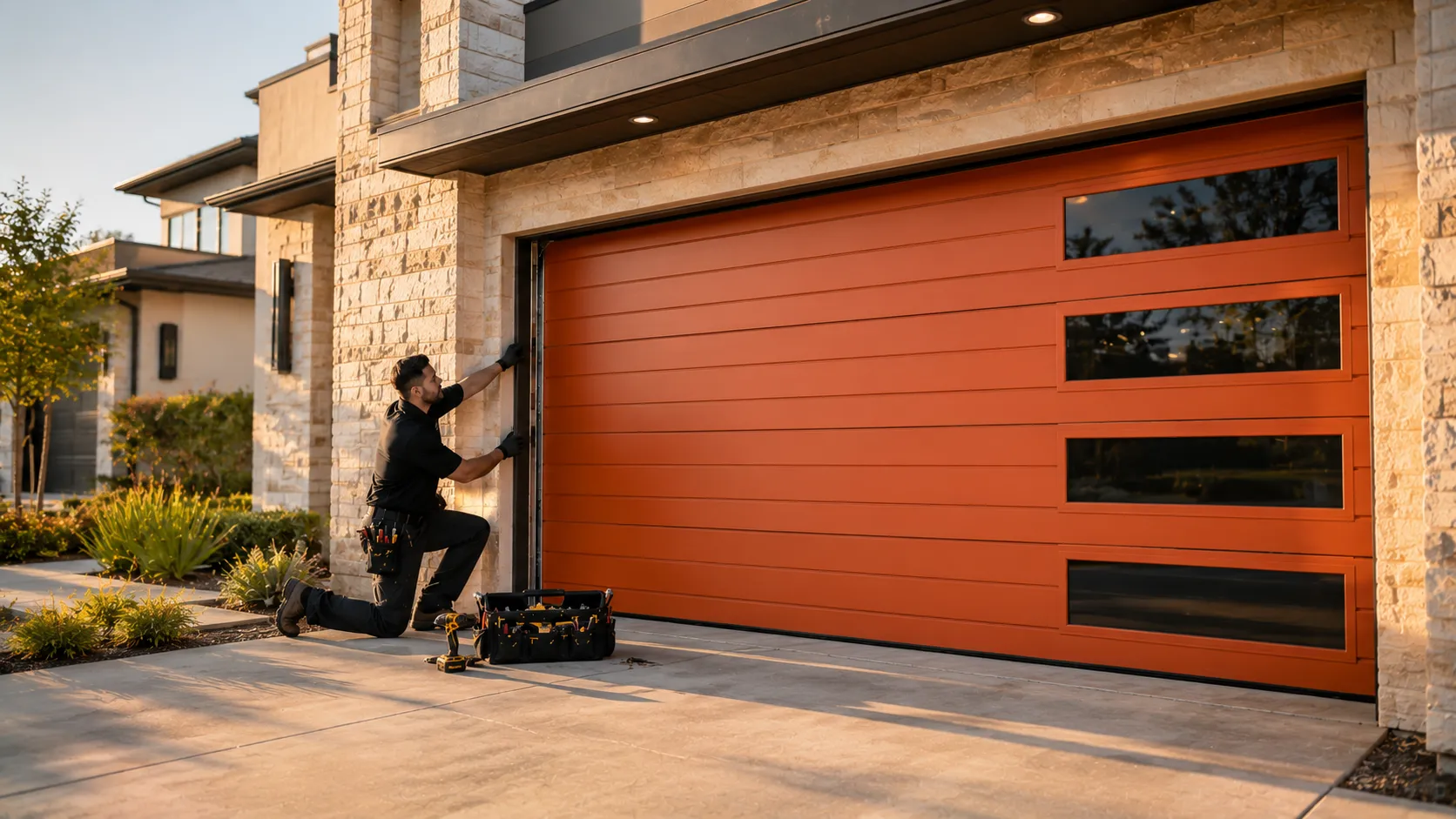
For a house from this build era, the truck carries torsion springs sized for the older, heavier door specs still common in Azalea Park, along with standard track sections and rollers that fit the original hardware rather than only newer low-profile systems. What we won't do is show up assuming every door here needs a full opener swap - a lot of these jobs are a spring and a tune, not a replacement. The honest limit: if the track is bent badly enough or the door panel itself has rusted through, replacement is the better spend even on an older house, and we'll say so instead of patching something that'll fail again in a year.