Booking a Visit
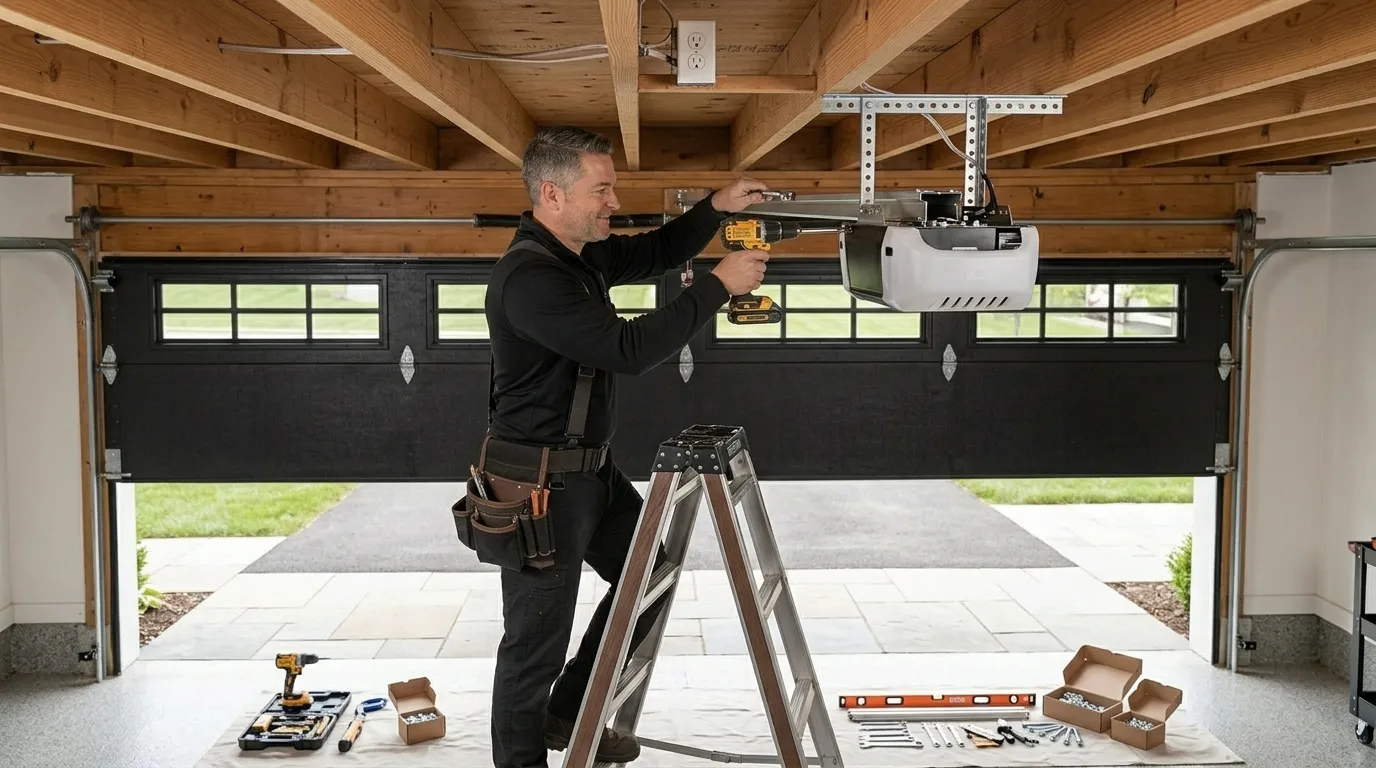
When you call about an opener in Azalea Park, tell us the age of the house if you know it and what the opener is doing - or not doing. Grinding, silence, a light that blinks but no movement, a remote that used to work and doesn't. That detail changes what rides on the truck.
We don't run a local branch here, so every visit gets scheduled out of Orlando. That means we ask a few more questions on the phone than a company with a shop down the block might, simply because we're loading the van once and driving. If the opener turns out to need a part we don't carry as a matter of course - some older logic boards are like this - we'll say so plainly rather than stall the visit pretending we can fix it on the spot.
If you're also looking at a full door replacement rather than just the opener, that's a separate job with its own set of questions - see our Azalea Park garage door page for that side of things.
Why This Fails Locally
A lot of Azalea Park went up around 1982, which puts it a few years ahead of the 1987 median for the wider Orlando service area we cover. That gap matters for openers specifically. Houses built in the early 1980s were fitted with chain-drive units from that era's supply chain - plastic drive gears sized to older motor housings, capacitor-style start circuits, and logic boards that weren't built with today's replacement parts in mind.
An opener installed when a house is new doesn't get swapped out on any predictable schedule. A lot of them get replaced once, maybe twice, over forty years, and a fair number in this neighborhood are still running originals or first replacements from the 90s. The result: when the gear strips or the board dies, it's often not a part we can grab off a generic shelf - it takes knowing which era of hardware we're walking into before we leave Orlando.
The area's median household income runs $64,585, noticeably under the $82,107 median across the rest of the service area, and that's worth naming honestly: a full opener replacement is sometimes the right call here even when a repair is technically possible, because parts on an original 80s unit can cost more, and take longer to source, than a new motor head.
How It Shows Up
Most homeowners in Azalea Park call us with one of a few patterns. The door doesn't move at all, but a light on the opener blinks a set number of times - that blink code usually points straight at the sensors or the board, and we read it before we touch anything.
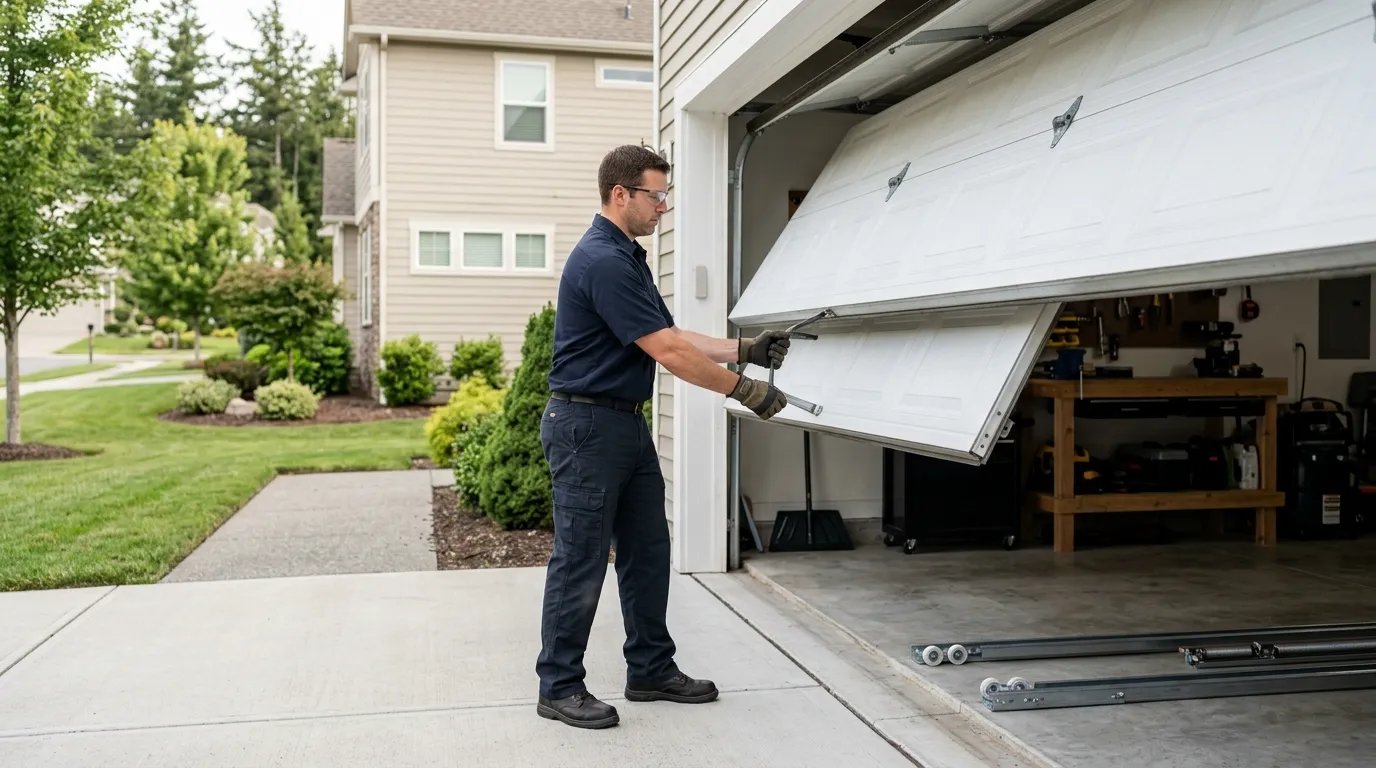
Sometimes the motor runs, you can hear it working, but the door stays put or only crawls a few inches before stopping. That's almost always the stripped gear. Other times the opener reverses the door partway down every time, which is the safety sensors doing exactly what they're built to do because something - dust, a slight misalignment, sun glare at a certain hour - is interrupting the beam.
A remote or keypad that used to work and now does nothing is a different animal entirely, and on units from this housing era, it can mean the receiver itself has failed rather than just the battery. We'll test which one it actually is before assuming.
What Is on the Truck
Because a good share of Azalea Park's homes run openers from the 1980s and 90s, we carry drive gear kits sized for that generation of motor housing, universal logic boards built to bridge into older wiring, and replacement safety sensor pairs, since those wear out on a fairly predictable timeline regardless of brand.
We also carry capacitors and start relays for the styles of motor common on this era's builds, along with remotes and keypads that can be paired to older receivers without replacing the whole unit.
What we don't carry as standard stock is an exact factory board for every discontinued opener model from four decades ago - some of those simply aren't manufactured anymore, and if that's what your unit needs, we'll say so on-site and talk through whether a compatible modern replacement head makes more sense than waiting on a part that may not exist anymore.