Booking a Visit
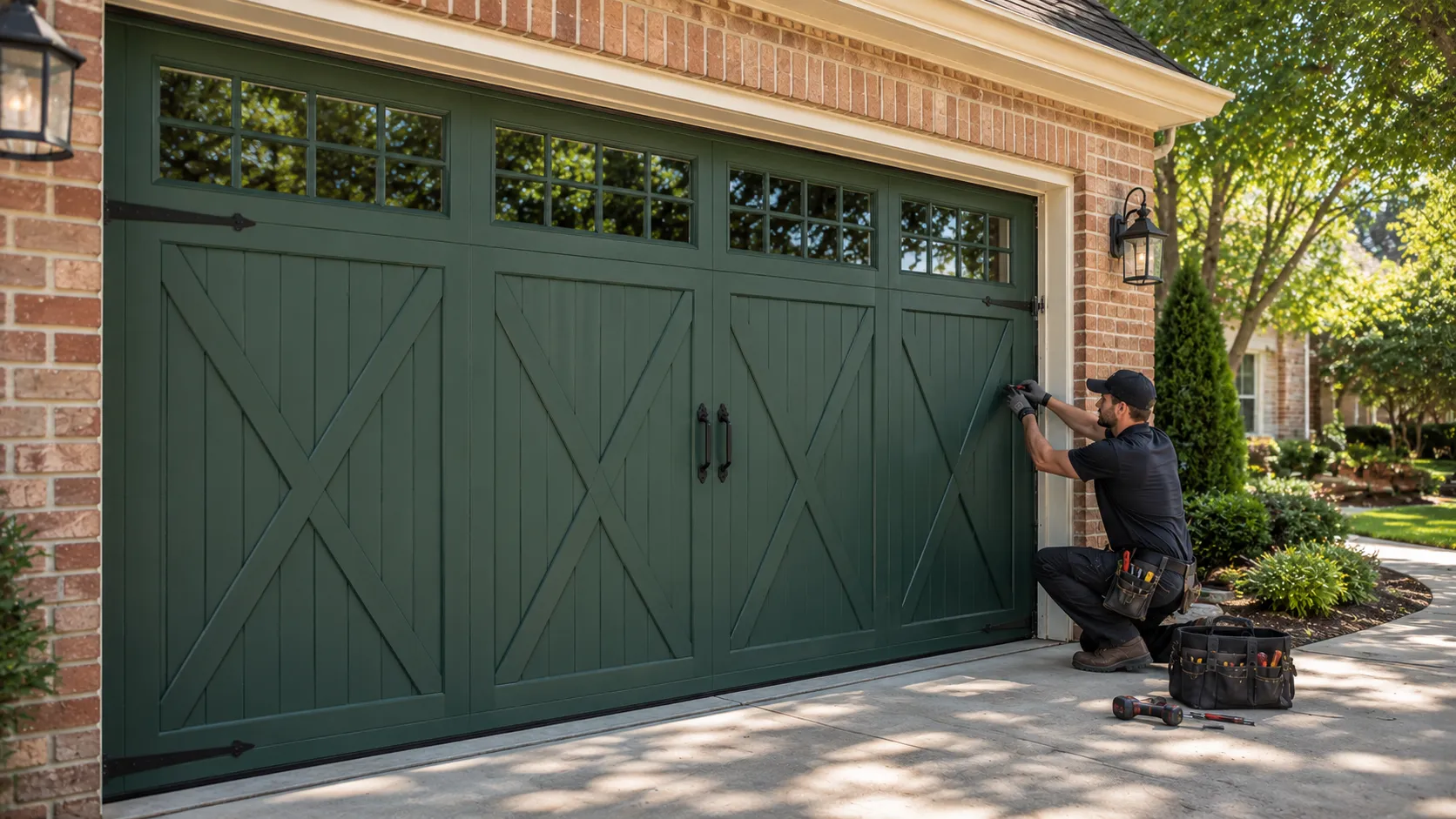
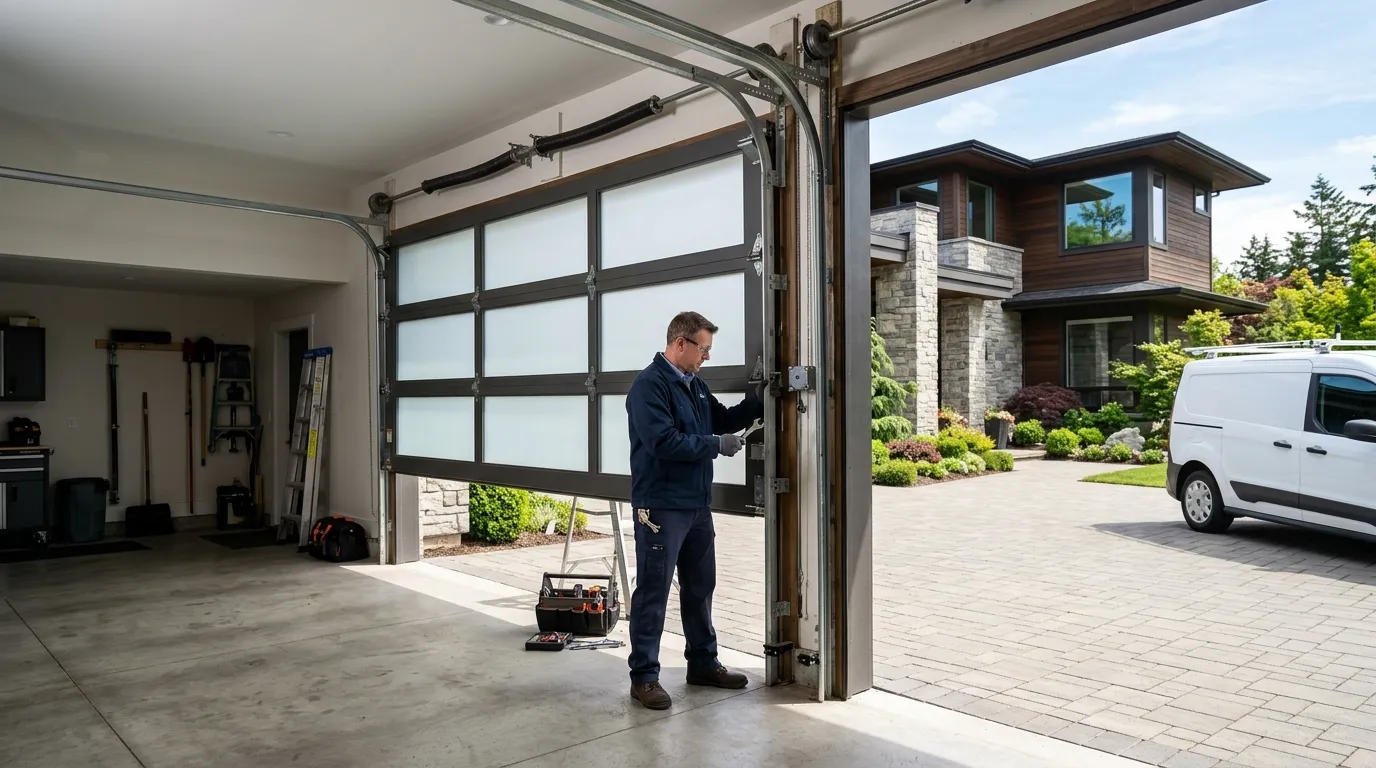
Because the truck travels in from Orlando, the fastest way to book a panel job in Azalea Park is to have the door's width, the number of panel sections, and a photo of the damage ready before the call. That lets the crew pull the right panel stock and any matching hardware before they leave, instead of making a scouting trip first. Median household income here runs $64,585, noticeably below the $82,107 median across the wider service area, which is worth mentioning because it shapes a real conversation up front about repairing a single panel versus replacing more of the door - the cheaper option is often the right one here, not an upsell. If your door was installed anywhere near 1982, when most homes in this pocket went up, say so when you call. That one detail narrows down the hardware before anyone leaves the shop.
Why This Fails Locally
Most houses in Azalea Park went up around 1982, squarely inside the 1980s-90s wave of construction that shaped a lot of this part of the Orlando service area. Doors from that era are almost always steel sectional panels, non-insulated, hung on hardware that predates the double-layer, foam-filled panels sold today. Thirty-plus years in a mild temperate climate doesn't crack a door the way a hard freeze-thaw cycle would elsewhere, but it does mean steady humidity exposure, and that shows up as rust bloom along panel seams and bottom edges long before the door mechanically fails. The steel gauge on original panels from this period also tends to be thinner than current stock, so a dent that would just buff out on a newer door instead creases the whole section. None of that is unique to any one house - it's a function of when this stretch of houses got built, not how anyone's maintained their door since.
How It Shows Up
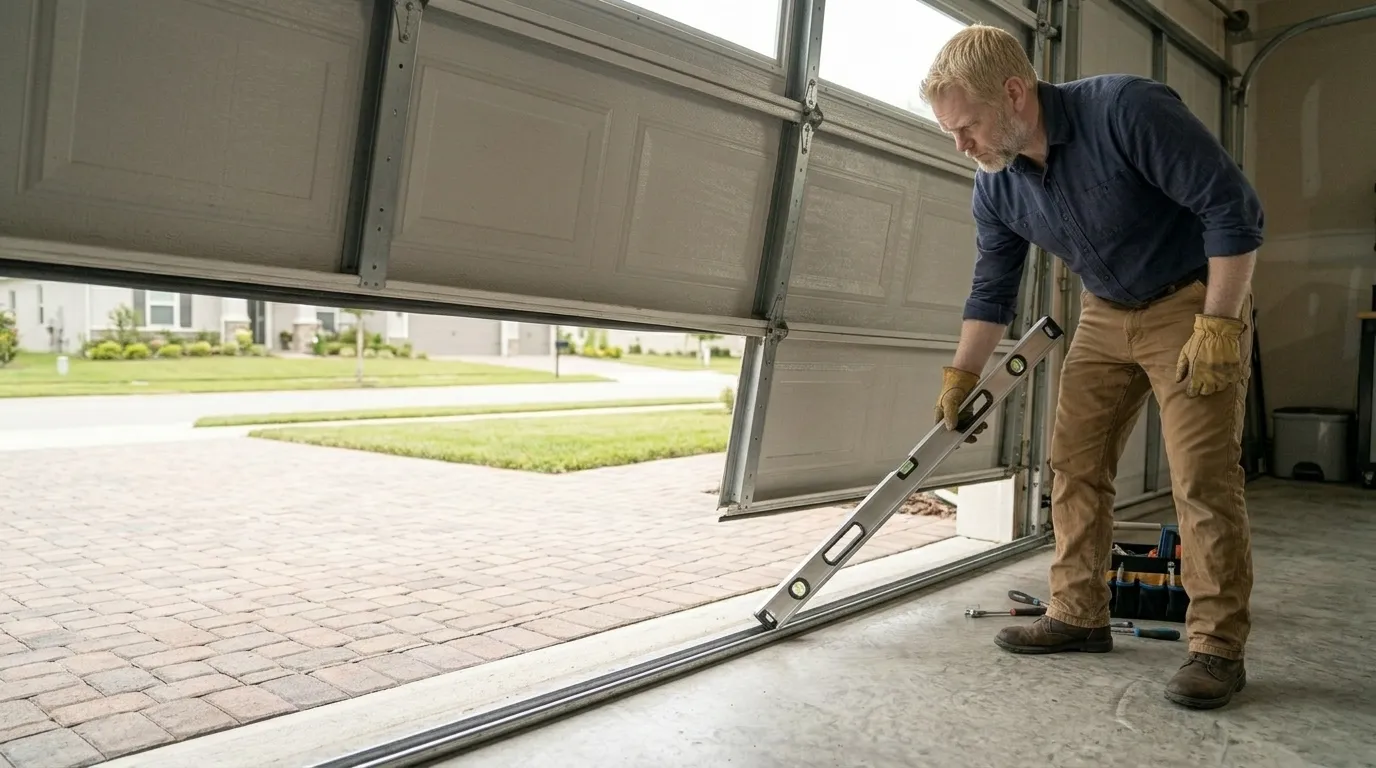
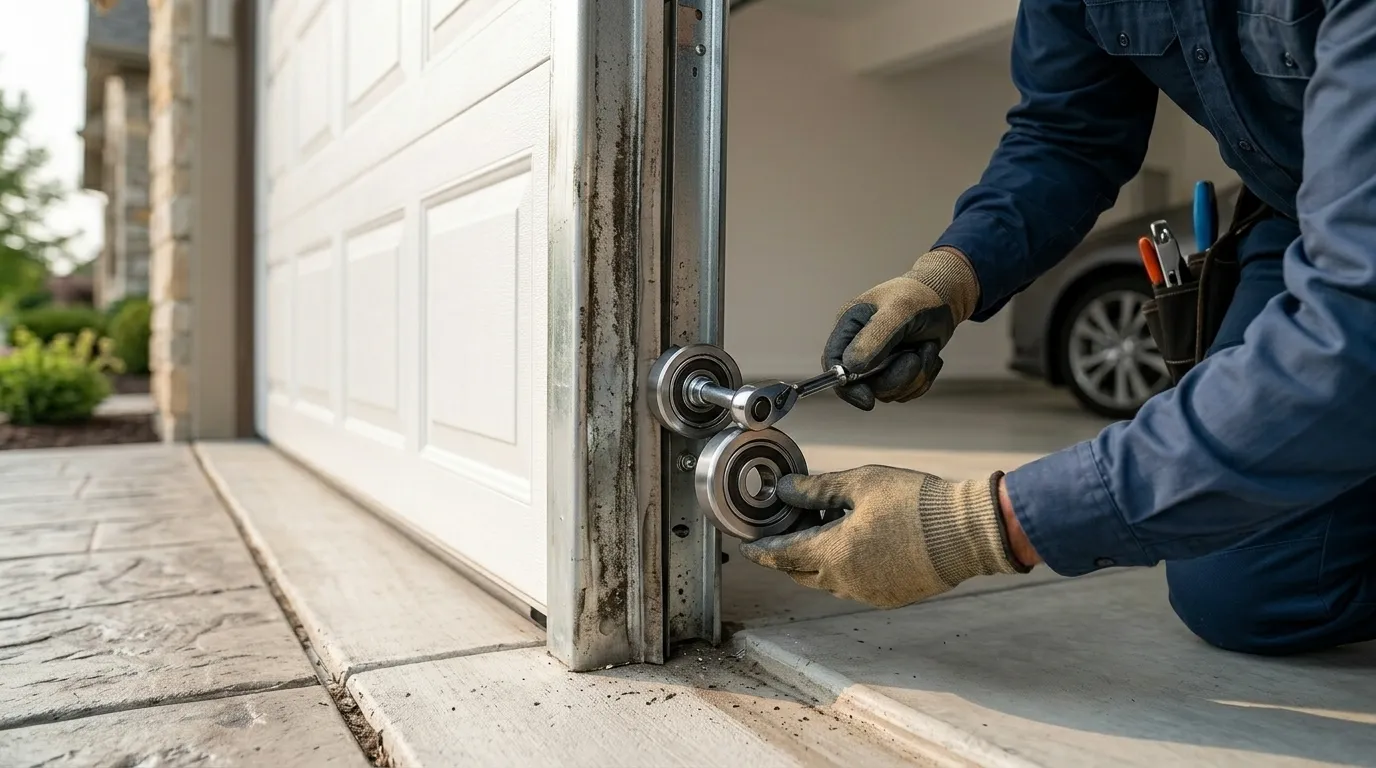
On a lot of these doors, the first sign isn't a hole or a visible dent - it's a section that no longer sits flush when the door is down, a hairline gap at one seam, or a panel that flexes slightly when you push on it. Rust often starts as a thin orange line along the bottom edge or around a hinge bolt, easy to miss until it's already eaten through the paint. A harder impact shows up right away: a crease across one or two sections, sometimes with the panel bowed enough that the door catches on the track partway through a cycle. On a 1982-era door specifically, watch for hinges pulling loose from softened, rust-weakened steel around the screw holes - that's a sign the panel needs replacing before the hinge tears free entirely and the door comes off track mid-cycle.
What Is on the Truck
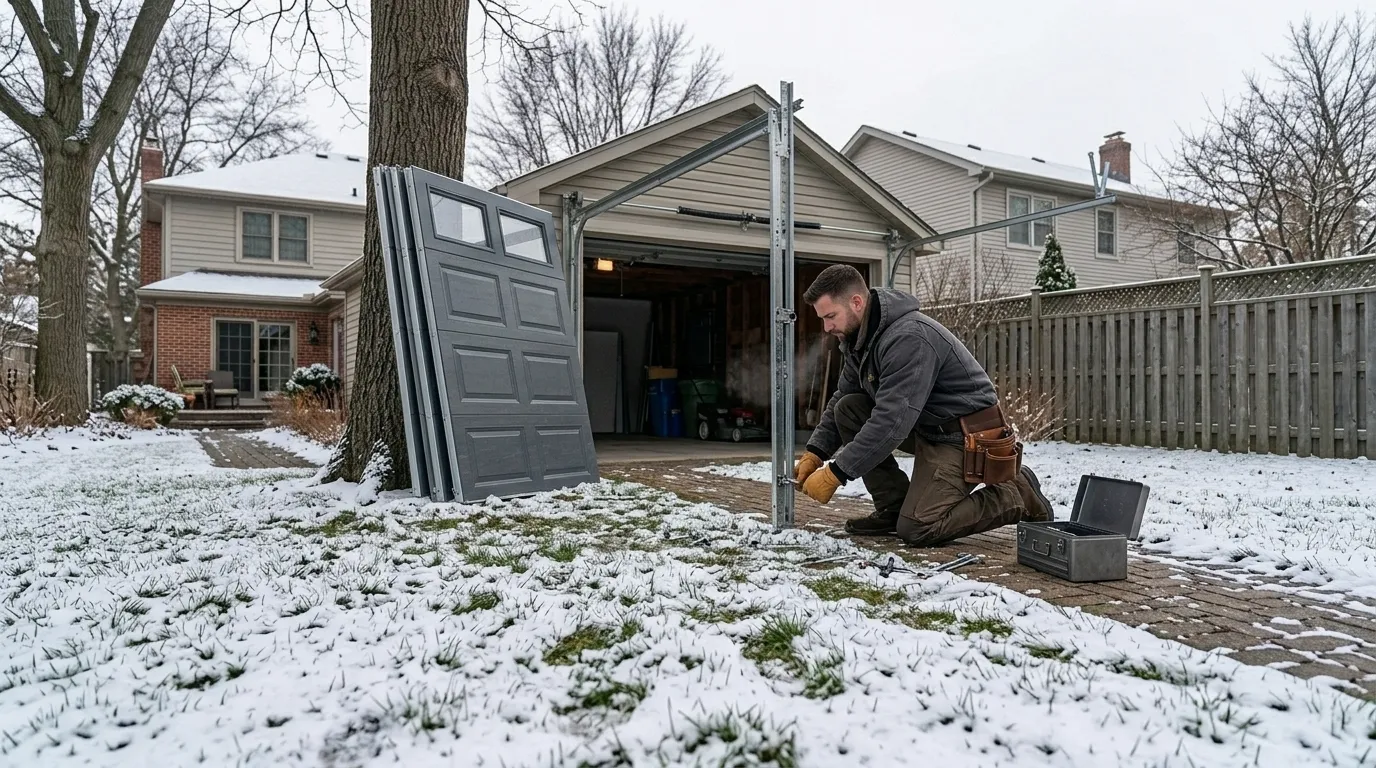
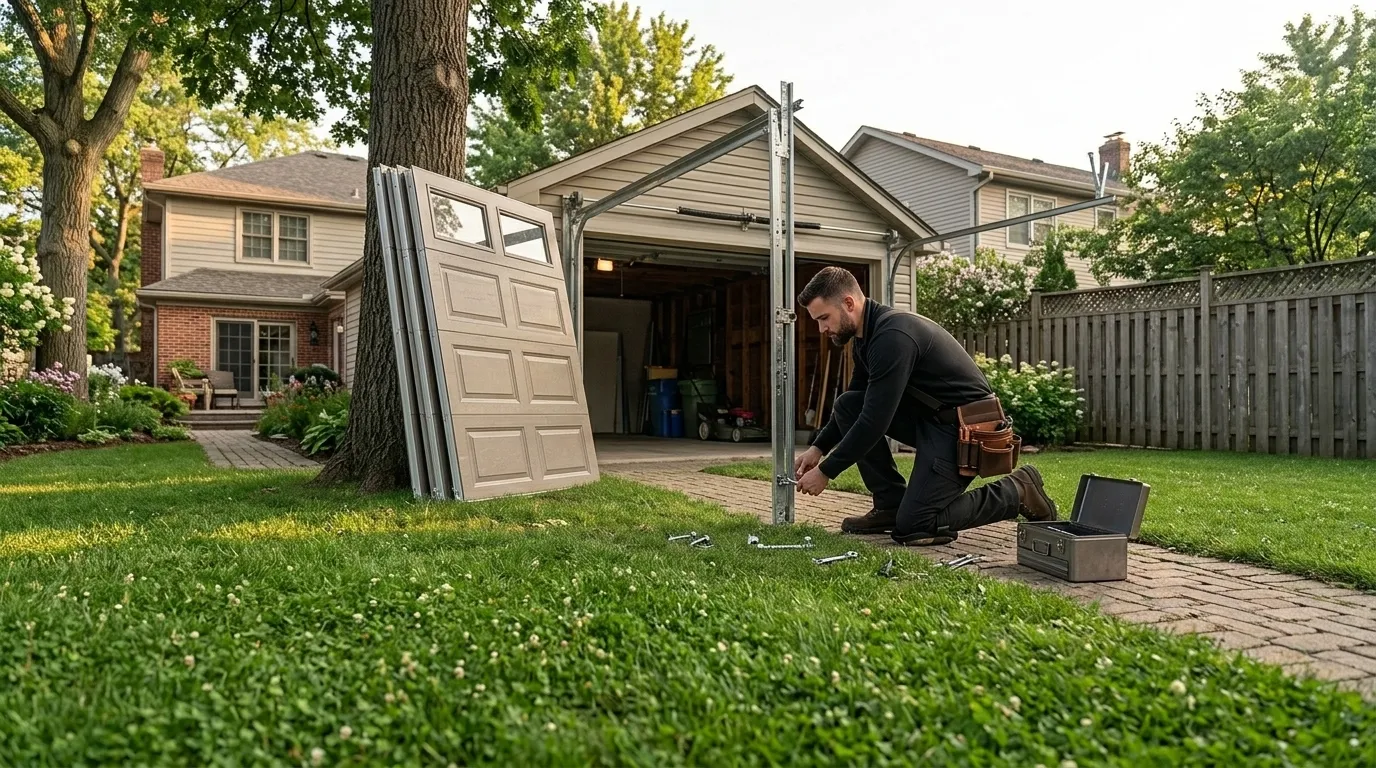
For a panel call in this pocket, the truck carries the common steel panel widths and heights that match 1980s and 1990s residential stock, along with standard hinges, end stiles, and the seals that go with them. What it doesn't carry is every discontinued panel profile from decades of manufacturers - some exact matches for a 1982 door have to be special-ordered, and that's the one honest gap here: a repair that should take an hour can turn into a return trip once the right panel comes in. Basic fasteners, weatherstrip, and touch-up primer for a mild climate that's more humid than freezing are standard. If the whole door has aged out rather than just one panel, that's a different job and a different page, but for a single damaged section, the truck is built to handle it in one visit whenever the part is on hand.