Doing It Yourself
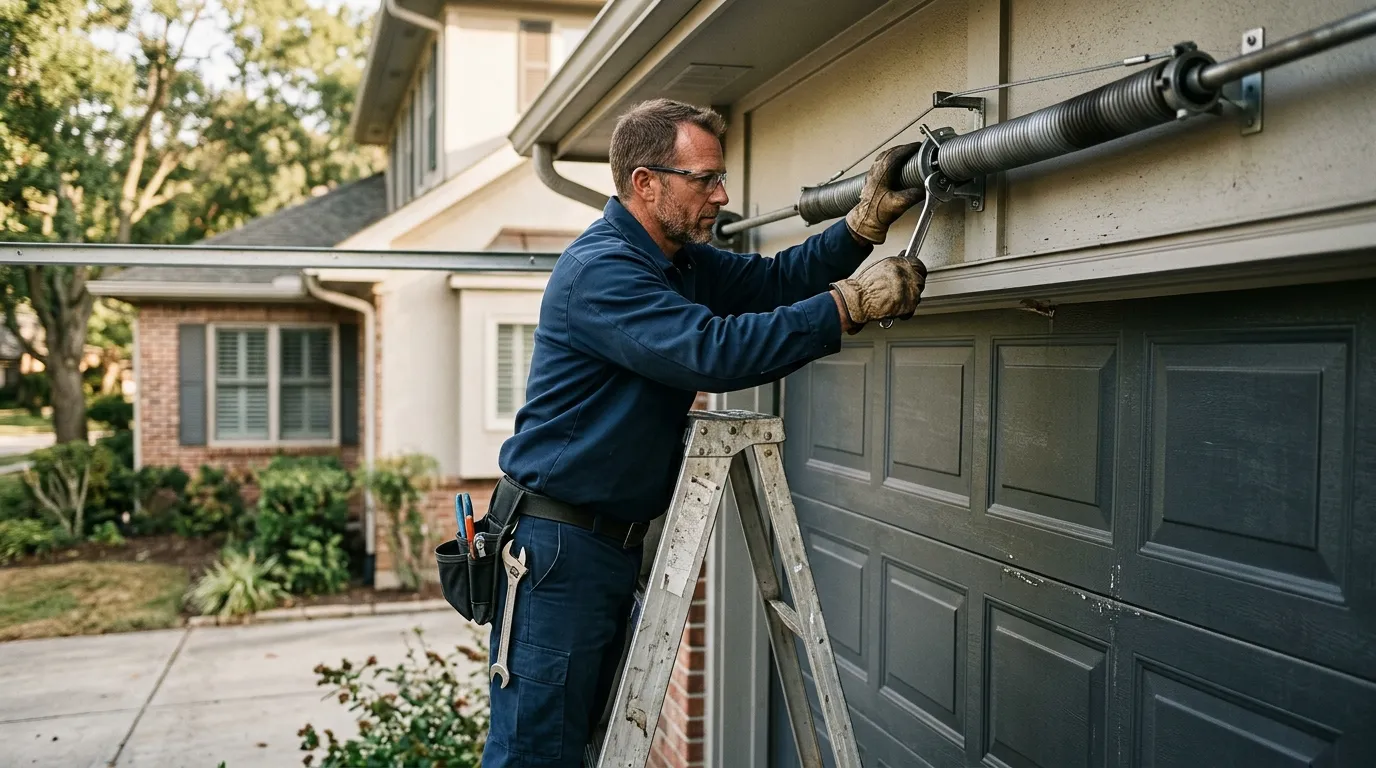
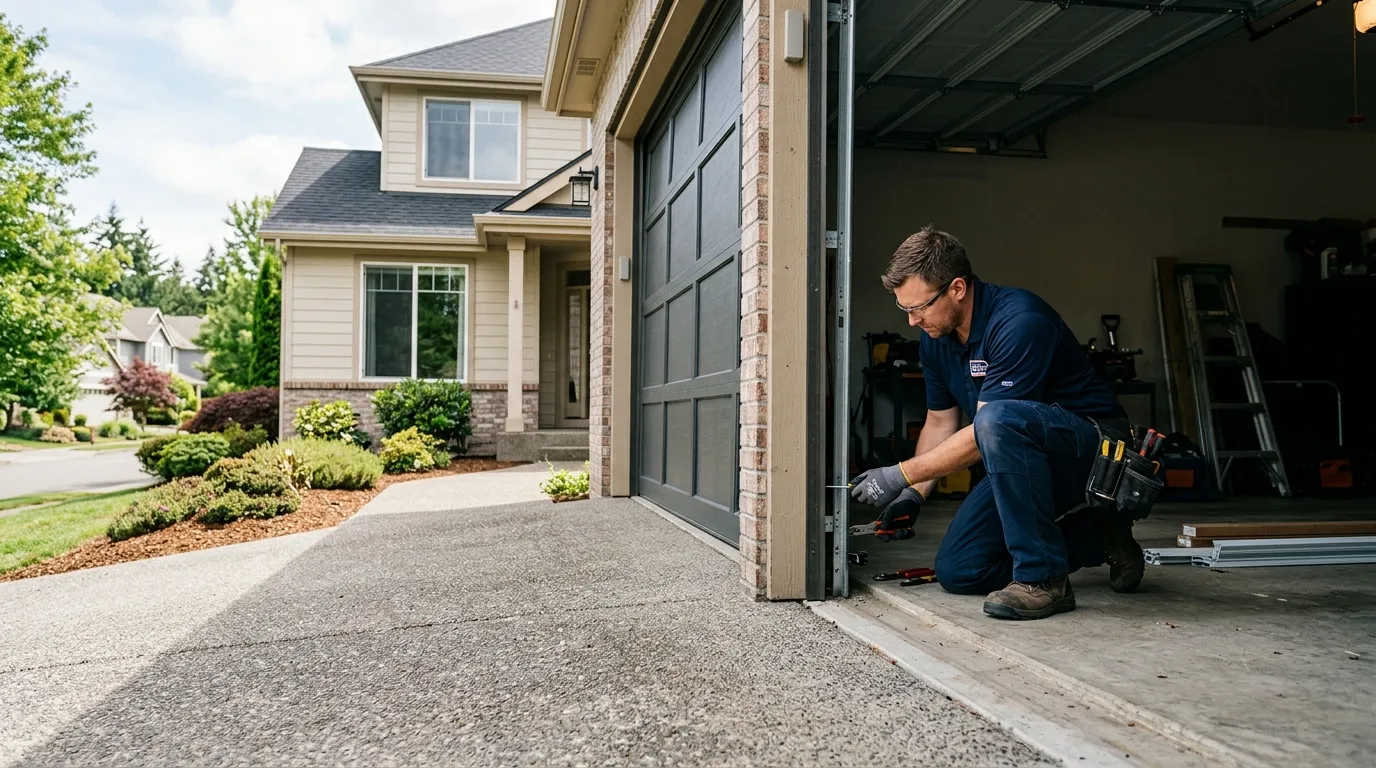
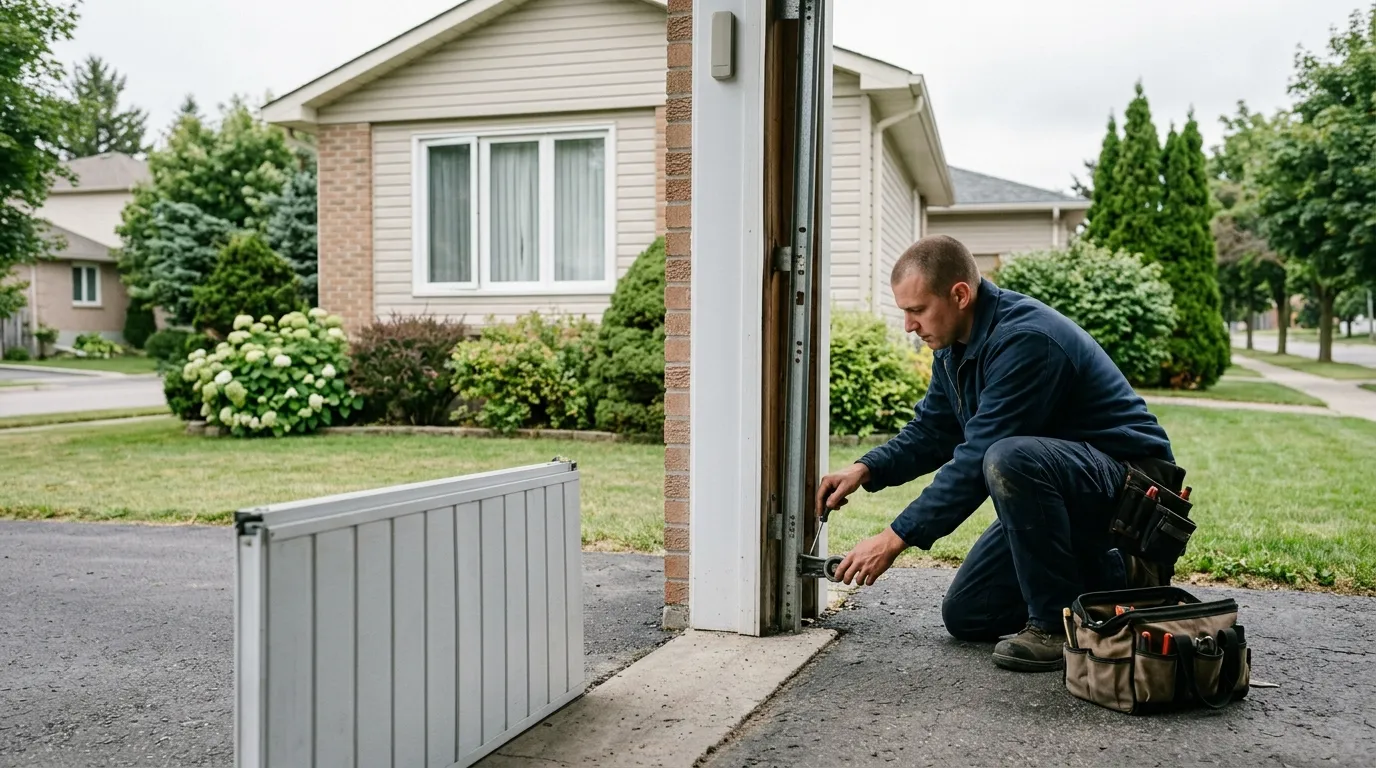
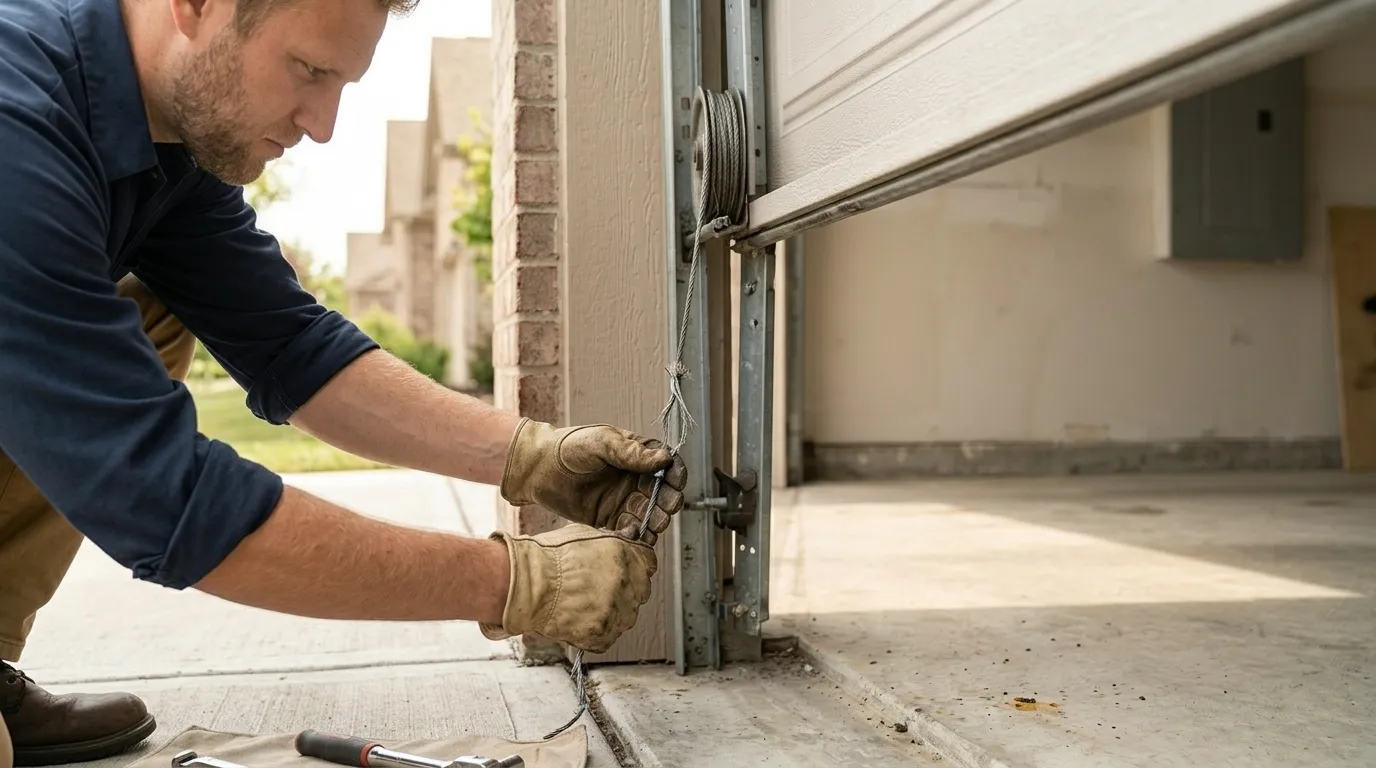
If the door won't budge and you hear a bang before it happens, that's very likely a broken torsion or extension spring, and on a door this old that's not a weekend project - the spring is under real tension and the anchoring hardware from a mid-70s install often isn't up to modern spec. Leave springs and cables alone.
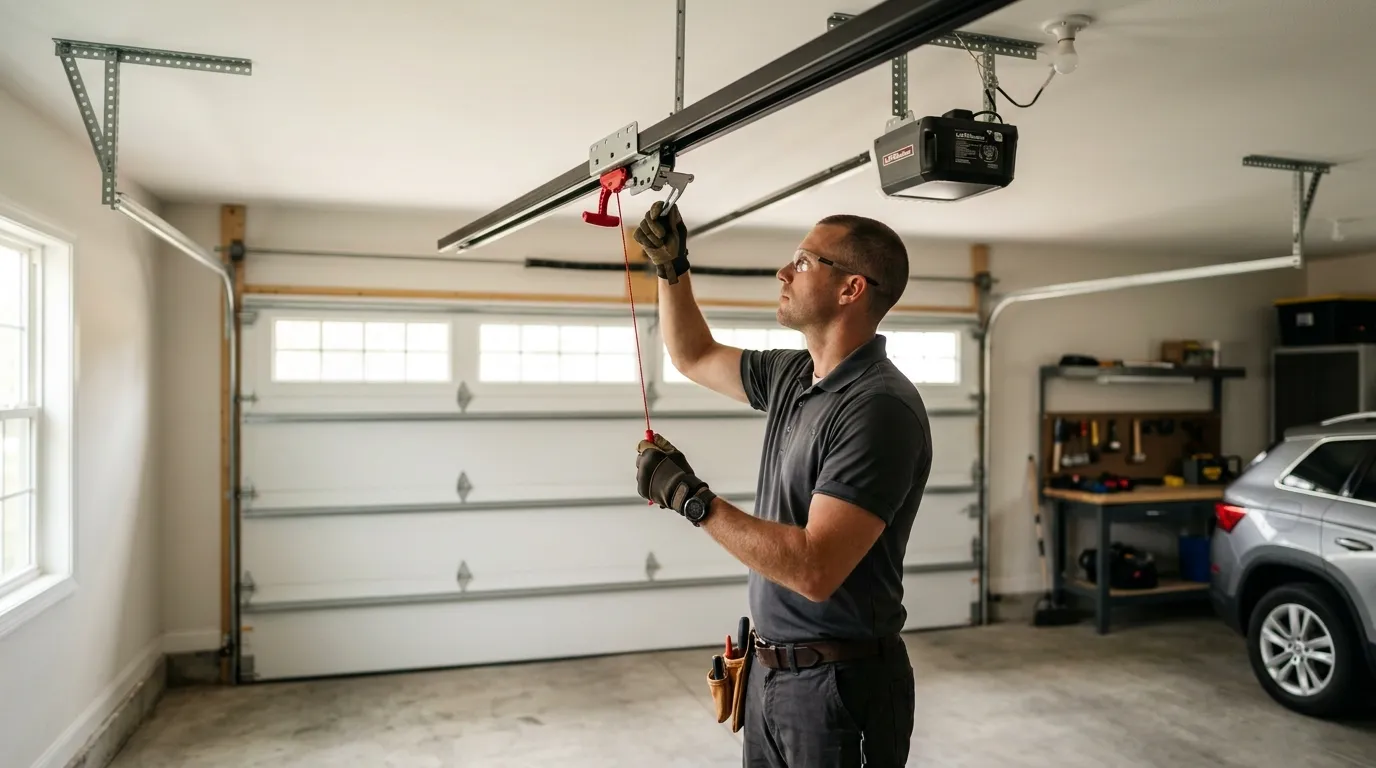
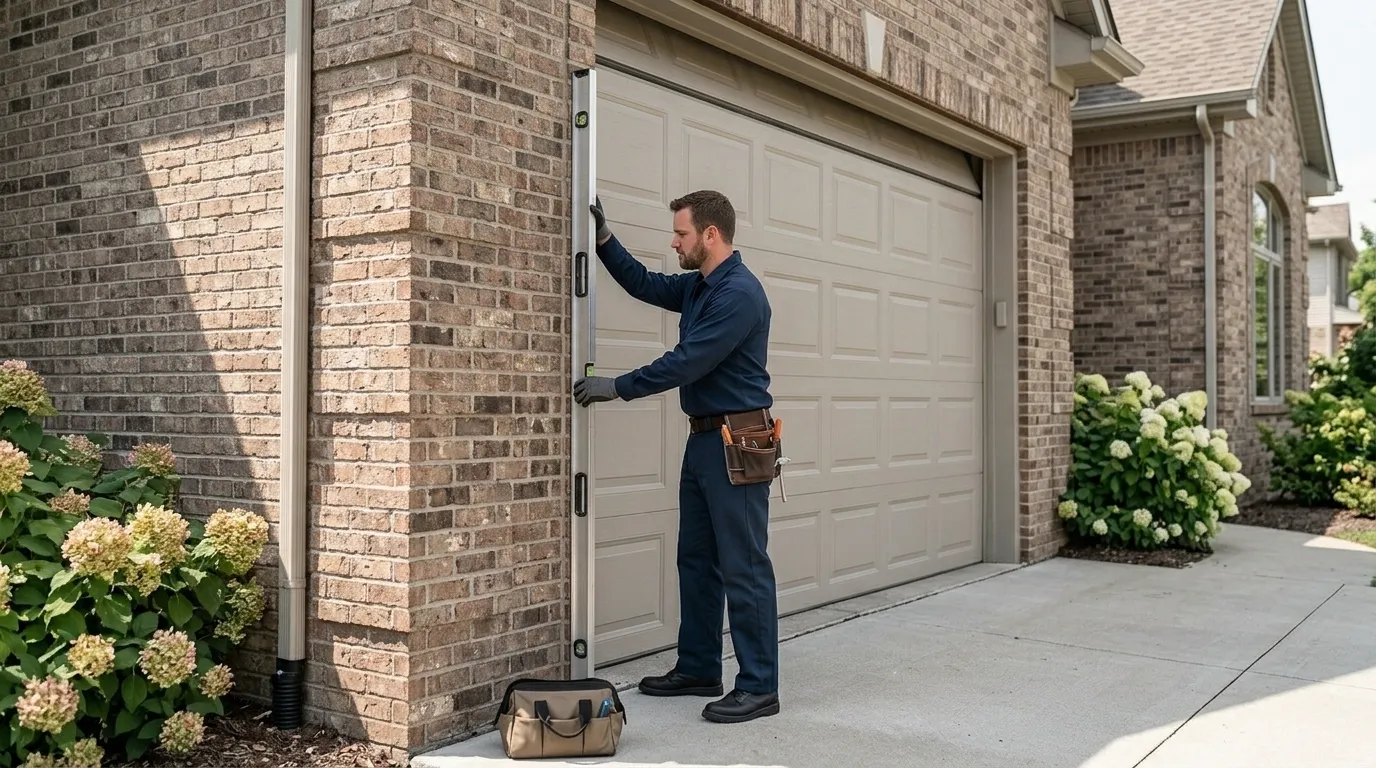
What you can check yourself: the photo-eye sensors near the floor (dirt or a knocked-loose bracket is a common false trigger), the wall button wiring, and whether the tracks are visibly bent or just dirty. A quick look with a flashlight tells you a lot before you call anyone. On a house from this era, we also see track that was never resized when someone swapped in a heavier insulated door later - that's a job for a torque wrench and an eye for clearance, not for a Saturday afternoon.
What Is on the Truck
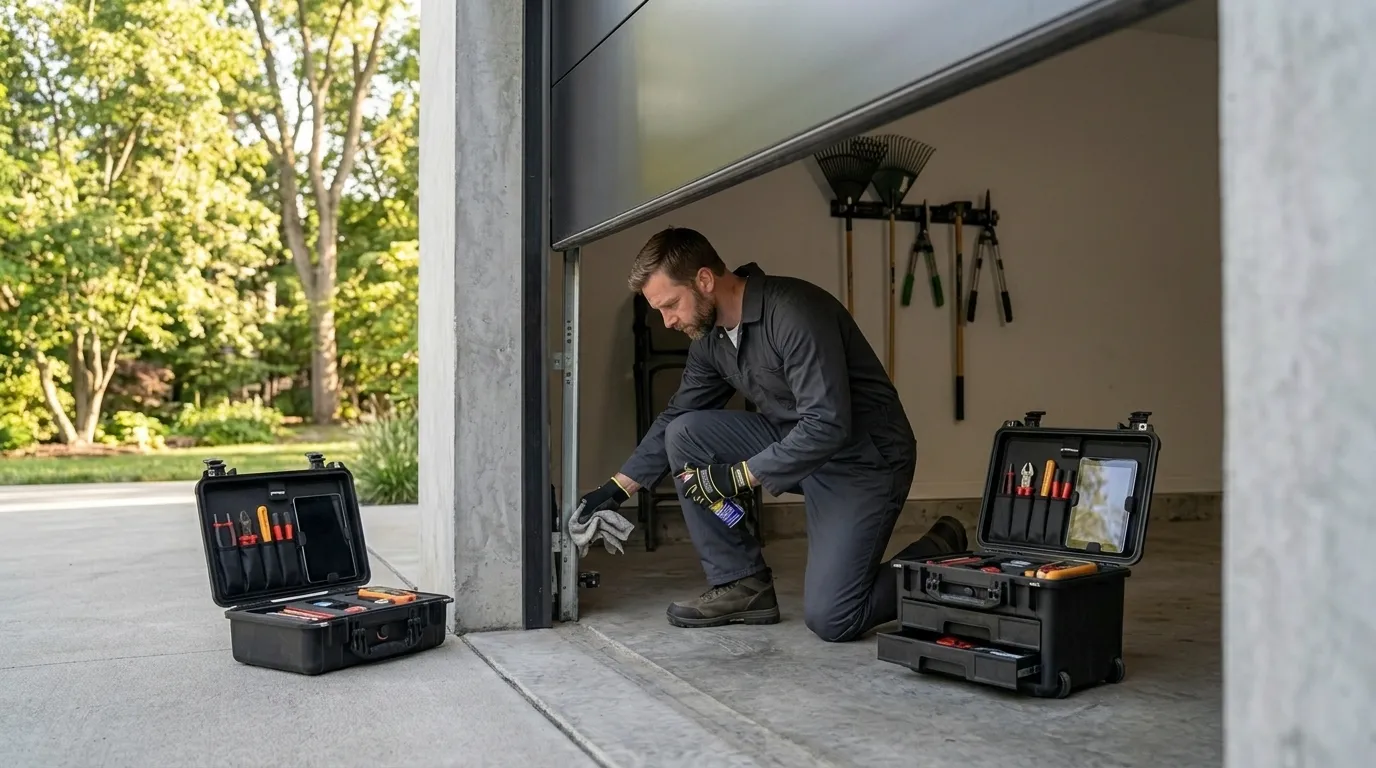
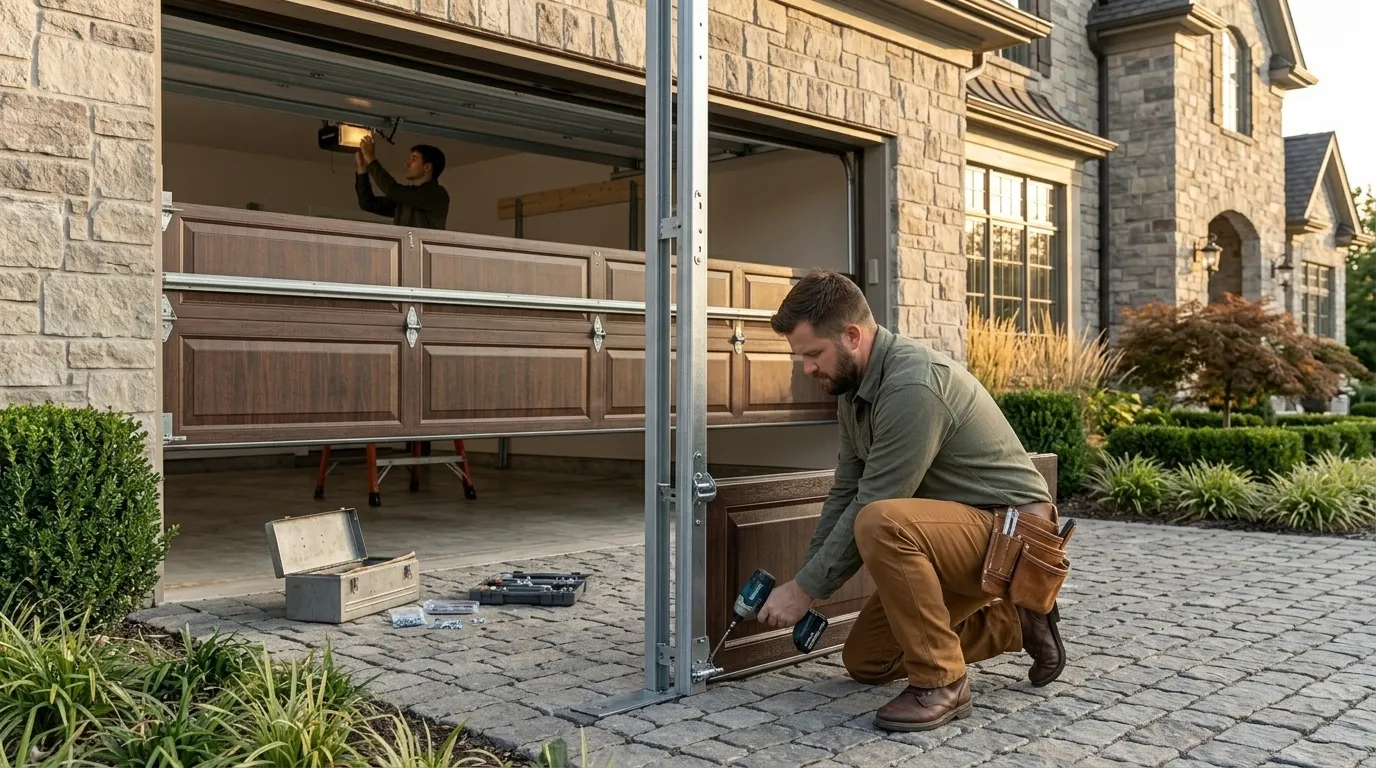
Given Conway's build year sits at 1975, older than most of the surrounding area, we carry a wider range of spring sizes and older-style extension-spring hardware than a route built only around newer construction would need. Standard torsion springs in common wind sizes ride along too, since plenty of these older doors have already been converted once.
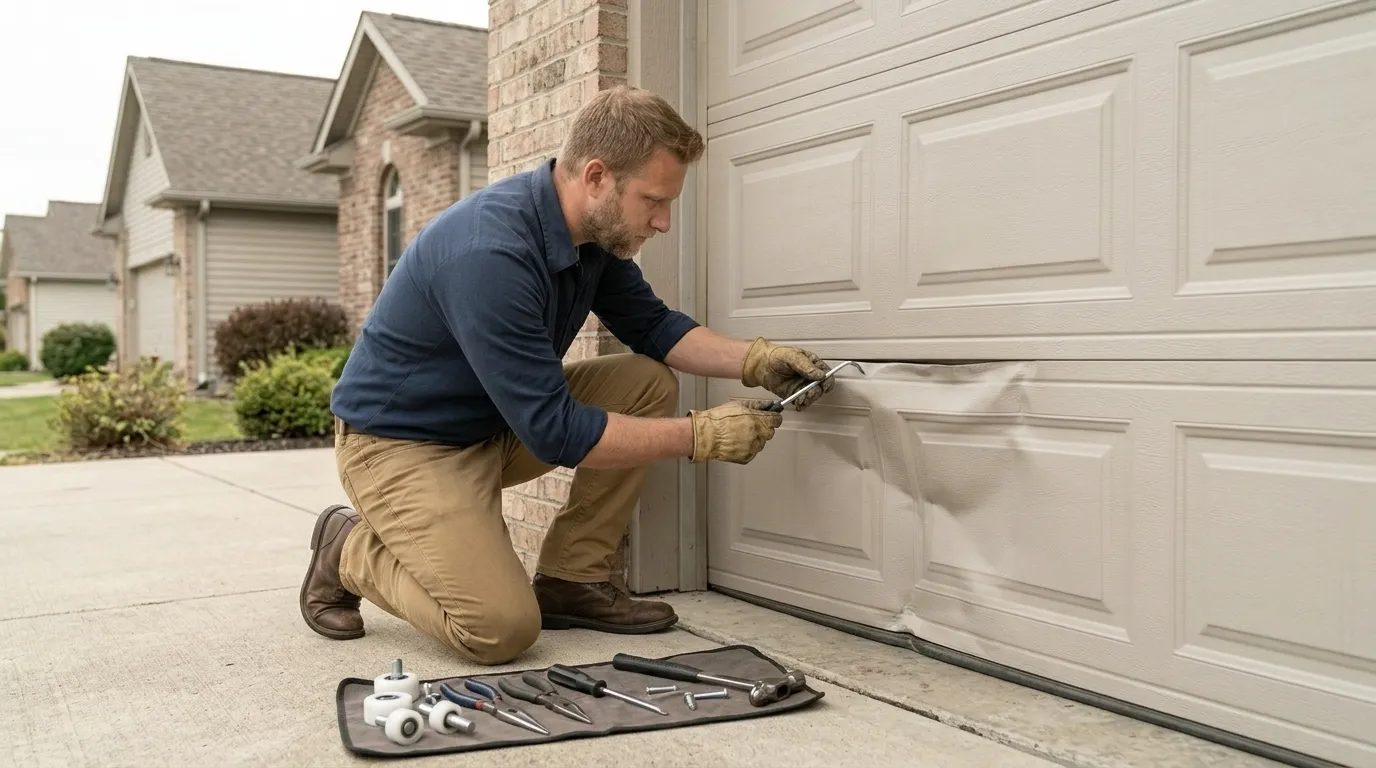
We also stock rollers in both nylon and steel, cable in a couple of gauges, and photo-eye sensor pairs, since replacing a whole opener is often overkill next to swapping the part that actually failed. What we don't carry is custom-width track or a made-to-order panel - those get ordered once we've measured on site, and that's a lead-time item we're upfront about rather than something we pretend to have on the shelf.
Why This Fails Locally
The reason Conway's calls skew toward spring and cable failure rather than opener electronics comes down to that 1975 median build year - a full 12 years ahead of the 1987 median for the broader service area. Houses built then were fitted with hardware standards that have since moved on twice over: extension springs instead of torsion in a lot of cases, thinner cable, and track profiles that don't match what a hardware store carries off the shelf today.
That's also why a repair here sometimes turns into a partial hardware upgrade rather than a straight swap - you can't always buy a like-for-like replacement for a part that's been out of production for twenty years. We'll tell you when that's the case instead of forcing an old part back into service.
The Cost of This Job
Conway's median household income runs $96,250, well above the $82,107 median across the wider service area, and in practice that means more of our Conway calls end in a decision to replace the door outright rather than patch aging extension-spring hardware piece by piece. We don't push that either way - a clean spring swap on a sound door is often the right call, and we'll say so.
We can't quote a firm number here since pricing depends on what we find once the door's open - spring size, whether the track needs resetting, whether the opener's original hardware is salvageable. What we can tell you is that a 1975-era door with worn extension springs is a more involved job than a 1990s torsion conversion, simply because more of the hardware around it needs a second look.