Doing It Yourself
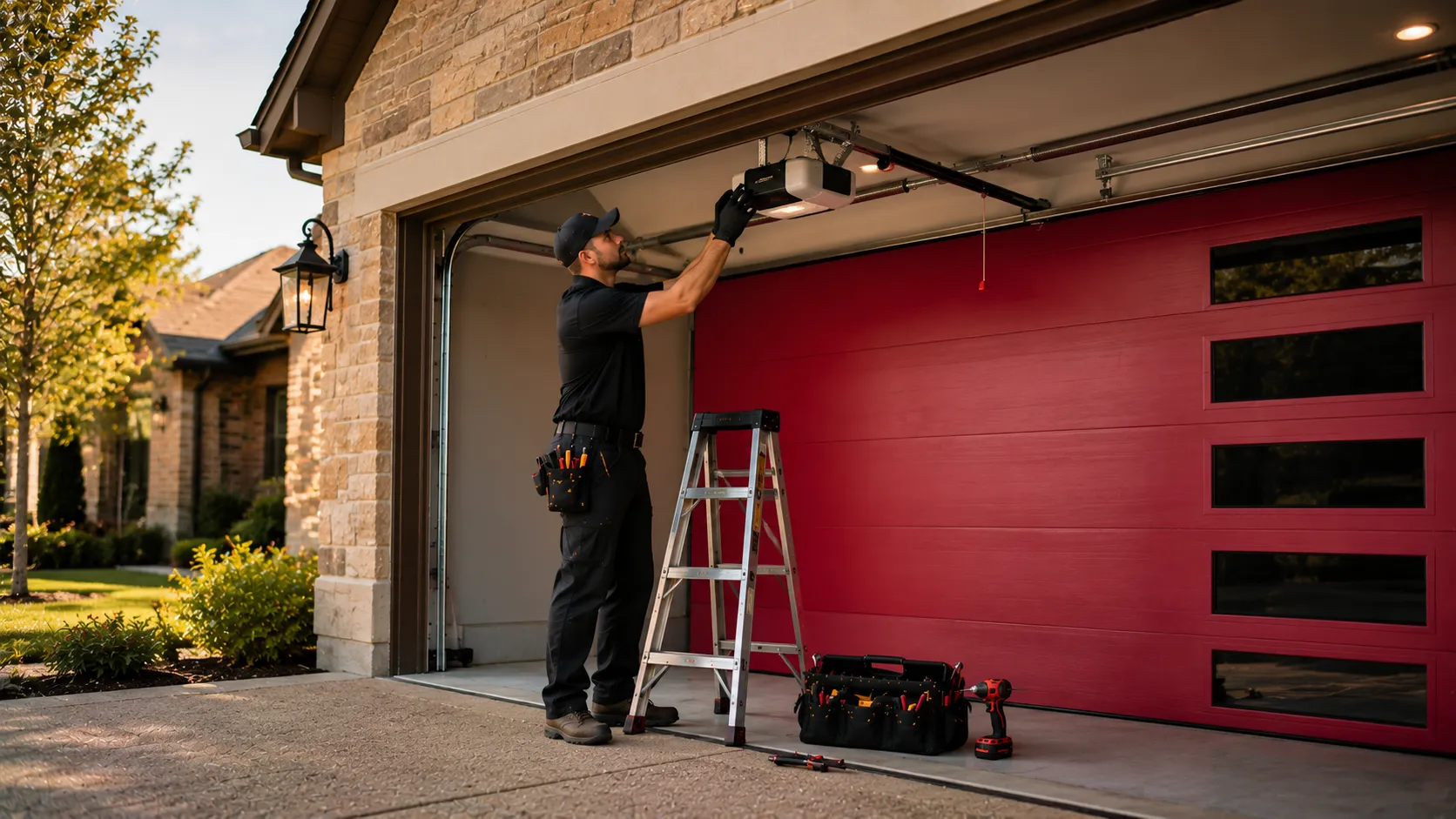
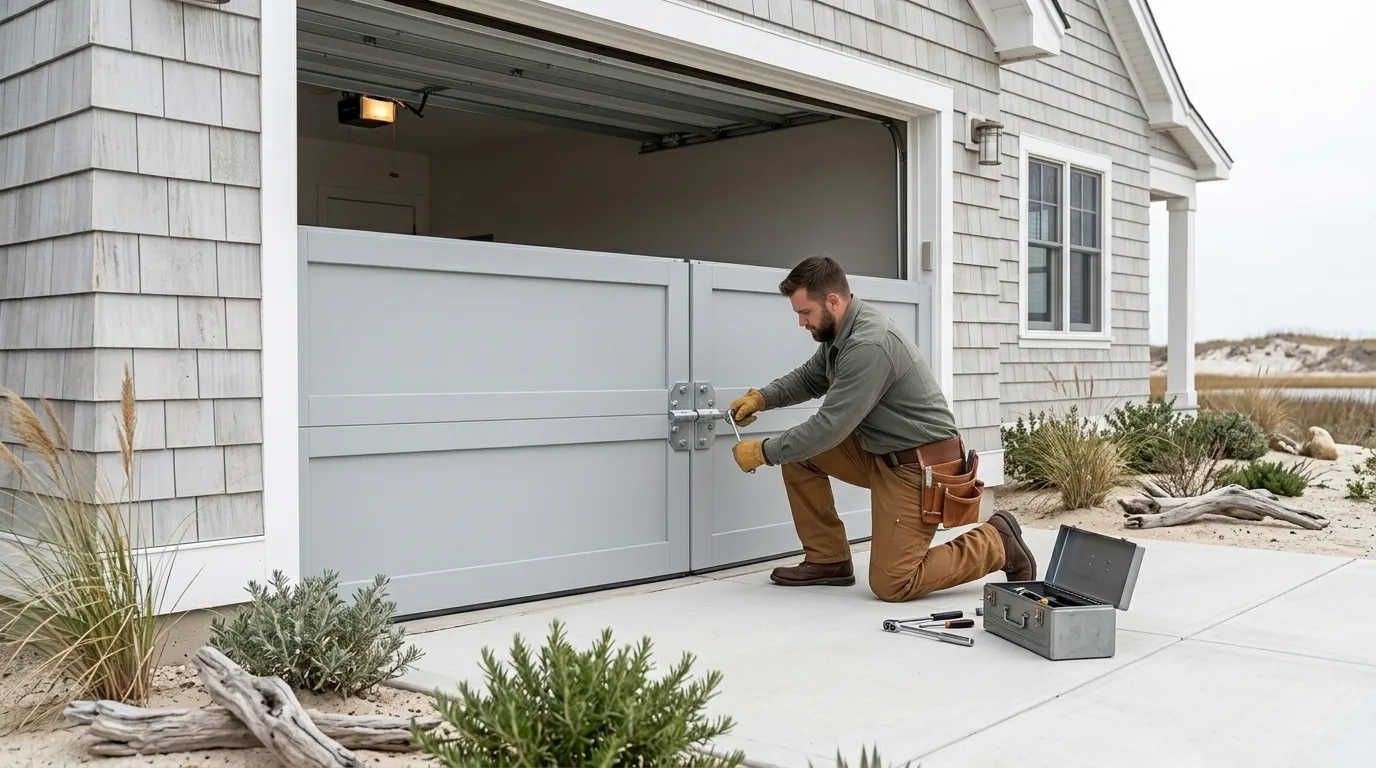
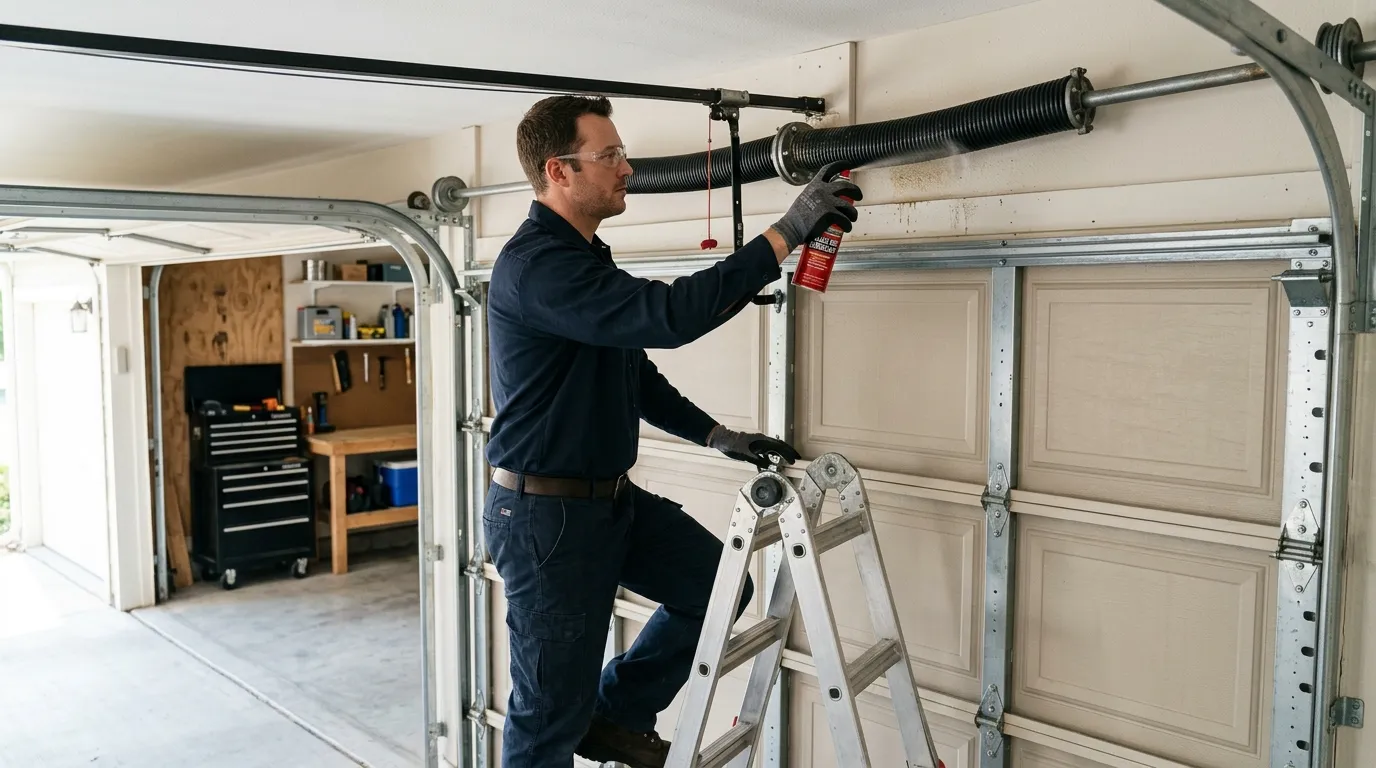
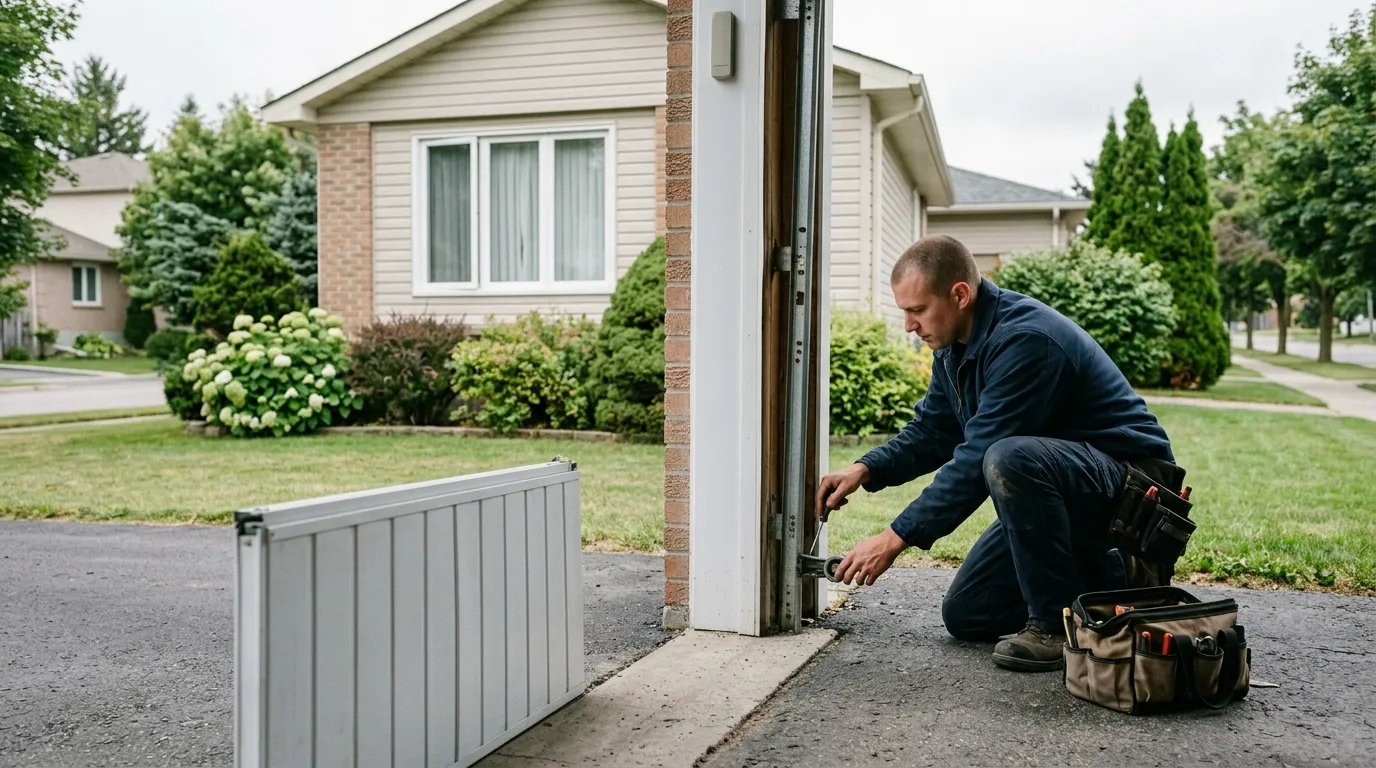
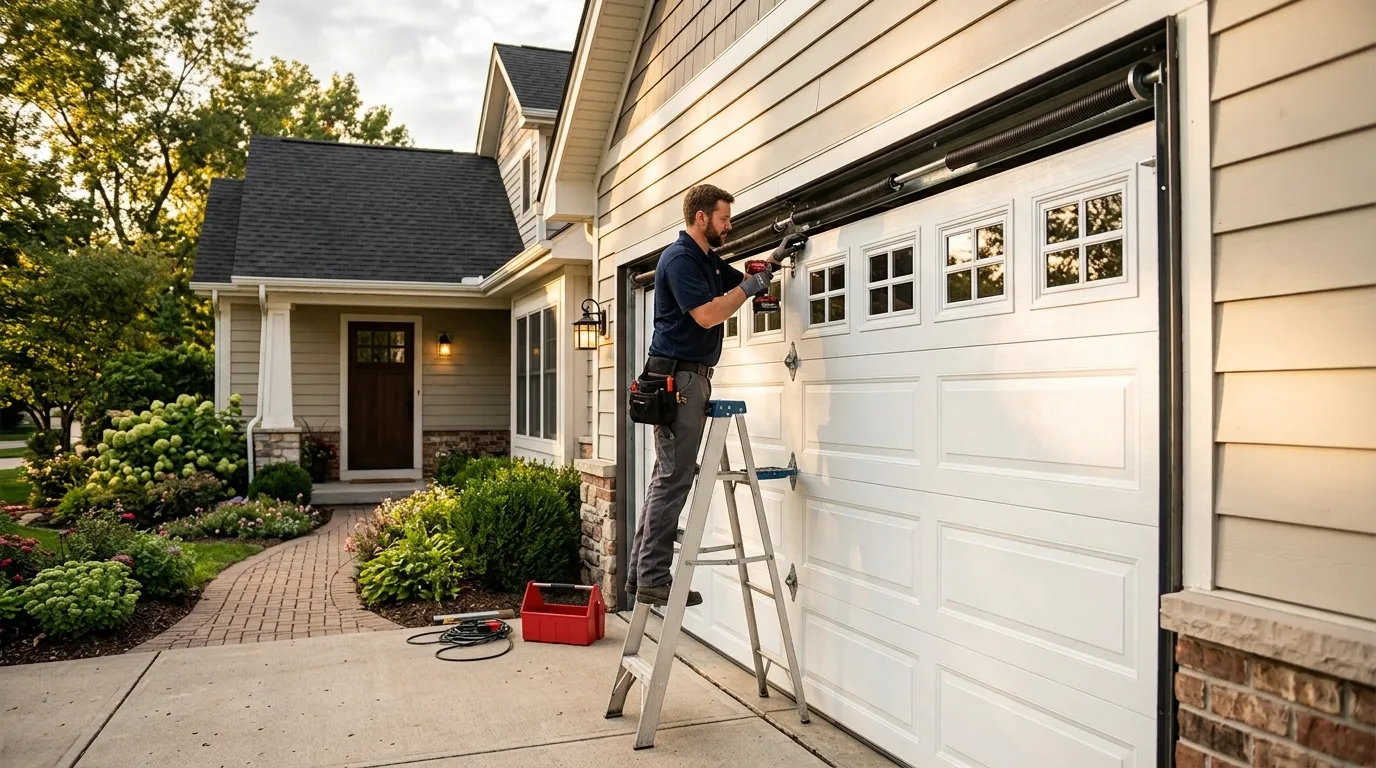
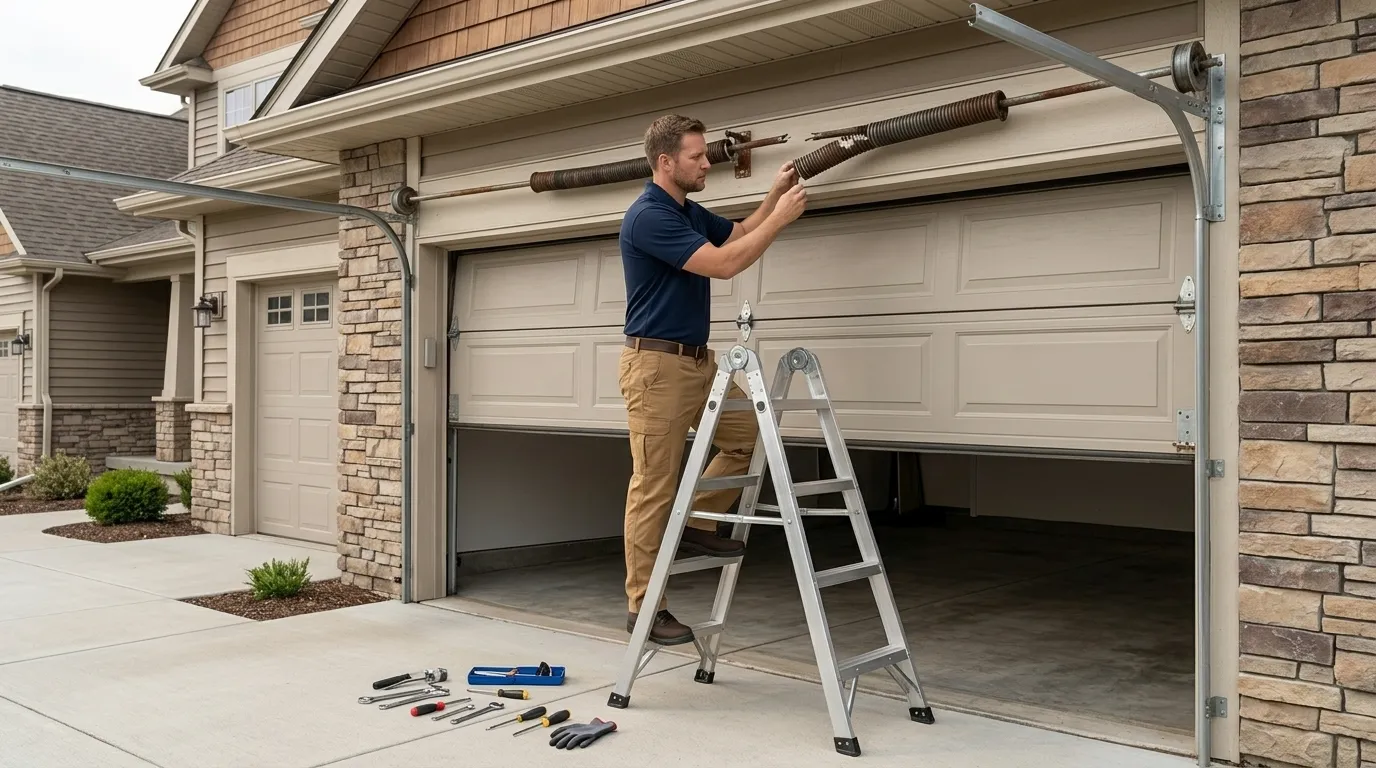
A single dented or rusted-through panel on a sectional door looks like a bolt-and-swap job, and on some houses it is. On a lot of Conway houses it isn't, because the median year built here runs around 1975 - older than the 1987 median for the wider service area - and doors from that era were often set up with hardware sized to match a specific panel profile that isn't sold anymore. Pull the wrong section and you can find the replacement panel doesn't line up with the existing hinges or track width, and now you've got a bigger job than you started with. The other real risk is the spring system. Panels sit under tension from the torsion or extension springs above them, and loosening the wrong bolt on an older setup can let a door section drop fast. If the damage is cosmetic and the door still opens and closes square, you can usually wait for a proper visit rather than force it yourself that day.
What Is on the Truck
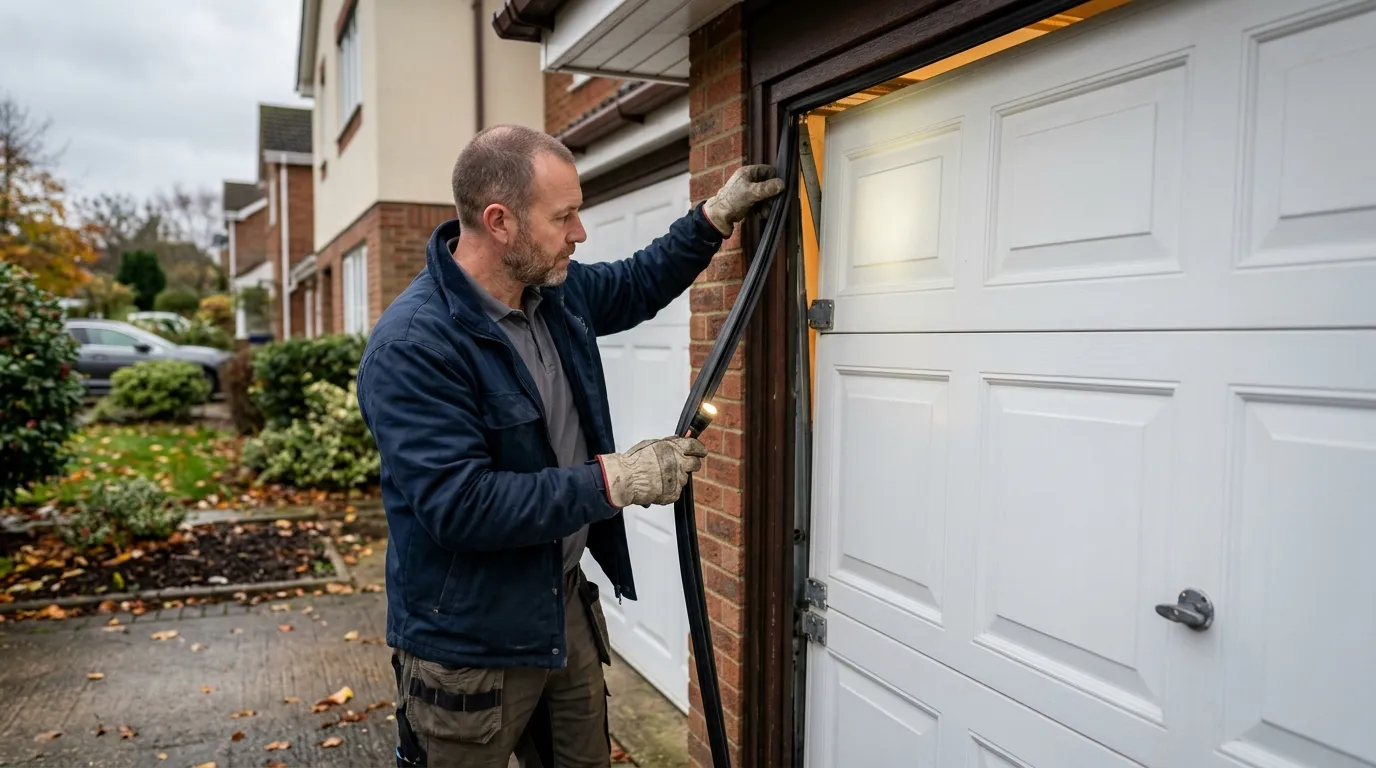
We carry standard steel panel sections in the sizes most common across the service area, plus the fasteners, hinges, and end stiles that go with them. For Conway specifically, we also carry a wider range of hinge and roller hardware than we'd need on a newer-build street, because houses from the mid-1970s were built to a range of section heights and widths before manufacturers standardized. What we don't carry standing is a custom color or wood-grain match for an older door that's been repainted or faded over the decades - that gets ordered once we've confirmed the exact panel on site, and it adds lead time. We're upfront about that rather than showing up with a panel that's close but visibly off. If your whole door is the same age as the house, we'll also check whether the remaining panels and hardware can take a new section without the seams telegraphing, or whether the honest answer is a full door instead of a patch.
Why This Fails Locally
The core issue in Conway is age mismatch. With a median year built of 1975, a meaningful share of doors here predate the more common two-layer insulated steel panels that dominate newer builds elsewhere in the service area. Single-layer panels from that era dent more easily and rust from the inside out once the paint seal breaks down, and Conway's mild but humid climate keeps that rust process moving year-round rather than pausing for a dry season. We also see doors where a previous owner replaced one or two panels already, using whatever was available at the time, so the door now has three different panel generations stacked on one track. Fixing one more panel without checking the others just adds a fourth mismatch. The fix that actually holds is to treat the whole door as an unknown until we've opened it up, not to assume a Conway house needs the same single-panel swap that works on a newer street ten miles away.
The Cost of This Job
Conway's median household income runs about $96,250, well above the $82,107 median across the wider service area, and that shows in what people choose once they're looking at a panel replacement anyway. A lot of Conway homeowners opt to upgrade to an insulated panel across the whole door rather than patch a single 1975-era section with a non-insulated match, since the price difference between the two is smaller than most expect once you're already paying for labor and a service call. The honest tradeoff: matching an old single-layer panel exactly can mean waiting on a special order, while upgrading the whole door removes the matching problem entirely but costs more upfront. We don't have a set price to quote here - that depends on the door's size, current hardware condition, and which route you pick - but we'll lay out both options on the visit before any work starts. Full service details and current service-area coverage are on our Garage Doors Conway page.