Doing It Yourself
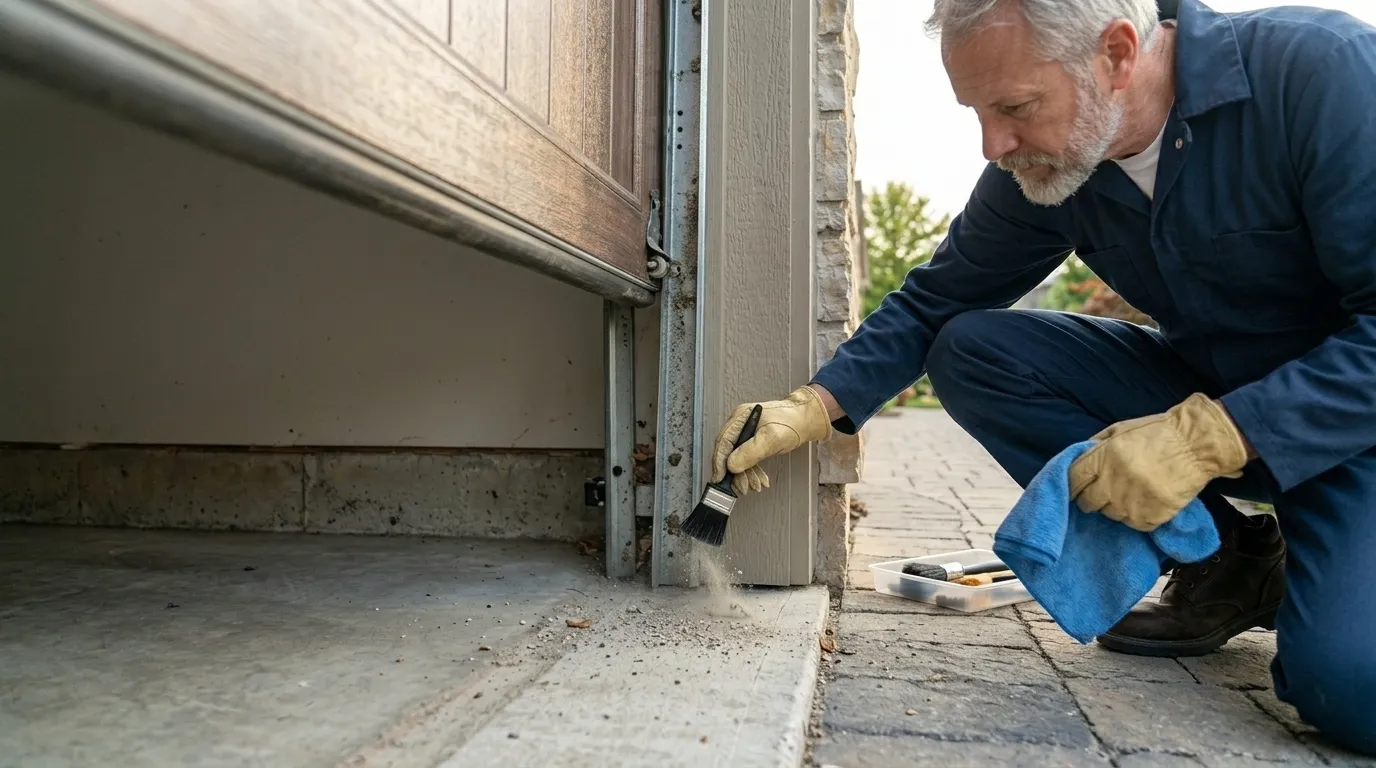
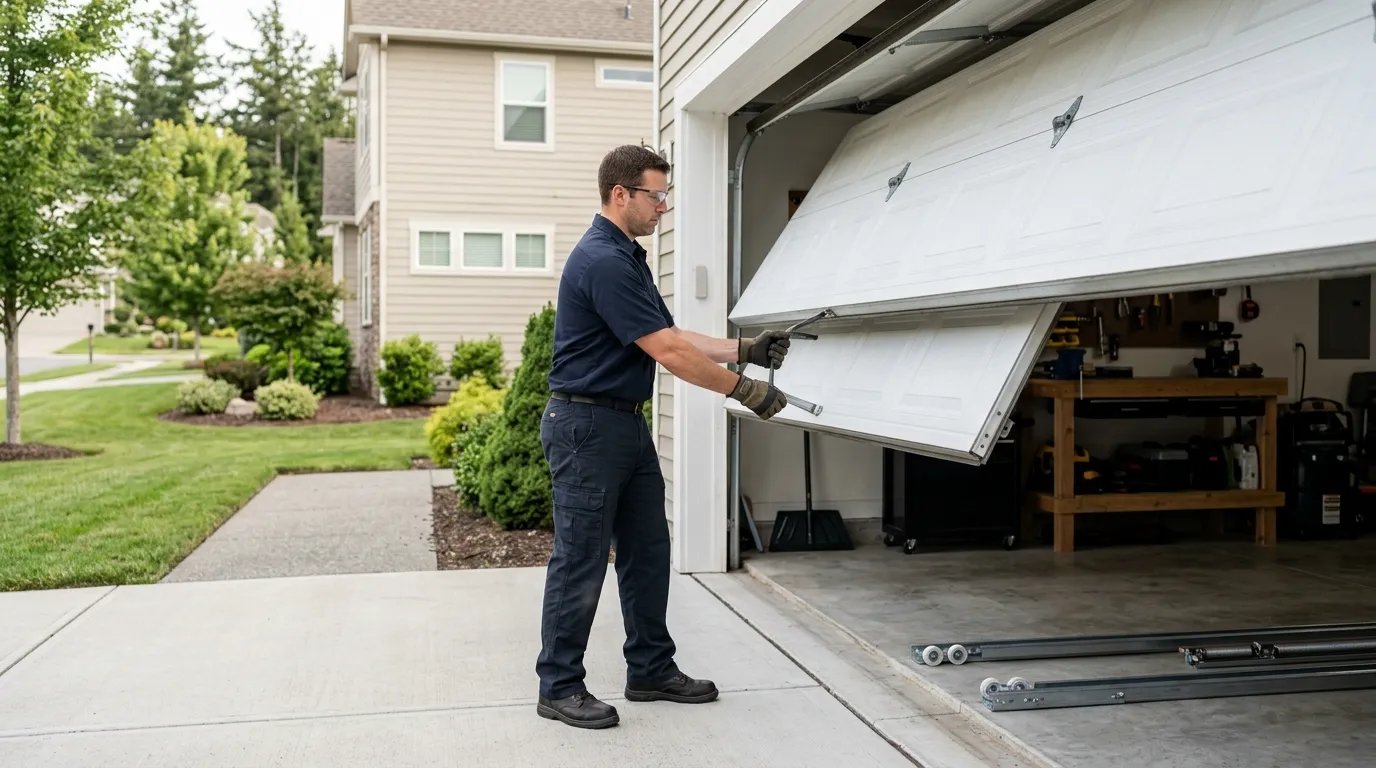
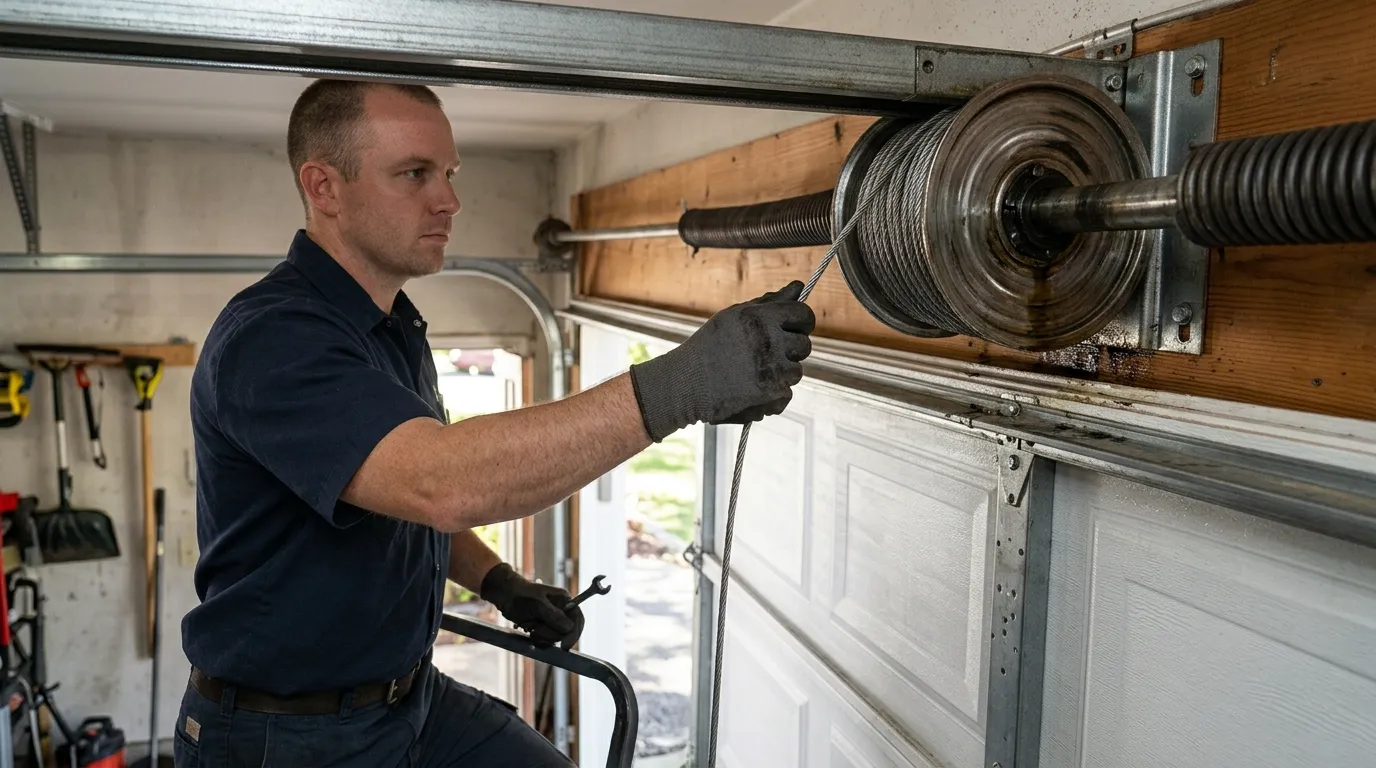
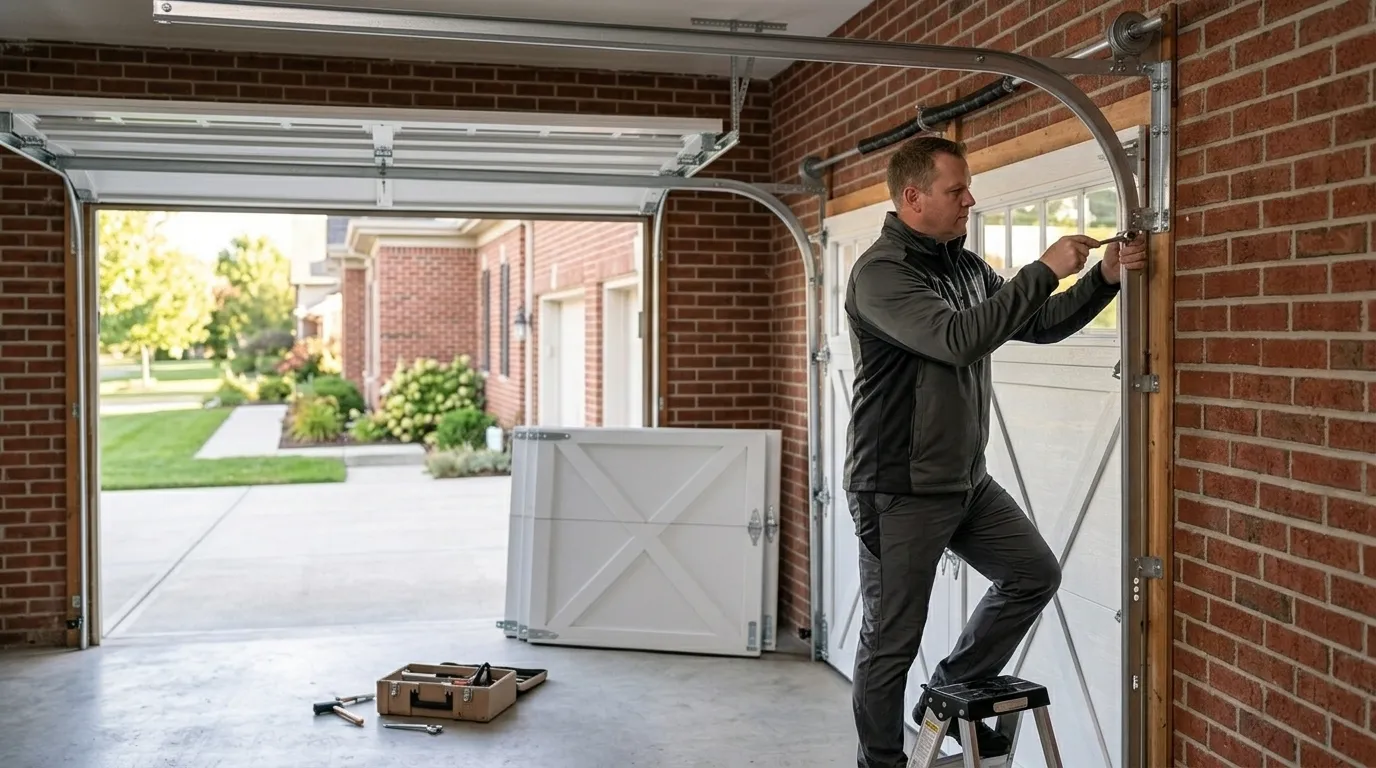
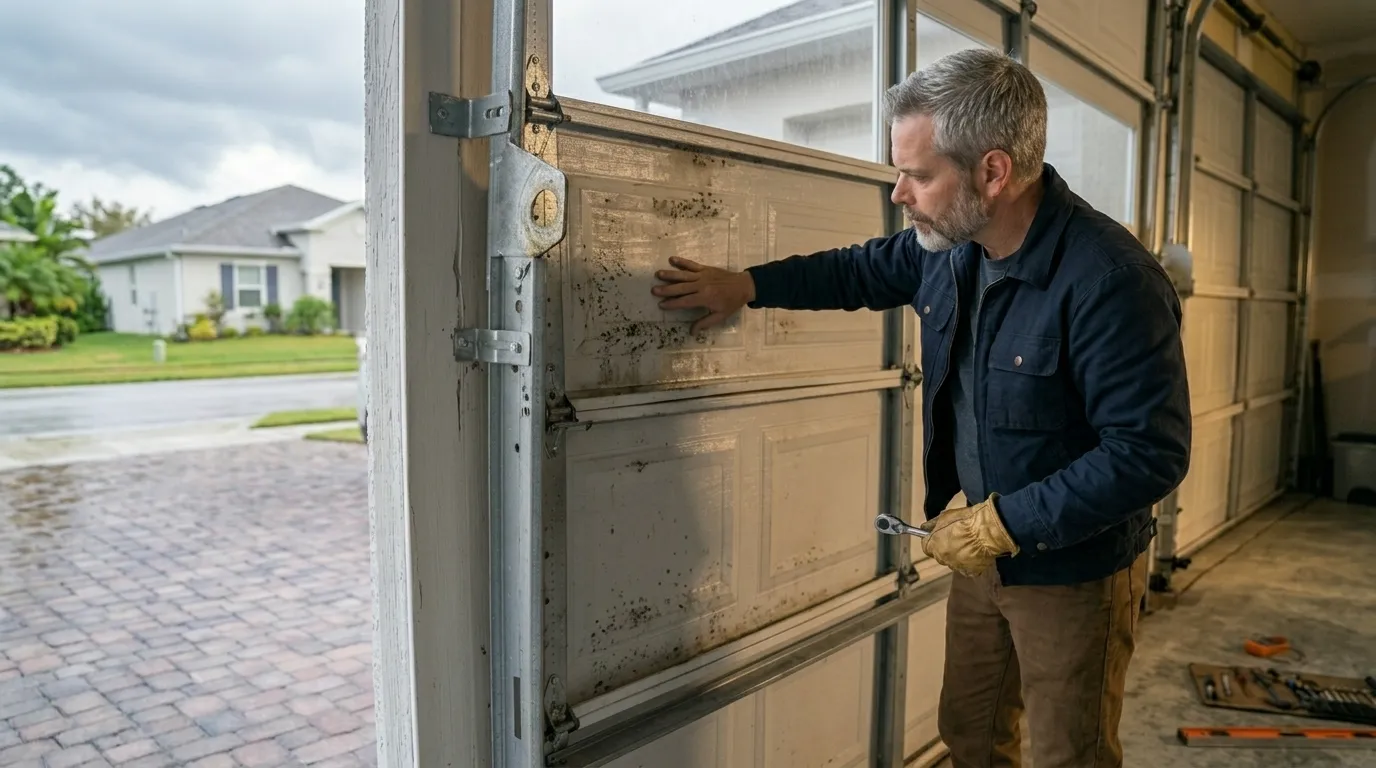
Before you call anyone, check the obvious: remote batteries, the wall button's low-voltage wire for a rodent chew, and whether the safety sensors near the floor track are still aimed at each other - a bumped sensor is the single most common reason an opener refuses to close and just blinks at you. If your house is one of Conway's older builds, from around the mid-1970s, the opener may predate rolling-code remotes entirely, meaning a universal remote programming attempt can fail for reasons that have nothing to do with a broken unit. What you shouldn't touch yourself: the high-voltage side of the motor housing, or anything involving the torsion spring near the opener's mounting bracket. That's not a DIY repair with any margin for a wrong guess.
What Is on the Truck
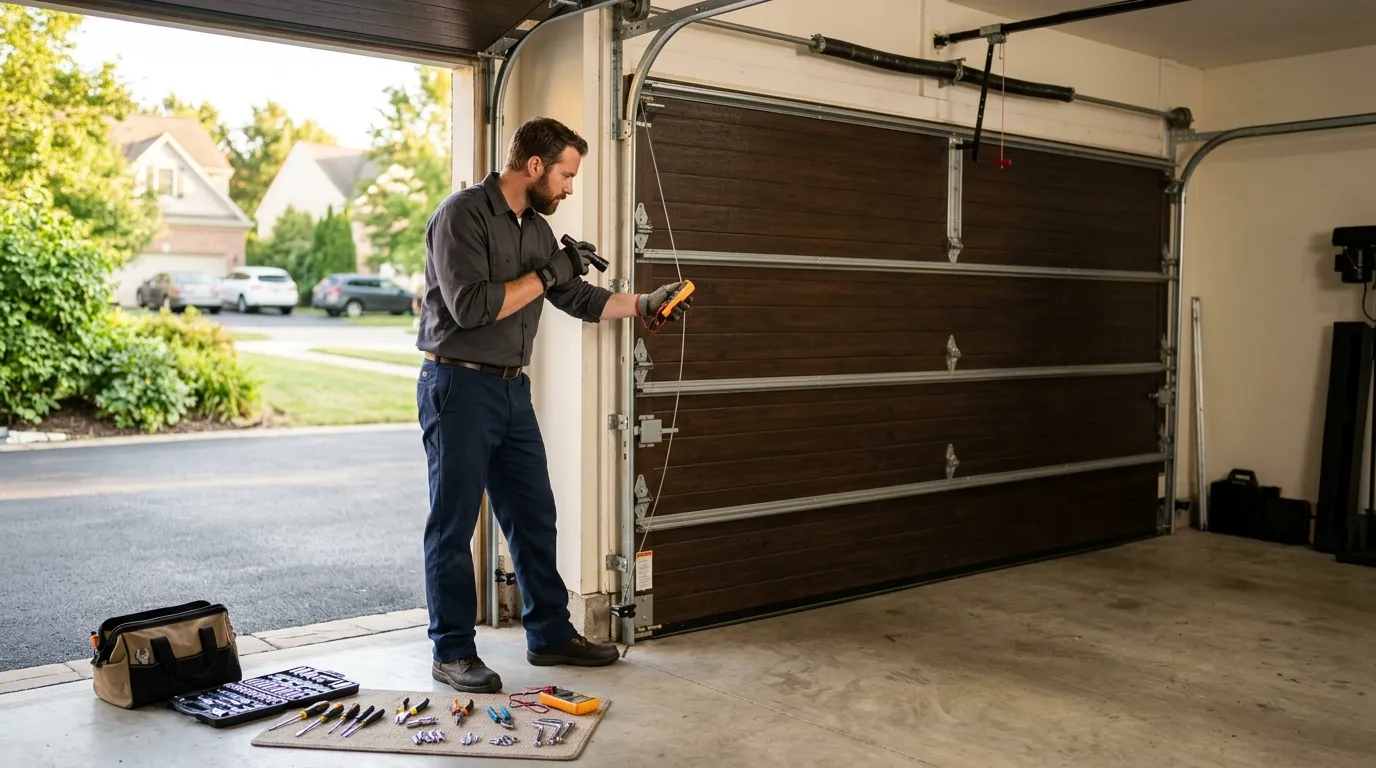
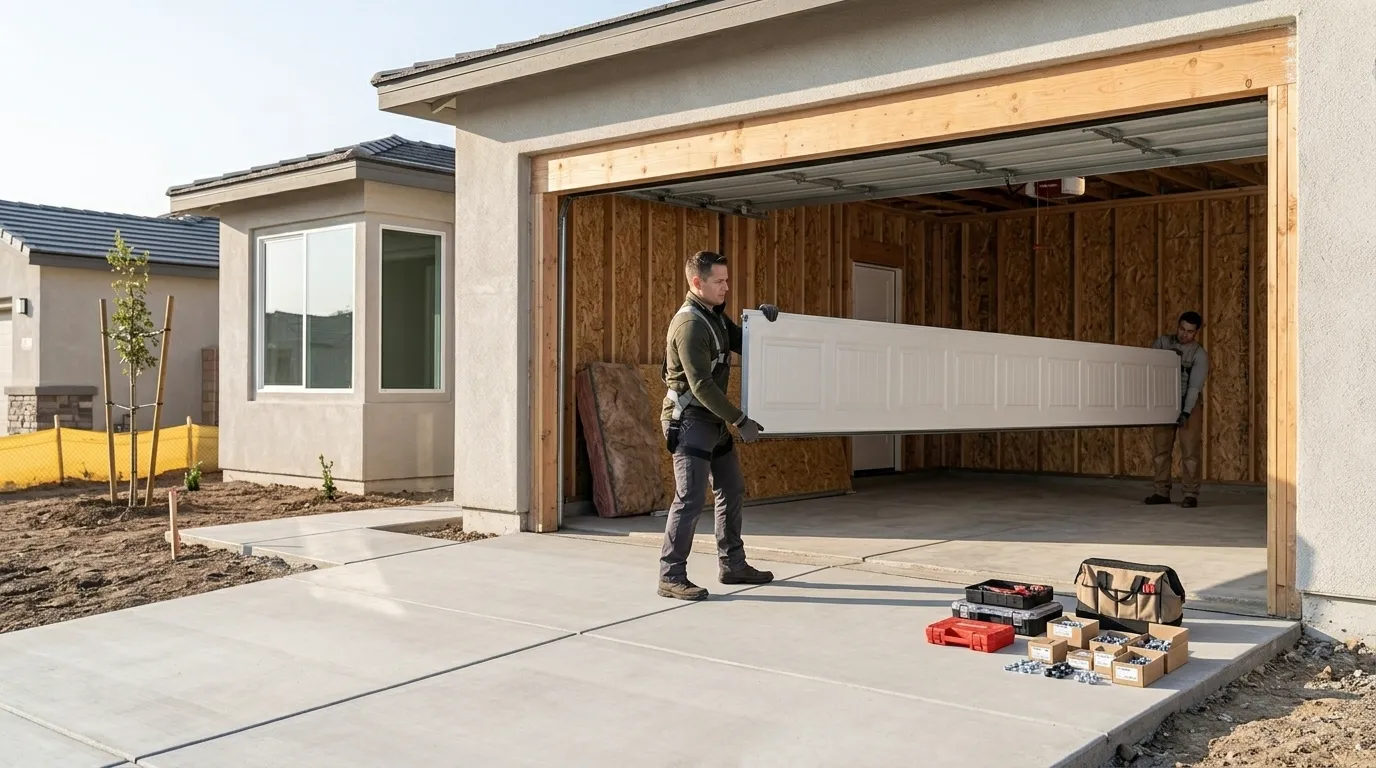
Because Conway's housing stock runs older than the broader Orlando service area's 1964 to 2021 span with its 1987 median, a fair share of the openers we find out here are chain-drive units built before belt-drive and battery-backup models became standard. We carry replacement logic boards, drive gears, safety-sensor pairs, and both chain and belt conversion kits for that reason, along with universal remotes that cover the older non-rolling-code units still running on some of these doors. What we don't stock is every obsolete circuit board ever made - some units from that era use control boards long out of production, and if yours is one of them, replacement of the whole opener is usually the honest answer, not a repair we can source parts for on the spot.
Why This Fails Locally
Conway's median year built sits around 1975, noticeably older than the roughly 1987 median across the wider service area's 218,978 households - which means a larger share of Conway's openers were installed, and in some cases never replaced, before current safety-sensor requirements existed. Add in a median household income of about $96,250, higher than the area's broader $82,107 figure, and you get a pattern where homeowners here are more likely to have already paid for one opener upgrade and are now due for a second, rather than running an original unit that's simply too old to trust. With roughly 5,328 households in Conway, that's a lot of garages carrying hardware that's outlived its intended service life, quietly, until the day it doesn't respond at all.
The Cost of This Job
We're not going to quote a number here that isn't grounded in what your specific opener needs - the cost swings hard between swapping a sensor pair and replacing a whole chain-drive unit with an obsolete board. What we can tell you honestly: the older the unit, the more likely the fix is a full replacement rather than a repair, simply because parts for units from Conway's era aren't always still made. If your opener is original to a house built in the 1970s, expect us to talk you through replacement options rather than promise a quick board swap that may not exist anymore.