Doing It Yourself
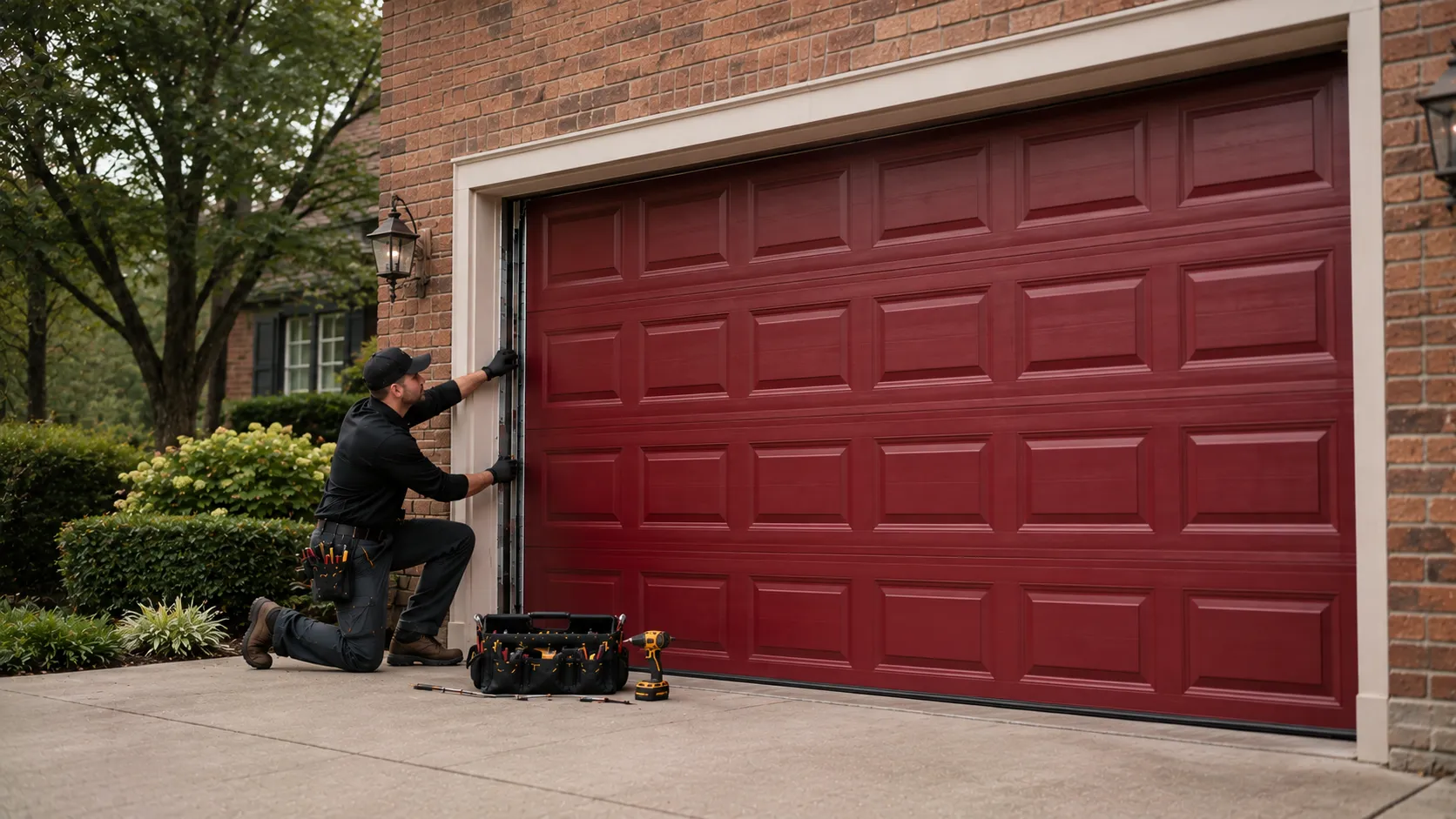
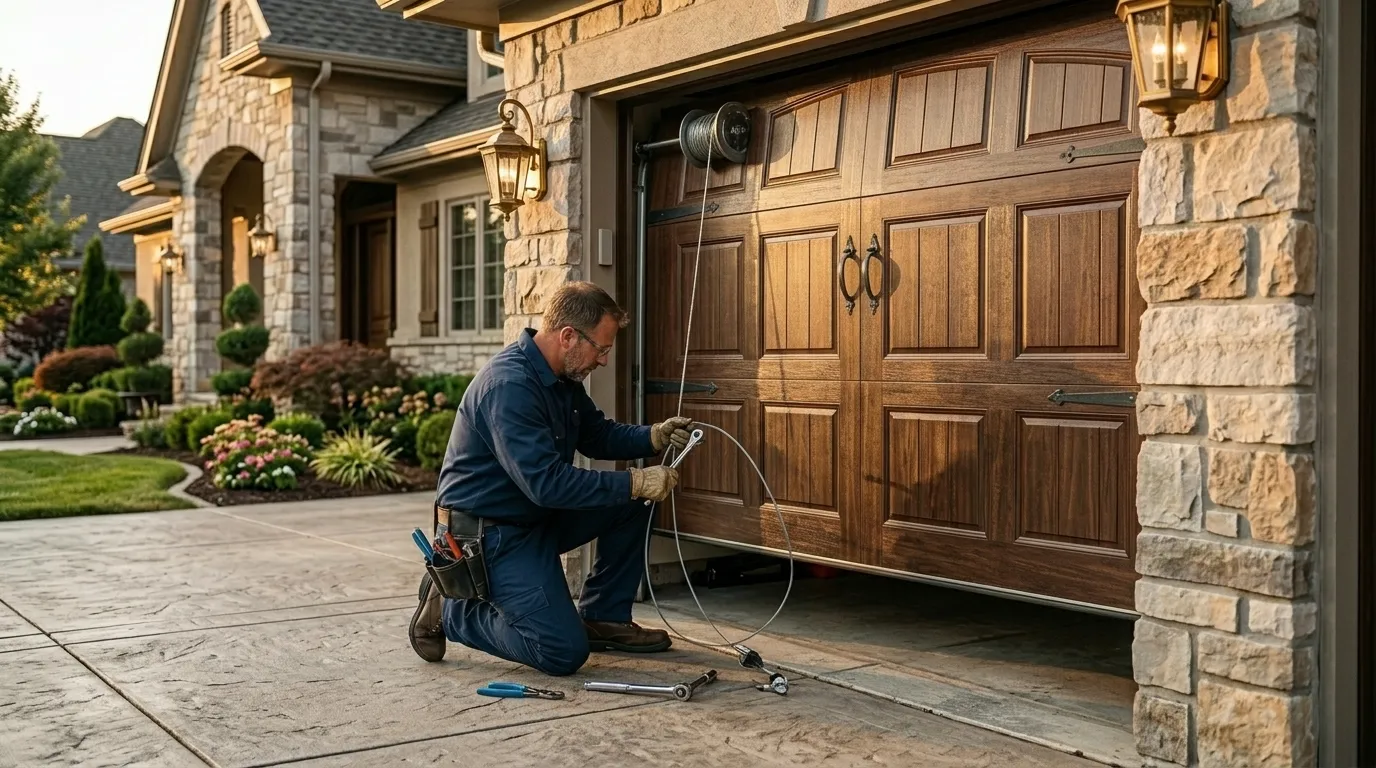
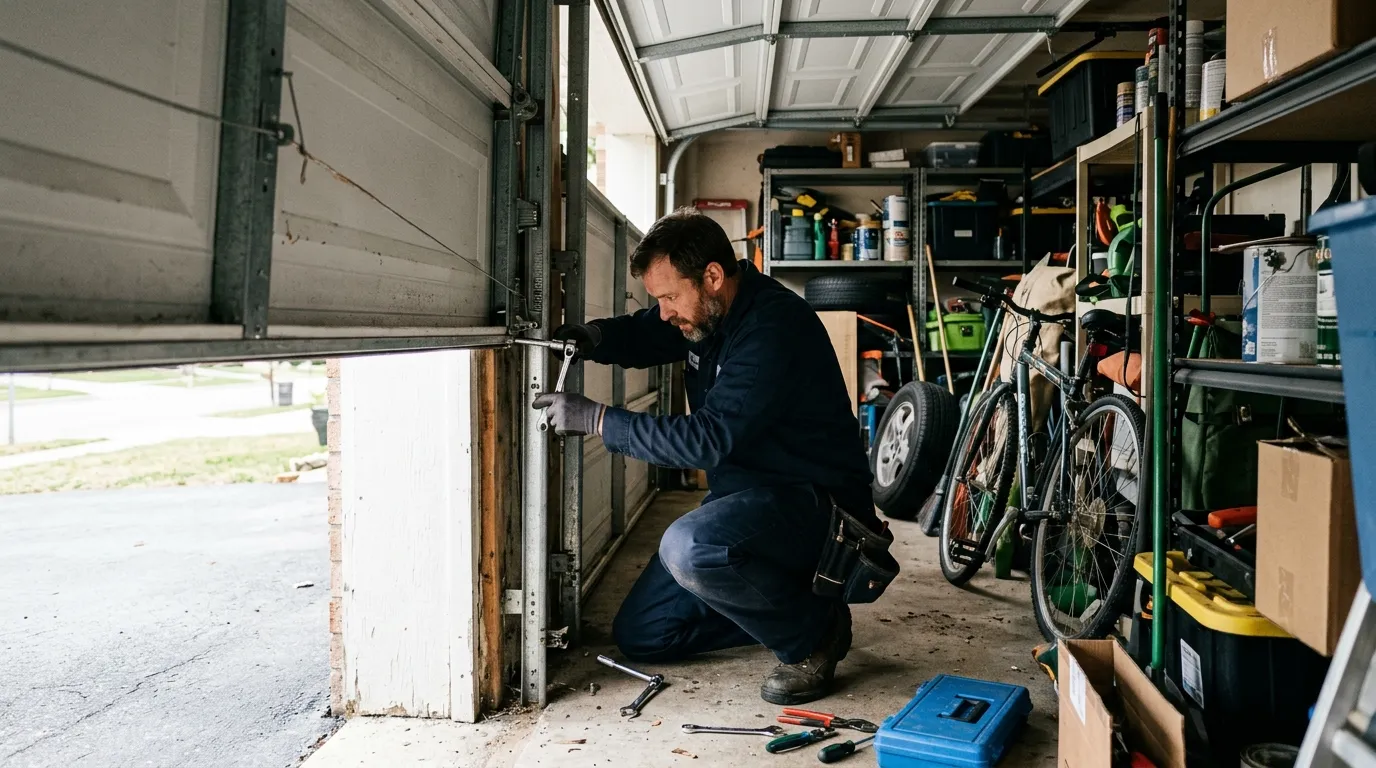
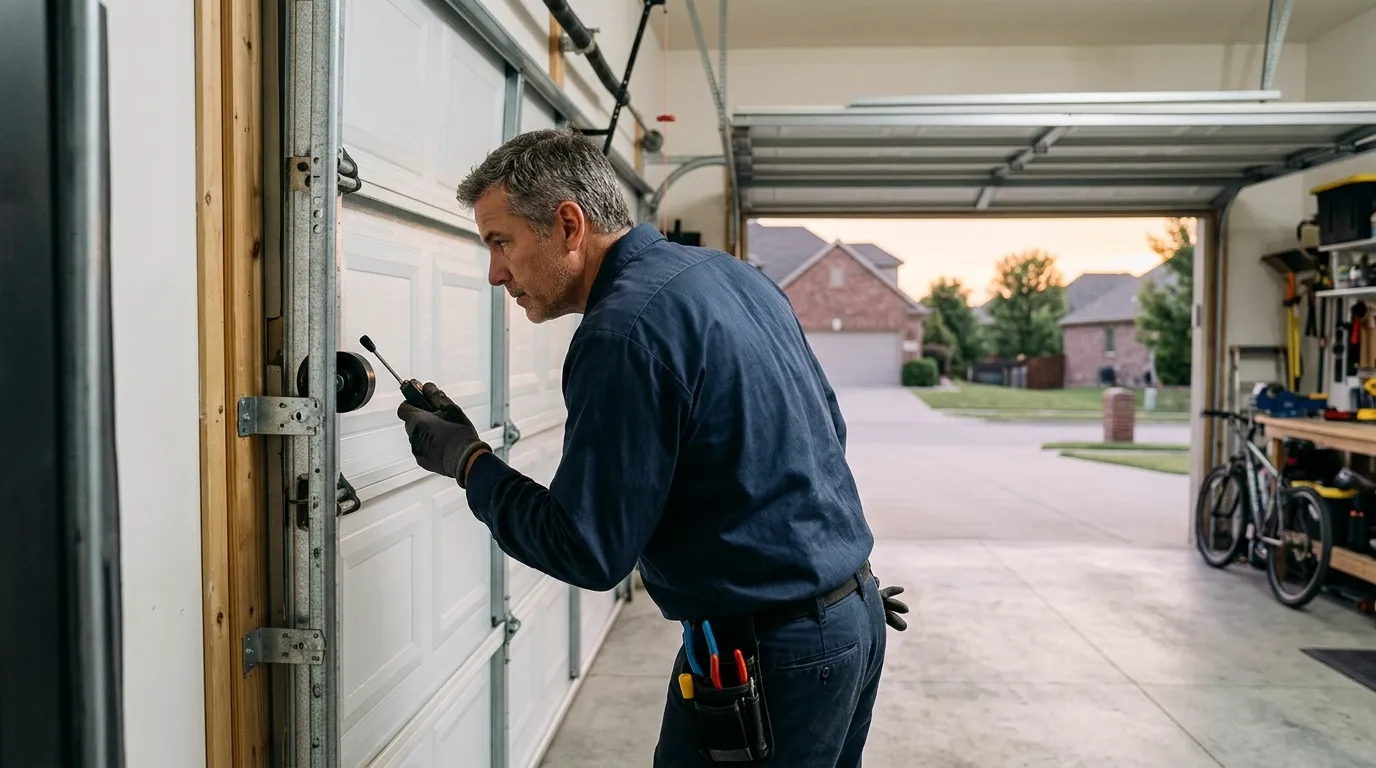
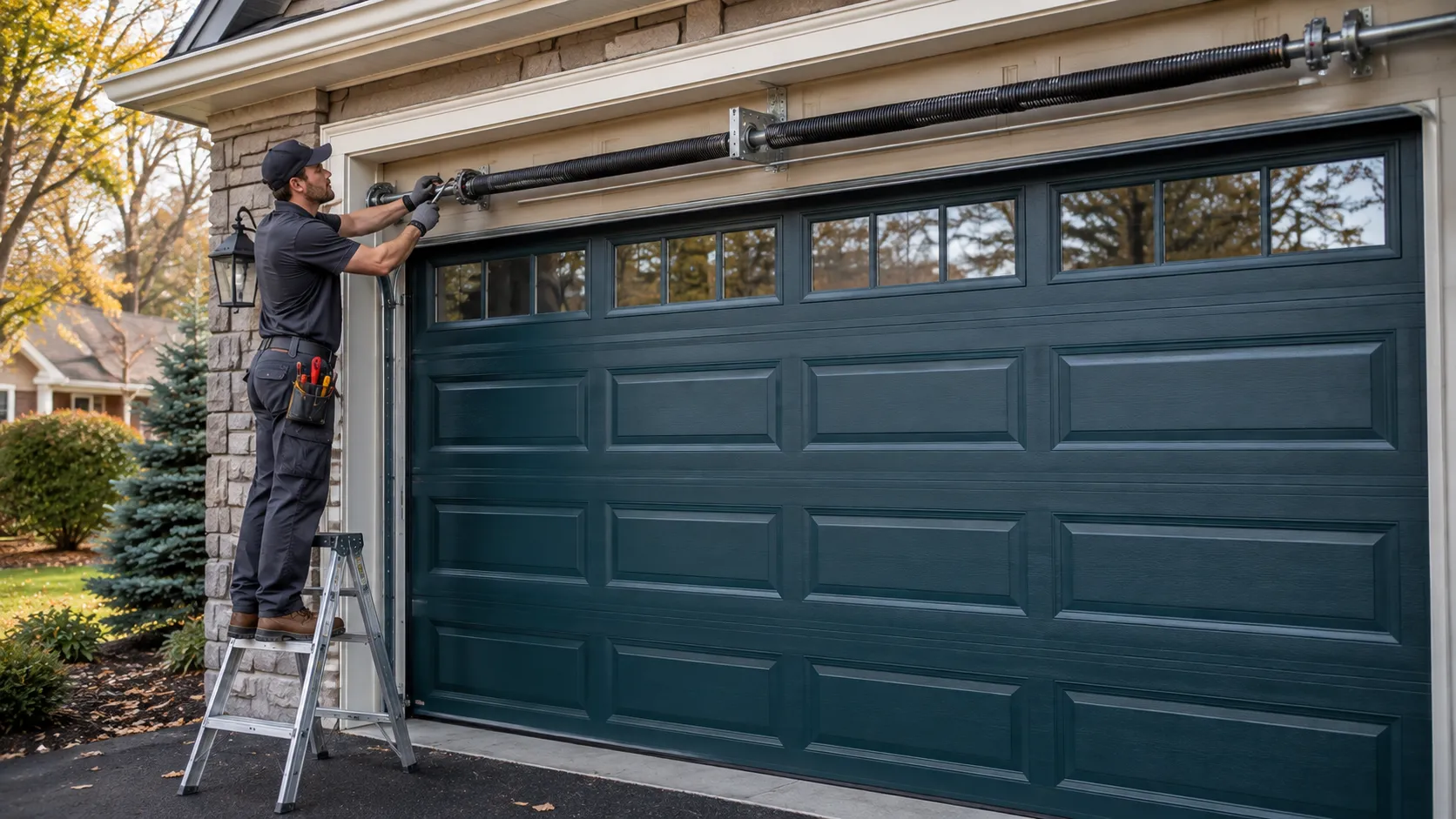
If your Conway garage door was installed anywhere near 1975, the odds are decent that nobody has touched the torsion hardware since. That's not a guess about your specific house - it's what the housing data for this area tells us, and it matters because a spring or drum that's been in place for fifty years doesn't come off the way a ten-year-old one does. Rust seizes bolts, wood jambs have shifted, and the header board itself may need reinforcement before a new door goes up straight. Pulling the old door yourself to save money is doable on a newer install. On original 1975-era hardware, we don't recommend it - the failure mode on a stuck torsion spring under tension is the one injury that sends people to the ER, not the hardware store.
What Is on the Truck
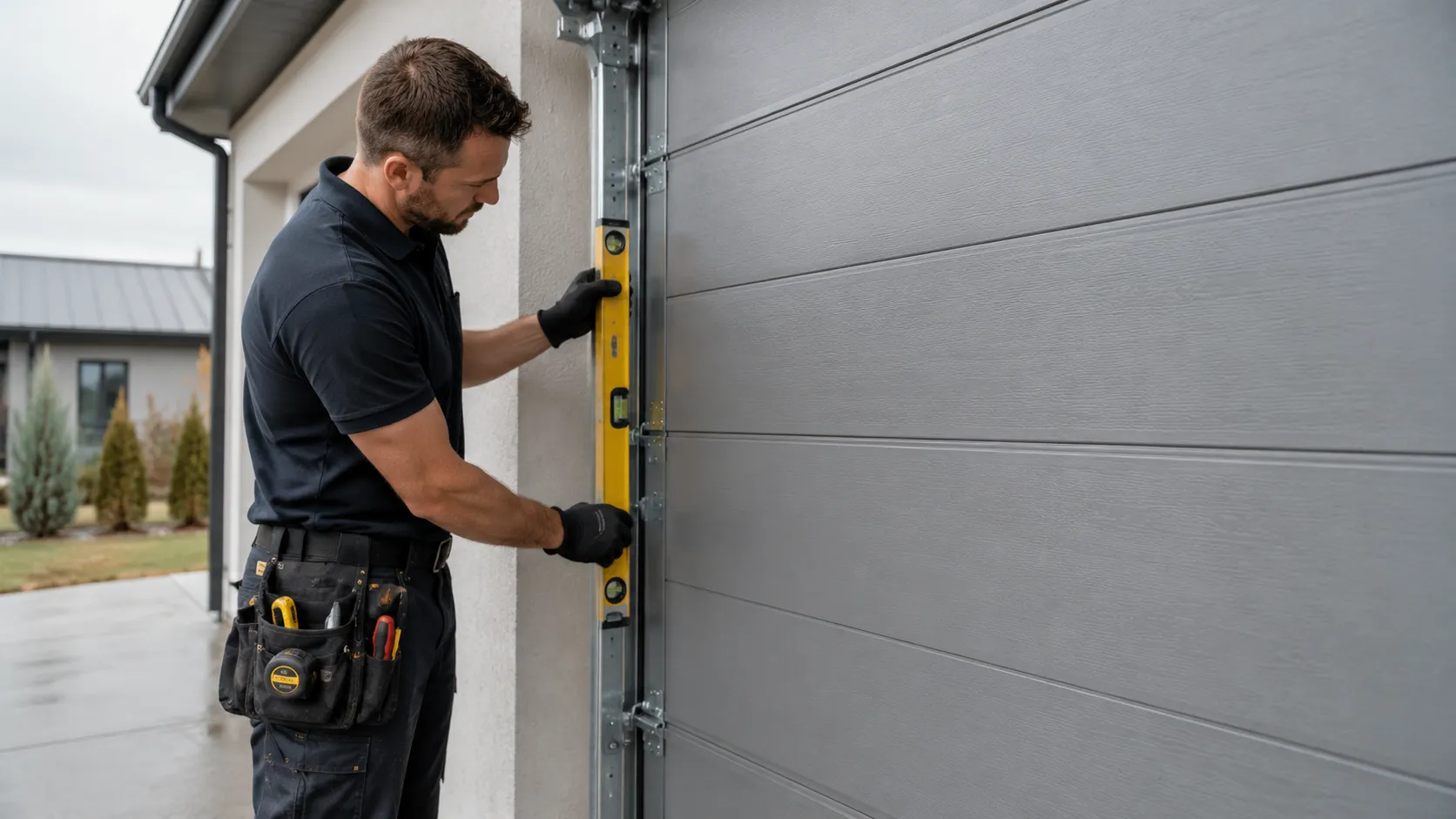
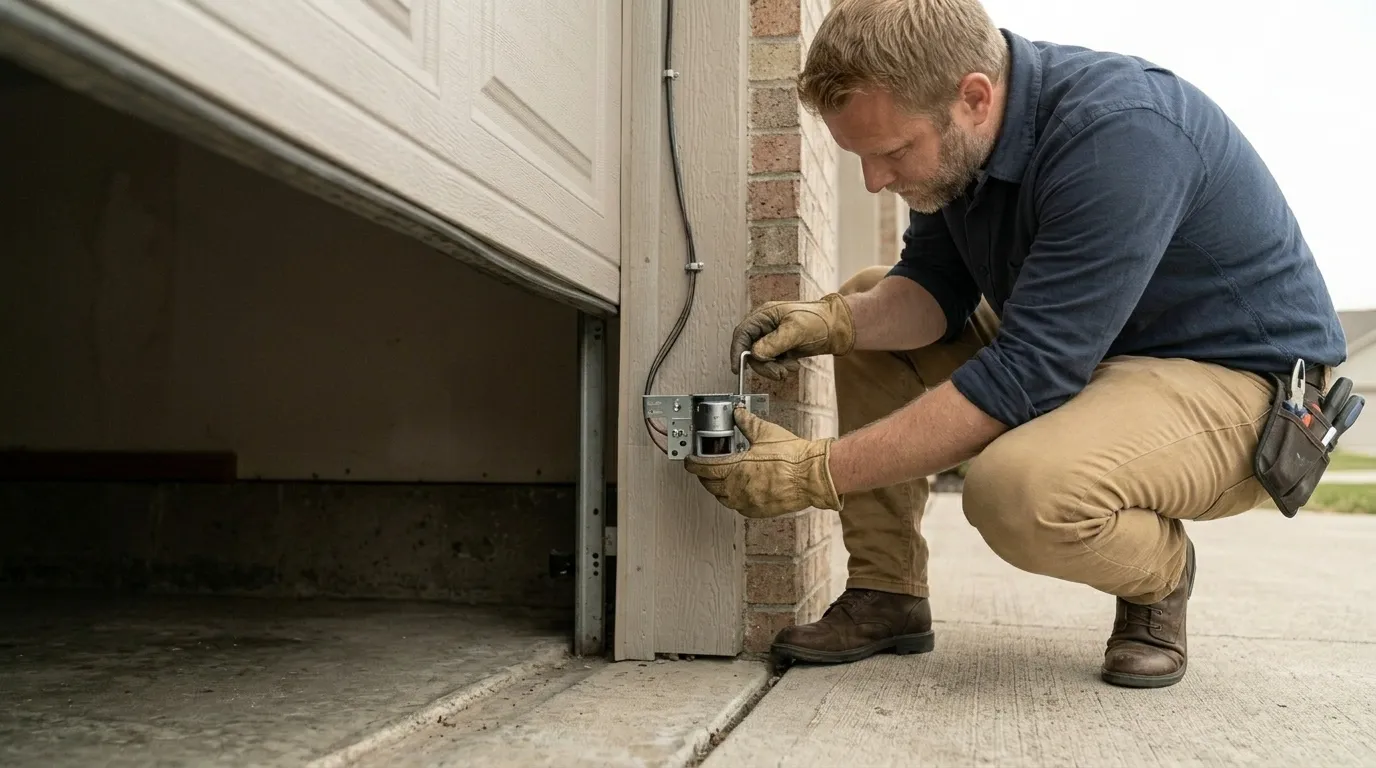
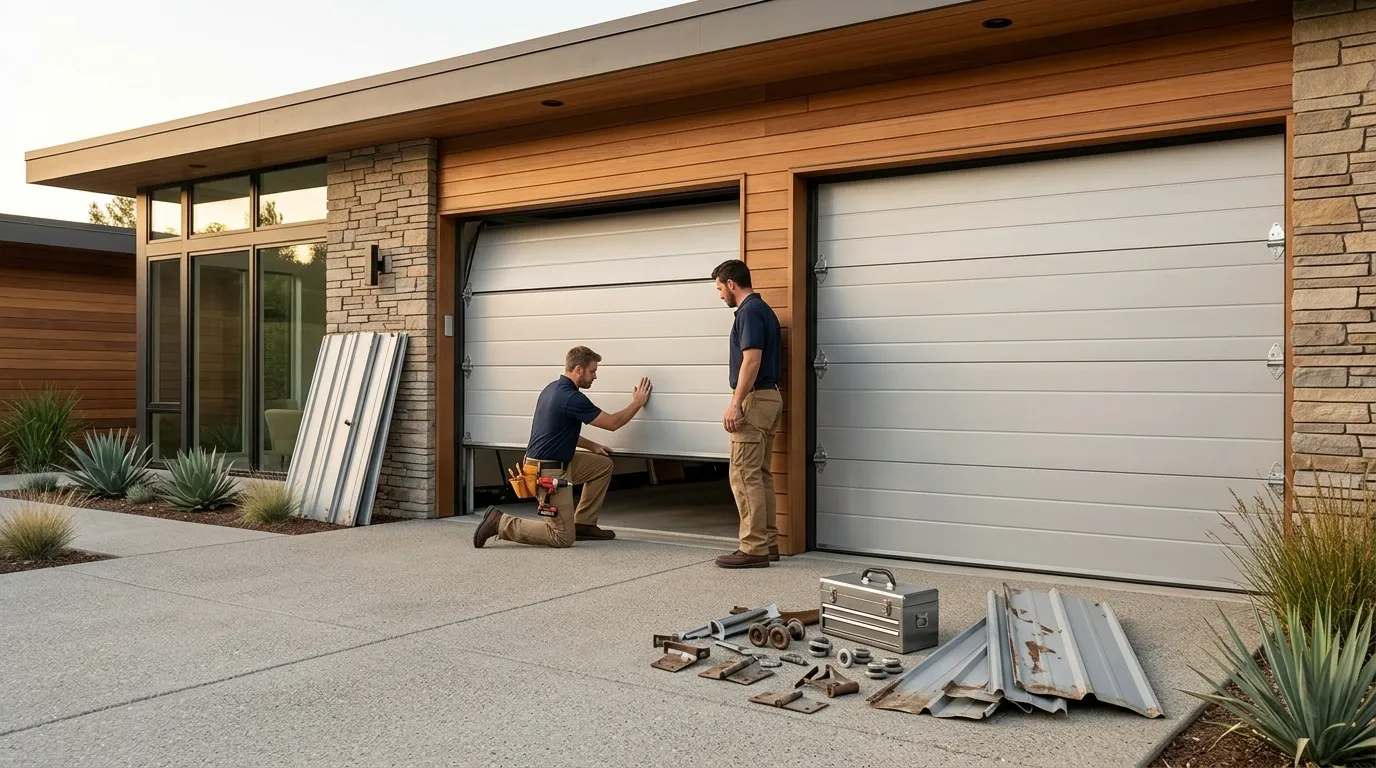
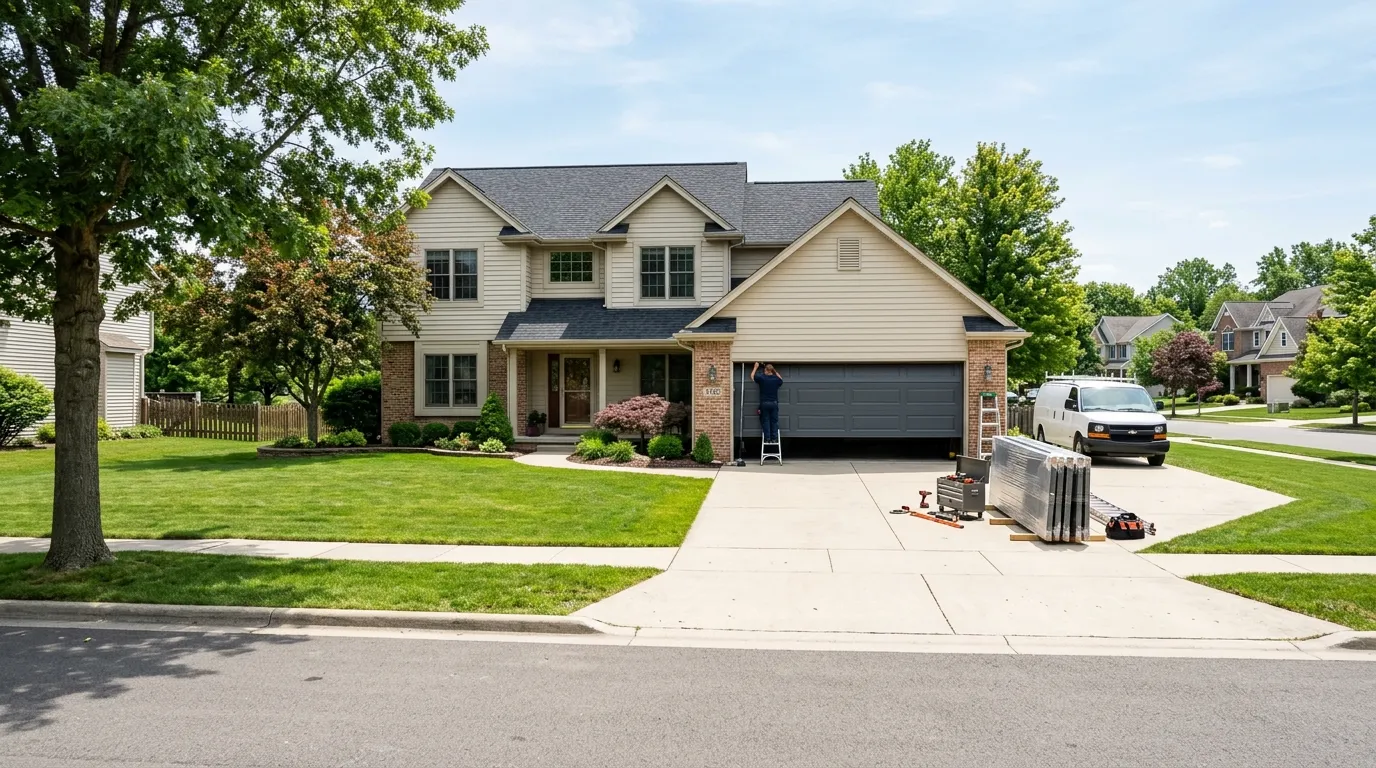
For a Conway job we load for the older opening first: wider jamb brackets, extra shims for a header that's settled over five decades, and hardware rated for a possible non-standard track width. Mild temperate conditions here mean we're not fighting frost-heaved slabs or ice-locked tracks, so the truck doesn't carry cold-weather sealants or heated lube - that's one thing Conway doesn't need that other parts of the country would. What we do carry extra of is anti-corrosion hardware, since original steel components from the 1970s often show surface rust even when they still function. If your opening turns out to need custom-width panels, that's a special order, not a same-visit item - we'll tell you honestly when that's the case rather than force a fit.
Why This Fails Locally
Conway's median build year of 1975 puts a meaningful share of its garage doors ahead of the region's main wave of construction, which mostly landed in the 1980s and 90s. That gap matters because parts suppliers stock for what's common, not what's old. A track bracket or drum sized for a 1975 opening isn't something a supply house keeps on the shelf the way it does for 1990s hardware. So a repair that would be quick on a newer Conway house - swap a part, done - turns into a special order on an original door, and a full replacement often ends up being the faster and more sensible path once you're waiting on parts nobody stocks.
The Cost of This Job
Conway's median household income runs $96,250, well above the $82,107 median across the broader service area, and with about 5,328 households in Conway, it's a smaller, higher-income pocket than the region as a whole. We don't have a set price to quote you here - costs vary with door size, insulation, and whether the opening needs structural work for a non-standard width, which is more common on 1975-era houses than newer ones. What we can tell you plainly: replacing an original door on a house this age usually costs more than a like-for-like swap on a newer home, because of that structural and hardware mismatch, not because the door itself is fancier.