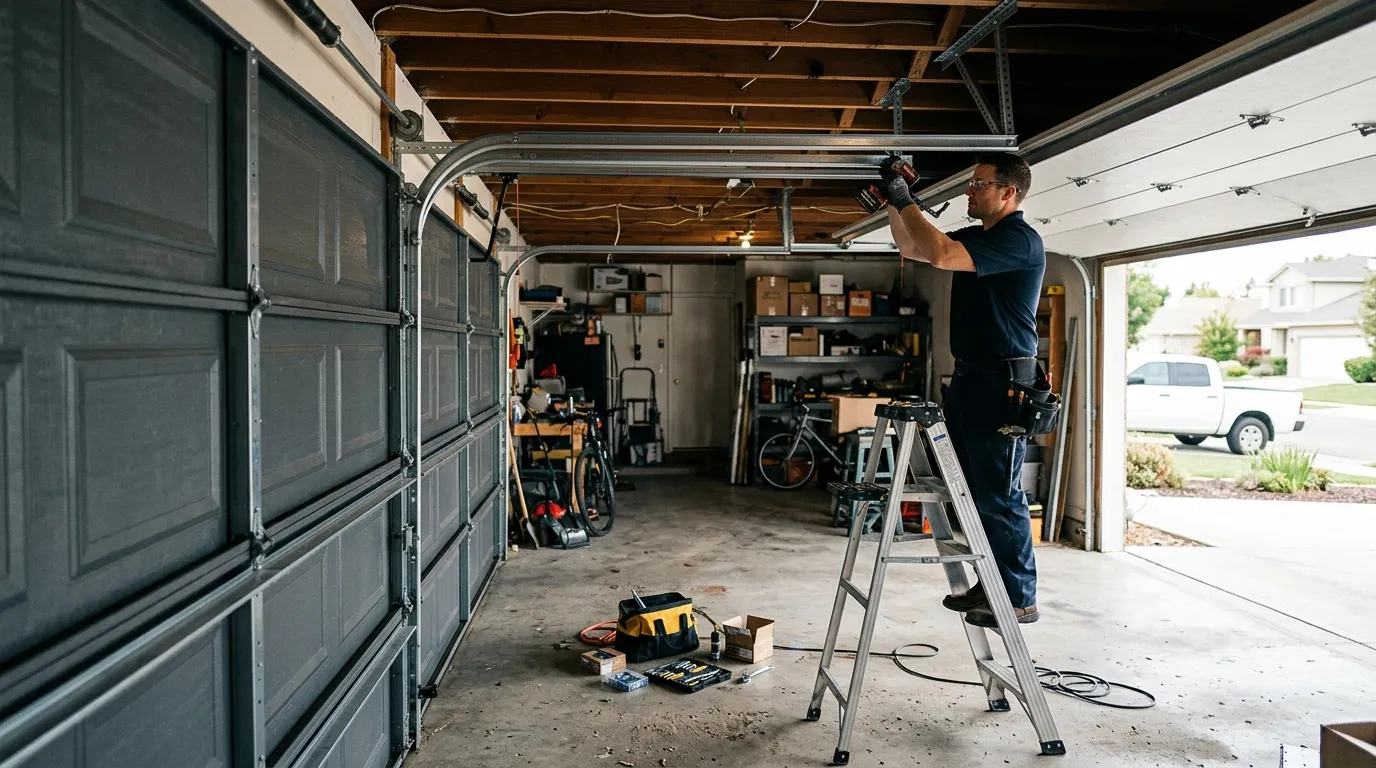
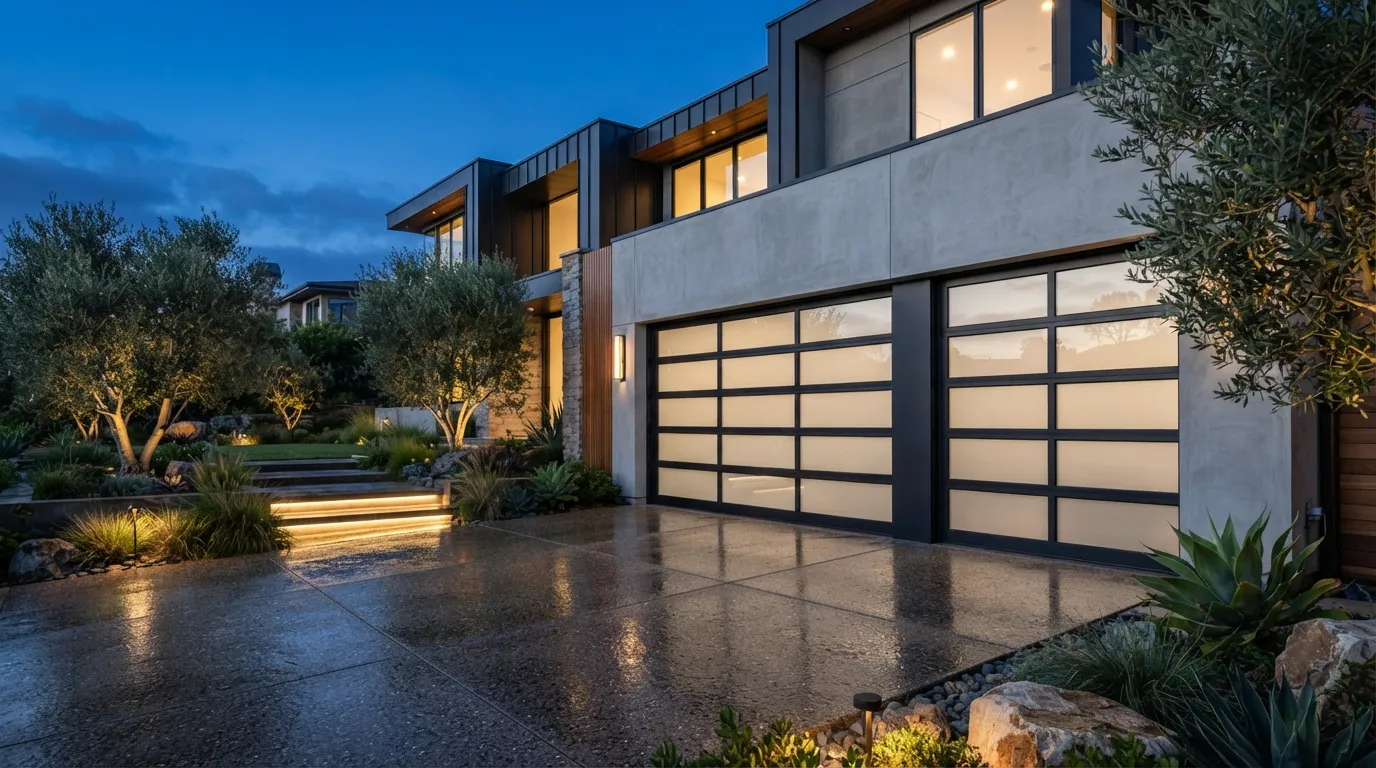
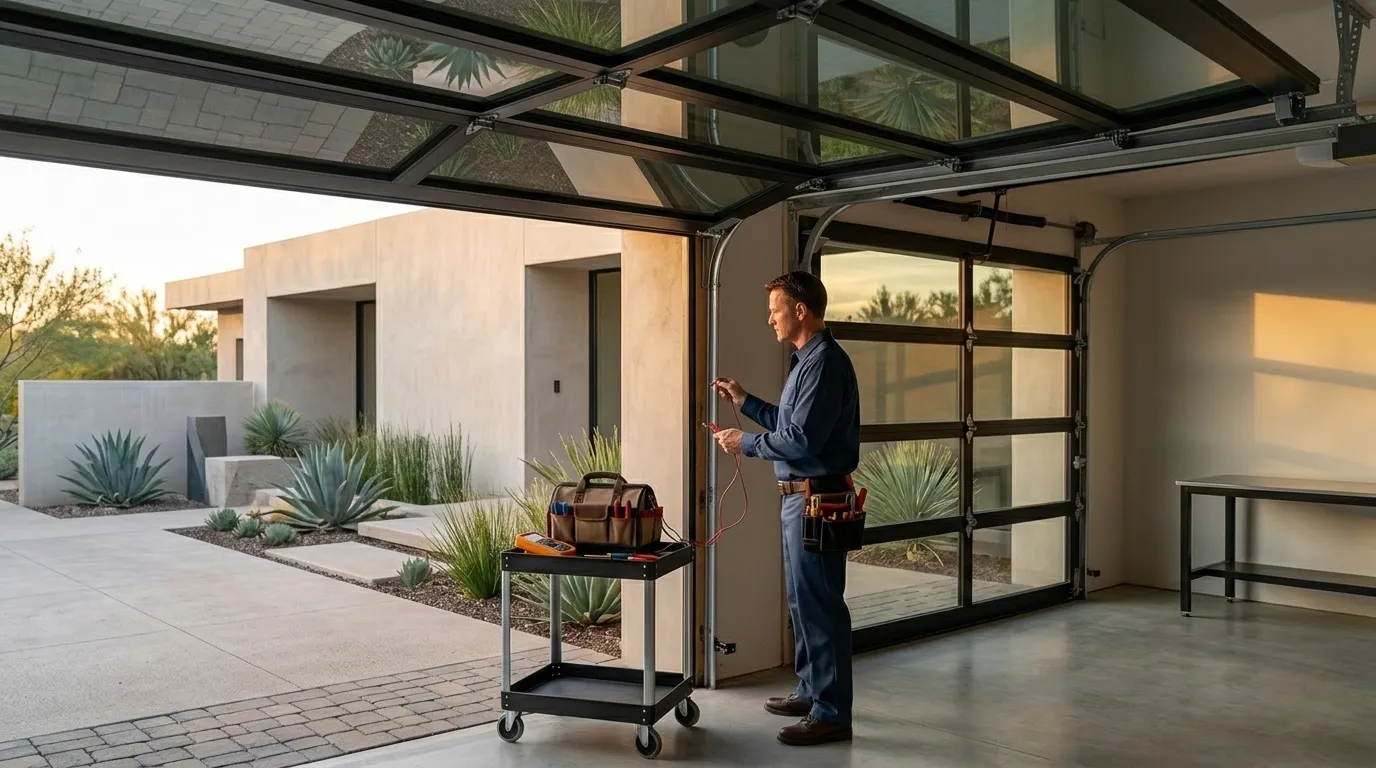
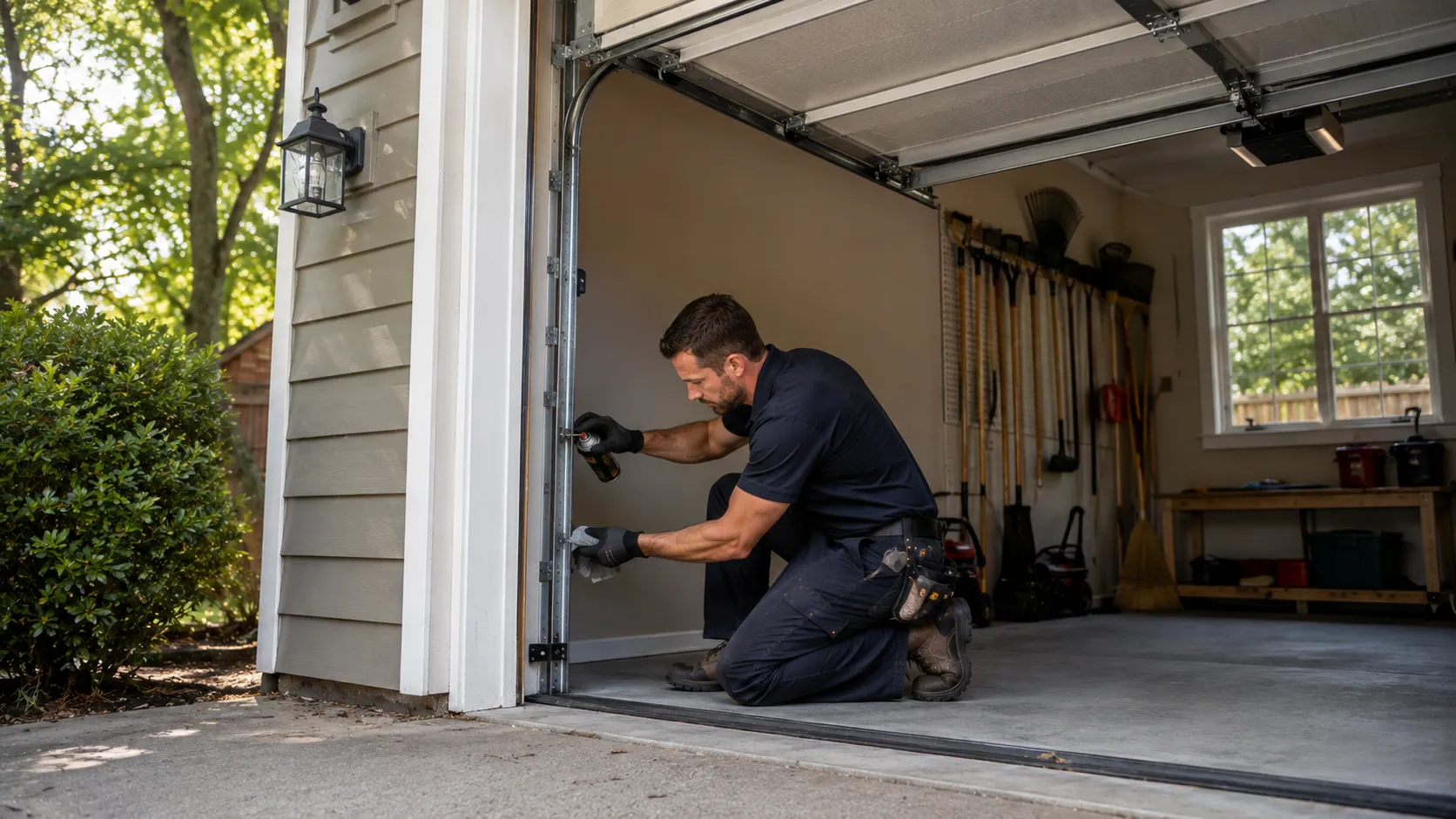
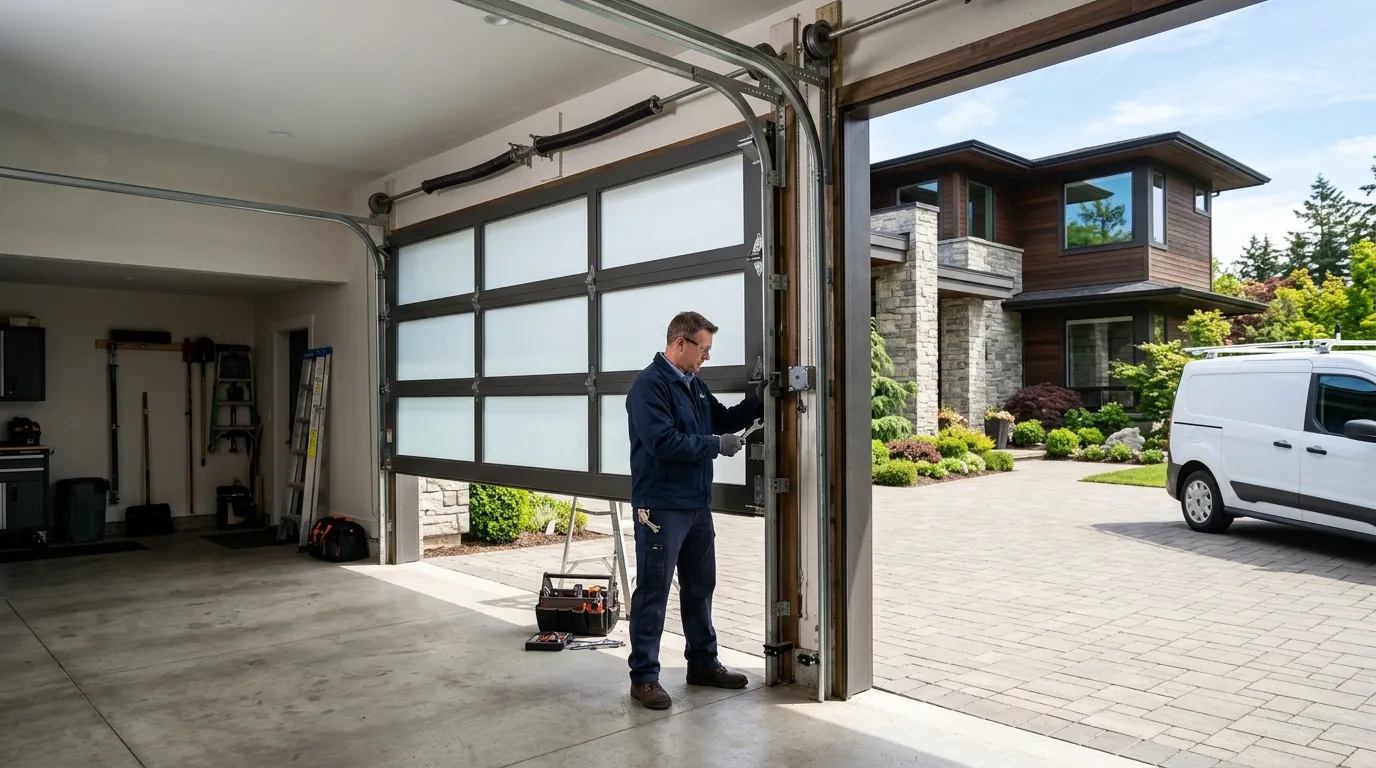
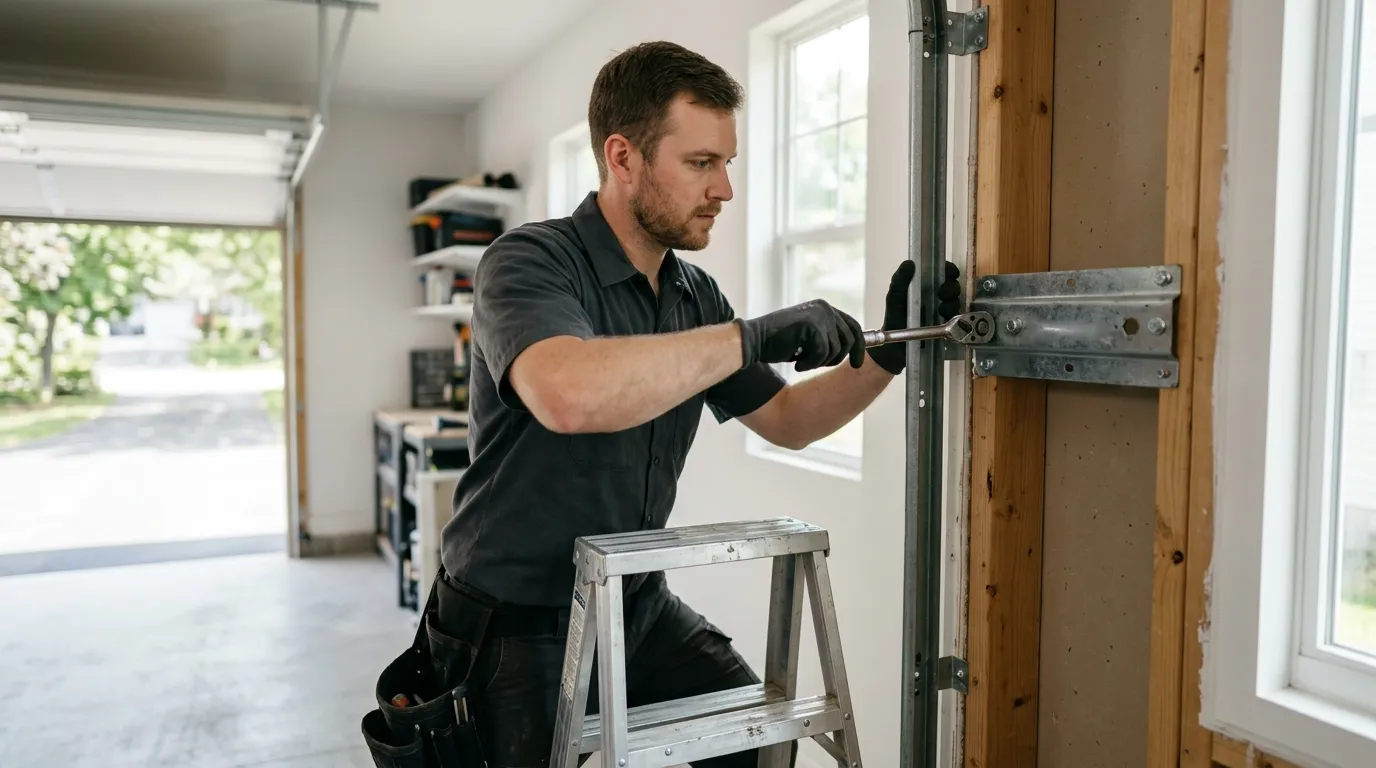
We're not going to throw a number at you that doesn't hold up once someone's actually in your driveway looking at the opening. What we can tell you is what drives the number up or down here. Most of the housing in this part of Orlando went up between 1964 and 2021, with the bulk of it dating to the 1980s and 90s - that's true across the 39 areas we work in, from Lake Nona Estates out to places like Meadow Woods and Conway. That vintage matters because a lot of those openings were framed for standard steel sectional doors on a specific track depth, and if you're moving to a heavier insulated door or adding windows, the jambs sometimes need reinforcing before the new door goes in. Median household income in the service area runs around $82,107, which is part of why we see a real mix of jobs - some homeowners want the base steel door done right, others want an insulated model with a heavier gauge for the garage-as-workspace crowd. Either way, get someone to actually measure your opening and check the header before you order anything off a showroom floor. A door that fits the picture in the brochure doesn't always fit the wall behind it.
What the Weather Here Does to It
Orlando sits in a mild temperate band, not the freeze-thaw climates that chew up hardware up north. That's good news for springs and tracks - you're not fighting ice buildup or metal contracting hard every winter. But mild doesn't mean gentle. Humidity here stays high most of the year, and that's what actually shortens the life of a cheap door. Steel panels without a proper coat or with a scratched finish start showing rust at the bottom corners faster than they would in a dry climate, especially on doors facing west where afternoon heat and moisture both hit hardest. Wood-look composite and vinyl doors hold up better against that than raw steel does, which is part of why we point people toward them for this area specifically. If you're set on steel, spend the extra on galvanized panels with a real primer coat, not just paint over bare metal. The other thing the climate does: it doesn't stress hardware with big temperature swings, so a spring or cable failure here is almost always wear and cycle count catching up with a door, not weather snapping something overnight.
The Situation
A lot of the calls we get about replacement, rather than repair, come from houses built in that 1980s-90s wave - doors are original, hardware is original, and the owner's been patching the same torsion spring or worn roller setup for a few years before deciding it's time to just replace the whole unit. That's a reasonable call once you're replacing the same part twice. Across the areas we cover - Lake Nona Central, Storey Park, out toward Hunters Creek and Southchase - we see the same pattern: doors from that era were built for a market that didn't care much about insulation, and homeowners now are retrofitting for it. If your door is from that period and it's steel with no insulation, foam-backed or not, replacement usually makes more financial sense than trying to weatherize a 30-plus-year-old panel. If your door is newer, from the 2000s or later, repair is usually still the right call unless the track or frame itself is bent.
Doing Nothing For Now
Not every worn door needs to become this year's project. If the door still opens and closes square, the springs balance the weight properly, and the only real issue is cosmetic - faded paint, a couple of dented panels from a bumped car - you can leave it alone. In this climate, cosmetic wear doesn't accelerate the way it would somewhere with real freeze cycles, so a door that looks rough but runs fine isn't on a countdown. Where we'd push back on waiting: if you're hearing grinding at the rollers or seeing daylight around the bottom seal on a door from that 1980s-90s build wave, that's usually a sign the whole unit is near the end of its service life, not something a $40 part fixes. One honest limitation on our end - we don't stock every custom size or a full range of specialty finishes on the truck, so a nonstandard opening or a specific look you want sometimes means a short wait on the order before install.
How it works
From “it’s stuck” to “it’s fixed”
1
Tell us what’s wrong
Describe the symptom - won’t open, loud bang, opener runs but the door won’t move.
2
On-site diagnosis
A technician tests the door under power and by hand and finds what actually failed.
3
Clear, up-front plan
You get the fix that’s needed and what drives the cost - before any work starts.
4
Repaired & tested
The repair is done, the door is set true and tested, and the work area left clean.
Serving Orlando, FL - tell us what your door’s doing and we’ll take it from there.
Does Orlando's humidity affect which garage door material I should buy?
Yes. Steel panels without a proper galvanized coat and primer tend to rust at the bottom corners faster here than in drier climates, especially on doors that face west. Vinyl and composite doors hold up better against sustained humidity, which is why we usually steer people away from bare or thinly coated steel for a full replacement.
My house was built in the 1980s - will a new door just fit the old opening?
Usually close, but not guaranteed. A lot of housing in this area dates to the 1980s and 90s, and openings from that period were often framed for a specific track depth. If you're upgrading to a heavier insulated door, the jamb sometimes needs reinforcing before the new door goes in, so get the opening measured first.
Is it ever fine to just leave an old garage door alone?
If it still opens square, the springs are balanced, and the wear is only cosmetic, yes. Orlando's mild climate doesn't accelerate cosmetic wear the way freeze-thaw regions do. We'd only push toward replacement if you're hearing grinding, seeing daylight at the bottom seal, or replacing the same part twice.