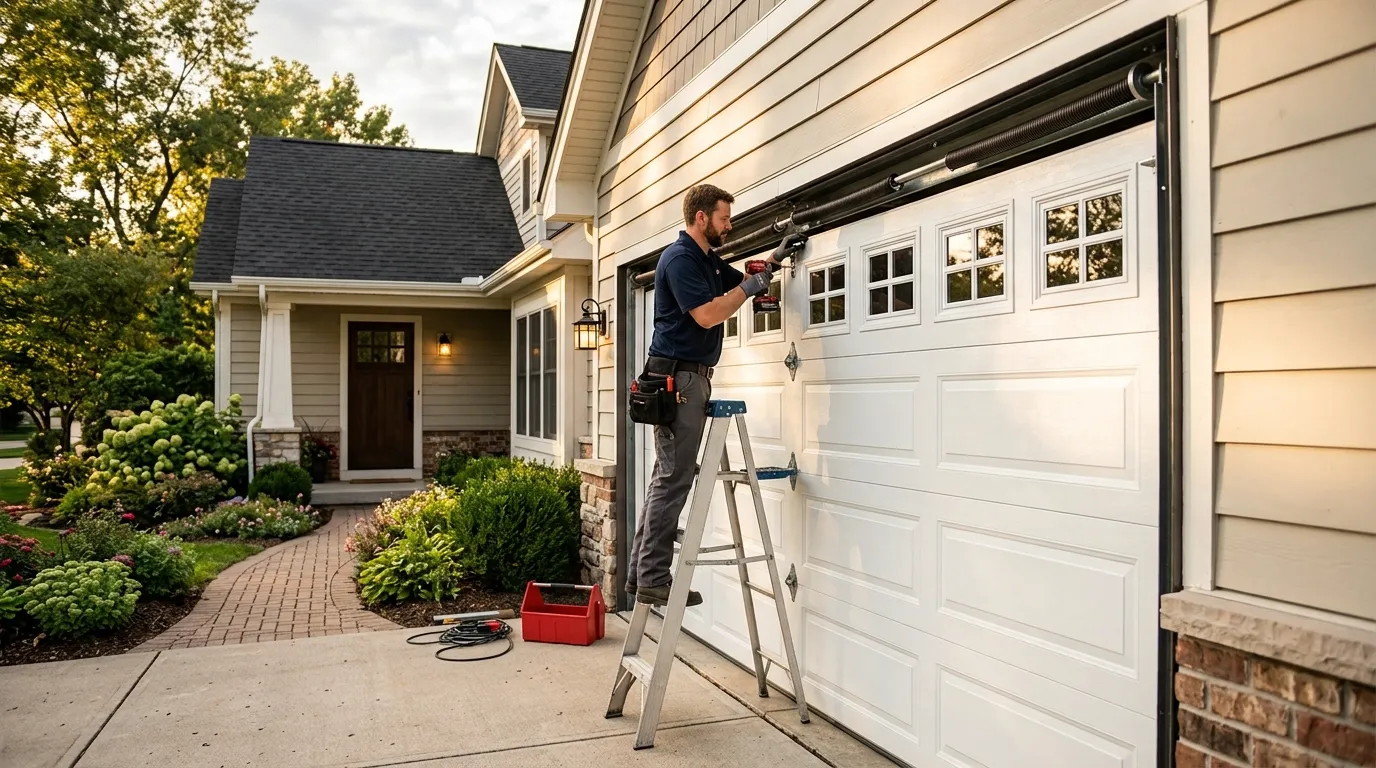
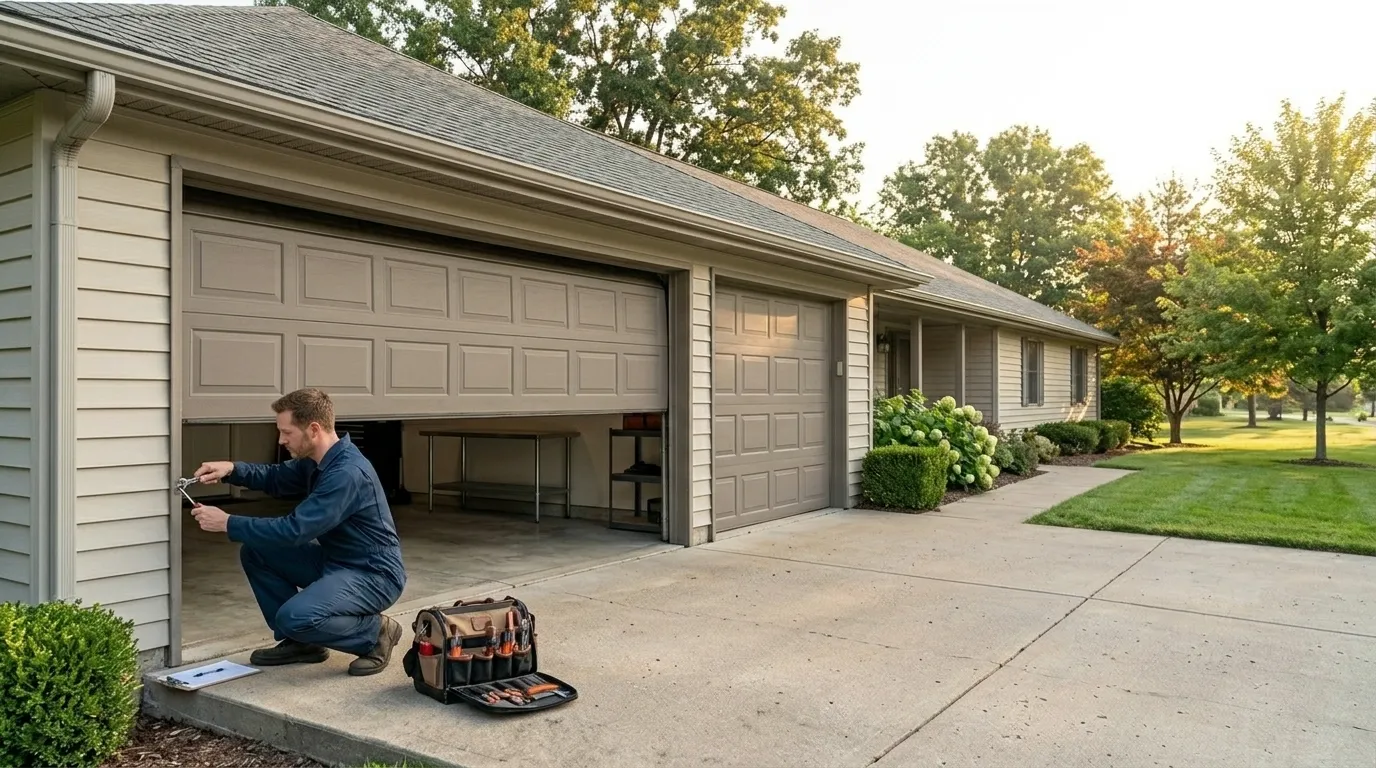
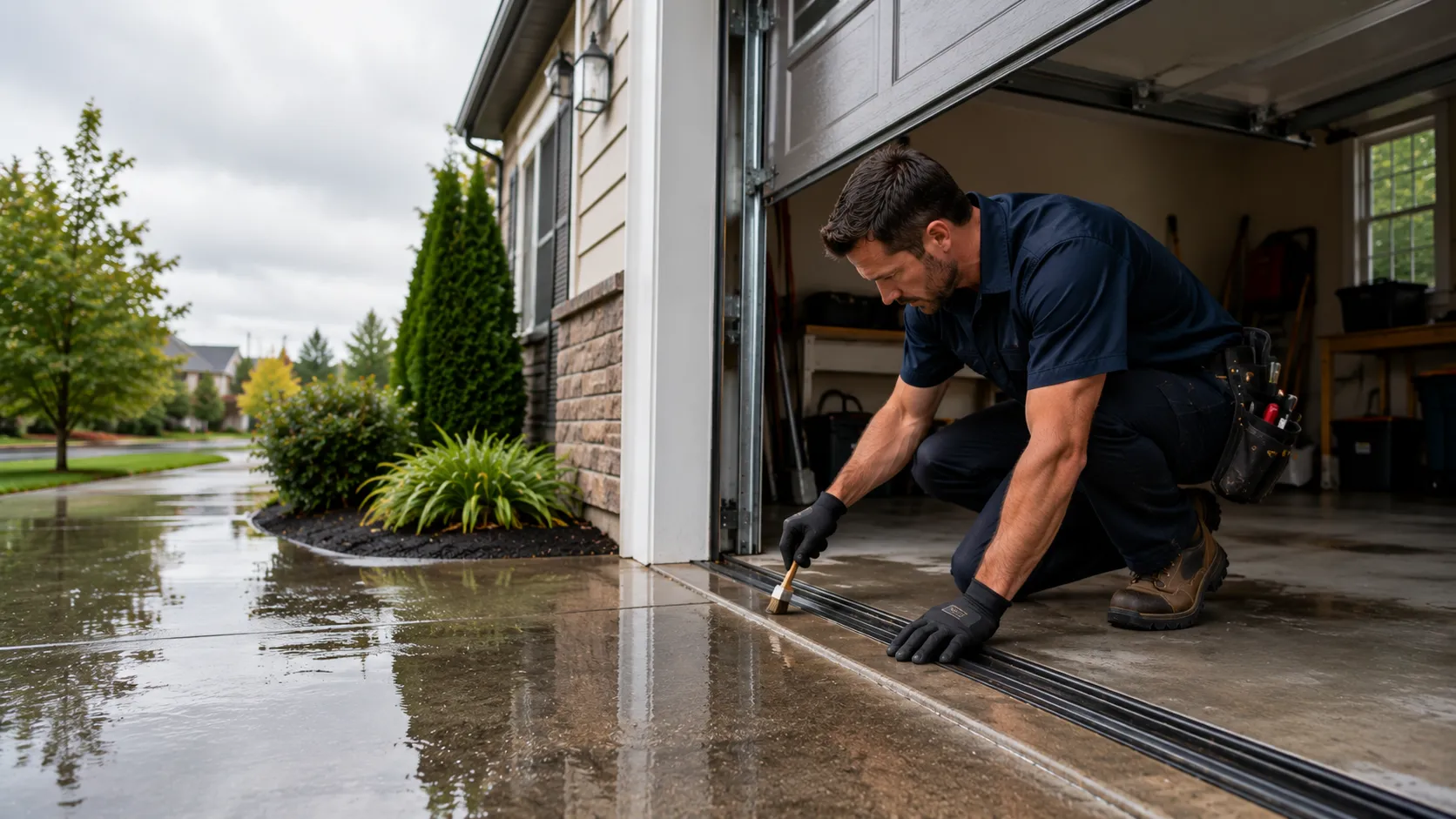
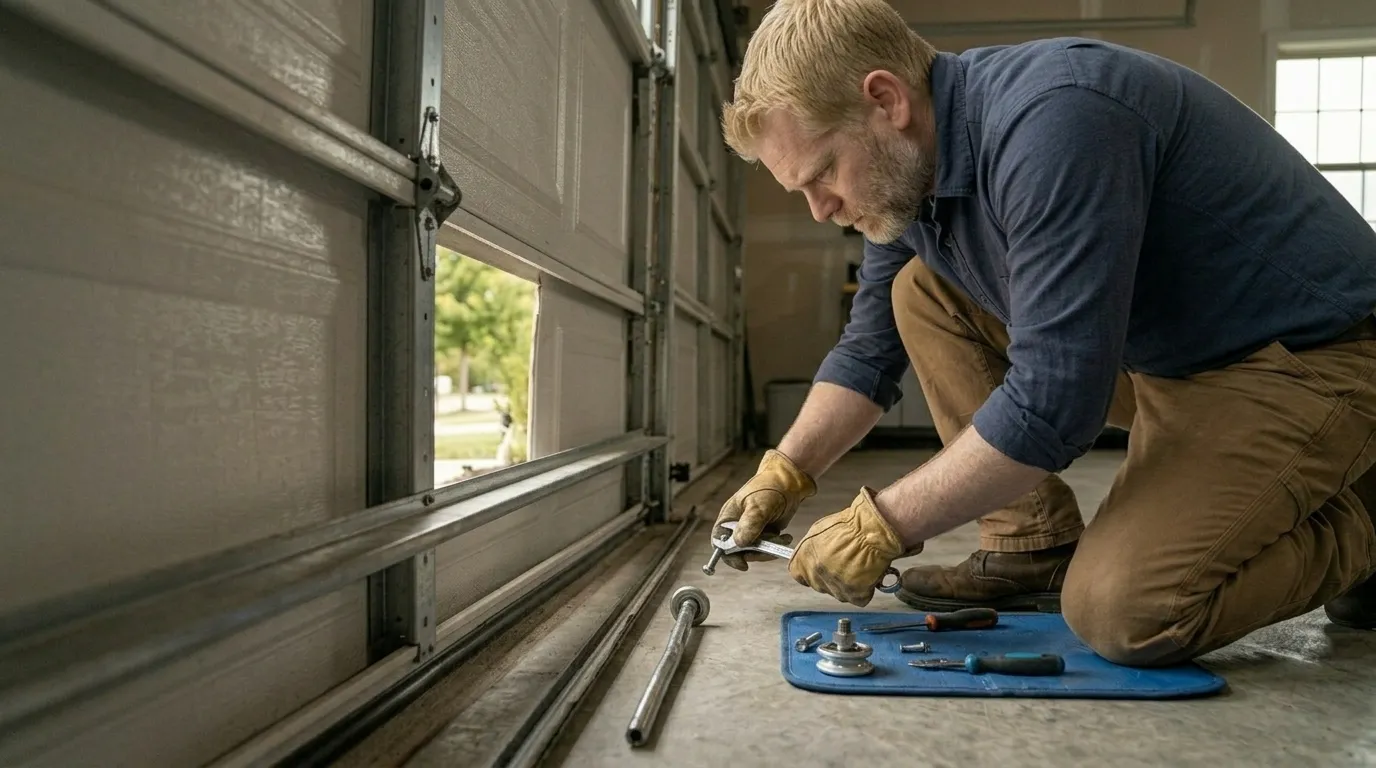
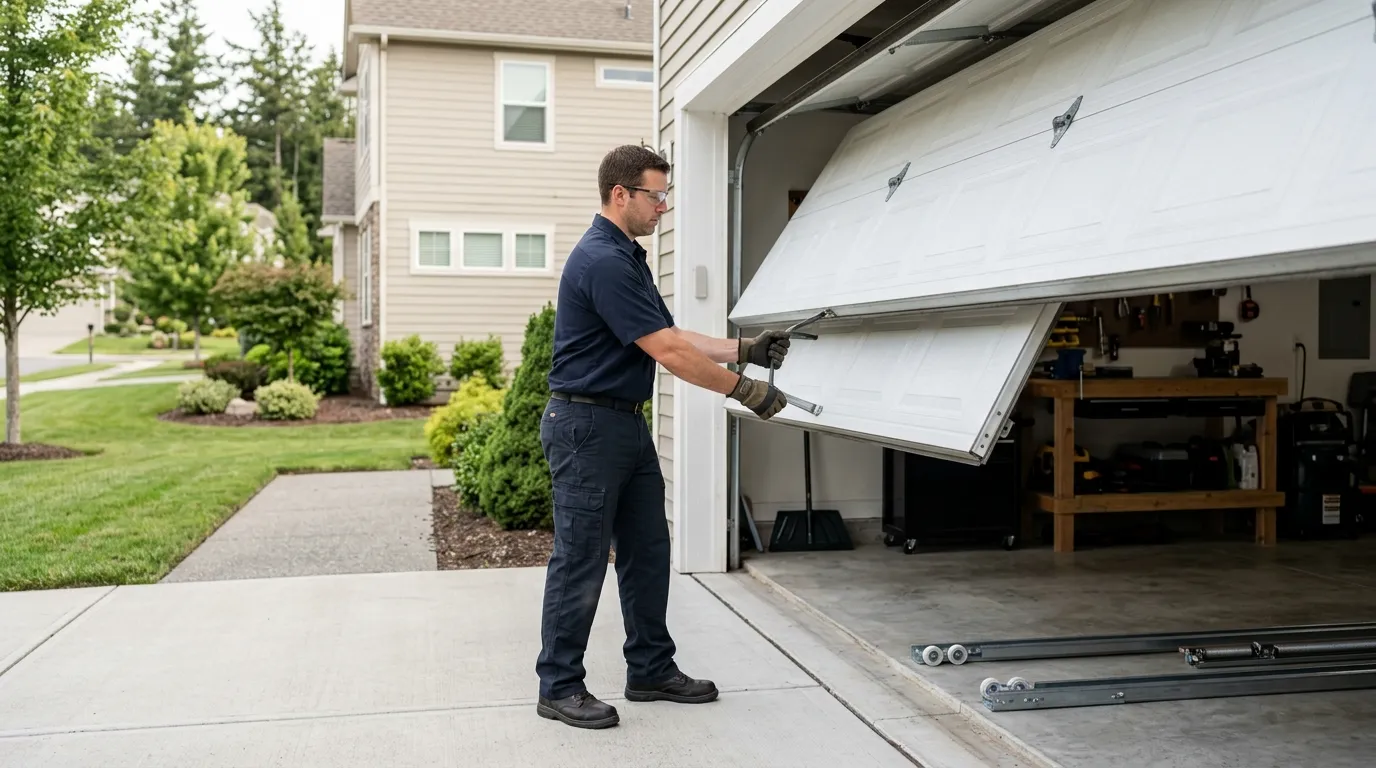
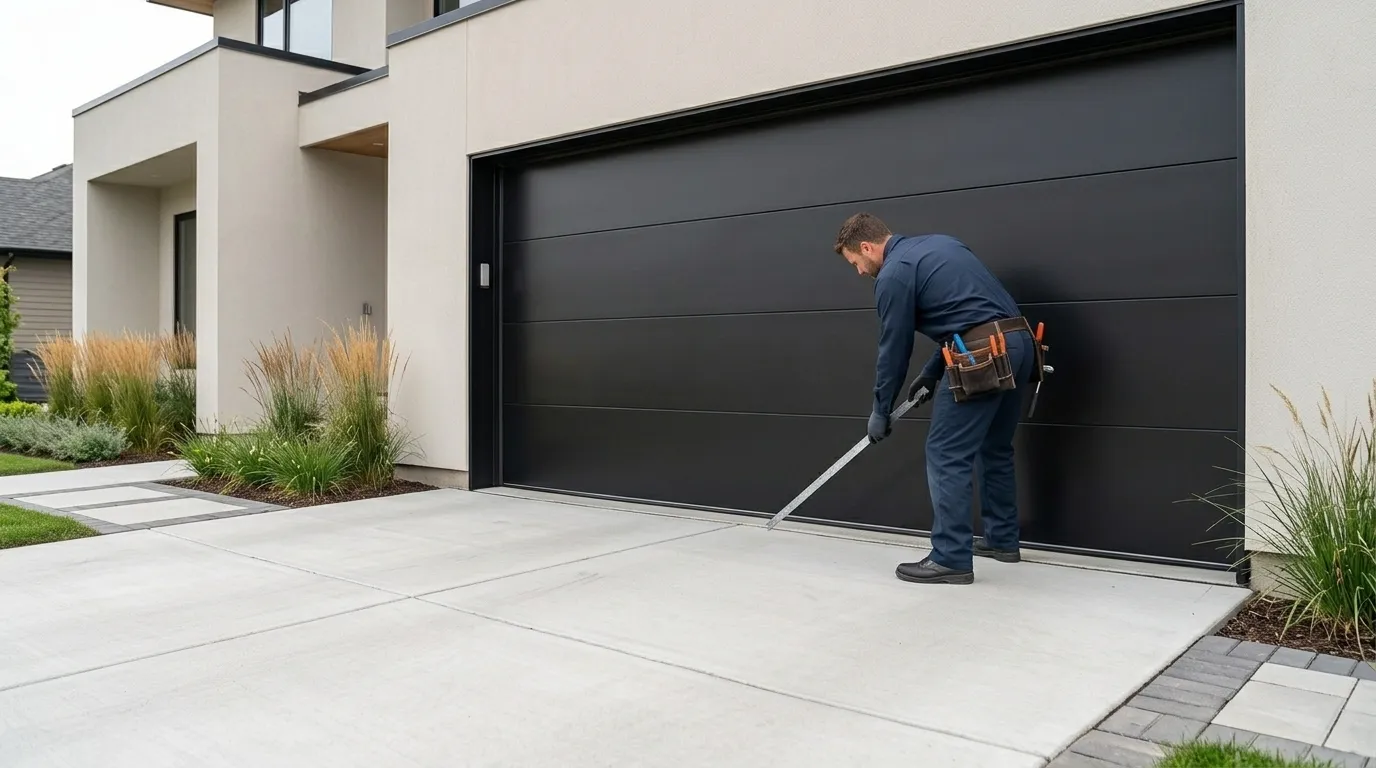
We can't give you a number here without seeing the door - bottom seal, side seals, and the astragal along the top are three different parts, and a double door takes more material than a single. What we can tell you is what drives the cost up or down. Most homes in this service area were built between 1964 and 2021, with the typical house dating to 1987, so a lot of the doors we open still have the original track and seal channel from that era. If the channel is bent or the door has racked slightly over the decades, we're not just swapping a strip of rubber - we're straightening hardware first, and that adds labor. A door with a clean, straight channel is a fast job. One with 35-plus years of settling behind it is not. Ask for the channel to be checked before you get a number, because a seal quote on a bad channel is a number you'll pay twice. That's the honest limitation: we won't quote a seal job over the phone, because half the time the seal isn't the real problem.
What the Weather Here Does to It
Orlando sits in a mild temperate band - no hard freezes to worry about, no ice splitting rubber overnight. That's the good news. The bad news is what mild-and-humid does over years instead of one bad winter: constant swelling and drying of rubber seals as humidity swings day to day, plus UV exposure on any door that catches afternoon sun. A seal that would last a decade in a drier, more stable climate tends to crack and shrink here in less time, especially on the sunward side of the garage. You won't see a single dramatic failure - you'll see a bottom seal that's gone brittle and stopped sealing flush against the slab, letting in draughts and a fine line of daylight along the edge. That daylight is usually the first sign homeowners notice, months before the seal actually fails outright.
The Situation
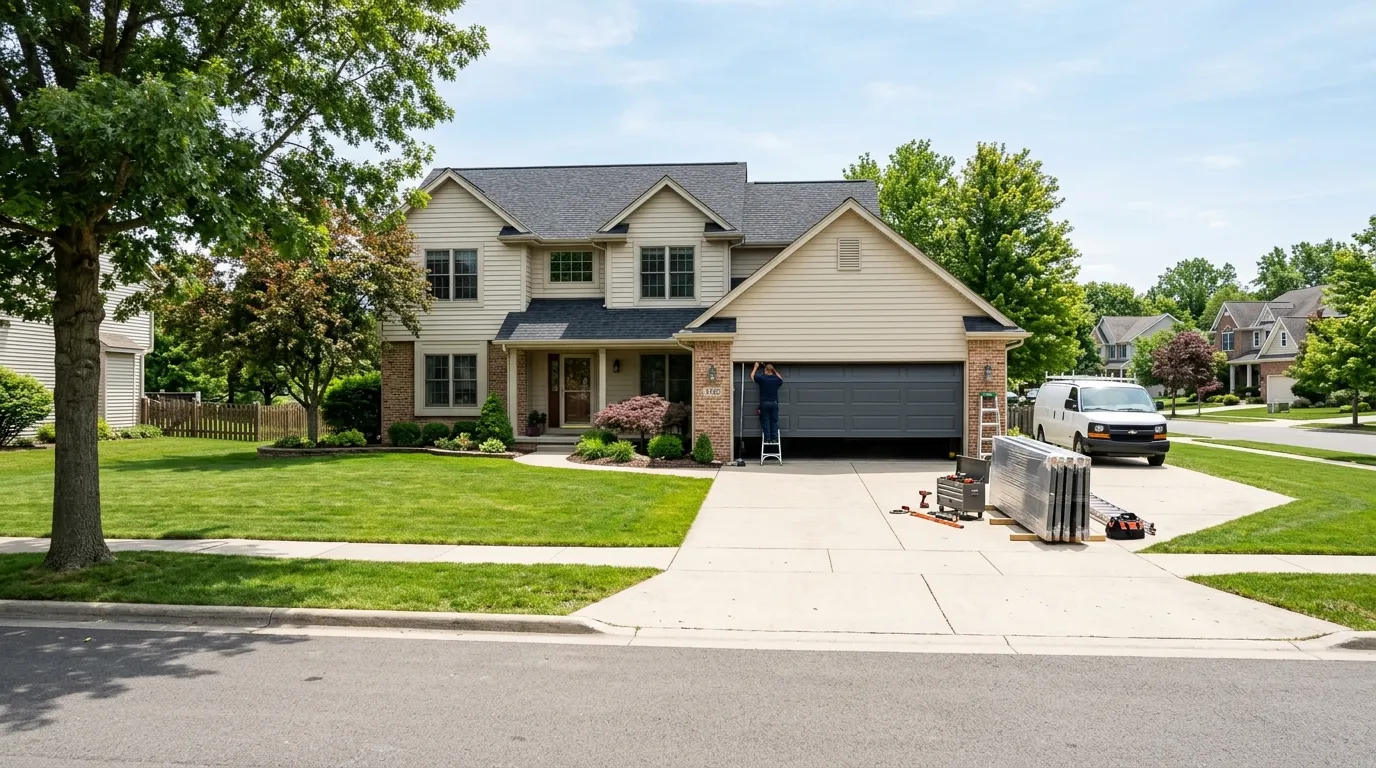
Across the 39 named communities we cover - from Lake Nona Estates a mile away and Storey Park a few miles east, out to St. Cloud and Hunters Creek twelve miles down the road - the bulk of the housing stock dates to the 1980s and 90s. With 94,658 owner-occupied houses across a service area of 218,978 households, a large share of the doors we see on service calls are the original builder-grade units from that wave, meaning original seal channels and hardware nobody has updated since the house was framed. That's not a knock on the doors - it's just what happens when a house passes 30 years old and nobody's touched the weatherstripping. The seal itself is cheap and simple. The channel it sits in, after three decades of Florida humidity working on the metal, is sometimes not.
Doing Nothing For Now
A worn seal isn't an emergency the way a snapped spring is, so it's fair to ask if it can wait. Often it can. If the gap is small and even along the bottom, and the door still closes flat, you're looking at higher energy bills and some dust and bugs getting in - annoying, not urgent. At a median household income of $82,107, most owners here treat a seal swap as routine upkeep rather than something to put off indefinitely, and that's the right instinct: cheap parts, small job, do it on your schedule. Where it stops being optional is when the gap is uneven, meaning the door itself has shifted on the track, or when the seal has hardened enough that it's cracking away in pieces. At that point you're not delaying a $20 part - you're letting a track problem get worse while you wait.
How it works
From “it’s stuck” to “it’s fixed”
1
Tell us what’s wrong
Describe the symptom - won’t open, loud bang, opener runs but the door won’t move.
2
On-site diagnosis
A technician tests the door under power and by hand and finds what actually failed.
3
Clear, up-front plan
You get the fix that’s needed and what drives the cost - before any work starts.
4
Repaired & tested
The repair is done, the door is set true and tested, and the work area left clean.
Serving Orlando, FL - tell us what your door’s doing and we’ll take it from there.
Why does my garage door seal keep failing faster than I expect?
Orlando's climate doesn't freeze seals, but the constant humidity swings and sun exposure dry out and crack rubber faster than a stable, drier climate would. If your garage door faces south or west and gets afternoon sun, expect the seal to wear a couple years quicker than one that stays shaded.
Is a gap under my garage door always a seal problem?
Not always. If the gap is even across the whole bottom edge, it's usually just a worn seal. If it's uneven - wider on one side than the other - the door or track has likely shifted, which is common on original 1980s-90s hardware. That needs a look at the track, not just a new seal.
Can I replace the seal myself?
The bottom seal itself is a straightforward swap on many doors. What trips people up is the channel it sits in - after decades of humidity, some channels are bent or corroded, and a new seal won't sit flush in a bad channel. Check that first before buying parts.