Booking
We book calls in Storey Park the same way we do the rest of the neighborhoods on this side of Orlando: by phone, and we work the schedule around what's actually broken. A door that won't close because a cable jumped the drum gets bumped ahead of a routine tune-up. We don't quote a flat response window here because we haven't got a documented number to stand behind - what we can tell you is that Storey Park's distance from our base puts it well within a normal day's route, not an outlier trip.
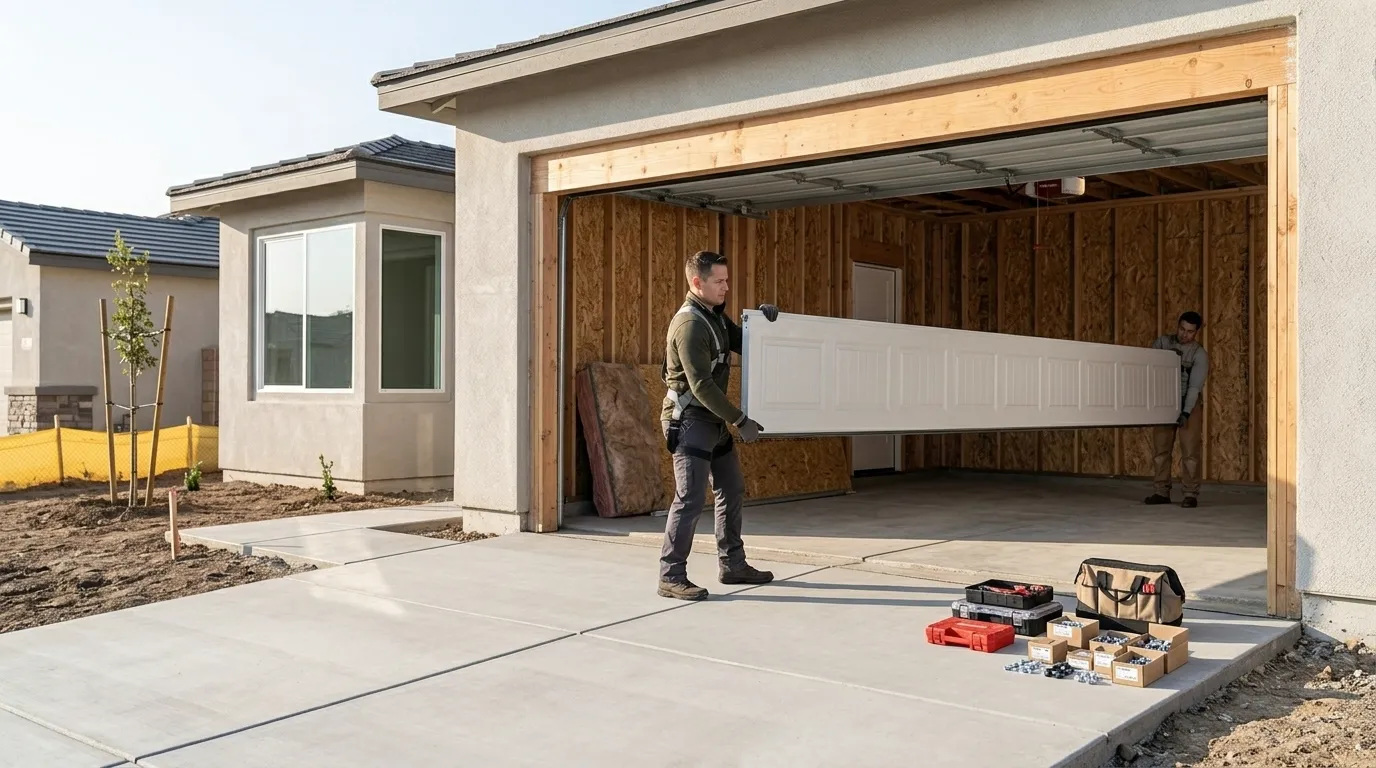
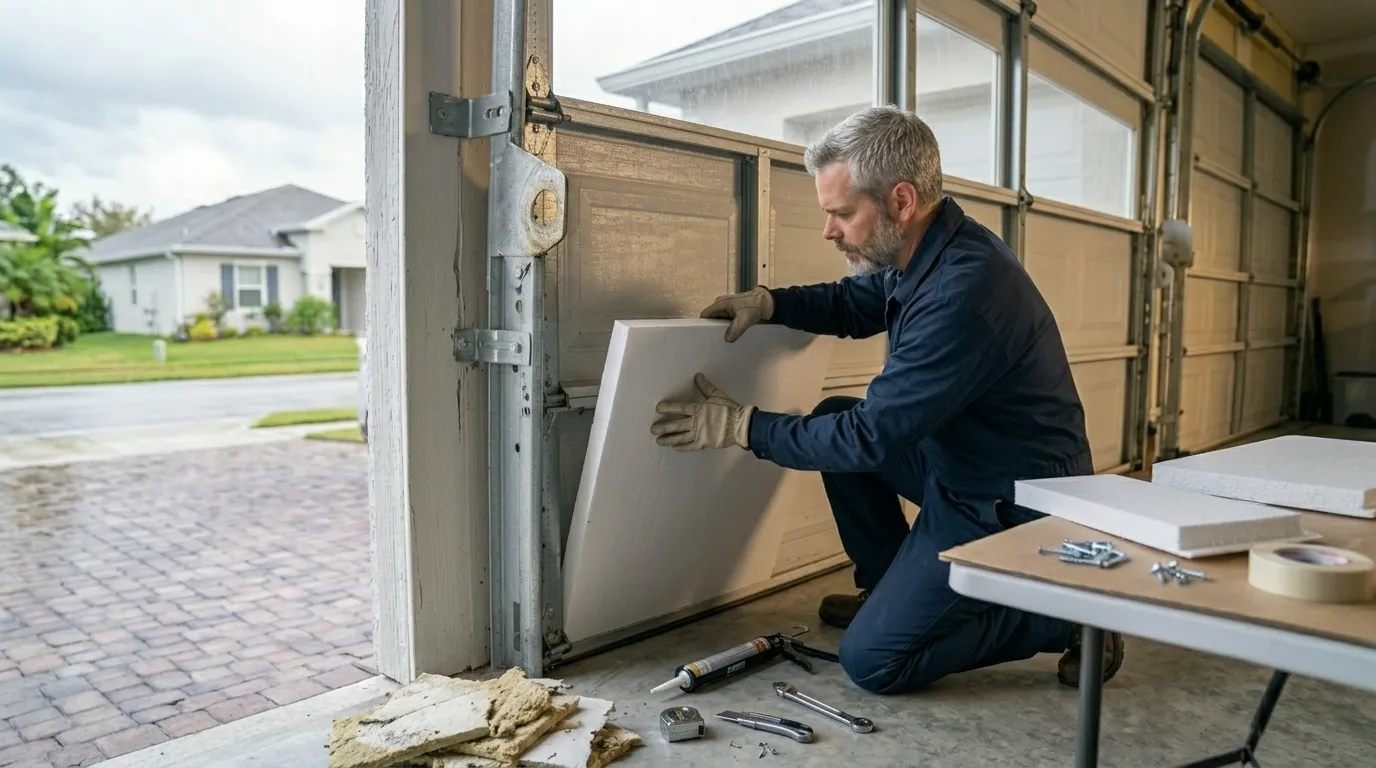
One limit worth being upfront about: newer builds in this pocket sometimes use insulated steel doors in sizes or track configurations that aren't something we carry on the truck as a matter of course. If your opener or door was installed as part of a recent build, we may need to order a part before we can finish the job in one visit. We'd rather tell you that on the phone than surprise you halfway through a repair.
Houses on These Streets
Across the broader service area, including the pocket of named neighborhoods Storey Park sits within, housing was built anywhere from 1964 through 2021, with the median build year landing around 1987. Most of that stock - across the roughly three dozen named areas we track, Storey Park among them - is 1980s and 90s construction. That era of house typically means a torsion spring system mounted on a header bracket that's now old enough to be near or past its rated cycle count, and it often means an opener that's been swapped once or twice already but still running on hardware original to the house.
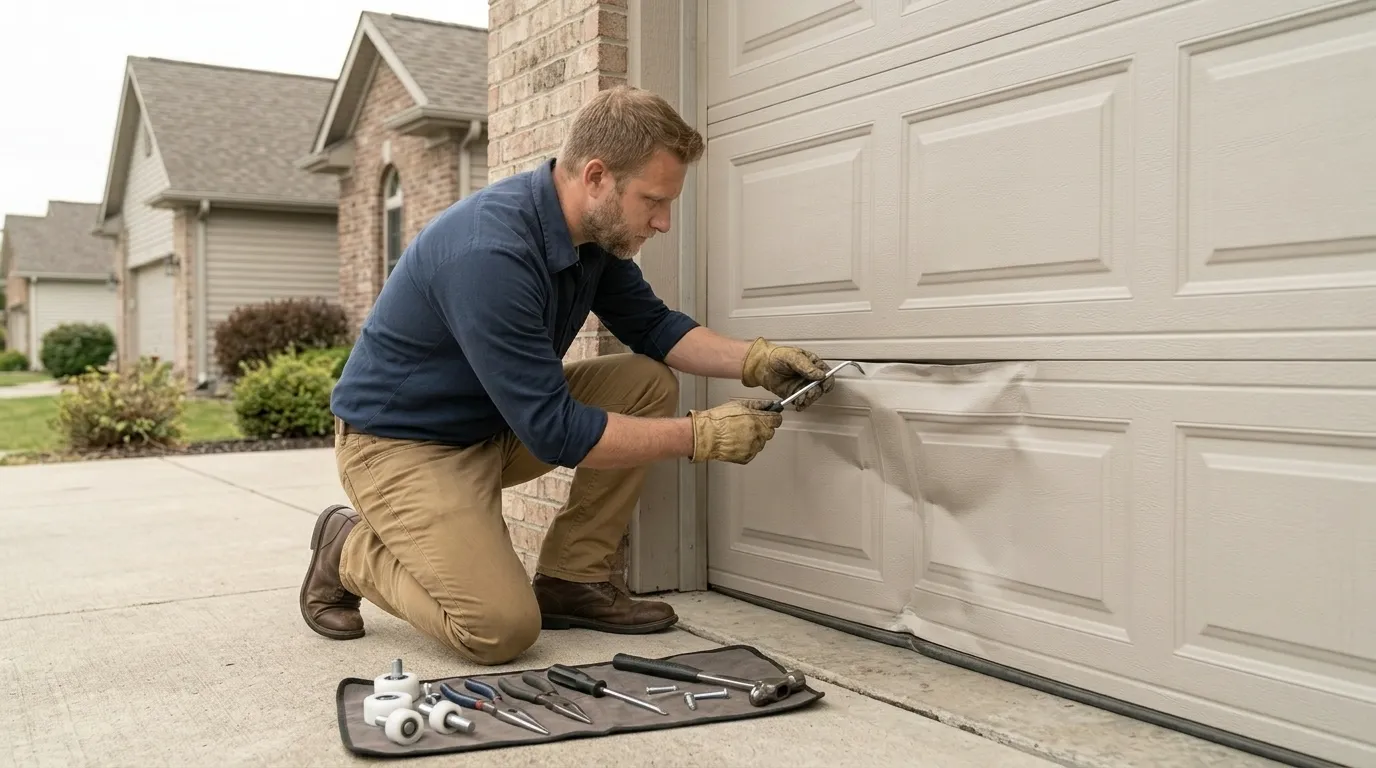
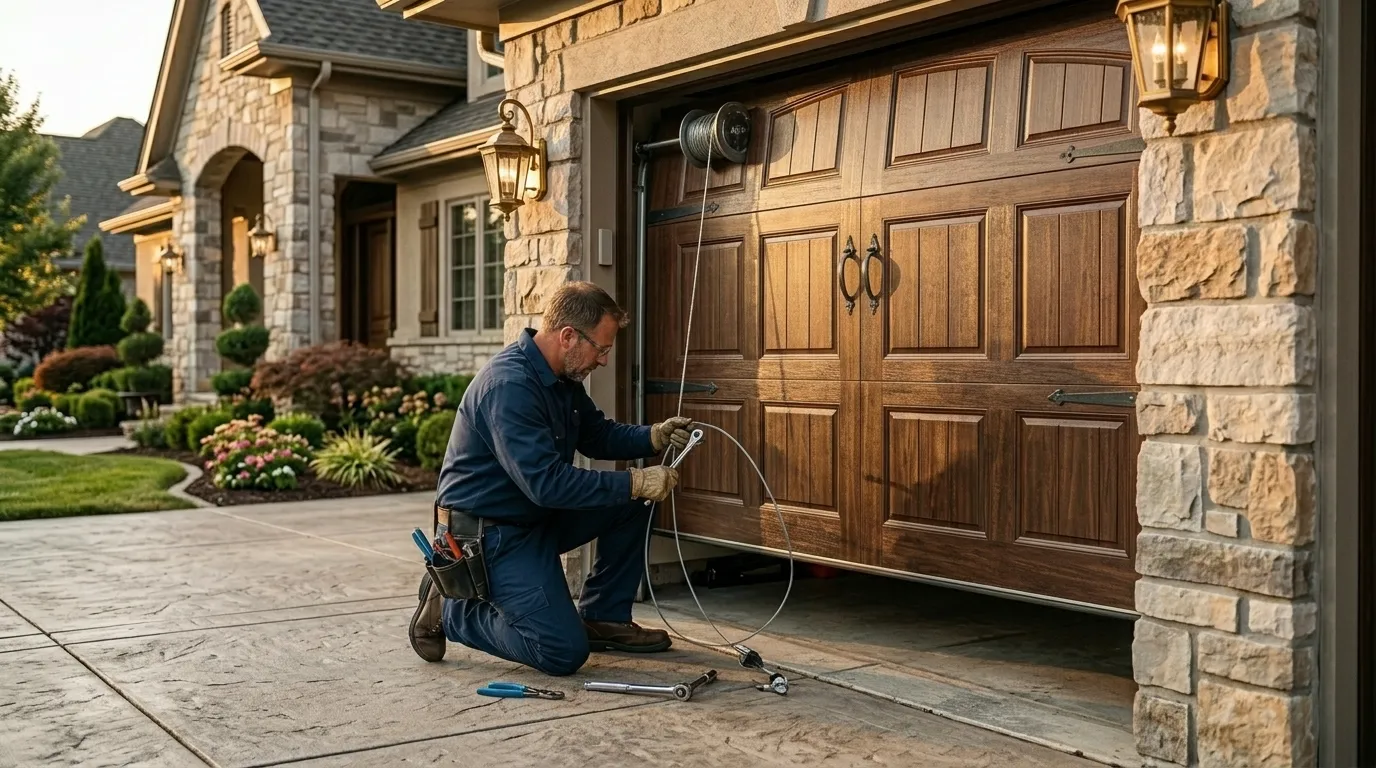
What that means in practice: if your door dates to that stretch, a spring failure is often the first real sign of age, not a fluke. Panels from that period are steel, usually non-insulated, and prone to denting rather than cracking, which is a different repair than what you'd do on a newer insulated door. We look at the build era first because it tells us more about what's likely wrong than the symptom alone does.