Booking
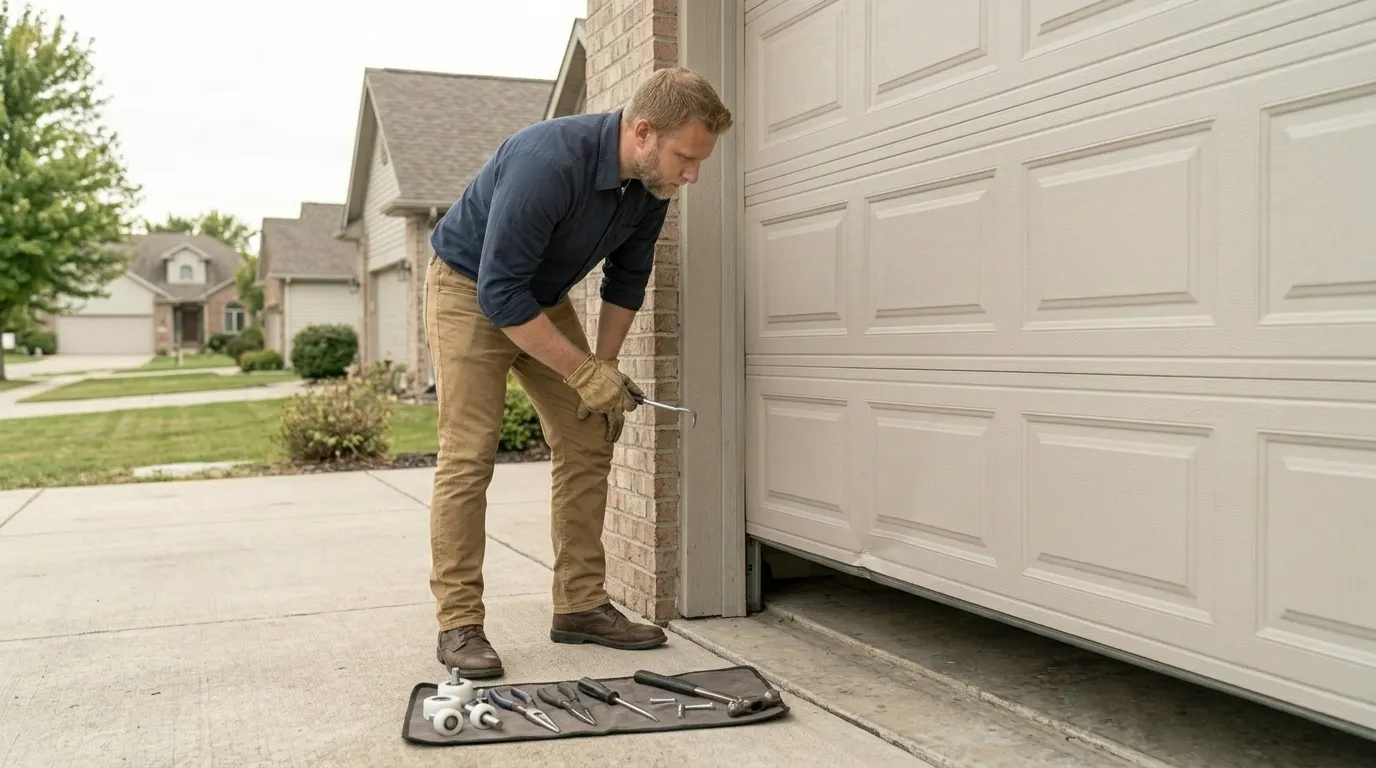
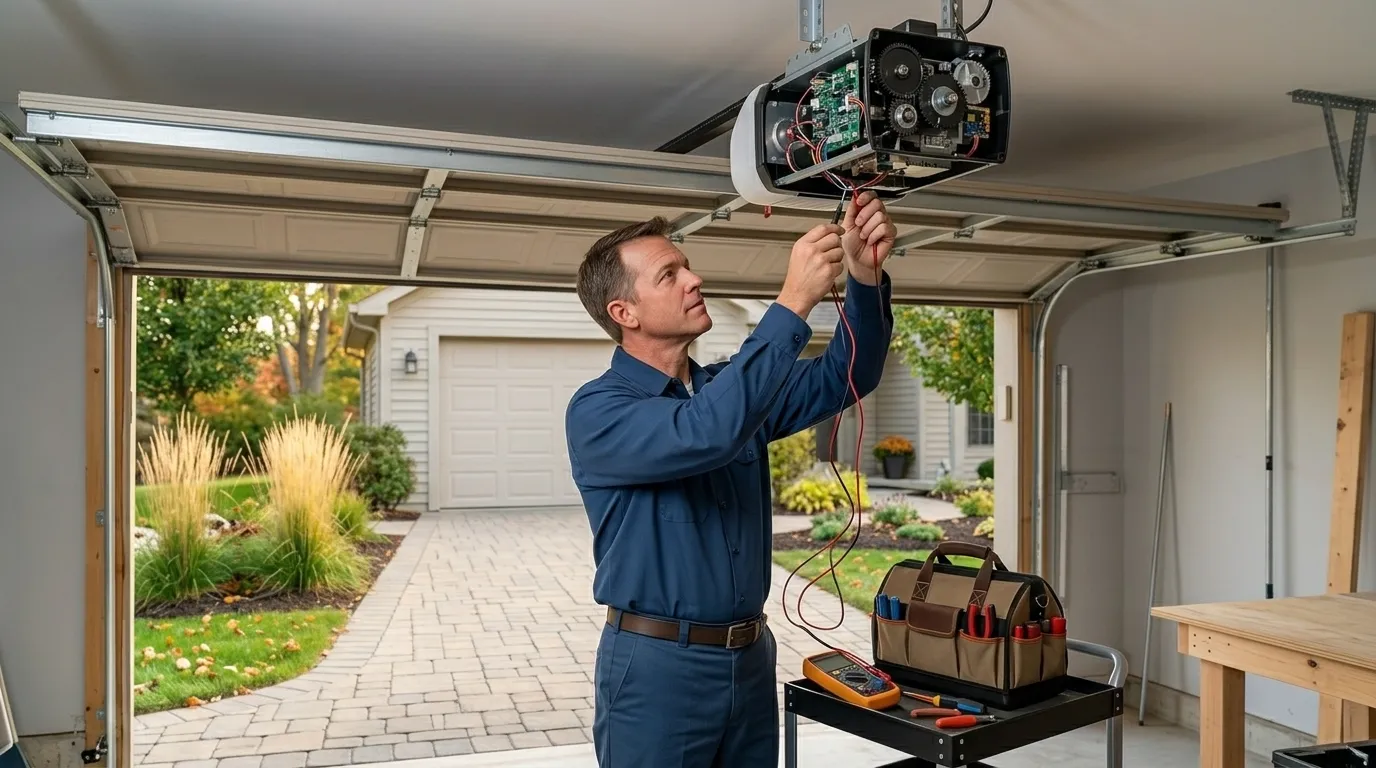
We book jobs in Vista East the same way we book anywhere in this service area: a call, a quick description of what the door is doing, and a time on the schedule. We're not going to quote a response window here because we don't have one to give you, and we'd rather leave it out than make one up. What we can tell you is that a stuck door or a snapped spring on a house from this era usually isn't a mystery job - the hardware from this build period is well understood, which tends to make scheduling and parts sourcing more predictable than on an older or newer house. Median household income across the broader Orlando service area sits at $82,107, and the housing stock spans 1964 through 2021, with 1987 as the midpoint year. Vista East, sitting in the newer half of that range, usually means opener and track hardware that's still serviceable rather than obsolete. That's the honest limitation worth naming: if your door and opener predate this era's typical builder-grade hardware, parts can take longer to source, and replacement sometimes makes more sense than a repair.
Houses on These Streets
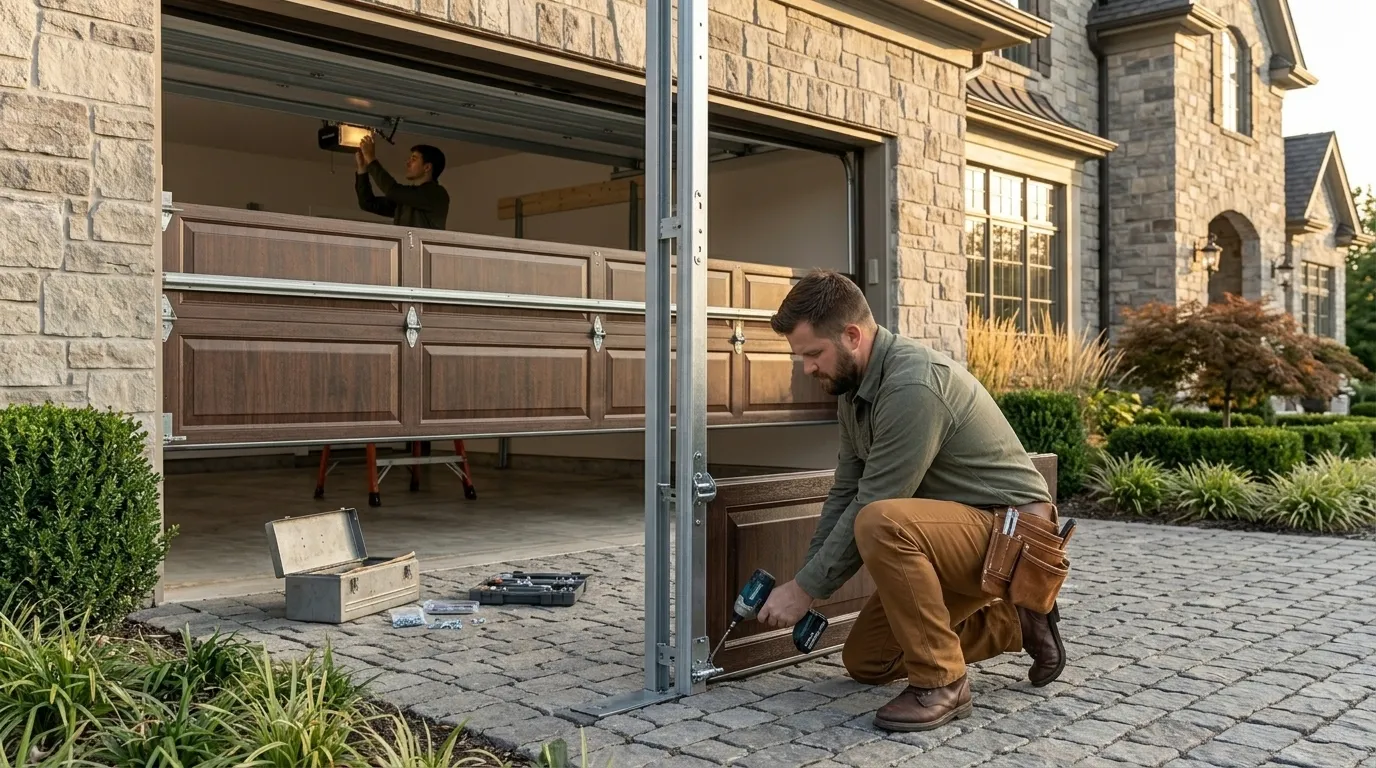
Housing across this side of Orlando was built mostly in the 1980s and 90s, part of a broader stock that runs from 1964 to 2021 with a median build year of 1987. That era brought a shift toward steel roll-formed doors on standard torsion springs, replacing the older wood and single-piece doors common in earlier Orlando construction. If your house in Vista East falls in that window, the opener is likely a chain or belt-drive unit from a builder-grade line, and the springs are sized to a fairly standard door weight rather than the oversized doors you see on newer construction. Orlando's mild temperate climate means we're not dealing with the freeze-thaw cycles that crack panels or seize hardware in colder regions, so wear here tends to come from age and use rather than weather. The service area counts 94,658 owner-occupied houses among 218,978 total households, and a good share of those fall into this same construction window. That consistency is useful: parts and hardware for an 80s or 90s door are still common, which keeps repair costs reasonable compared to chasing parts for something older or more custom.