What the Weather Here Does to It
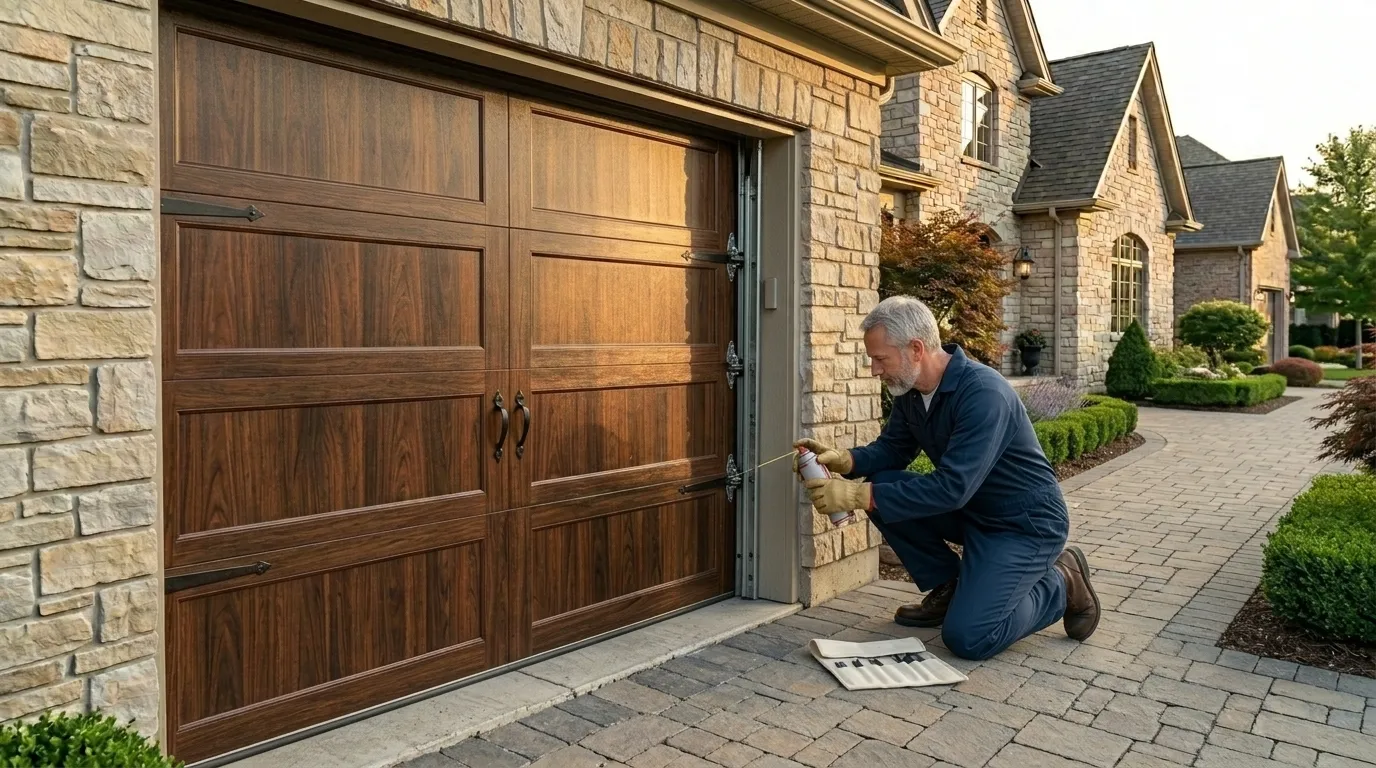
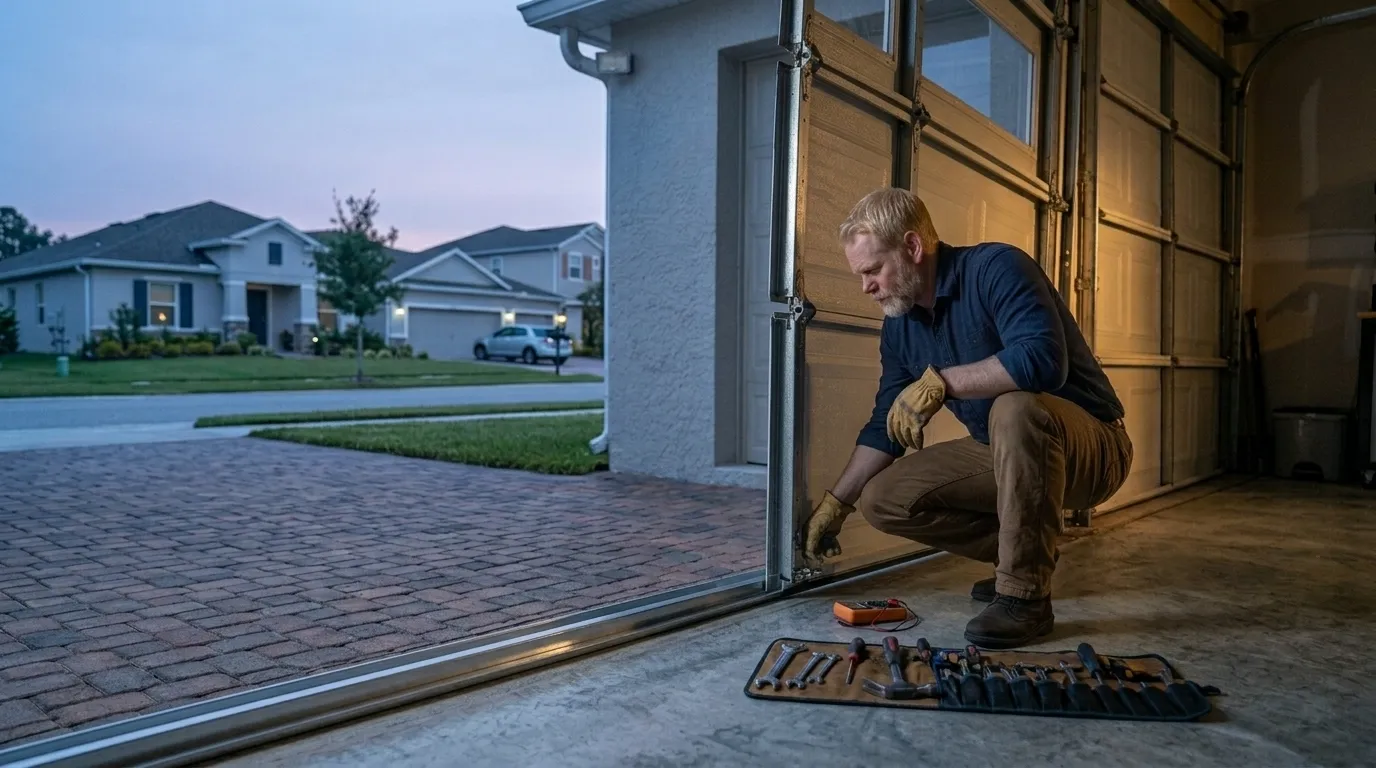
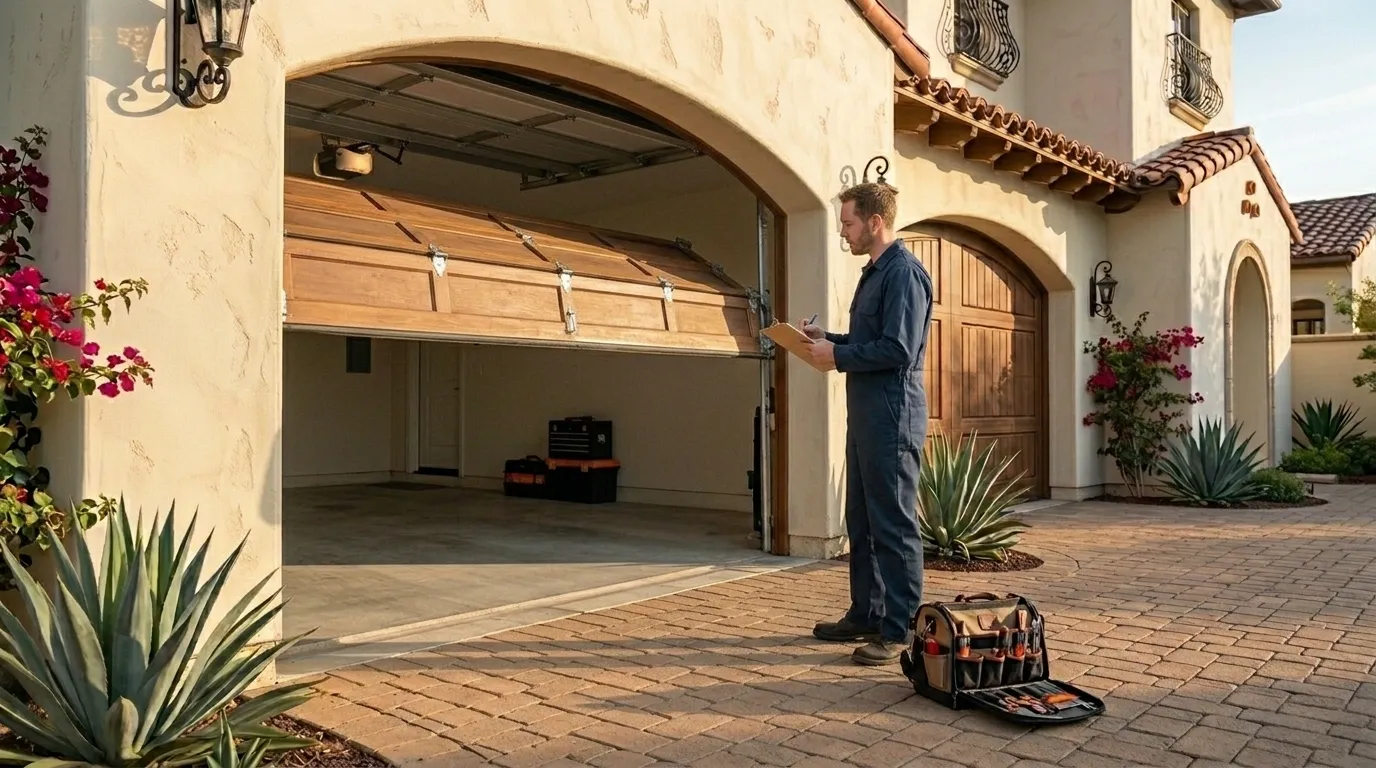
Orlando sits in a mild temperate band, which changes what we're actually looking for compared to a colder-climate call. We're not checking for spring steel that's gone brittle from a hard freeze-thaw cycle, because that cycle mostly doesn't happen here. What we do check is lubrication condition and hardware corrosion, since a mild, humid climate that never fully dries out or freezes solid wears bearings and hinges differently than a place with a real winter. Rollers and hinges that would still be fine after a Northeast winter can be gummed up or starting to pit here from consistent moisture exposure instead of cold. That's the trade-off of a mild band: less catastrophic seasonal failure, more slow, steady wear that owners don't notice until a roller finally seizes. It's also why we check the bottom seal and weatherstripping condition rather than assuming ice damage - the failure mode here is gradual, not sudden.
The Situation
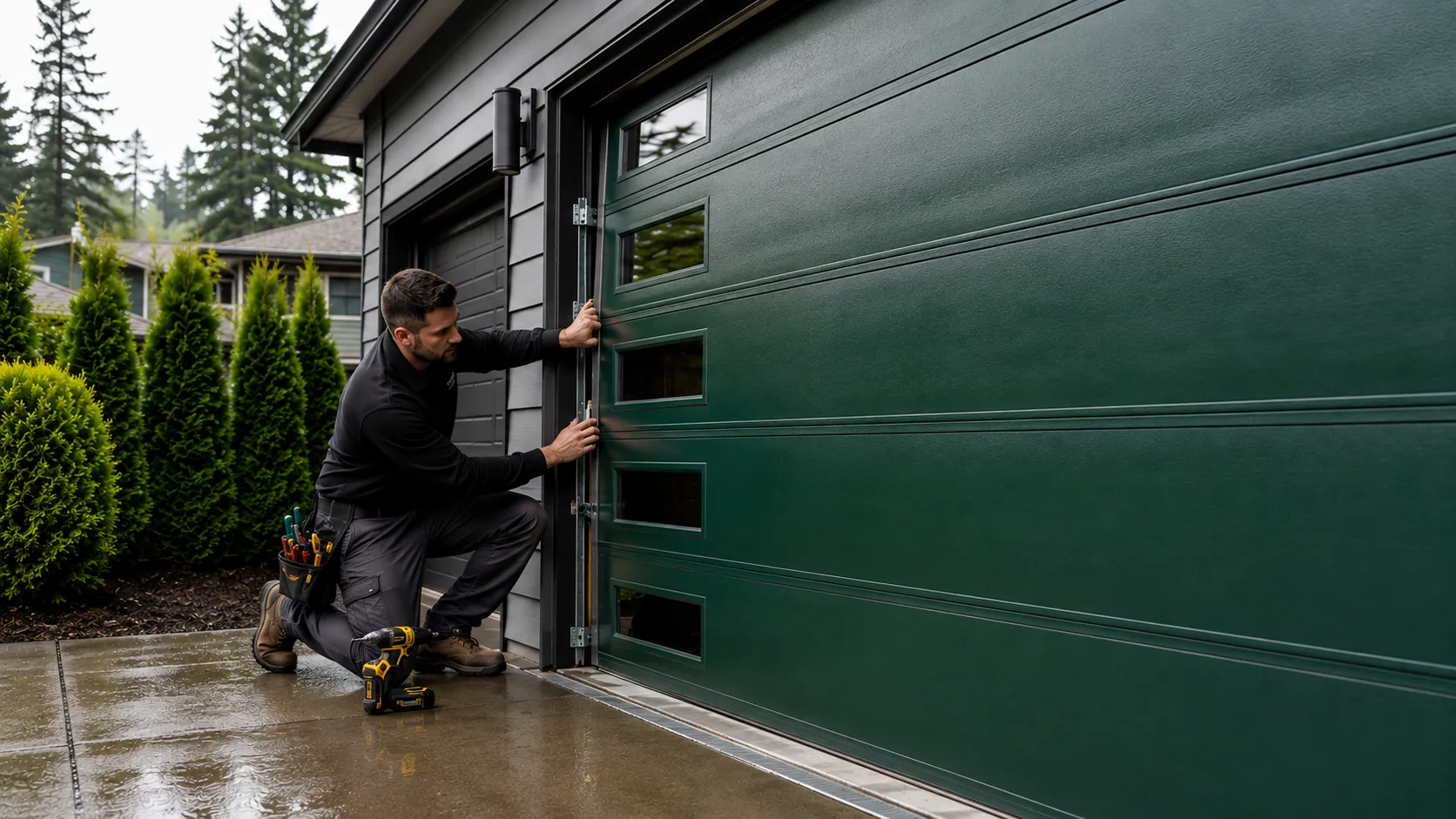
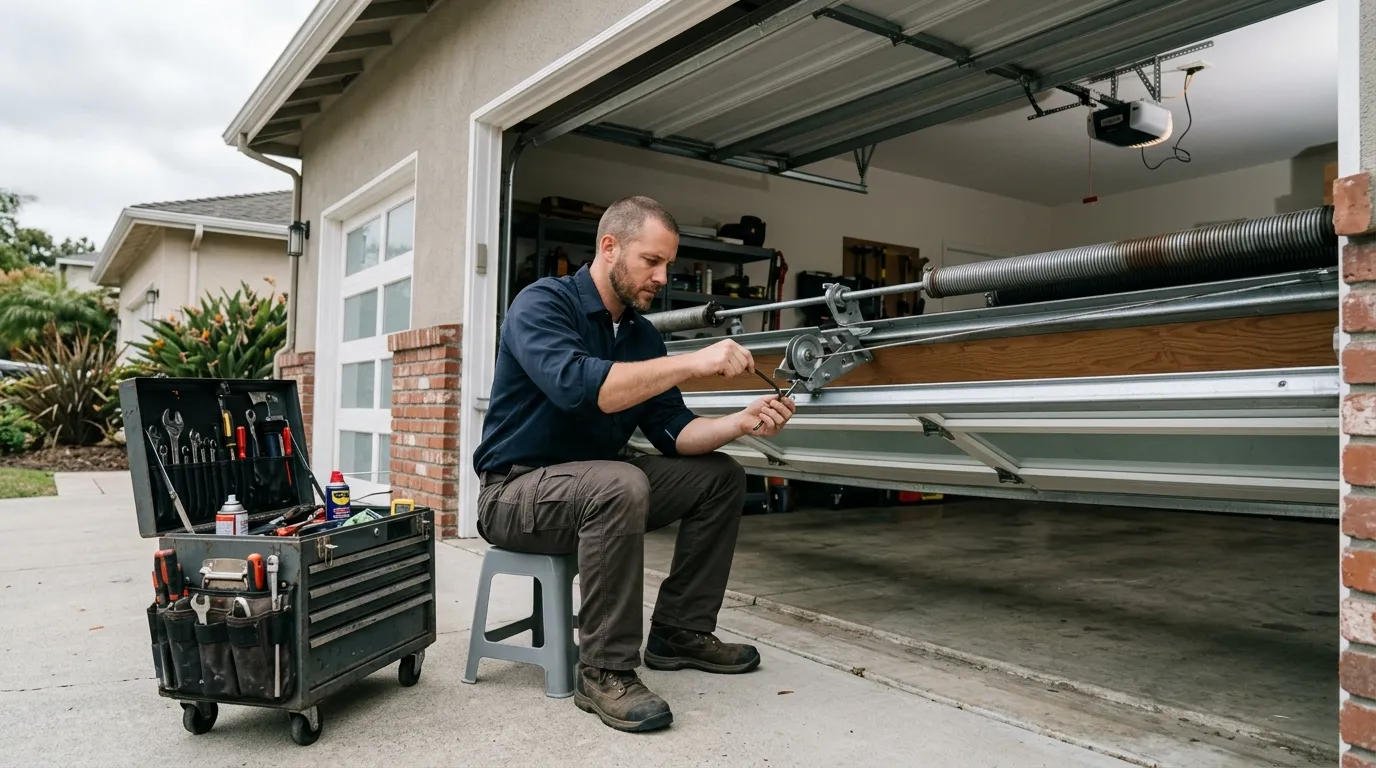
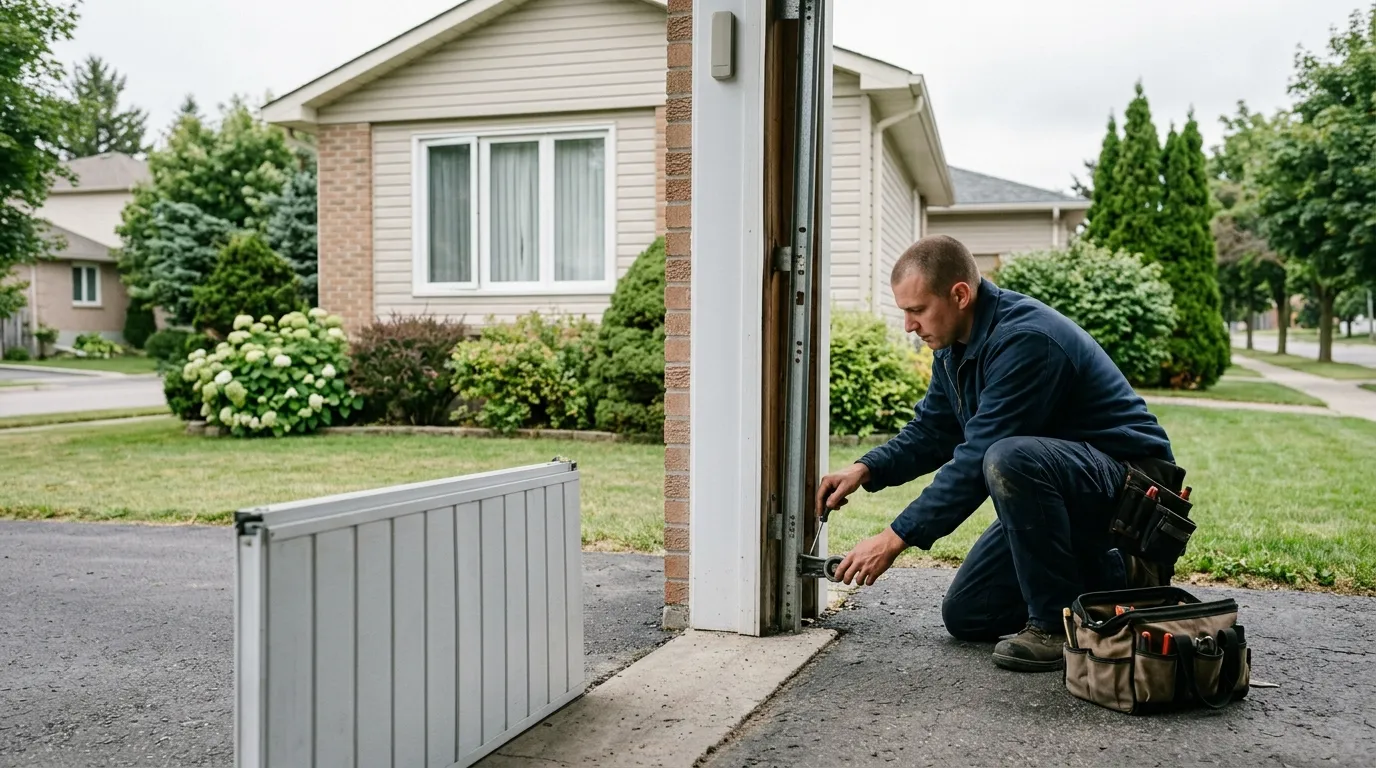
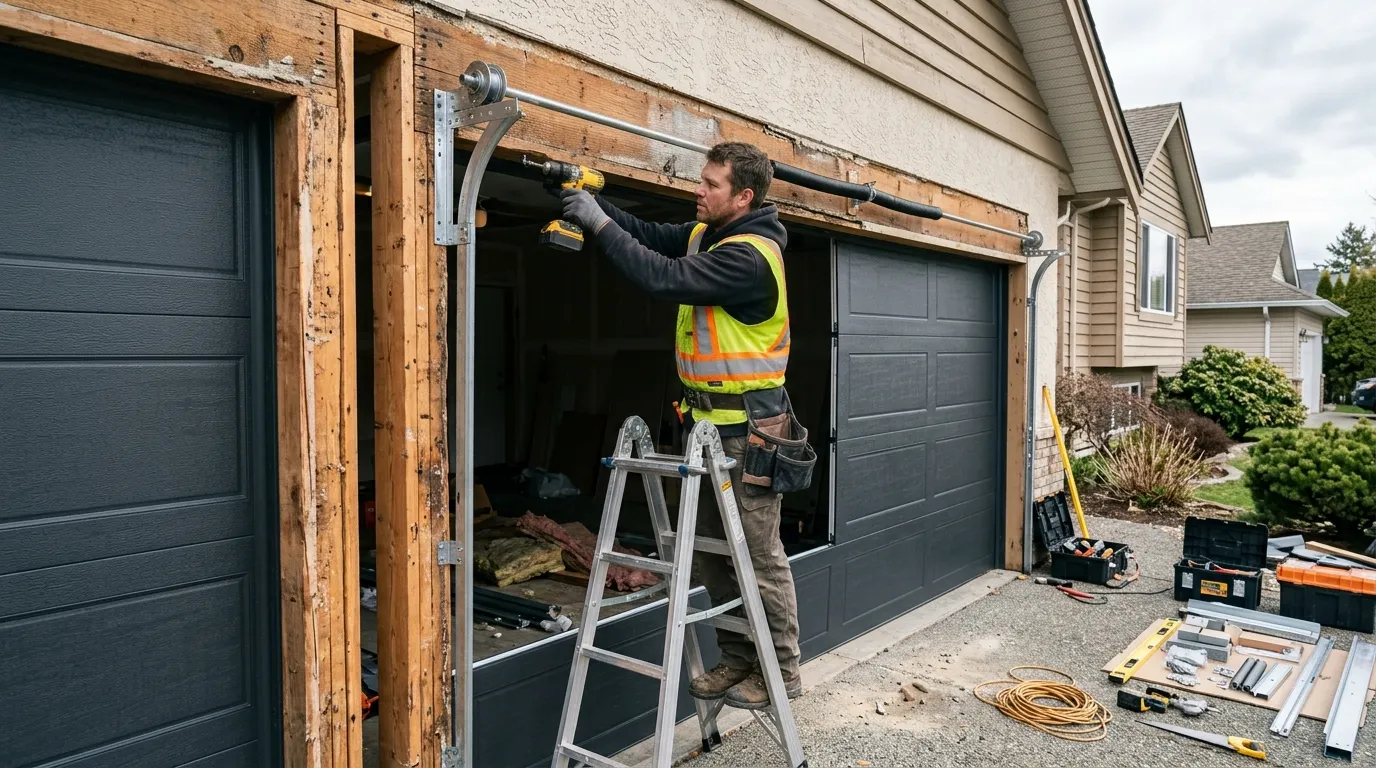
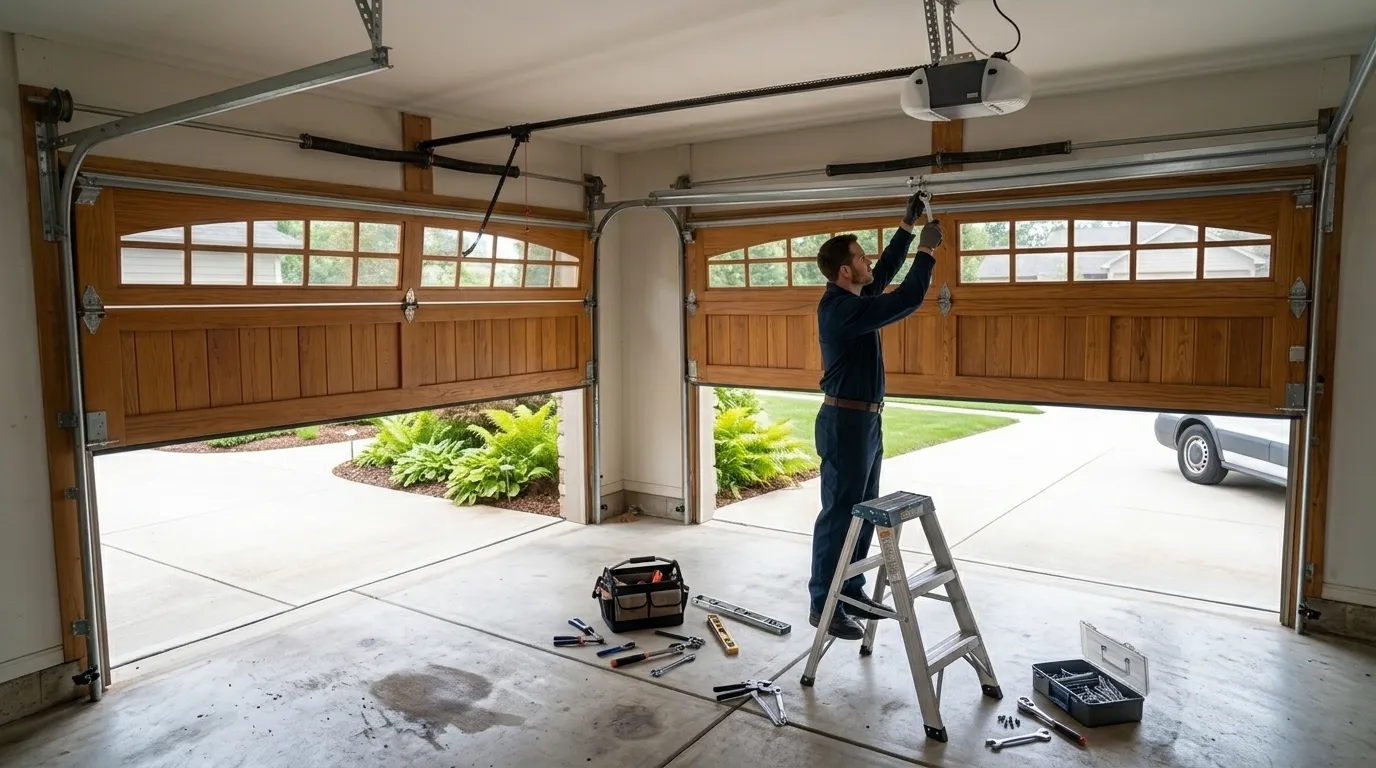
On a first call, we start with the spring and cable, because that's what fails hardest and fastest, then move to track alignment and roller condition, then the opener's force and sensor settings. Given that this area's housing stock runs mostly 1980s-90s construction across the 39 named communities we work in, a lot of what we find is original hardware nobody's touched since the house was built - springs sized for a door weight that's since changed if panels were replaced, or brackets that have loosened over three decades of daily cycles. Across the roughly 218,978 households and 94,658 owner-occupied houses in this service area, that pattern repeats a lot: the door looks fine, opens fine, but the spring is years past where we'd want it and the cables are fraying where they wrap the drum. We check the drum-to-cable seating and the track-to-header alignment before we ever touch the opener, because chasing an opener complaint on a door with a misaligned track just means the same call again in six months.