What the Weather Here Does to It
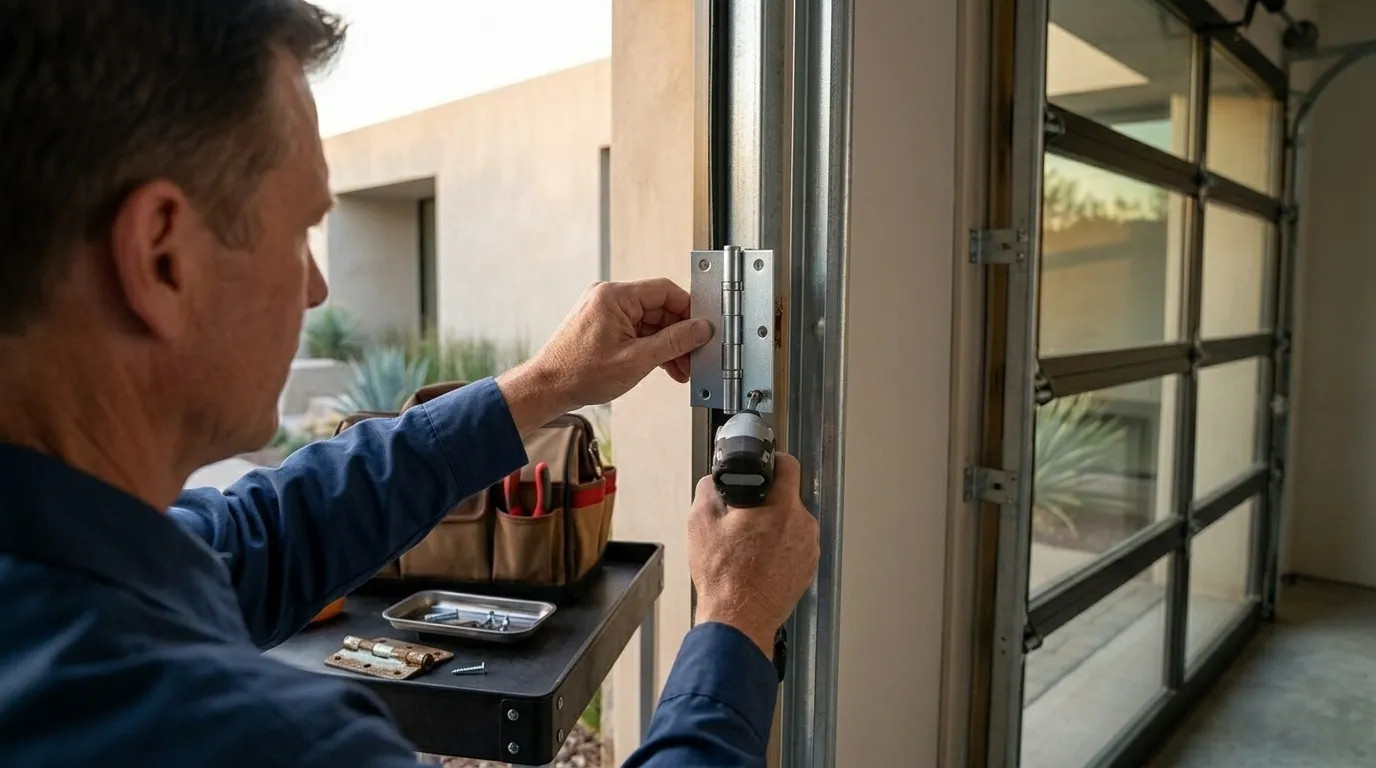
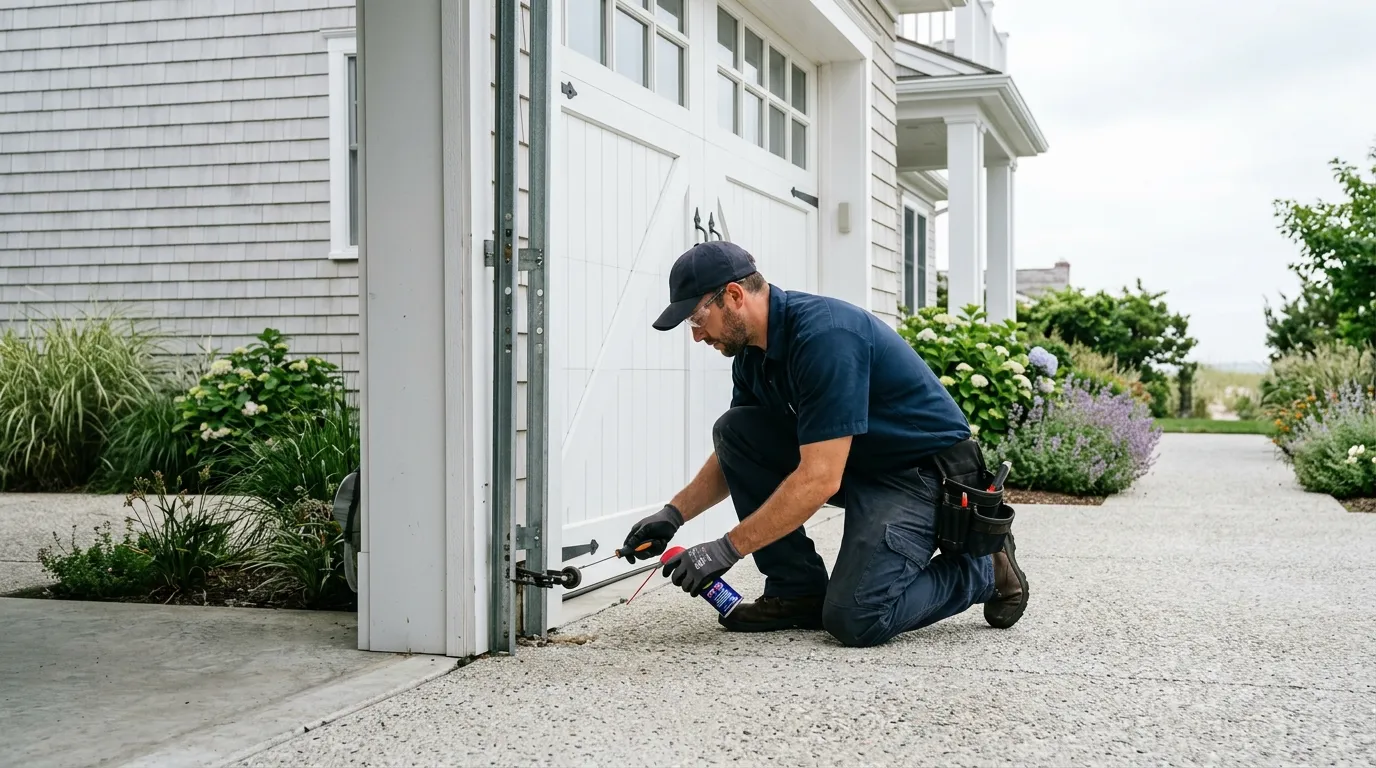
Orlando sits in a mild temperate band, so we don't see the freeze-thaw cycles that crack steel tracks or seize springs solid up north. That works in your favor - hardware here doesn't fail from cold shock the way it does in other climates. What it does instead is corrode slowly. Humidity and heat cycling wear on galvanized coatings over years, and on doors that have sat in a garage without much airflow, you'll often find surface rust on the tracks and hinges well before the springs themselves give out.
That changes the diagnosis. A door here that looks rough on the outside - flaking paint, a little rust on the bottom panel - often still has good hardware underneath, because the springs and cables aren't taking the beating they would in a harsher climate. So don't assume rust on the surface means the whole unit is done. It's worth a real look before you write it off, especially since a full weather-driven failure is less common here than gradual wear from age and use.
The Situation
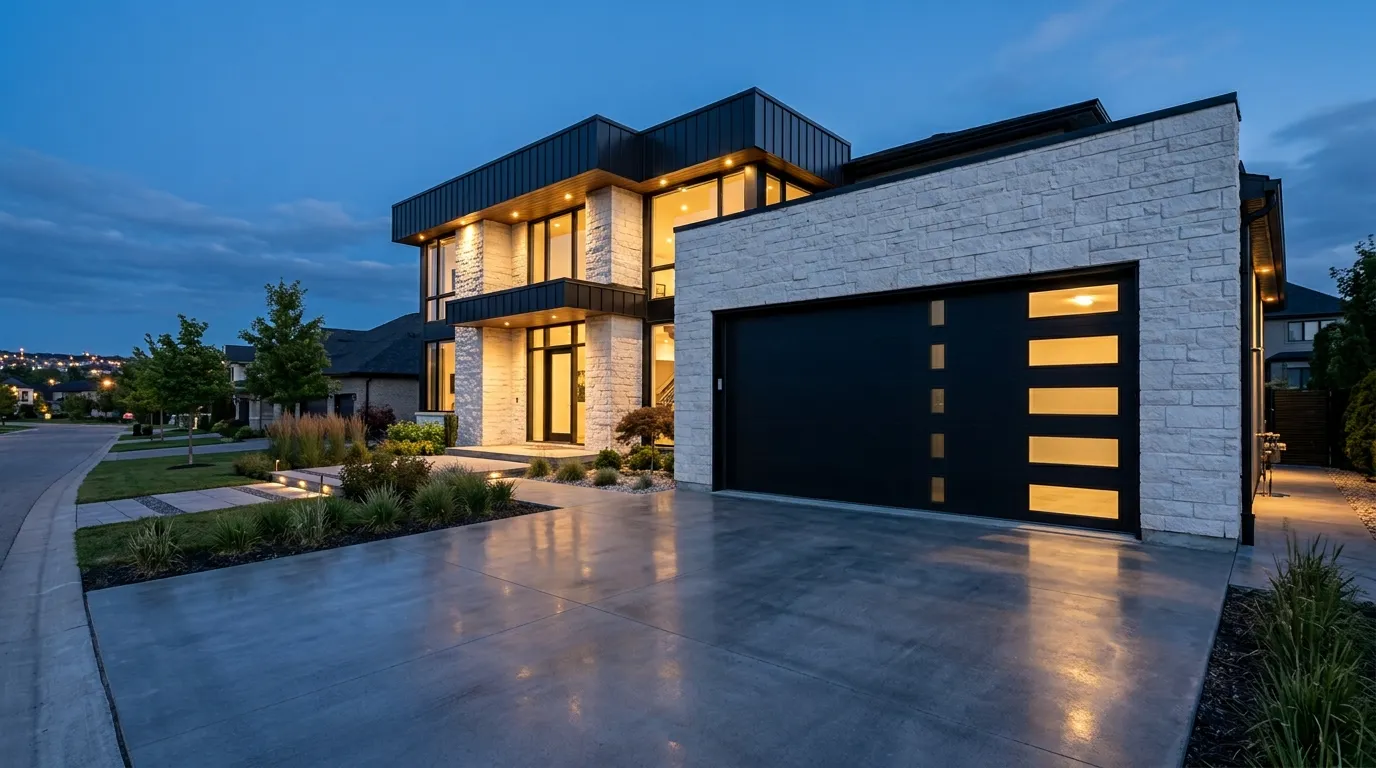
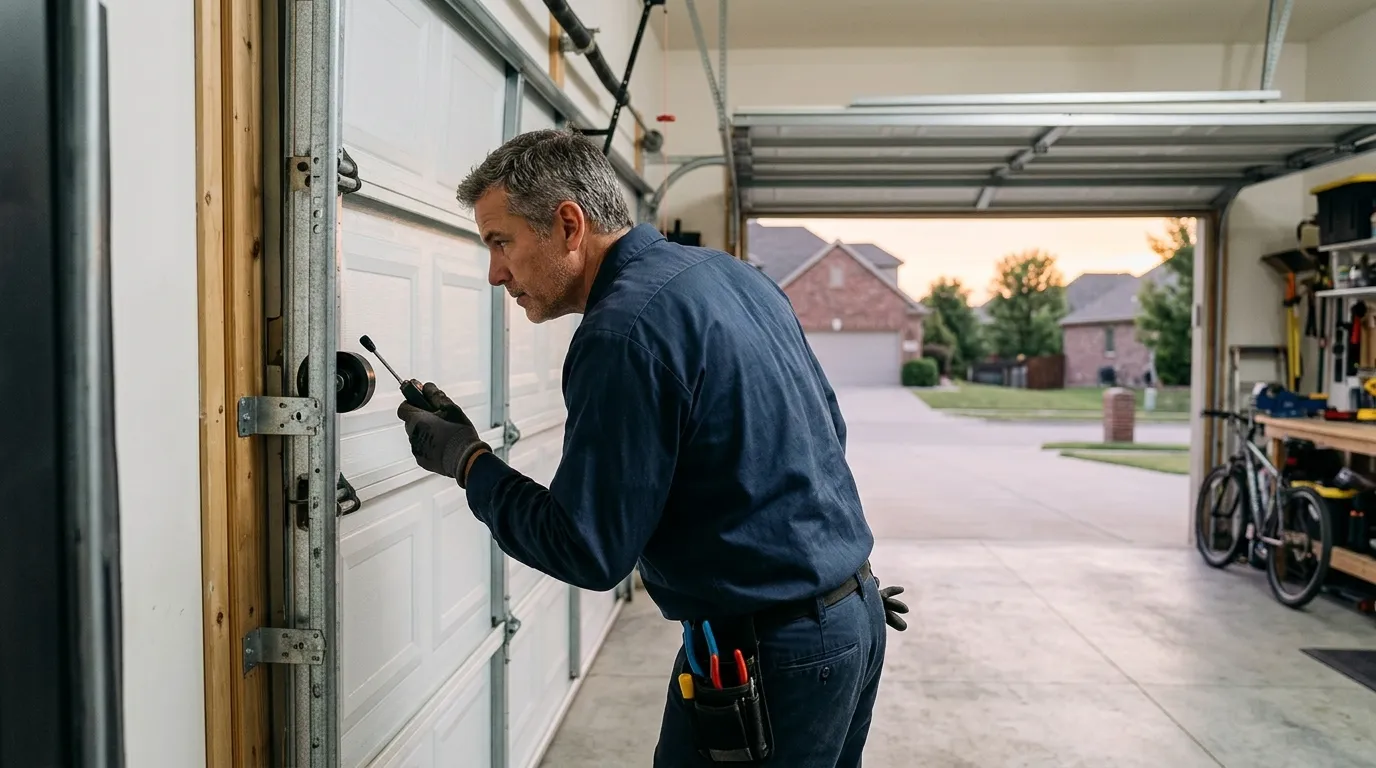
Housing in this service area was built anywhere from 1964 to 2021, with a median build year of 1987, and the bulk of the stock across the 39 communities we cover - from Lake Nona out to Pine Castle, Conway, and St. Cloud - dates to the 1980s and 90s. That's the door we see most: 30-plus years old, original torsion spring, steel track that's held up fine but is starting to show its age at the rollers and hinges.
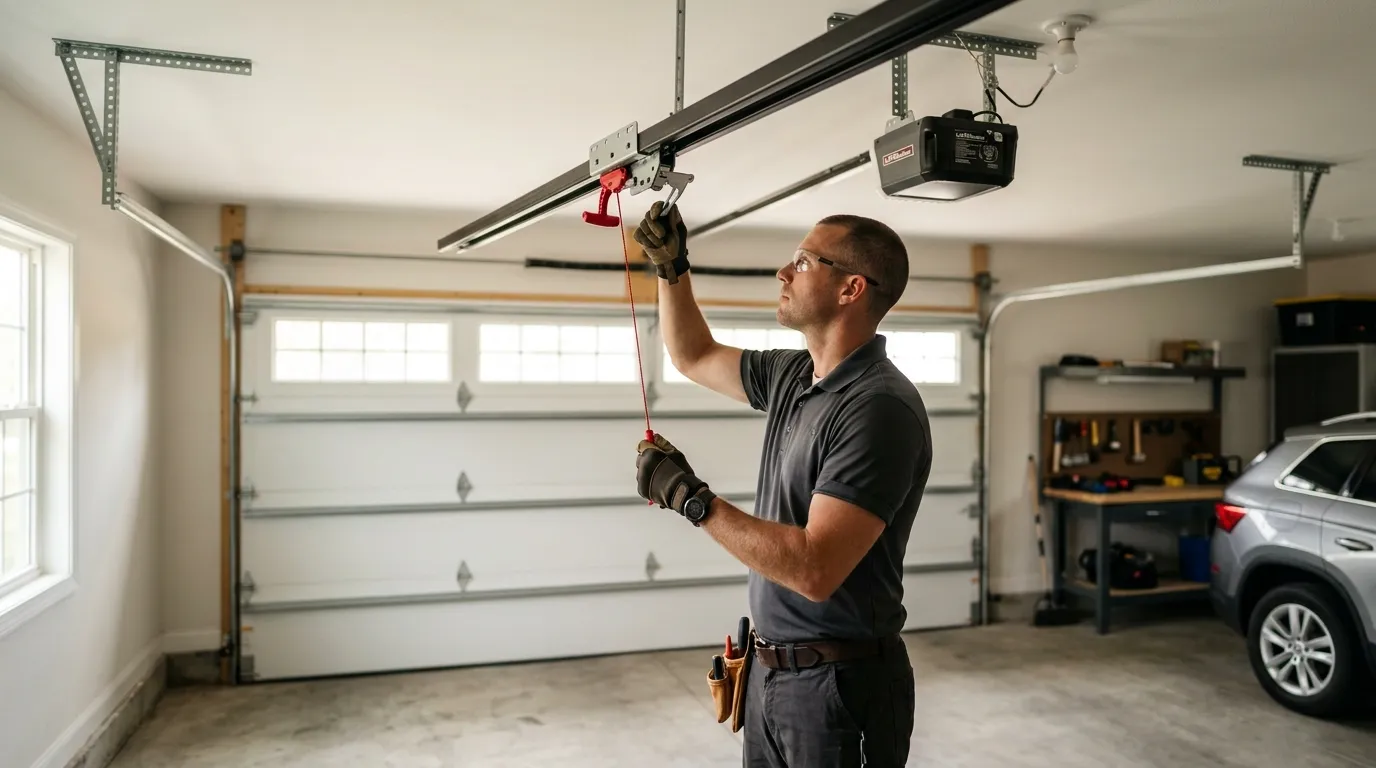
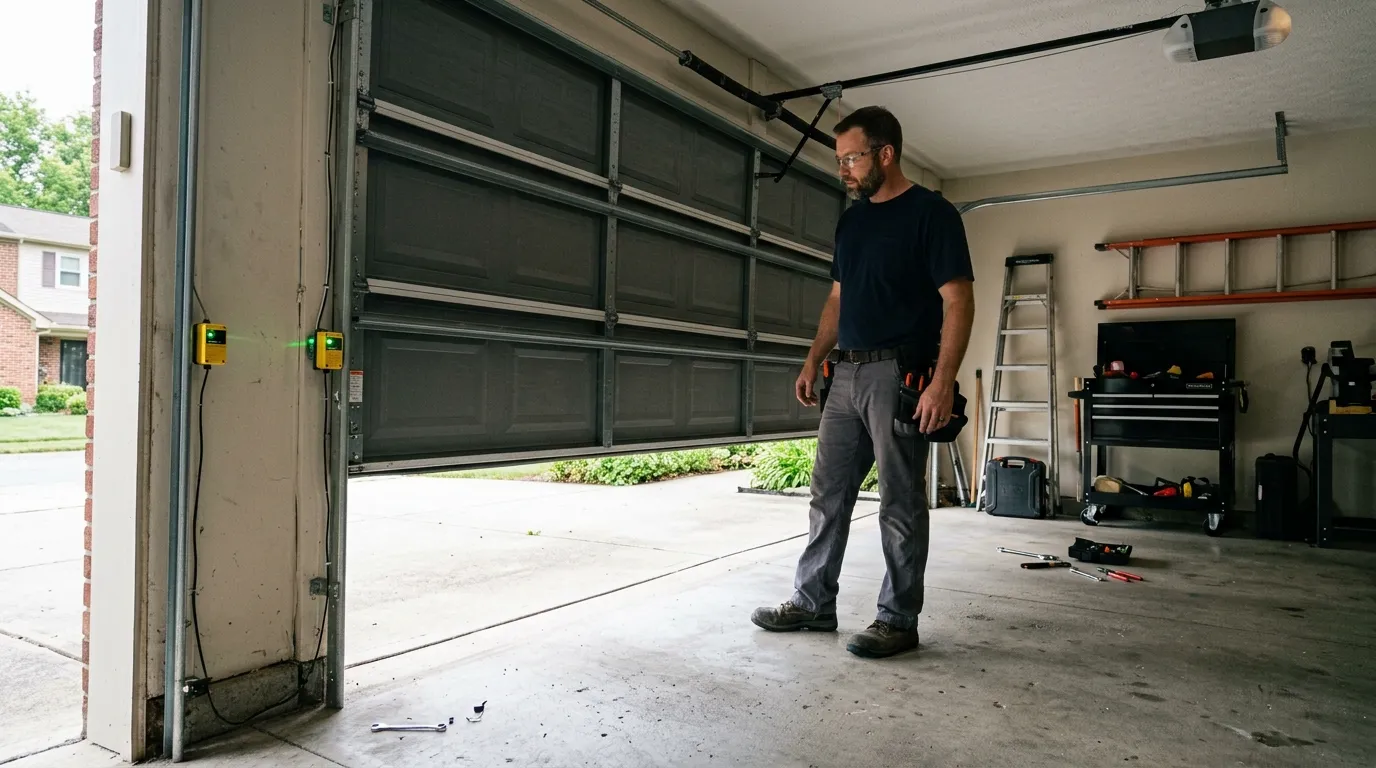
Newer pockets skew the picture a little. Areas like Lake Nona Estates and Storey Park, built well after that 1987 median, are less likely to carry the pre-1990s hardware that's harder to match. If your door is from one of those newer builds, a repair almost always makes sense - the parts are current and the labor is quick. If you're in an older section with an original door, the question is less about age itself and more about which specific parts have worn: springs and cables are cheap to replace on any of these systems, but a bent track or a warped panel on a 1970s door is a different call.
With a median household income of $82,107 across the area, most owners we talk to can handle a spring or cable repair without it being a hardship, which is part of why repair is usually the first move here, not replacement.