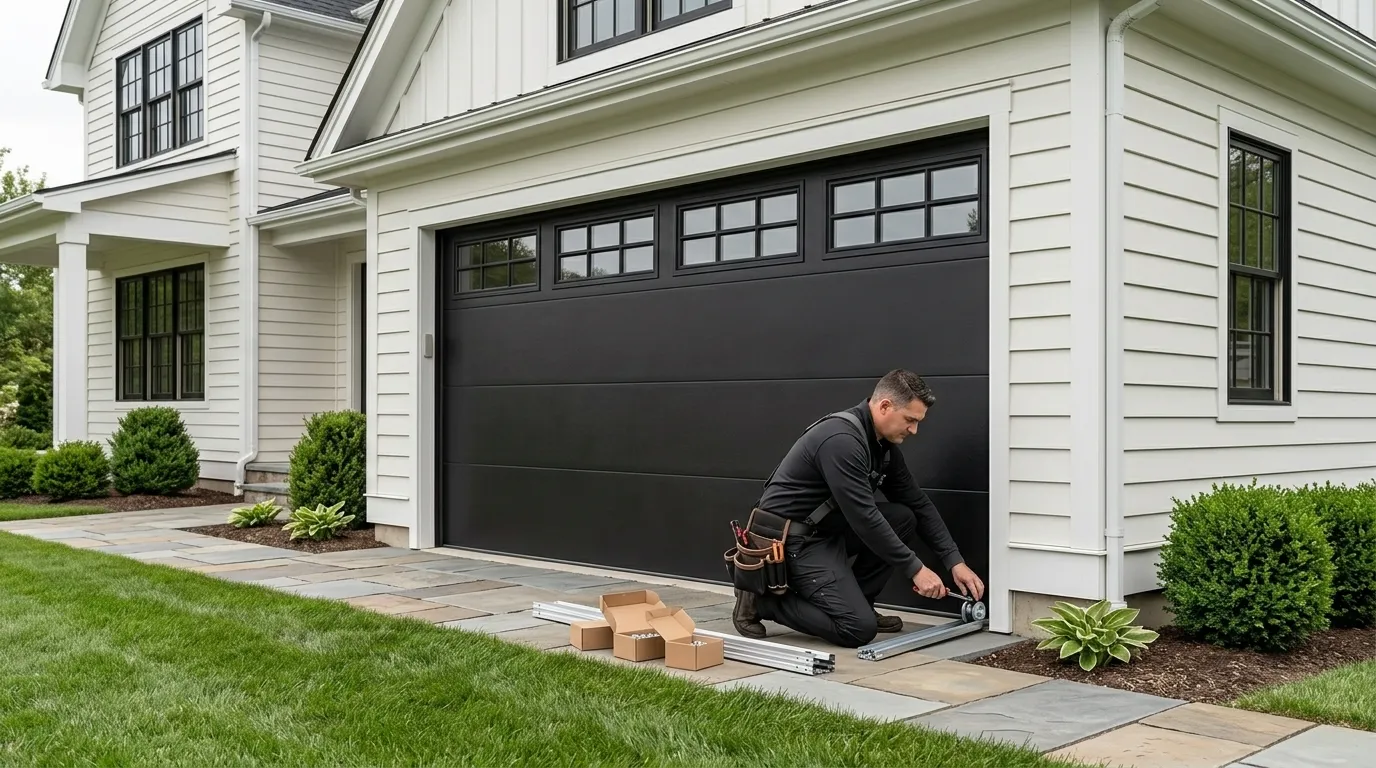
Garage Door Repair for Orlando's 1980s and 90s Housing Stock
Orlando homes built mostly in the 1980s and 90s are hitting spring and opener failure age. We fix torsion springs, tracks, and openers across the Orlando area.
Most of the garage doors we get called out on sit in houses built between 1964 and 2021, with the median build year landing around 1987. That means a huge share of Orlando's doors and openers are now old enough that the torsion spring has hit or passed its rated cycle count, and the opener is on its second or third circuit board. A spring rated for 10,000 cycles doesn't care how nice the neighborhood is - it just counts openings and closings, and a house built in the late 80s has had three and a half decades to run that count up.
Orlando's mild temperate climate actually works against you here in a quiet way. There's no hard freeze to force people to think about garage door maintenance, so doors get ignored for years at a stretch. Meanwhile the daily humidity swings dry out factory lubricant on rollers and hinges faster than a drier climate would, and steel track brackets loosen as the wood framing around them moves with moisture. The failure isn't dramatic. It's a spring that finally lets go on an ordinary Tuesday, or an opener gear that's been grinding quietly for months.
We see this pattern consistently enough across the service area's 39 named communities that when a customer tells us their house was built in the 80s or 90s, we already have a good guess what's wrong before we open the truck.
Booking a Visit
We work the Orlando service area, which covers close-in spots like Lake Nona Estates and Lake Nona Central a mile or two out, and reaches further to places like Hunters Creek, Williamsburg, and St. Cloud around 12 miles from the core. Whether you're in Storey Park a few miles out or out toward Winter Park or Doctor Phillips, the booking process is the same - tell us what the door is doing, or not doing, and we schedule the visit.
If you're not sure what's wrong, that's fine. "It won't go up" and "it's making a grinding noise" are both useful starting points. We ask a few questions on the call to figure out whether this sounds like a spring, a cable, an opener, or something with the track, so the truck that shows up has the right parts on it more often than not.
We don't do same-day emergency dispatch promises we can't back up - if a part needs to be special-ordered, we'll tell you that up front rather than guess. Most standard spring and opener jobs don't require that, but it happens, particularly on older or less common door models.
How It Shows Up
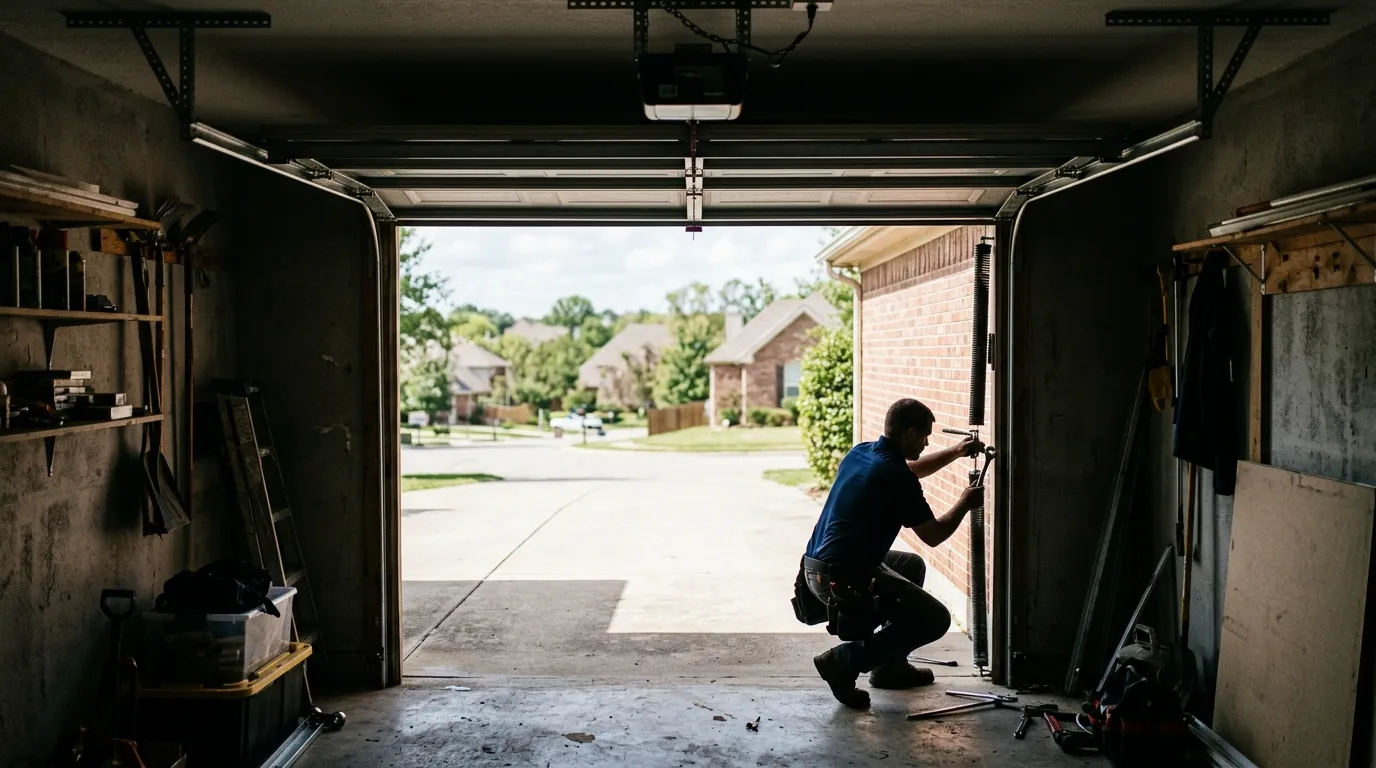
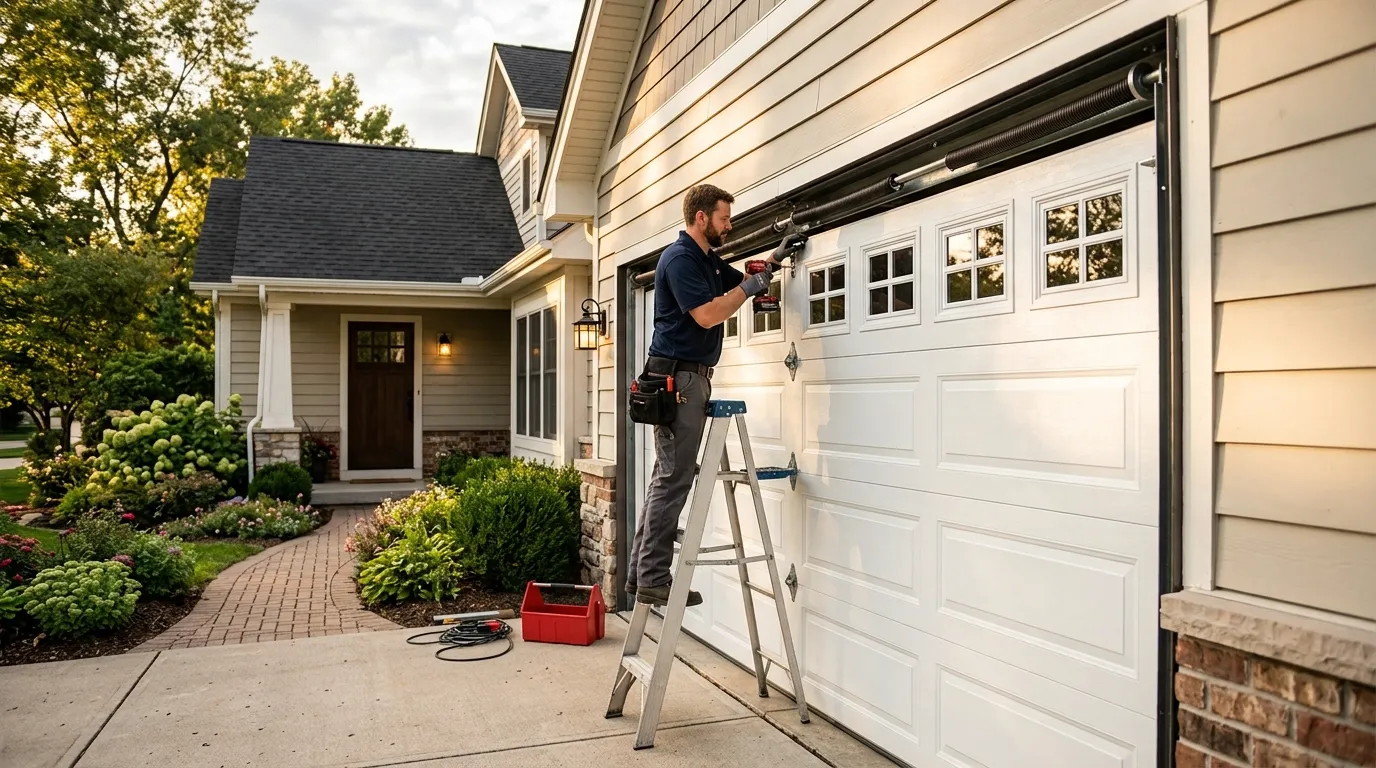
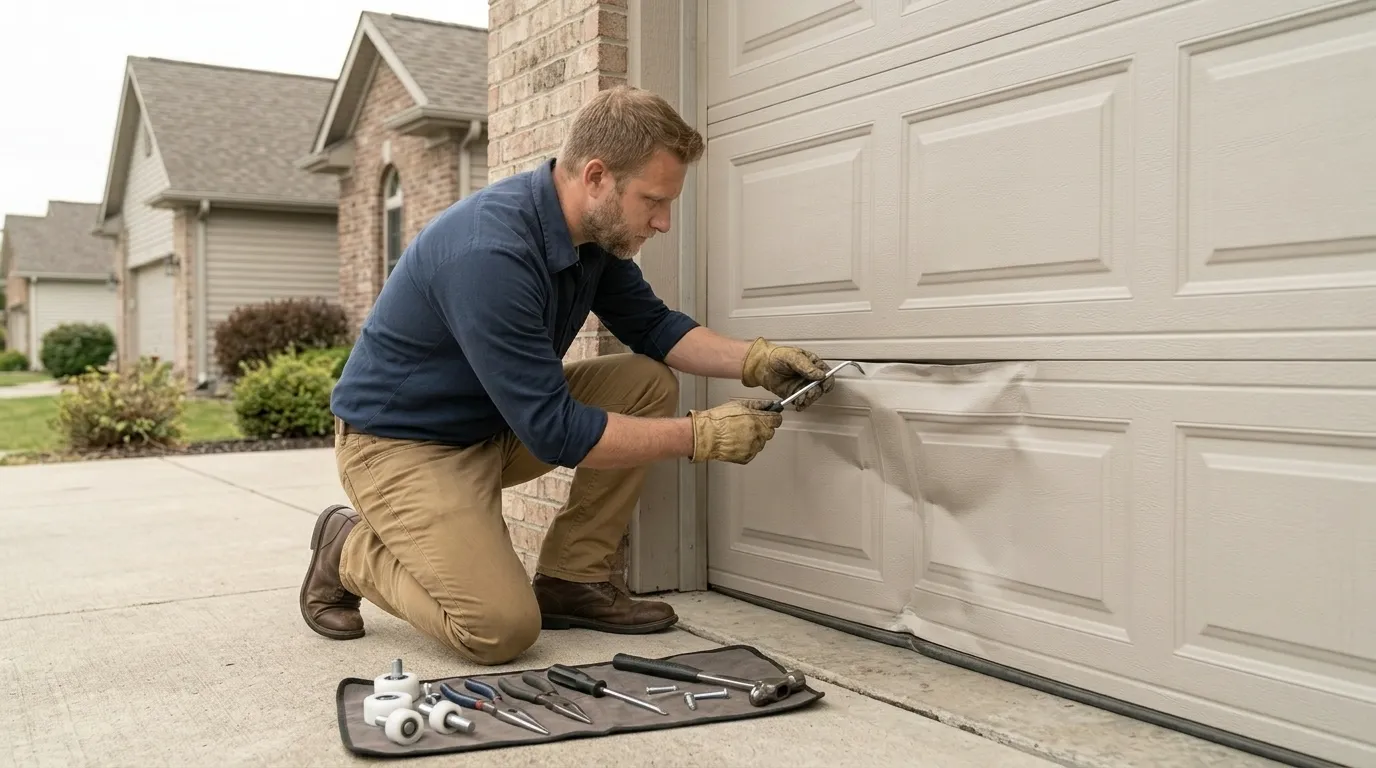
The most common call we get is a door that won't budge and a garage full of a heavy, obvious spring sitting there in two pieces. That's a torsion spring snap, and on the older end of Orlando's 1964-2021 housing range, it's often the original spring that's never been replaced.
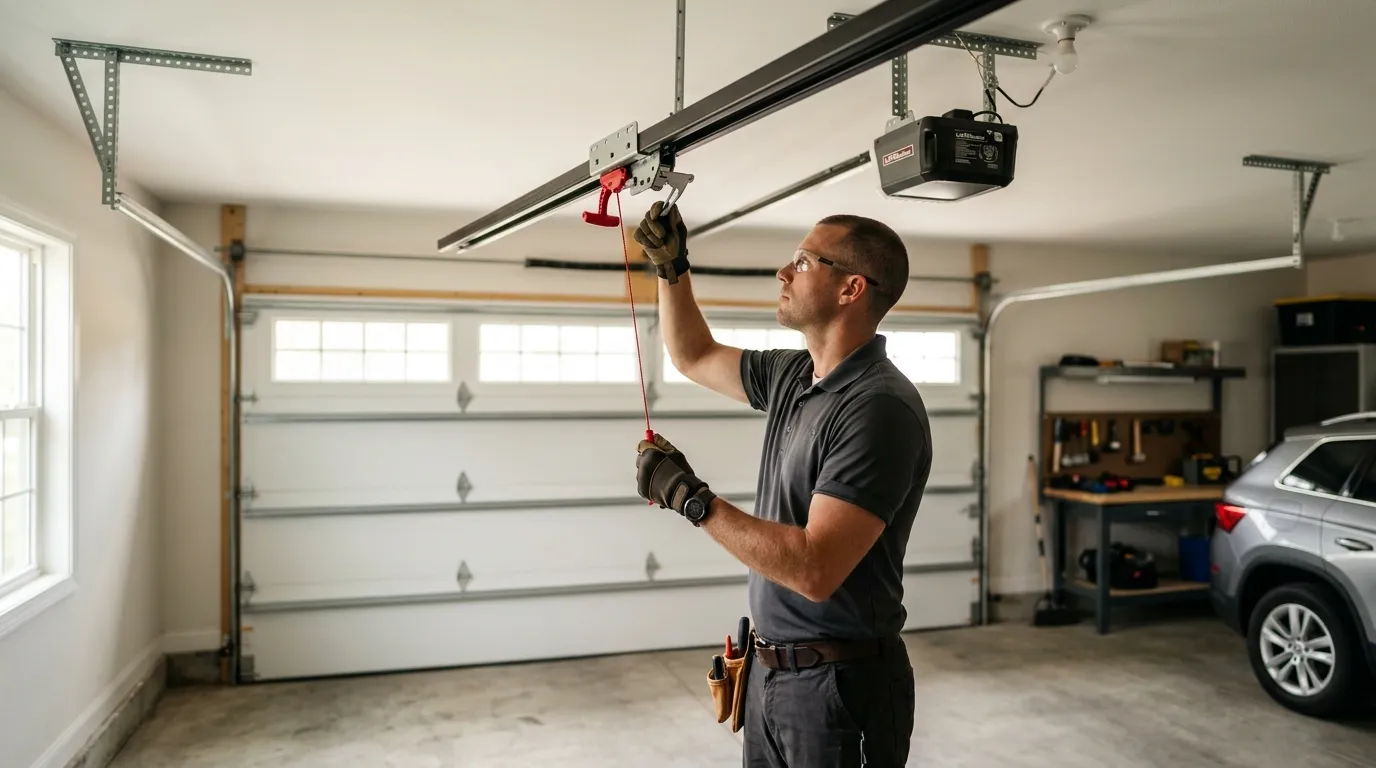
Second most common: an opener that runs but the door doesn't move, or moves partway and reverses. That's usually a stripped gear inside the opener unit, worn drive belt or chain, or a safety sensor knocked out of alignment - sensor issues show up more than people expect, since they're low to the ground and get bumped by bikes, storage bins, and lawn equipment.
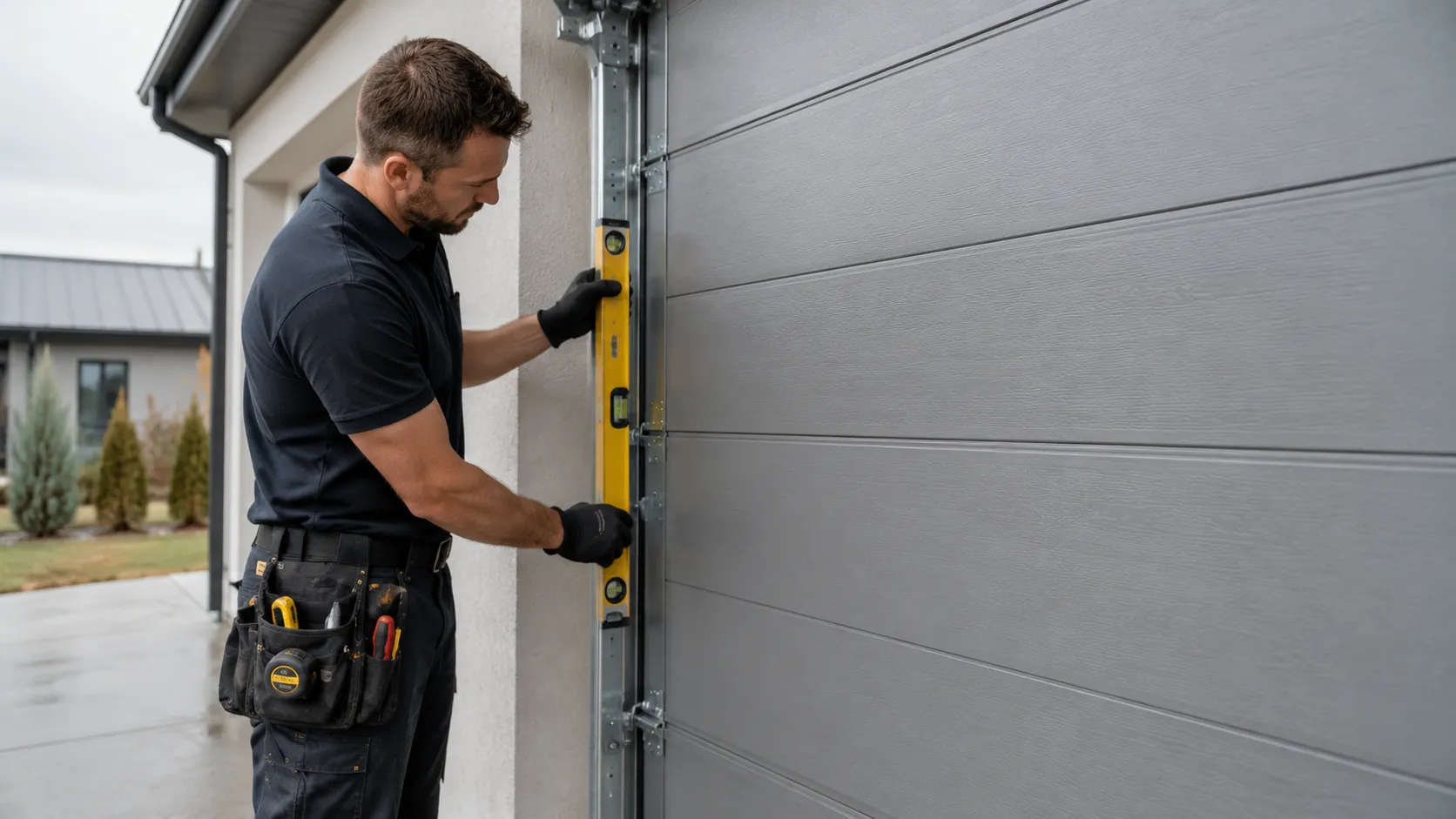
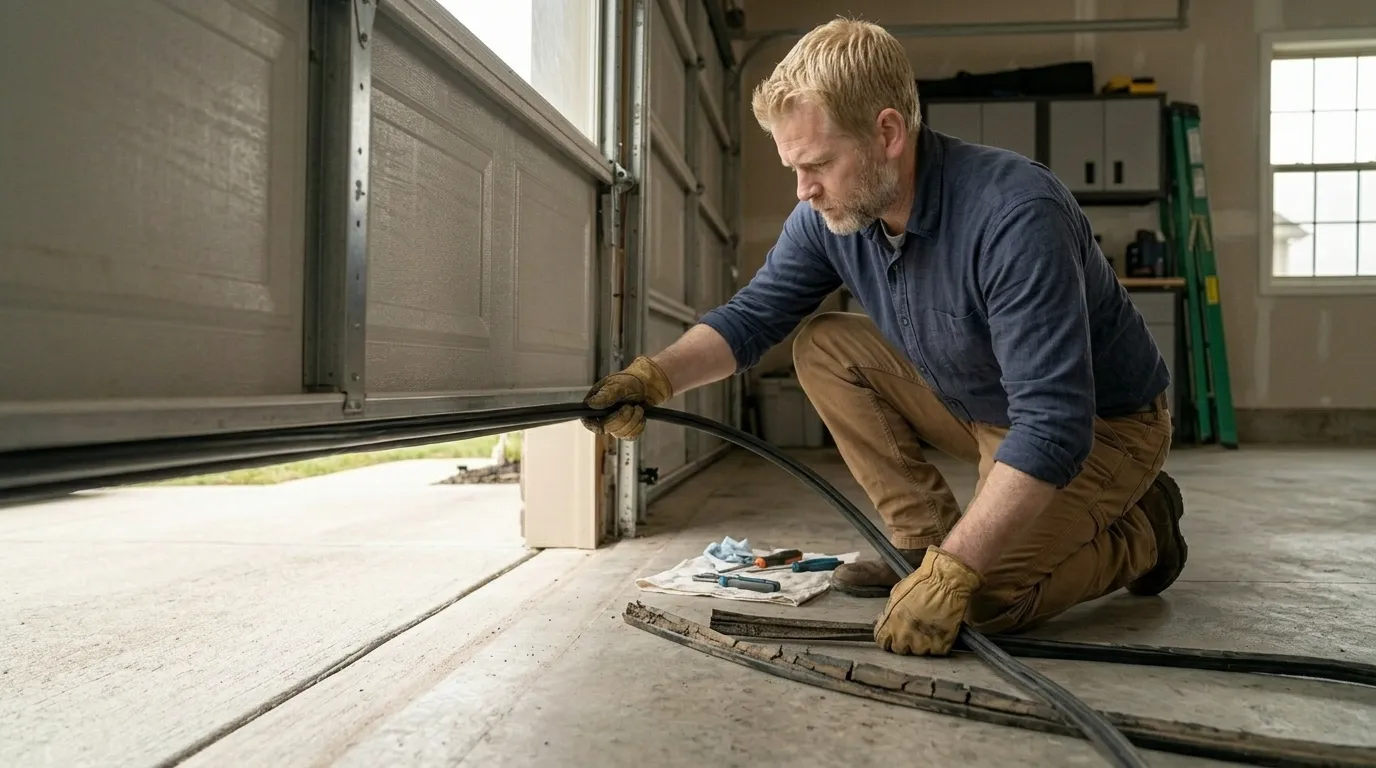
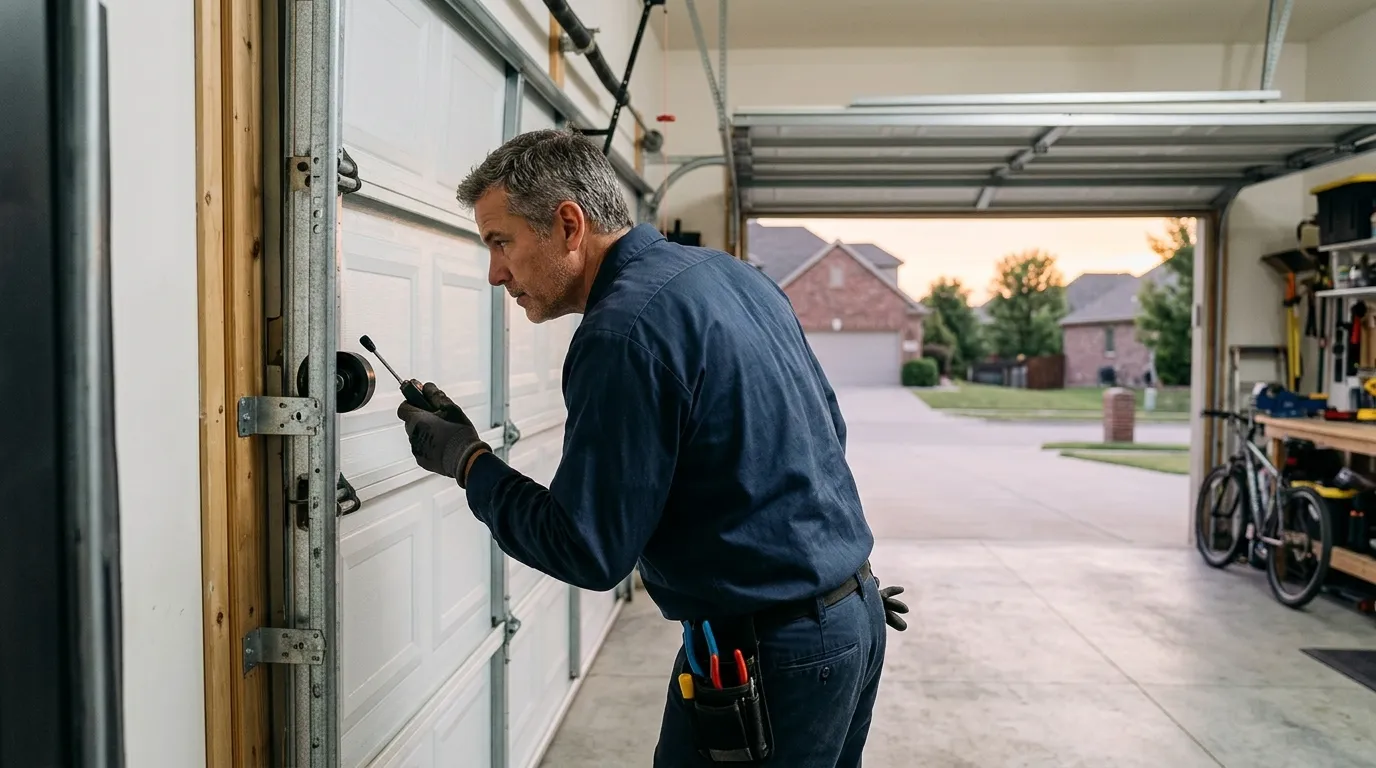
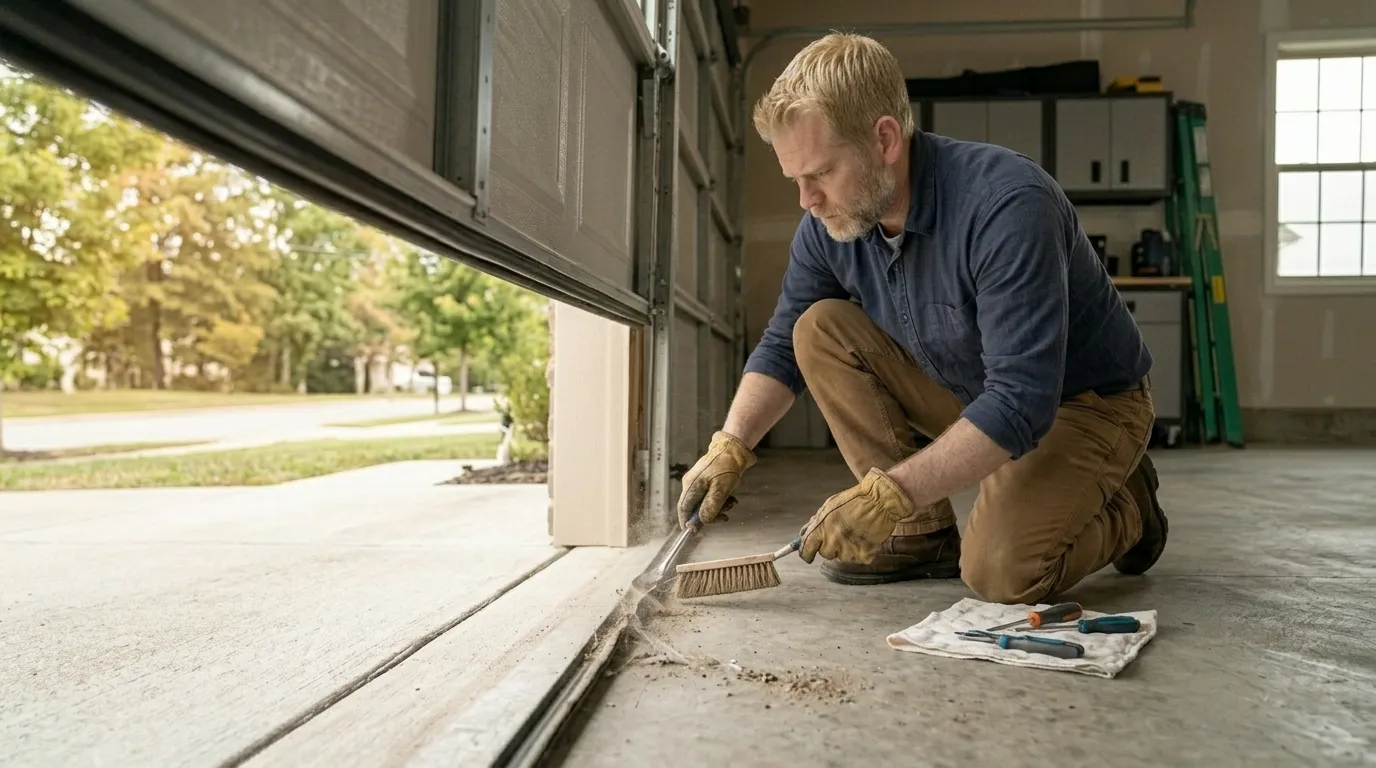
Third: a door that's noisy but still working - grinding rollers, a track that's pulled slightly away from the frame, or a cable that's starting to fray. These are the calls where waiting costs you, because a fraying cable or a loosening track bracket is heading toward the same dead-stop failure as the spring, just on a slower timeline. Catching it while the door still runs is cheaper than catching it after.
The Cost of This Job
We're not going to quote a number here that doesn't hold up once we see your actual door, spring size, and opener model - that's the kind of made-up figure that annoys homeowners more than it helps them. What we can tell you is what drives the cost: whether it's a single spring or a matched pair on a double door, whether the opener needs a board or a full replacement, and whether the track or drum needs work along with the spring.
Orlando's median household income sits around $82,107, and across the service area there are roughly 218,978 households, with about 94,658 of those owner-occupied houses - the kind of housing stock where a repair usually makes more sense than a full door replacement, since the frame and track are often still sound even when the spring or opener has failed.
One honest limitation: if your door is old enough that the track is bent, the panels are rusted through, or the opener is a model nobody makes parts for anymore, we'll tell you replacement is the better use of your money instead of stacking repairs on a door that's done.
How it works
From “it’s stuck” to “it’s fixed”
1
Tell us what’s wrong
Describe the symptom - won’t open, loud bang, opener runs but the door won’t move.
2
On-site diagnosis
A technician tests the door under power and by hand and finds what actually failed.
3
Clear, up-front plan
You get the fix that’s needed and what drives the cost - before any work starts.
4
Repaired & tested
The repair is done, the door is set true and tested, and the work area left clean.
Serving Orlando, FL - tell us what your door’s doing and we’ll take it from there.
Why did my garage door spring break with no warning?
Torsion springs fail by cycle count, not by age on the calendar. A spring installed when the house was built in the 1980s or 90s has had decades of daily openings to wear down, and it typically snaps all at once rather than gradually weakening. There's rarely a warning sign right before it goes.
Does Orlando's humidity affect garage door parts?
Yes. The daily humidity swings here dry out factory lubricant on rollers, hinges, and tracks faster than a drier climate would, which is part of why older doors in the area get noisy and stiff even without a hard winter to blame it on.
Do you serve areas outside central Orlando?
We work across the broader Orlando service area, including communities like Lake Nona, Hunters Creek, Williamsburg, St. Cloud, and Storey Park among others. If you're unsure whether your area is covered, call and ask.
Should I repair or replace my garage door?
If the track is bent, panels are rusted through, or the opener model is old enough that parts aren't made anymore, replacement usually makes more sense than continuing to repair. For most doors on typical 1980s-90s Orlando housing stock, the frame and track are still sound, so repair is the better value.