What the Weather Here Does to It
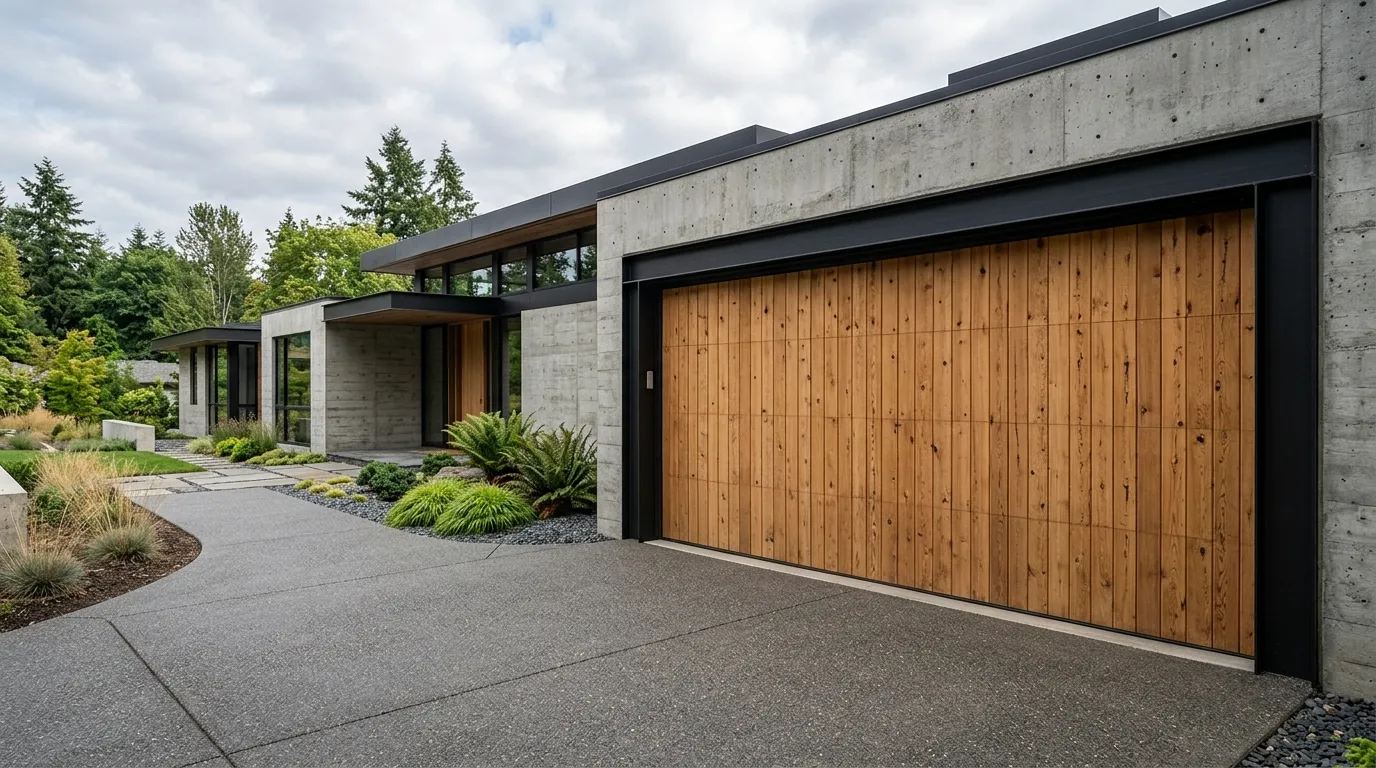
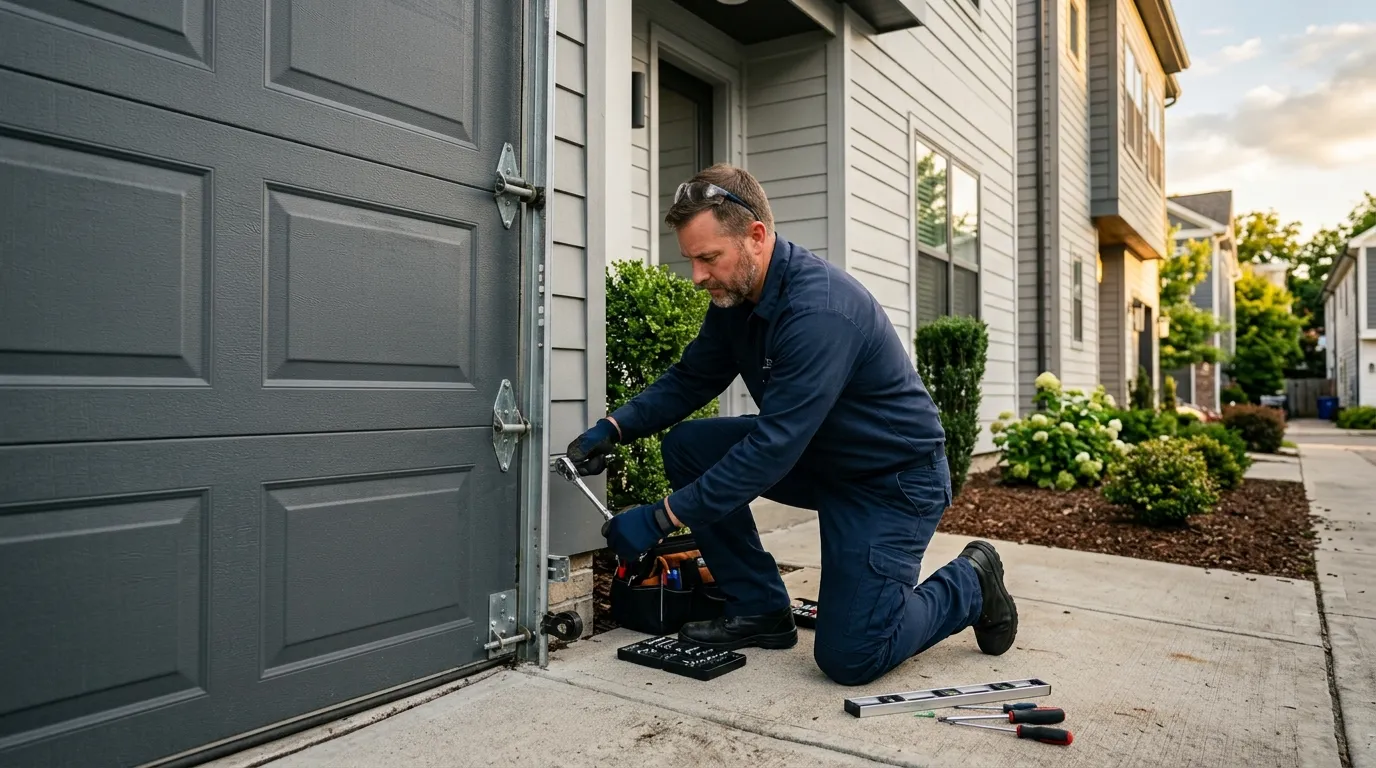
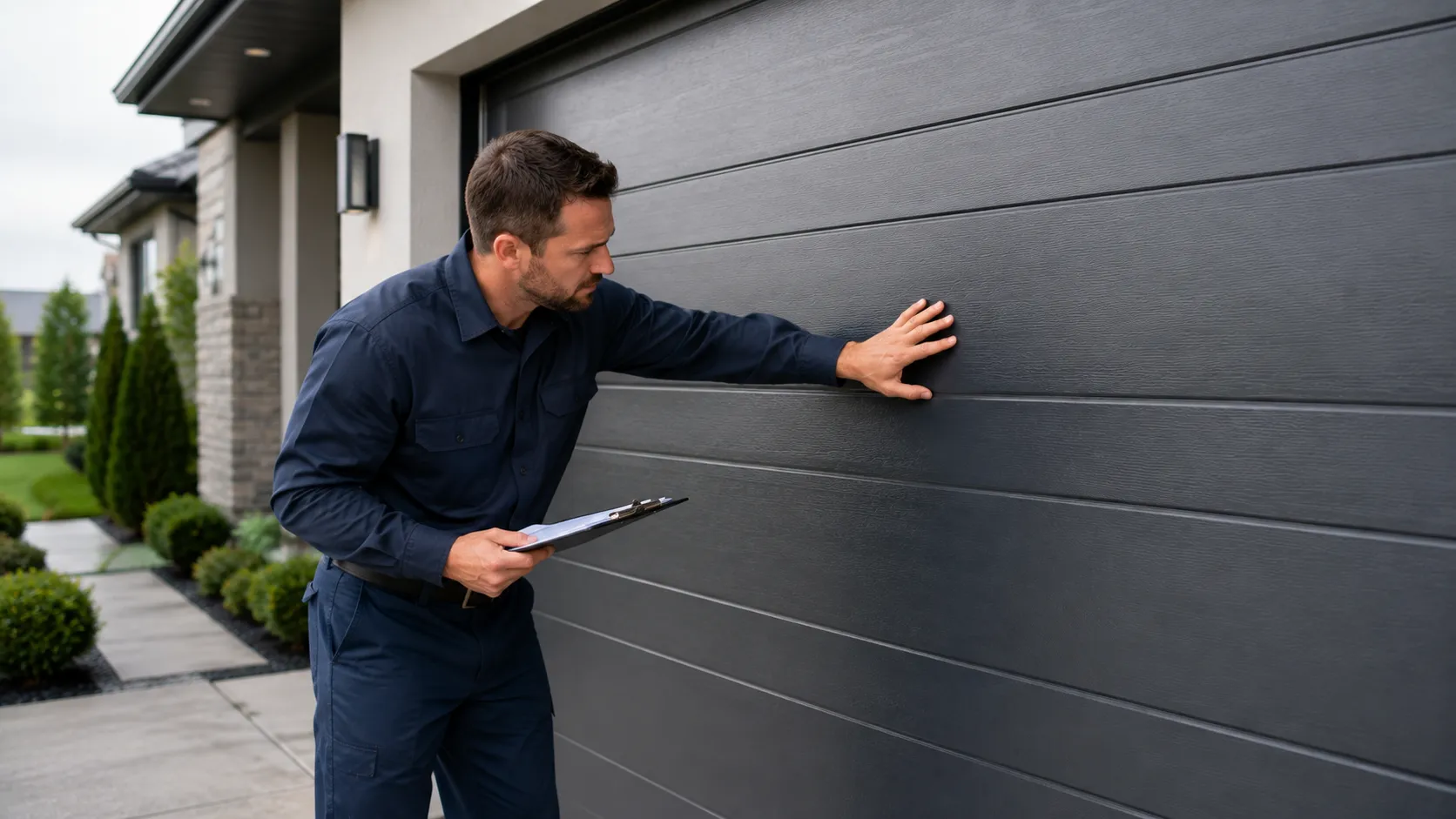
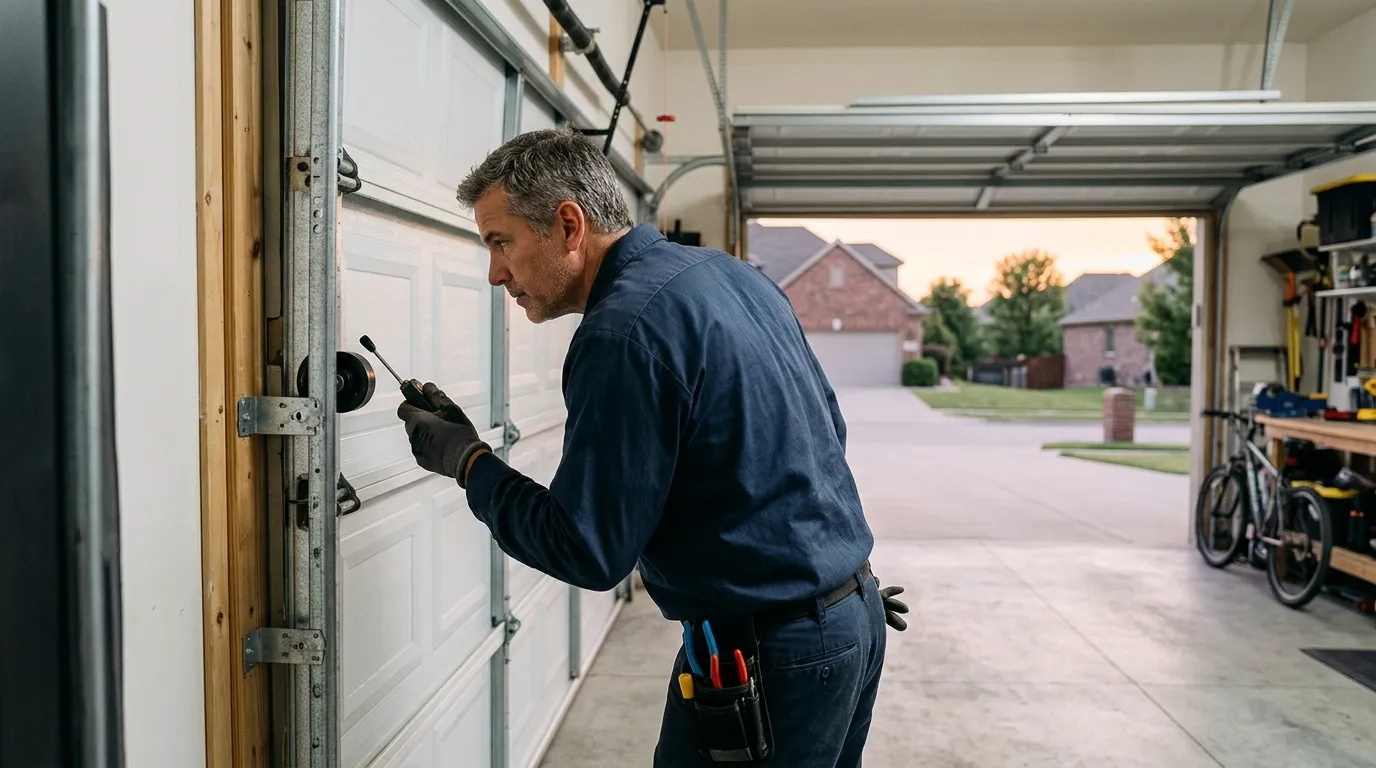
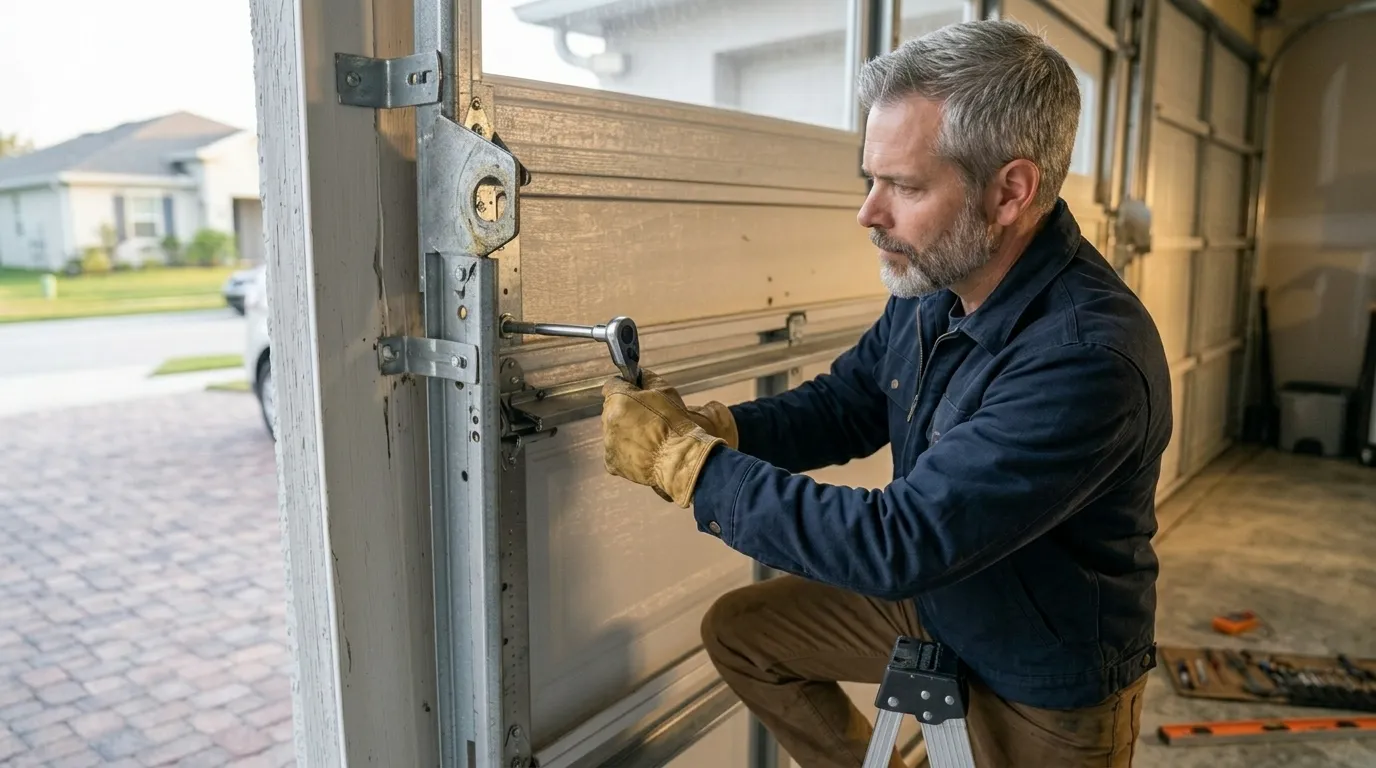
This is a mild temperate climate, not a freeze-thaw one, so we're not chasing cracked concrete aprons or ice-jammed tracks the way a colder-region company would. What we do see is humidity and heat working on rubber and lubrication over years - weatherstripping that dries and splits, nylon rollers that get brittle, and opener lubricant that gums up faster than the manual suggests. A service call in this area includes checking the bottom seal and looking at roller wear, because those are the parts that fail quietest here. We don't recommend galvanized hardware upgrades as a blanket fix, since corrosion from road salt isn't the driver in this climate the way it is up north - that would be a solution to a problem this area doesn't really have. What does show up: sun exposure on south-facing doors, especially in the newer construction spreading through Storey Park and Vista Park, warping thin steel skins over time if the door wasn't insulated.
The Situation
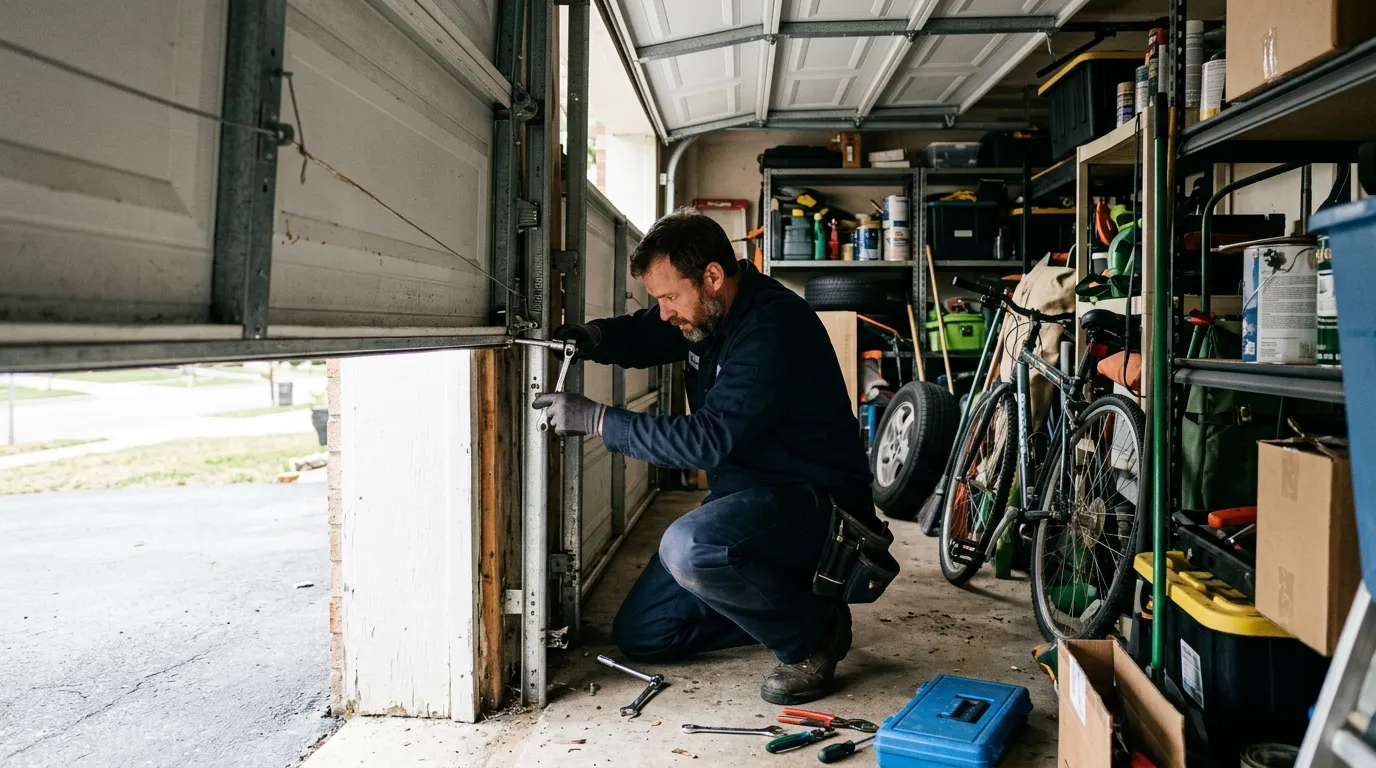
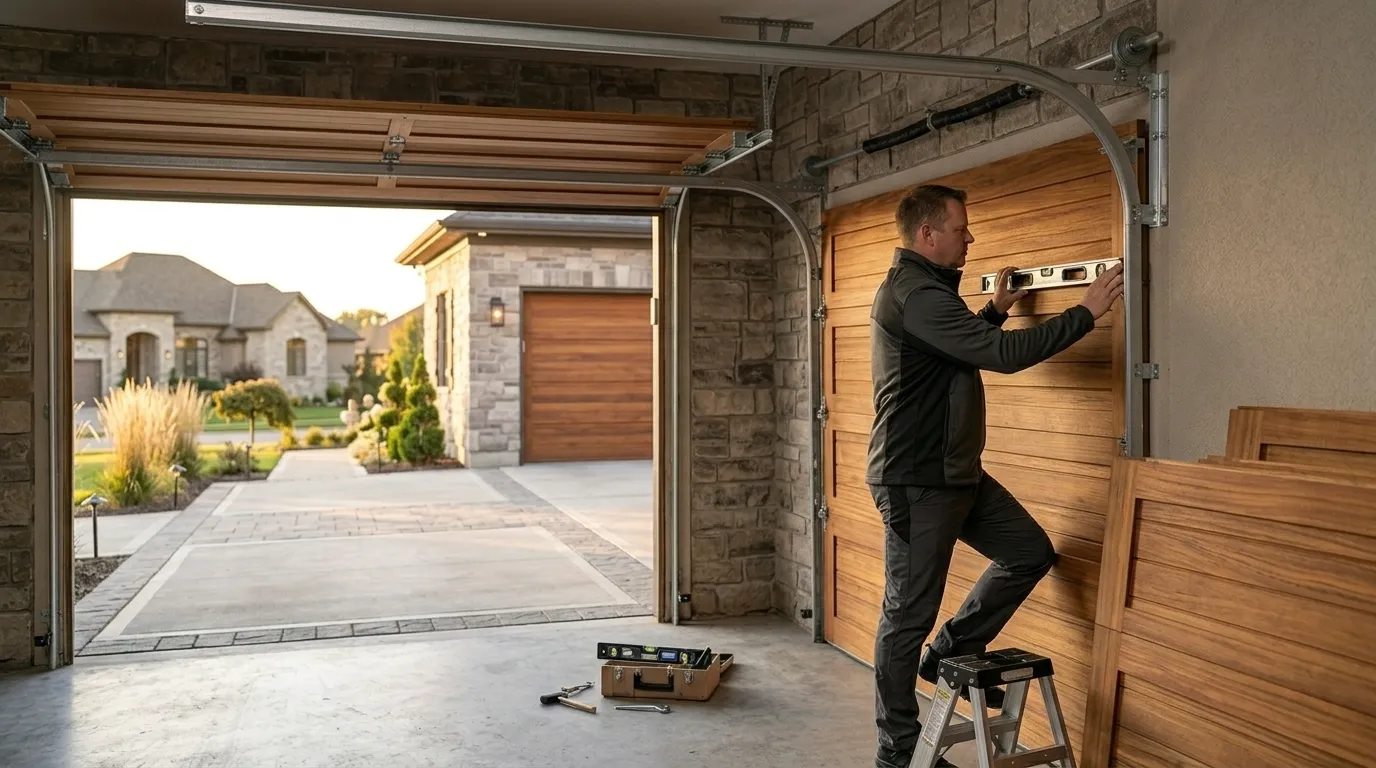
Most calls in this service area fall into one of two buckets. First is the older stock - homes from the 1980s and 90s clustered through Meadow Woods, Belle Isle, Conway, and Pine Castle - where the original springs and openers are simply at end of life. Second is newer construction closer in, around Lake Nona Estates, Lake Nona Central, and Southeast Orlando, where the doors are younger but sometimes installed with builder-grade openers that weren't sized right for insulated panels. A service call has to identify which bucket you're in, because the fix looks different: replace worn parts on an otherwise sound older door, or correct a mismatch on a newer one. We also see households with two-car garages doing double duty as storage or workspace, which puts more cycles on the opener than the door was speced for - worth mentioning during the call even if it's not why you called.