Booking
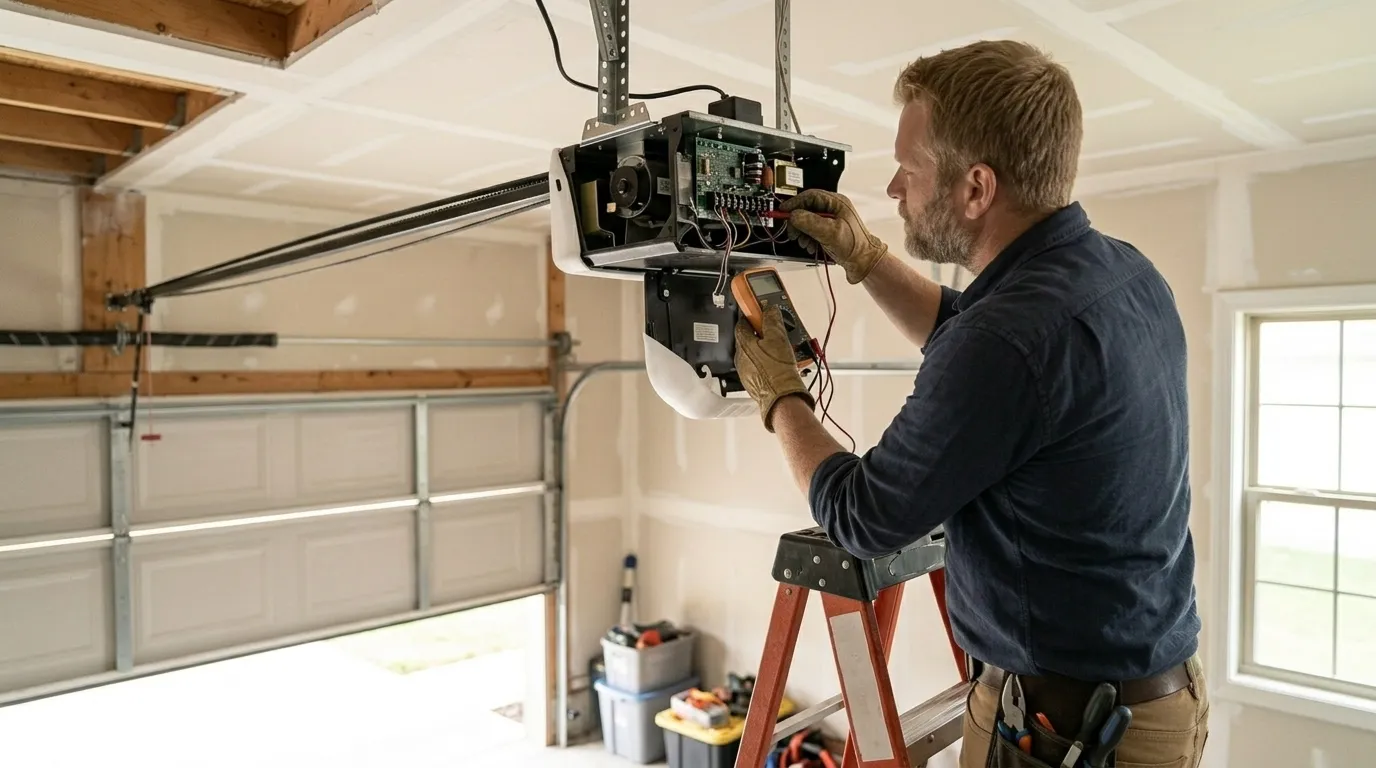
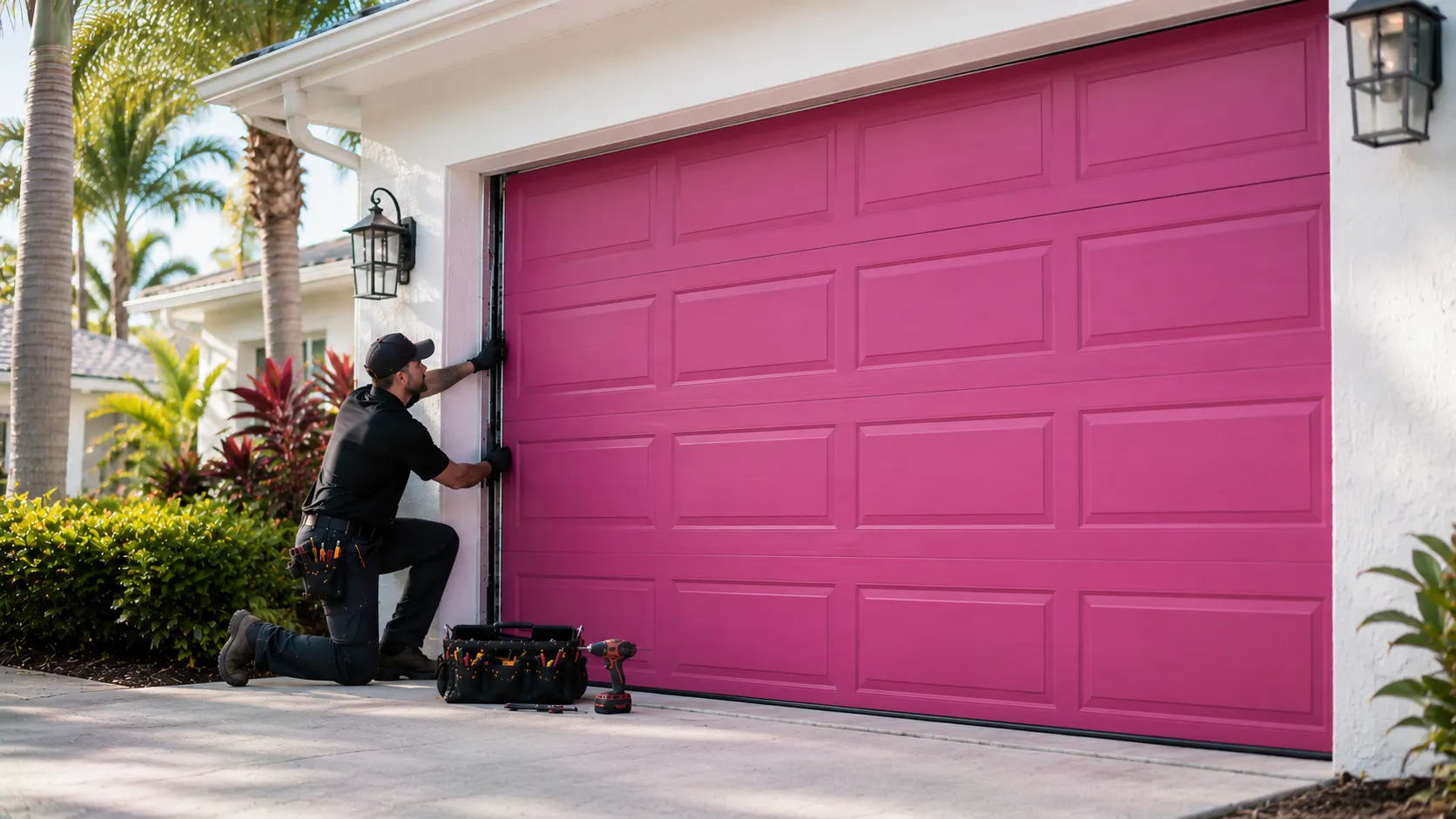
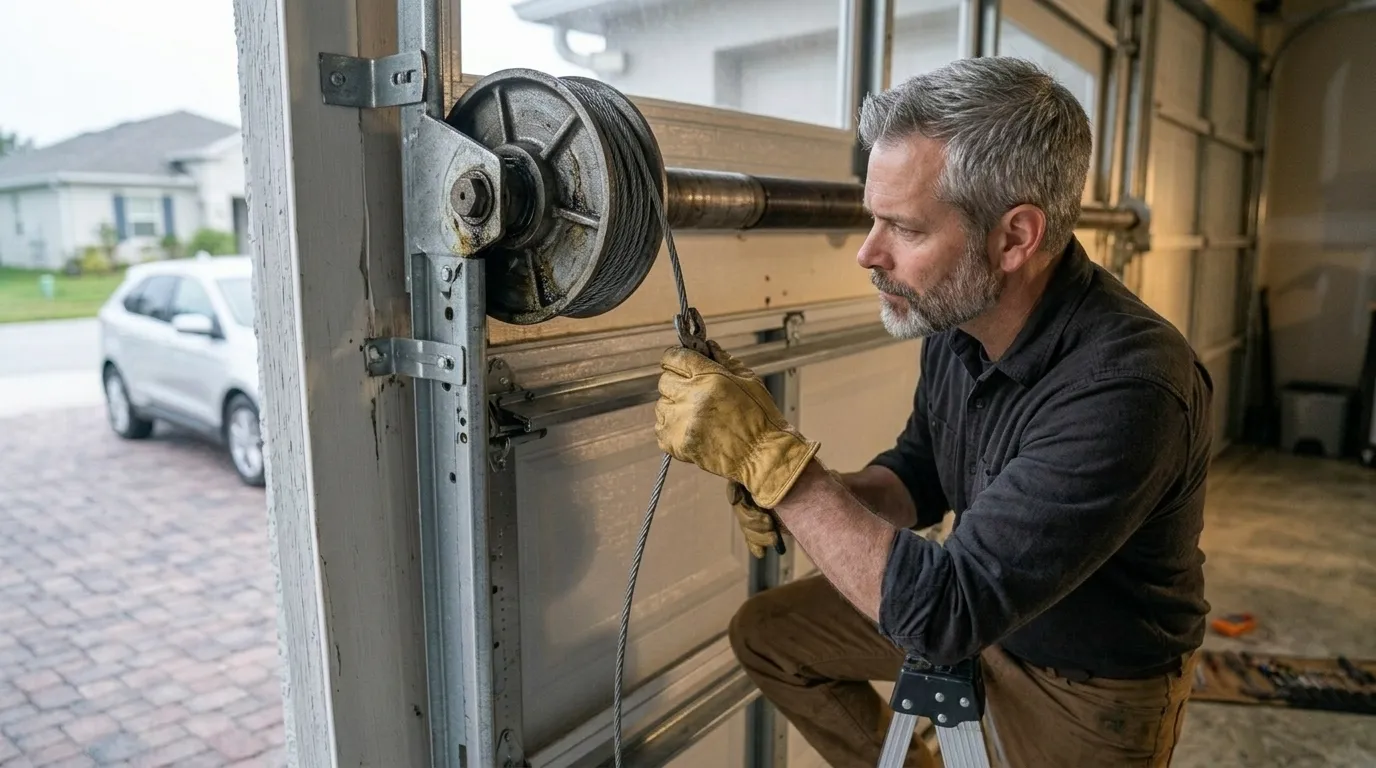
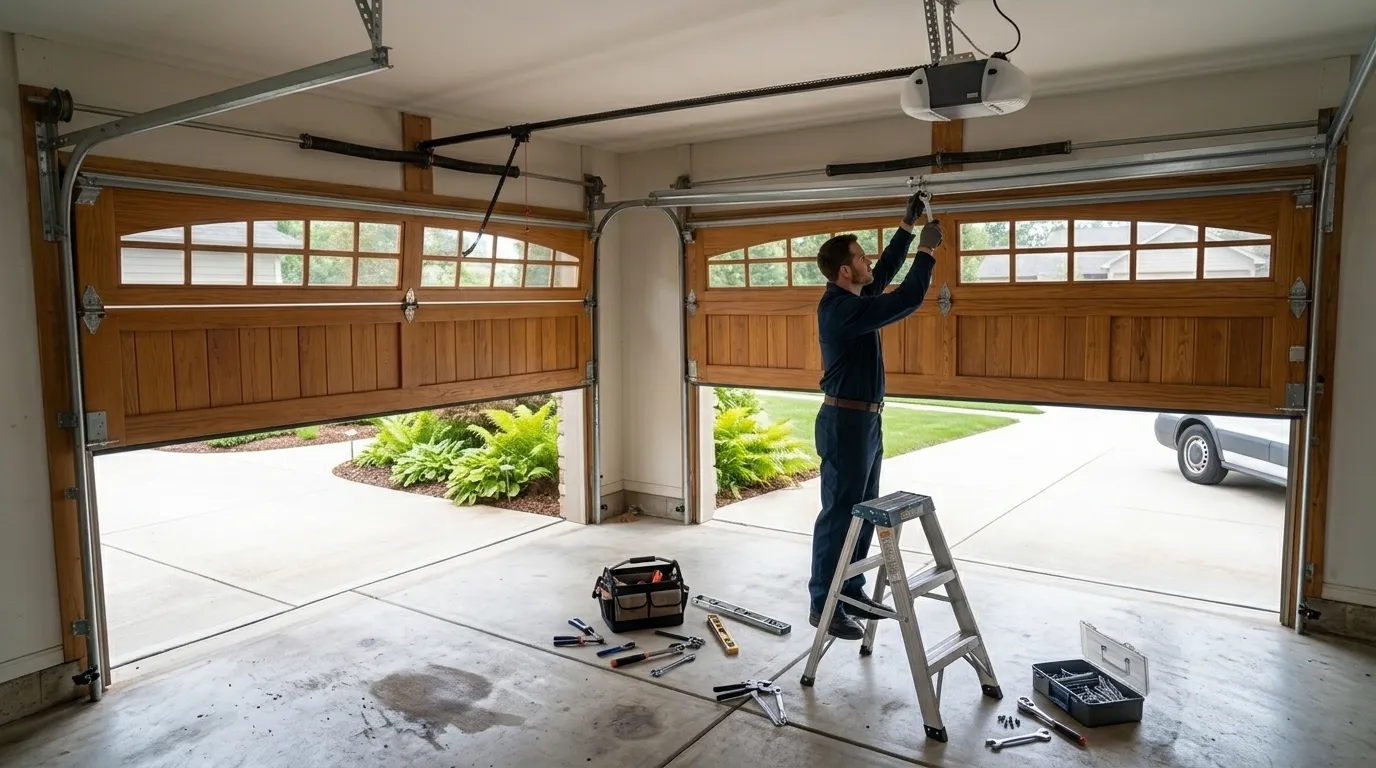
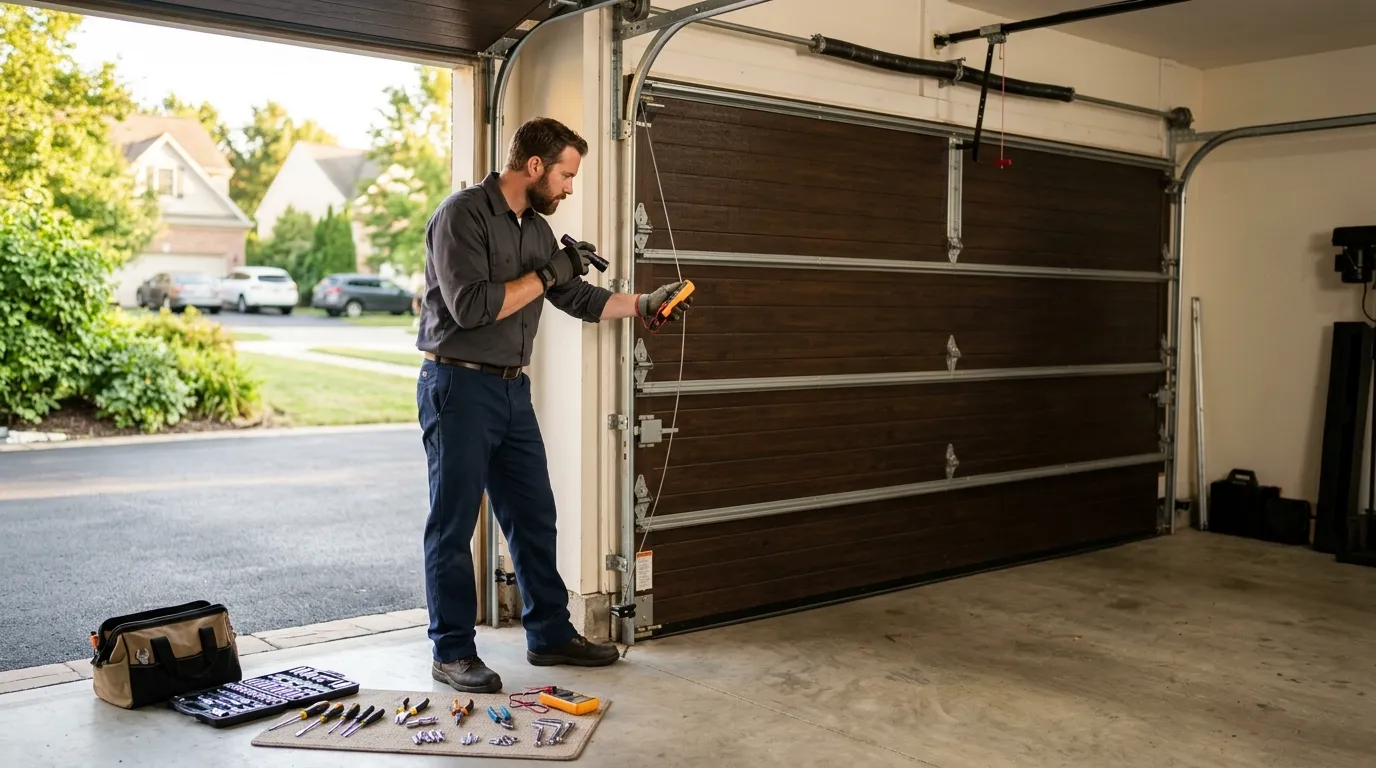
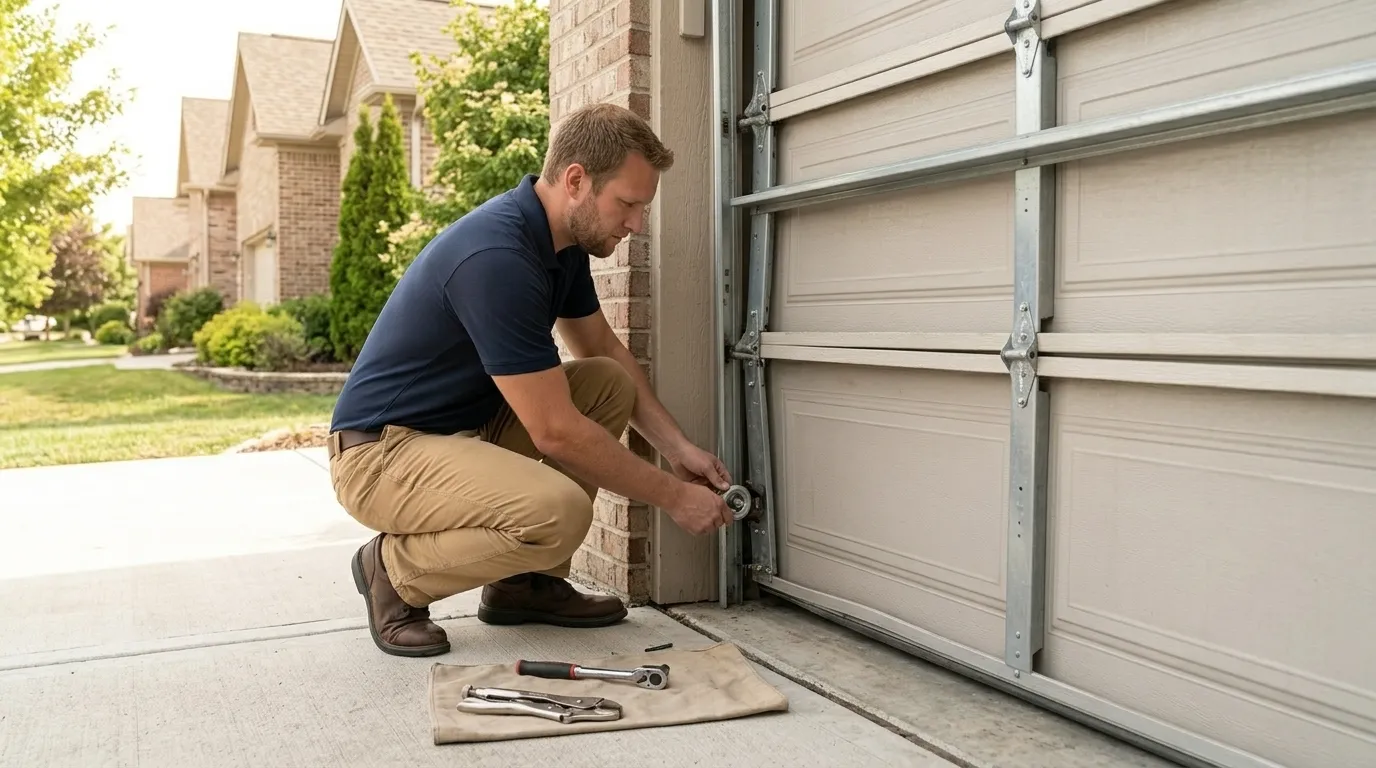
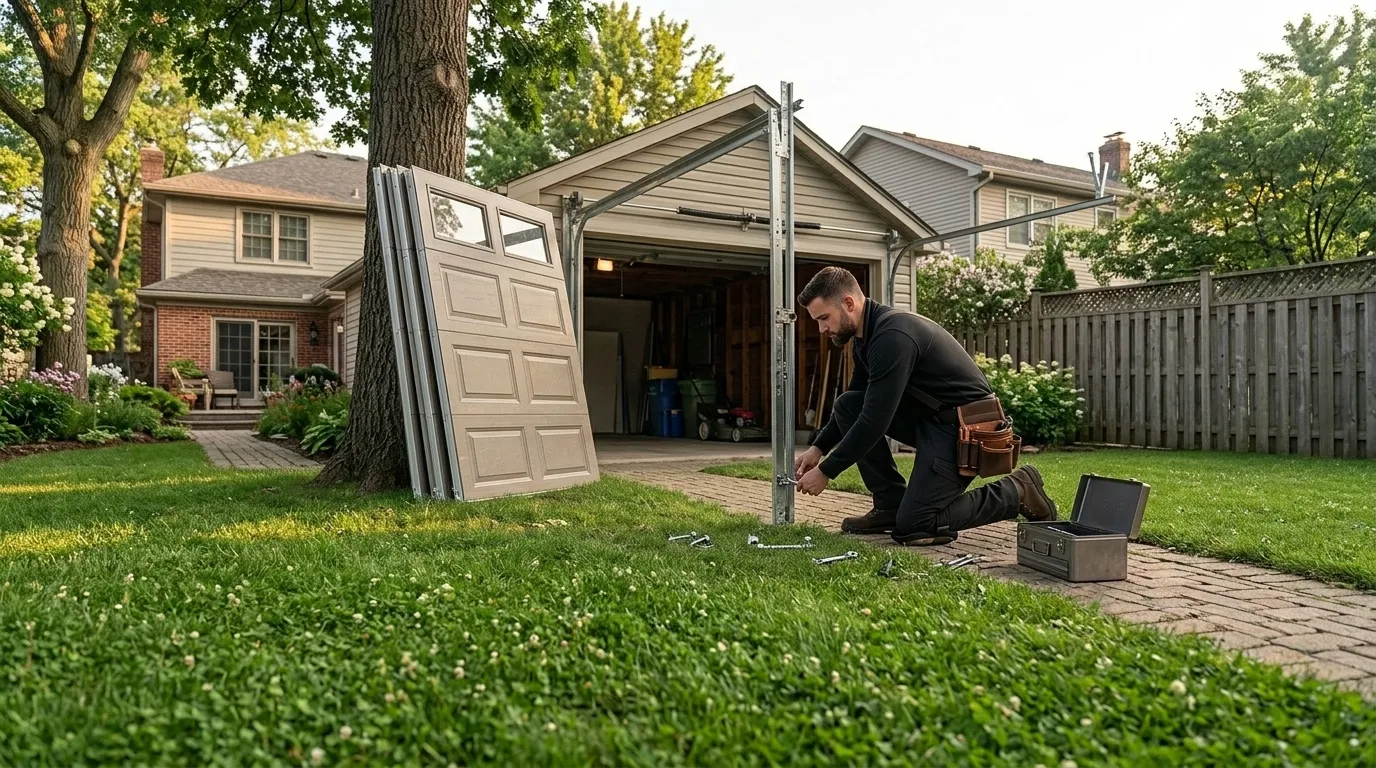
Booking a job here works the same as anywhere else in the service area - a call, a look at the door, a number before anything comes off the wall. We don't have a posted response window or a price sheet to quote you here, so we won't invent one. What we can tell you is that a torsion spring swap or an opener install is usually a same-visit job once we're on site with the right parts.
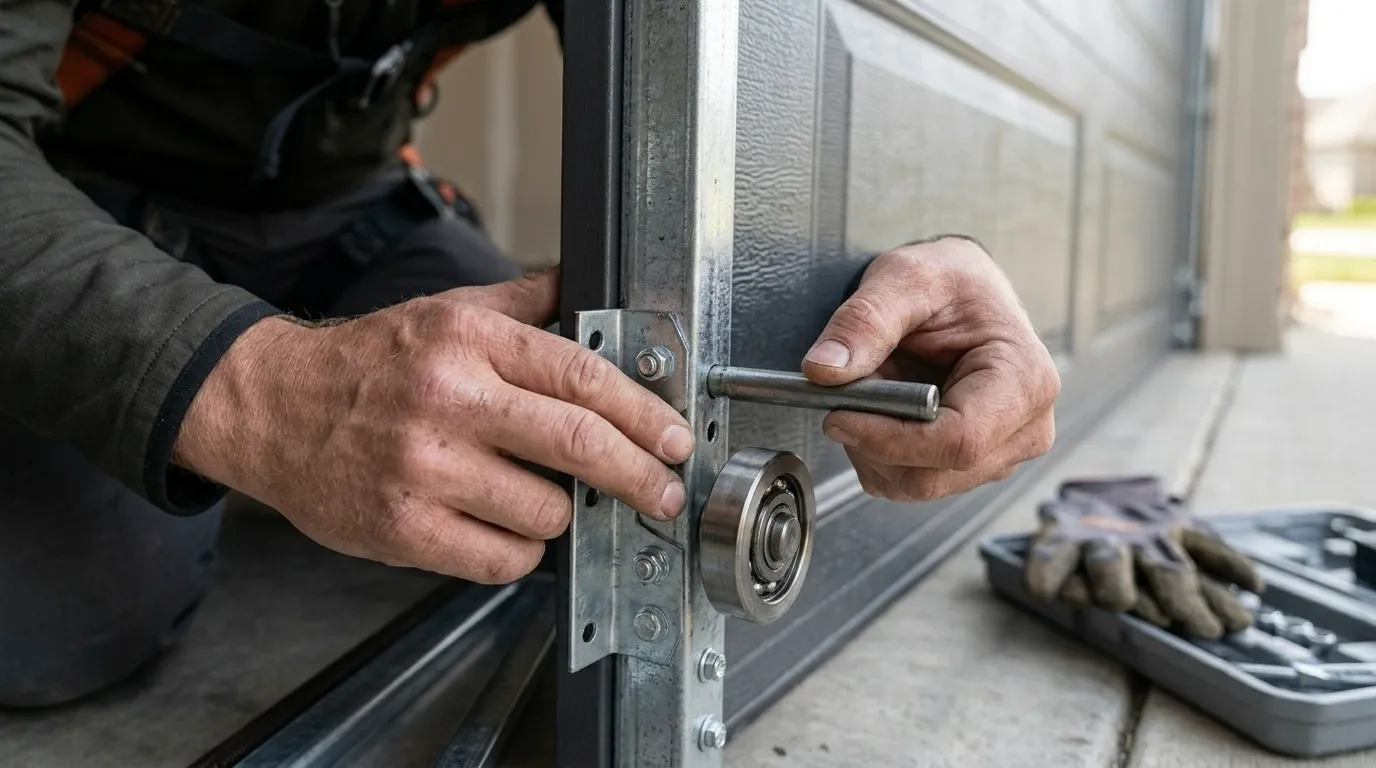
One honest limit: if your opener or spring is an odd size that isn't something we carry on the truck, we may need a day or two to get the part in, and we'll tell you that up front rather than stringing you along. That's more common on older doors than newer ones, which matters given how much of this area's housing predates the current parts catalog.
If you want to get a job on the books, start at our site: /.
Houses on These Streets
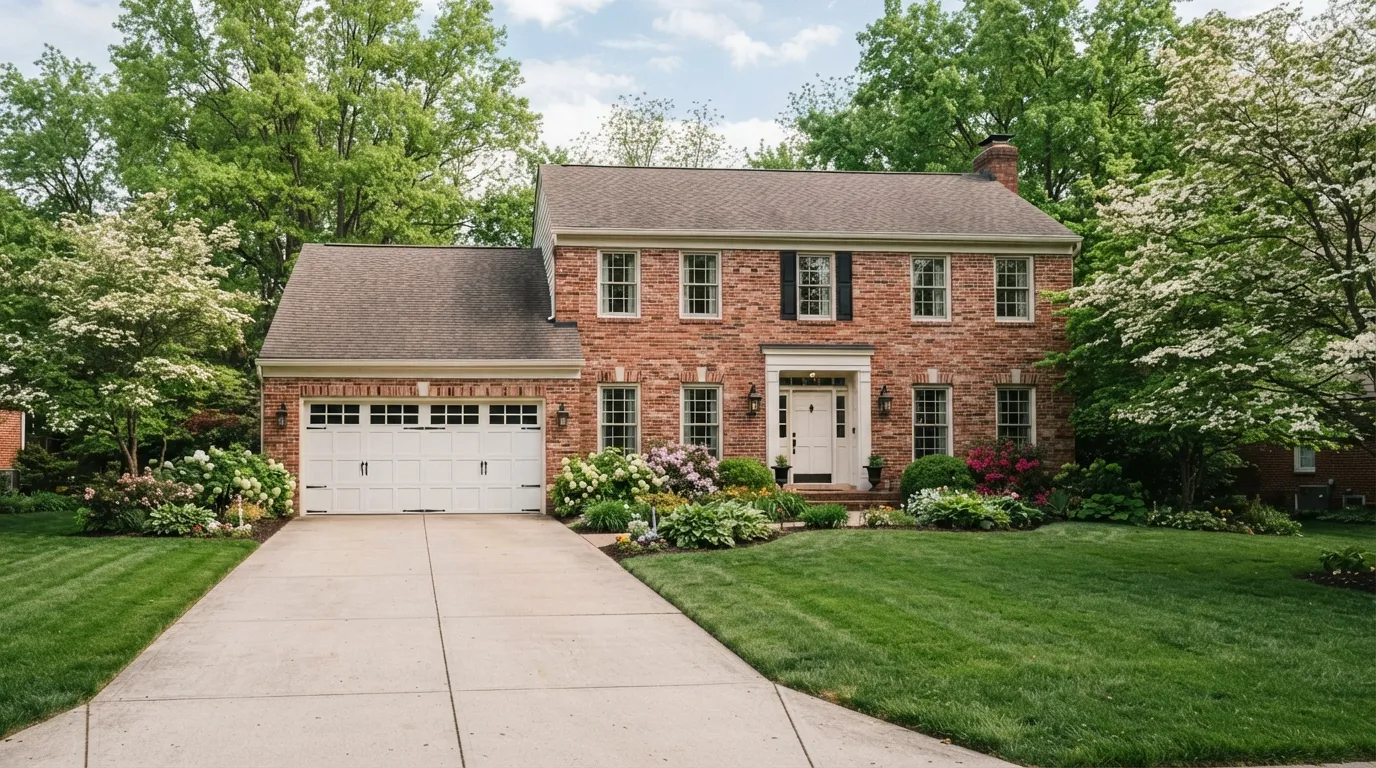
The service area's housing runs from 1964 through 2021, with a median build year of 1987, and most of the stock across the 39 named areas we track dates to the 1980s and 90s. That's the range Engelwood Park most likely falls into - a garage built when steel doors on extension springs were standard, before torsion conversions and insulated panels became the norm.
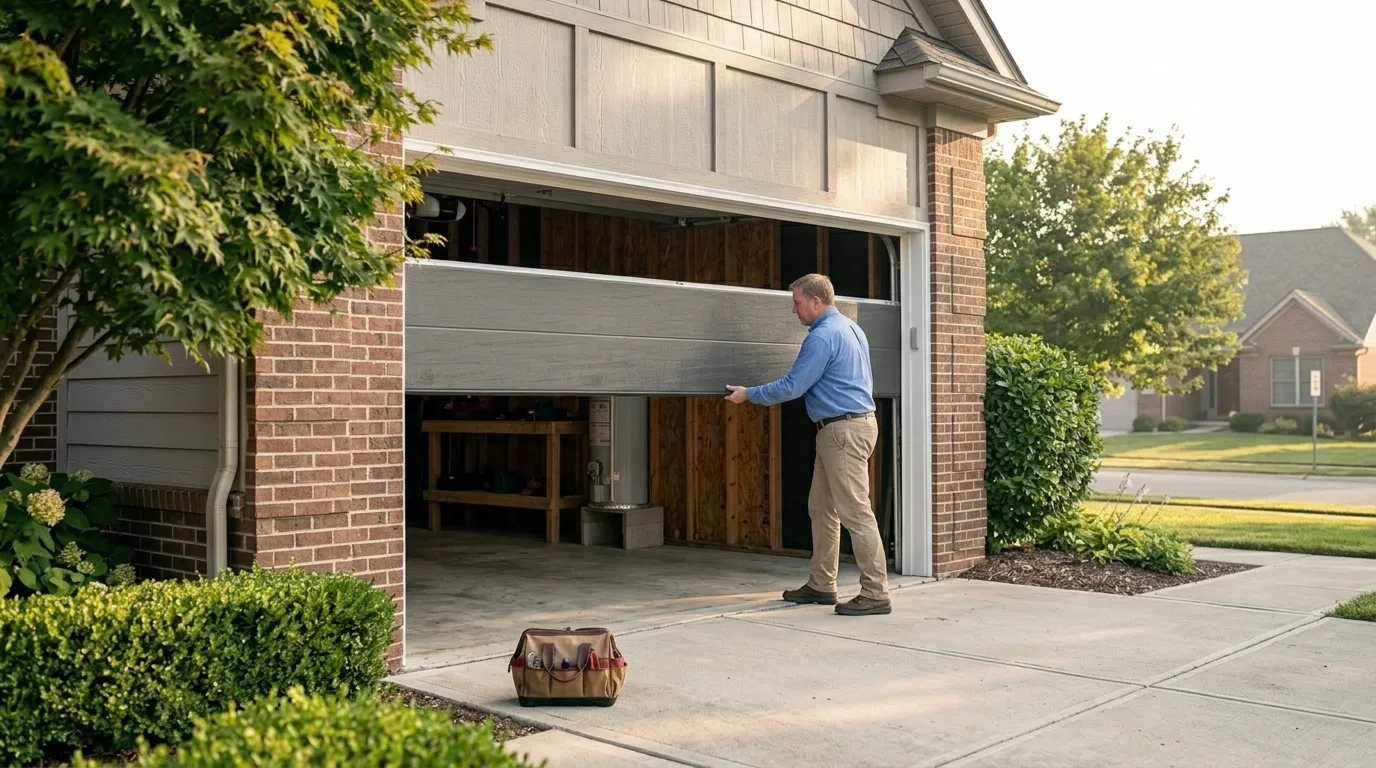
What that means on a service call: springs original to an 80s or 90s install are well past their rated cycle count by now, and the openers from that era are chain-drive units that grind louder every year until they don't turn at all. We see a lot of both out this way.
The climate here is mild temperate, so we're not fighting frost-heave on tracks or ice-locked rollers the way a colder-climate crew would. Sun and humidity are the wear factors - they dry out weatherstripping and warp panels over time more than they crack hardware outright. That's a slower failure, which is part of why doors in this vintage bracket tend to limp along until a spring finally lets go.