Garage Door Service for Orlando Homes, Not a Generic Truck Roll
Serving Orlando homes built 1964-2021, from Lake Nona out to St. Cloud and Winter Park. We fix what the heat and humidity do to springs, rollers, and openers here.
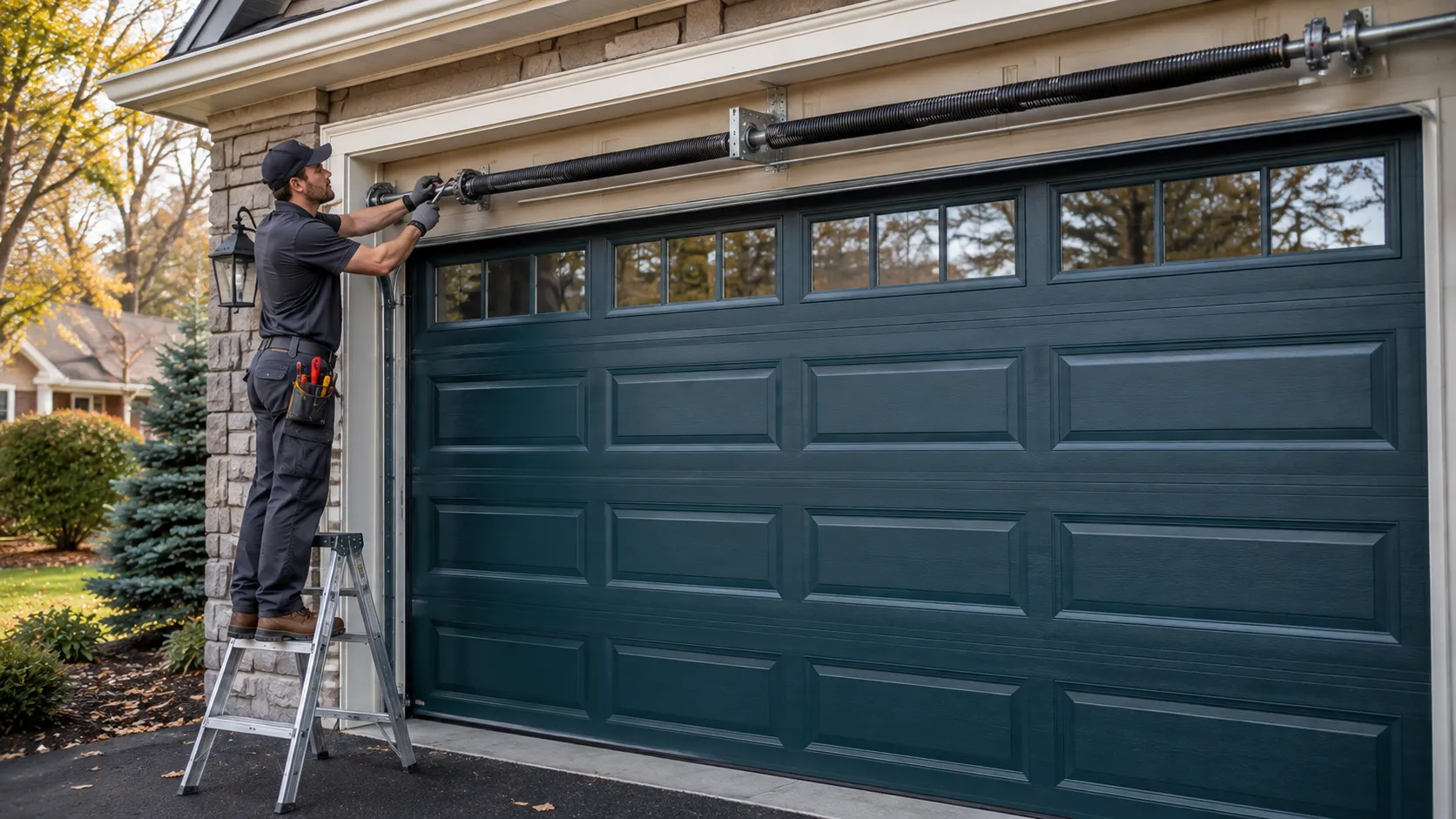
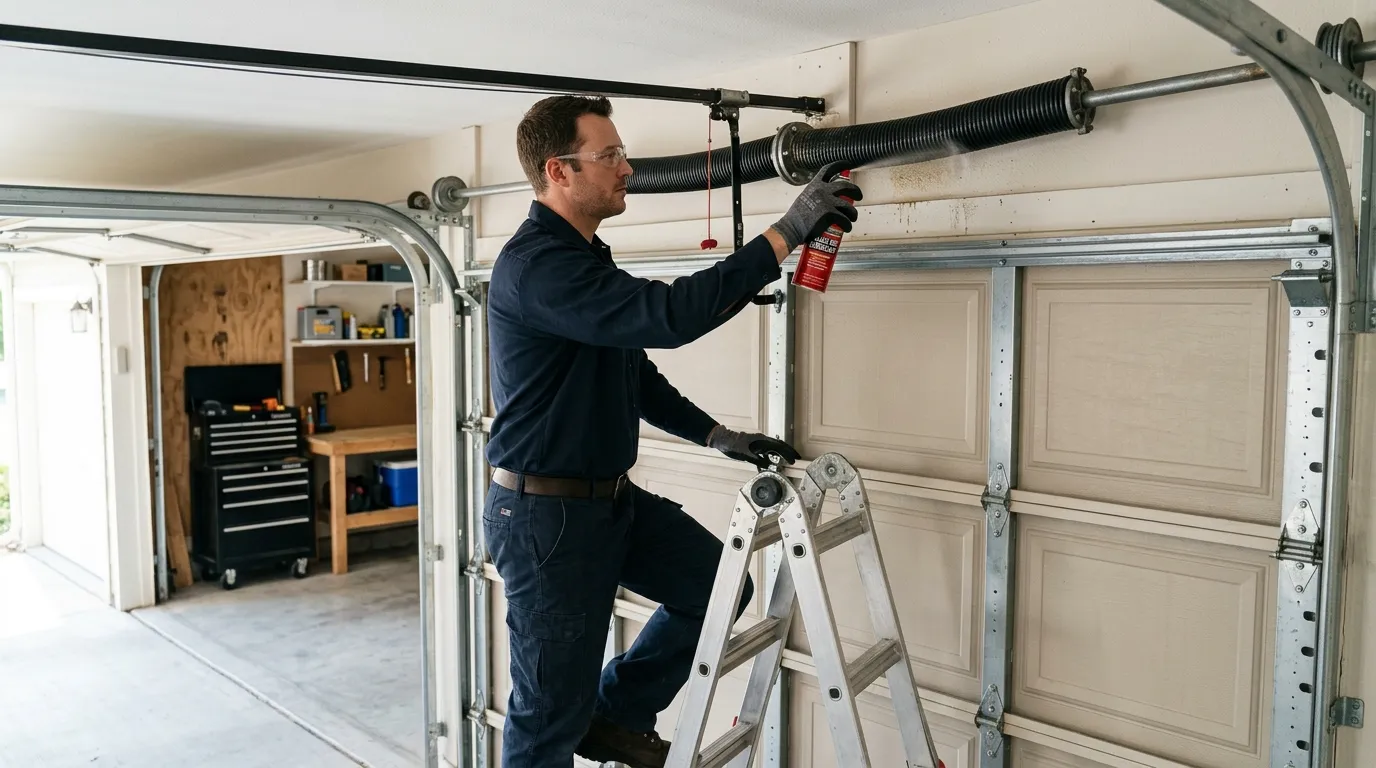
Most of the houses around here went up between 1964 and 2021, with the typical home dating to 1987, so a lot of original torsion springs and rollers are pushing past their rated cycle count without anyone noticing until the day the door won't lift. That's the housing side of it. The climate side is the part people miss: Orlando sits in a mild, temperate band, so you don't get the freeze-thaw cracking that wrecks concrete and metal up north, but you do get year-round humidity that never really lets up. Humidity does its own kind of damage - it eats the galvanized coating off springs and hinges, gums up lubricant into a paste that grabs instead of glides, and lets surface rust start on track bolts that would stay clean in a drier state. On a torsion spring from the late 80s or early 90s stock that's common across this area, that rust concentrates stress right where the coil already wants to fail. The door doesn't announce this. It just gets a little louder, a little slower, and then one morning it doesn't move. That's the failure mode we see most on service calls out here - not a dramatic break, but a slow give-out that humidity sped along.
Booking a Visit
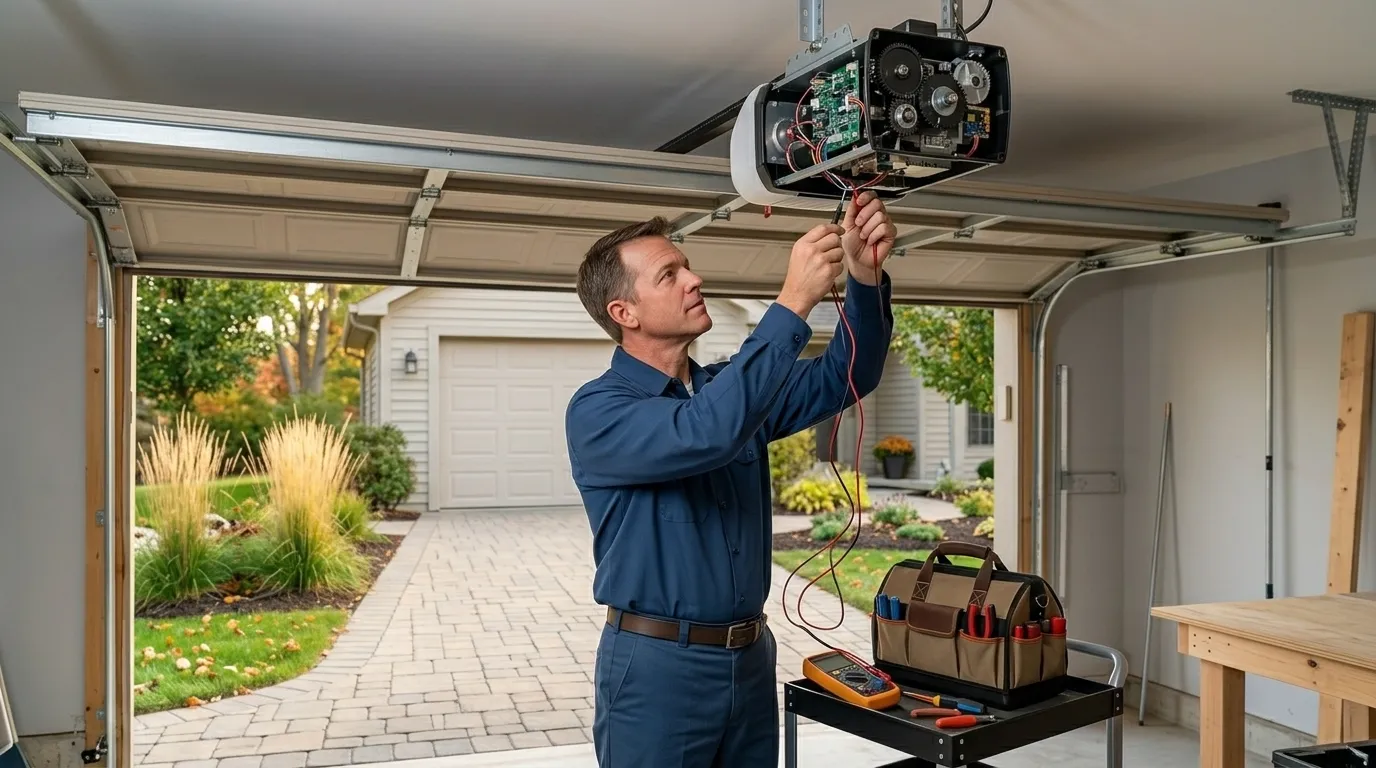
We work out of the Lake Nona side of Orlando, so the closest calls for us are Lake Nona Estates, Lake Nona Central, Southeast Orlando, and Storey Park, all within a couple miles. From there we run out through Meadow Woods, Belle Isle, Conway, Pine Castle, Southchase, and Edgewood, and further out to Hunters Creek, Williamsburg, St. Cloud, University, and Winter Park. If you're in one of the 39 named areas we cover, the distance from our base doesn't change how we diagnose the job - it changes how soon we can get there. When you call, tell us what the door is doing right now: does it reverse partway up, does it drift down after it looks closed, is there a bang from the spring area. That detail decides whether we bring a spring kit or an opener board on the first trip instead of guessing.
How It Shows Up
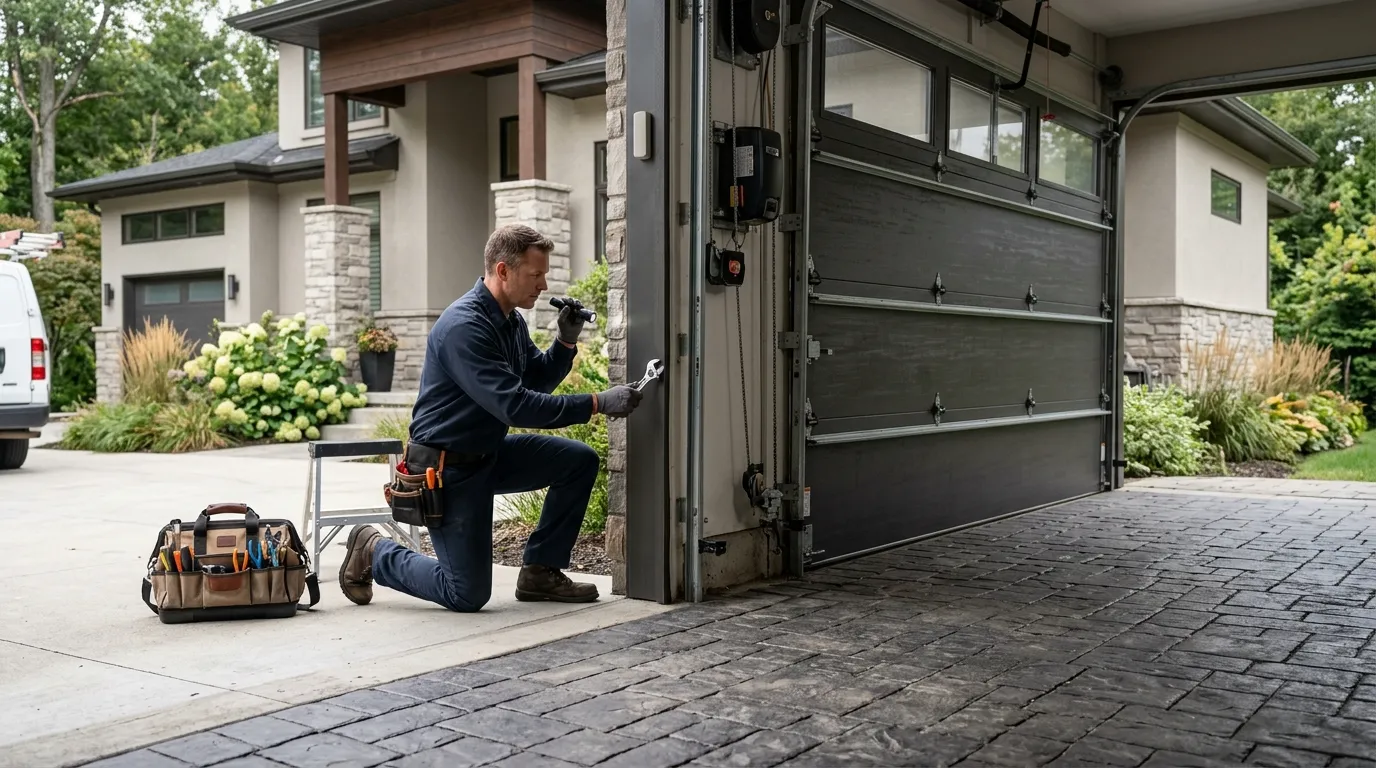
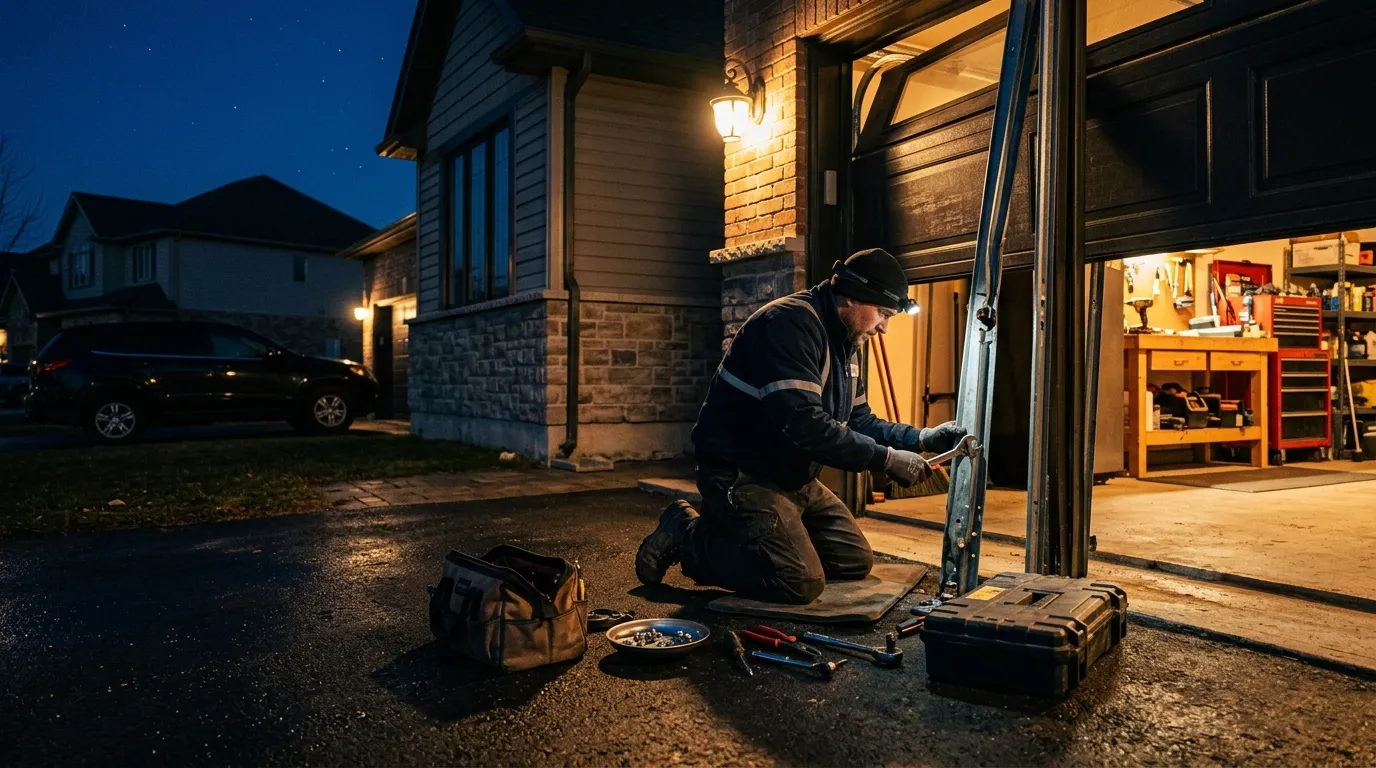
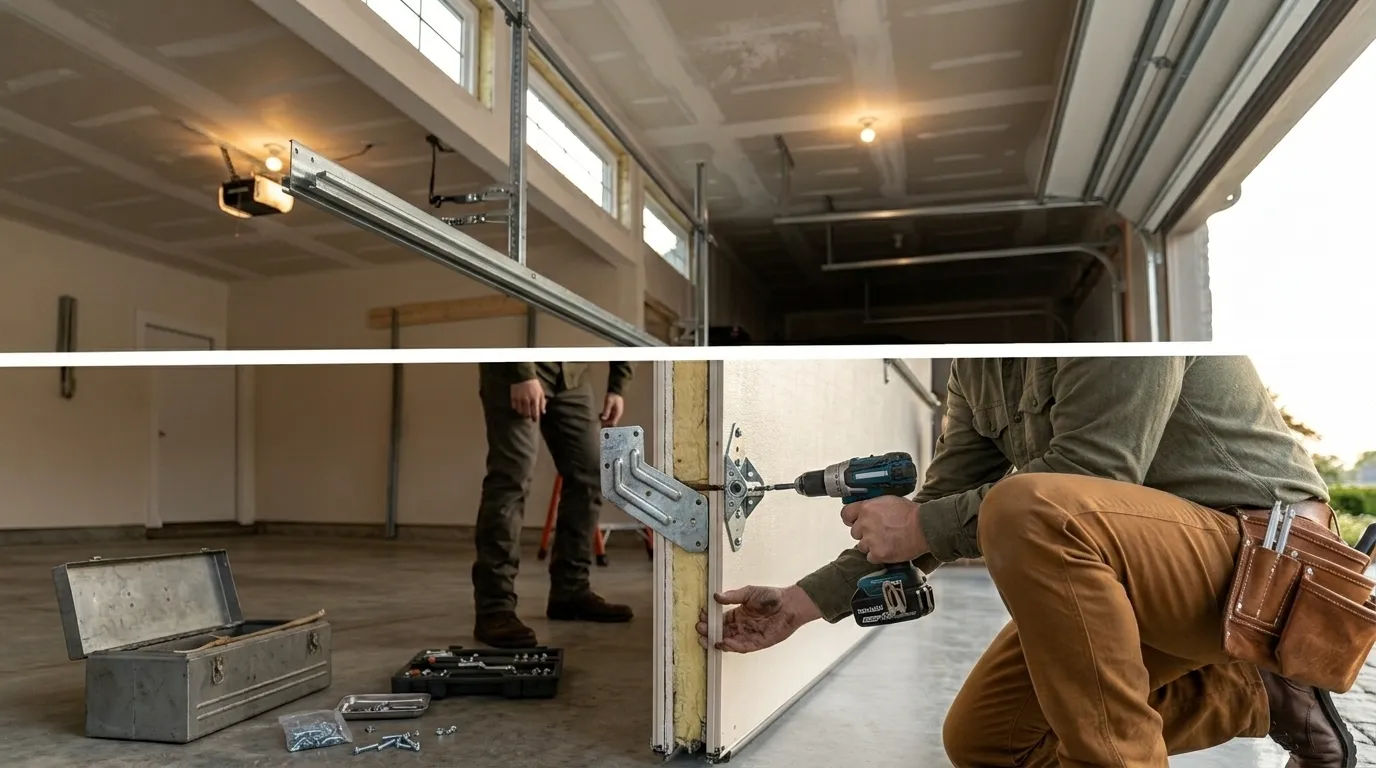
On a torsion spring nearing the end of its life, you'll usually hear it before you see it - a metallic pop or bang from above the door, sometimes loud enough to sound like something fell. After that the door gets heavy fast; an opener that used to lift it in three seconds now strains, and the safety reversal kicks in because the opener senses resistance it wasn't built to fight. On rollers, the tell is noise that changes with the seasons - quieter in a dry stretch, gritty and squealing after a run of humid weeks, because moisture is working into the roller stem faster than the track's been lubricated. Some owners notice the door sitting slightly crooked in the frame, one side lower than the other, which usually means one spring or cable is carrying more load than its twin. None of these are emergencies the first day. They are all warnings that the part is on a schedule, and the schedule is shorter here than it would be in a dry, cold climate where rust isn't part of the equation.
The Cost of This Job
We're not going to put a number here that isn't in front of your actual door - spring gauge, door weight, and how far gone the rust is all move the price, and quoting blind does nobody any favors. What we can tell you is what drives the cost up or down. A single spring replaced before it snaps and takes a cable with it is a smaller job than a full torsion system replaced after a failure damages the track or the opener's drive gear. With a median household income of $82,107 across this service area, most owners we talk to choose to replace both springs on a double door at the same time rather than pay for a second visit in a year or two when the matched spring gives out. One honest limit: if a specific spring size or an older opener control board is on backorder, we'll tell you that up front rather than promise a same-day fix we can't keep.
How it works
From “it’s stuck” to “it’s fixed”
1
Tell us what’s wrong
Describe the symptom - won’t open, loud bang, opener runs but the door won’t move.
2
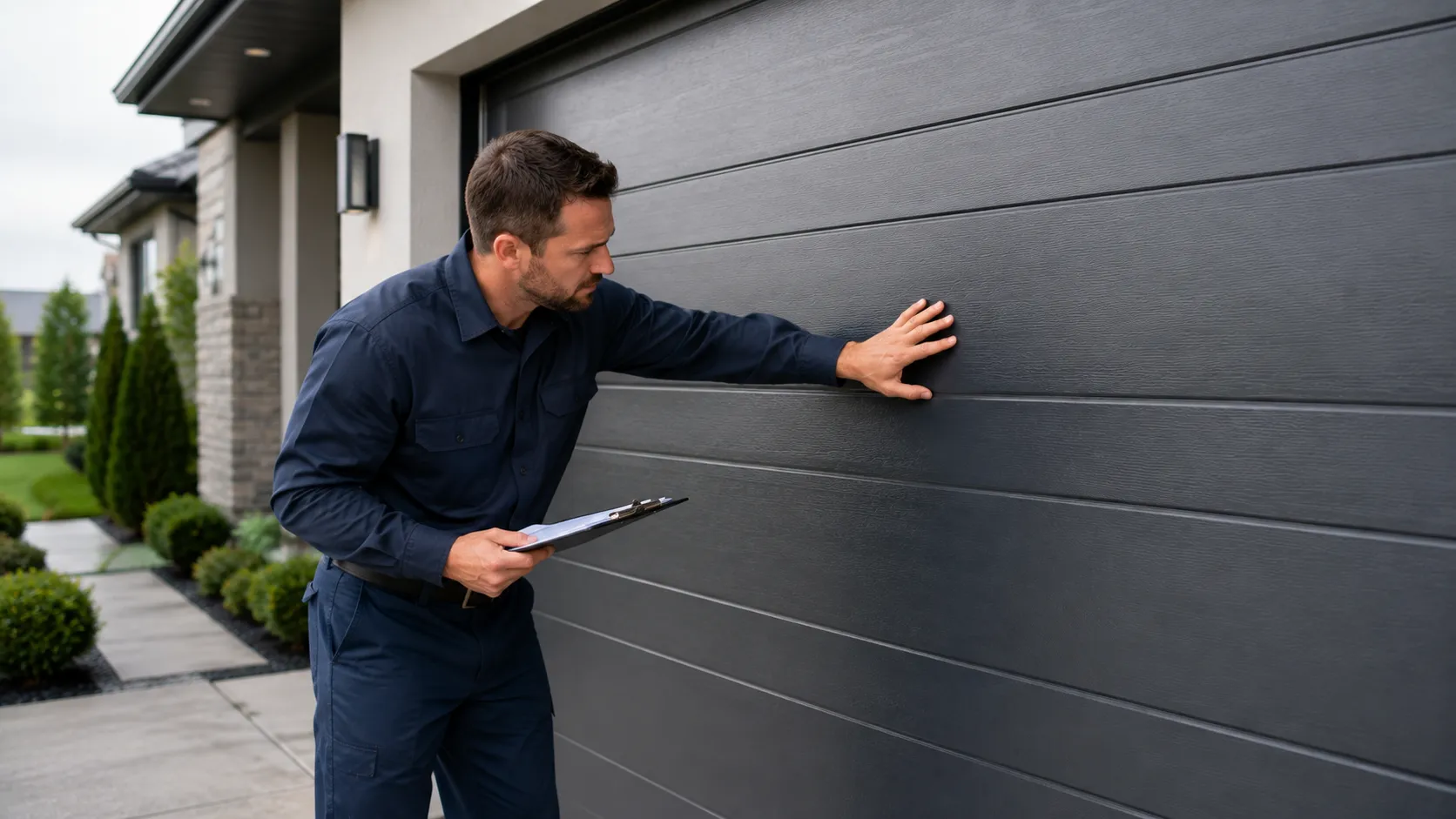
On-site diagnosis
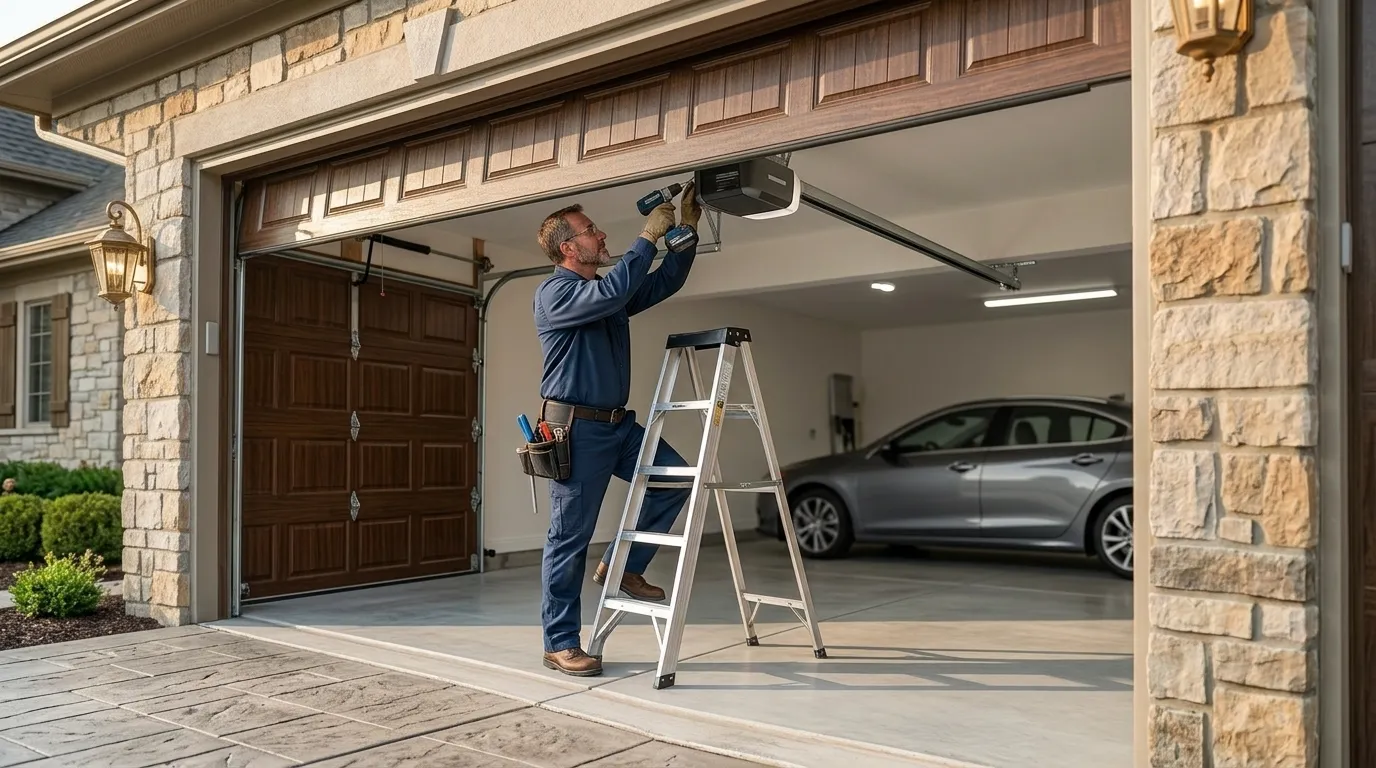
A technician tests the door under power and by hand and finds what actually failed.
3
Clear, up-front plan
You get the fix that’s needed and what drives the cost - before any work starts.
4
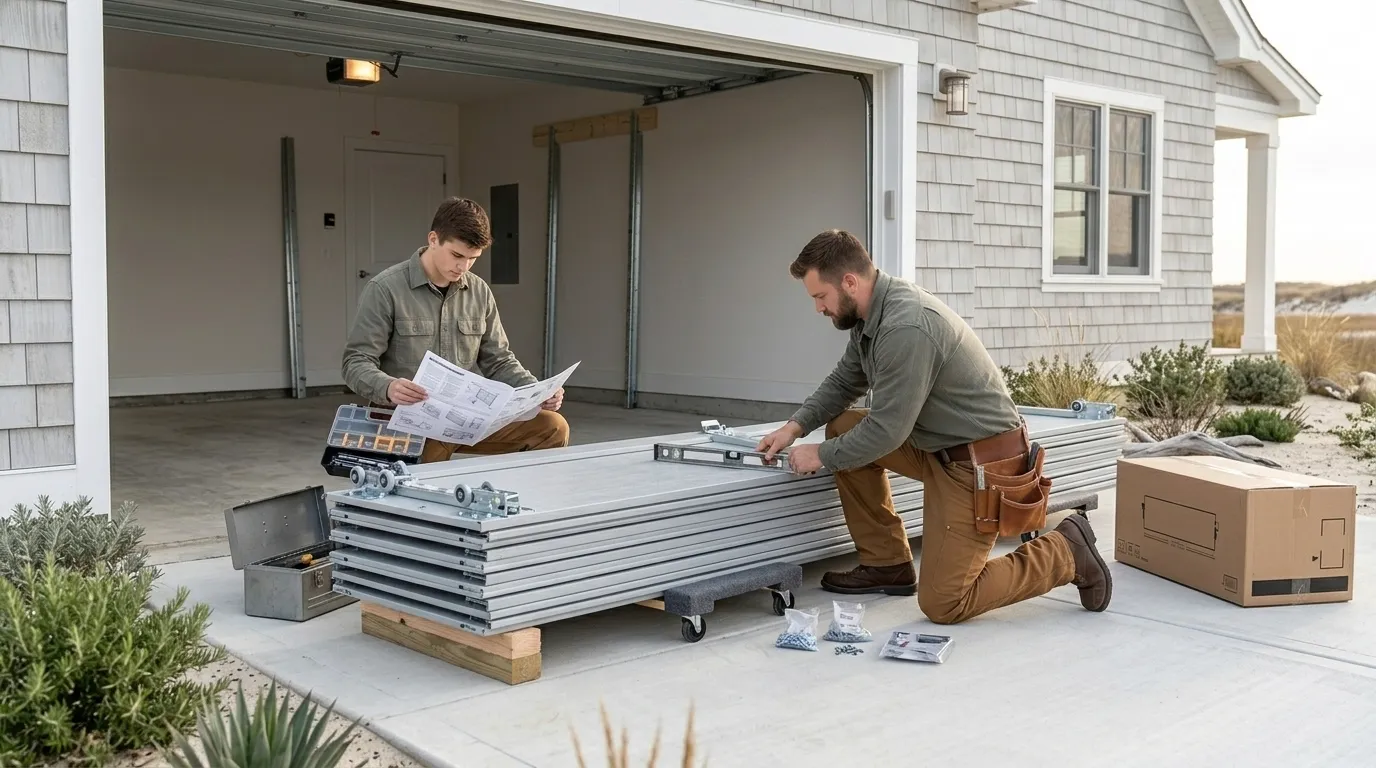
Repaired & tested
The repair is done, the door is set true and tested, and the work area left clean.
Serving Orlando, FL - tell us what your door’s doing and we’ll take it from there.
Why do garage door springs seem to fail faster in Orlando than the manufacturer's rating suggests?
The manufacturer's cycle rating assumes a dry, stable environment. Orlando's mild but consistently humid climate corrodes the galvanized coating on springs faster than that, and rust concentrates stress on the coil. A spring rated for 10,000 cycles can fail sooner here for that reason alone.
Do older Orlando homes need different parts than newer ones?
Often, yes. Housing in this service area spans 1964 to 2021 with a lot of stock from the 1980s and 90s, and torsion hardware and track dimensions from that era don't always match what's stocked for new builds. We check the existing hardware before ordering anything.
How far out do you go from Lake Nona?
We run regular calls from close-in spots like Lake Nona Central and Storey Park out to St. Cloud, Winter Park, and Hunters Creek, roughly a dozen miles or more. Distance doesn't change the diagnosis, just the drive time to get to you.
Can you give me a price over the phone?
Not an honest one. Spring gauge, door weight, and how much rust or wear is already present all change the cost, and we'd rather tell you that up front than throw out a number we can't stand behind once we see the door.