24/7 Emergency Service Open 7 days · 7am–8pm Serving Orlando, FL & nearby
(321) 325-5496
Orlando, FL

What That Sound Coming From Your Garage Actually Means

Grinding, slapping, or a hard bang before the door moves: what those sounds mean on the 1980s-to-2000s garage hardware still running in Orlando homes, and when to worry.

What That Sound Coming From Your Garage Actually Means

The Cost of This Job

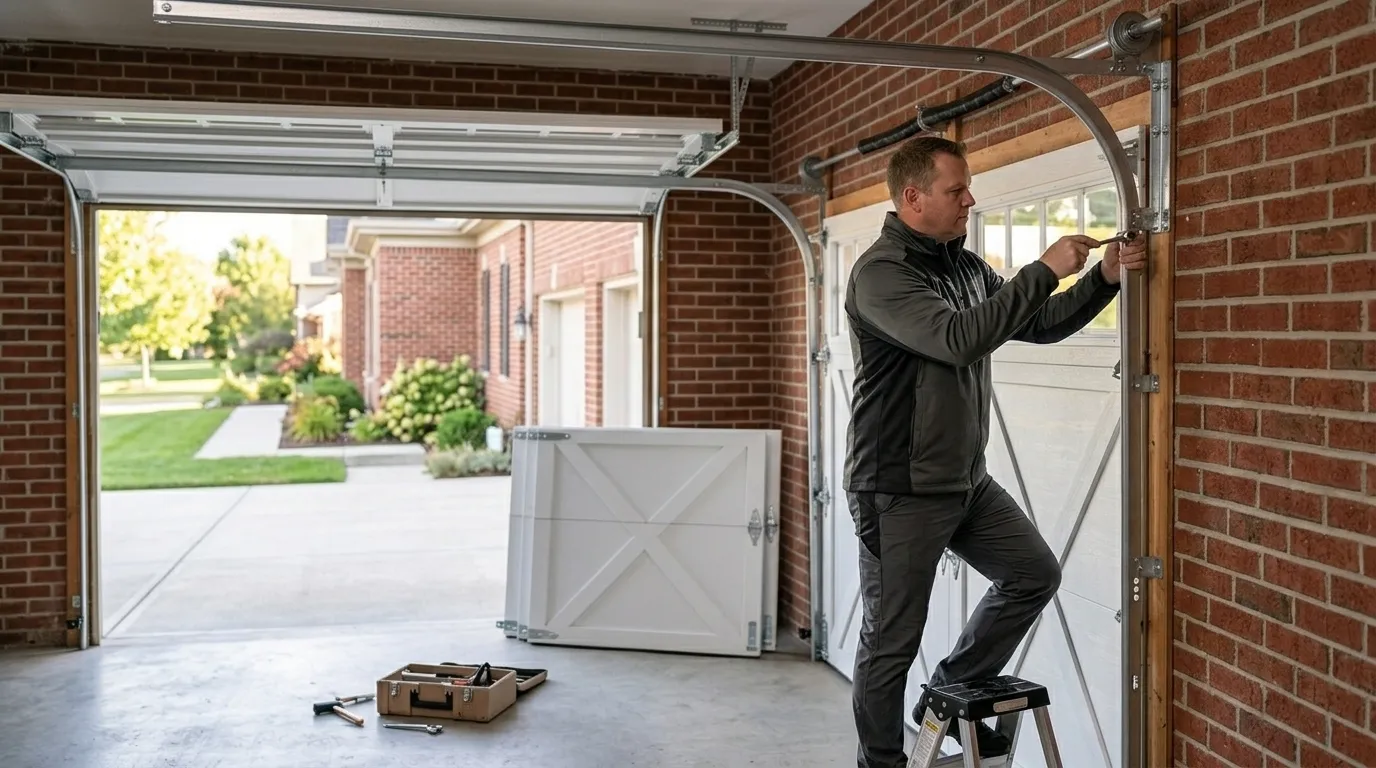
We can't quote a number without seeing the door, and anyone who does over the phone is guessing. What drives the cost here isn't the noise itself, it's what's making it. A dry roller that just needs lubrication and an adjustment is a different job than a torsion spring that's worn through, and on a lot of Orlando houses built in the late 1980s and 1990s, those springs are original to the house and past the end of their rated cycle count. The other cost driver is parts availability. A door from that era often runs hardware sizes that newer doors don't use, so a repair can mean sourcing an older-spec spring or drum rather than grabbing something off a standard shelf. With median household income in this service area at $82,107, most owners here can absorb a full spring replacement rather than patching a cable and hoping, and that's usually the better call anyway once a spring has already let go once. We'll tell you straight if a repair isn't worth it against a full opener or door swap - that call depends on the age of what's already on the house, not on upselling you.

What the Weather Here Does to It

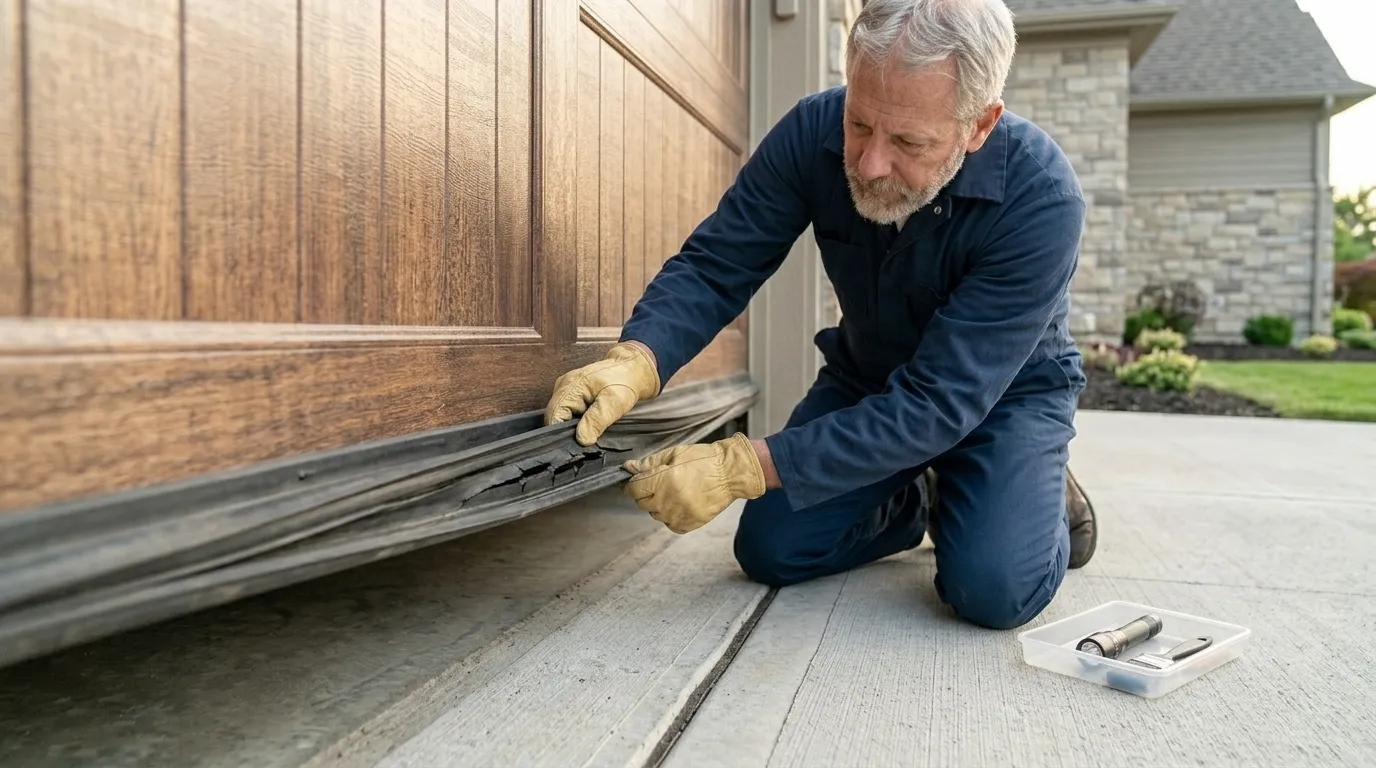
Orlando sits in a mild temperate band, so you're not dealing with the freeze-thaw cracking that splits steel panels and snaps torsion springs up north. That's the good news. The bad news is what mild-and-humid does instead: it works slowly on rubber weatherstripping, nylon rollers, and any exposed cable or hinge that isn't kept lubricated. A door that never sees frost can still develop a slapping roller sound or a dry-hinge squeal purely from humidity swelling and shrinking the seals and drying out factory grease over the years. On houses built anywhere from 1964 through 2021 - which covers most of this area - the age of the door tells you more than the season does. An older steel door on original rollers will start making noise well before a newer one does, regardless of whether it's July or January, because there's no hard winter here to force a seasonal maintenance check. That's actually the trap: without a cold snap to remind you, a lot of owners never think about the door until something grinds or bangs.

The Situation

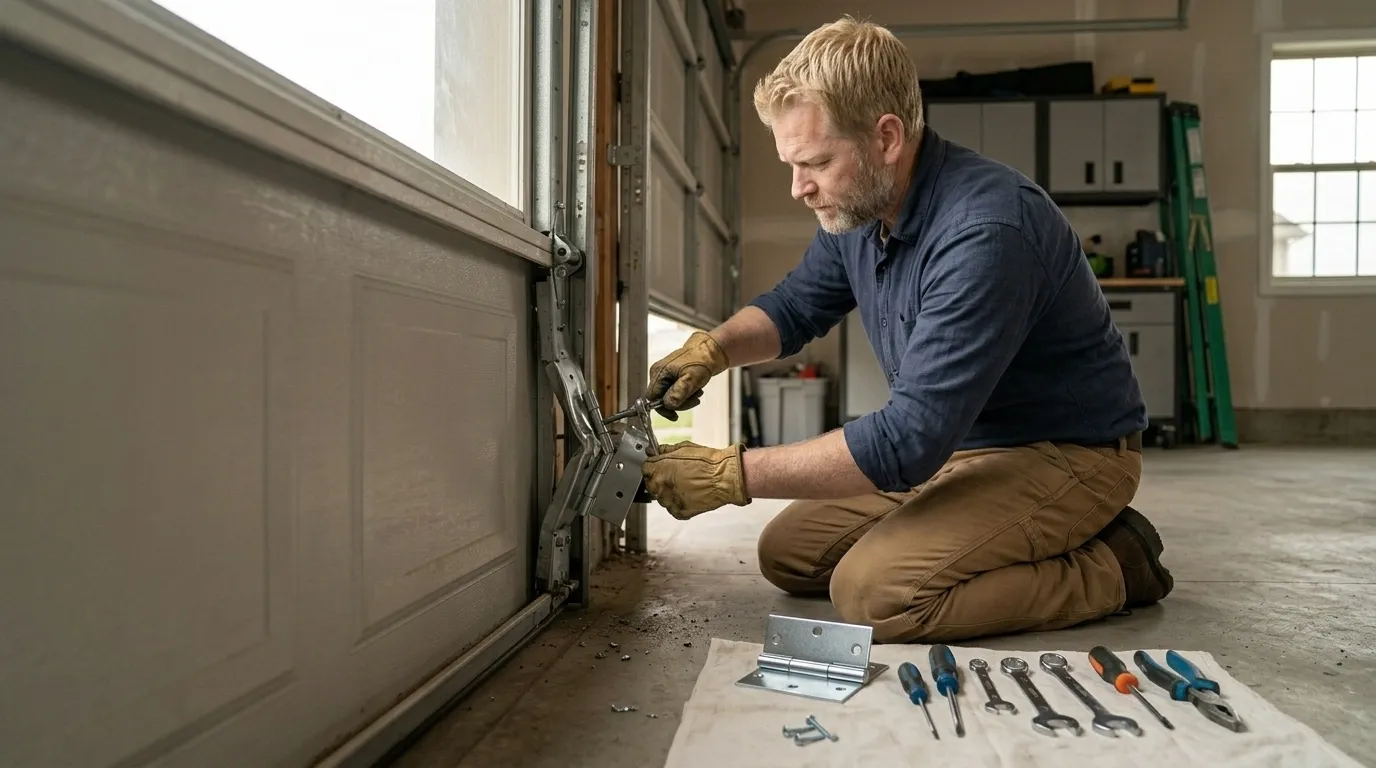
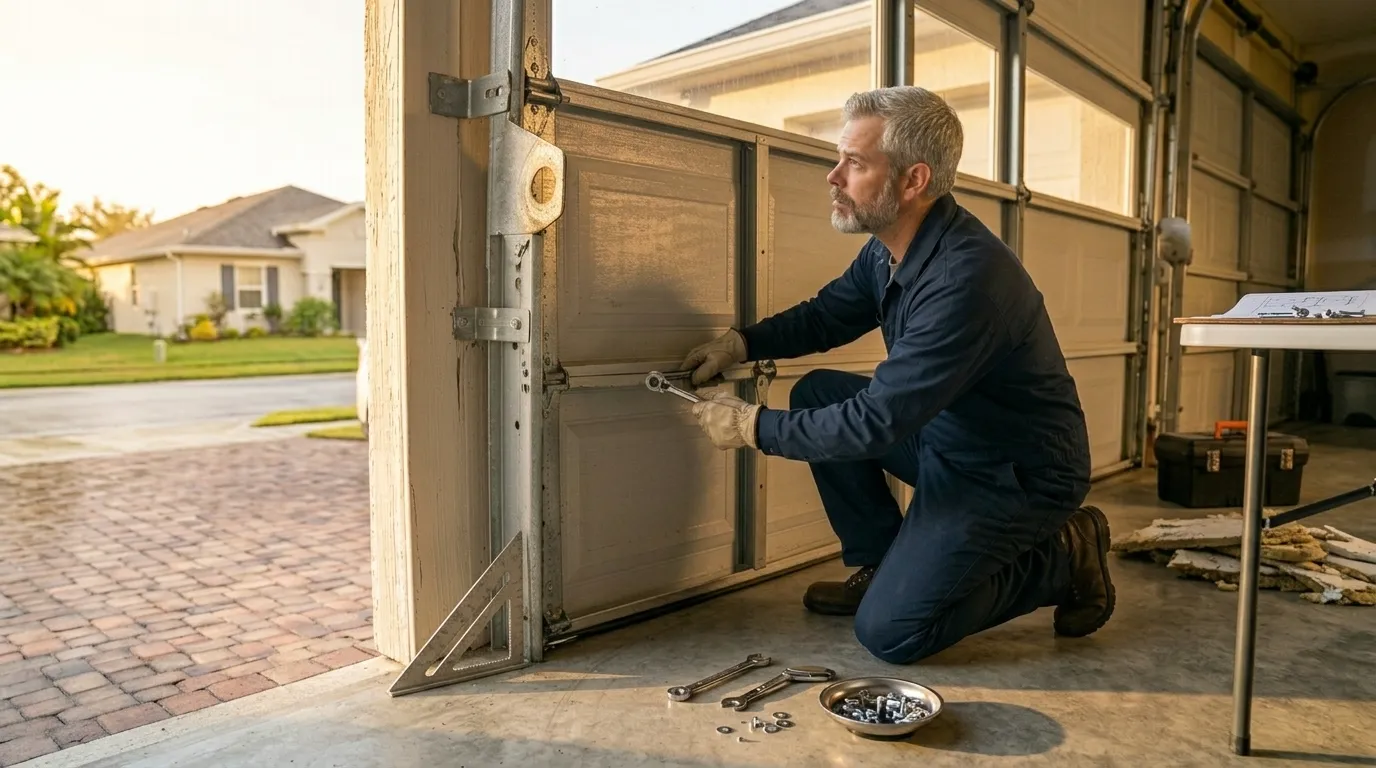
Across the 39 named areas we cover, from Lake Nona Estates a mile out to Winter Park and Doctor Phillips further off, housing stock runs from 1964 up through new construction, with the median build year around 1987. That spread matters for noise diagnosis. A grinding sound on a door built near Pine Castle or Oak Ridge, where more of the stock skews older, often points to a worn bearing plate or a spring at the end of its life. A sharp bang followed by the door refusing to move is almost always a broken torsion spring letting go, and it's more common on the older side of that build range simply because those springs have had more years of cycles. A rhythmic thump as the door travels usually means a bent track or a roller that's cracked, not the opener itself - people blame the opener first because it's the loudest part, but the opener is rarely the actual source. With 94,658 owner-occupied houses in the service area, we see the same handful of noise patterns repeat constantly, tied less to any one neighborhood and more to how old the door and hardware are.

Doing Nothing For Now

Not every noise means the door is about to fail. A single squeak from a dry hinge on a door that otherwise opens smooth is a lubrication job, not an emergency, and you can put that off without much risk. What you shouldn't ignore is a change in the noise pattern - if a soft squeak turns into a grinding sound, or a smooth-running door starts hesitating partway up, that's the hardware telling you something is wearing out faster than normal. Given the mild climate here, there's no seasonal deadline pushing you to fix things before winter the way there is elsewhere, which means it's easy to let a small noise ride for months. The one thing worth not waiting on is any sound that comes with the door jerking or sagging on one side, since that's usually a spring or cable under uneven load and it can let go without warning. Everything else - a rattle, a light squeal, a hum from the opener - can wait for a scheduled look rather than a rushed call.

How it works

From “it’s stuck” to “it’s fixed”

Tell us what’s wrong - Orlando garage door service
1

Tell us what’s wrong

Describe the symptom - won’t open, loud bang, opener runs but the door won’t move.

On-site diagnosis - Orlando garage door service
2

On-site diagnosis

A technician tests the door under power and by hand and finds what actually failed.

Clear, up-front plan - Orlando garage door service
3

Clear, up-front plan

You get the fix that’s needed and what drives the cost - before any work starts.

Repaired & tested - Orlando garage door service
4

Repaired & tested

The repair is done, the door is set true and tested, and the work area left clean.

Serving Orlando, FL - tell us what your door’s doing and we’ll take it from there.

How we work

What to expect

Diagnosis firstEvery visit starts by finding what actually failed - not a pre-written parts list.
The right part for the doorSprings and openers matched to the door’s weight and age, so the fix holds up.
Straight answersWhen a repair makes more sense than a replacement - or the reverse - you hear it plainly.
Clean, careful workTension released safely, hardware set true, the door tested under power before we leave.
Questions

Frequently asked

Straight answers about garage door repair in Orlando. Still unsure? Ask us directly.

My garage door makes a loud bang and won't open, what happened

That's almost always a torsion spring breaking. It's the loudest single sound a garage door makes and it usually happens without warning, mid-cycle. Don't try to force the door open by hand or with the opener - the spring is what carries the door's weight, and without it the door is heavier than it looks. This is a same-day repair, not a wait-and-see one.

Why does my door only squeak in humid weather

Rubber weatherstripping and nylon rollers absorb moisture in Orlando's mild, humid climate and swell slightly, which changes how they seat against the track and each other. It's not damage on its own, but it accelerates wear on rollers that are already old. A light silicone-based lubricant on the rollers and hinges usually quiets it down.

Is a grinding noise the opener or the door itself

Grinding is usually the door - most often a worn roller bearing or a track that's slightly out of alignment - rather than the opener motor, even though the opener is what people suspect first because it's the loudest moving part. On older doors from the 1980s and 1990s, a grinding roller is common enough that it's worth checking before assuming the opener needs replacing.

How do I know if it's worth repairing versus replacing the whole door

It comes down to the age of the door and what's already failed. If the panels are original from the 1980s or 1990s and a spring or major hardware component has just gone, replacement parts can be harder to source and a full door often ends up making more sense than chasing repairs on aging hardware. We'll look at what you've got and tell you honestly which side of that line you're on.

Ready to get your garage door sorted?

Request a QuoteCall