Booking
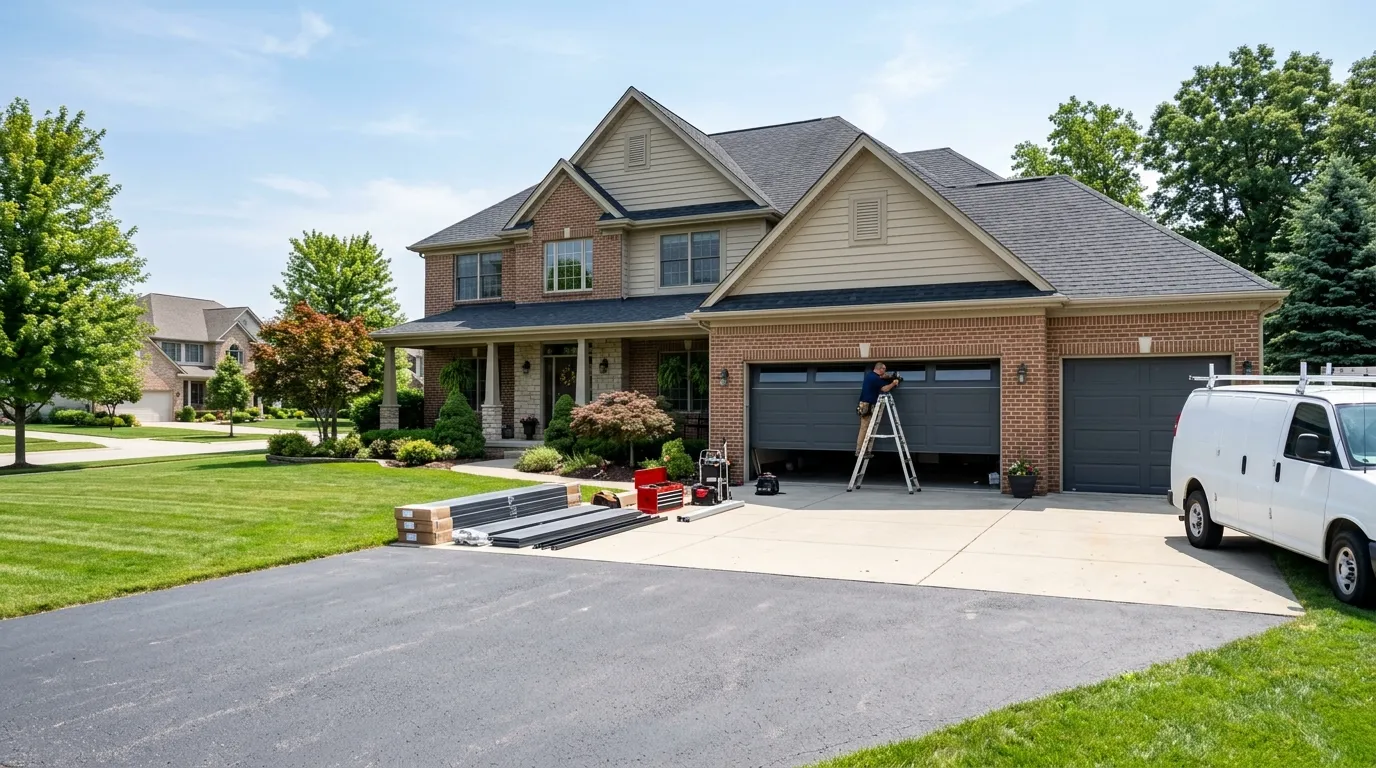
Nothing complicated here - you call, we find a window, we show up with the parts a job like this usually needs. Because this pocket sits inside a service area with 218,978 households and a median income of $82,107, most of the work we do here is straightforward opener and spring service rather than anything unusual. That income figure also means most owners want the job done right the first time rather than patched twice, so we quote the repair, not just the visit.
One limit worth saying plainly: if a part is unusual - an older opener model or a track size that's not common anymore - we may need a day or two to get it in rather than same-visit. We'd rather tell you that up front than promise a fix we can't finish.
Houses on These Streets
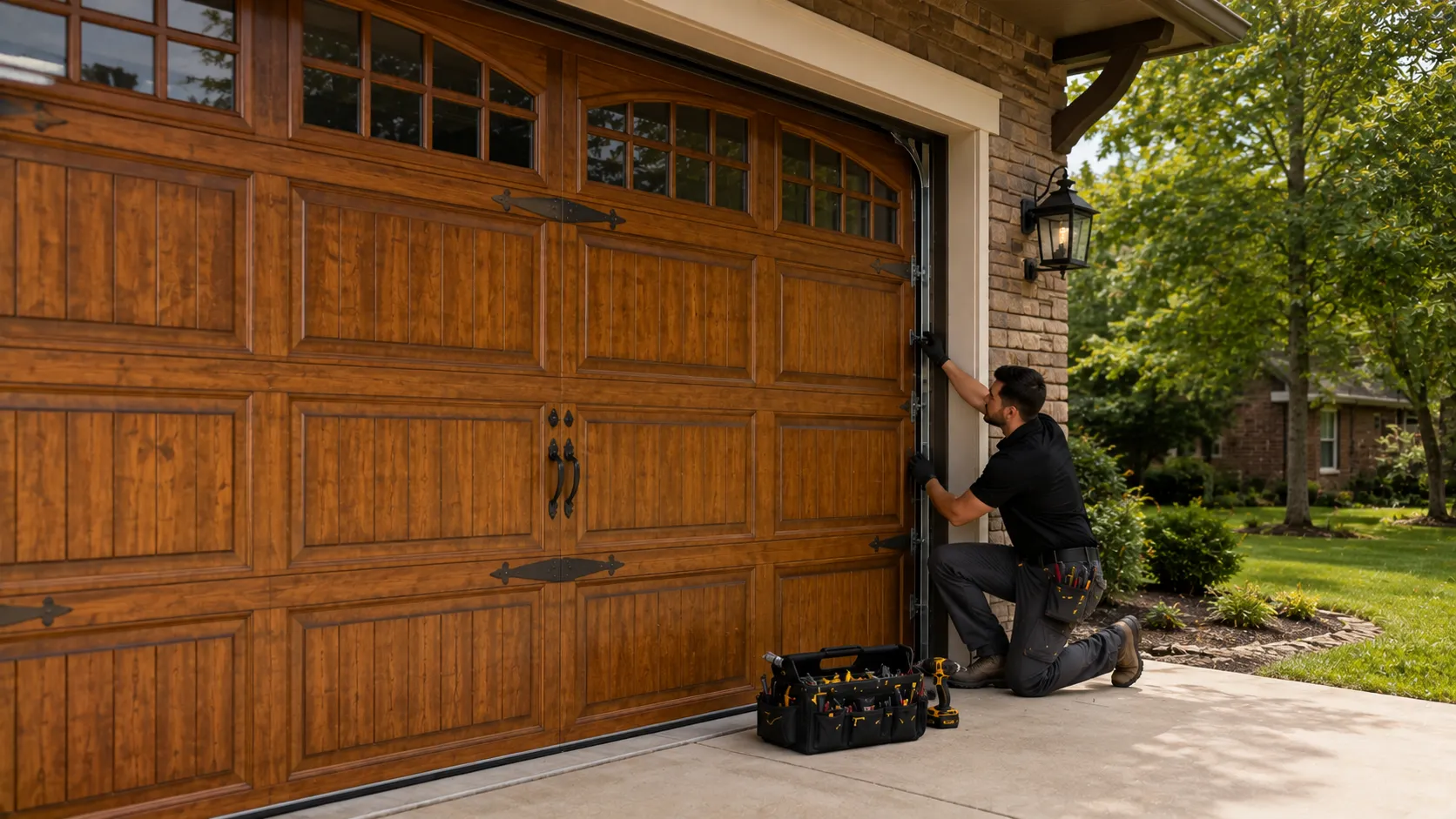
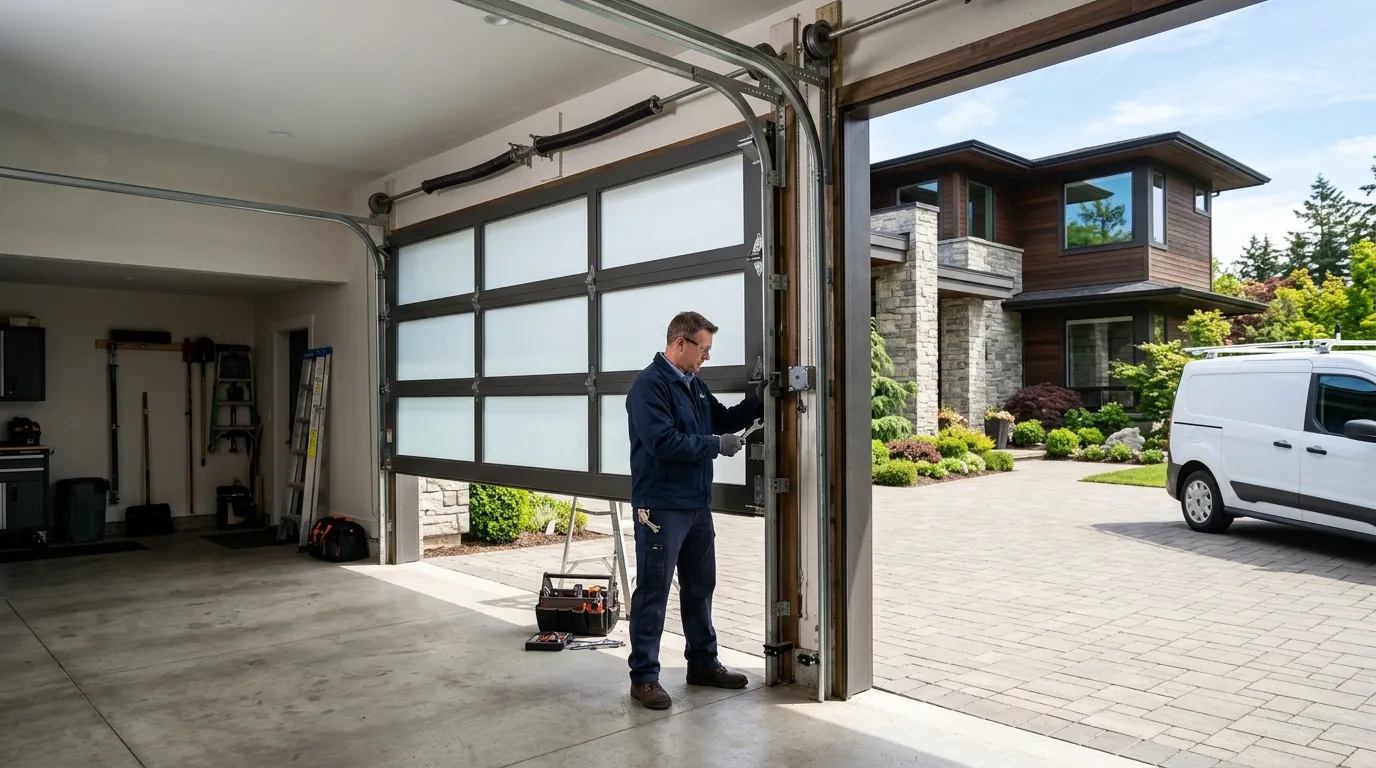
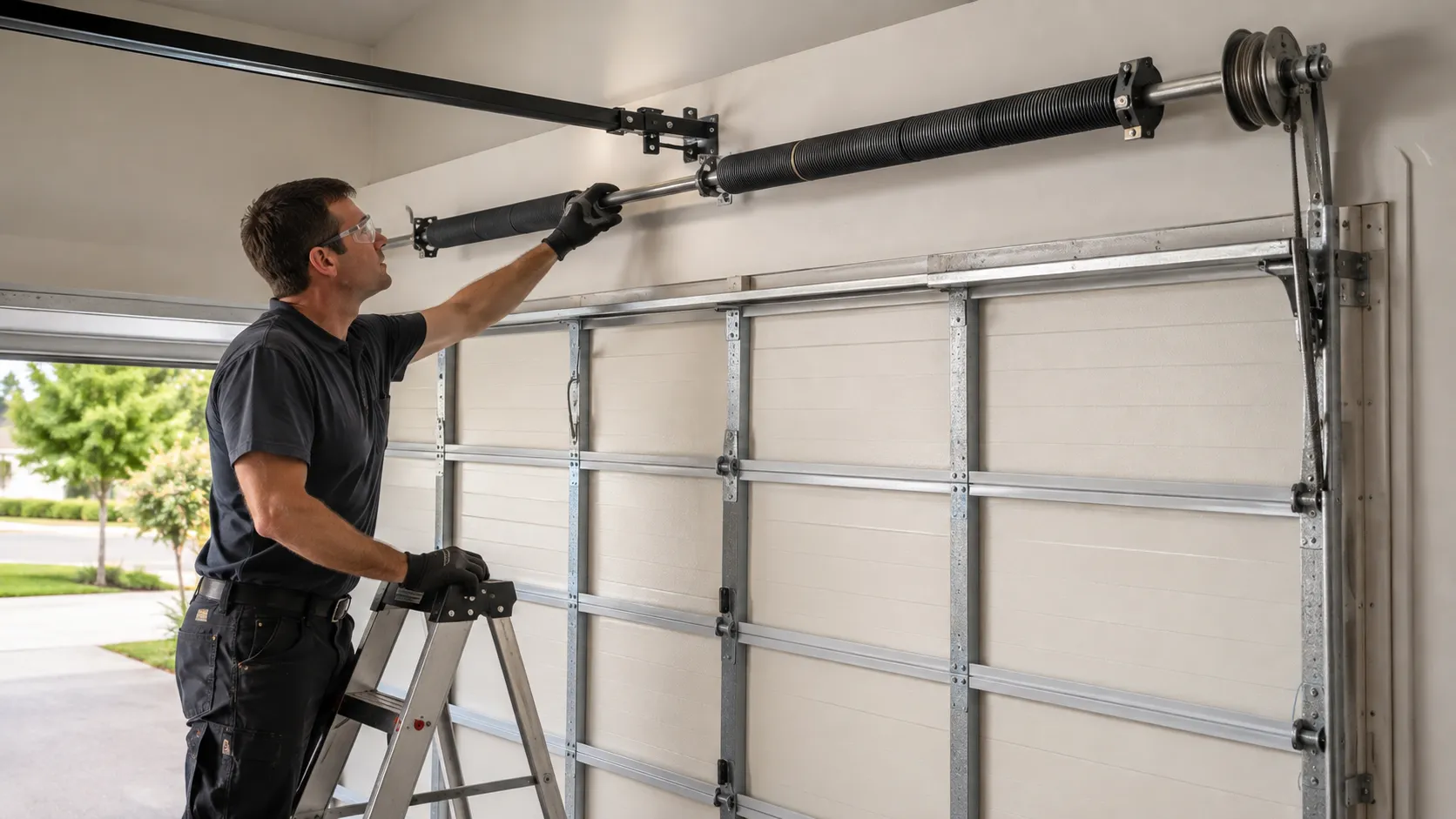
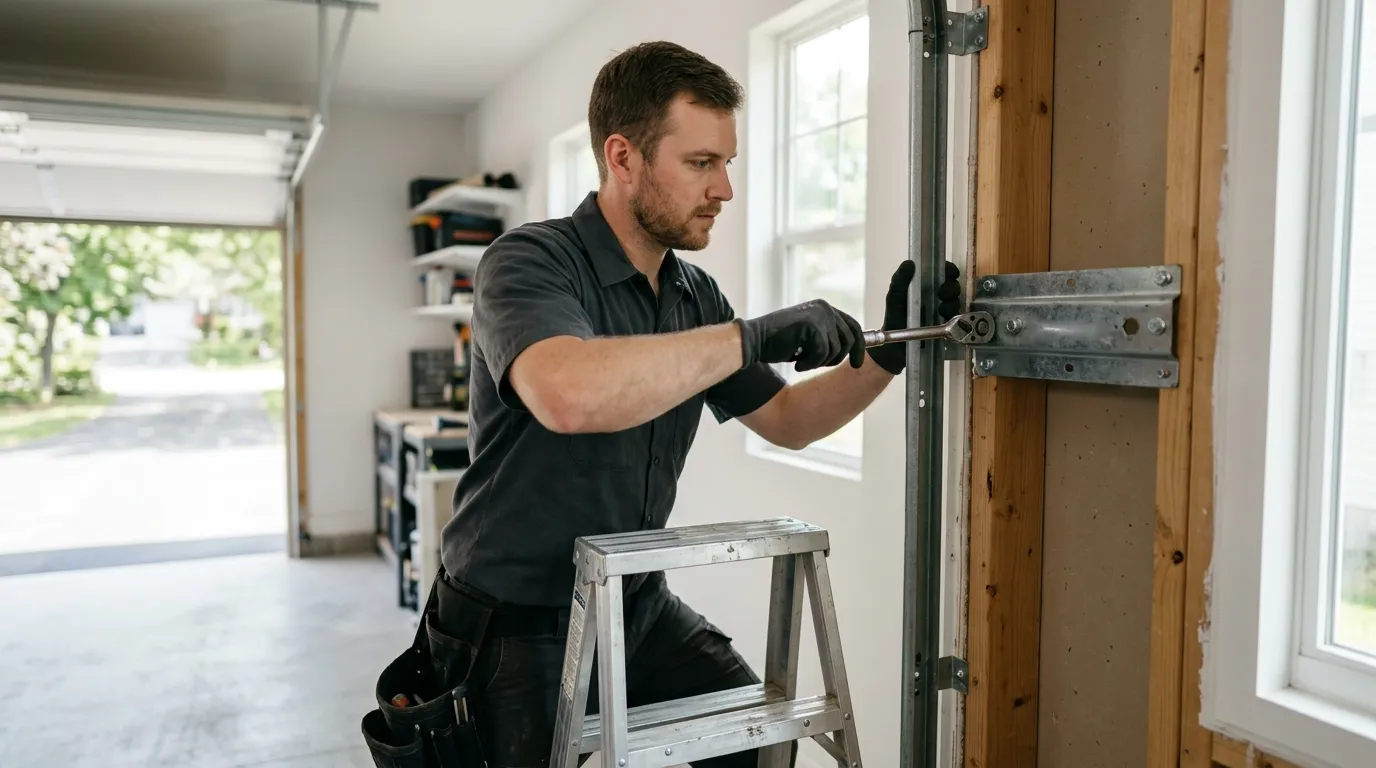
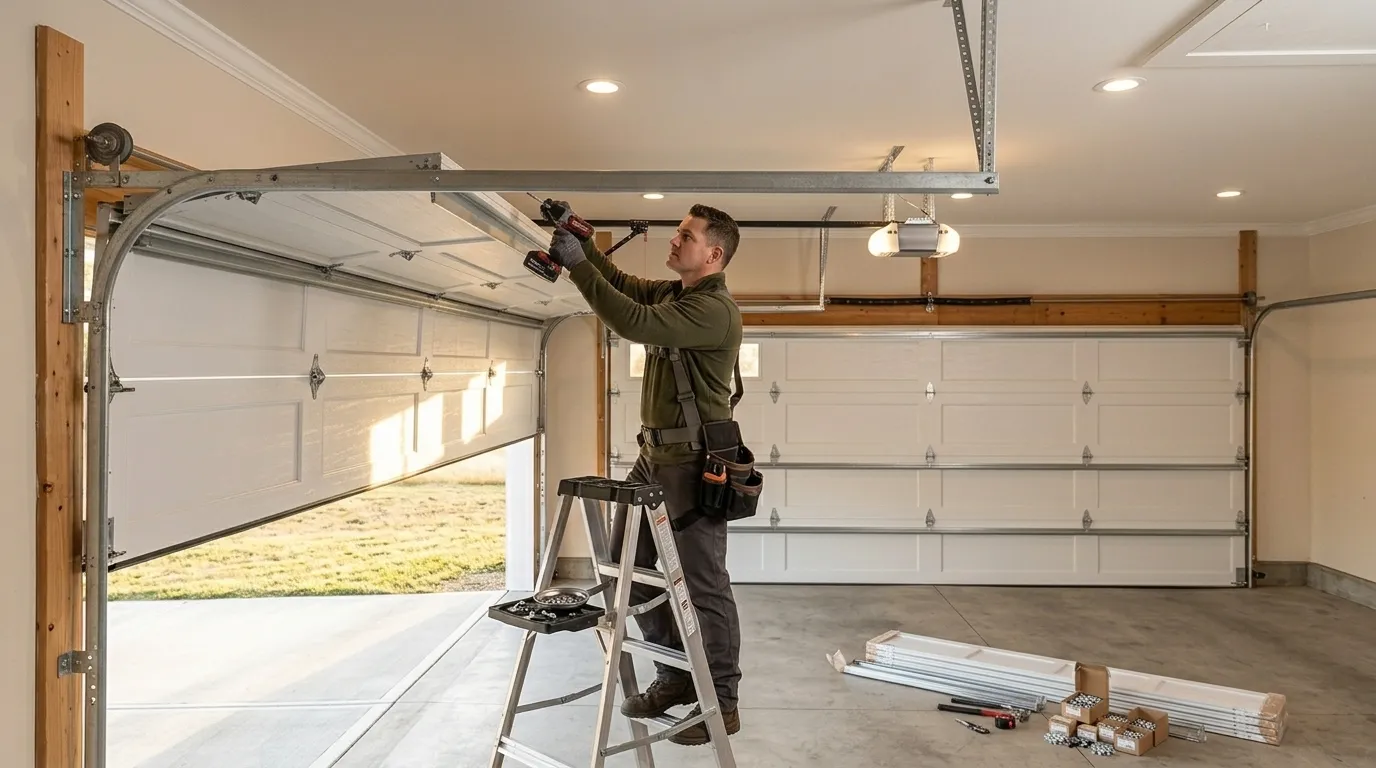
Across the wider service area, housing was built between 1964 and 2021, with the median landing around 1987, and most of the stock across the 39 named areas here dates to the 1980s and 90s. Lake Nona Central, sitting this close to the newer center-point development, likely leans toward the newer end of that range rather than the oldest end - which changes what we expect to find on a service call. Instead of the original steel doors and worn torsion springs common in the 60s-and-70s pockets, homes built in this window more often carry factory openers with early circuit boards, standard-width torsion springs that are easy to source, and steel or composite panels rather than solid wood. The mild temperate climate here means we're not fighting frost-swollen tracks or ice-locked rollers the way a colder-climate crew would - most of the wear we see is from routine cycling and humidity on hardware, not weather extremes.
We don't guess at what's behind a door before we see it, and we won't invent a street name or landmark to sound more local than we are - but the era of construction alone tells us a lot about which opener boards, spring gauges, and track hardware to bring on the truck.