What Was Built Here
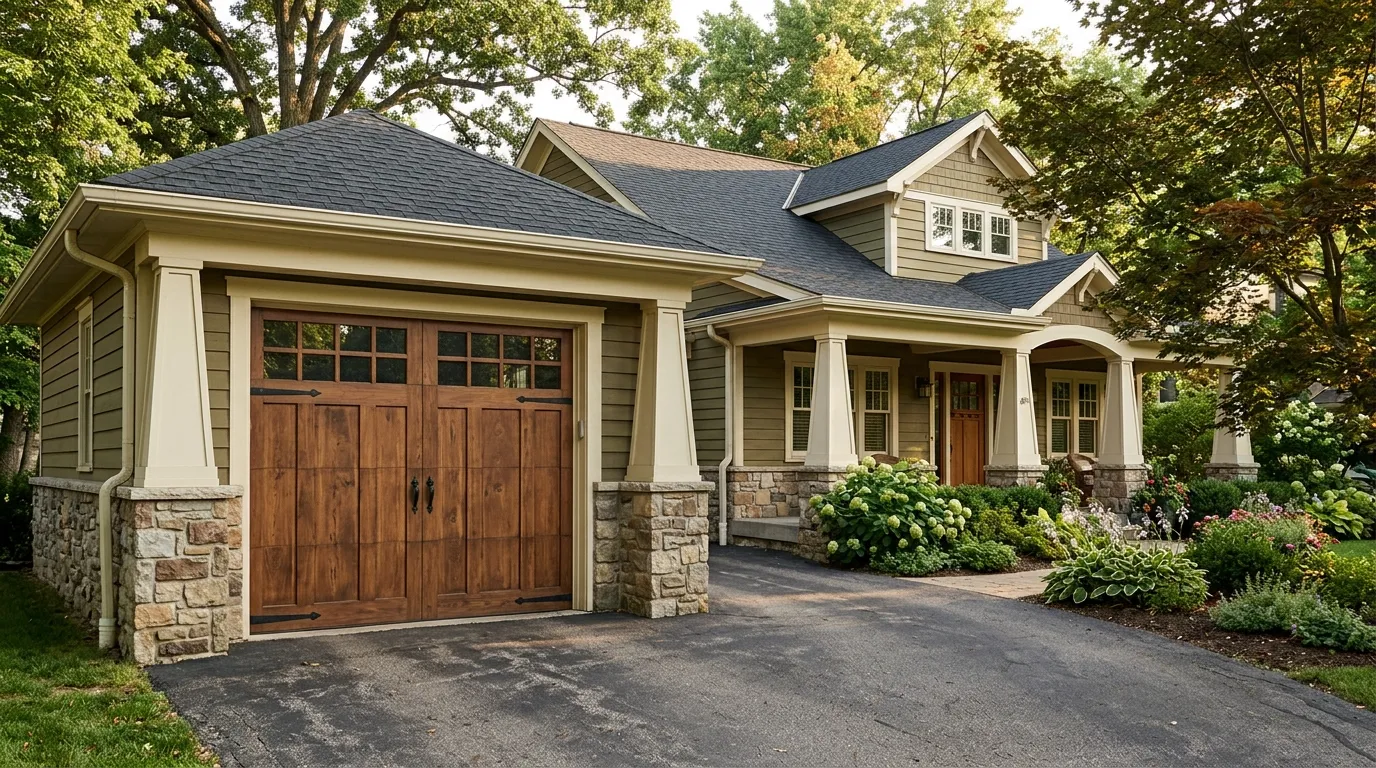
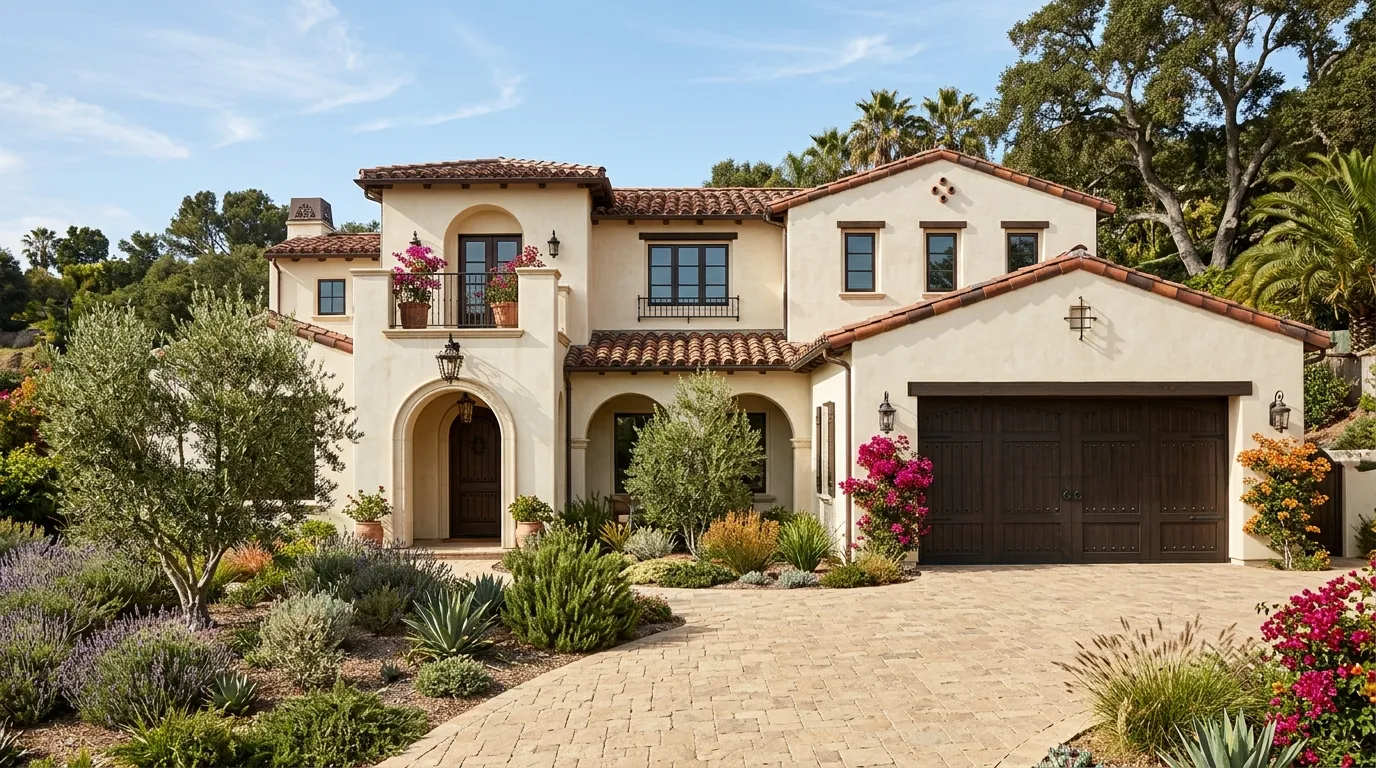
Celebration was developed as a planned community starting in the 1990s, and the housing here reflects that: fewer decades of mixed construction eras, more uniformity in when things went in. A 2004 median build year means most garage doors and openers here are still on their original or first-replacement hardware, not the second or third generation of parts you'd find on a house from the 1960s or 70s elsewhere in the region. The area sits in the same mild temperate climate band as the rest of central Florida, so you're not dealing with freeze-related hardware failure, but humidity and daily heat cycling still take a toll on steel panels and nylon rollers over twenty-plus years. Household income here runs higher than the broader service area's $82,107 median, which tracks with what we typically see installed: insulated steel doors and mid-tier belt-drive openers rather than base-model chain drives.
What the Housing Means for Your Door
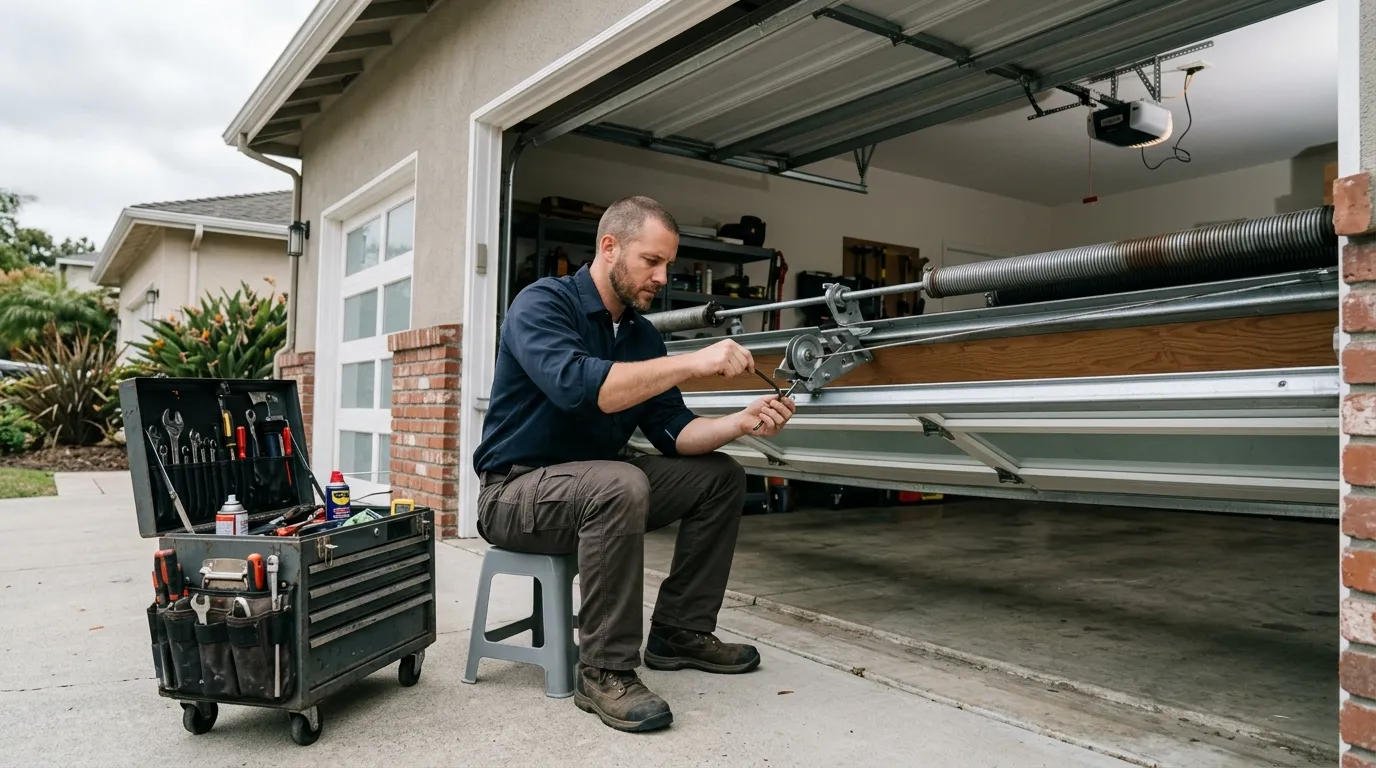
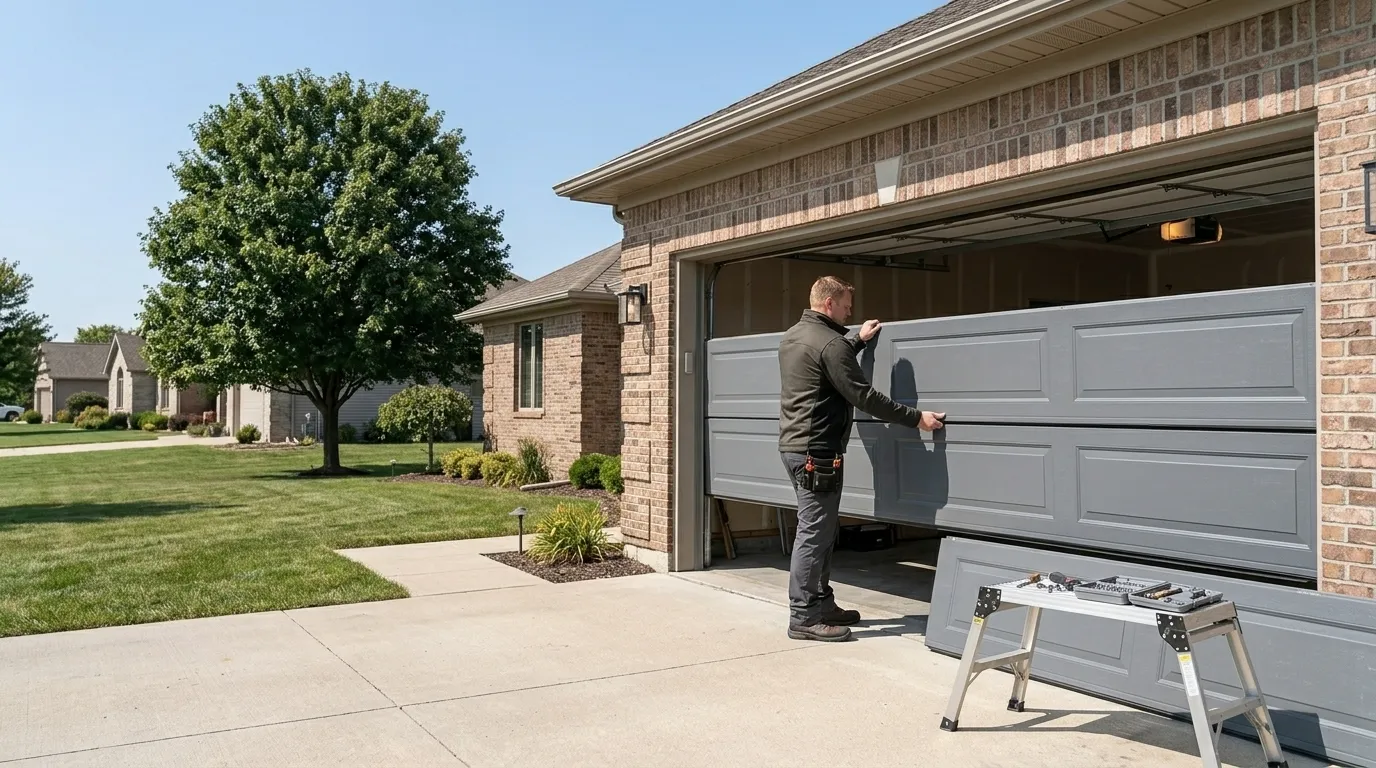
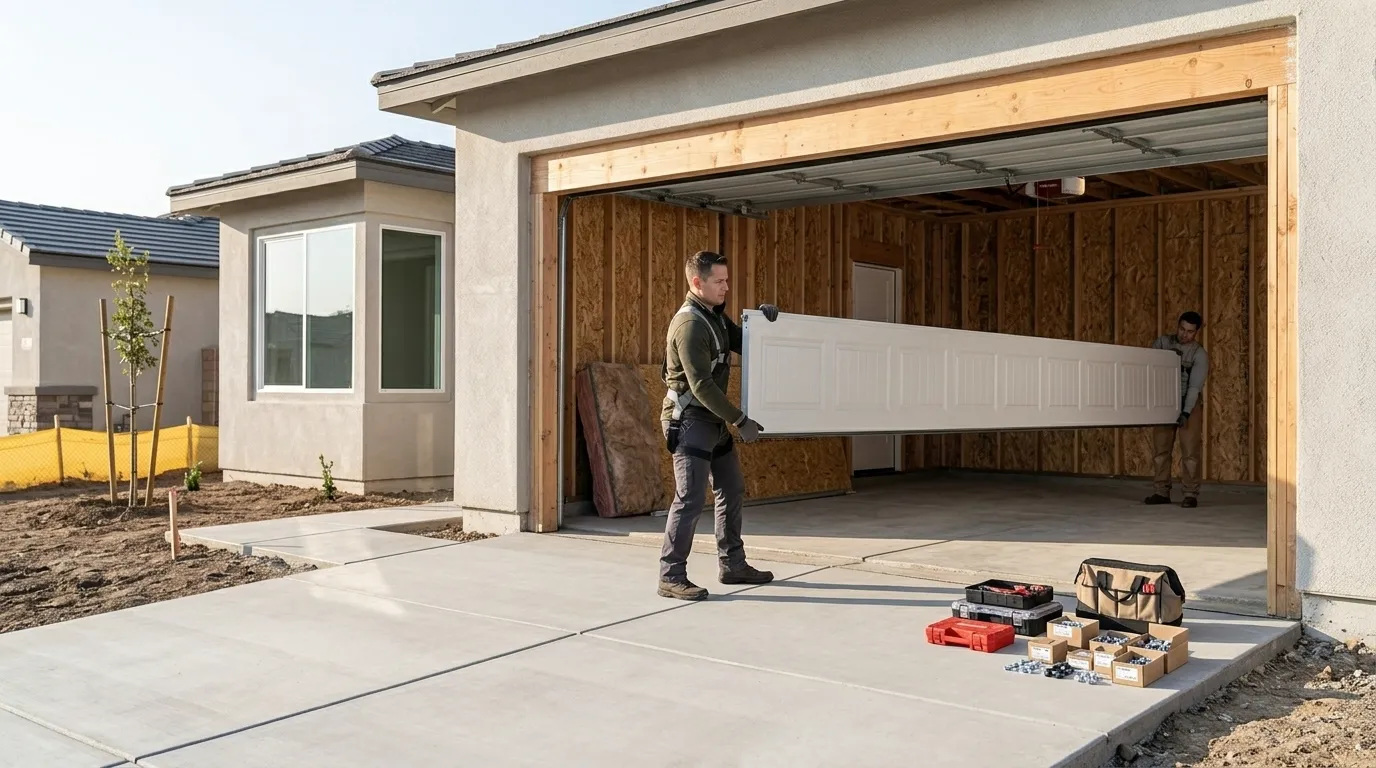
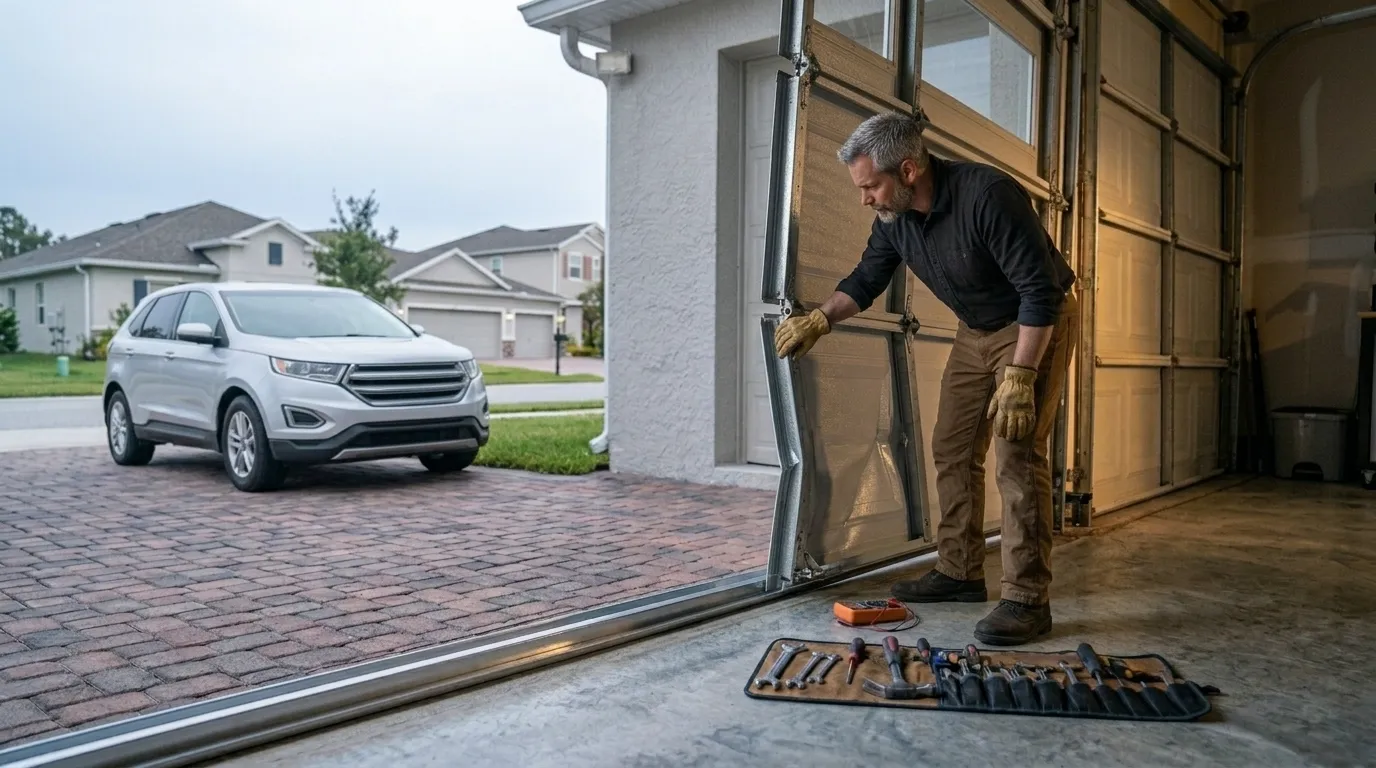
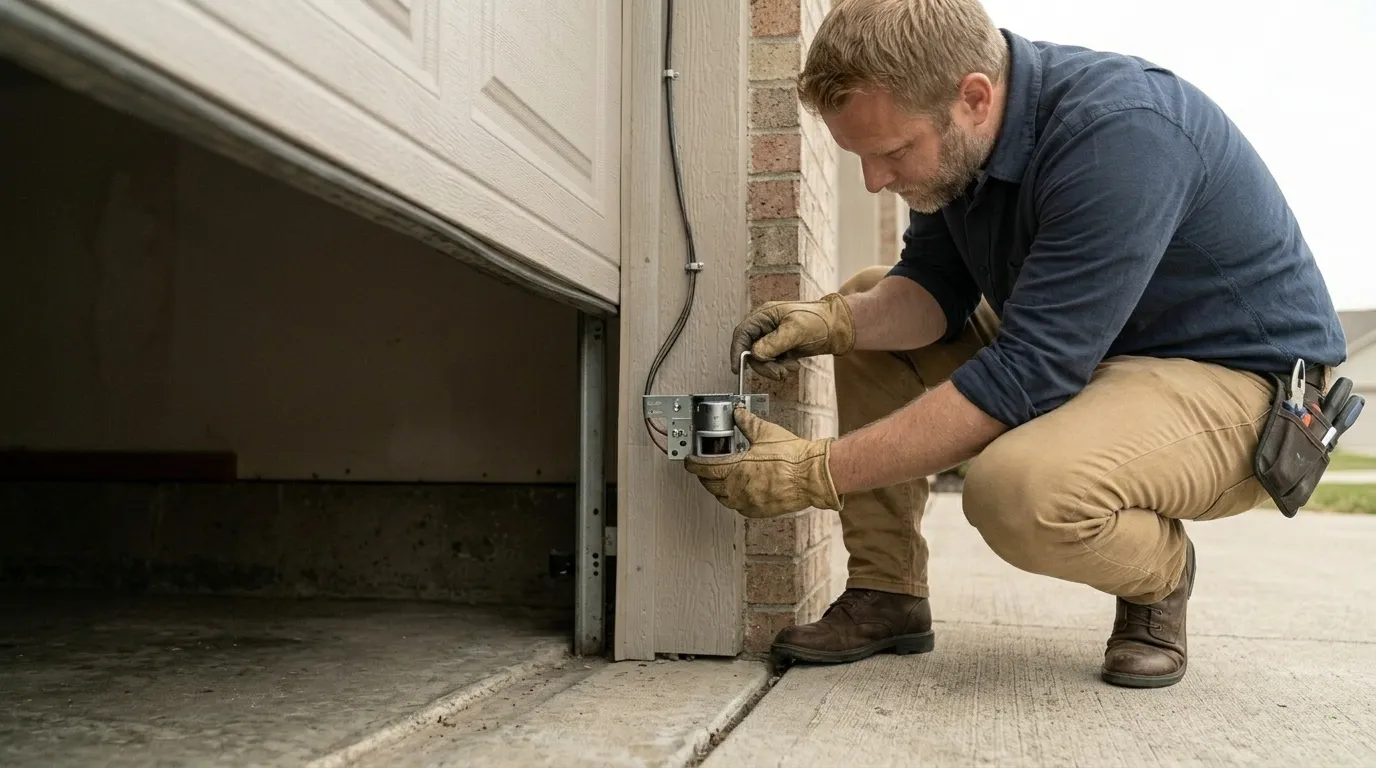
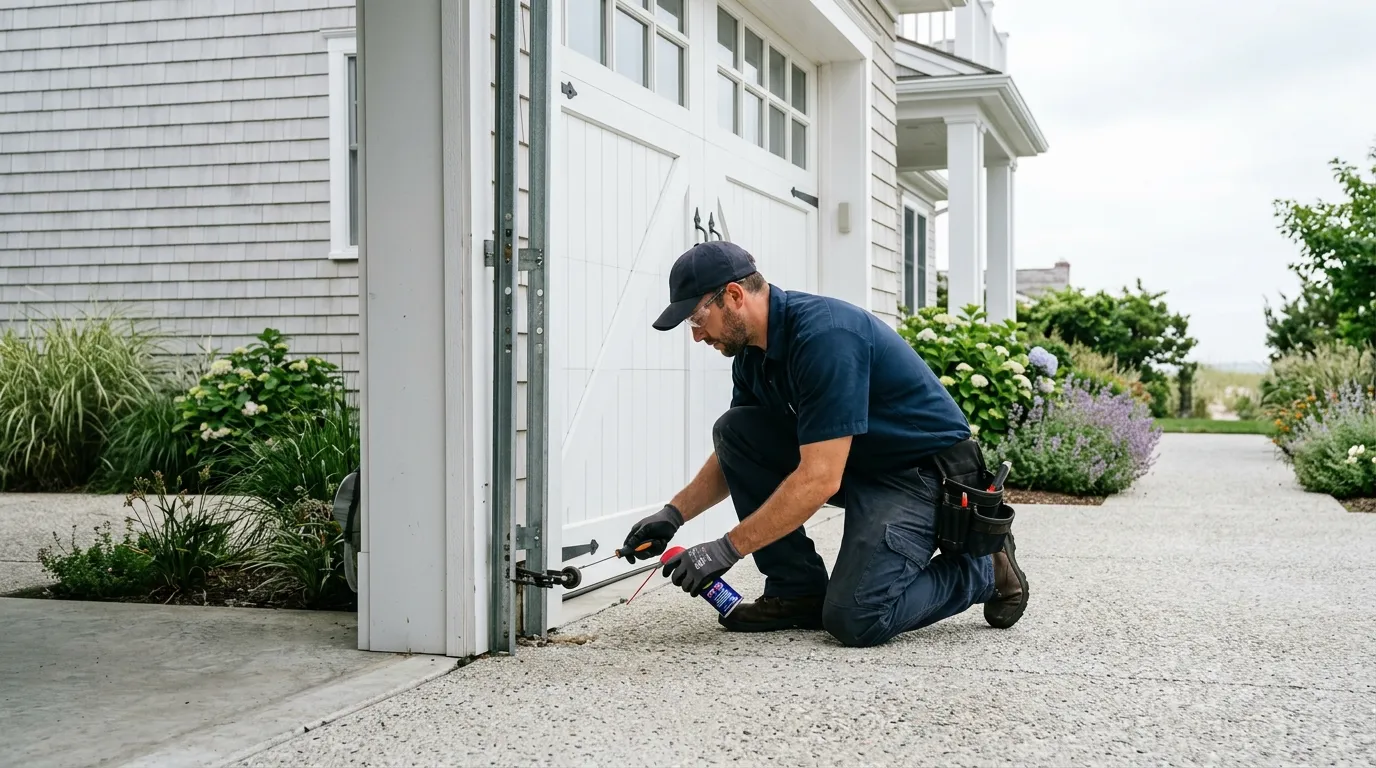
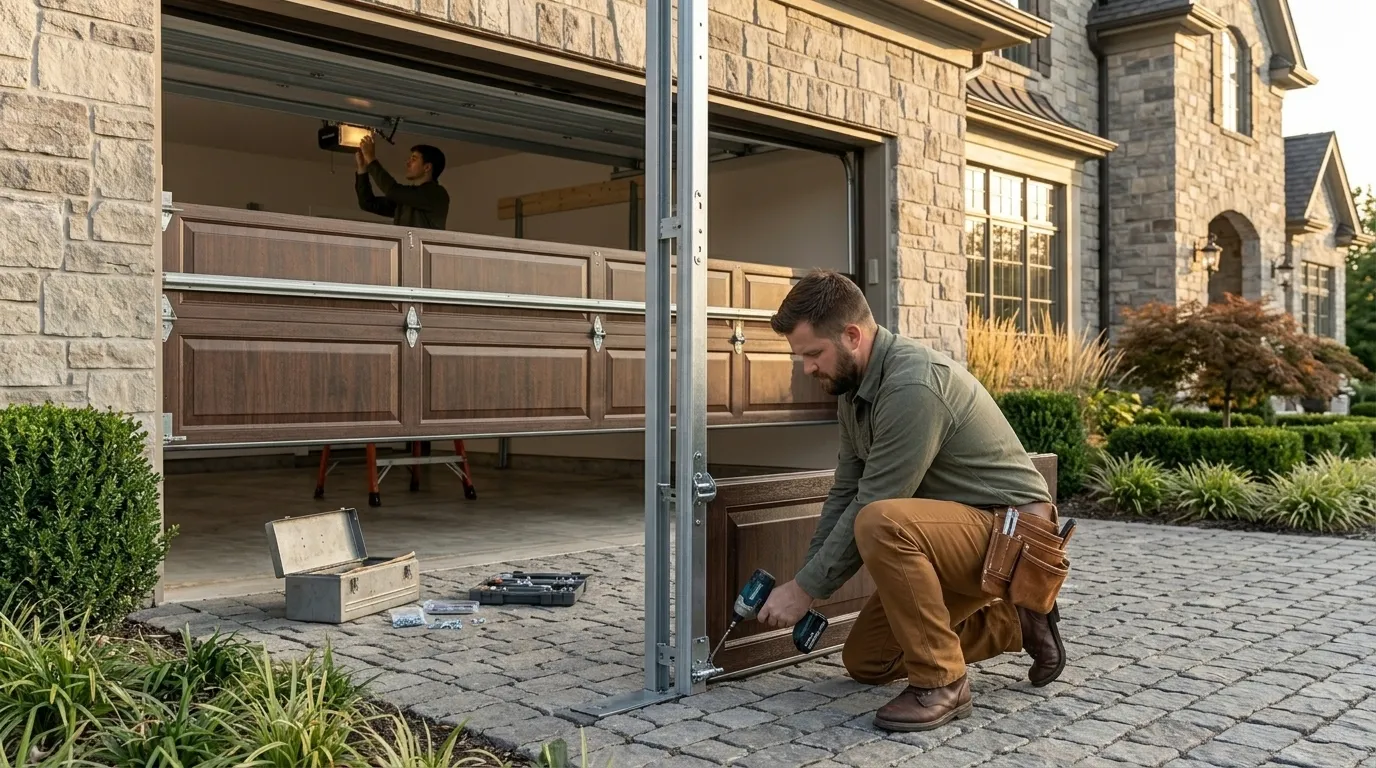
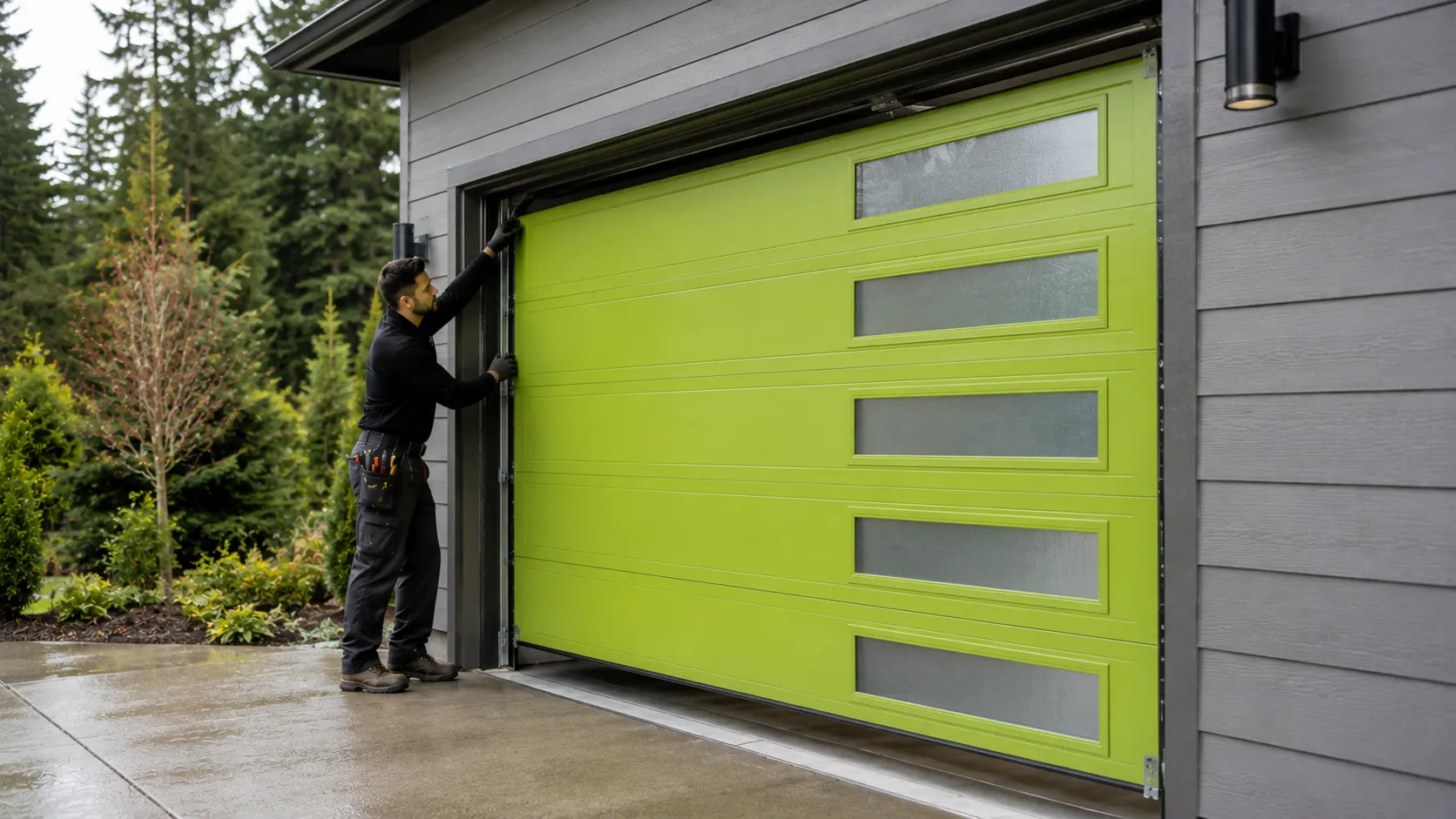
Because most doors here date to the early 2000s or later, the common failure isn't the seized, decades-old hardware we deal with on older housing stock - it's torsion springs finally hitting the end of a 10,000-15,000 cycle rating, opener circuit boards failing after 15-20 years of daily use, and photo-eye sensors going out of alignment from small settling in newer construction. You're less likely to have the side-mounted, low-headroom torsion setups common on older one-piece doors, and more likely to have a standard extension or torsion system built for a sectional steel door. That's actually easier parts sourcing on our end - newer standard hardware is stocked, not special-order. The tradeoff is that if your door was chosen to match Celebration's architectural style guidelines, matching panel color or trim on a replacement can take longer than the repair itself.