What Was Built Here
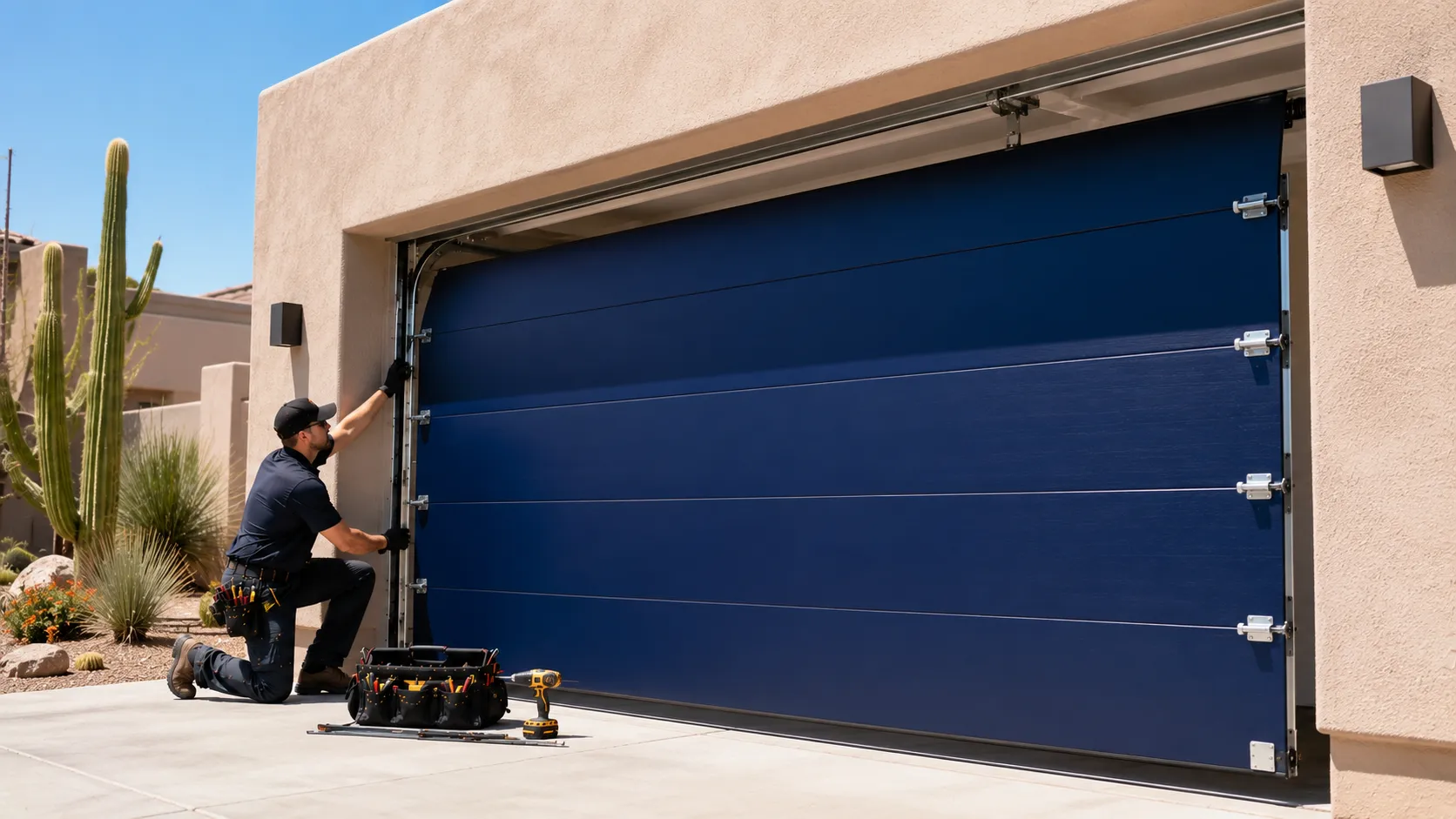
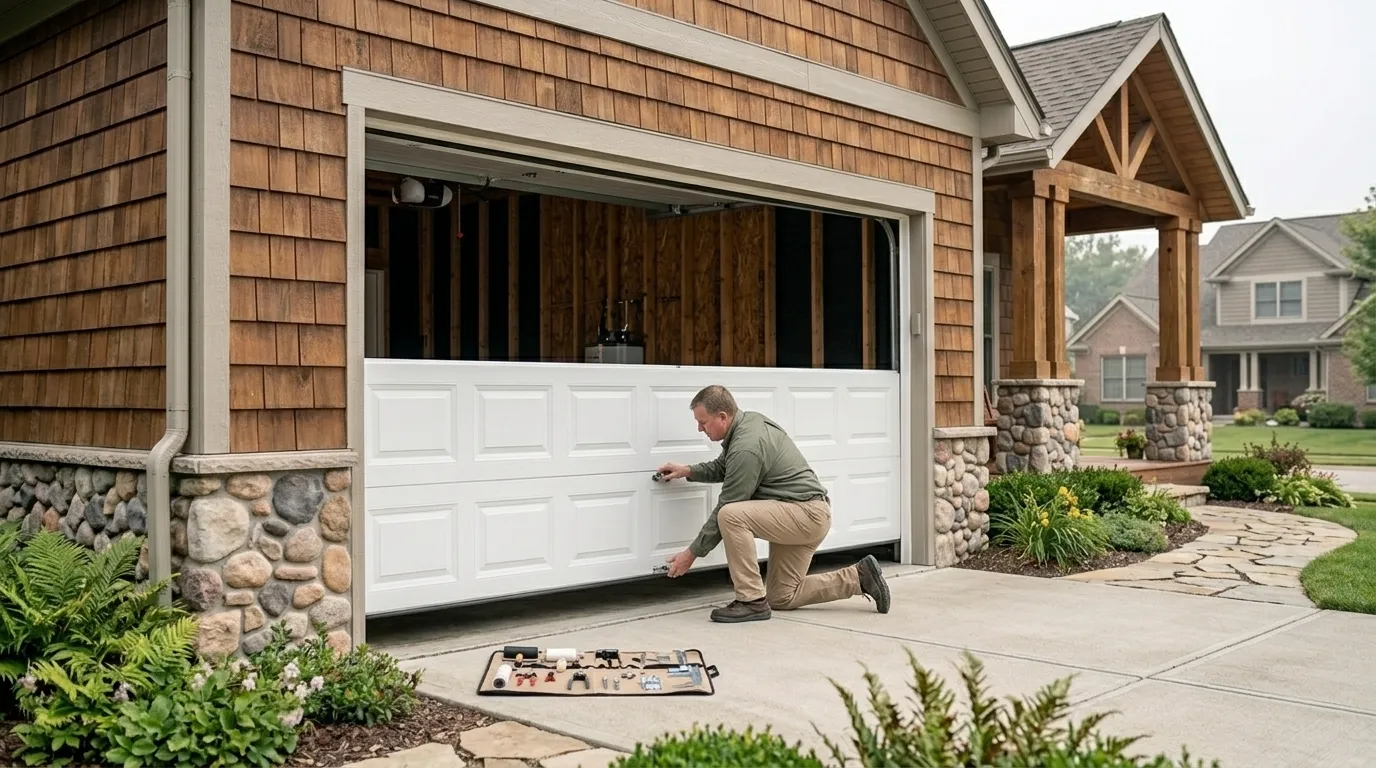
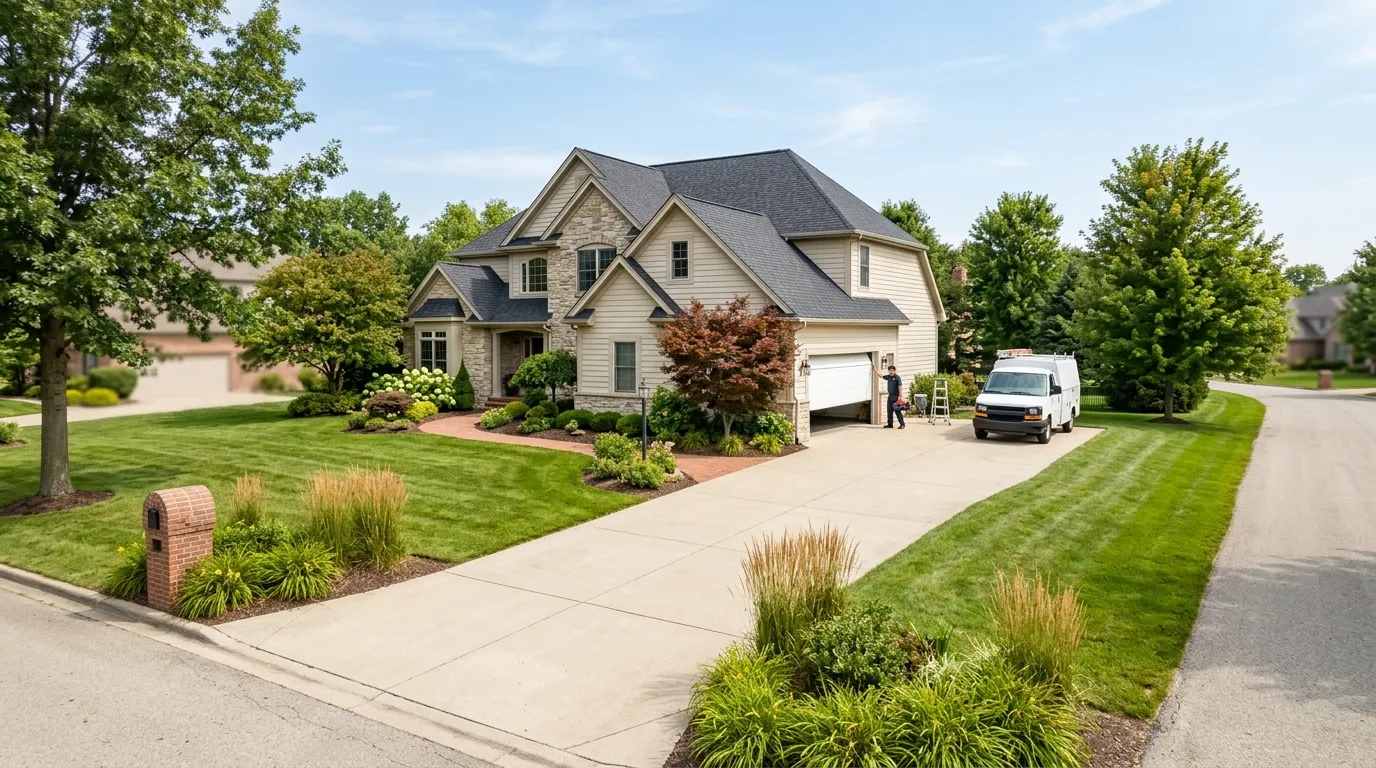
A house built in 1979 in Edgewood went up before a lot of the torsion-spring and opener hardware that's common now became standard. Across the wider area we serve, most homes cluster in 1980s and 90s construction, but Edgewood's numbers pull older, meaning more original garage doors are still hanging on original tracks and drums that have outlived their expected cycle count. With roughly 1,105 households in Edgewood, it's a small enough pocket that the housing pattern is consistent block to block rather than mixed with a lot of newer infill. A door installed when Carter was president has had four decades of temperature swings and lift cycles on the same hardware, even in a mild climate that doesn't stress steel the way freeze-thaw regions do.
What the Housing Means for Your Door
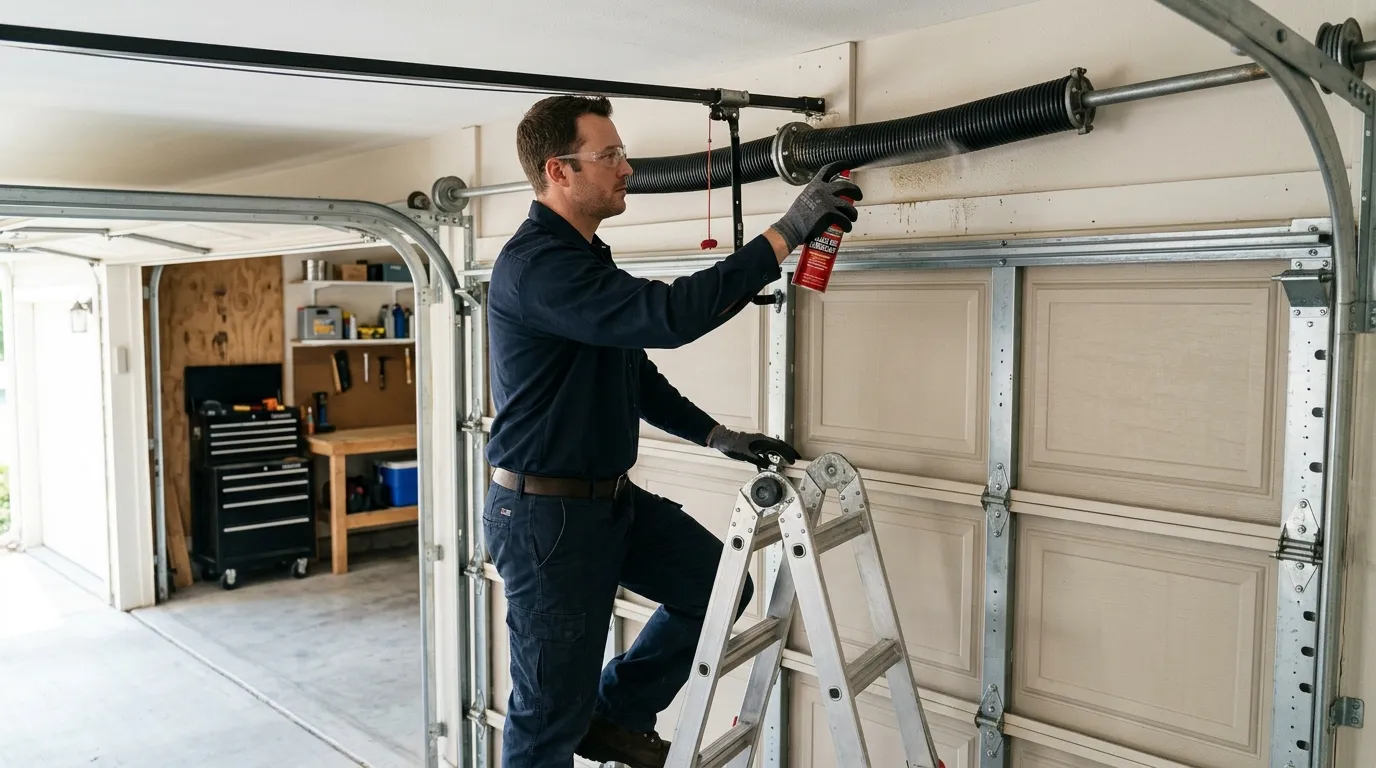
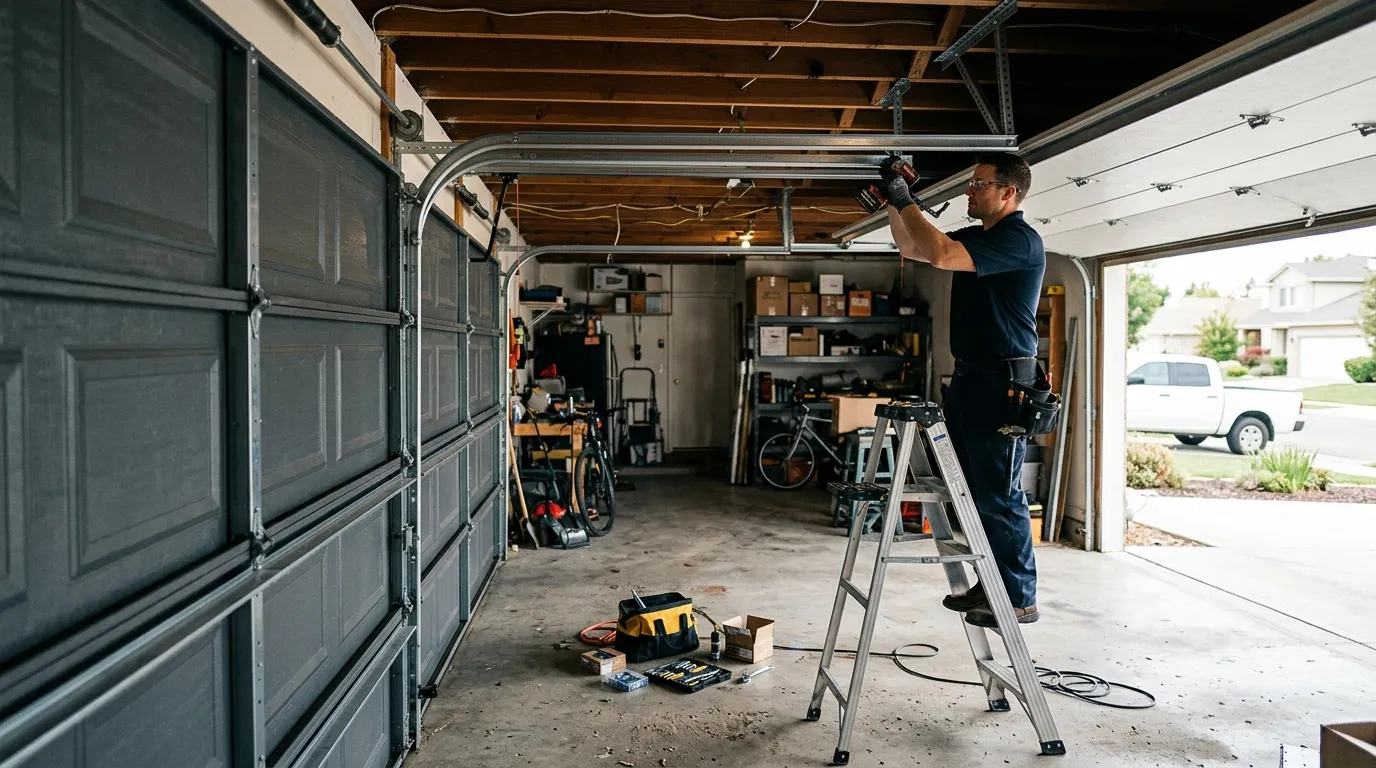
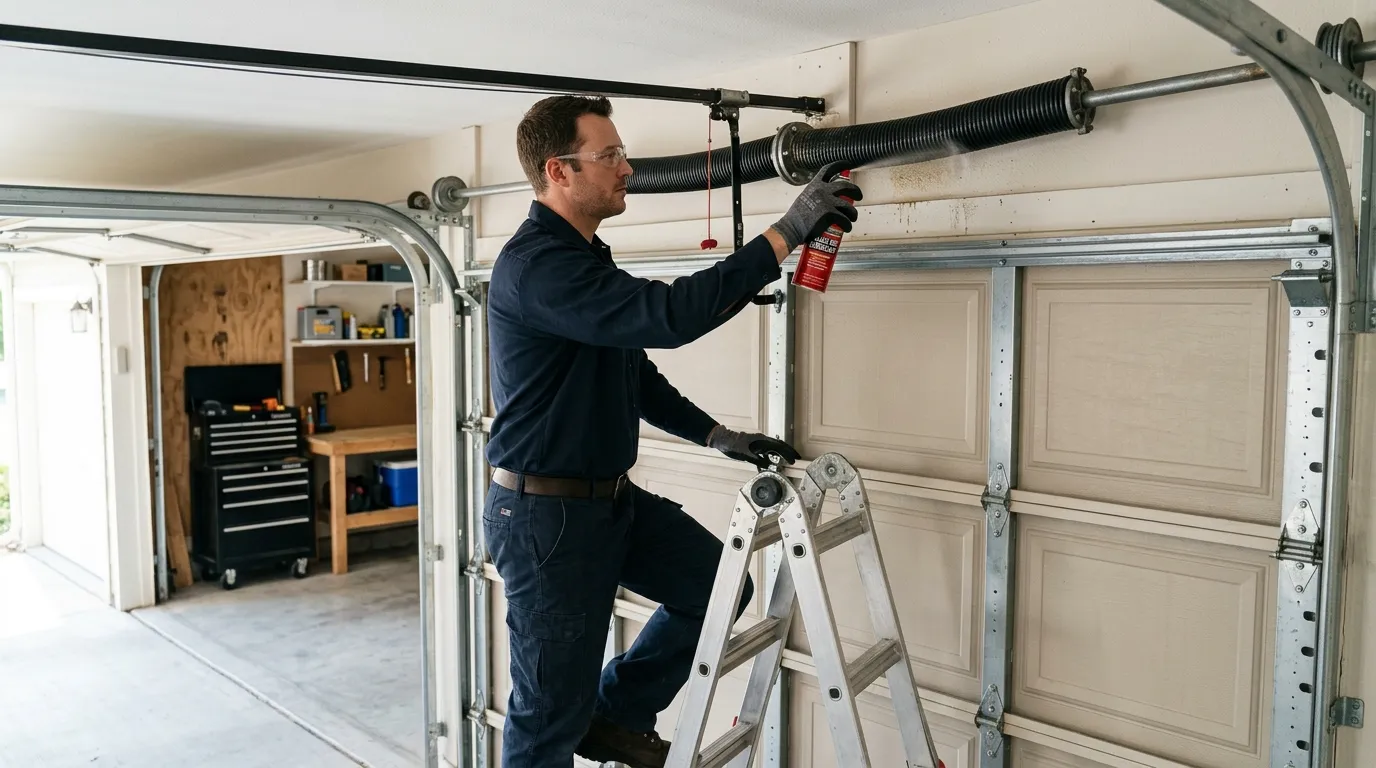
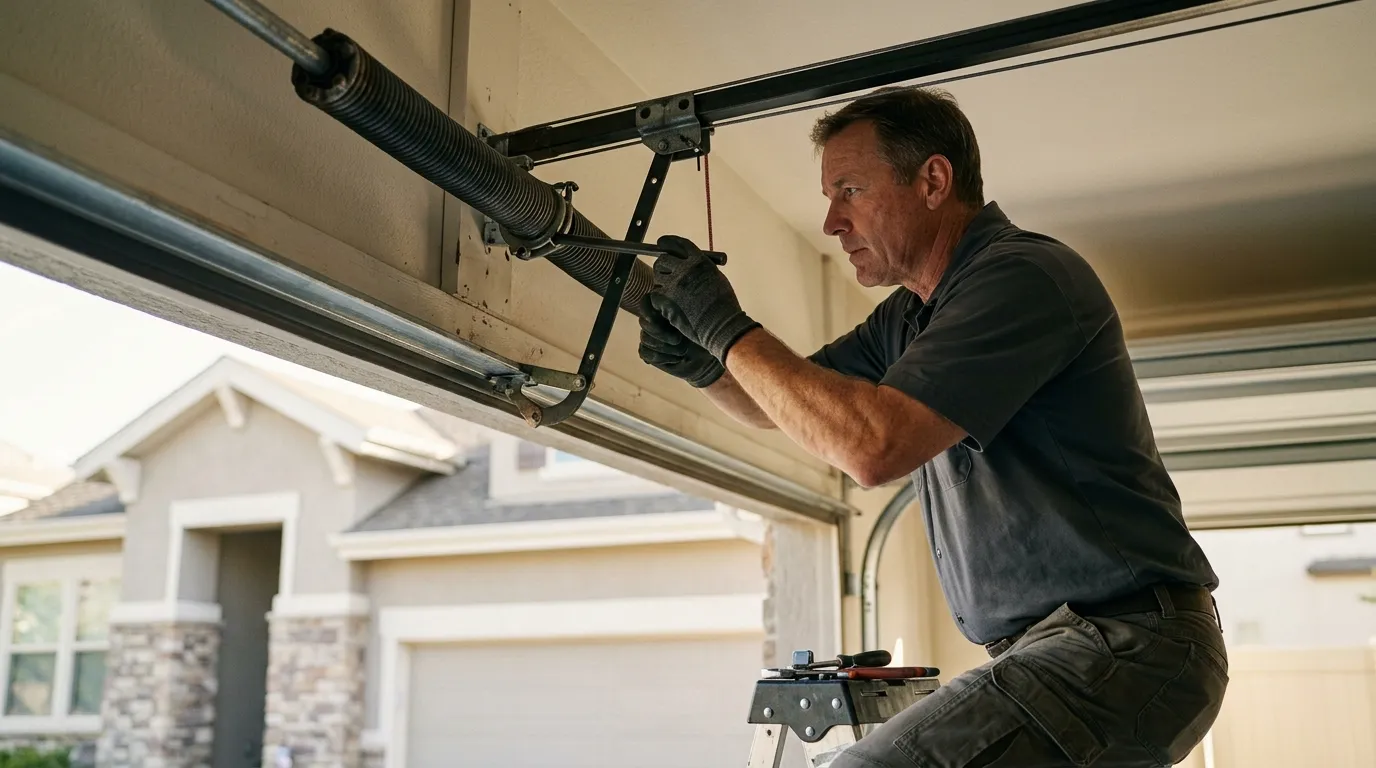
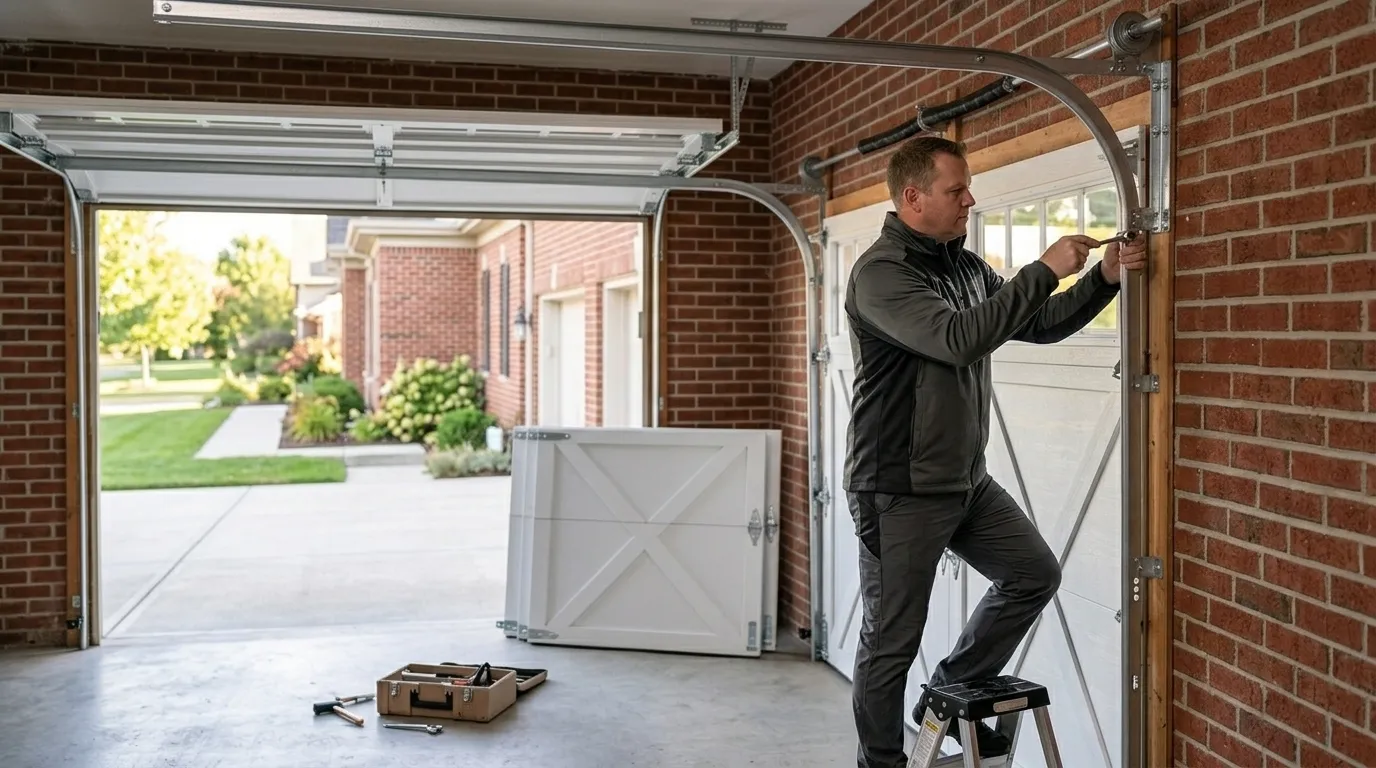
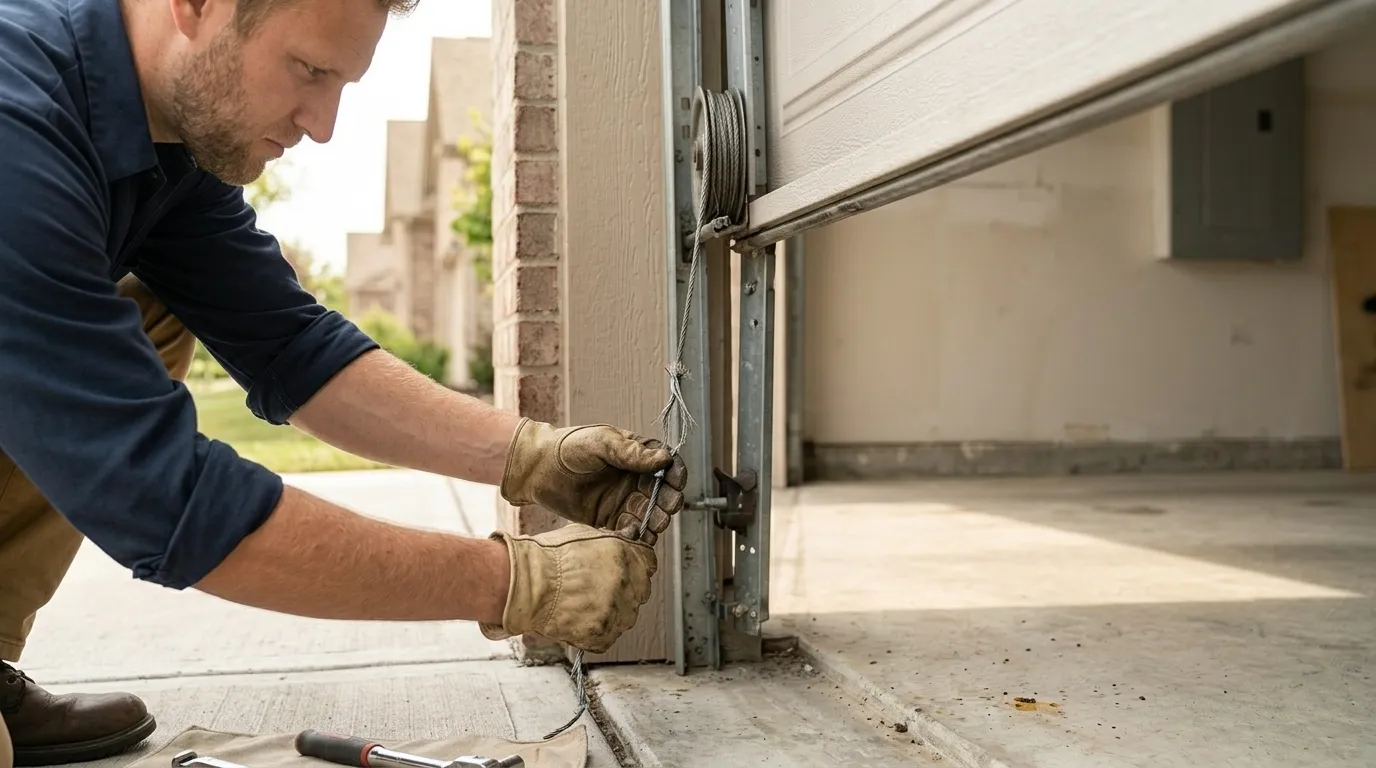
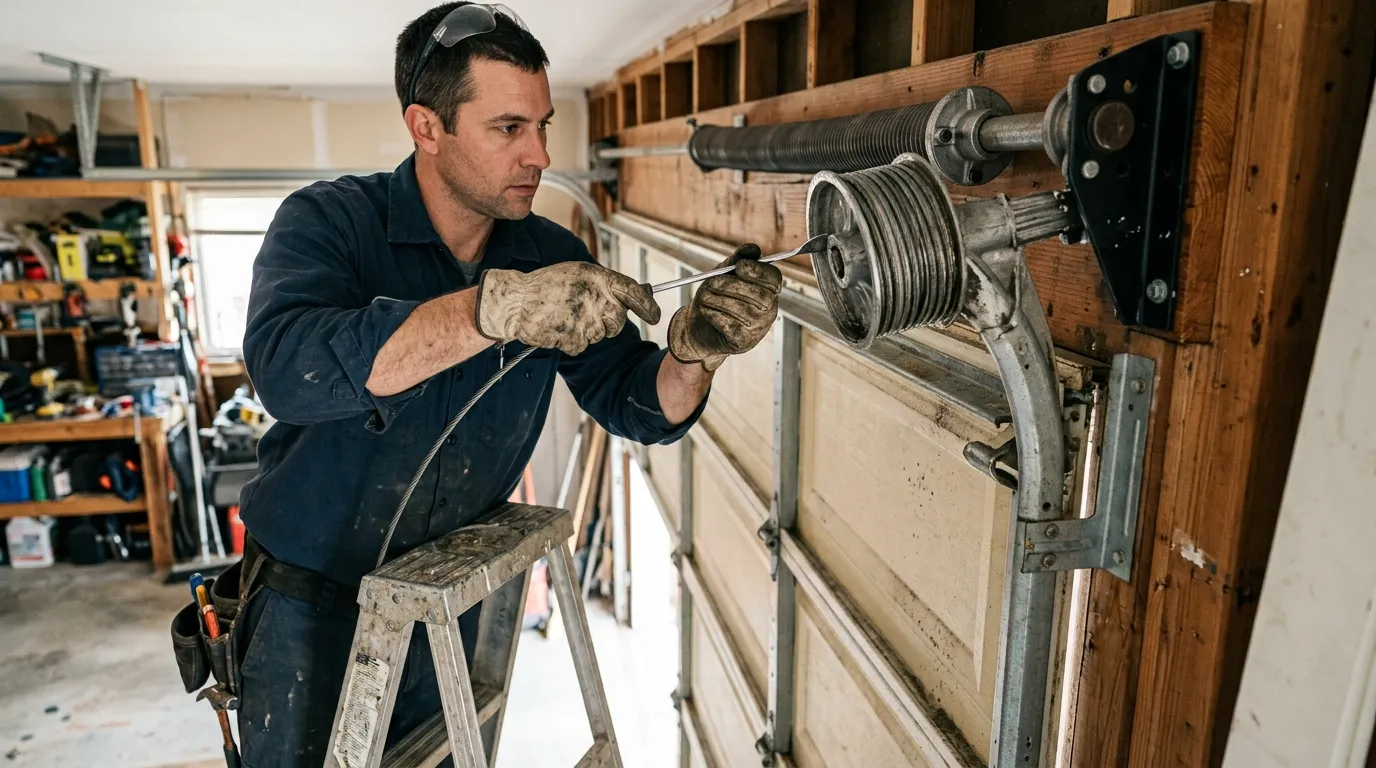
Older doors here tend to fail in specific, predictable ways: torsion springs that were never upgraded to a higher-cycle rating, single-wall steel panels that have gone soft at the bottom corners, and openers on 1980s-era chain drives that grind before they quit outright. The mild temperate climate this area sits in is kind to hardware overall - no hard freezes to crack seals, no extreme humidity swings that warp wood panels the way you'd see further north - so when something fails in Edgewood, it's almost always fatigue from age and use rather than weather damage. That's actually good news for repair versus replace decisions: the frame and opening are usually fine, it's the moving parts that have simply worn out. Median household income here runs around $79,345, and that's worth mentioning because it shapes the repair-versus-replace conversation we have with people - a full replacement isn't always the first move when the door and track are sound and it's really just springs or rollers doing the failing.