What Was Built Here
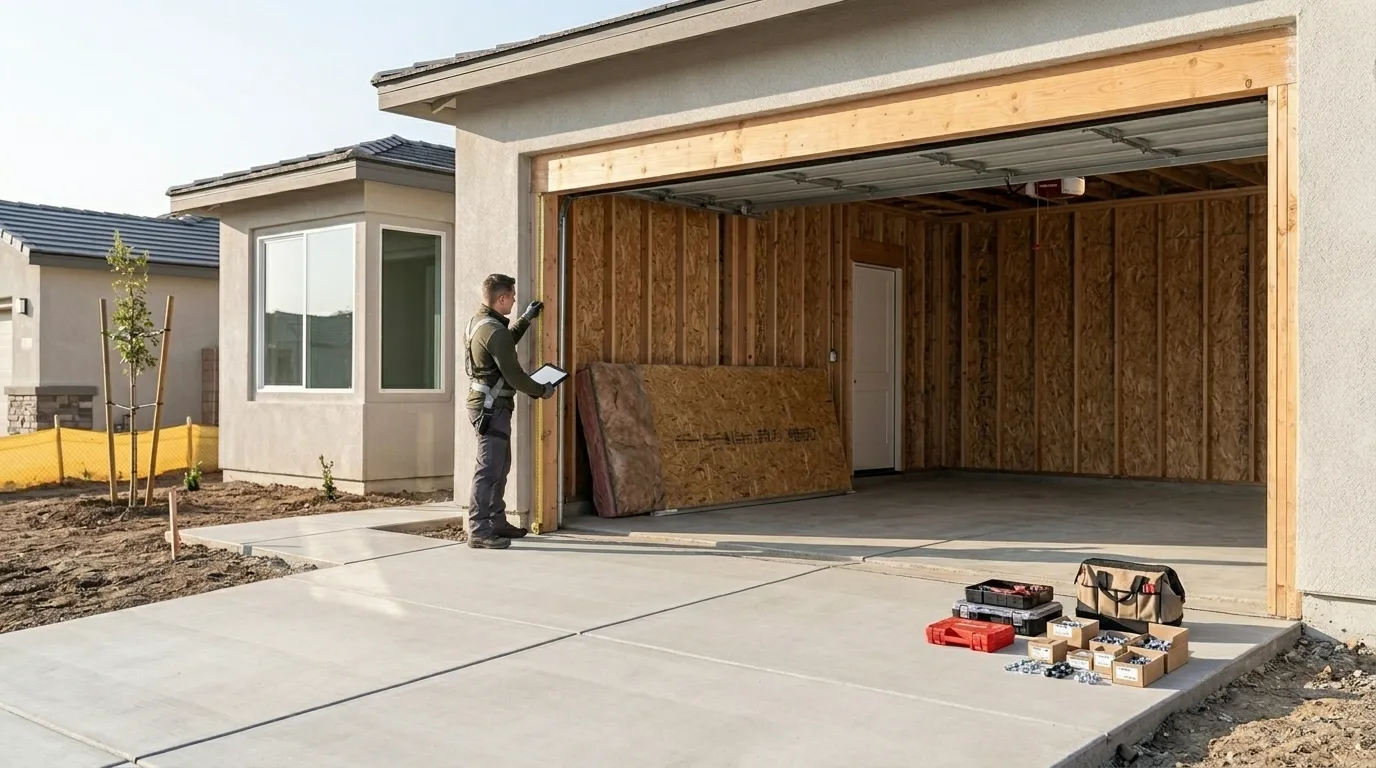
The median home in Fern Park went up around 1974. Across the wider Orlando-area territory we serve, the median build year is 1987 - more than a decade newer. That gap matters more than it sounds. A house built in the low-70s was framed and permitted under a different code cycle, with a different standard garage opening, different header framing, and, almost always, an opener and door that have already been replaced once or twice by the time we get the call. Fern Park has roughly 3,749 households, and a large share of them are sitting on doors and hardware that trace back to renovations done well before current wind-load and impact standards existed. That's not a knock on the area - it's just the reality of a neighborhood that filled in a full generation before most of what's around it.
What the Housing Means for Your Door
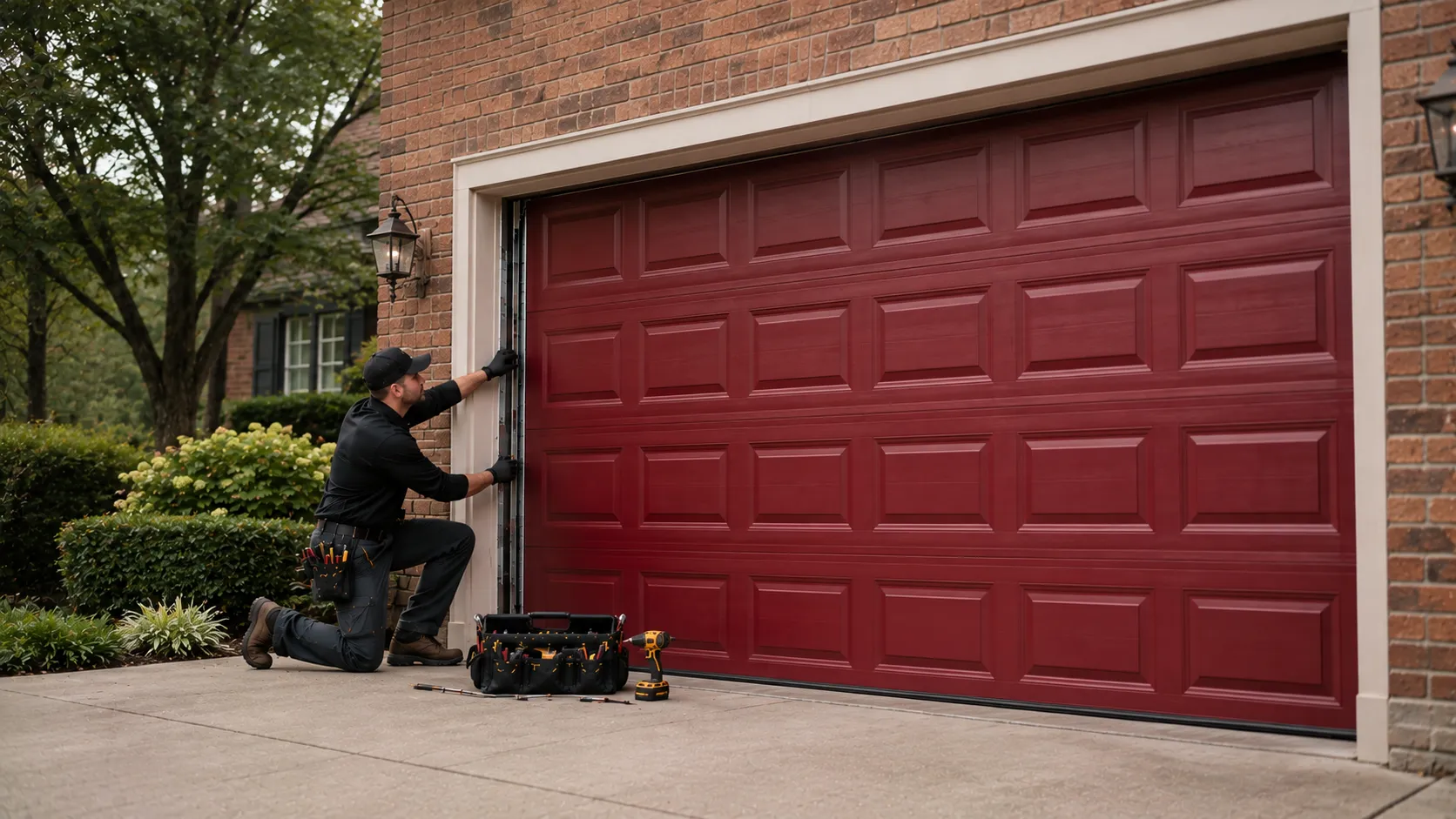
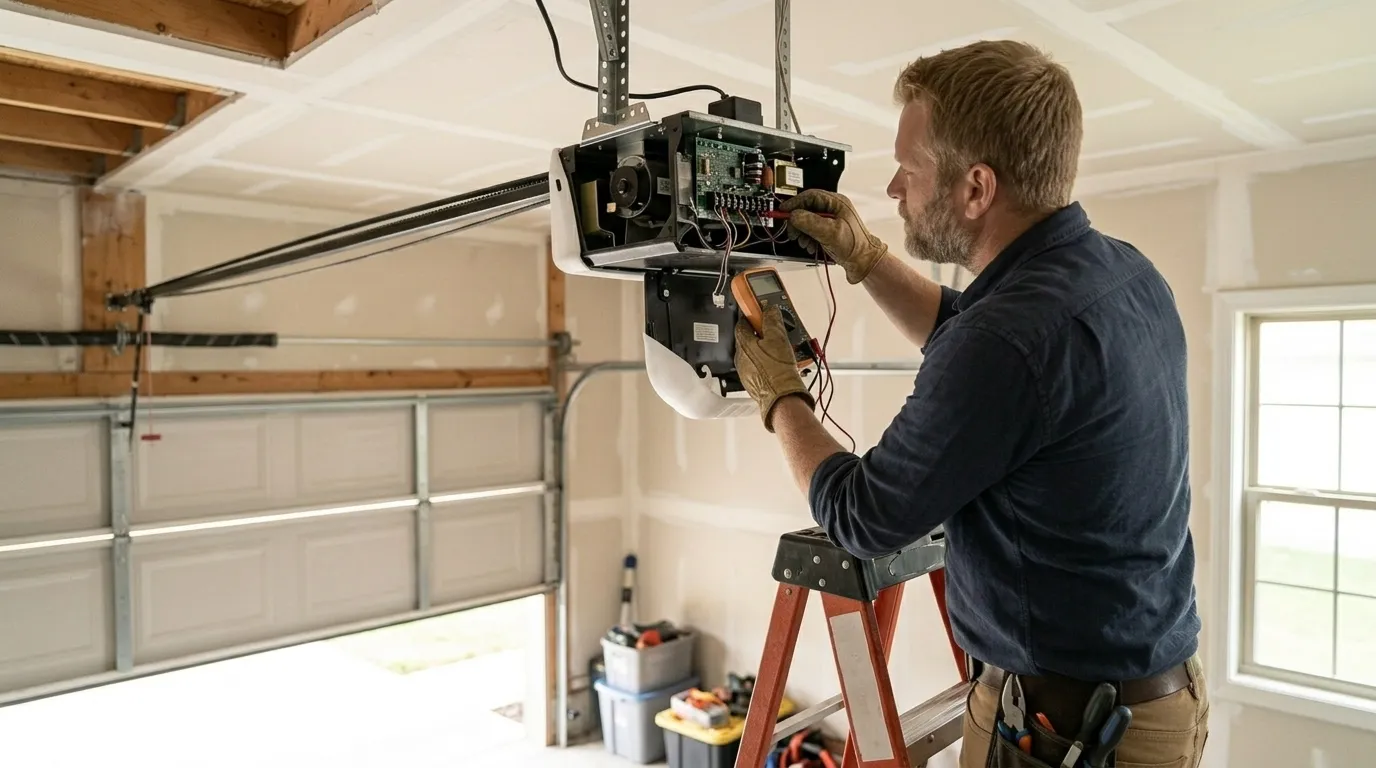
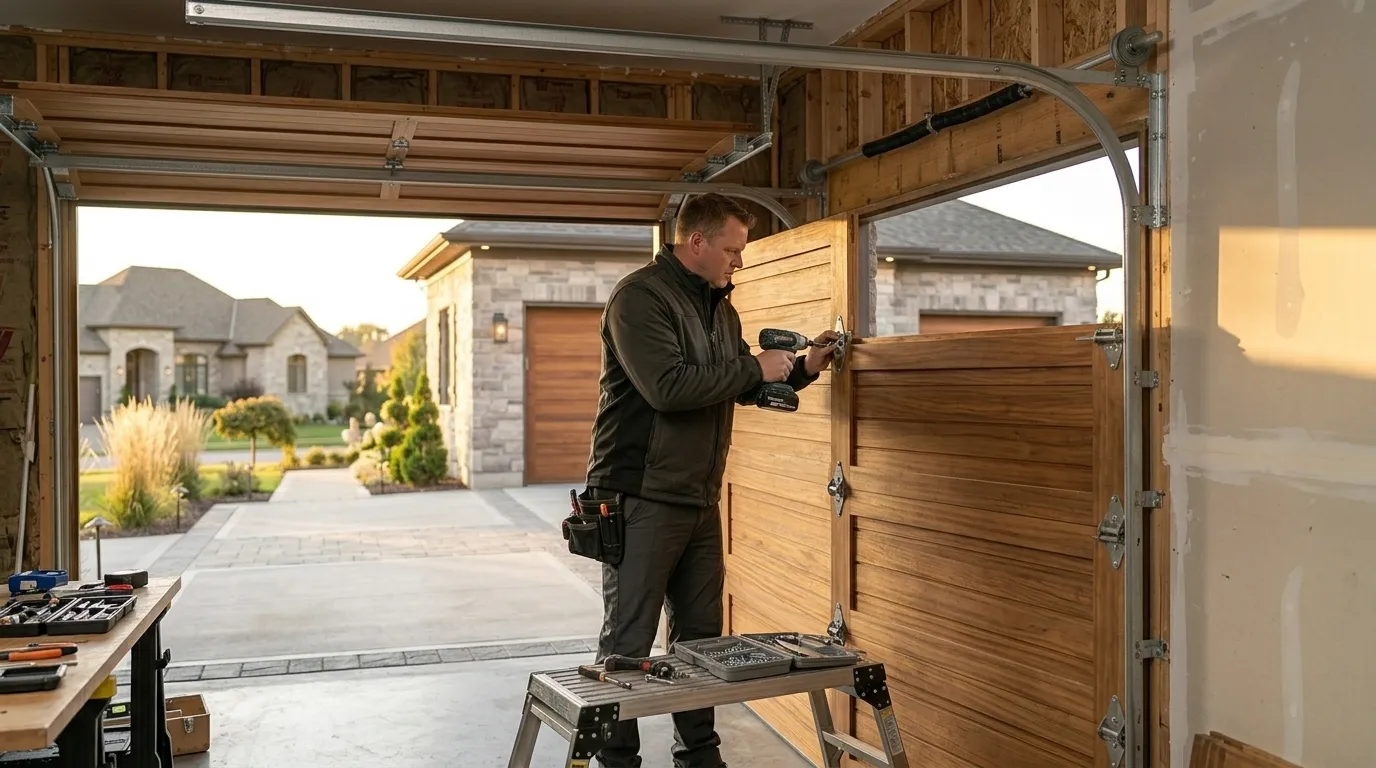
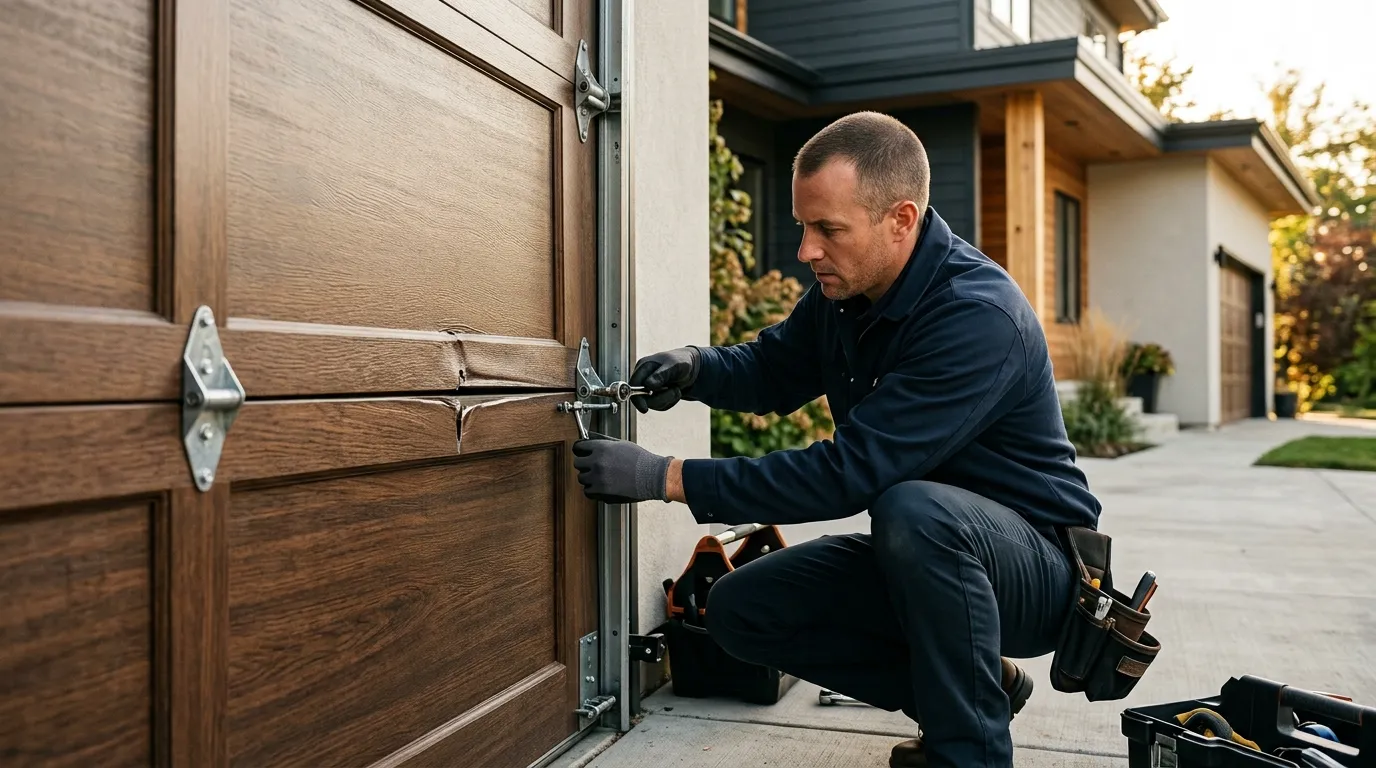
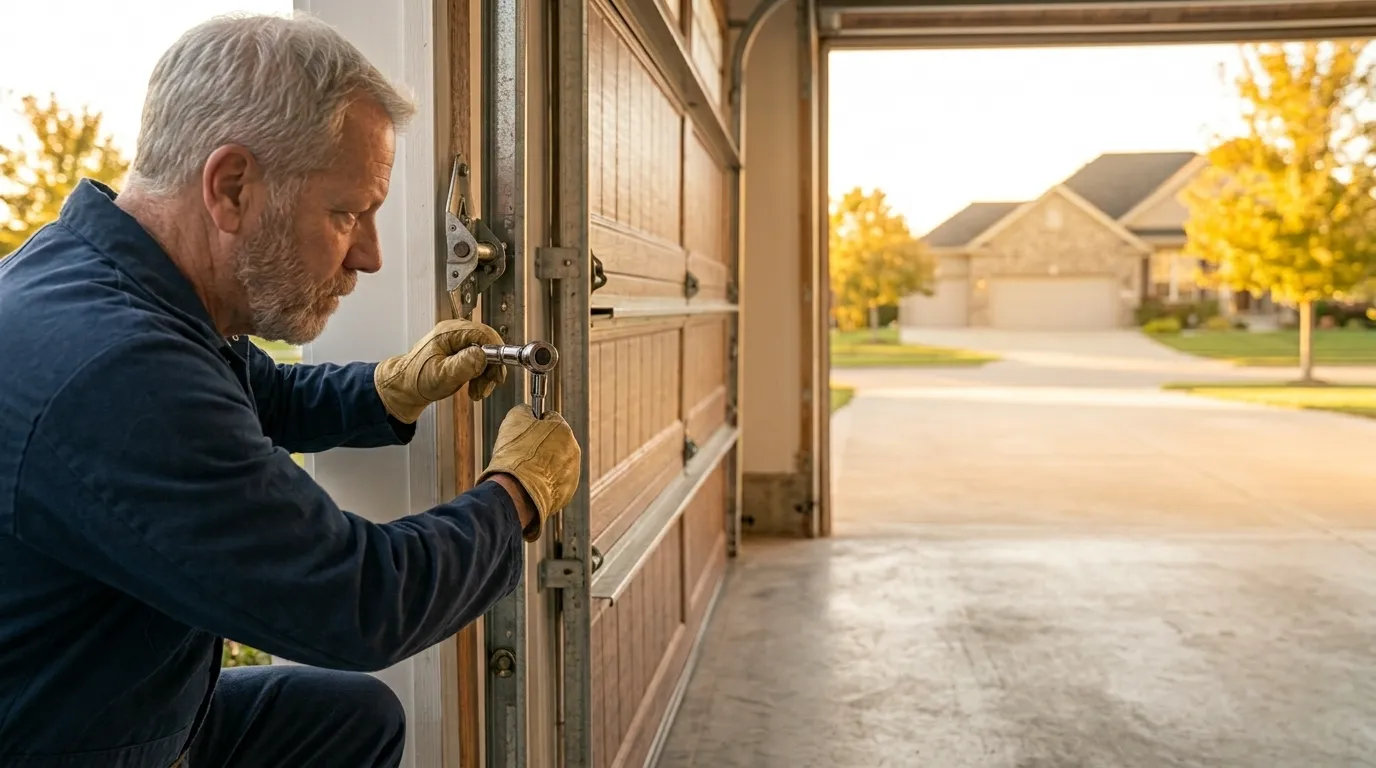
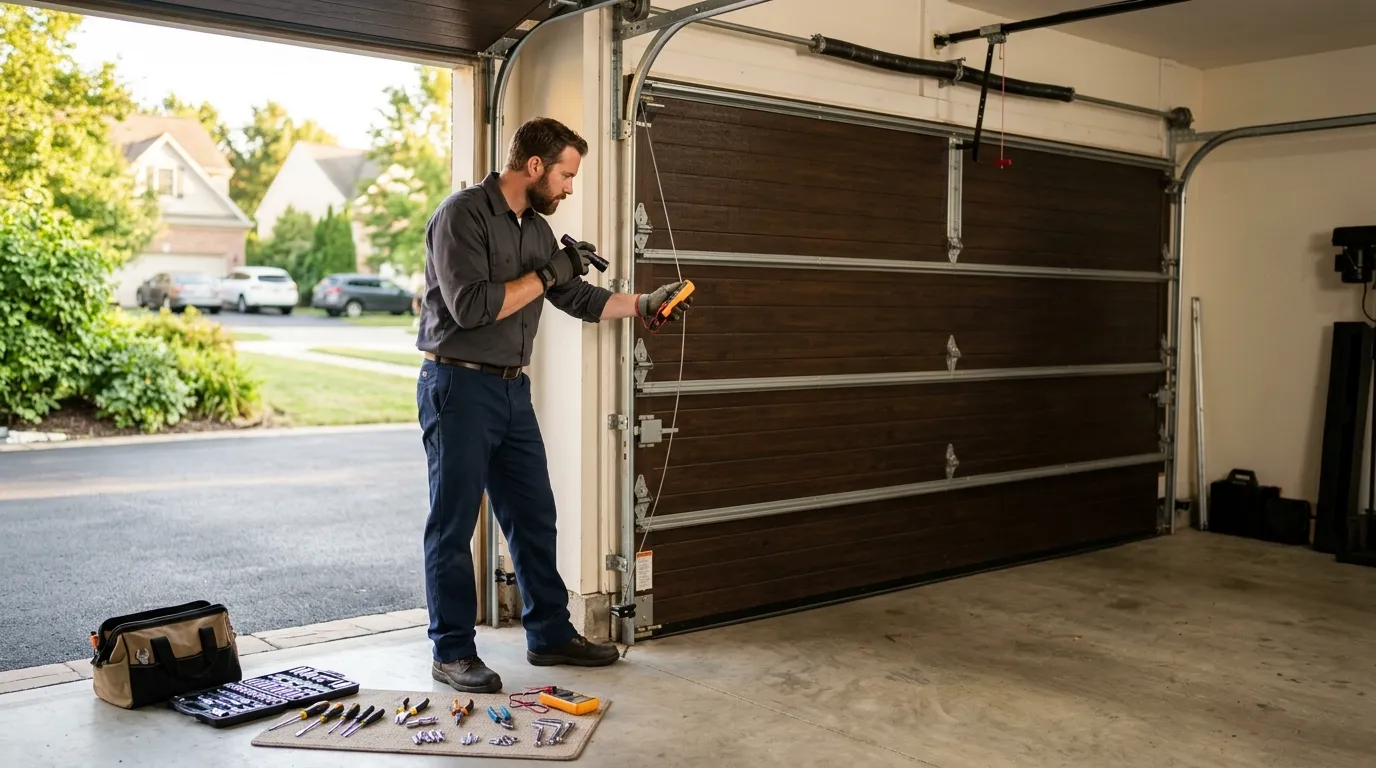
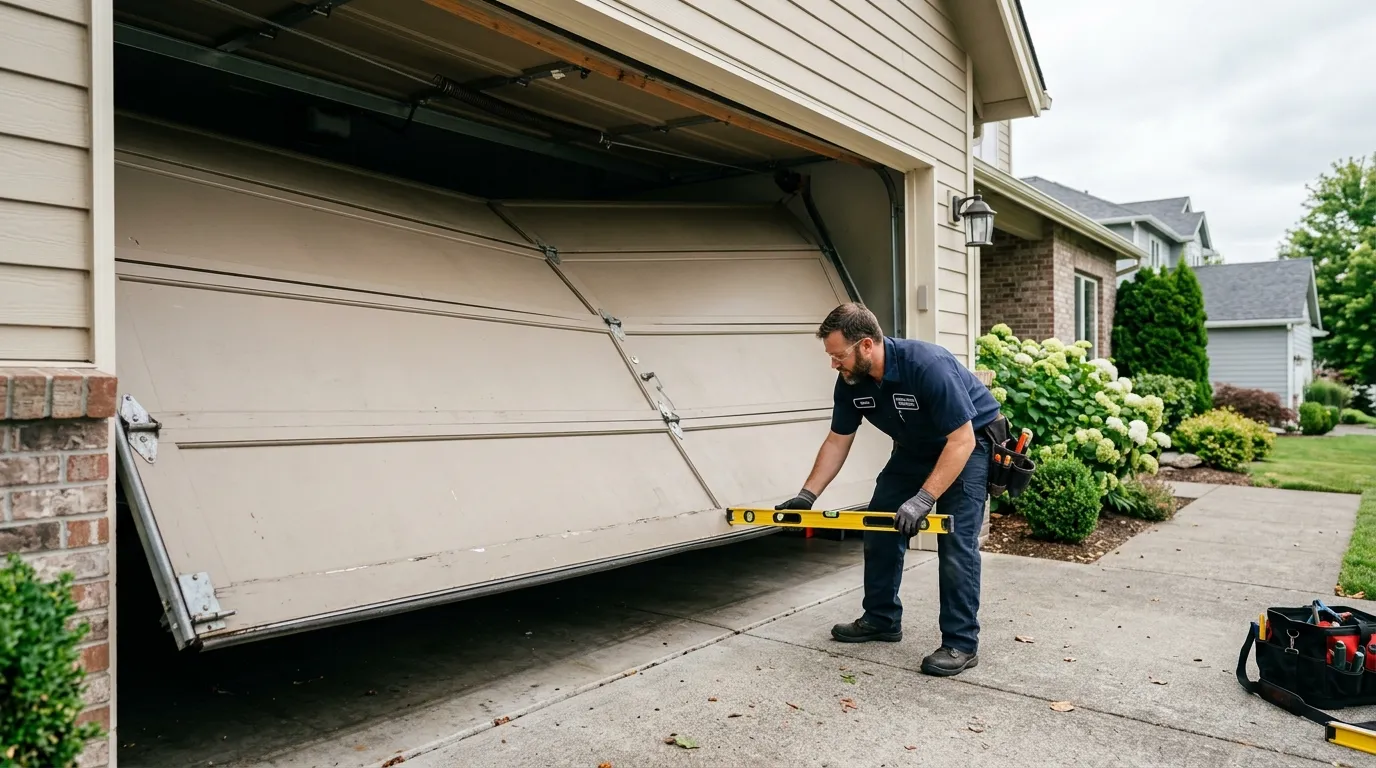
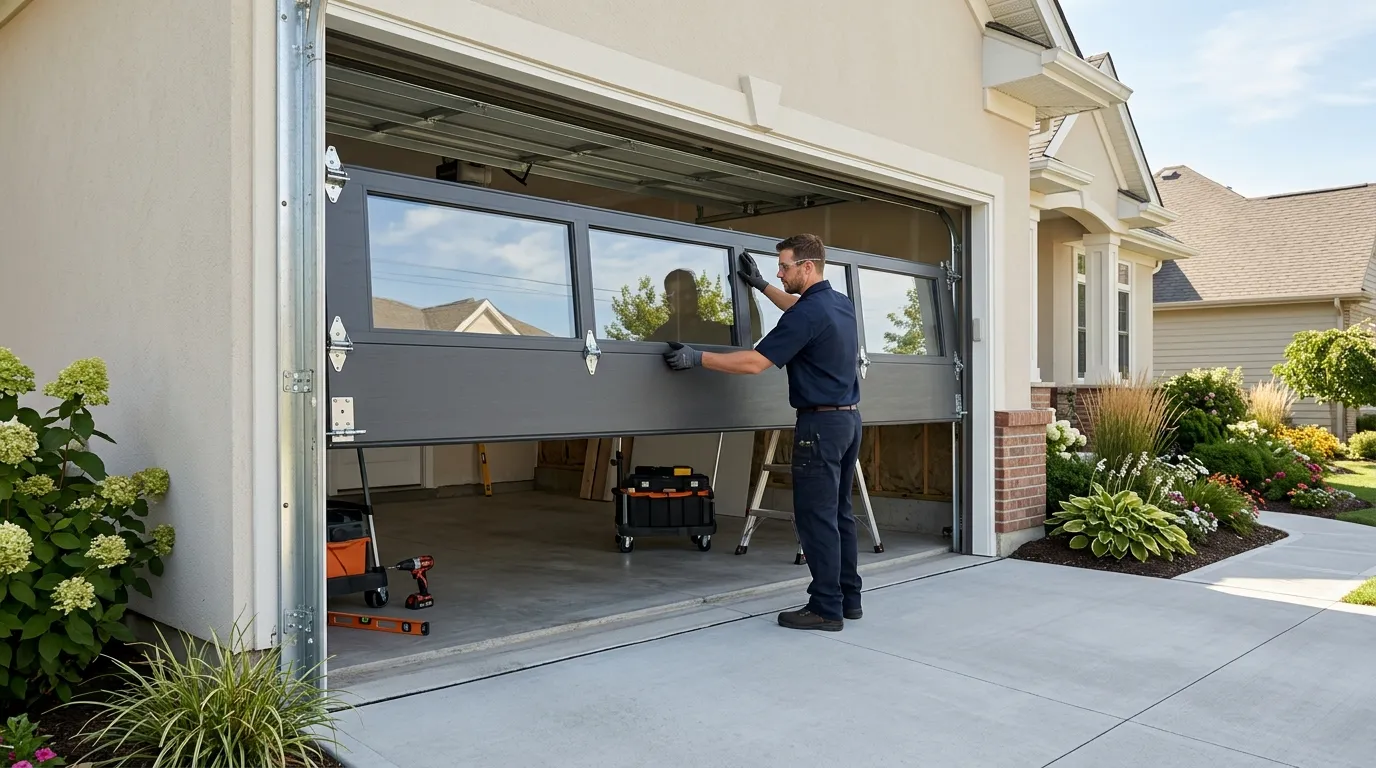
Older housing stock means older track and spring configurations. On a house from the early-to-mid 1970s, we more often find single-spring torsion setups sized for lighter doors, non-insulated steel panels that have warped or rusted at the bottom section, and openers on a chain drive that's outlasted its gears. None of that is a problem until it is - these systems tend to fail all at once, not gradually. Fern Park's median household income is $60,828, noticeably below the $82,107 median across the broader service area, and that's worth naming plainly: it shapes whether a repair or a full replacement makes more sense for a given household, and we'll always price both options honestly rather than push the bigger job. The mild temperate climate here doesn't stress hardware the way freeze-thaw regions do, so when a spring or cable does fail in an older Fern Park door, it's almost always wear and metal fatigue, not weather damage.