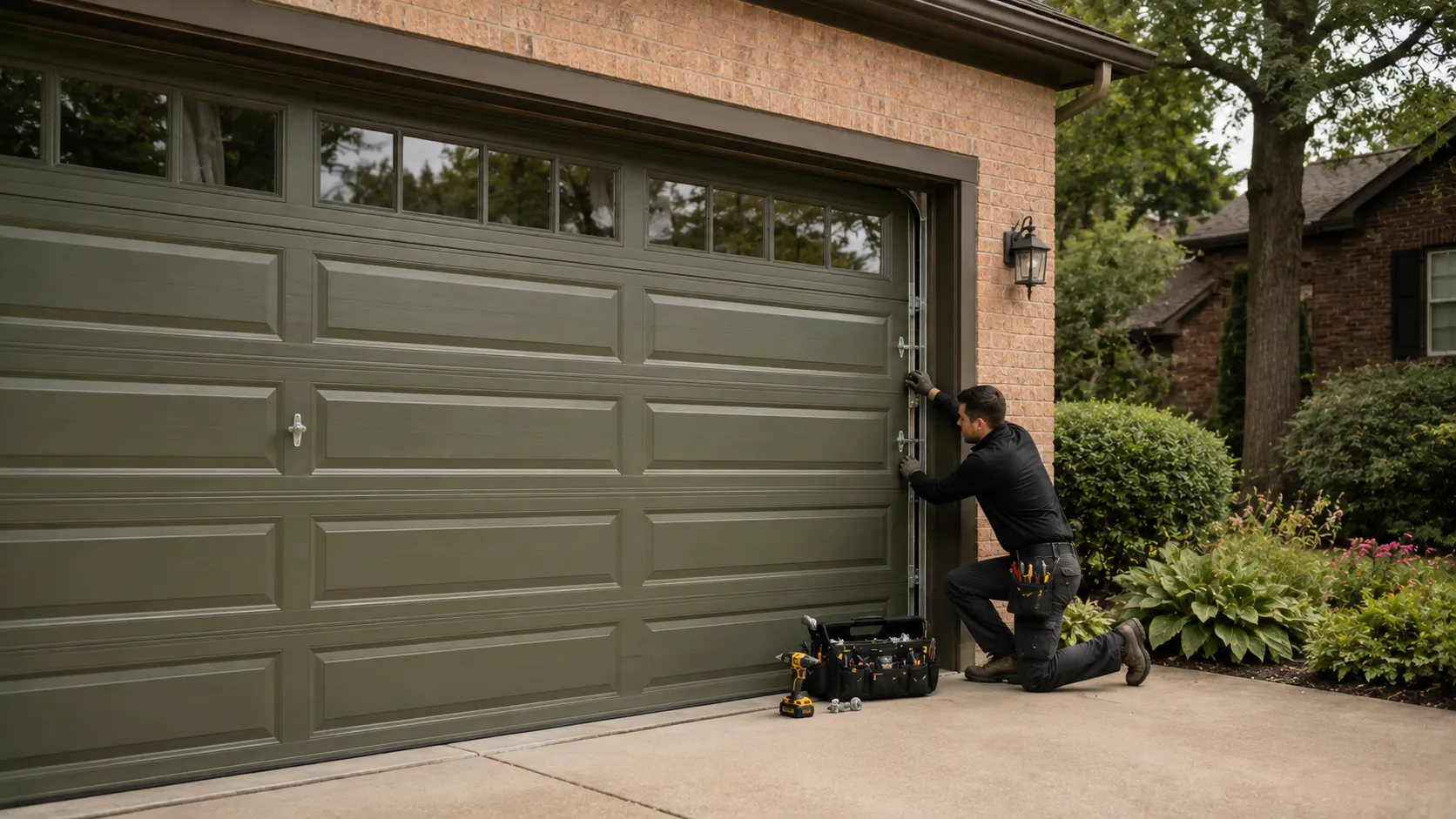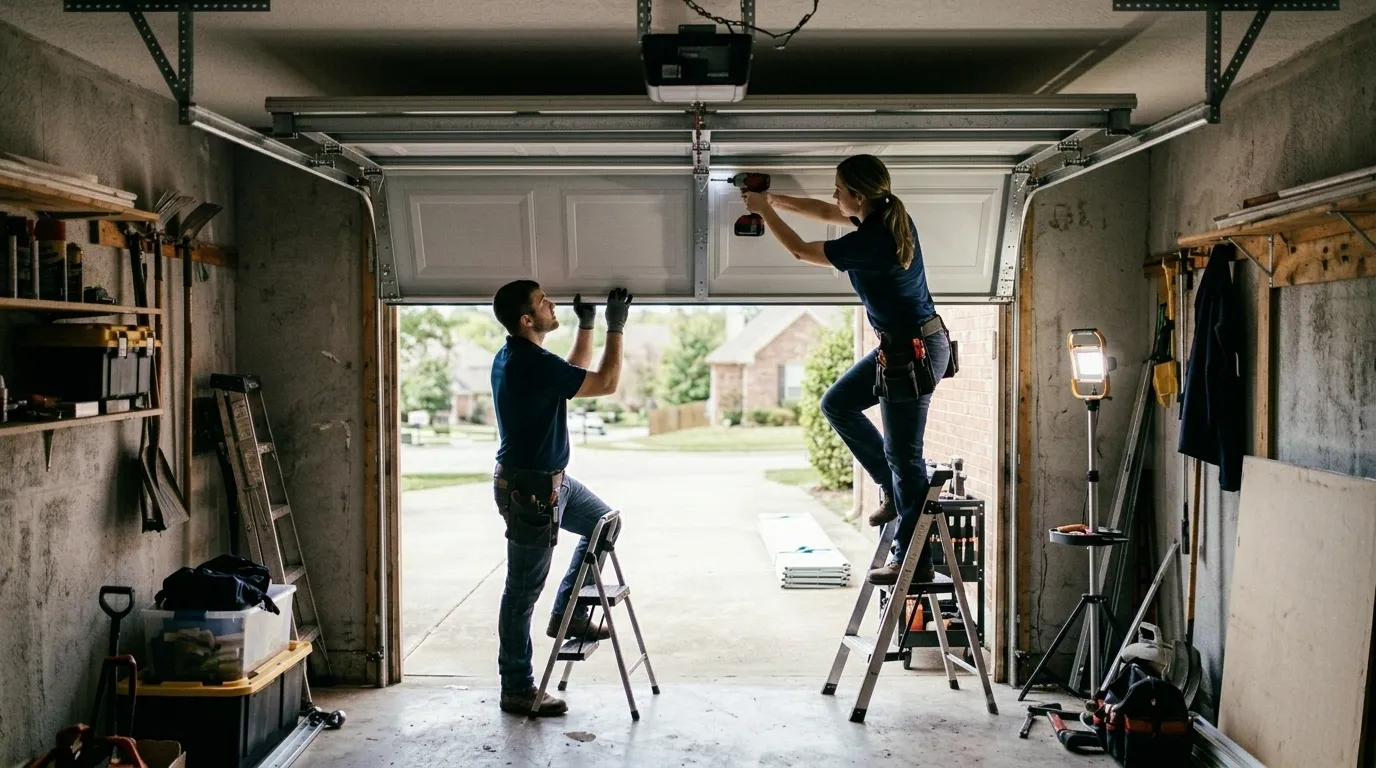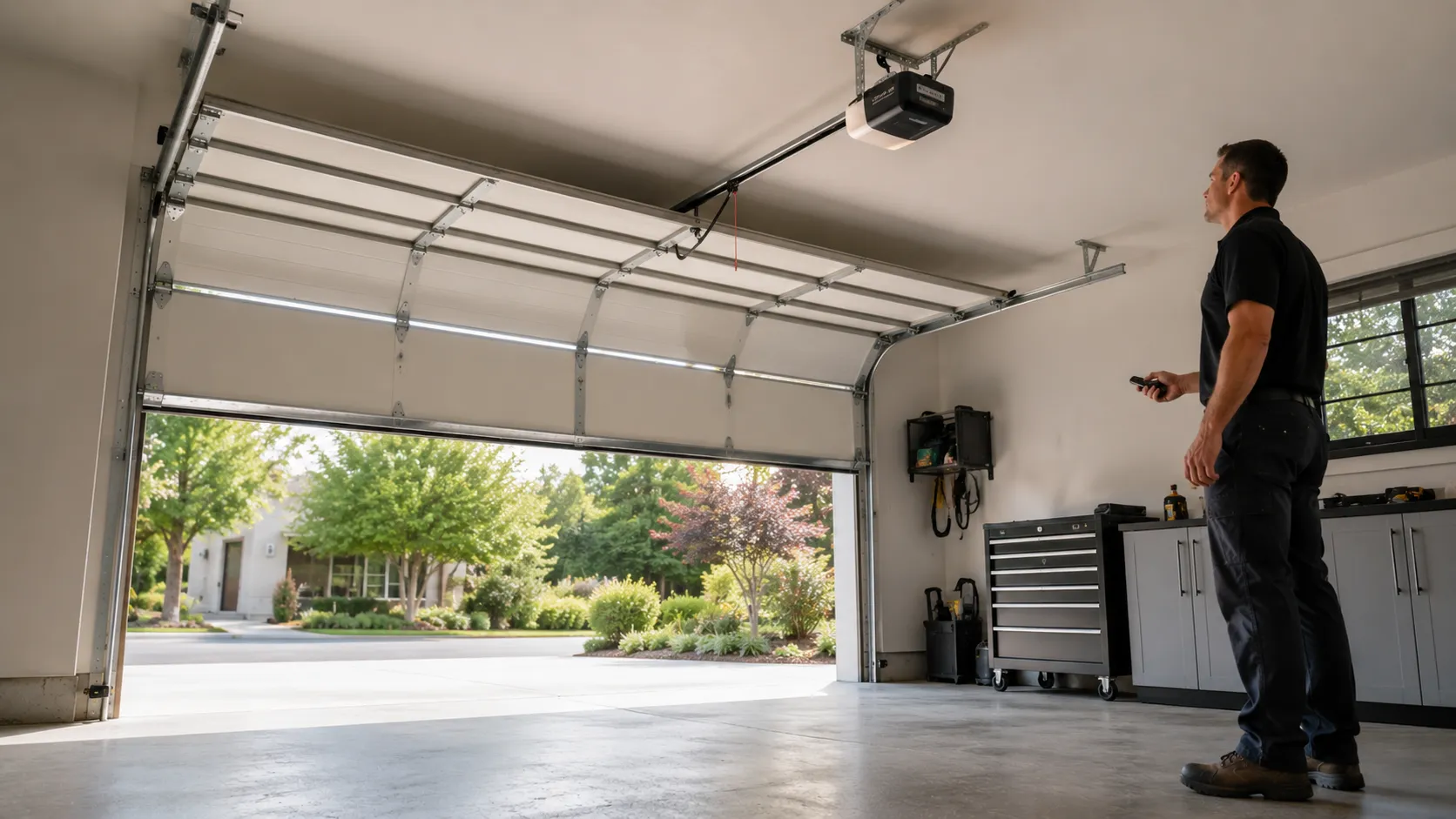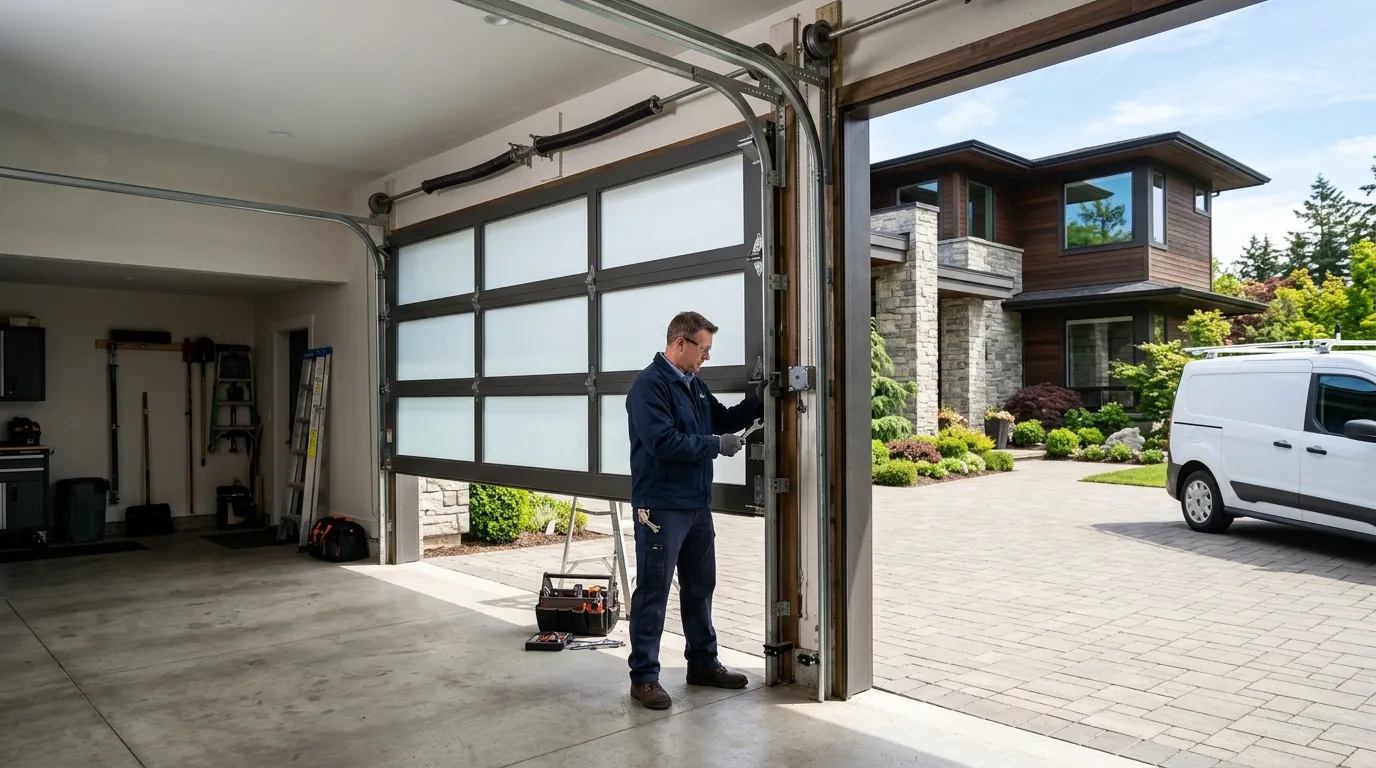
What Was Built Here
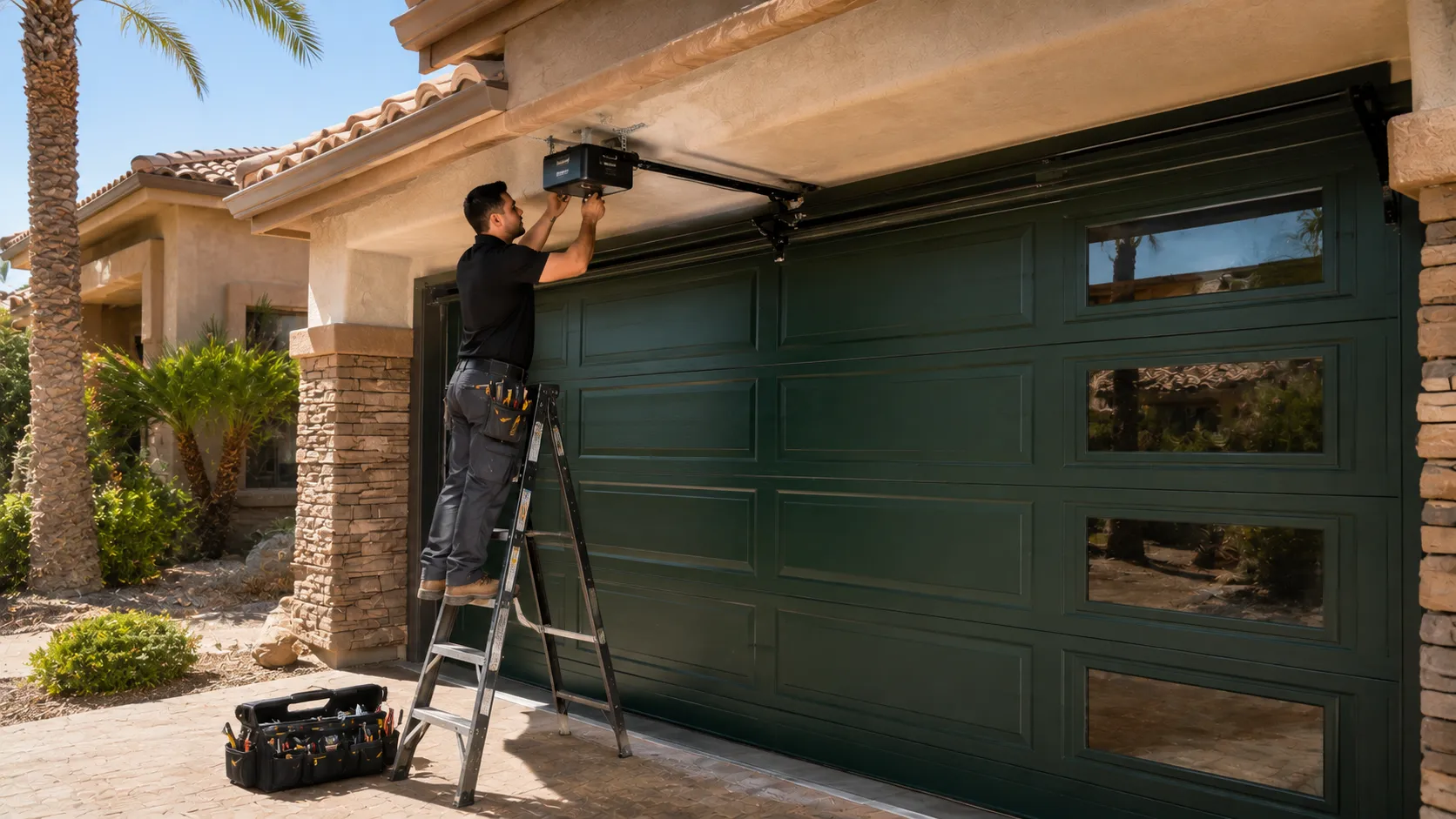
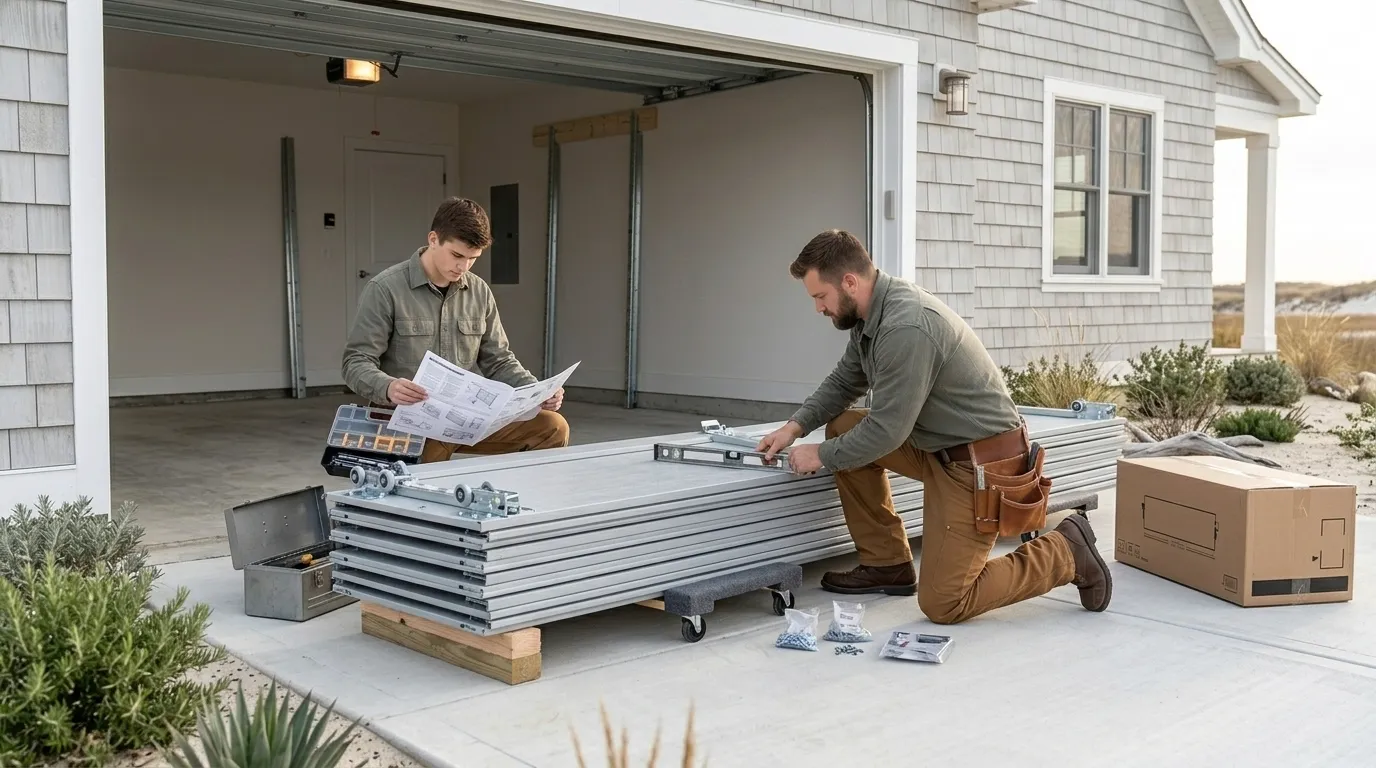
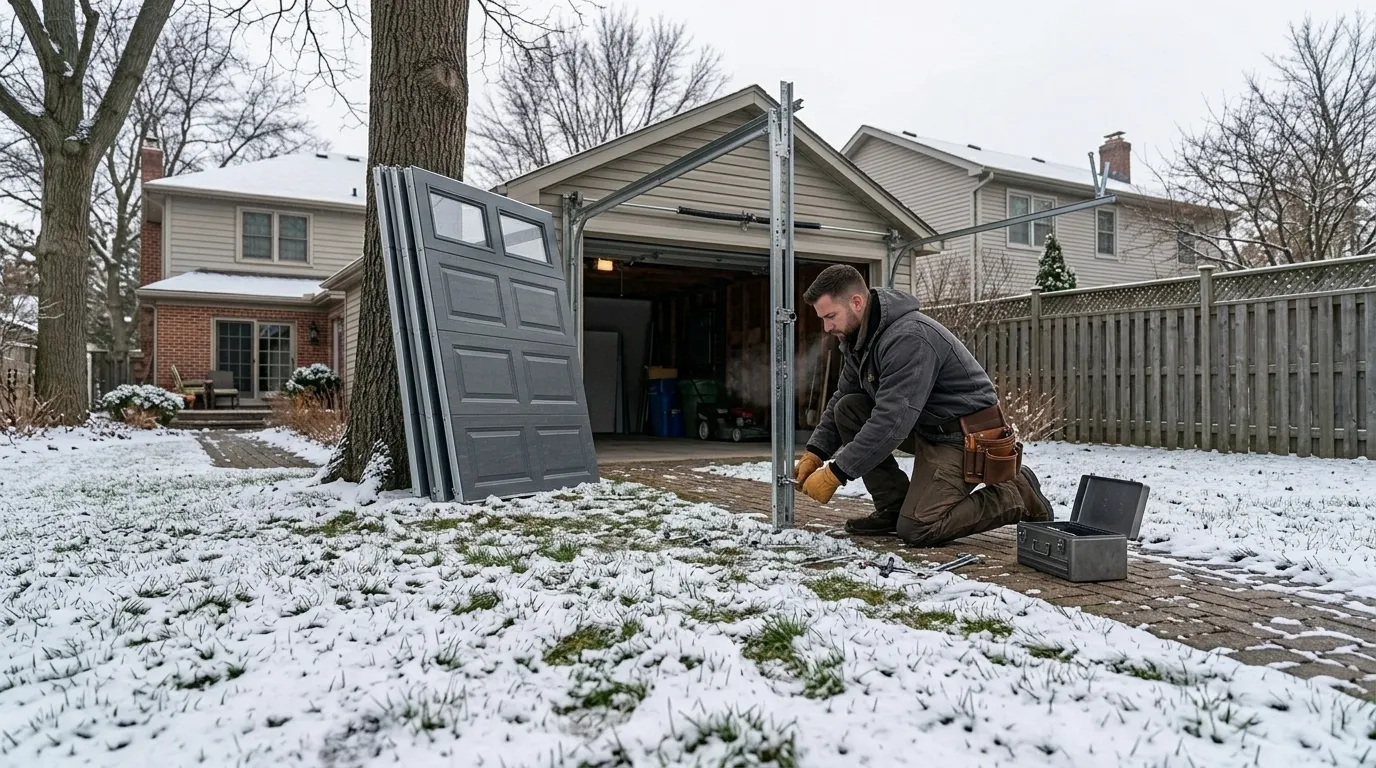
The median home in Goldenrod dates to around 1979, noticeably older than the roughly 1987 median across the wider Orlando service area we cover. That decade-plus gap matters more than it sounds like it should. A 1979-era house was very likely built with a garage door and opener system designed for the electromechanical hardware of the late 1970s - not the wall-mount, integrated-sensor gear that shows up in homes built after the mid-80s safety-code changes. With 5,399 households in Goldenrod, a meaningful share of them are sitting on doors and openers that predate those changes entirely, either original or a straightforward one-for-one swap installed decades ago on the same aging bracket setup. That's a different starting point than newer subdivisions closer in, where torsion assemblies and opener wiring are more standardized and parts are easier to source without adapting anything.
What the Housing Means for Your Door
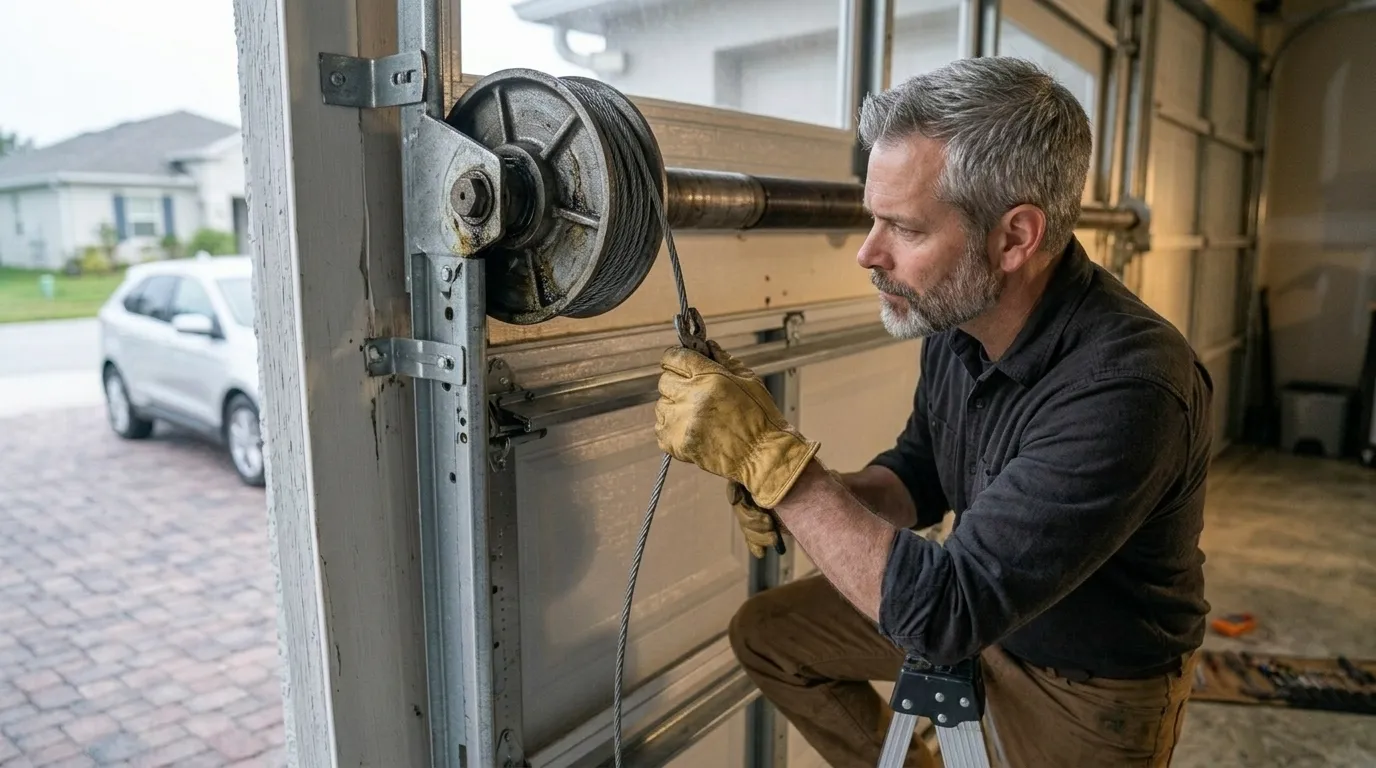
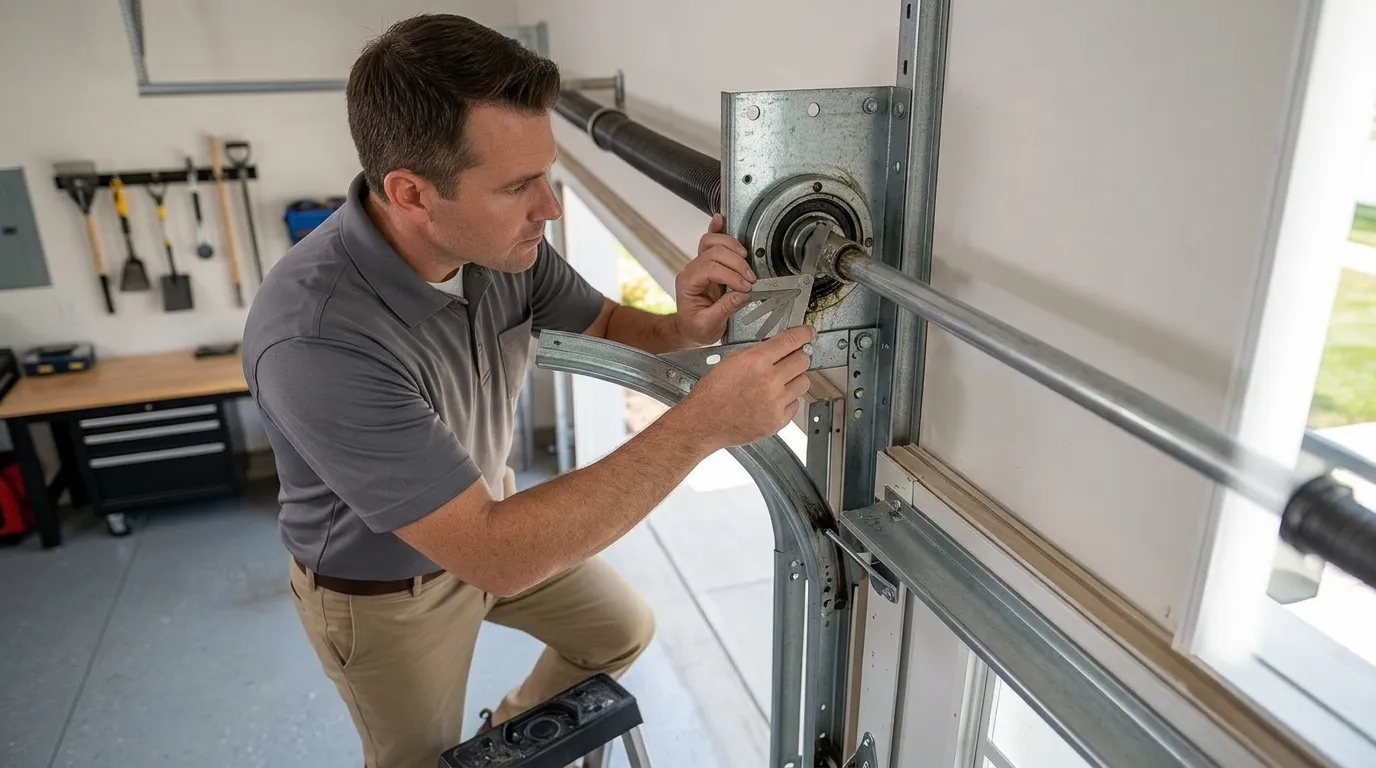
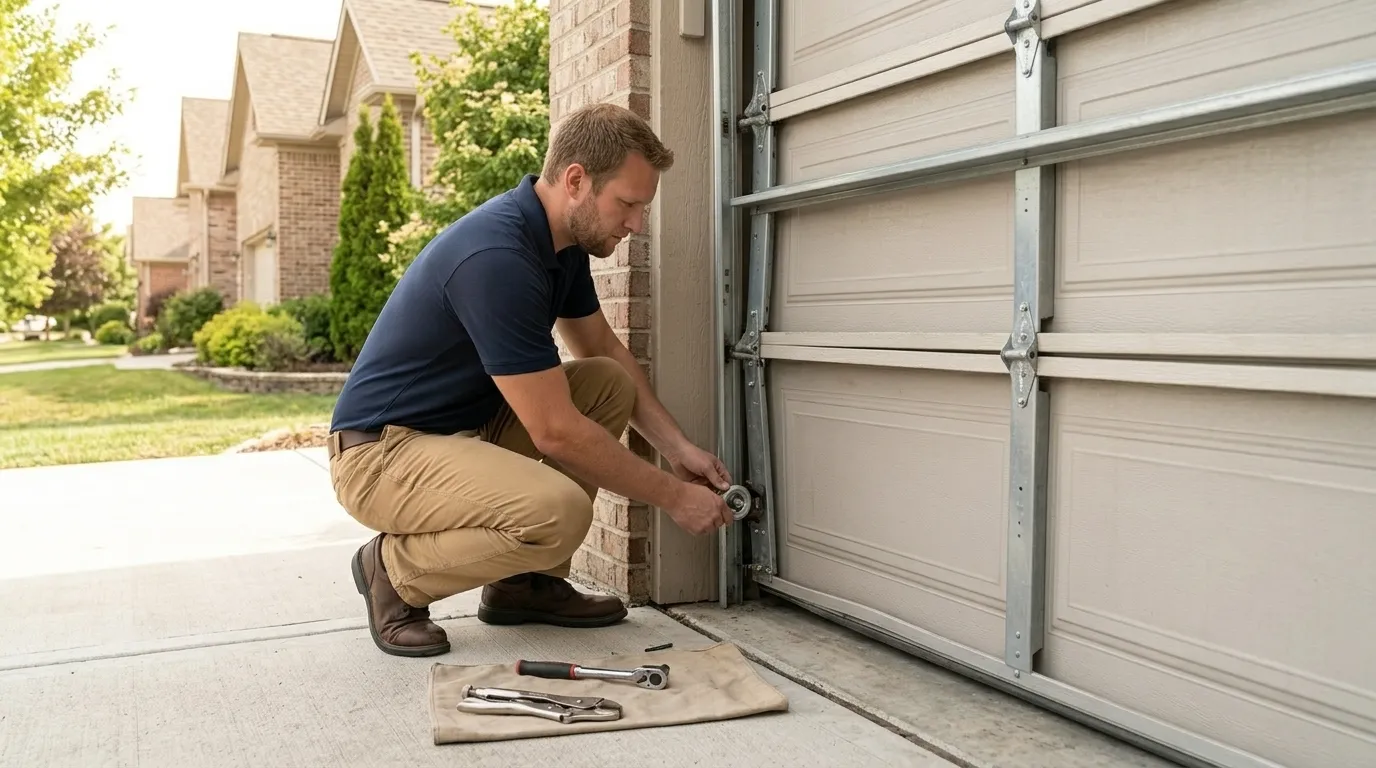
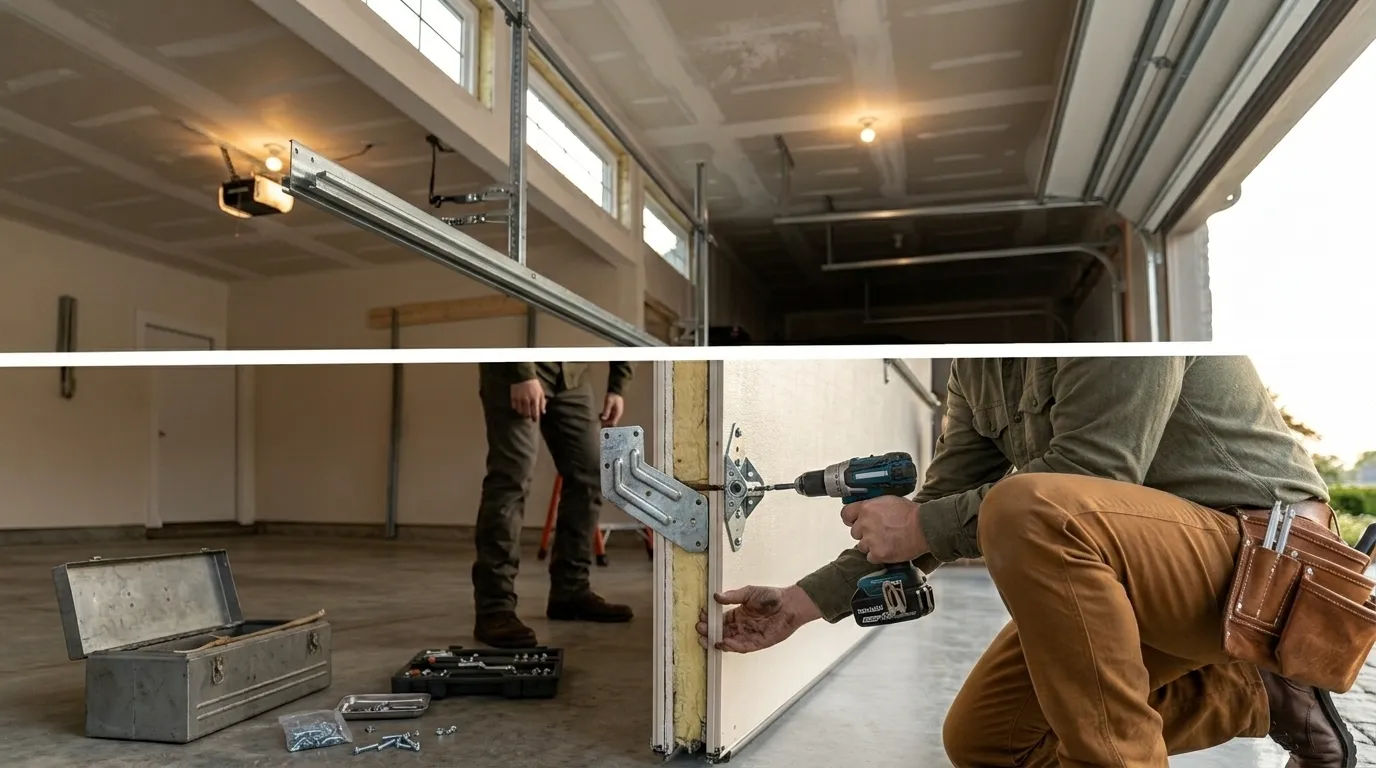
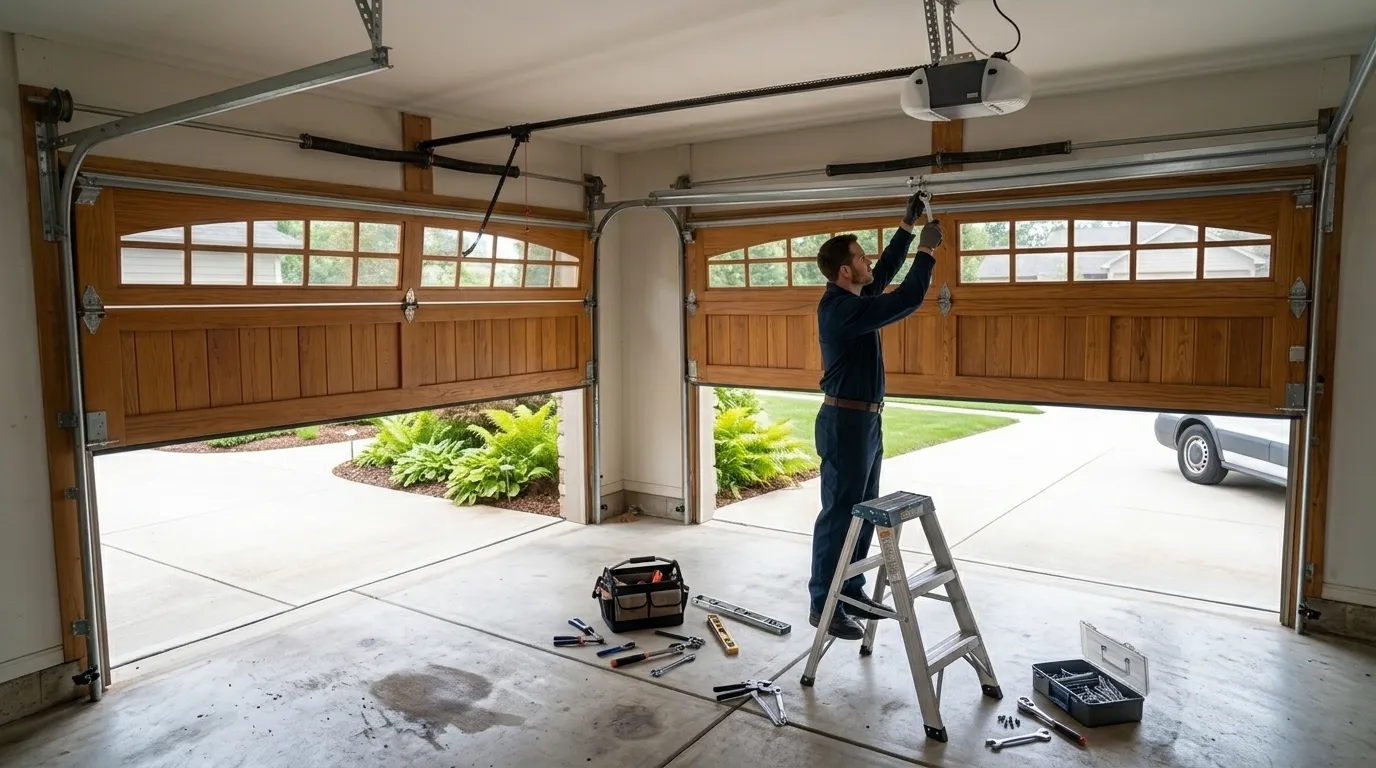
Older stock means older failure points. On a 1979-vintage garage, we expect to find side-mounted torsion springs rated for lighter, single-layer steel doors, extension springs without containment cables (a real safety gap by today's standard), and openers with worn drive gears that were never built with a modern remote or keypad in mind. None of that is exotic - it's just not what a truck stocked for average Orlando-area 1987-stock doors carries by default. We also see median household income in Goldenrod running lower, around $62,410, compared to the roughly $82,107 median across the broader area we serve, which tells us repair-over-replace is usually the right conversation to start with here rather than jumping to a full door swap. A tuned-up 1979 door with a new spring and a hardware check will often outlast the cost case for tearing it out.