What Was Built Here
Across the broader service area, most homes went up between 1964 and 2021, with a median build year of 1987 and the bulk of that stock dating to the 1980s and 90s. Gotha breaks from that pattern - its median year built runs closer to 2002, a good fifteen years newer than the area norm. With only about 381 households here, it's a small, newer pocket rather than a slice of the older tract housing that dominates elsewhere. That gap matters because a house built in 2002 was framed, wired, and fitted with garage hardware under a different set of assumptions than one built in the 80s, and it shows up the moment a spring or opener needs attention.
What the Housing Means for Your Door
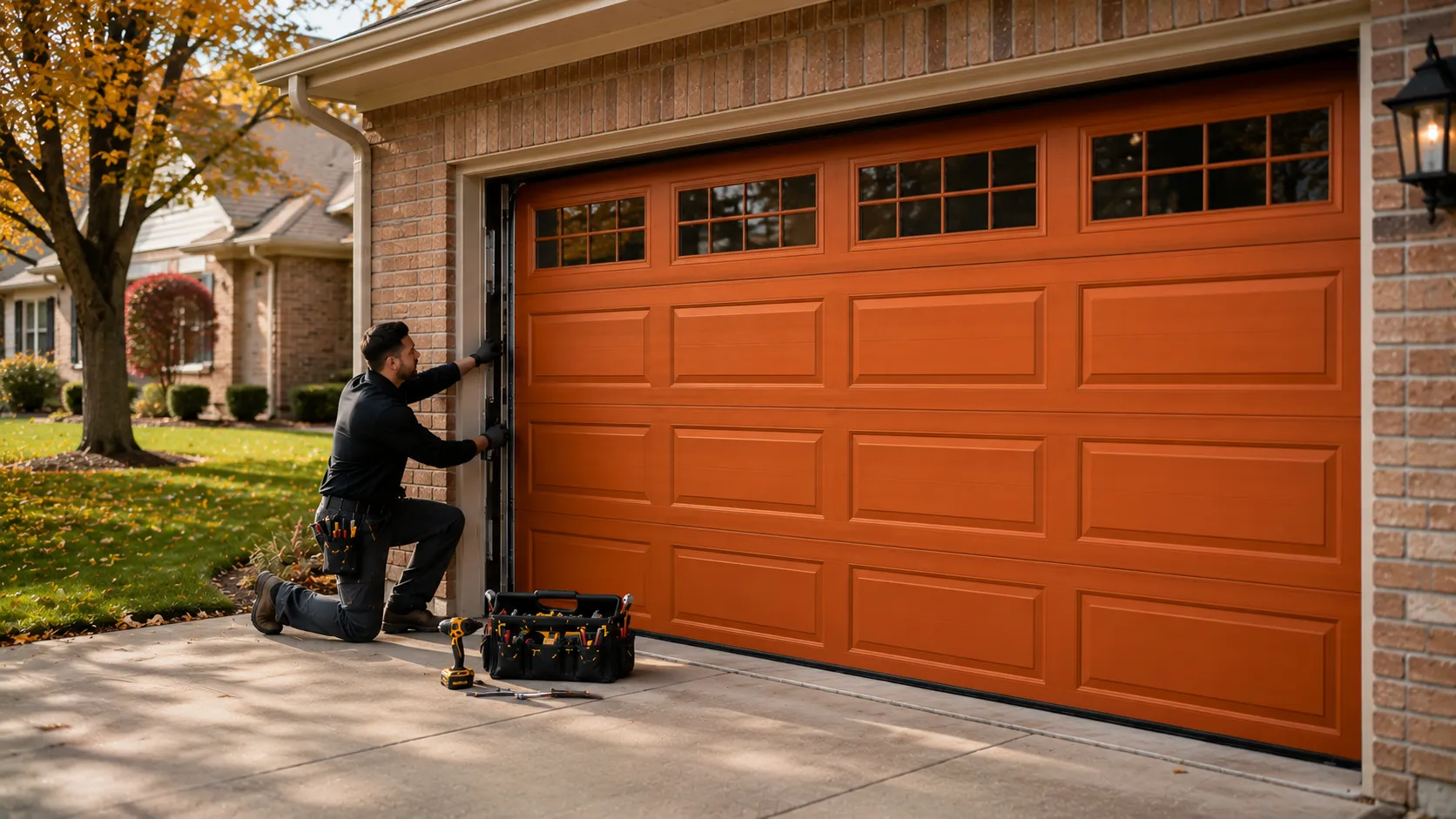
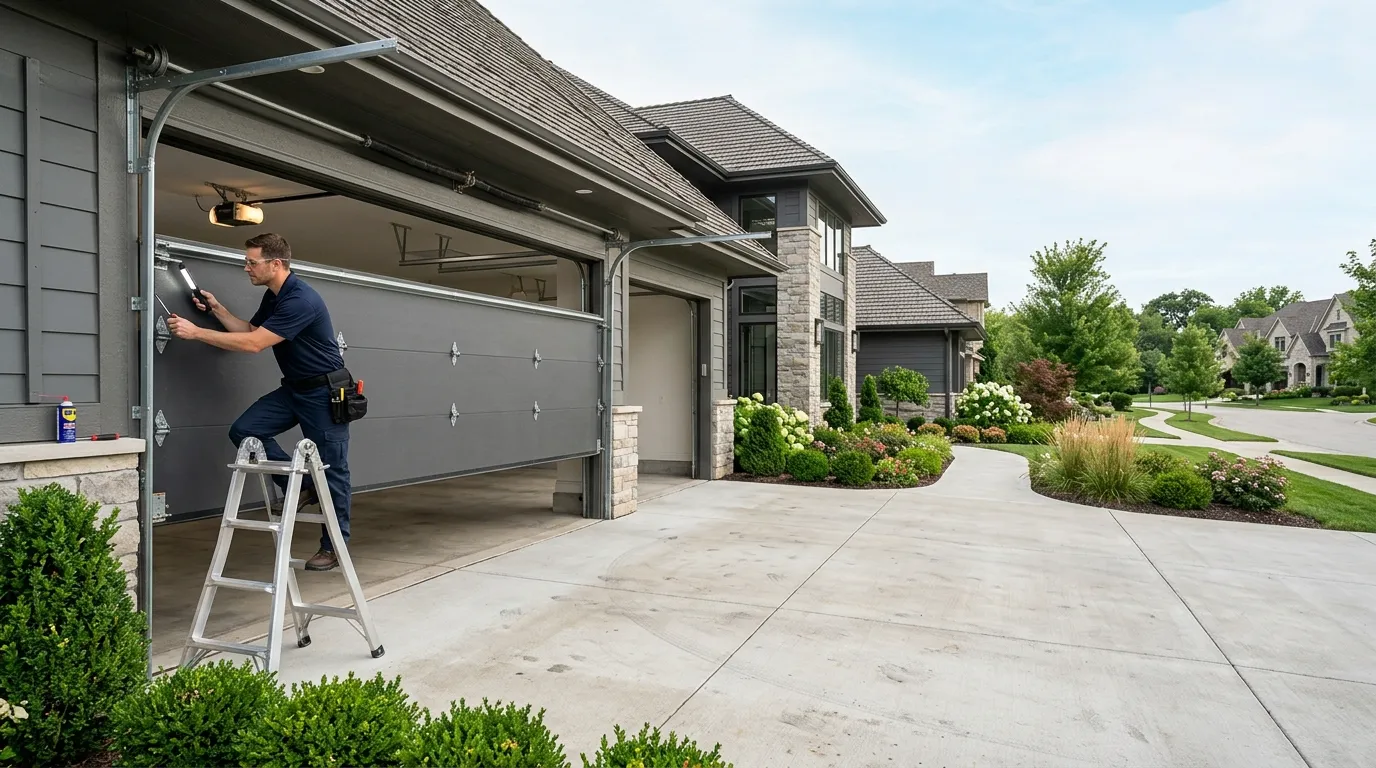
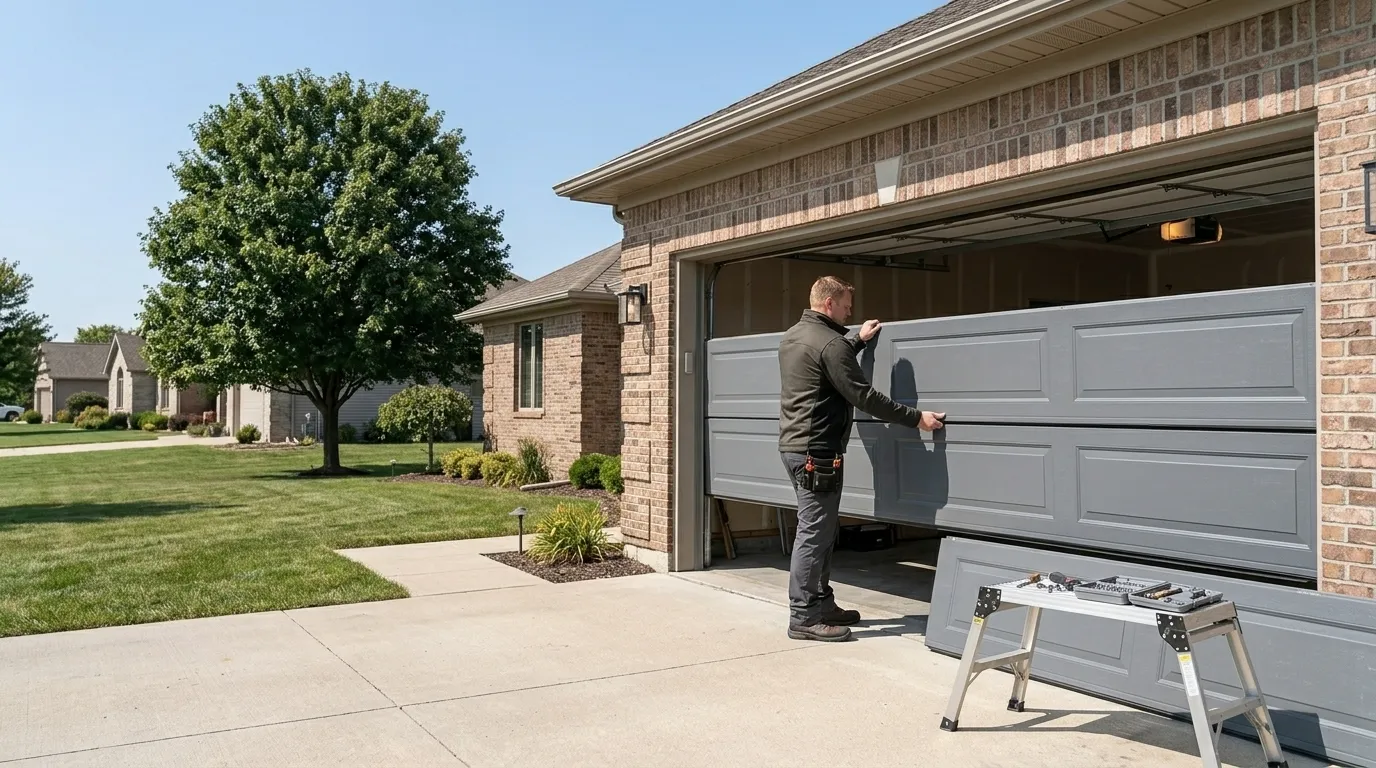
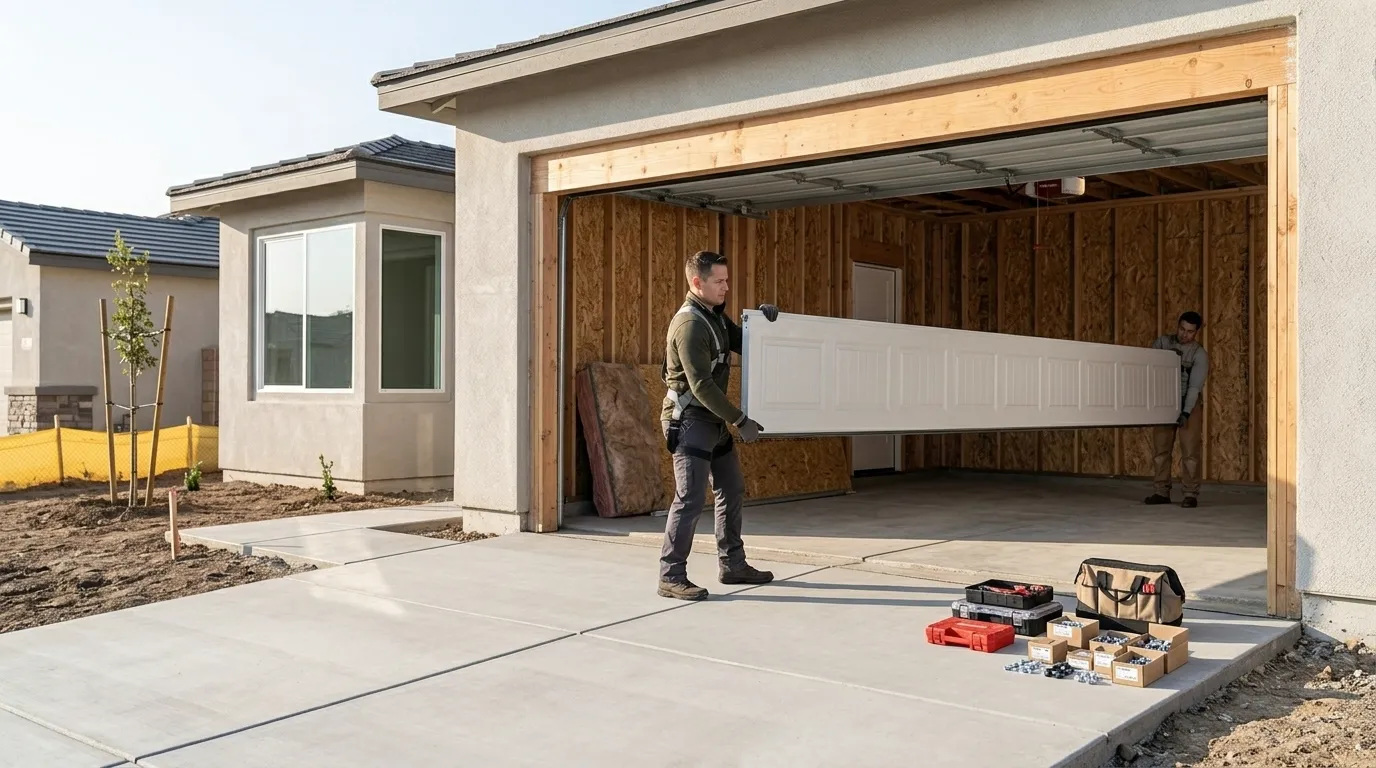
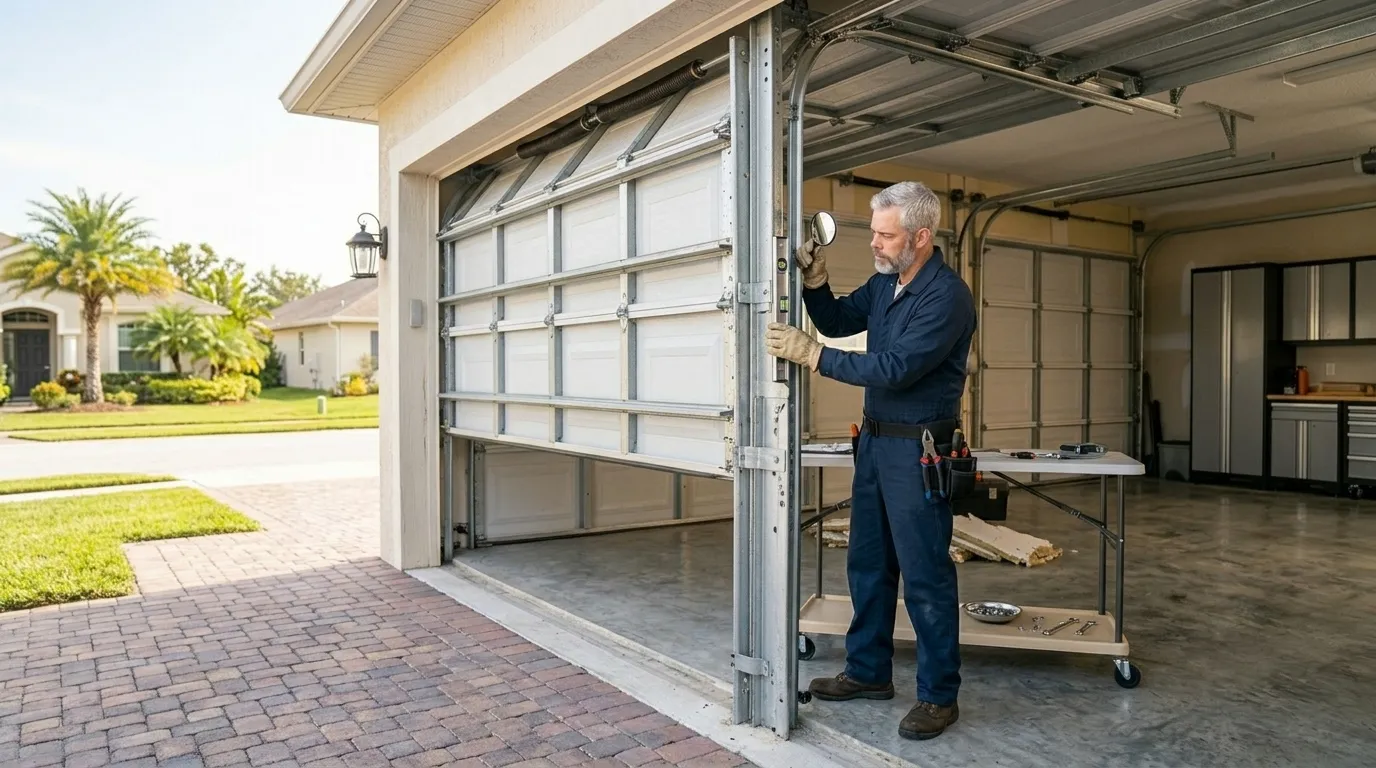
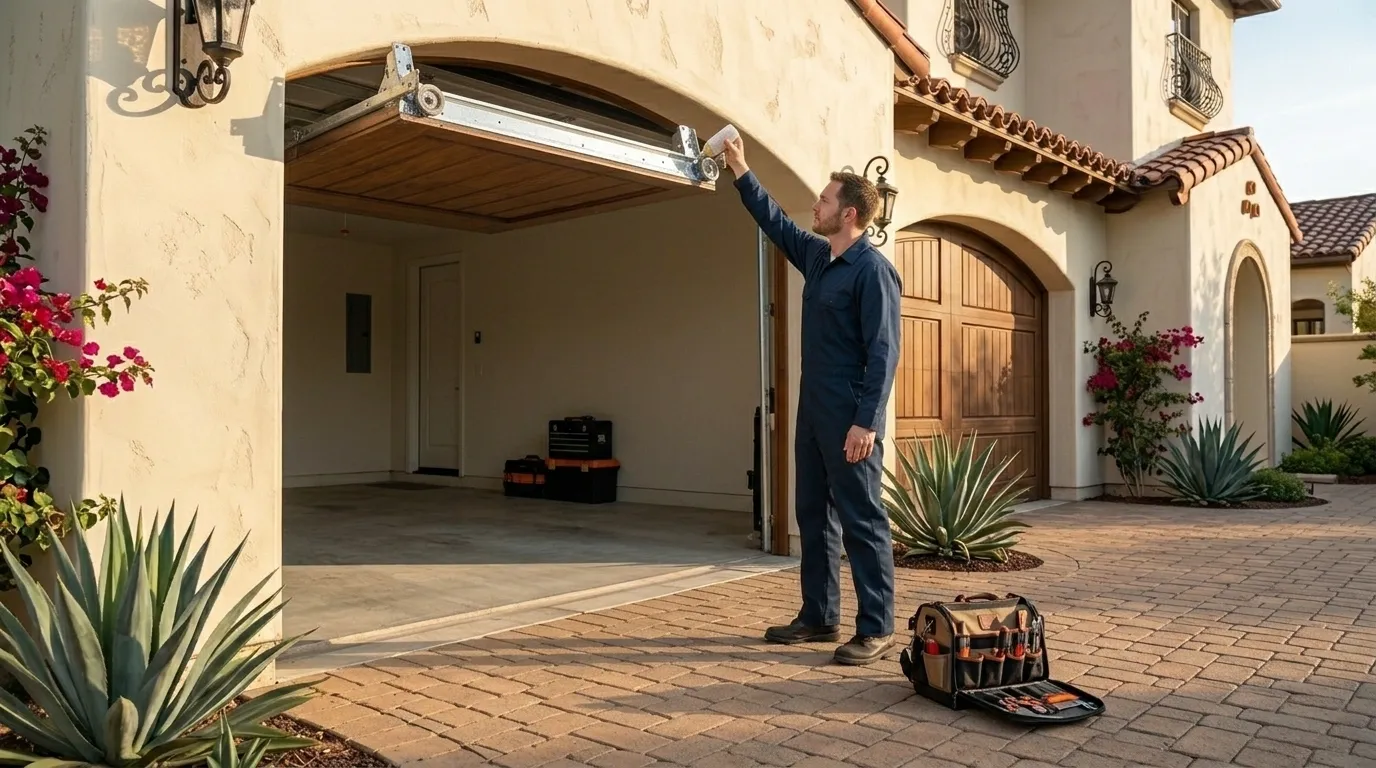
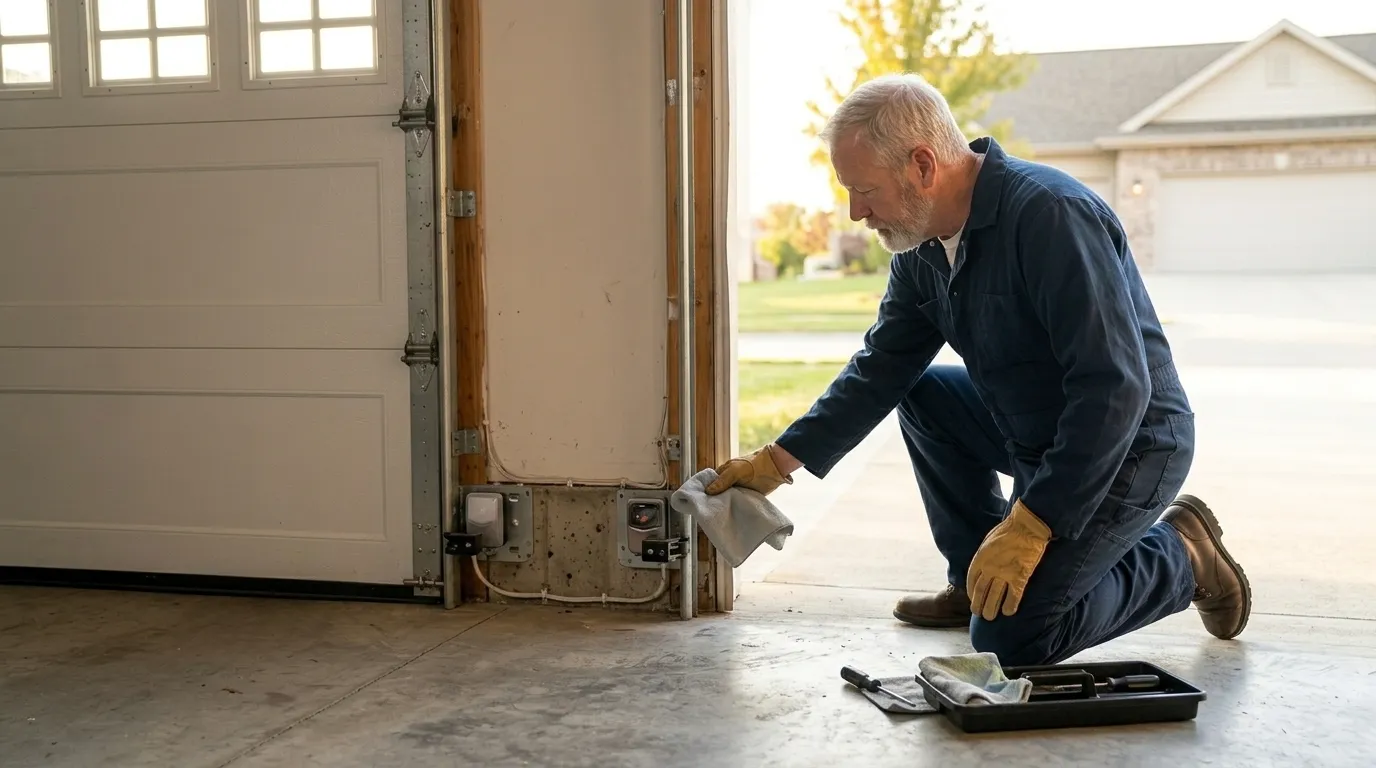
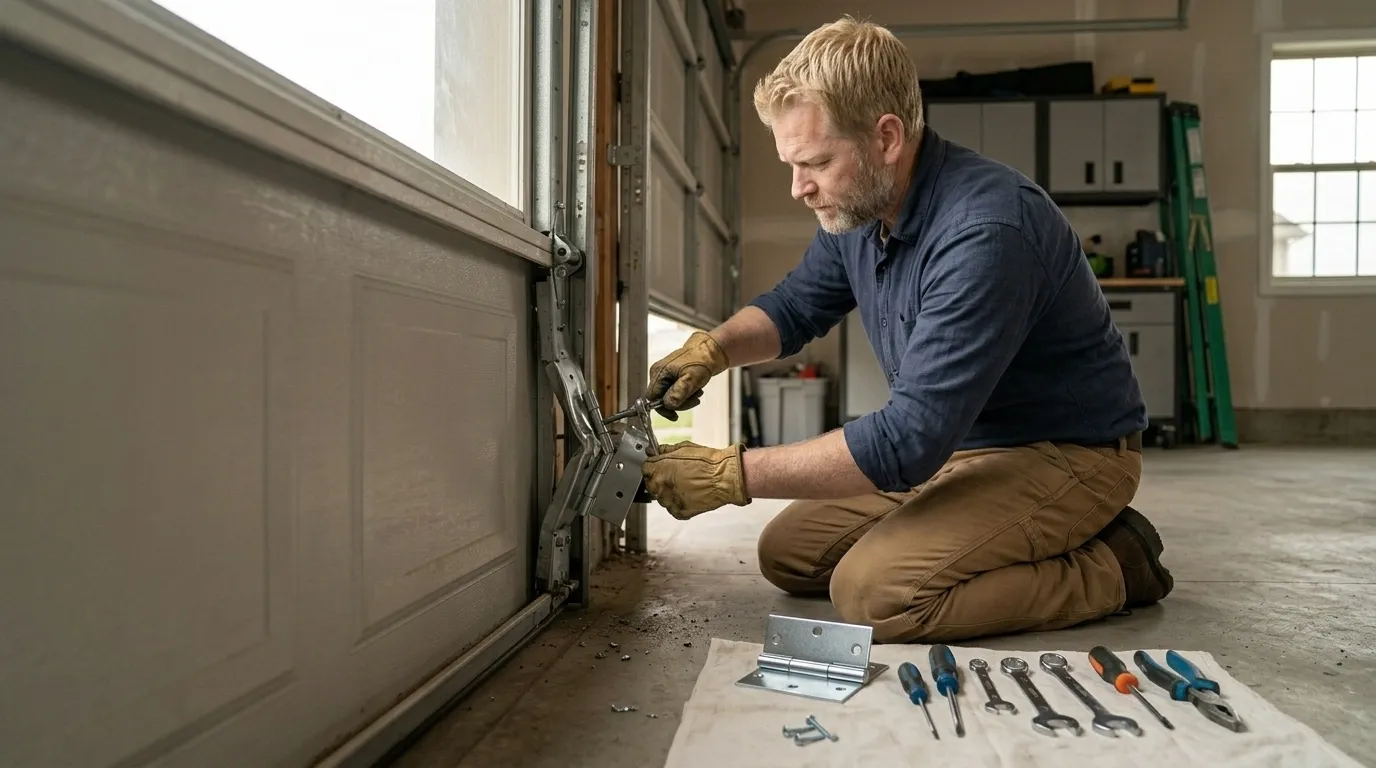
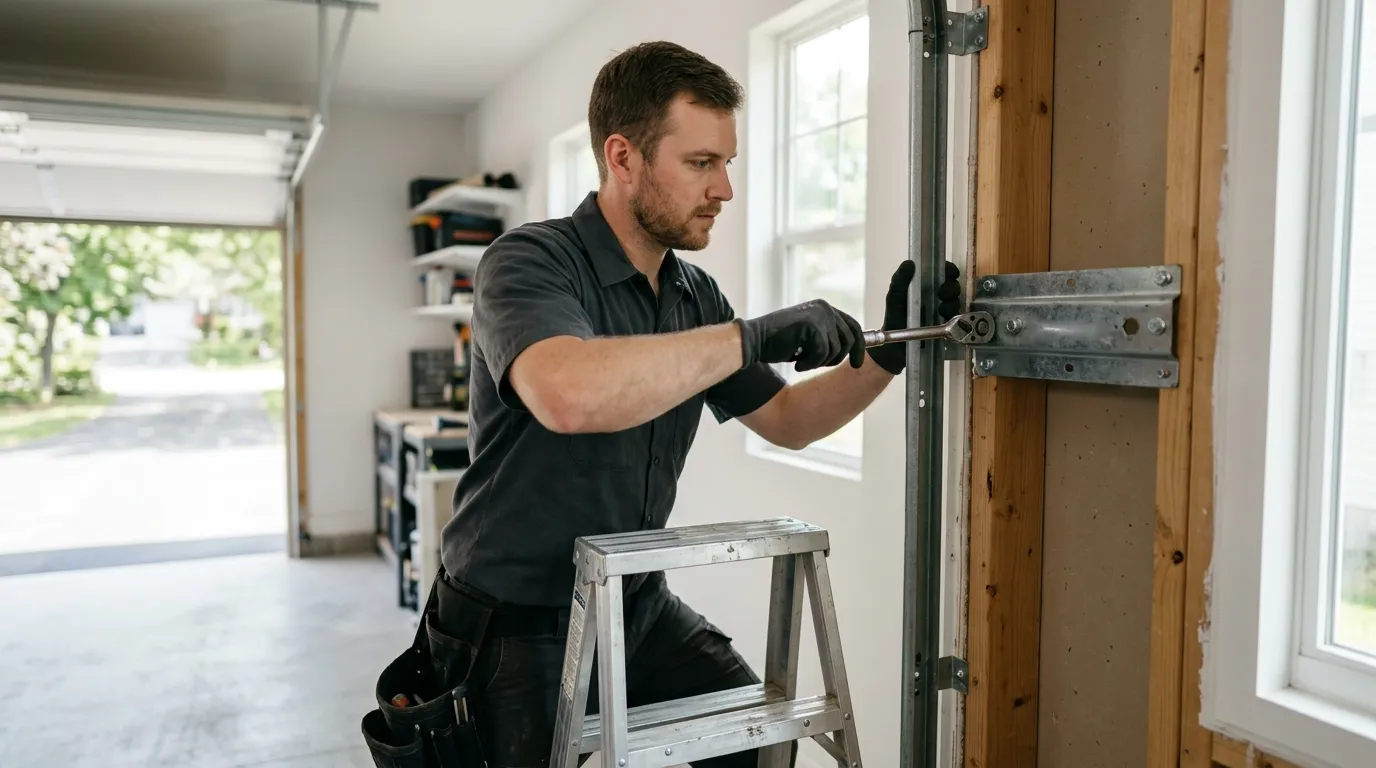
A 2002-era garage almost certainly came with a factory steel door on a standard extension or torsion setup, plus a chain or screw-drive opener from that period - not the one-piece or older side-mounted torsion hardware you'd find on 1980s stock elsewhere in the service area. The parts are more current, which is good news: brackets, rollers, and opener logic boards from that build era are still commonly stocked rather than obsolete. On the newer end, we also see more insulated doors and heavier panel sections, since builders in the early 2000s were starting to spec doors for the region's mild temperate climate with an eye toward reducing heat transfer into attached garages. That's a different failure profile than an aging 1980s torsion spring snapping from decades of cycles - here we're more likely dealing with opener sensor issues, worn weatherstripping, or a bent track from a car bump than hardware simply reaching end of life.