What Was Built Here
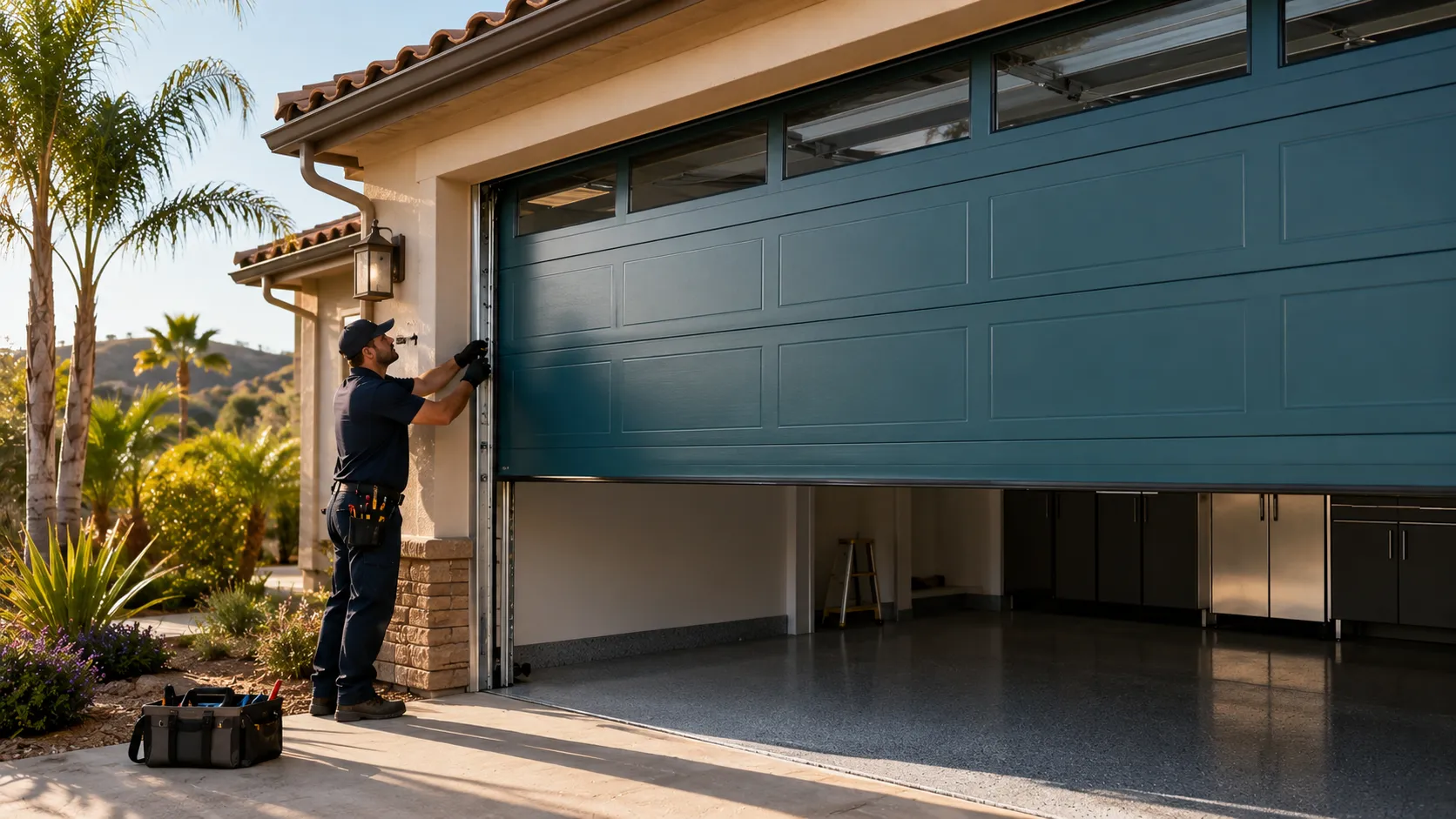
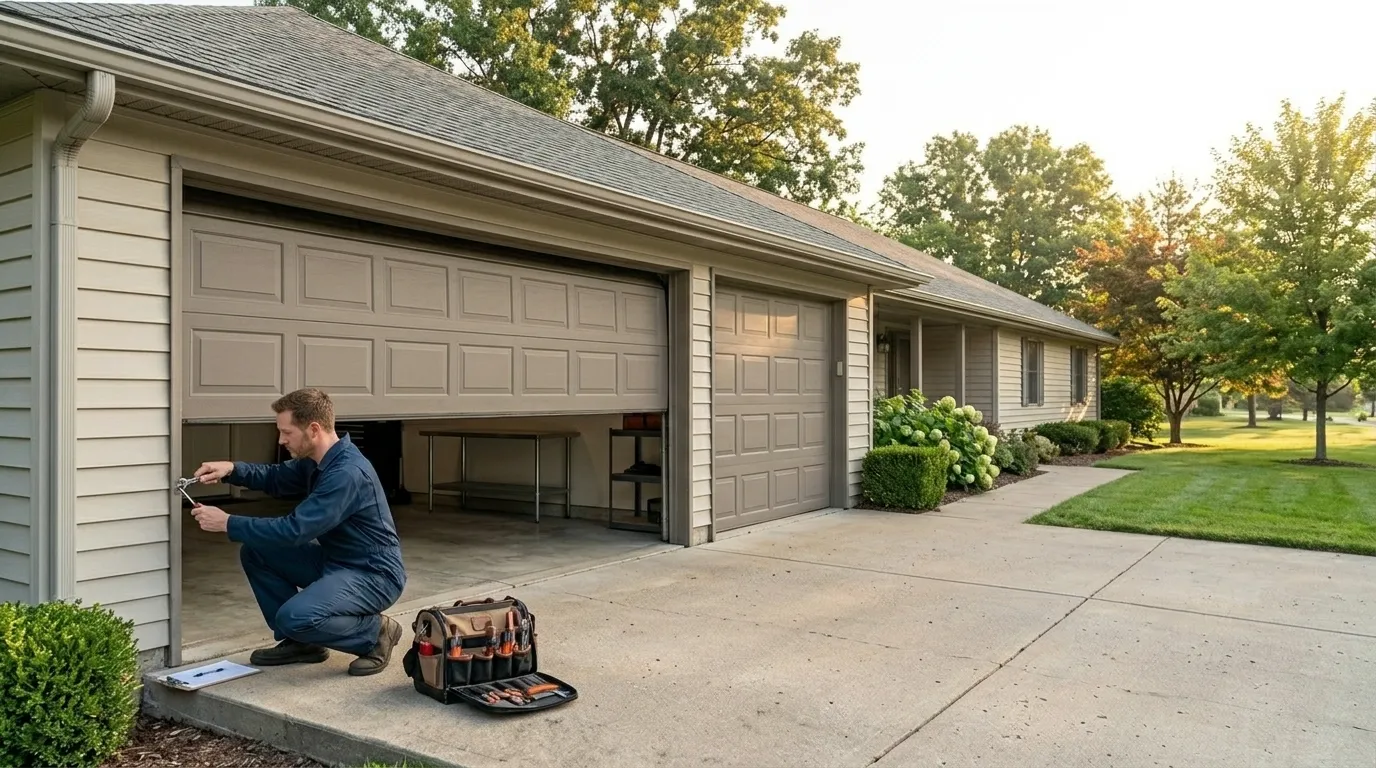
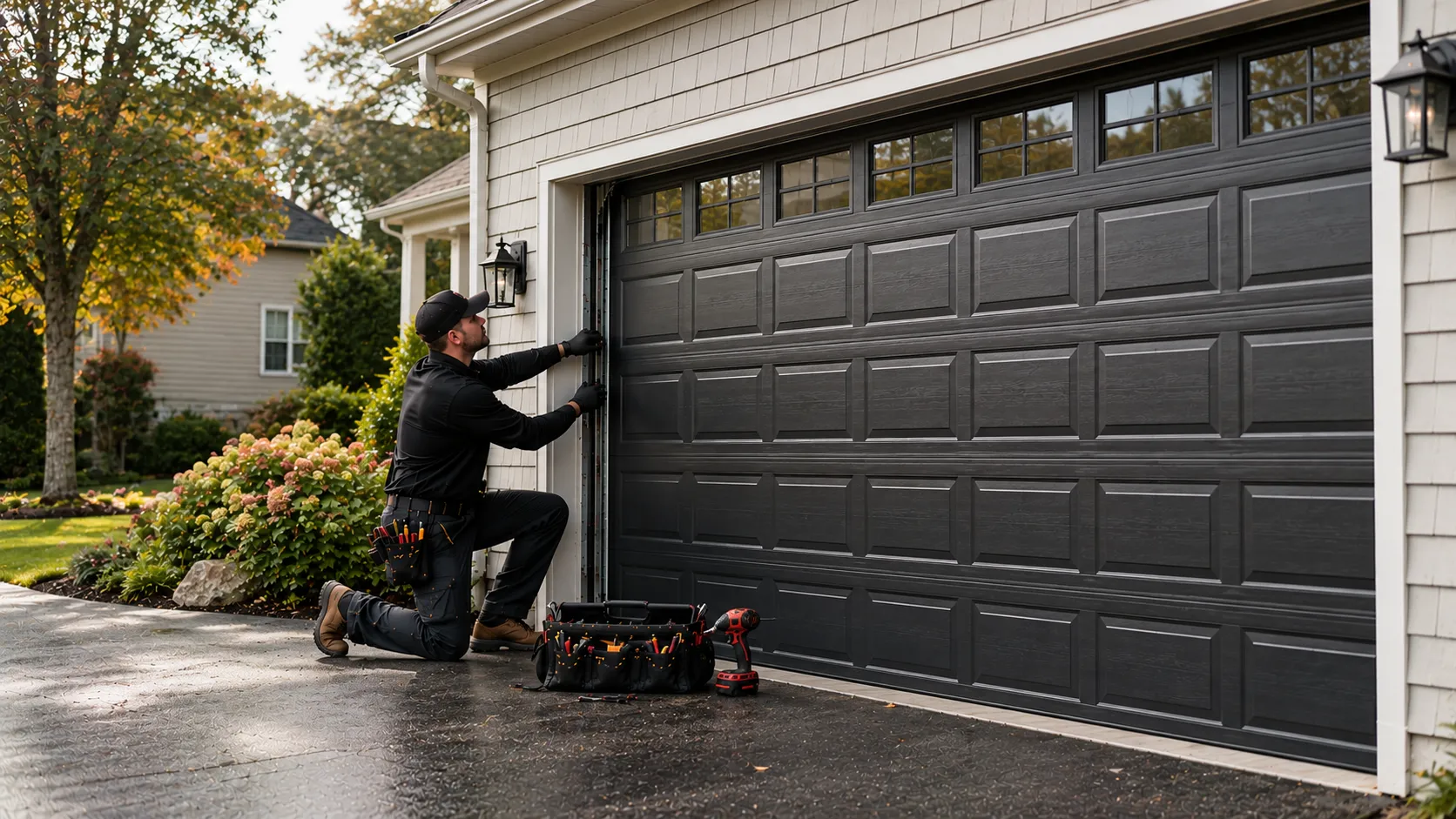
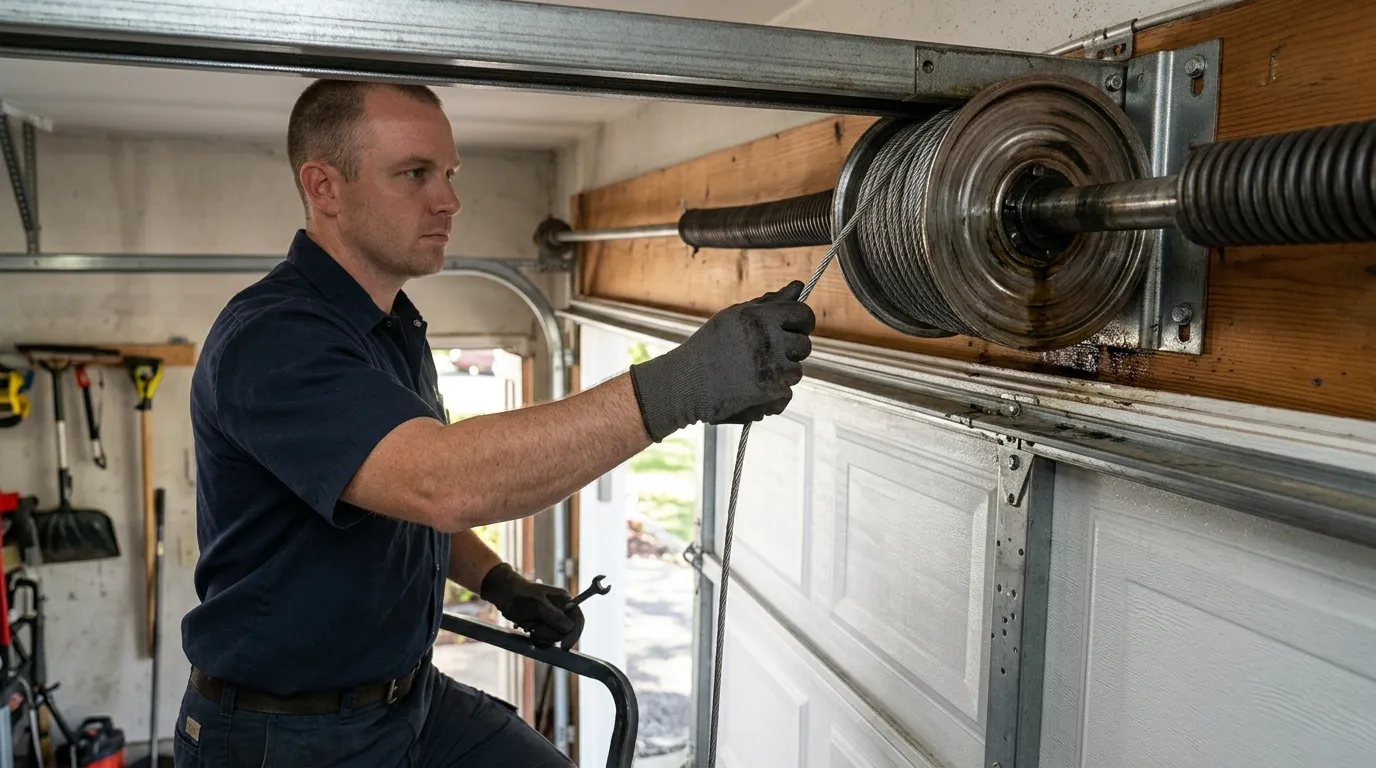
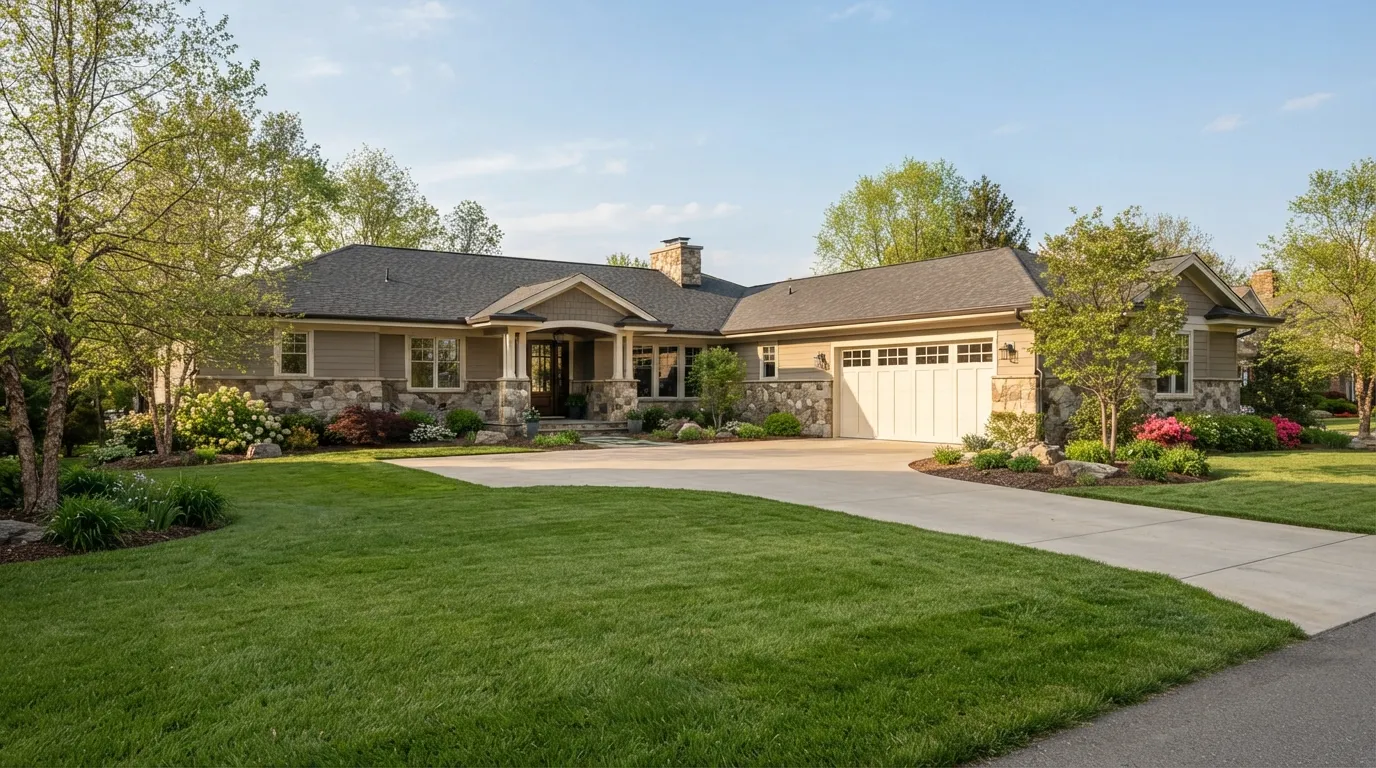
Across the wider service area the median home was built in 1987, with most stock dating to the 1980s and 90s. Hunters Creek runs later than that - its median year built is 1996, closer to a decade newer than the region's midpoint. That's not a small gap in garage door terms. A house permitted in the mid-90s was built under a different door-and-opener spec than one from the early 80s: heavier-gauge steel sections became standard, torsion spring setups were more common on two-car doors, and openers from that period started shipping with photo-eye safety sensors as code required them. Hunters Creek's 7,168 households sit mostly in that later window, which changes what we expect to find when we open the panel on a service call here versus an older pocket of the region.
What the Housing Means for Your Door
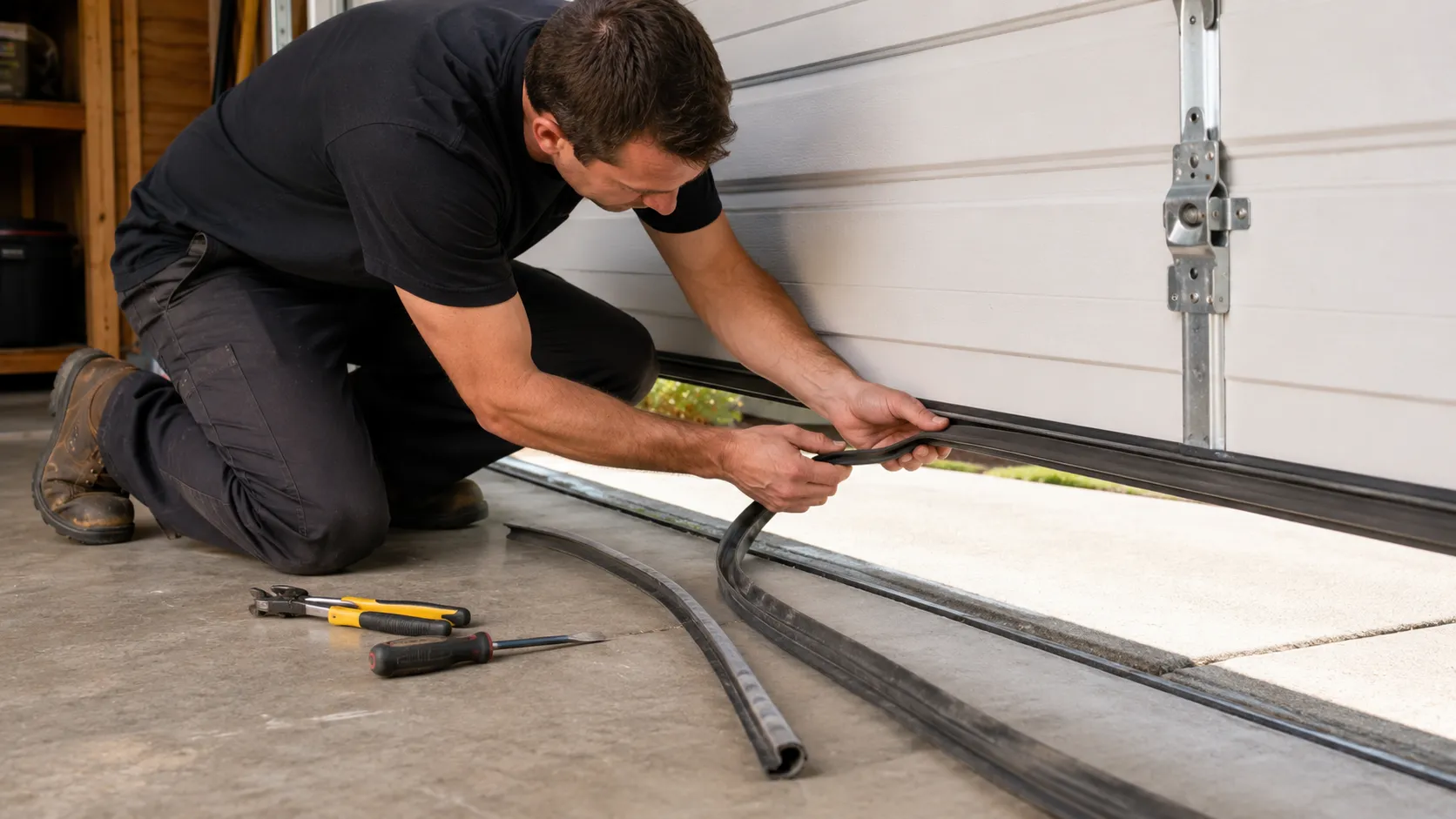
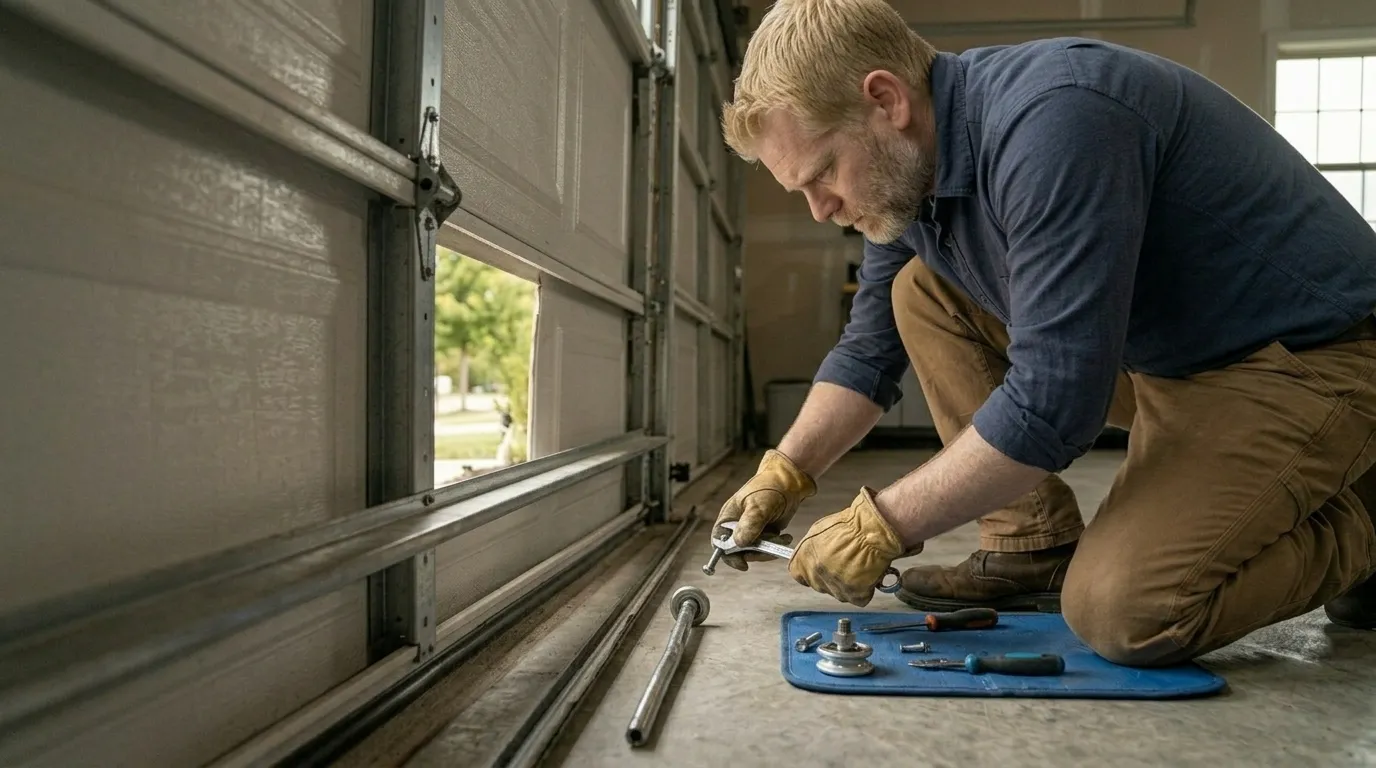
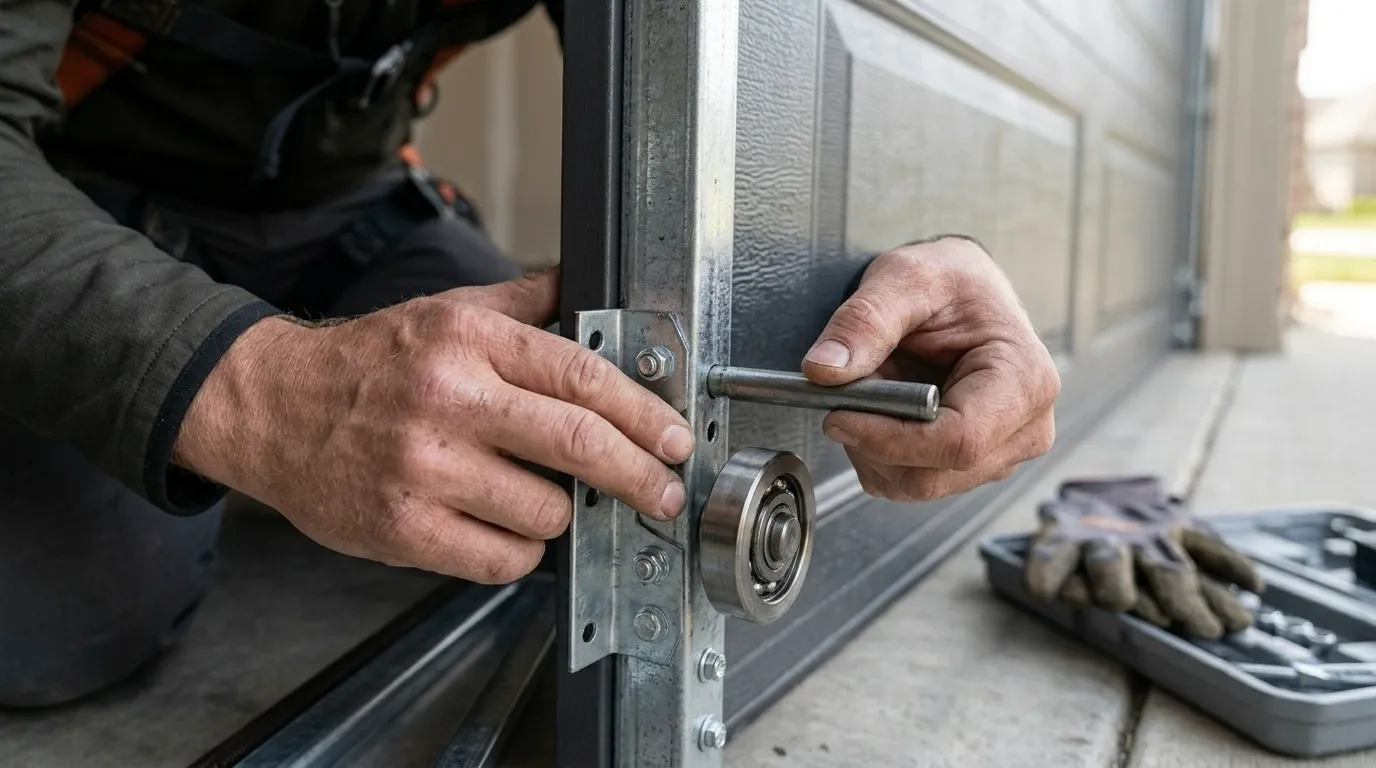
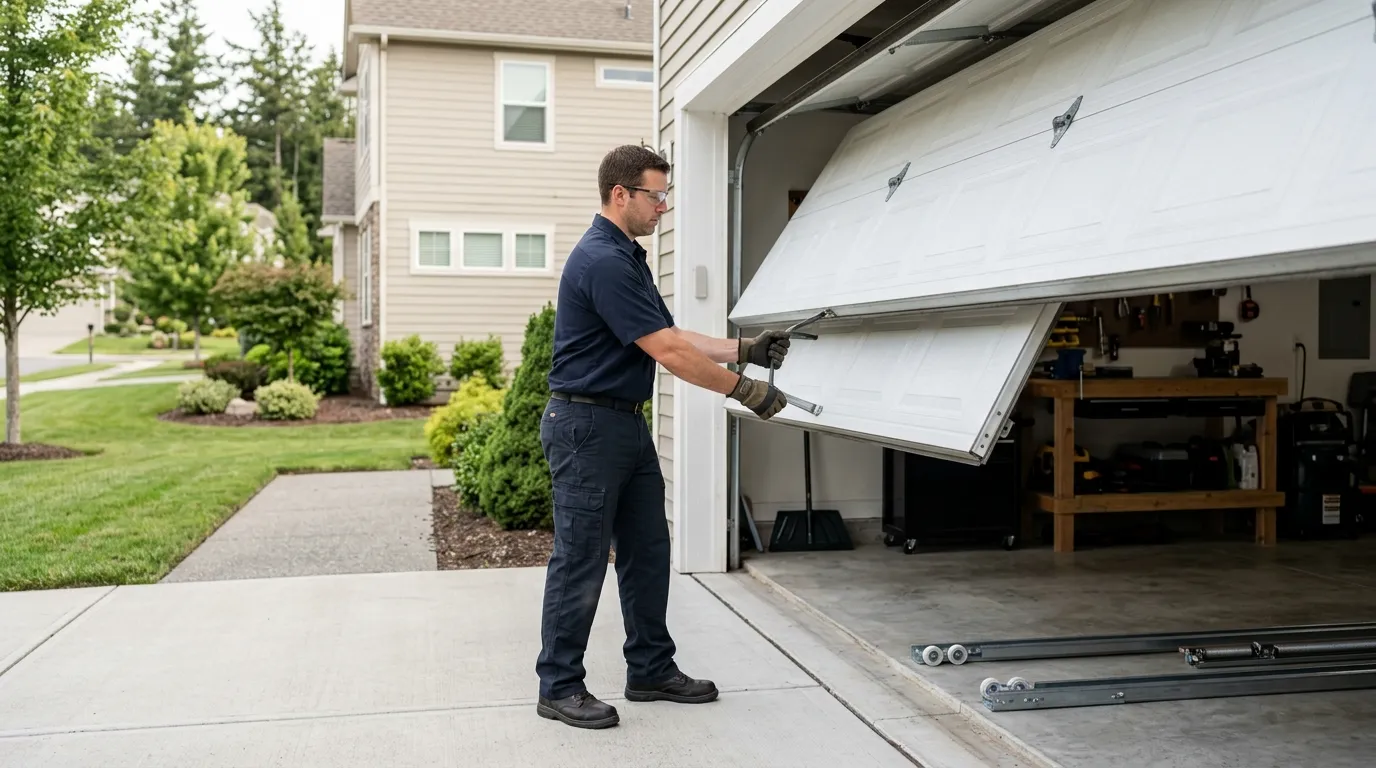
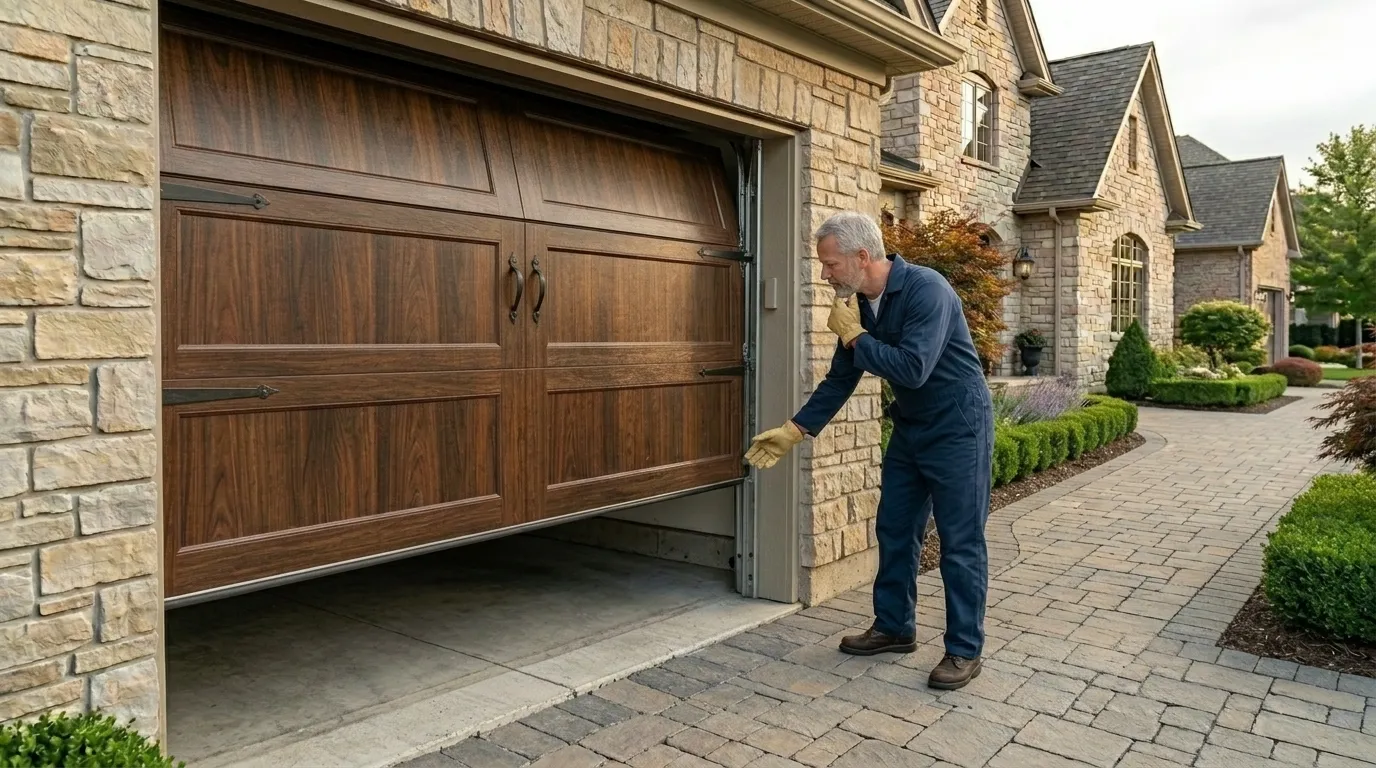
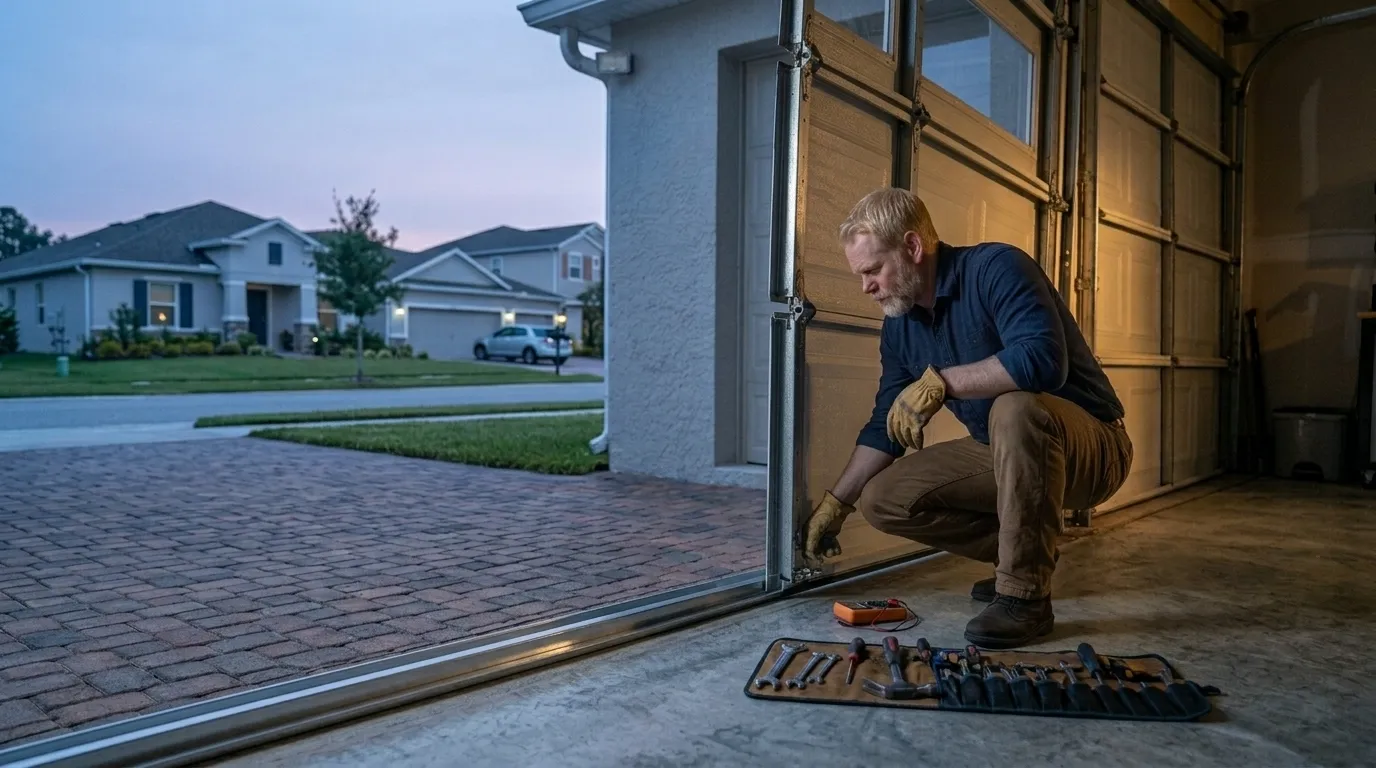
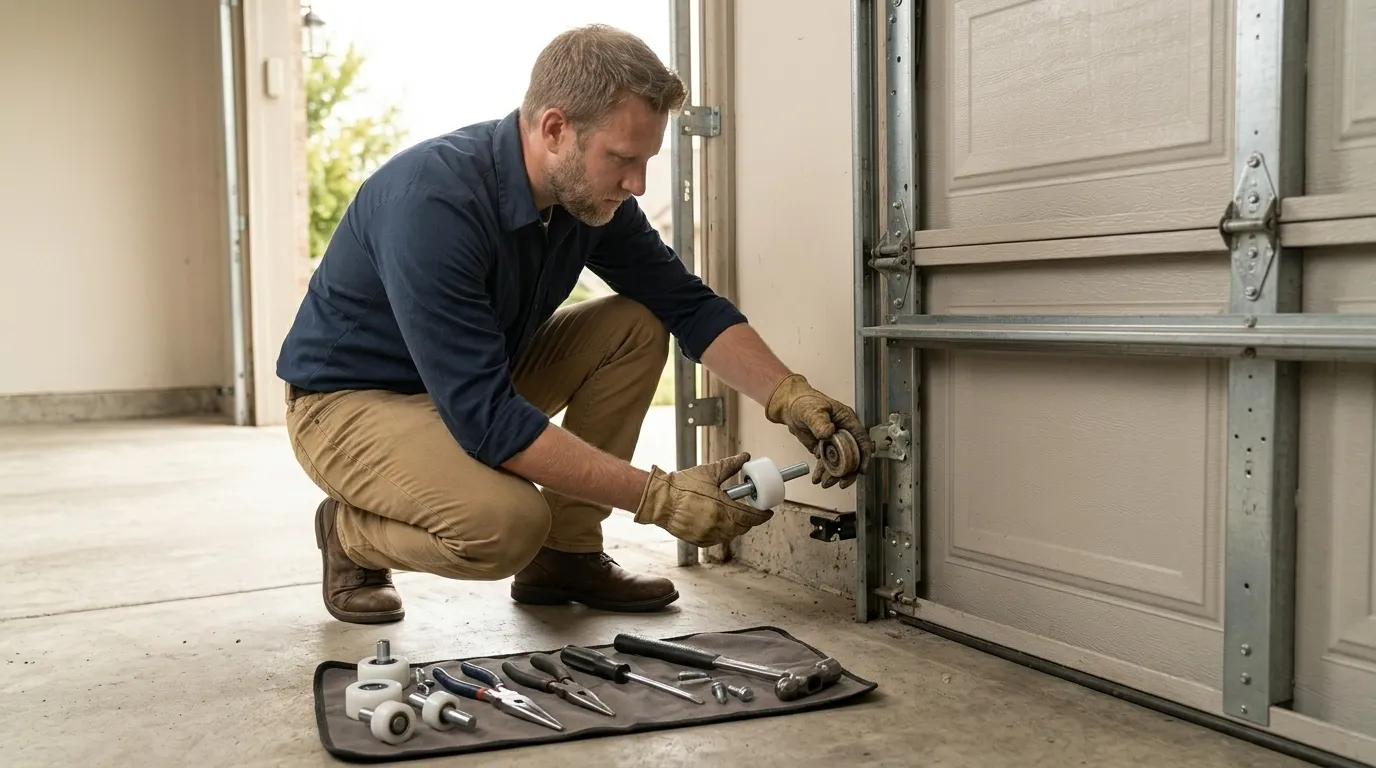
Because most Hunters Creek garages date from the mid-to-late 90s rather than the early 80s, the common failures skew toward age-of-mechanism rather than age-of-material. Torsion springs rated for a 7-10 year cycle life are due or overdue on original hardware from that era, and nylon rollers from a 1996 install have usually gone brittle by now. We don't see much of the older extension-spring-with-no-containment-cable setup here that shows up in older sections of the region - most of what's original to Hunters Creek already meets that later safety standard. The mild temperate climate this area sits in doesn't add the freeze-thaw stress that cracks seals or warps panels elsewhere in the country, so when a door fails here it's almost always wear on moving parts, not weather damage to the structure. Household income in Hunters Creek runs higher than the region's $82,107 median, at $99,942, and we mention that only because it tends to mean more owners replace an aging opener before it fully strands them, rather than run it to failure.