What Was Built Here
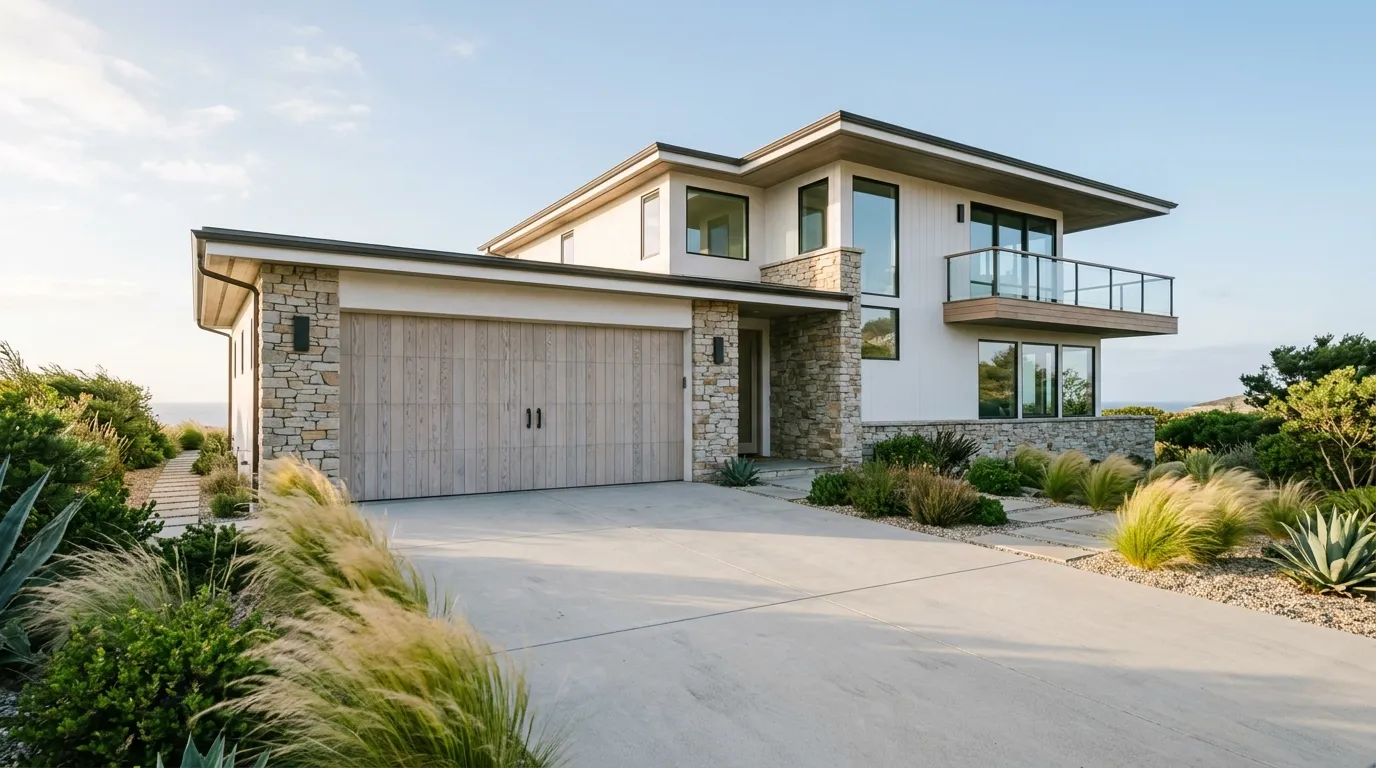
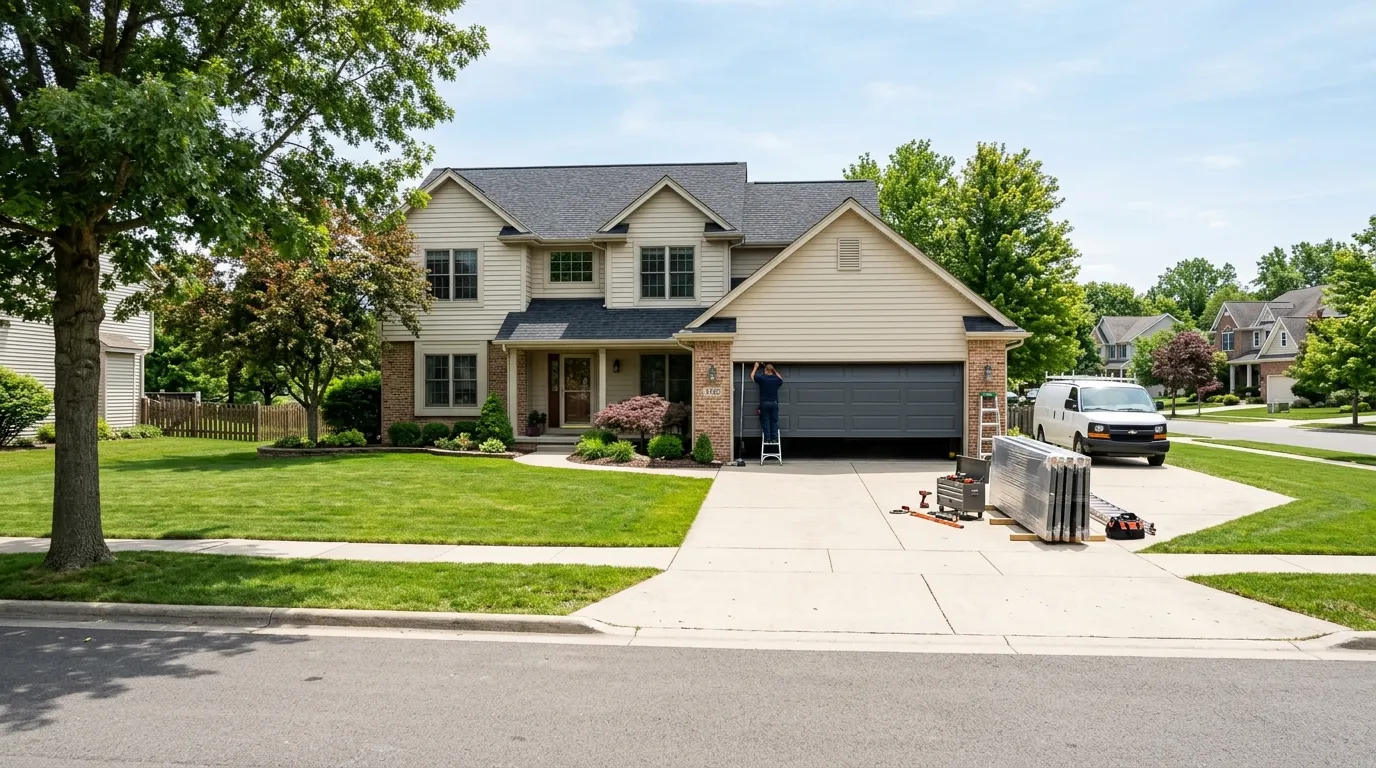
Across the broader area we cover, the housing stock runs from 1964 to 2021 with a median build year of 1987 - a lot of original hardware from the Reagan era still hanging on tracks that predate modern rollers. Lake Hart doesn't fit that pattern. The median year built here is 2013, which puts most of the neighborhood a full generation newer than the service-area median. That's not a small gap. A house built in 2013 was framed to a different code cycle, wired for different opener specs, and almost certainly shipped with a factory steel door rather than the wood or hollow-core panel doors common in 1980s construction. Median household income here runs $98,068, well above the $82,107 median for the wider area we serve - which tends to track with newer builds, better-specified openers, and doors that were installed once and haven't needed much beyond routine service since. If your neighbor two miles away in an older section is dealing with a door that's outlived three openers, that's not the story in Lake Hart.
What the Housing Means for Your Door
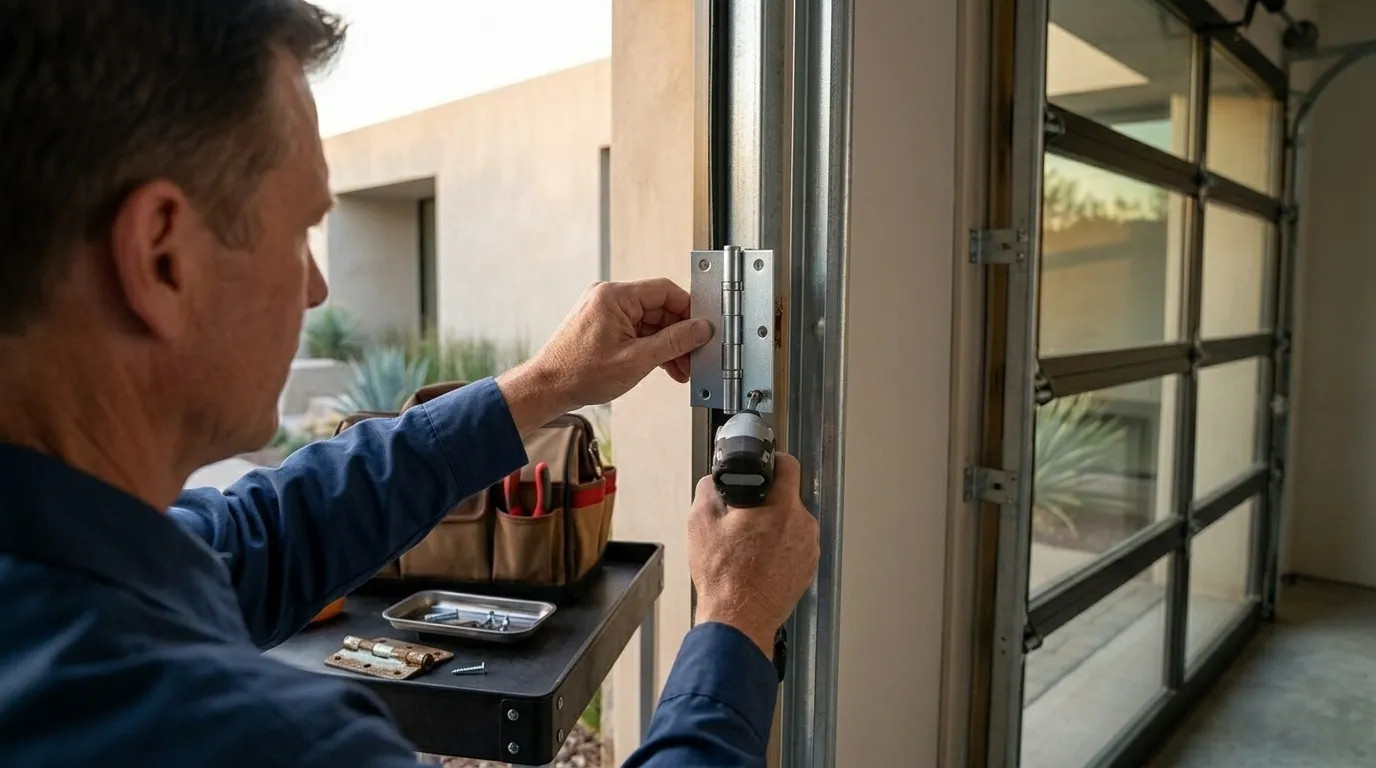
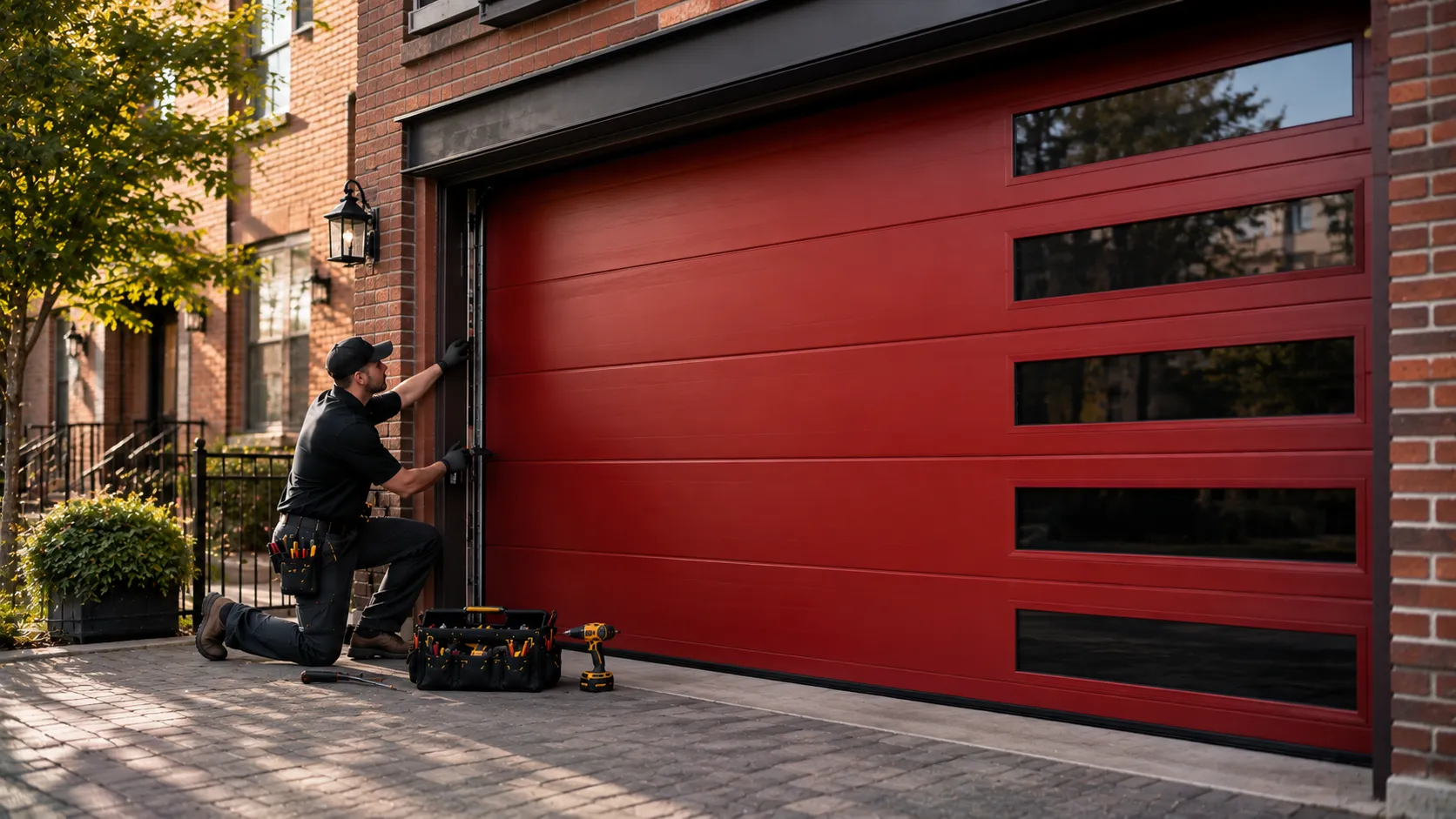
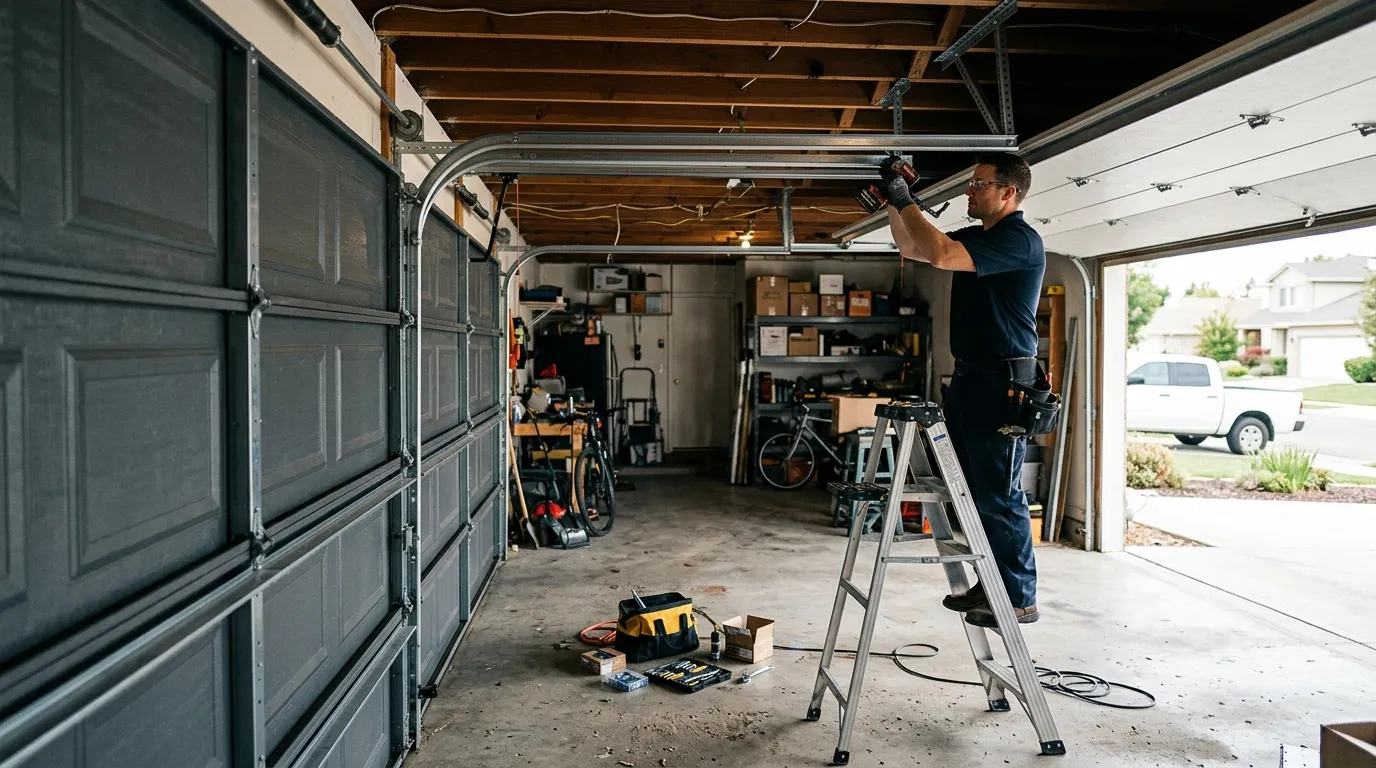
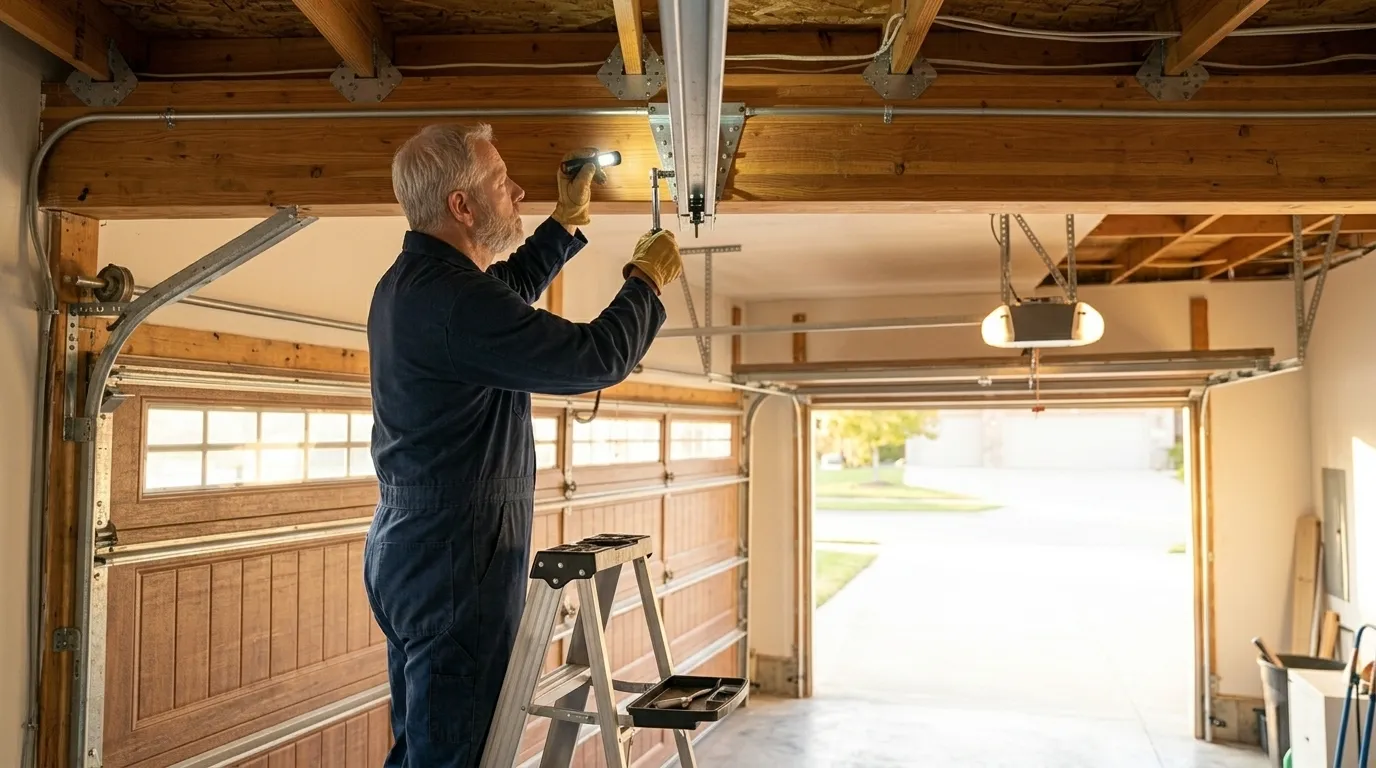
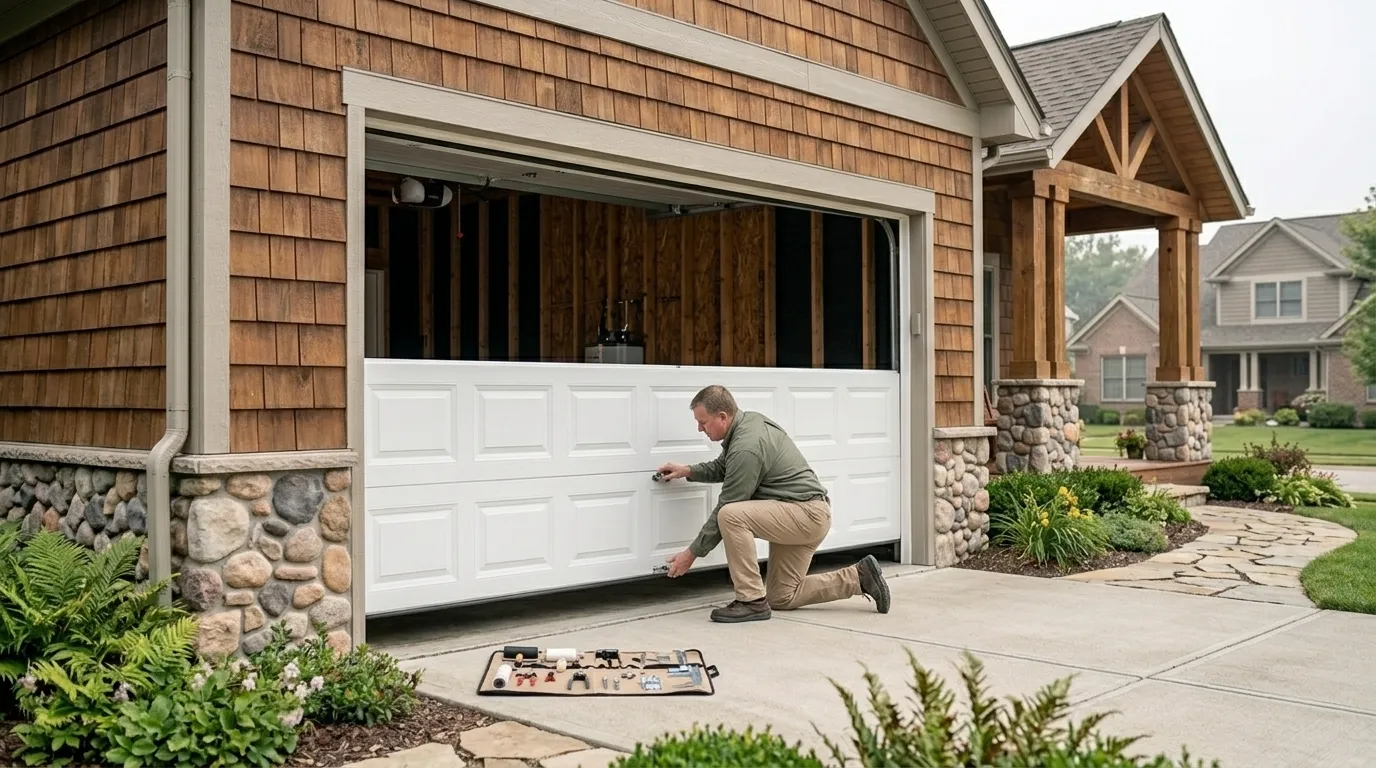
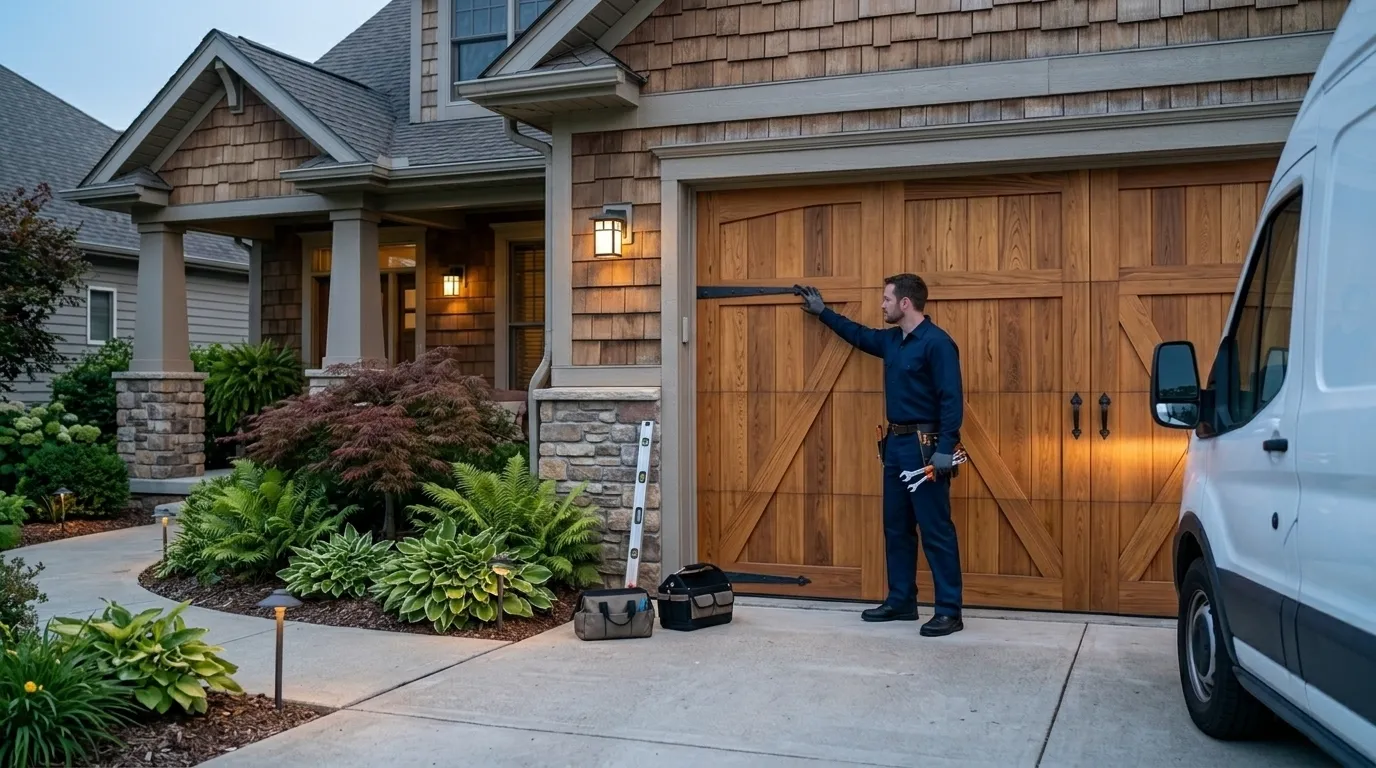
Because Lake Hart's homes mostly date to 2013, the doors and hardware we run into here are almost all extension or torsion-spring setups built to current code, paired with openers that already have safety reversal and modern drive systems - not the older chain-drive units with worn-out logic boards that turn up in 1980s stock. The failures we see tend to be different too: a torsion spring that's simply reached the end of its cycle count, a sensor knocked out of alignment, a roller that's worn from years of normal use rather than decades of neglect. We're not chipping rust off forty-year-old track brackets or rebuilding a jamb that's shifted with the house. The climate band across the service area is mild temperate, so extreme cold-snap failures aren't common here either - most calls are wear-and-tear, not weather damage. If your door here is acting up, odds are good it's a single part, not the whole system.