What Was Built Here
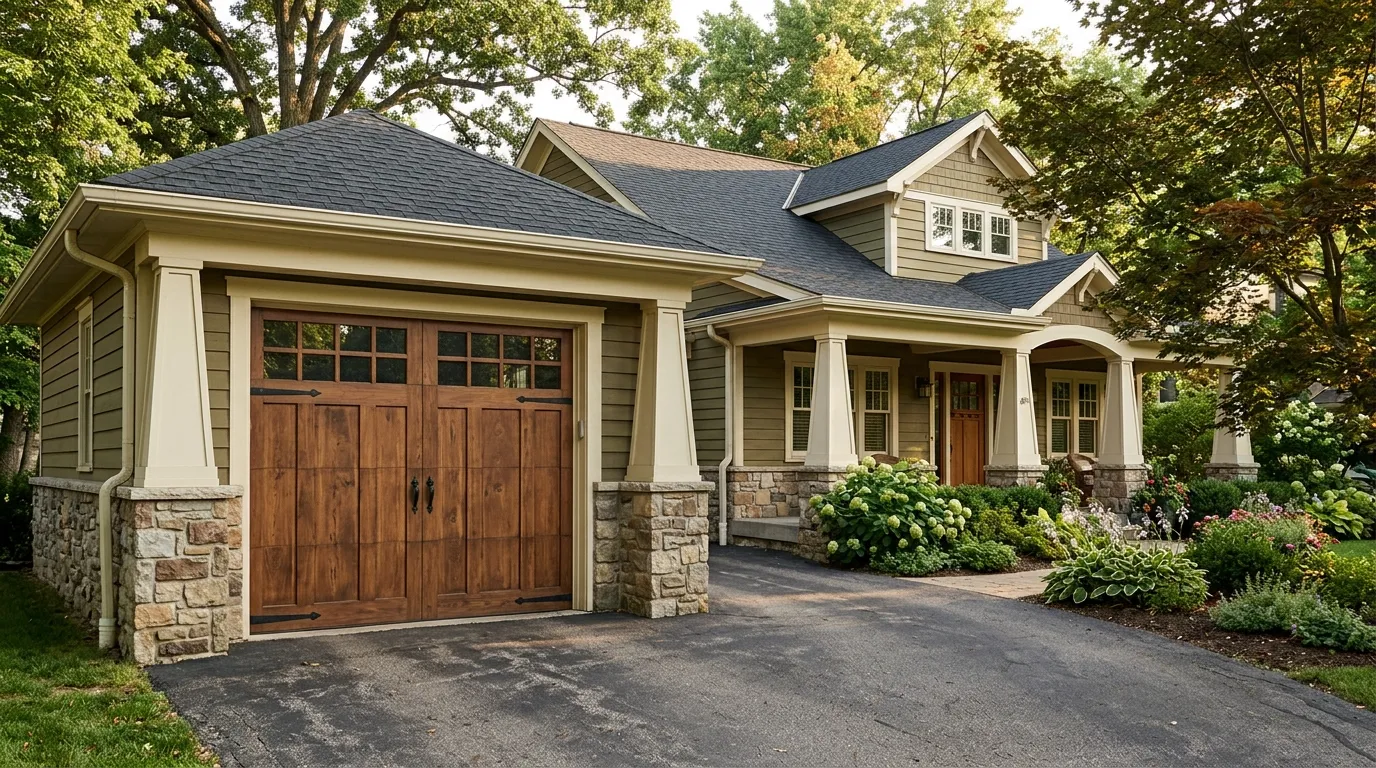
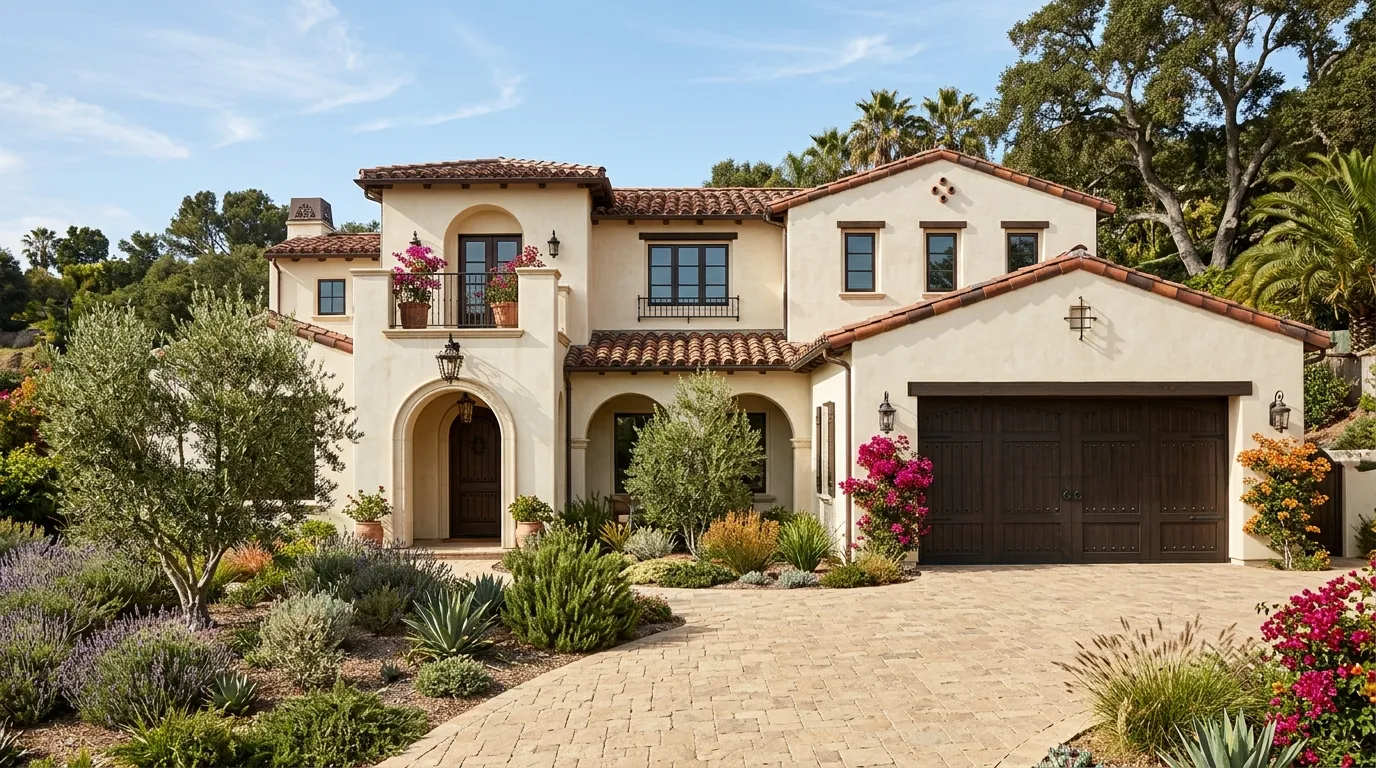
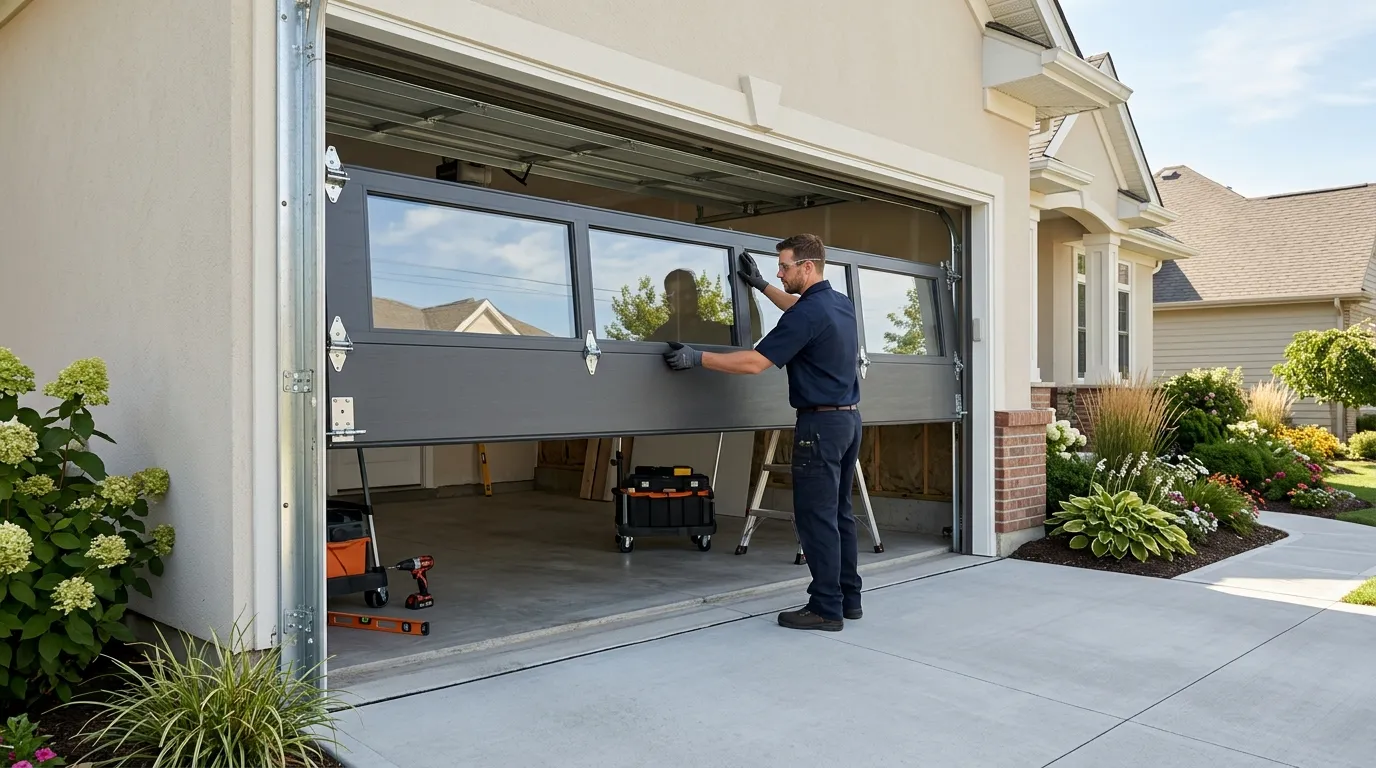
Meadow Woods is one of the newer pockets in this part of the Orlando area. Where a lot of the broader service area's housing stock spans 1964 through 2021 with a median around 1987, homes in Meadow Woods cluster much later, with a median build year around 2006. That's a mid-2000s construction wave - production-built subdivisions, not the mid-century infill you find closer to the older parts of Orlando. With roughly 12,930 households in this immediate area and a median income around $77,124, this reads as a settled, single-family suburban footprint, not a mixed-density or transitional zone. The practical upshot: doors here are steel sectional units on standard torsion or extension setups from a fairly narrow build window, not the mismatched hardware generations you find in areas with fifty years of infill.
What the Housing Means for Your Door
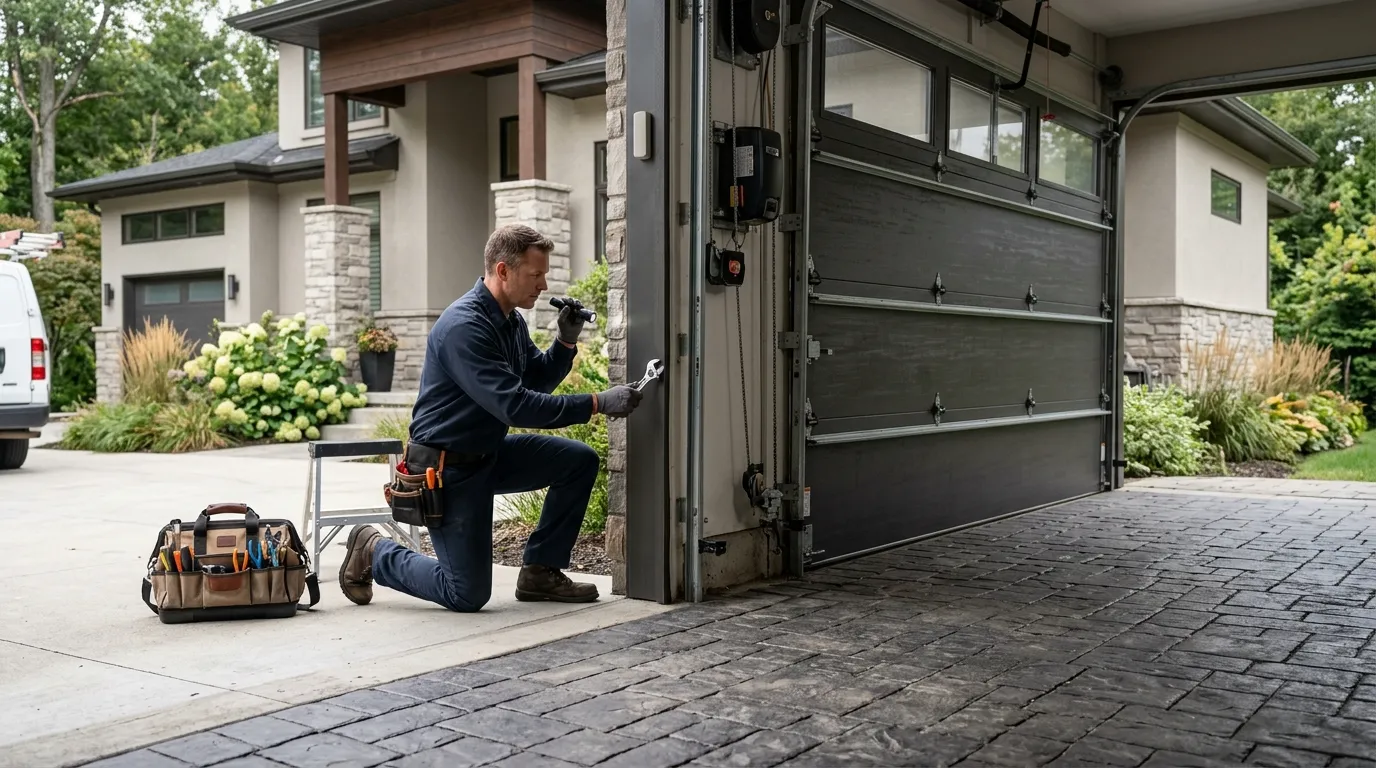
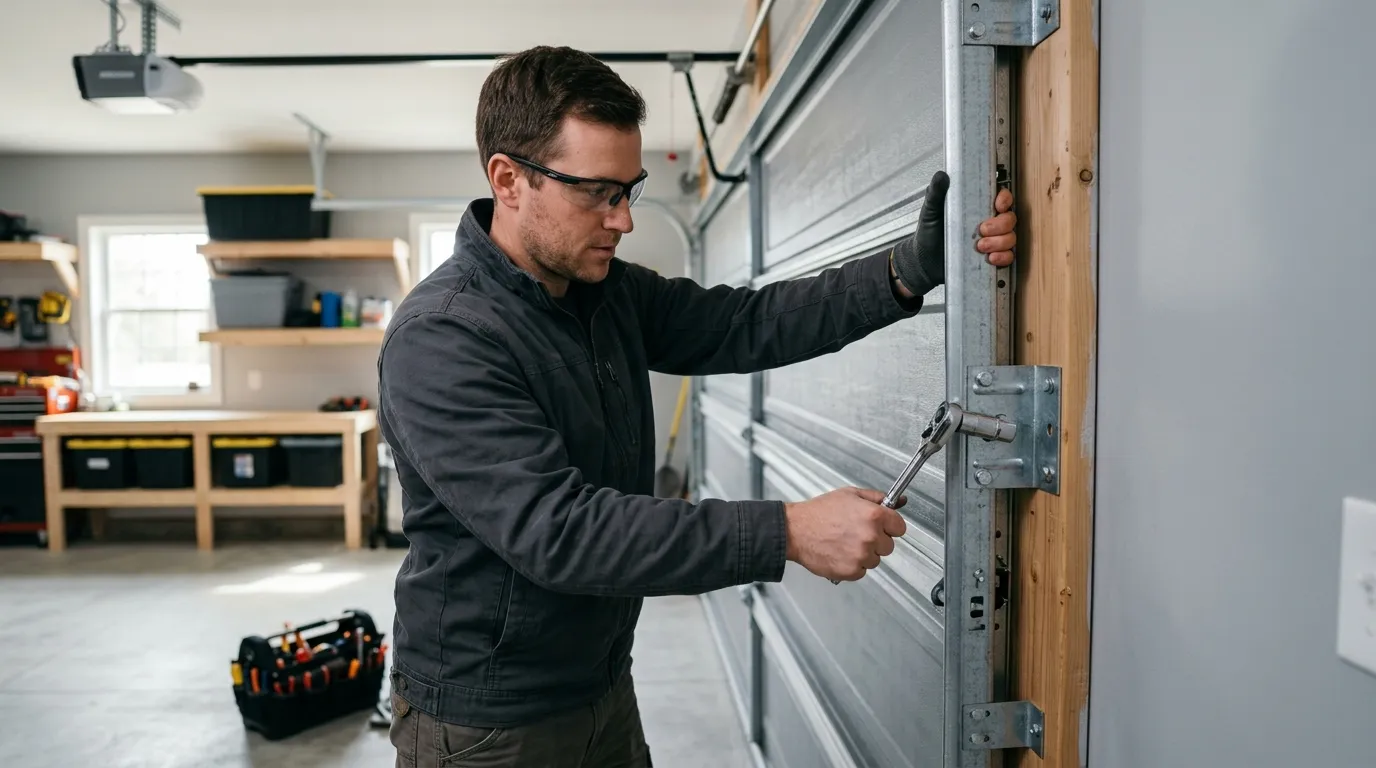
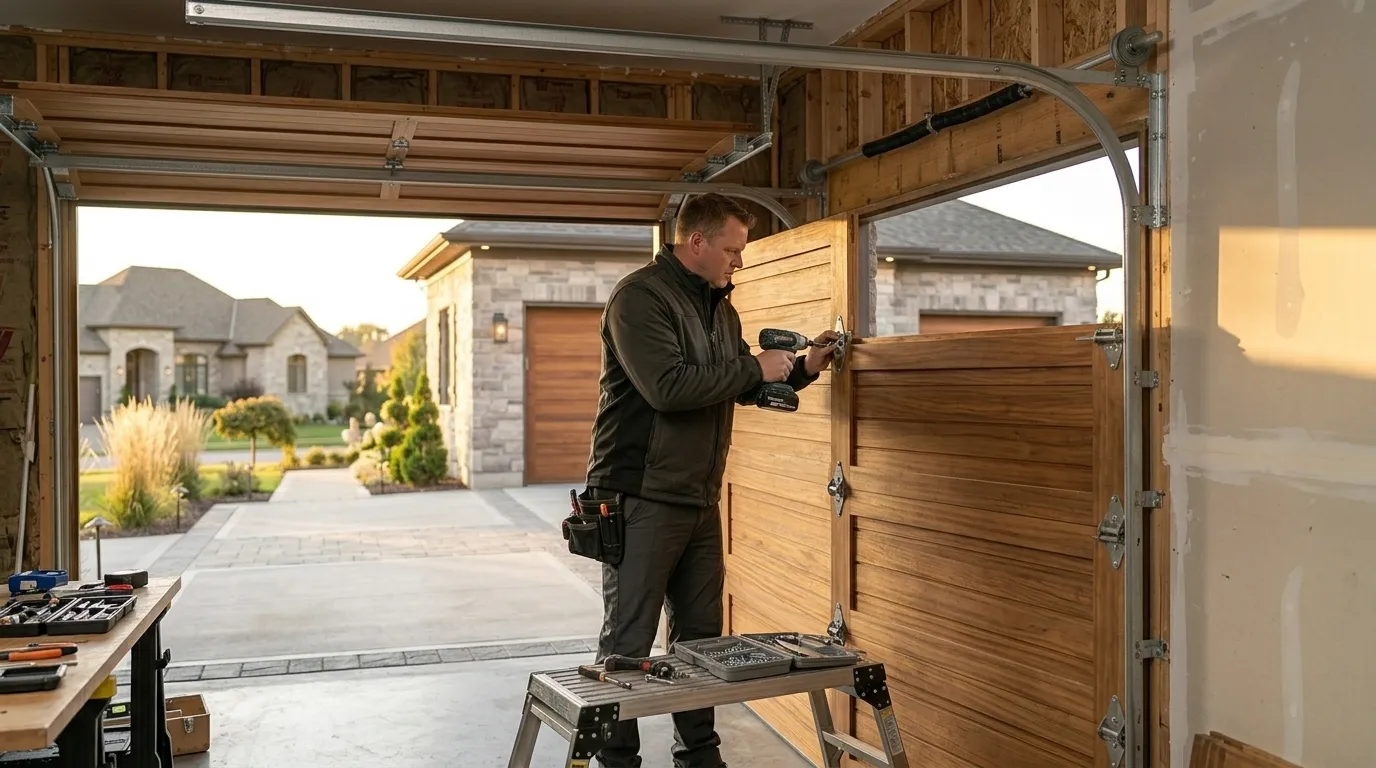
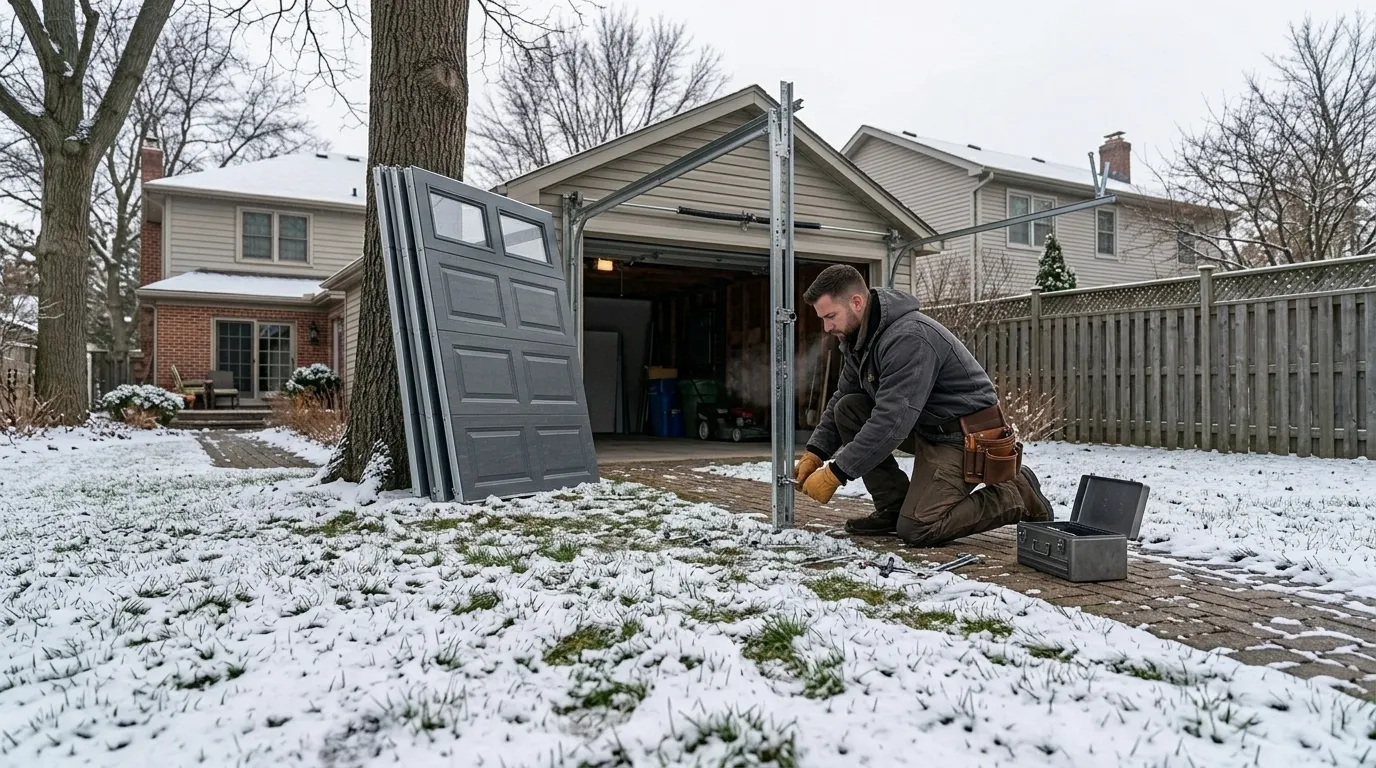
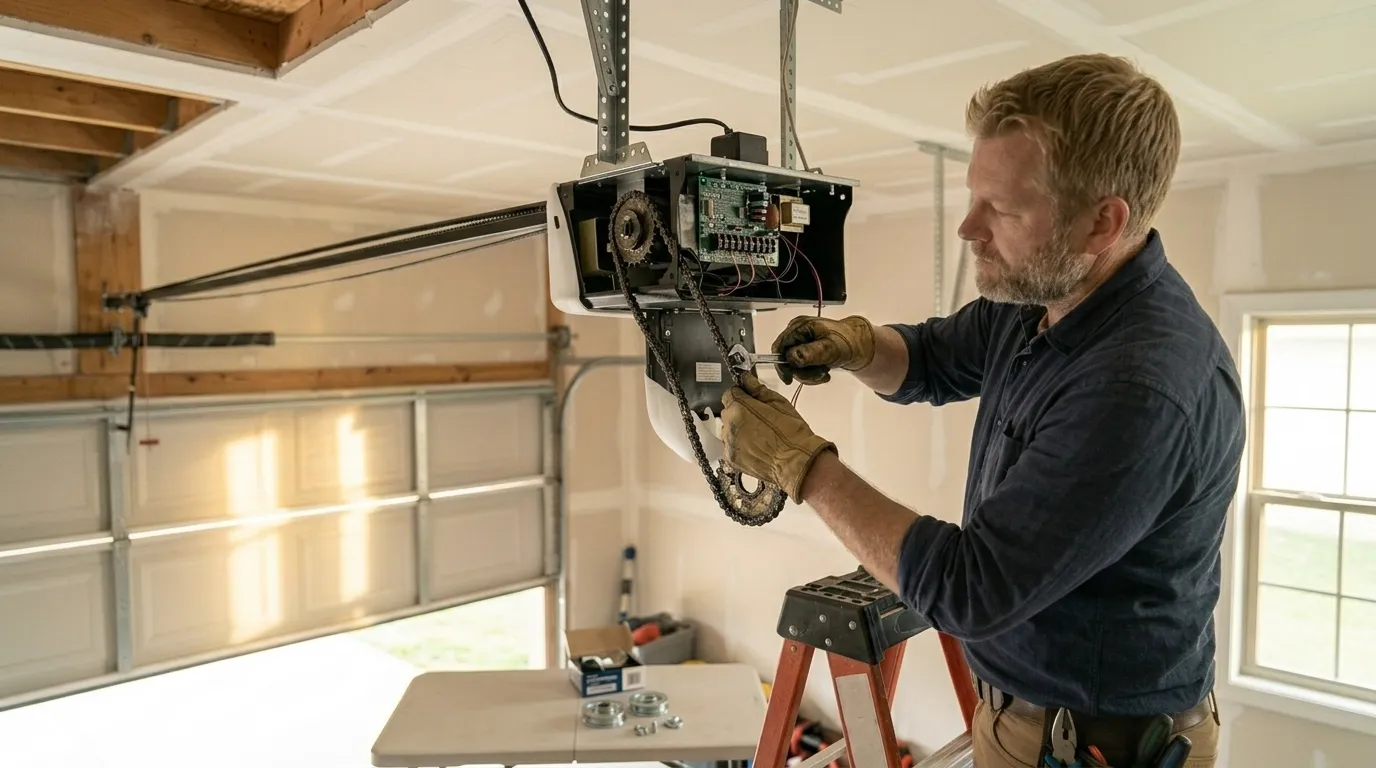
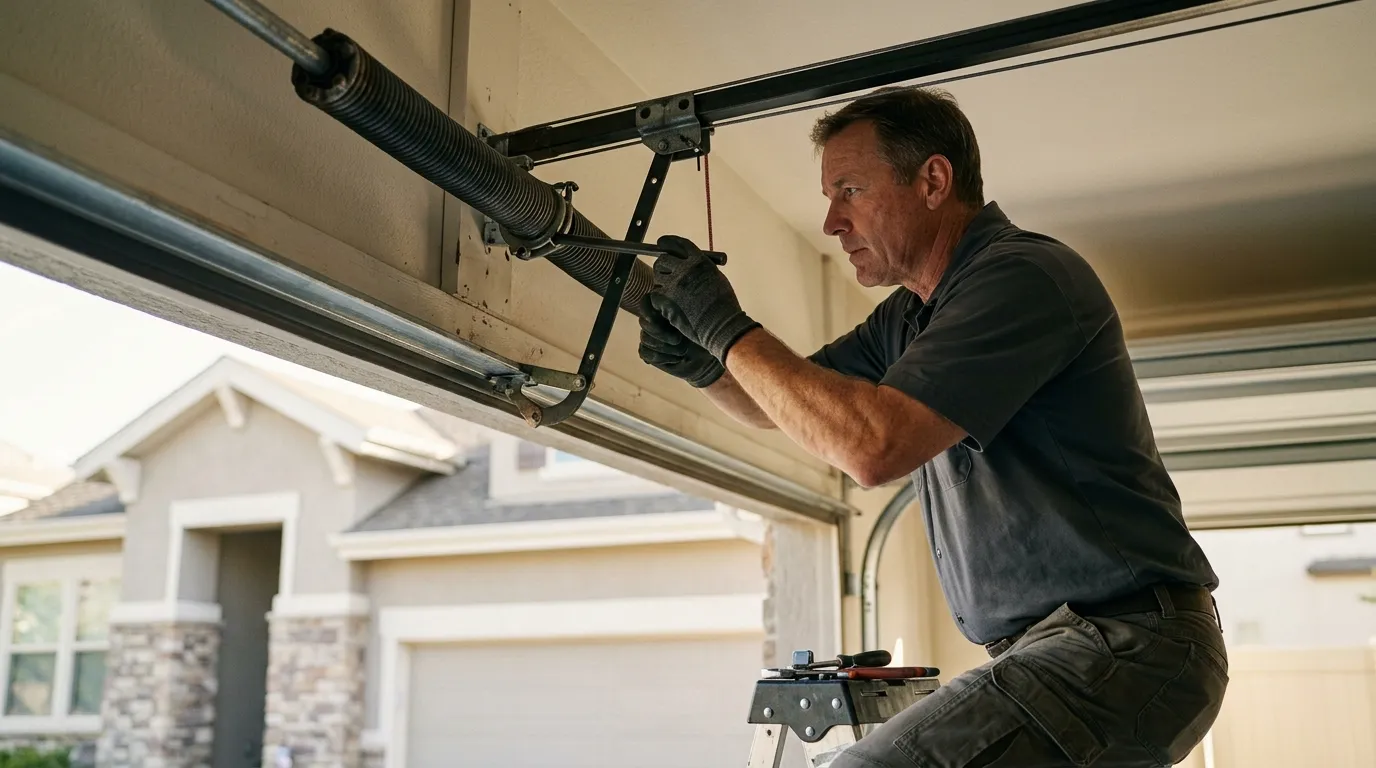
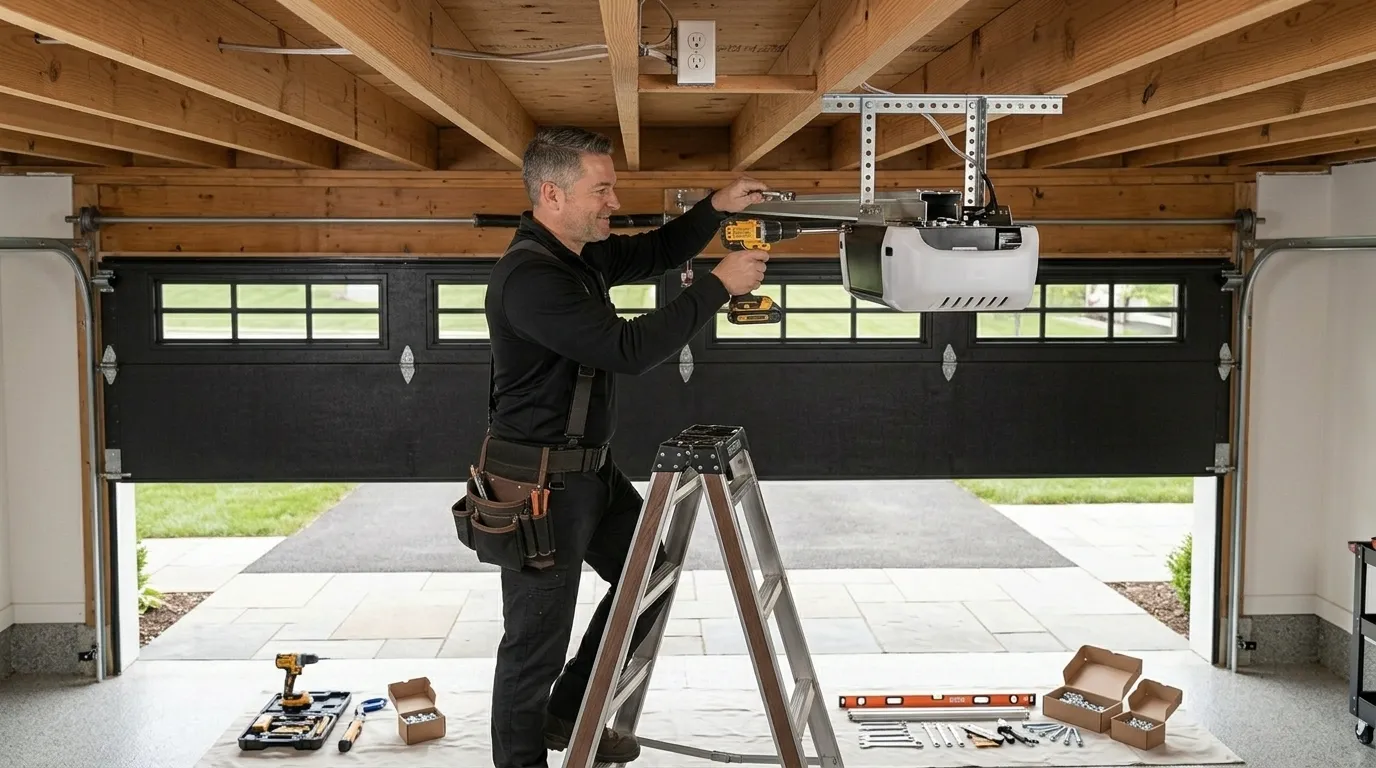
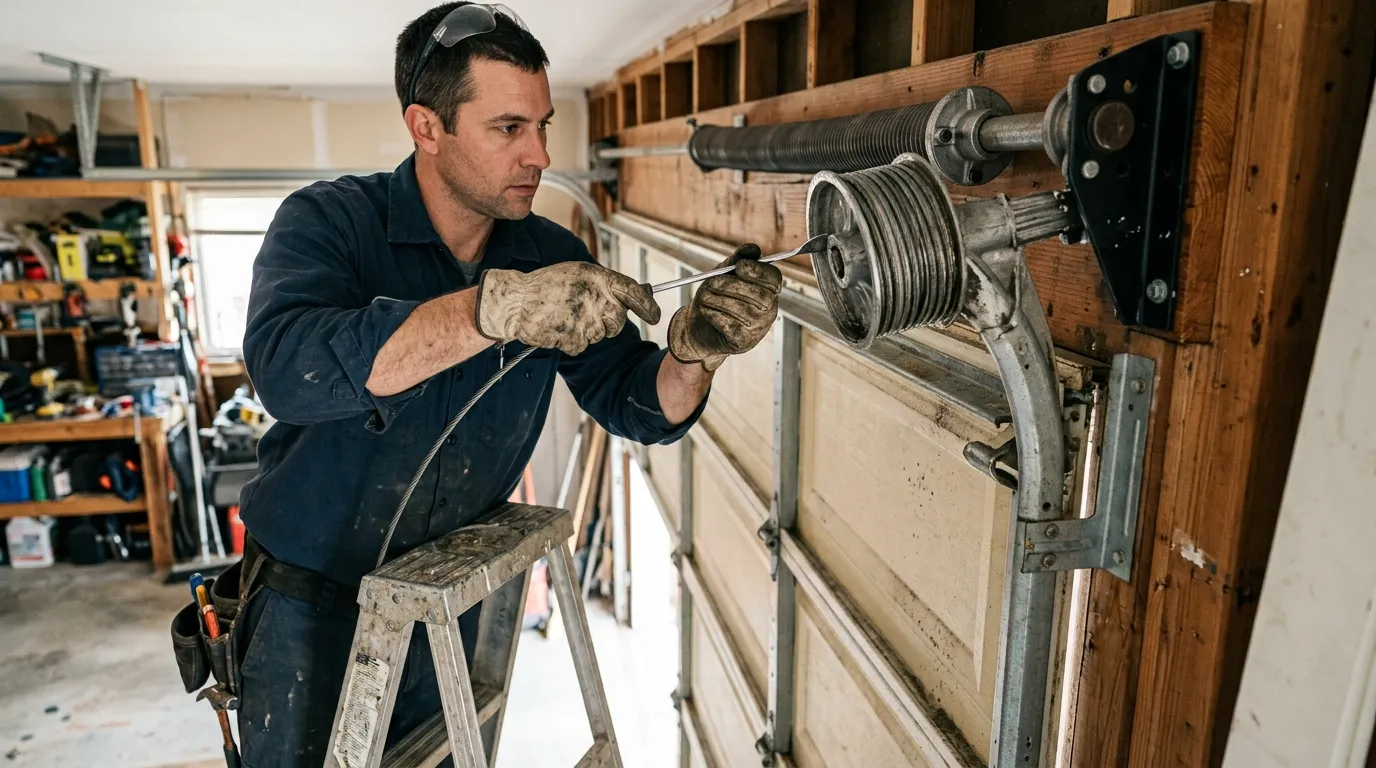
A 2006-era door is not a 1987-era door, and it's nothing like the original one-piece doors you'd find on much older housing stock. Doors installed in that mid-2000s window in this climate band typically came with steel rollers, standard-wind torsion springs sized for lighter insulated panels, and openers with early digital logic boards rather than pure electromechanical relays. What breaks first at this age is usually the spring - most residential torsion springs are rated for a fixed number of cycles, and a door installed around 2006 is well into the range where the original spring is due, or already gone. Opener logic boards and drive gear from that generation are also a common call, more often than the cable or track failures you'd expect on a much older door. Because the mild temperate climate here doesn't put extreme thermal stress on steel panels or seals, we see less warping and hardware corrosion than you'd expect in harsher climates - deferred spring replacement is the bigger factor.