What Was Built Here
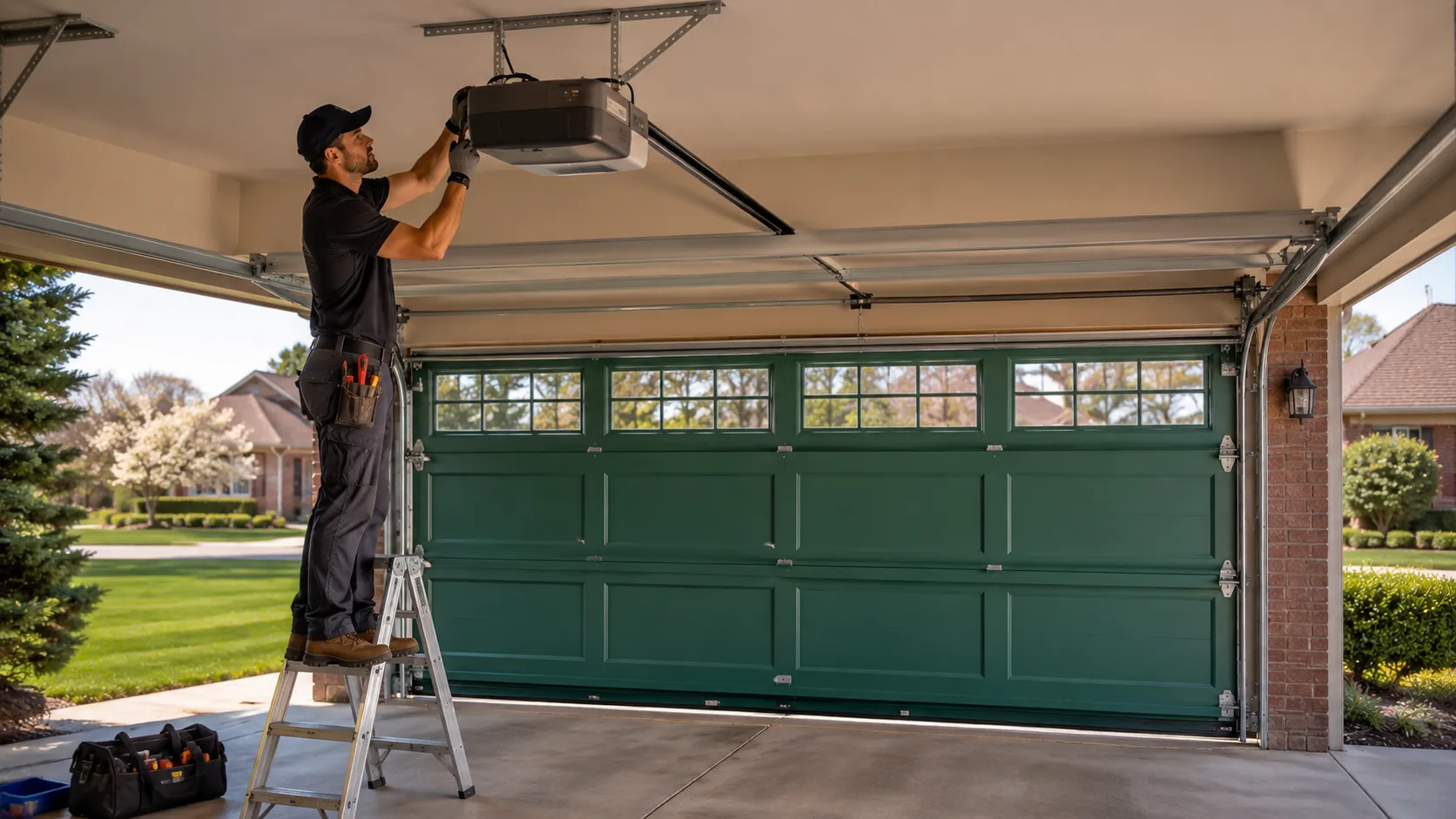
Sky Lake's housing stock centers on 1964, which is early compared to the broader service area's median build year of 1987. That's a real gap - over two decades - and it matters more here than almost anywhere else we cover, because it means a much higher share of original garage doors and original openers than you'd find in the newer subdivisions further out. The area-wide climate is mild temperate, so these older doors haven't been fighting extreme heat or hard freezes for sixty years, which is part of why so many of them are still hanging on at all. But mild weather doesn't stop bearings from wearing out or springs from fatiguing on a schedule that has nothing to do with the thermometer. A door installed in the mid-1960s has been through multiple spring replacements already if it's been maintained, or none at all if it hasn't - and we see both when we get out there.
What the Housing Means for Your Door
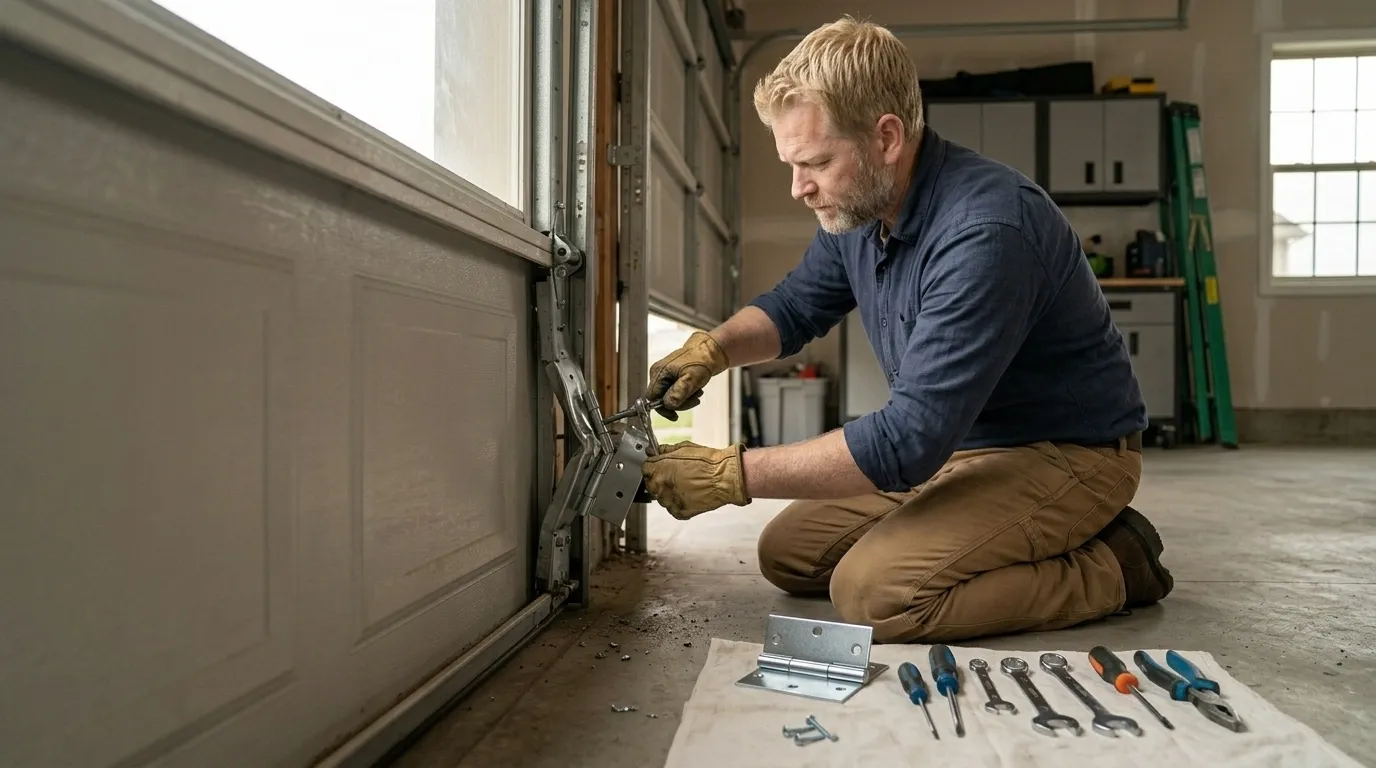
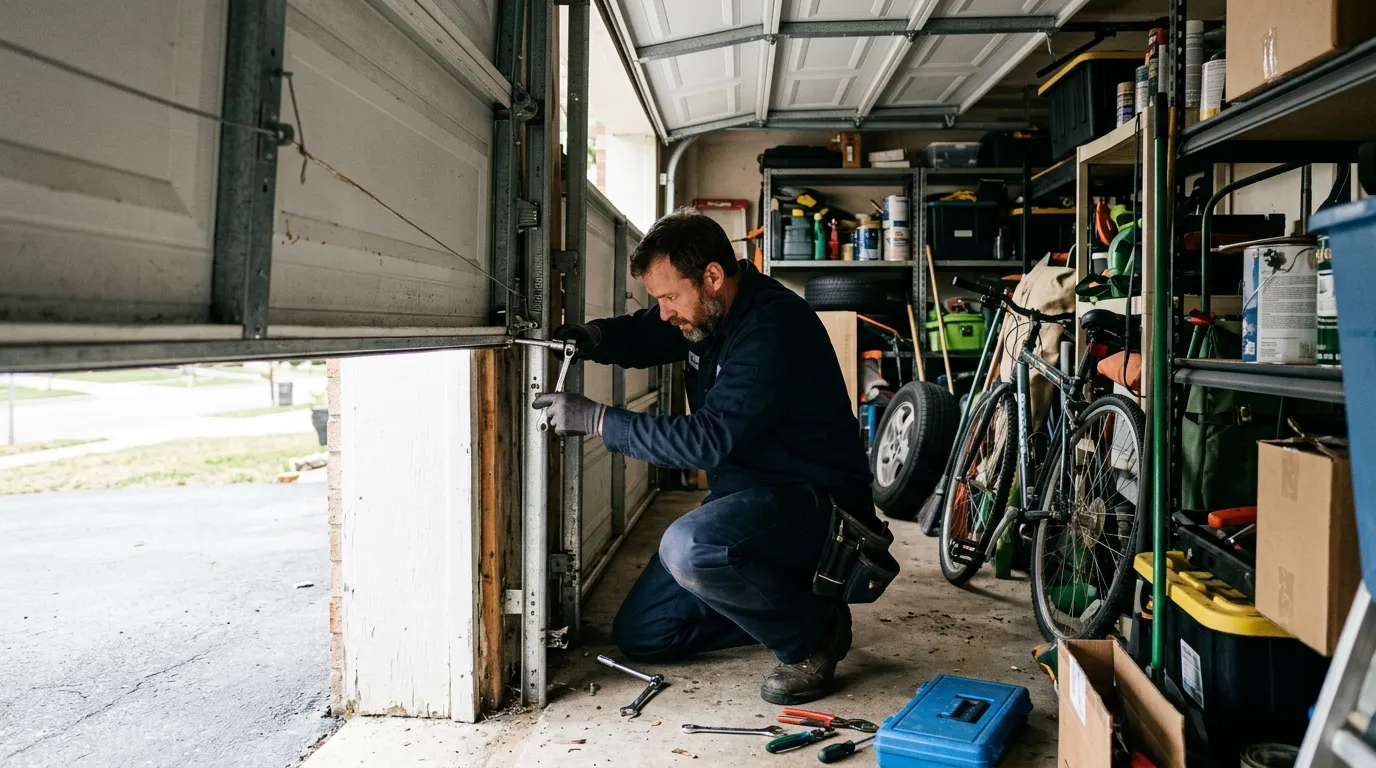
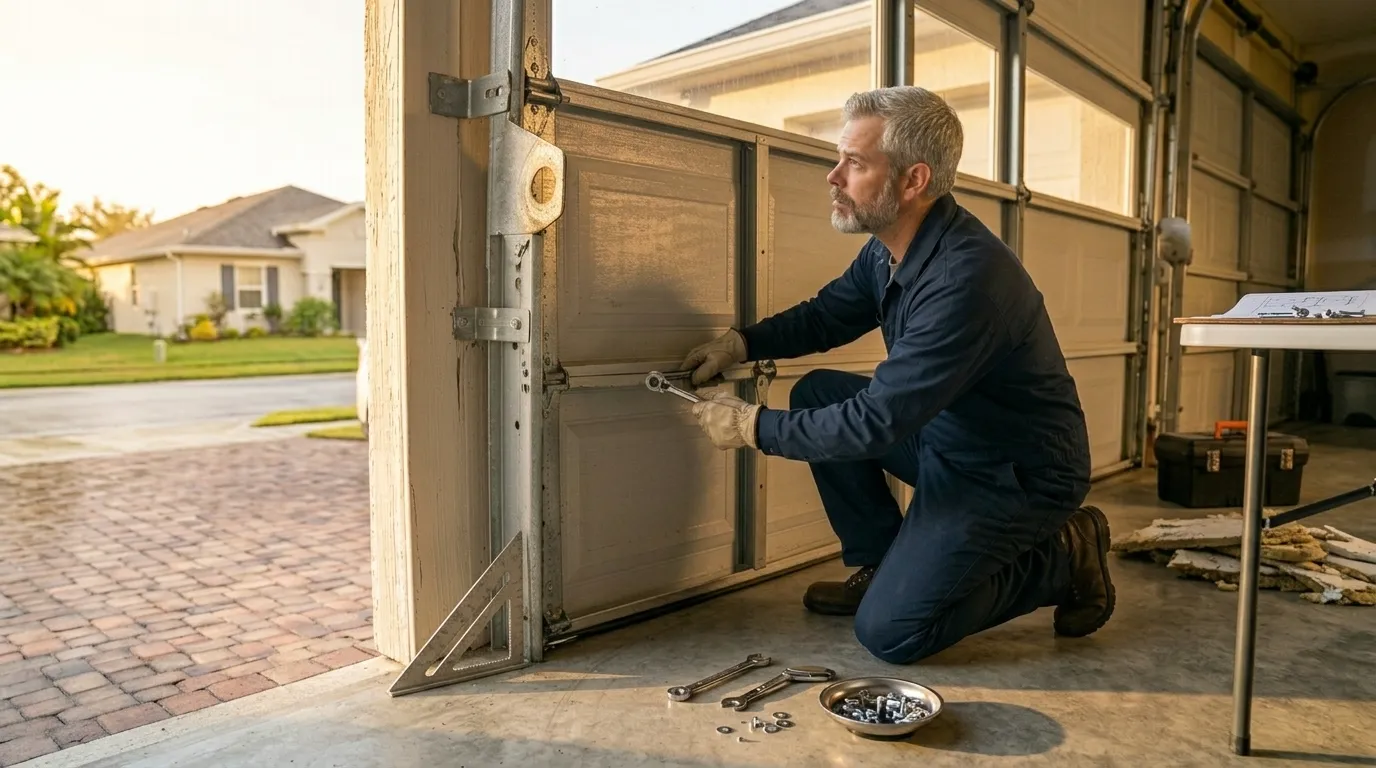
Houses from 1964 typically came with lighter steel or wood doors on hardware that predates the torsion-spring conventions common in anything built after the 1980s. If your door has never been touched, you're likely looking at older-style extension springs, a single opener unit that's had at least one motor replacement by now, and track hardware sized for a lighter panel than what's sold today. None of that is a problem on its own, but it does mean parts availability is a real issue - a lot of this-era hardware isn't something a supplier keeps on the shelf, and matching an original track or roller size can take longer than fixing a newer door. Sky Lake's median household income, at $65,161, runs below the $82,107 median across the wider area we serve, which is worth naming because it shapes the calls we get: more repair requests aimed at keeping an original door running a few more years, fewer straight-to-replacement calls than we see in newer, higher-income pockets.