What Was Built Here
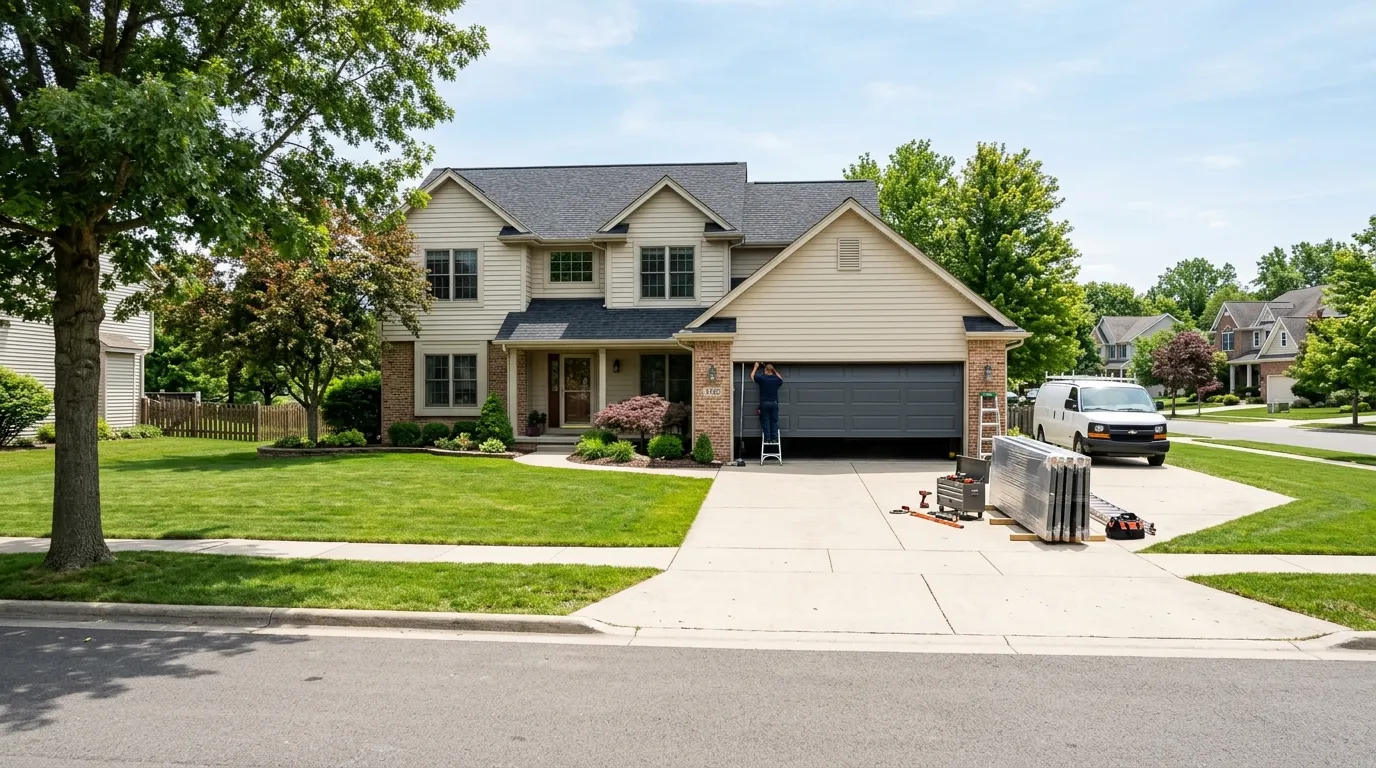
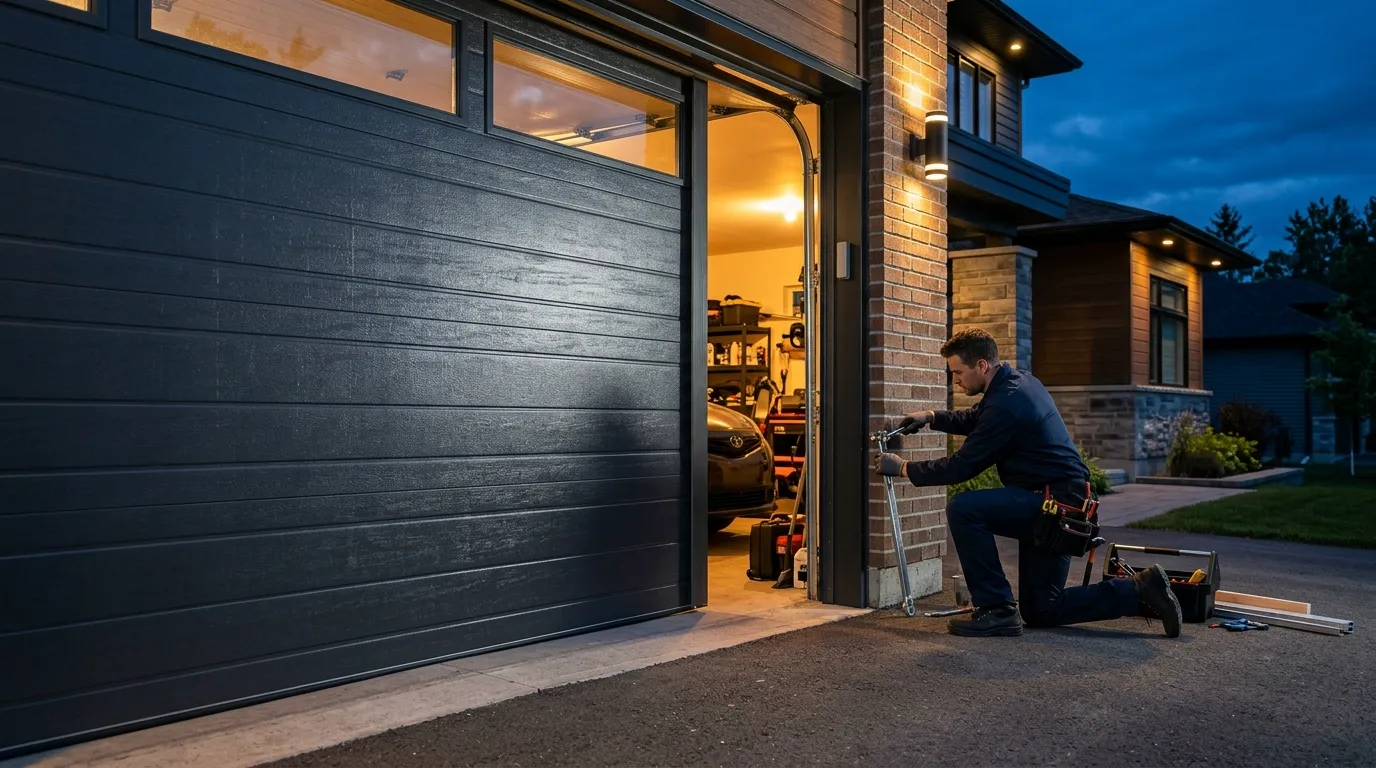
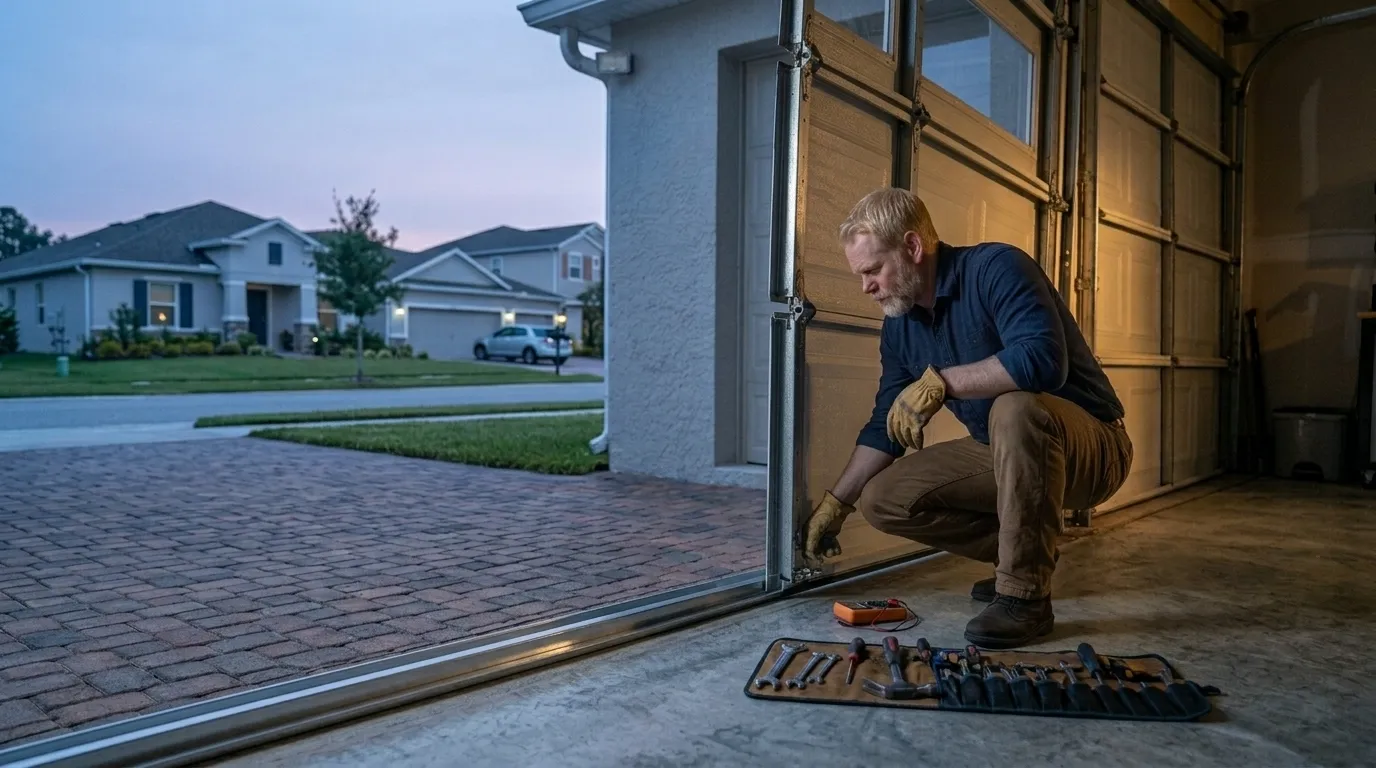
Southchase's median year built lands around 1997, noticeably younger than the broader Orlando service area's 1987 median. With roughly 4,403 households in the area, most of what we service here went up in that late-1980s-through-2000s window - subdivisions built out during Orlando's suburban growth push south and east, not the older in-town lots.
That matters more than it sounds like it should. A door installed in 1997 is a different animal from one installed in 1975: different steel gauges, different spring types becoming standard, different opener drive mechanisms starting to show up (chain drives giving way to belt and screw drives later in that stretch). Median household income here runs around $85,573, a touch above the broader service area's $82,107, and that tracks with what we see on service calls - homes that were built with better original hardware and, more often than not, kept up rather than left to fail slowly.
What the Housing Means for Your Door
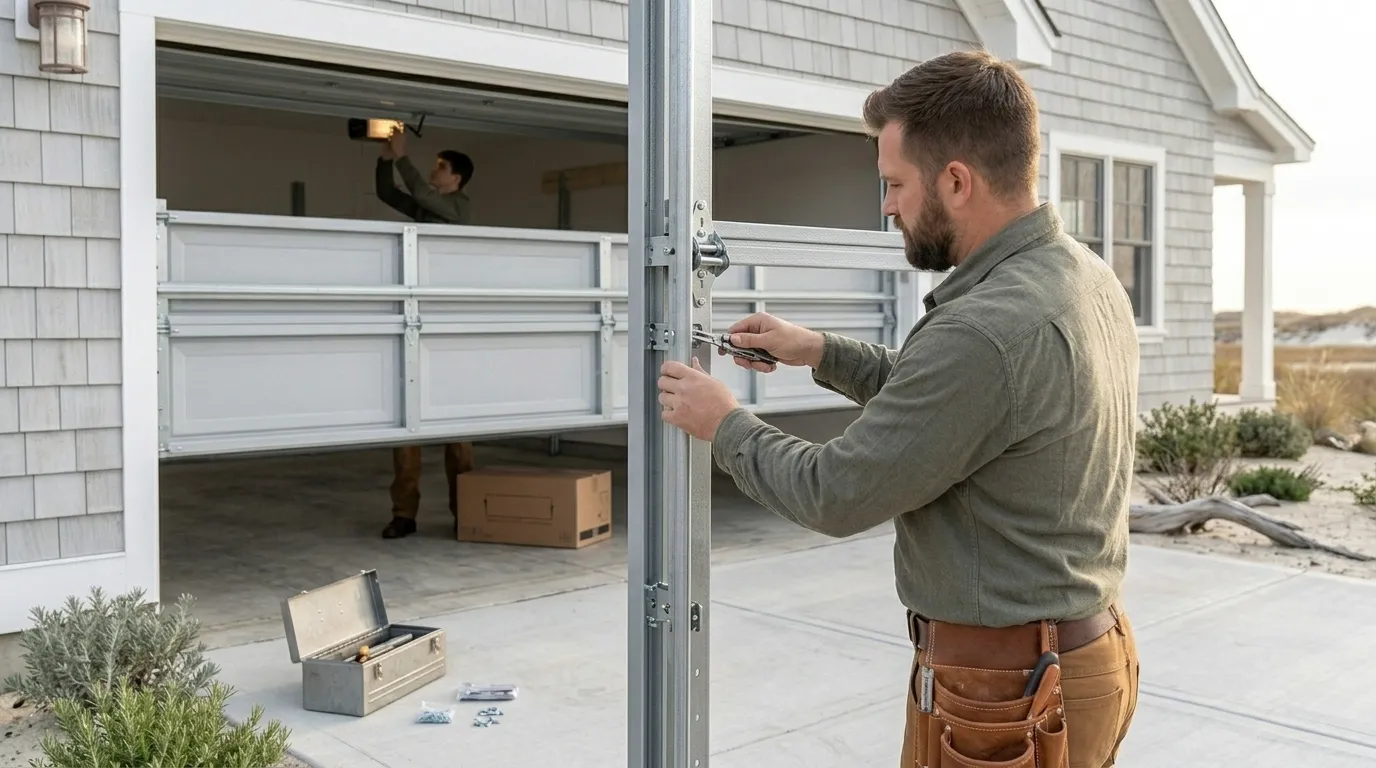
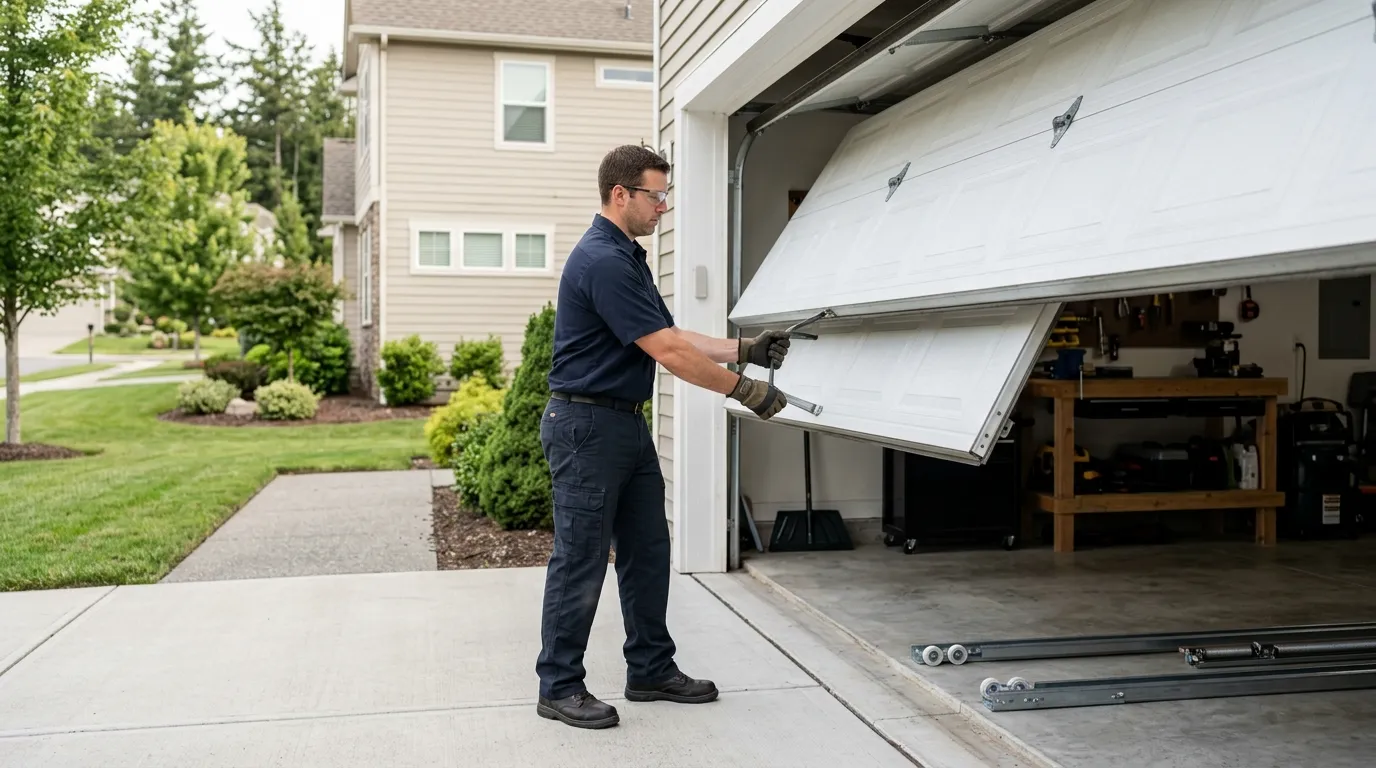
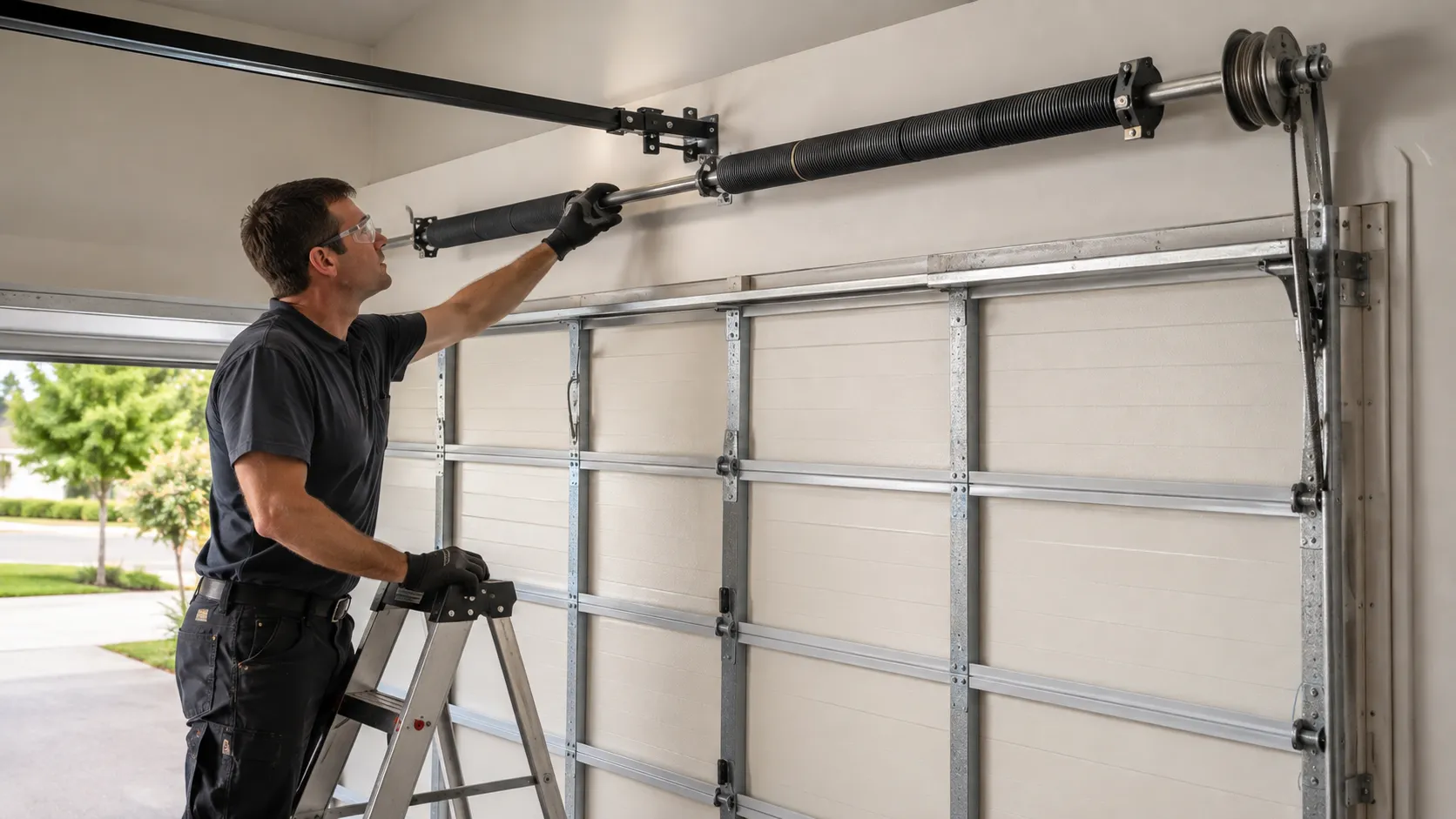
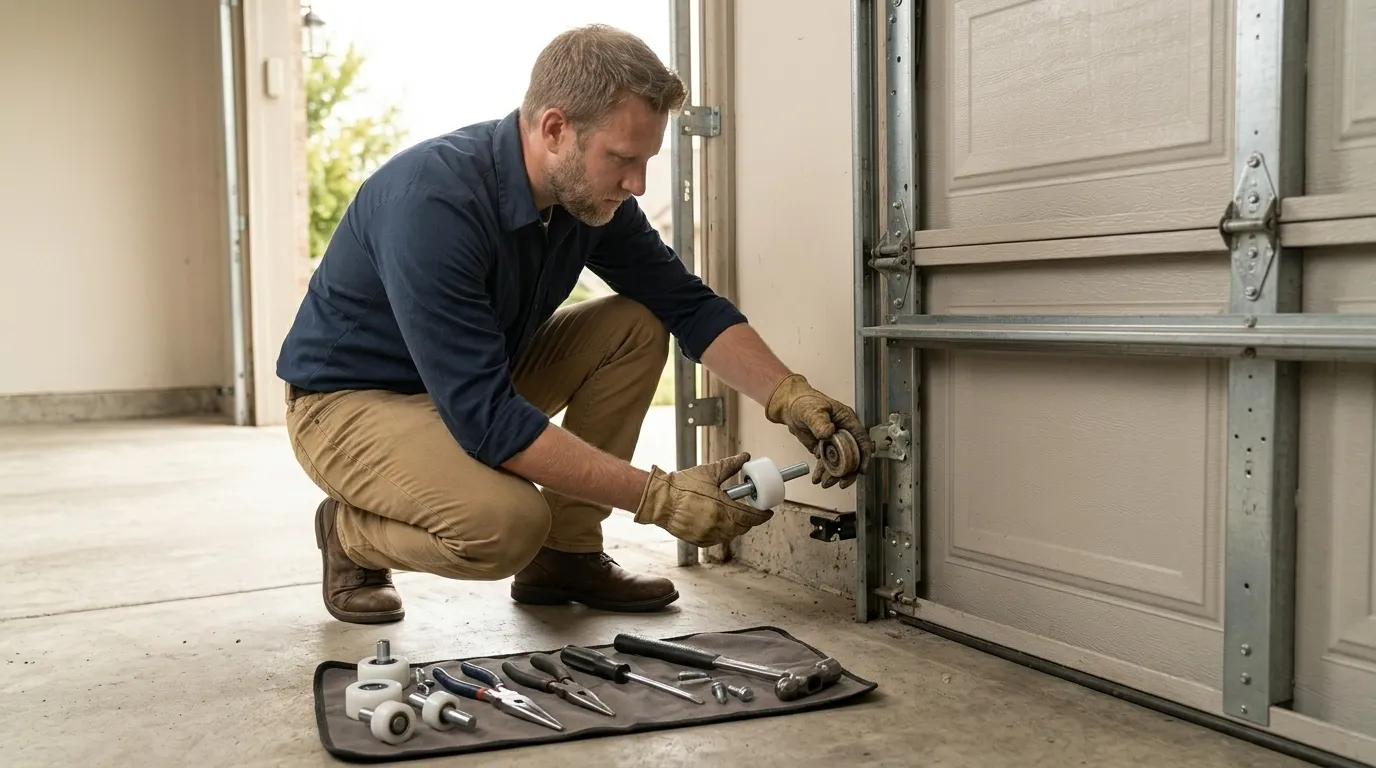
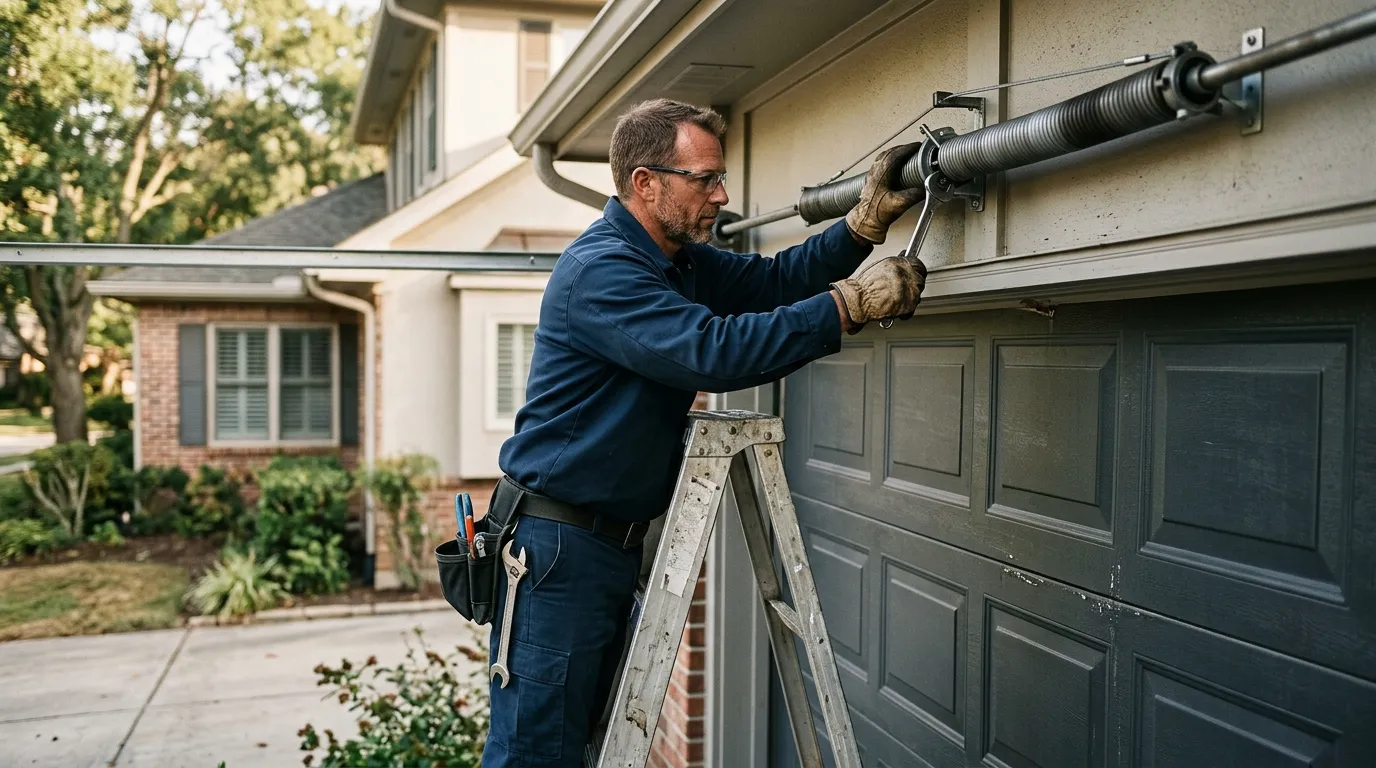
Because Southchase's stock mostly dates to the late 80s through the 2000s, the failures we run into here skew toward wear, not obsolescence. You're less likely to have a one-piece slab door with side-mounted torsion hardware nobody stocks anymore - that's an older-Orlando problem. What you're more likely to have is a sectional steel door on a standard torsion spring, original rollers finally giving out after two, three decades, or a chain-drive opener from the era that's simply worn through its gears.
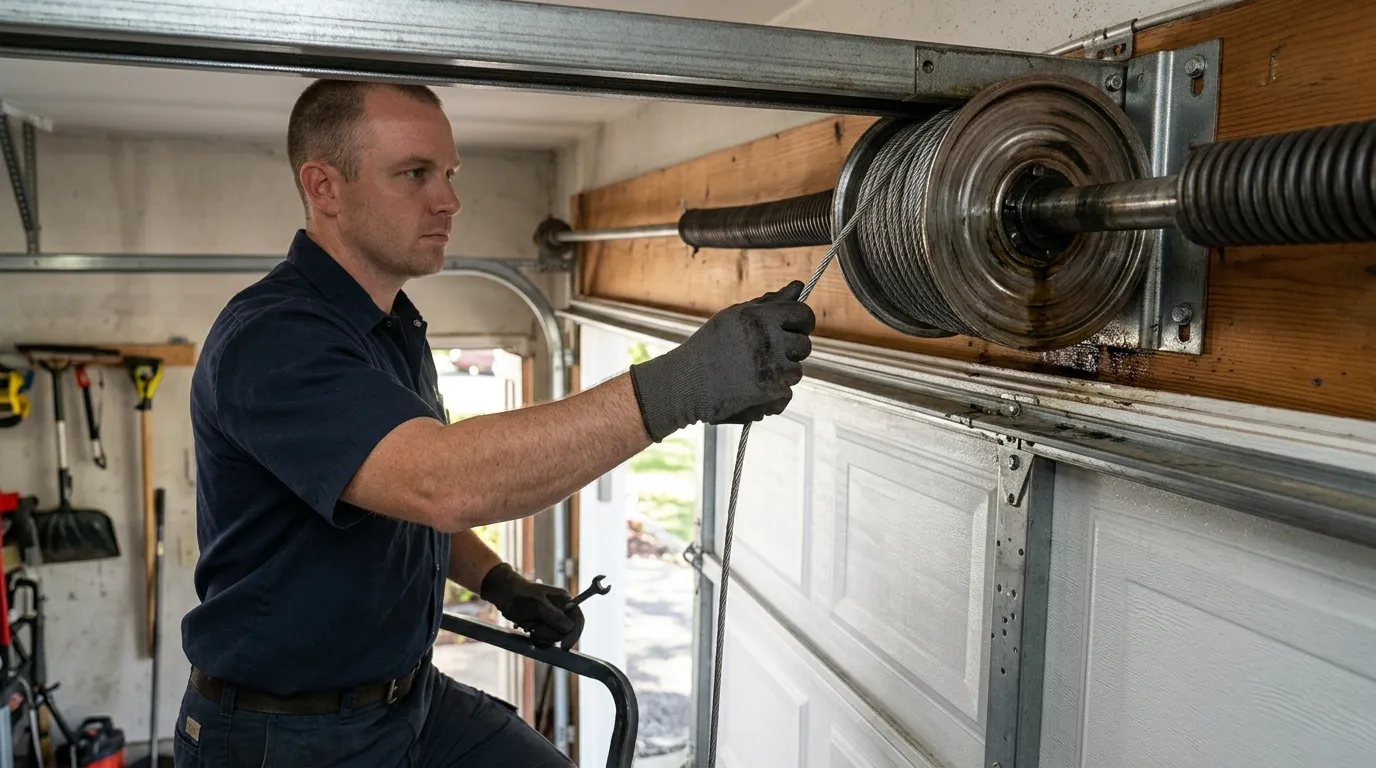
The mild temperate climate here doesn't stress doors the way freeze-thaw regions do, so when a Southchase door fails, it's almost always mechanical fatigue - springs that have hit their cycle count, cables fraying at the drum, or a photo-eye sensor knocked out of alignment - rather than weather damage to the panel itself. That's a more predictable set of problems to diagnose over the phone before we ever load the truck.