What Was Built Here
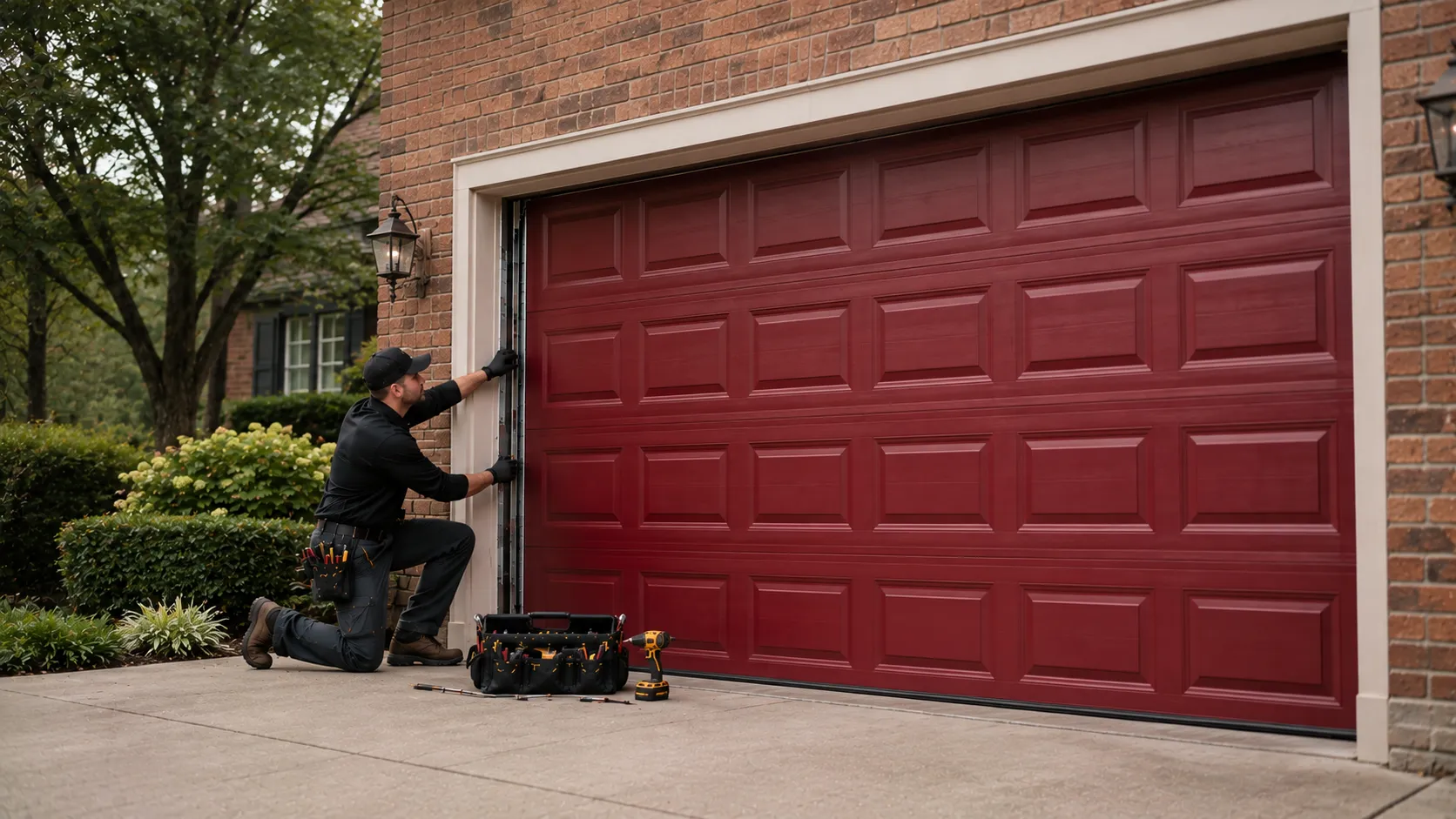
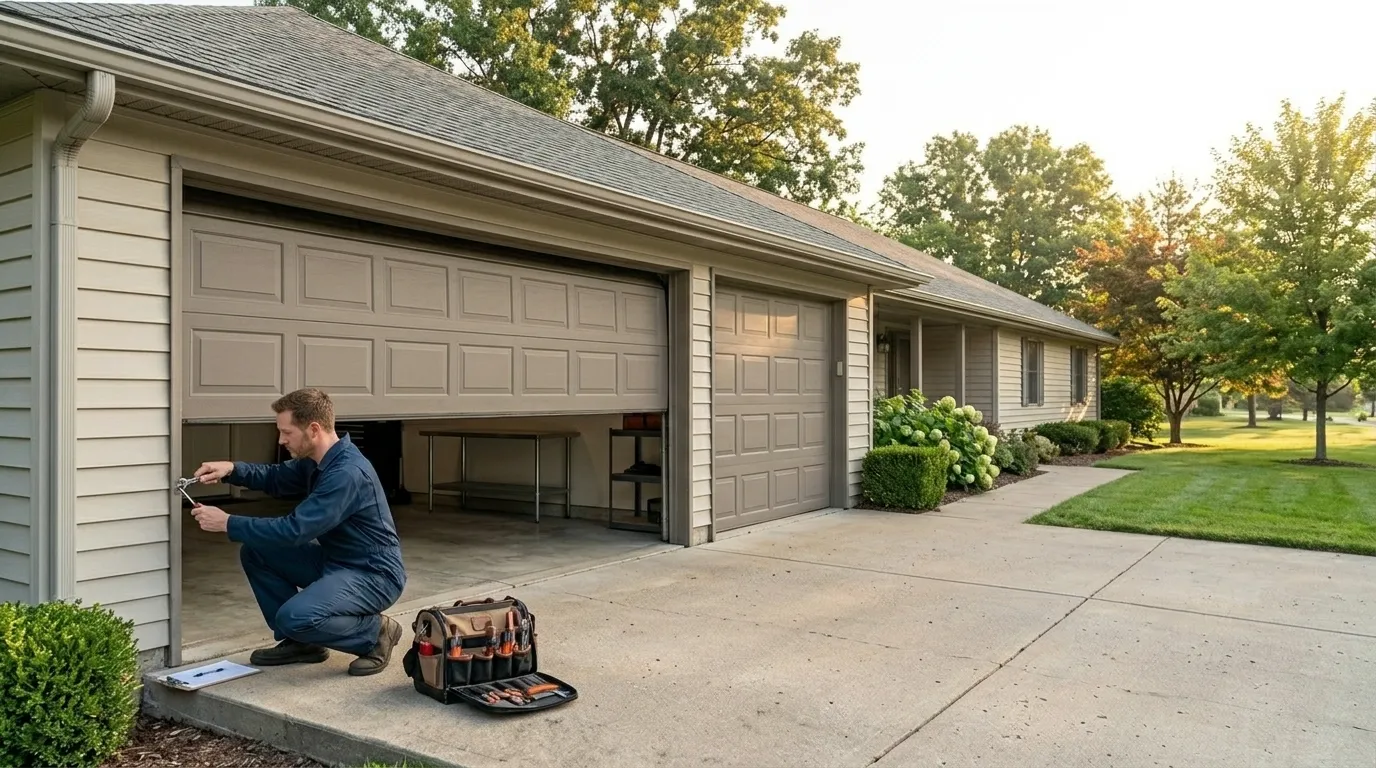
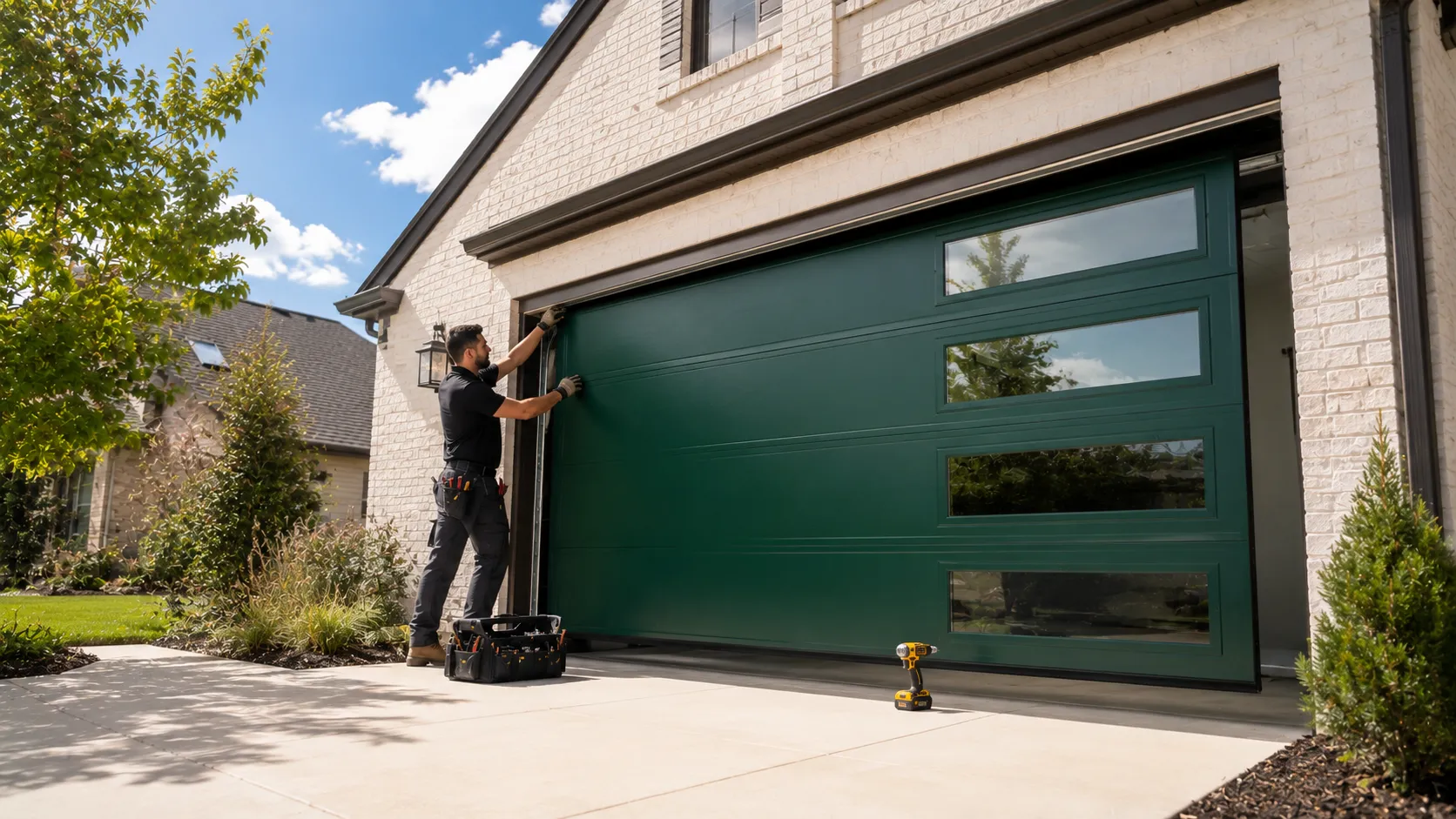
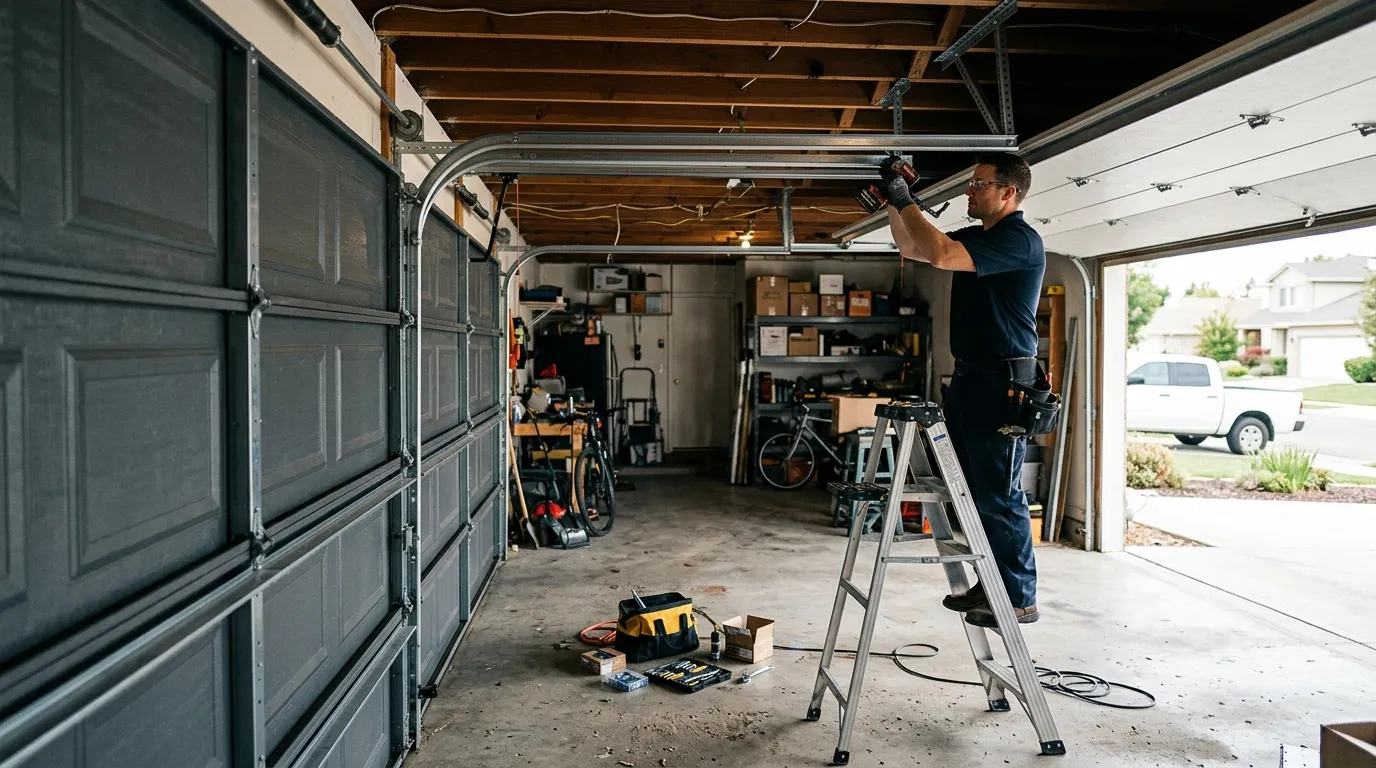
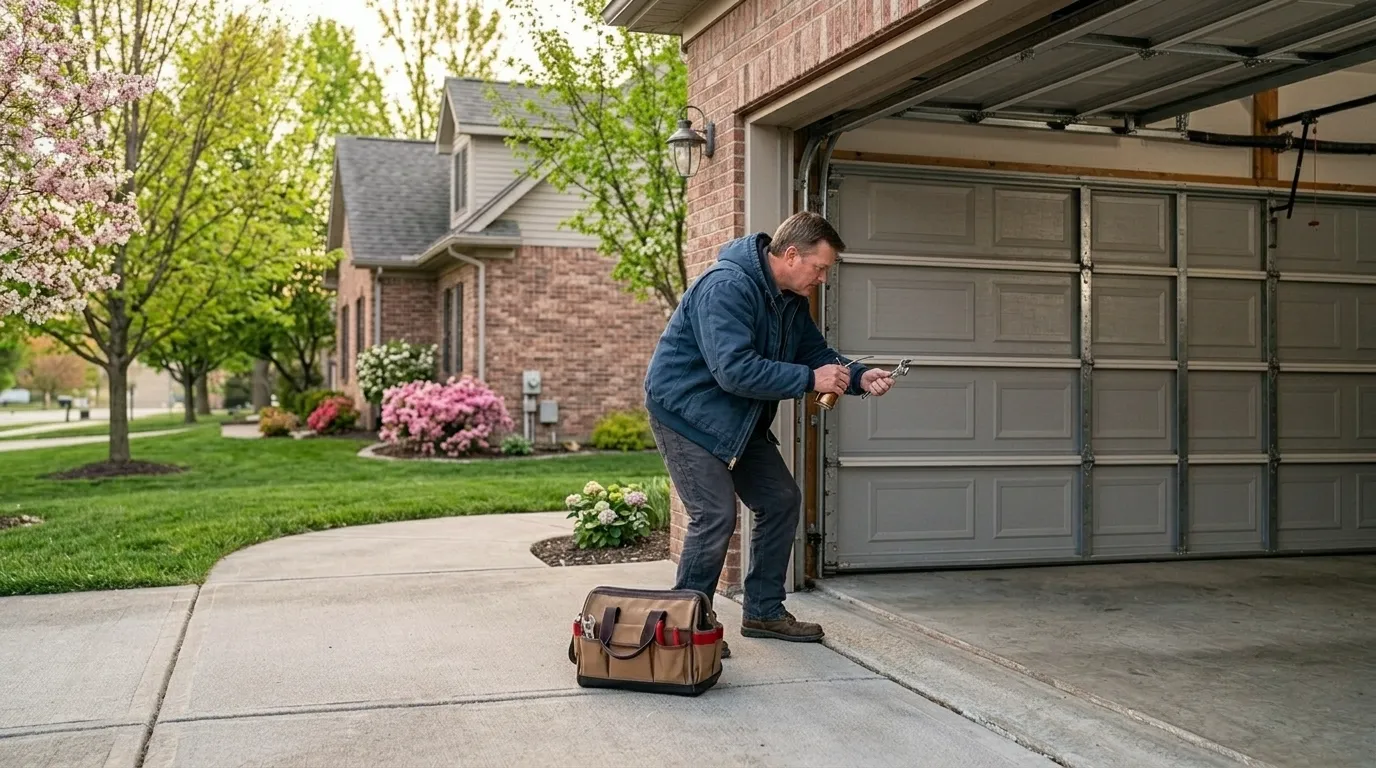
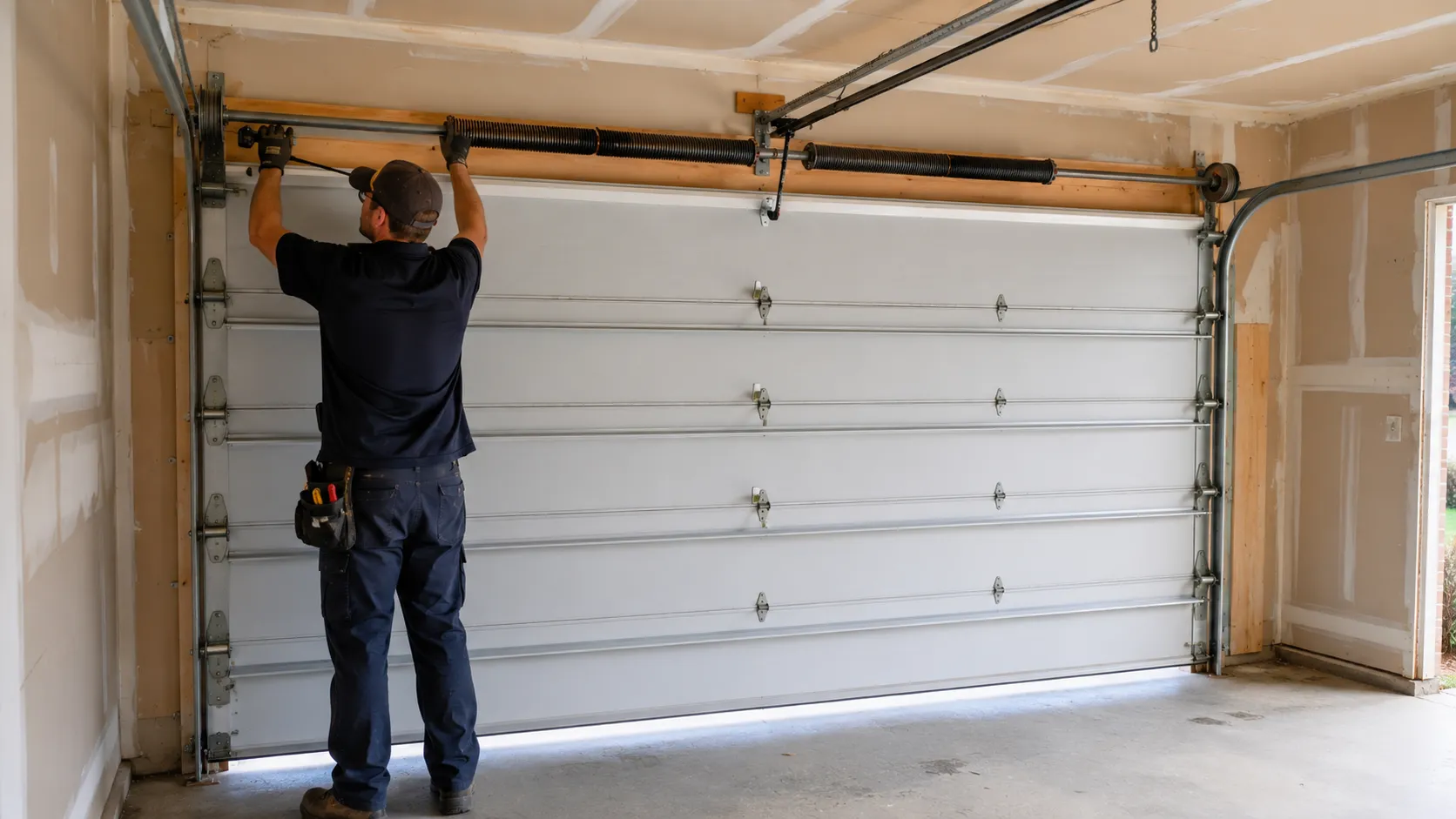
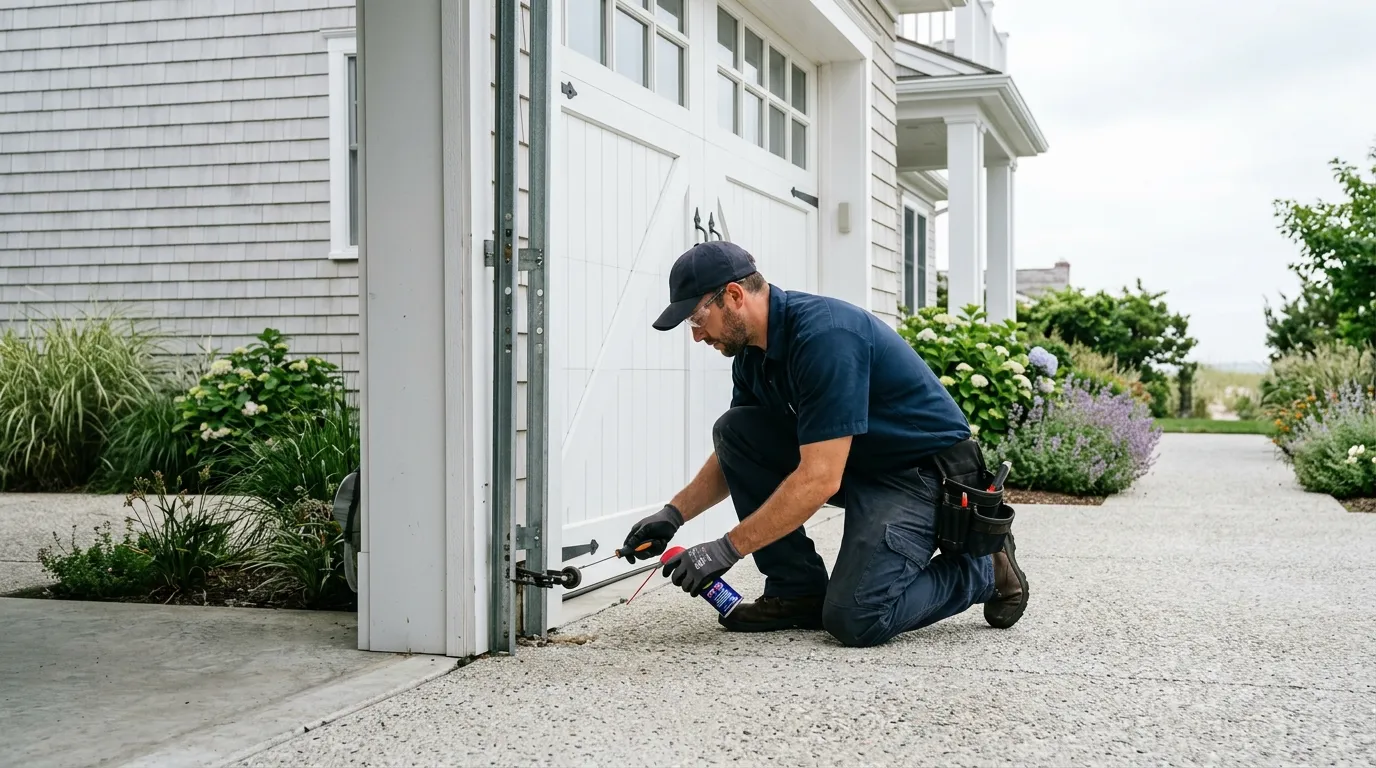
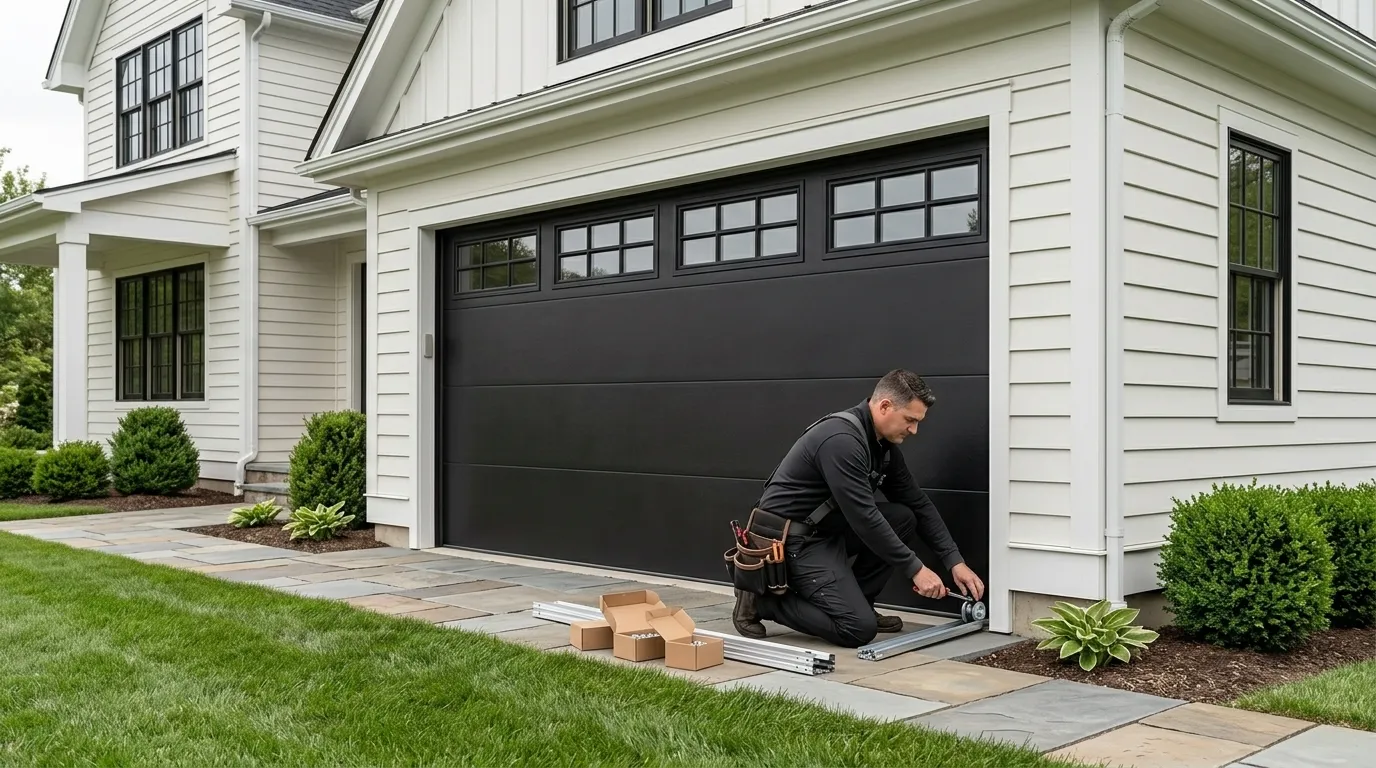
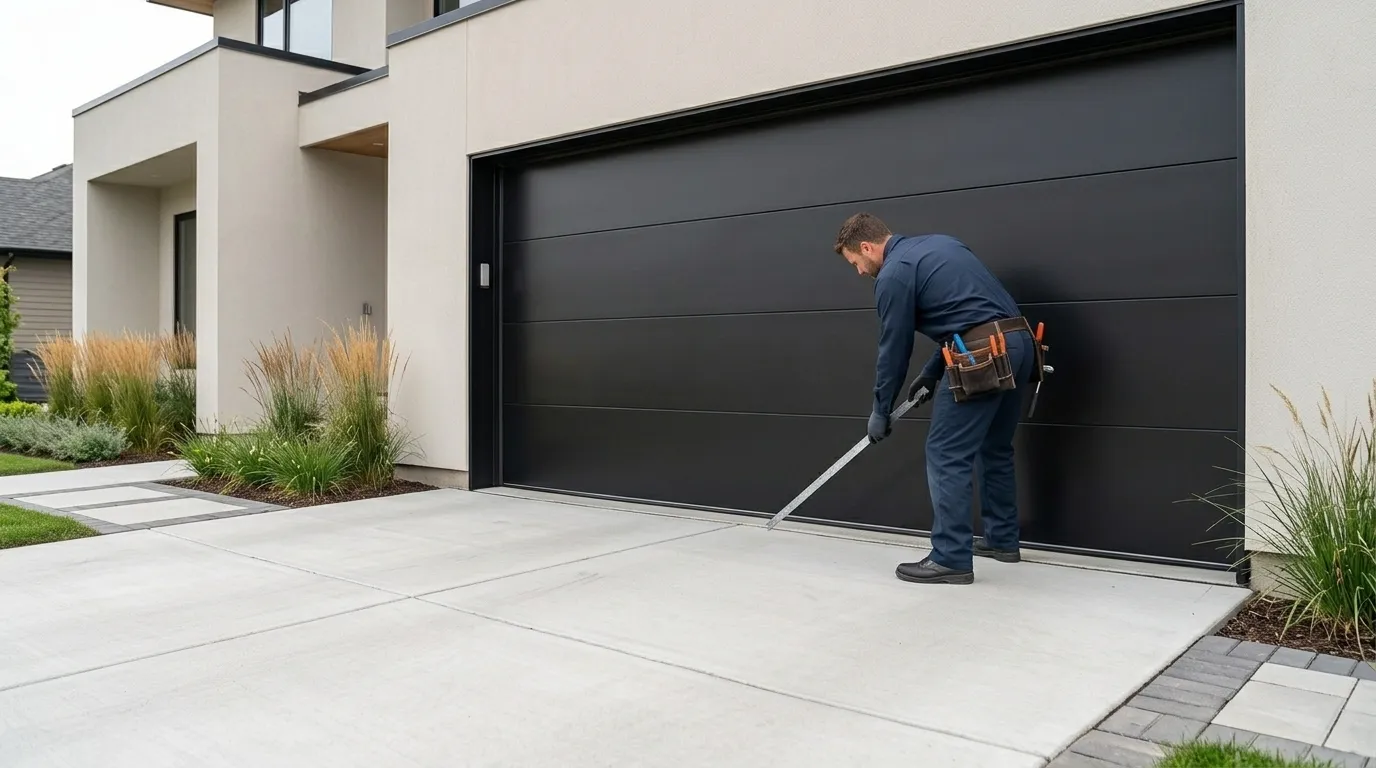
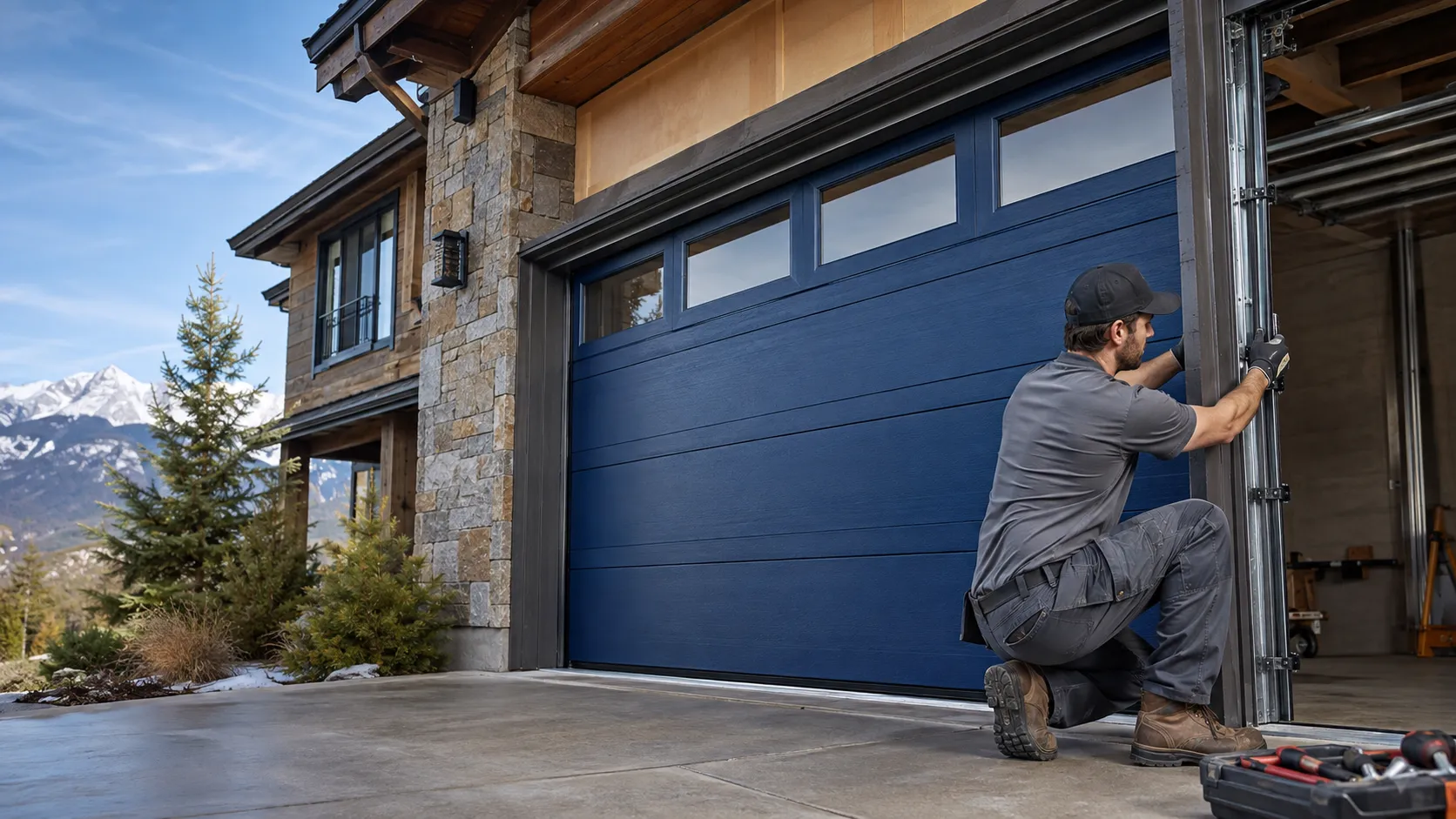
The housing stock in St. Cloud skews noticeably newer than what we see on many other stops on our route. The median build year here runs around 2002, well past the 1987 median across the wider service area and into a different generation of garage door hardware entirely. That gap matters. A door installed in 2002 or later is far more likely to have a center-mounted torsion spring on a steel header bracket, a chain or belt-drive opener with a modern logic board, and photo-eye safety sensors built in from the start rather than retrofitted. With roughly 19,588 households in this area, that's a lot of doors running on hardware that's twenty-plus years old now, not forty - which changes what actually breaks first.
What the Housing Means for Your Door
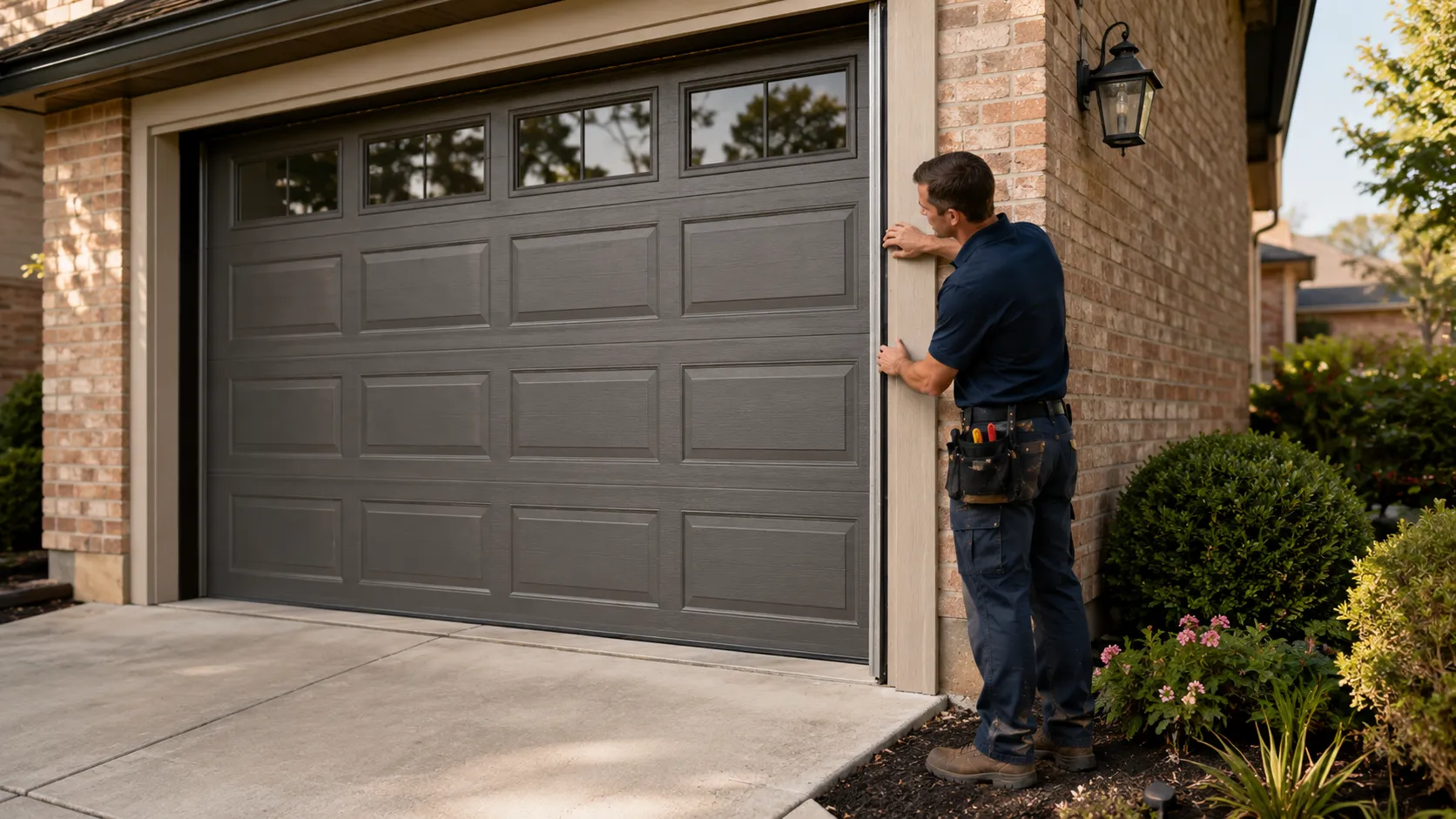
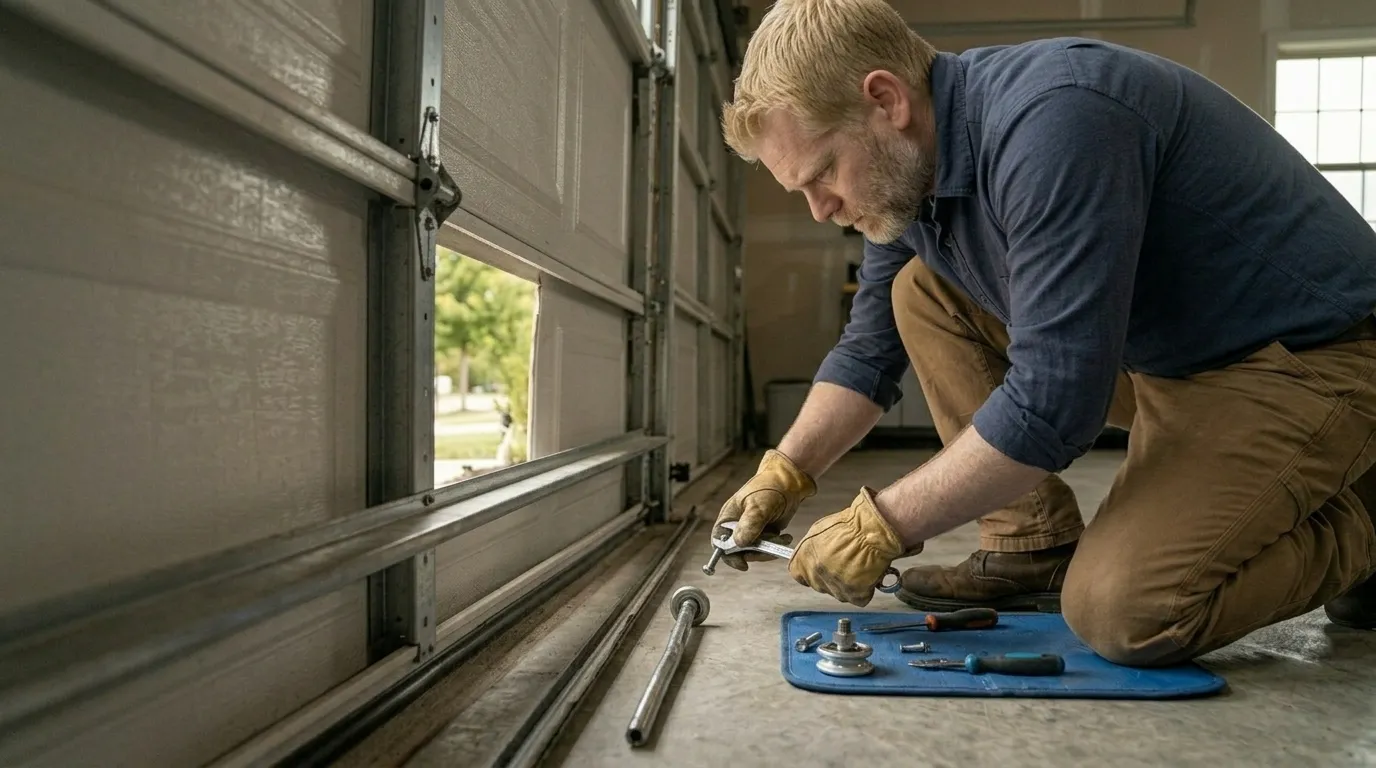
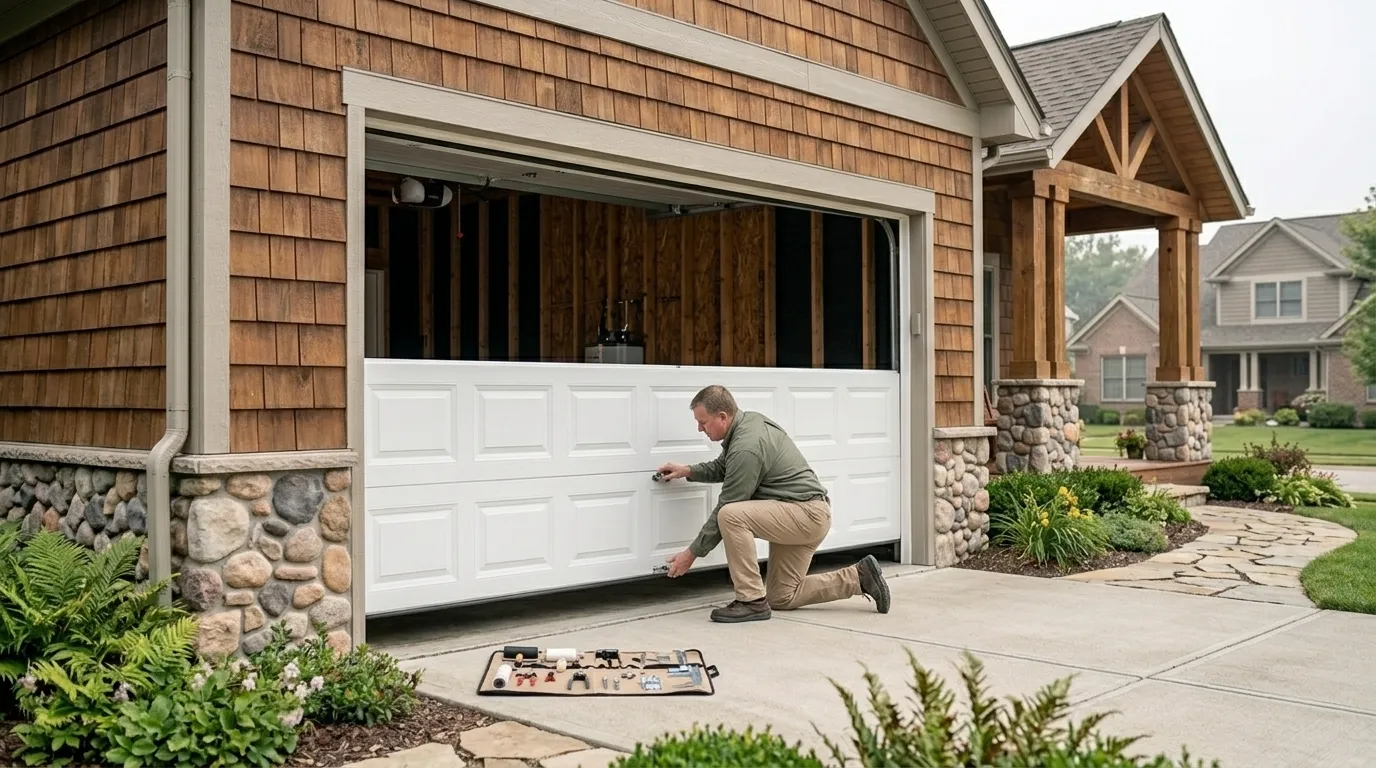
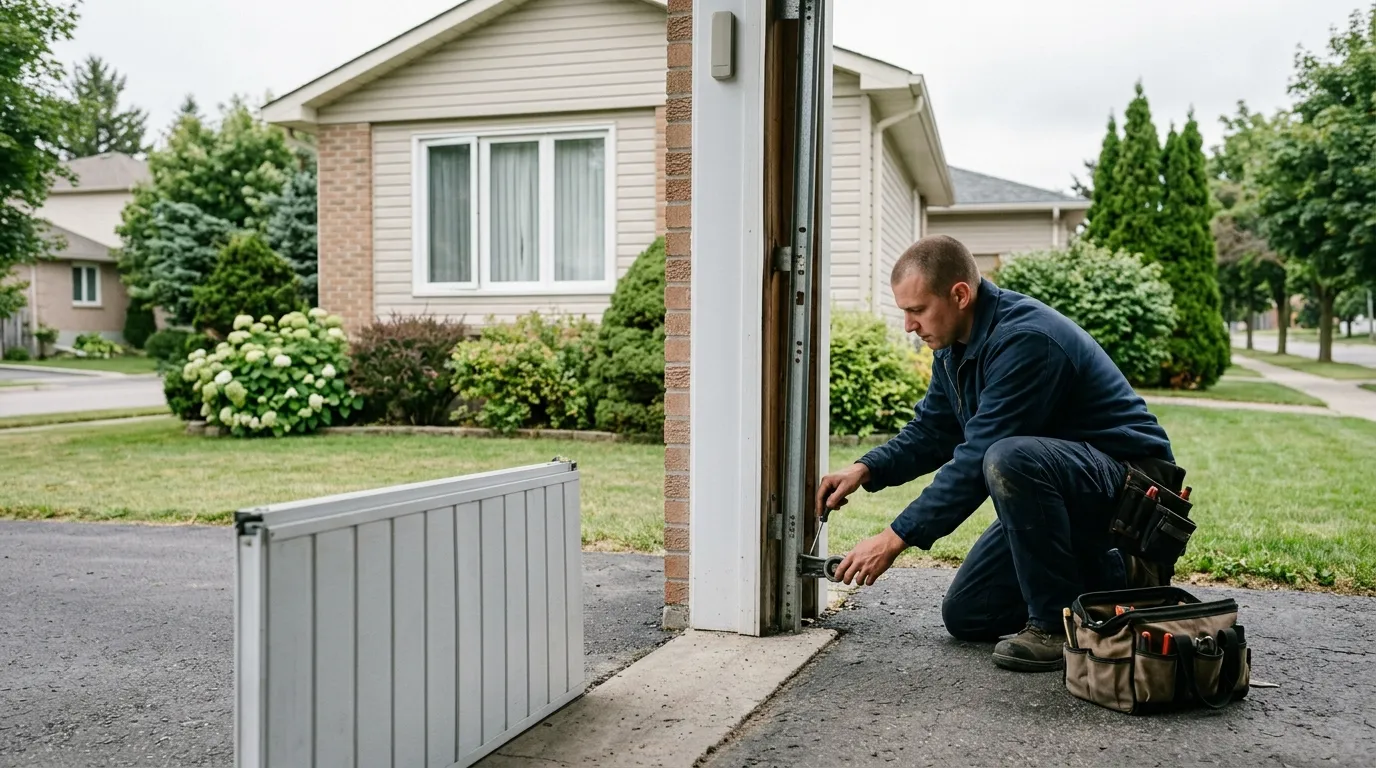
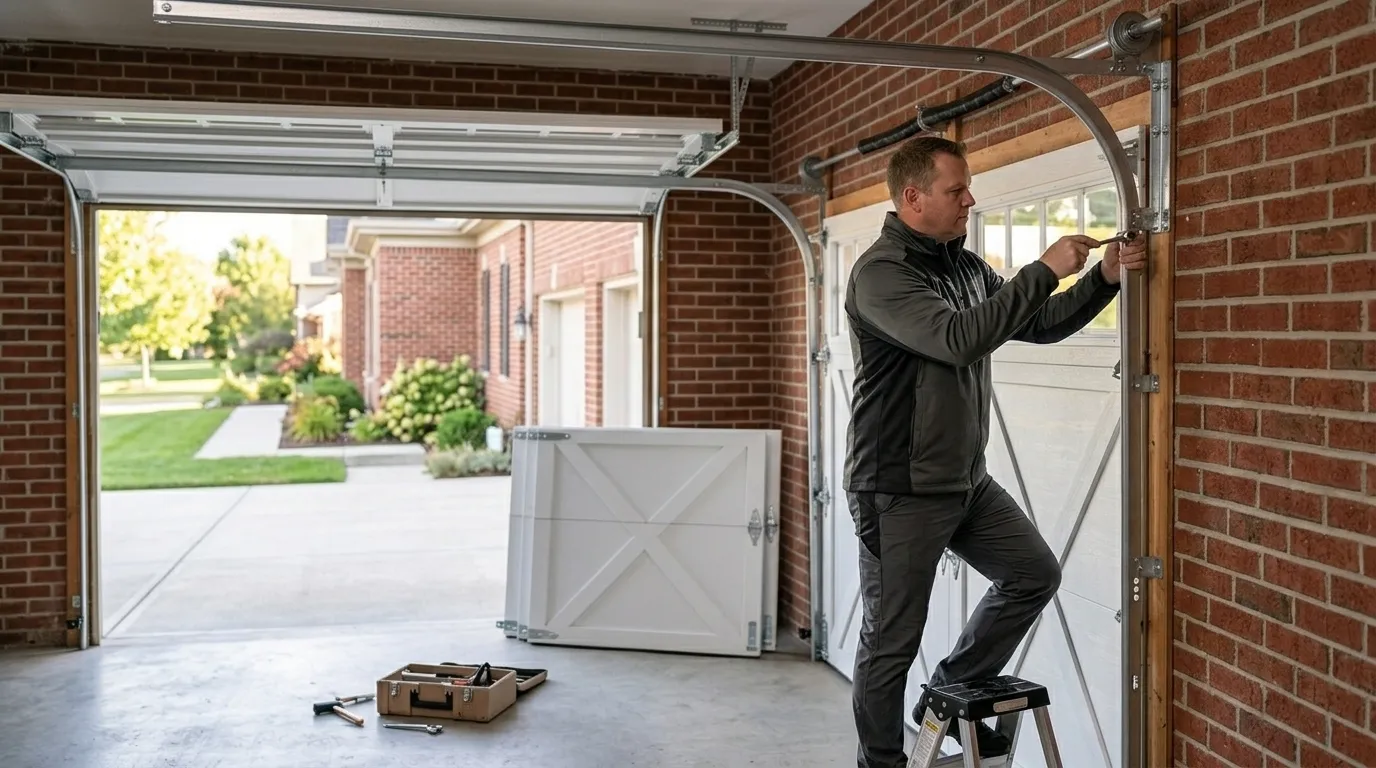
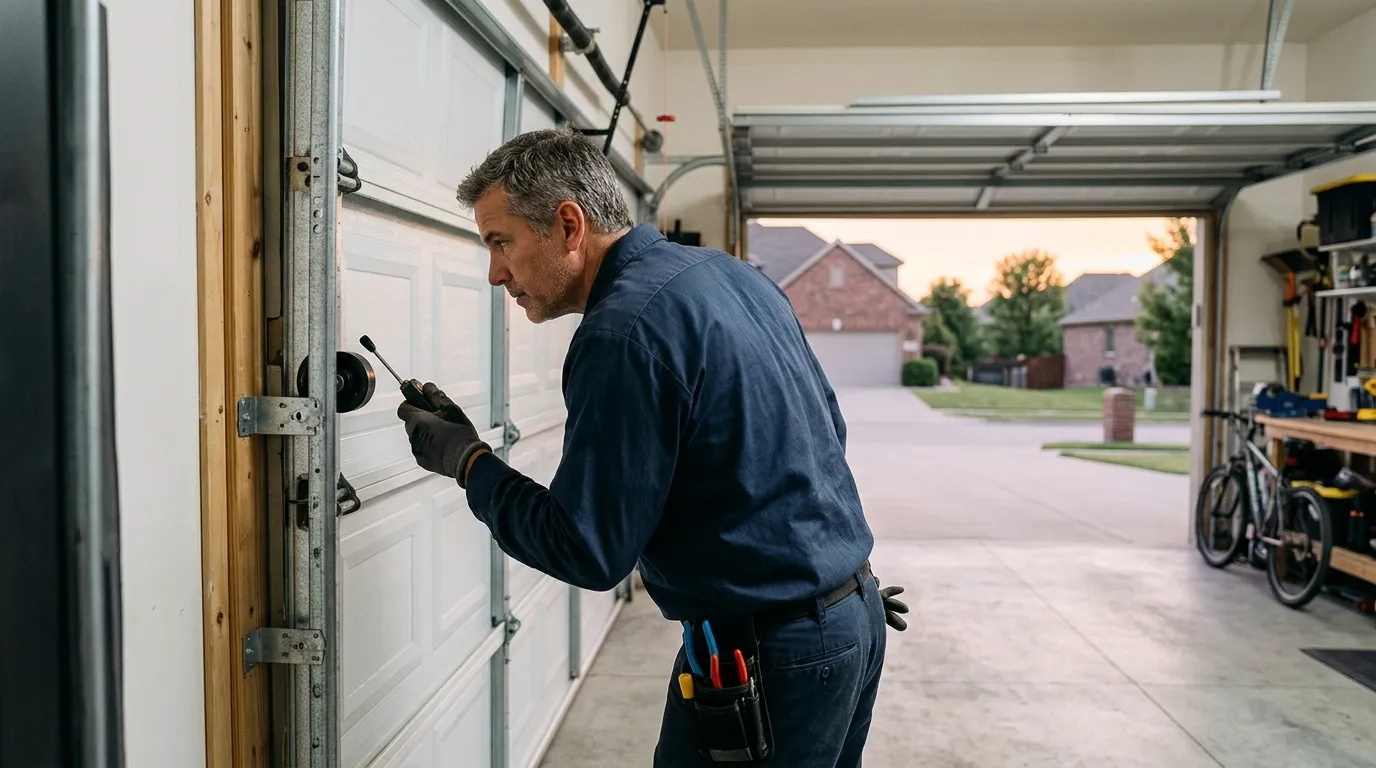
Because most of St. Cloud went up after 2000, the common failure here isn't the seized, decades-old extension spring setup we find on older 1960s-era houses closer to Orlando's center. It's fatigue on torsion springs that have simply hit their cycle count after twenty years of daily use, opener circuit boards aging out, and nylon rollers that have worn oval instead of round. The mild temperate climate across the region doesn't put the kind of stress on wood or metal that freeze-thaw areas see, so panels here tend to hold their shape - when a door looks warped or the track's bent, it's almost always impact damage, not weather. Household income in this area runs around $76,196, a bit under the wider service area's $82,107, which is worth mentioning only because it shapes a repair-versus-replace conversation: a torsion spring swap on a 2002-era door is a straightforward, contained job, and we'd rather quote that honestly than upsell a full replacement a door this age doesn't need yet.