What Was Built Here
Union Park's housing centers on a median year of 1985, which lines up with the broader pattern across the service area's 39 named communities - most of that stock went up in the 1980s and 90s. With roughly 3,660 households in the area, this isn't a small pocket; it's a real concentration of houses that all hit the same age of hardware within a few years of each other.
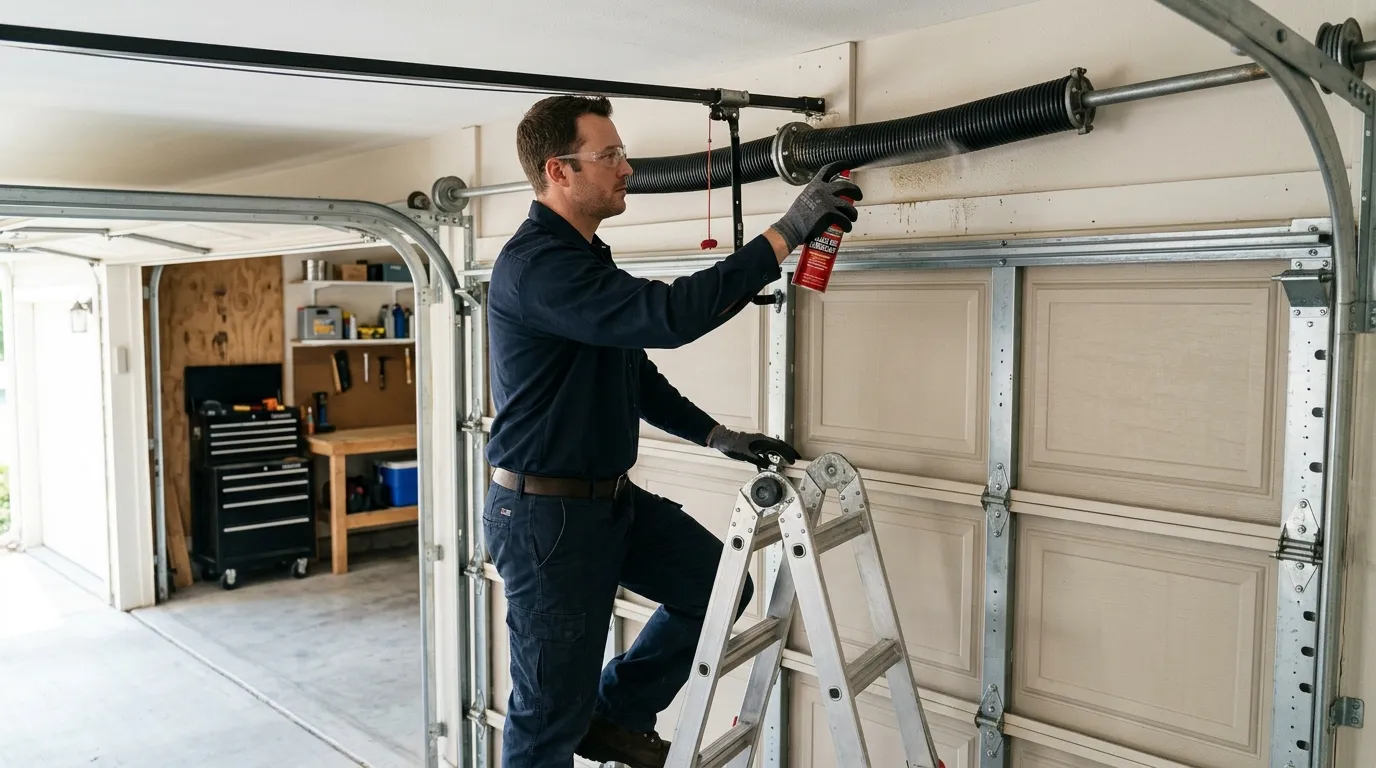
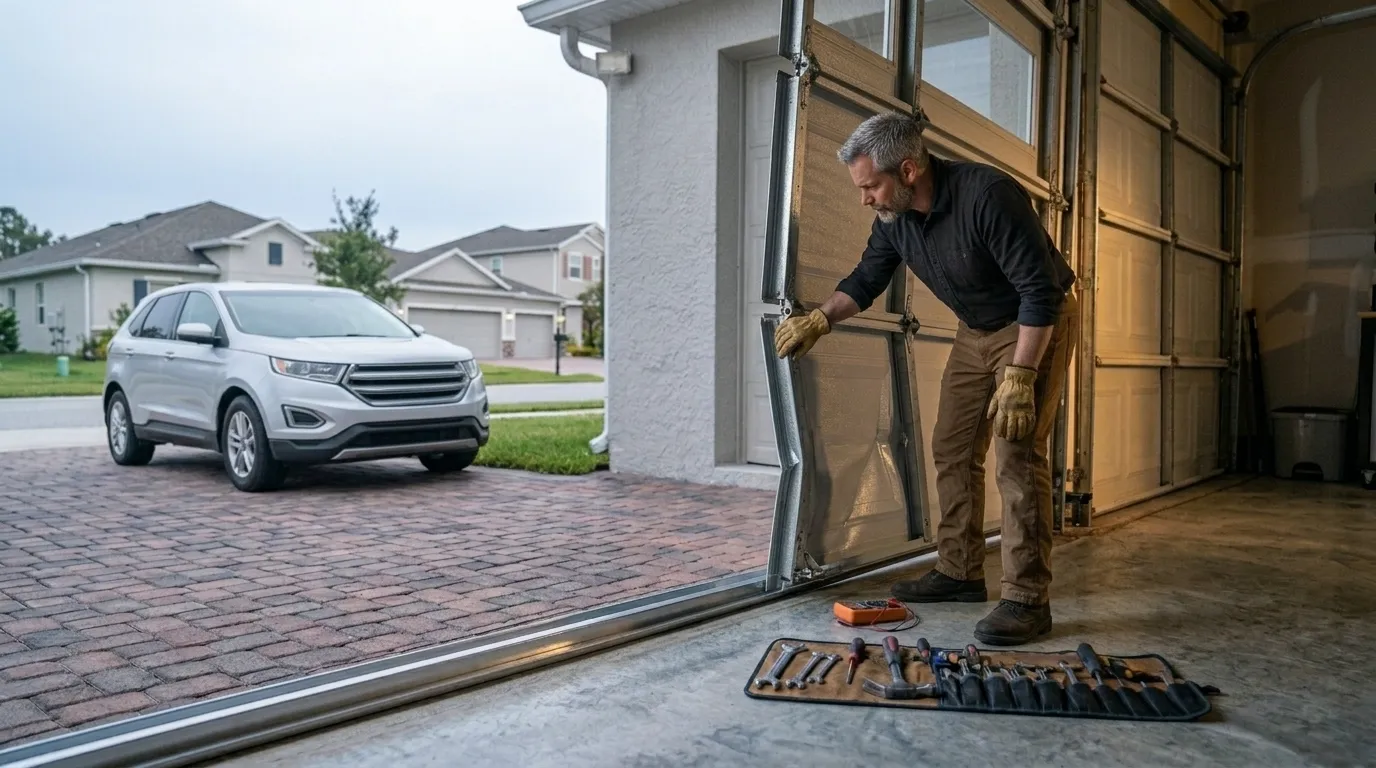
That matters because a neighborhood built in a tight window tends to fail in a tight window too. Springs rated for a certain cycle count don't care what year it is on the calendar, they care how many times the door has gone up and down since installation - and houses from the same building era usually got the same grade of spring from the same handful of builders' suppliers. When one door on a street starts binding or a spring lets go, it's rarely a surprise to the neighbors.
What the Housing Means for Your Door
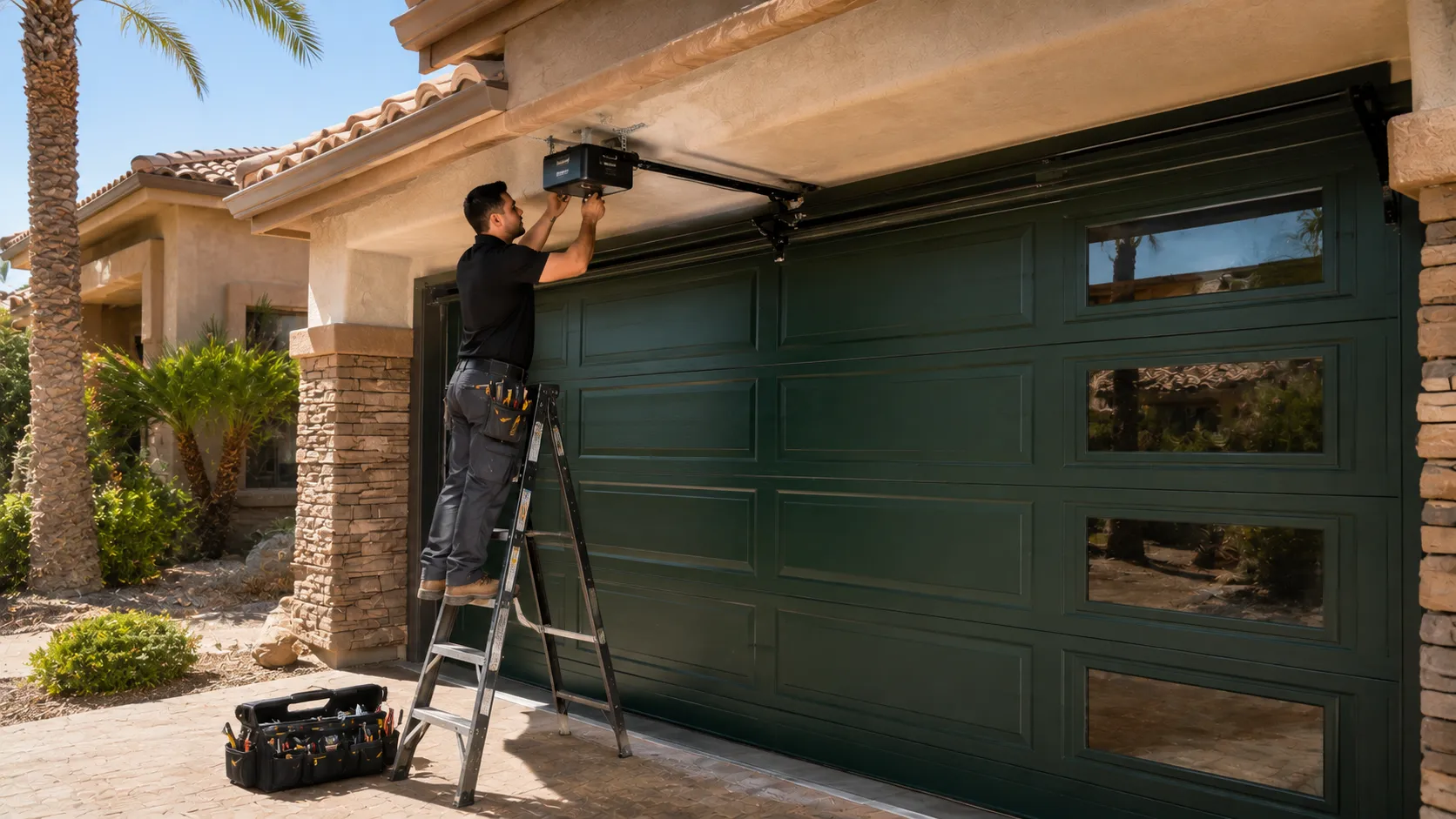
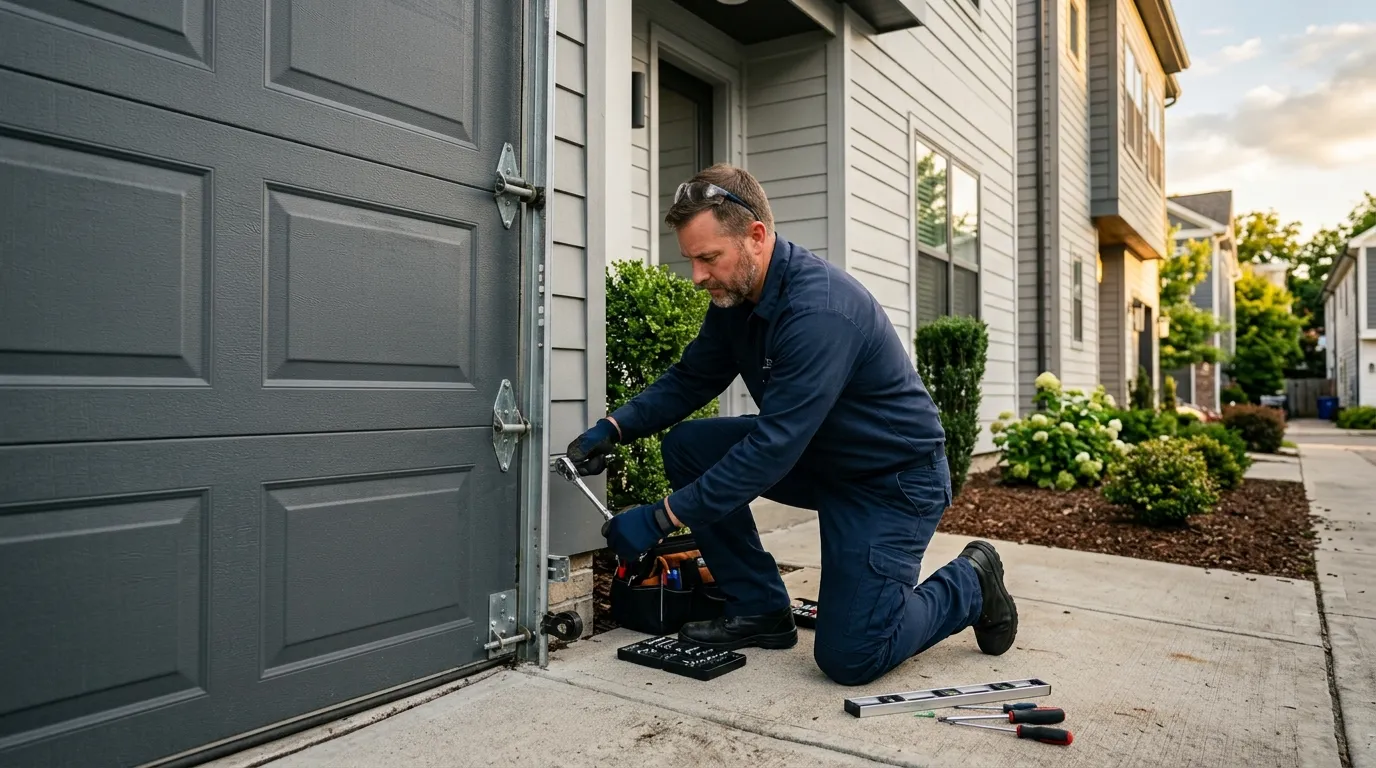
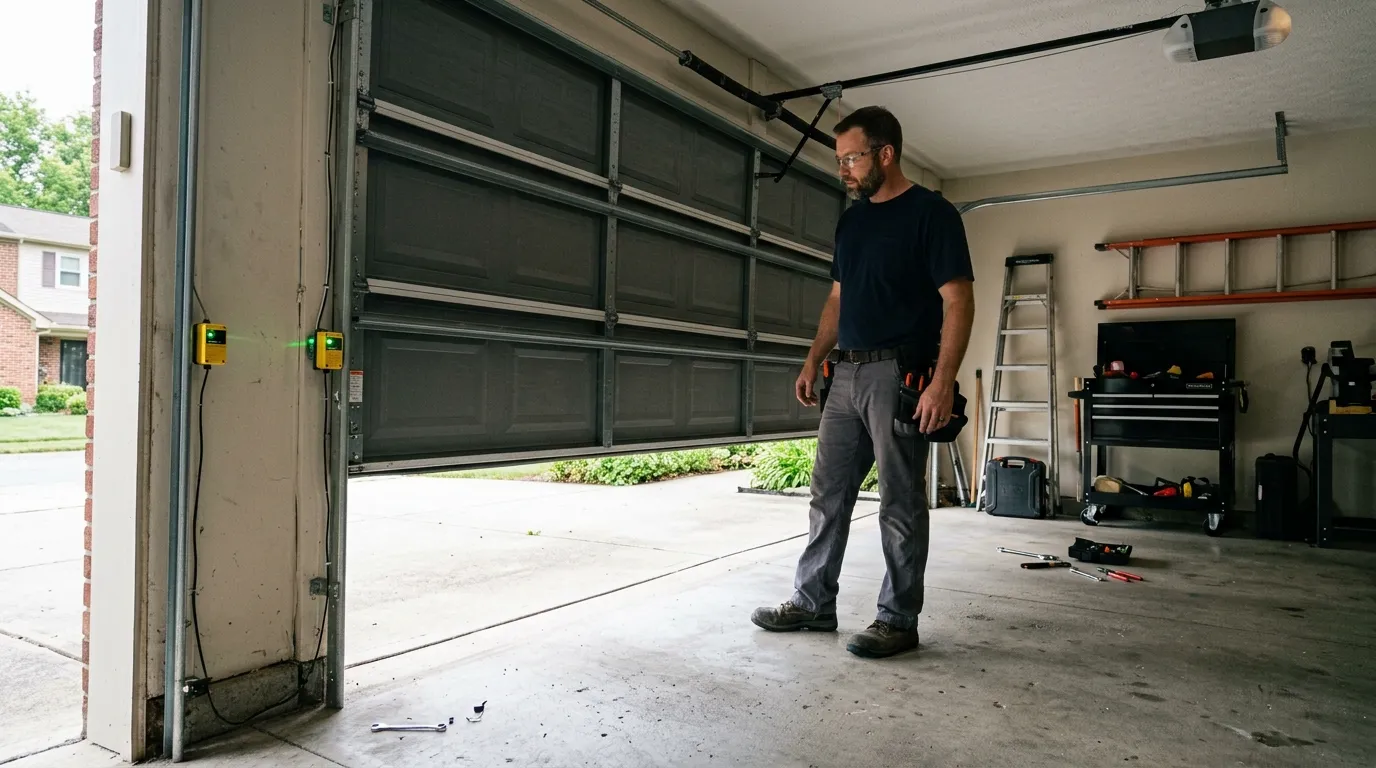
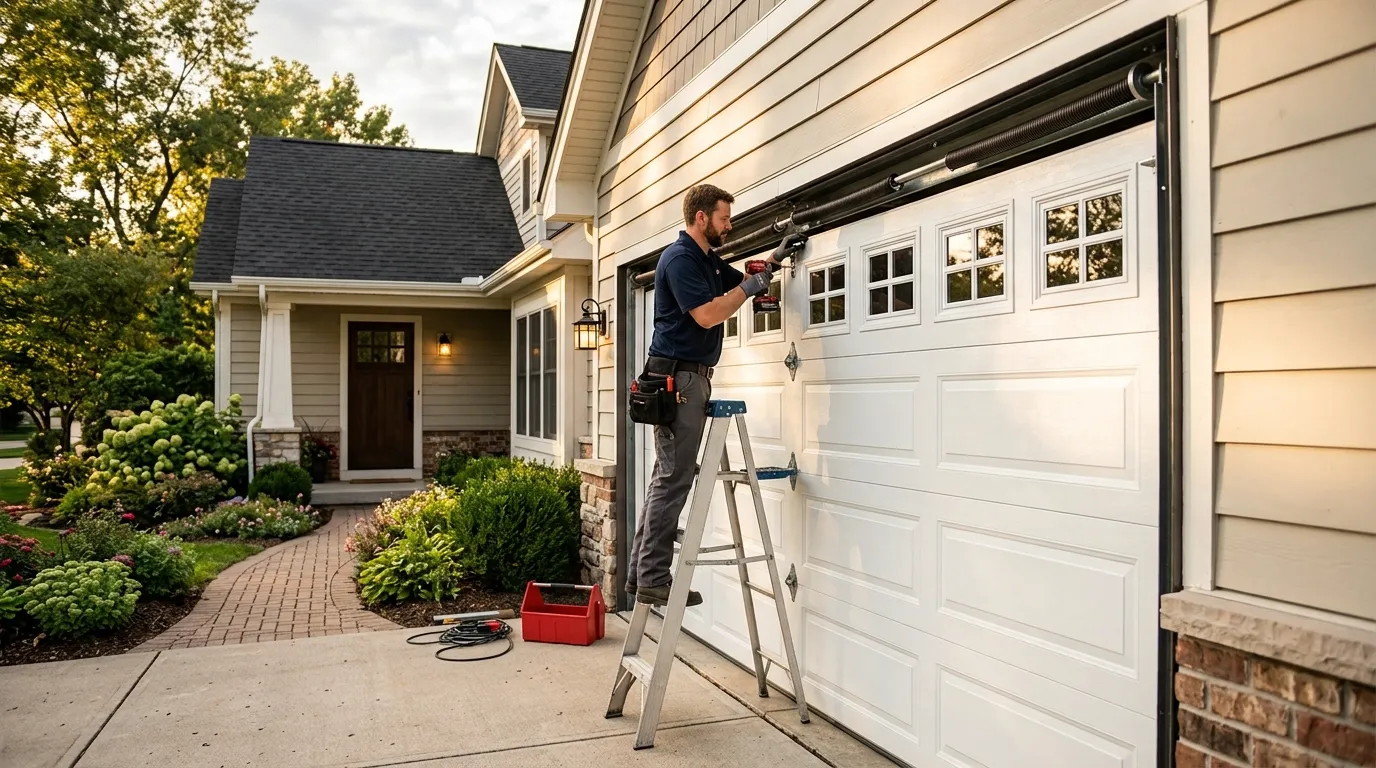
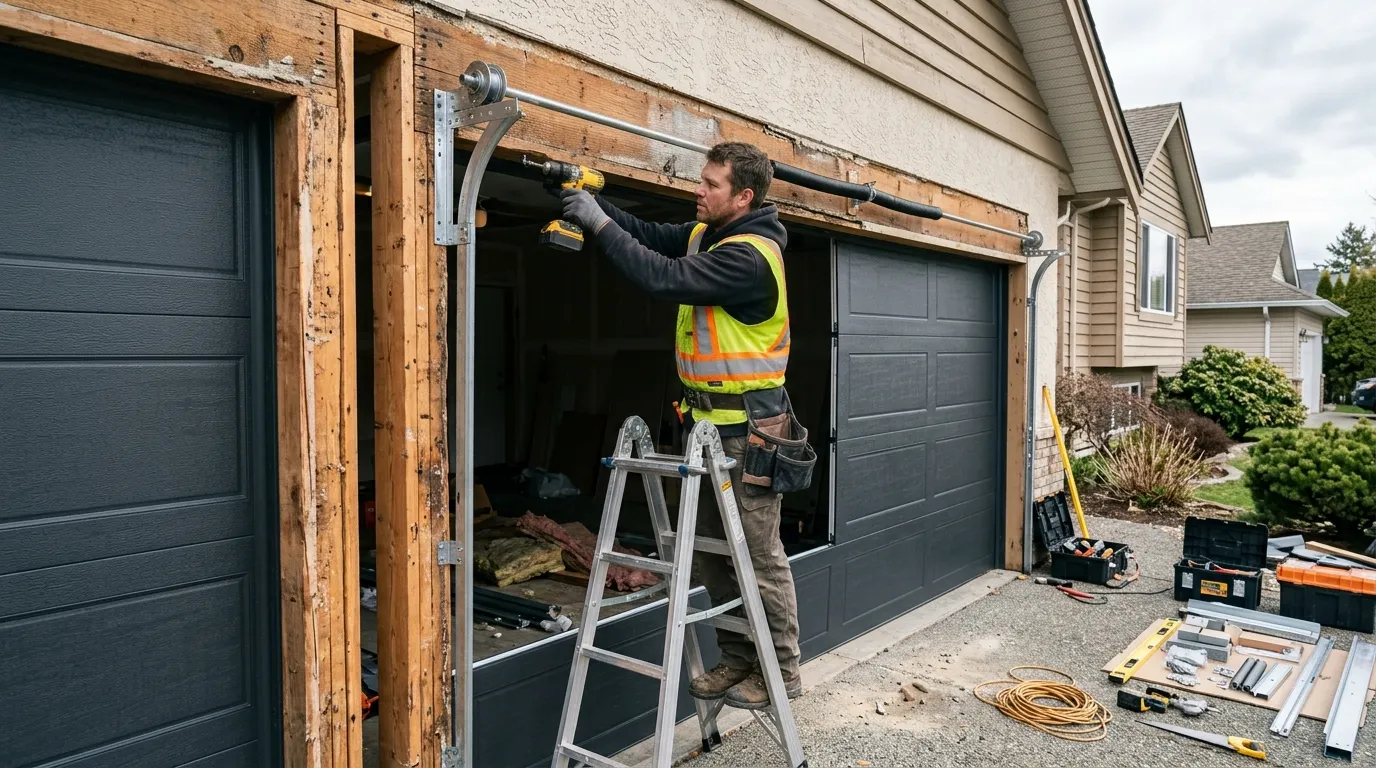
A door installed around 1985 was very likely built with an extension spring setup rather than the torsion systems standard on newer installs, or an early torsion unit without today's safety cable. Openers from that era, if original, predate rolling-code security and modern auto-reverse sensors required on current units. Neither of those is automatically dangerous, but neither matches what a hardware store sells you today if you try to patch a repair yourself.
Union Park's median household income of $64,481 also shapes what we recommend. We'd rather tell you plainly when a full opener swap is the better dollar-for-dollar move than sink a service call into patching a 40-year-old drive system that's going to need the next part in six months anyway. The area's mild temperate climate means you're not fighting frost-heaved slabs or ice-jammed tracks the way homeowners farther north do - most of what goes wrong here is age and cycle count, not weather.