What Was Built Here
The median home in Wedgefield went up around 2003, which puts it well past the mix of 1980s and 90s construction that dominates a lot of the wider Orlando service area. With roughly 2,683 households out here, this isn't a huge market, but it's a fairly uniform one - most of what we see on a Wedgefield call is 2000s-era construction rather than the older stock closer to the city. That means less variety in door age and hardware than you'd find in an area with houses spanning four or five decades. It also means fewer of the oddball repairs that come with 1970s track systems or original doors nobody's touched since installation. When a job comes in from this area, we're generally working on doors and openers that are twenty years old or less, not forty.
What the Housing Means for Your Door
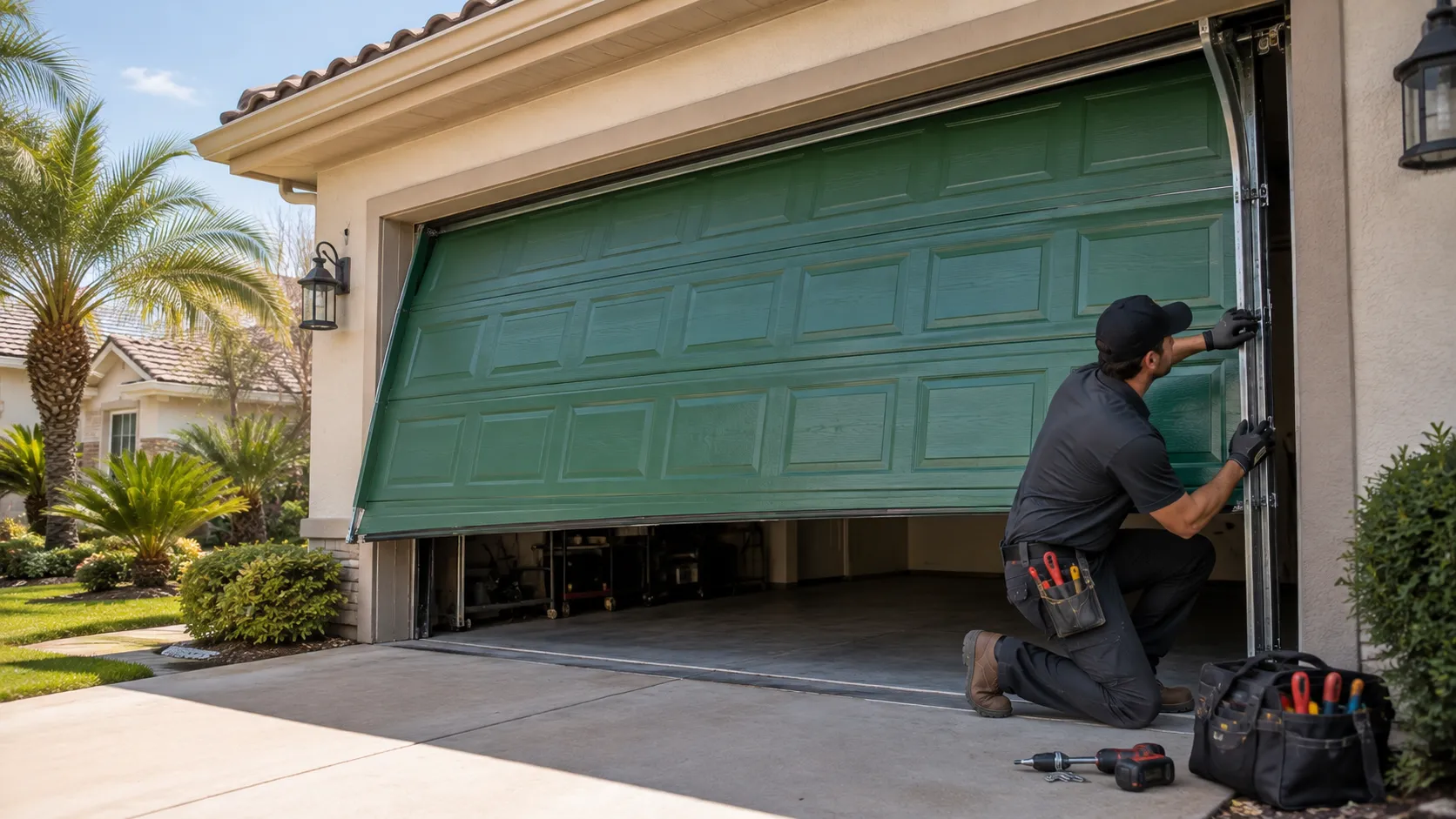
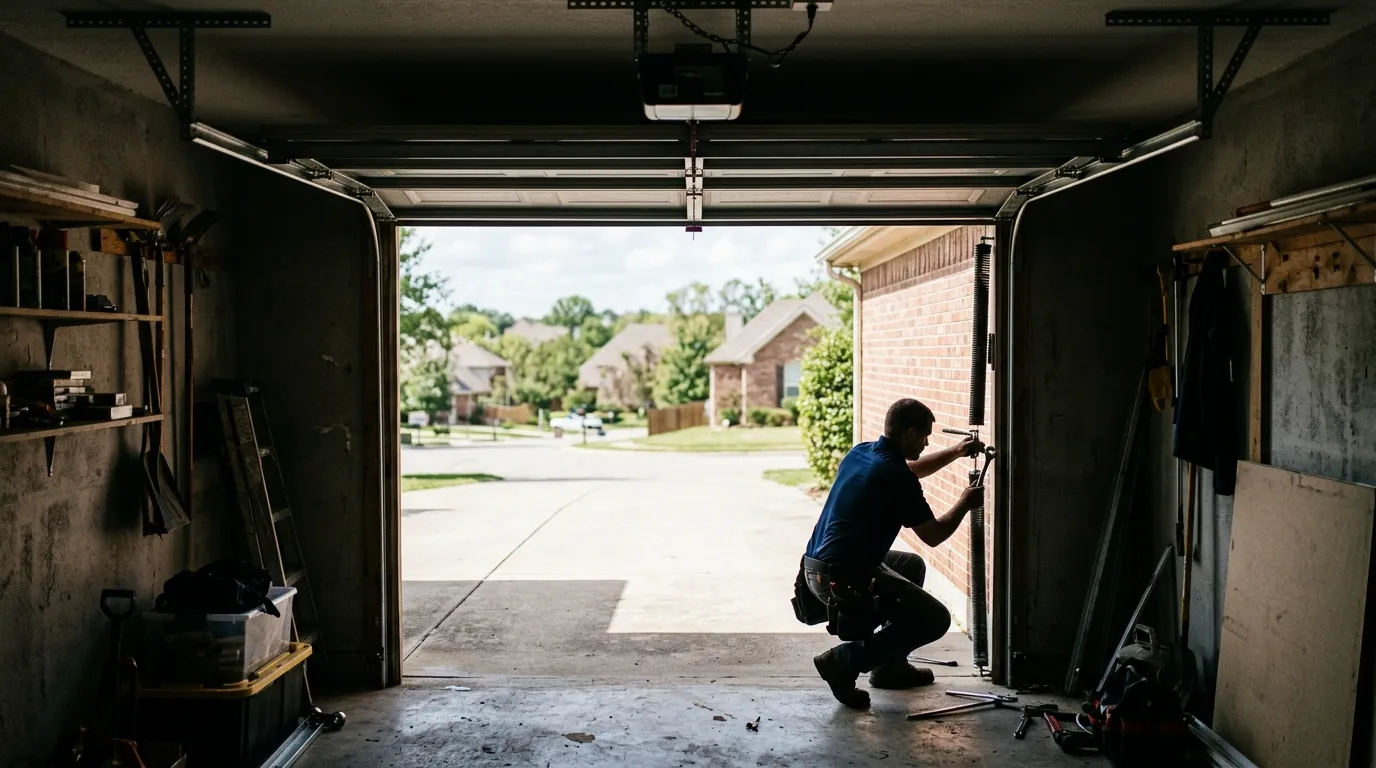
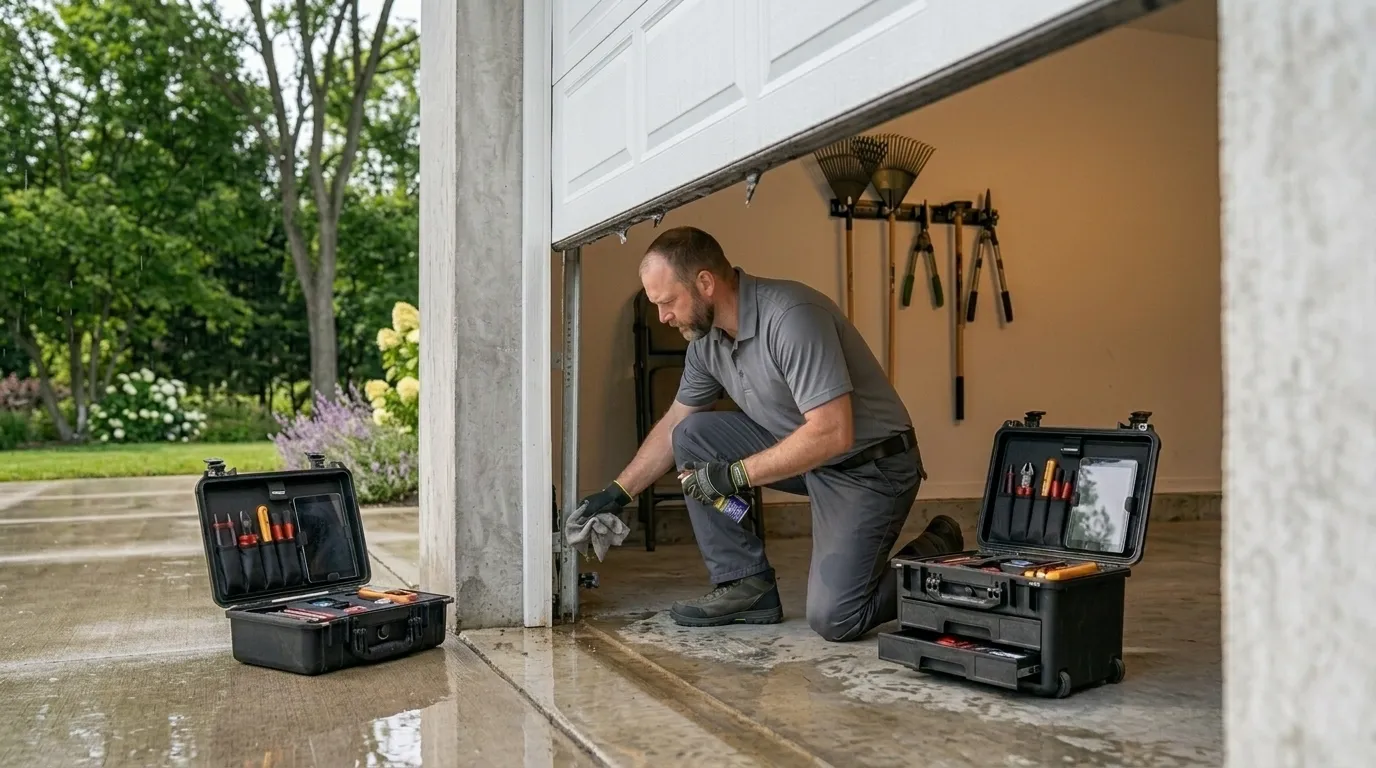
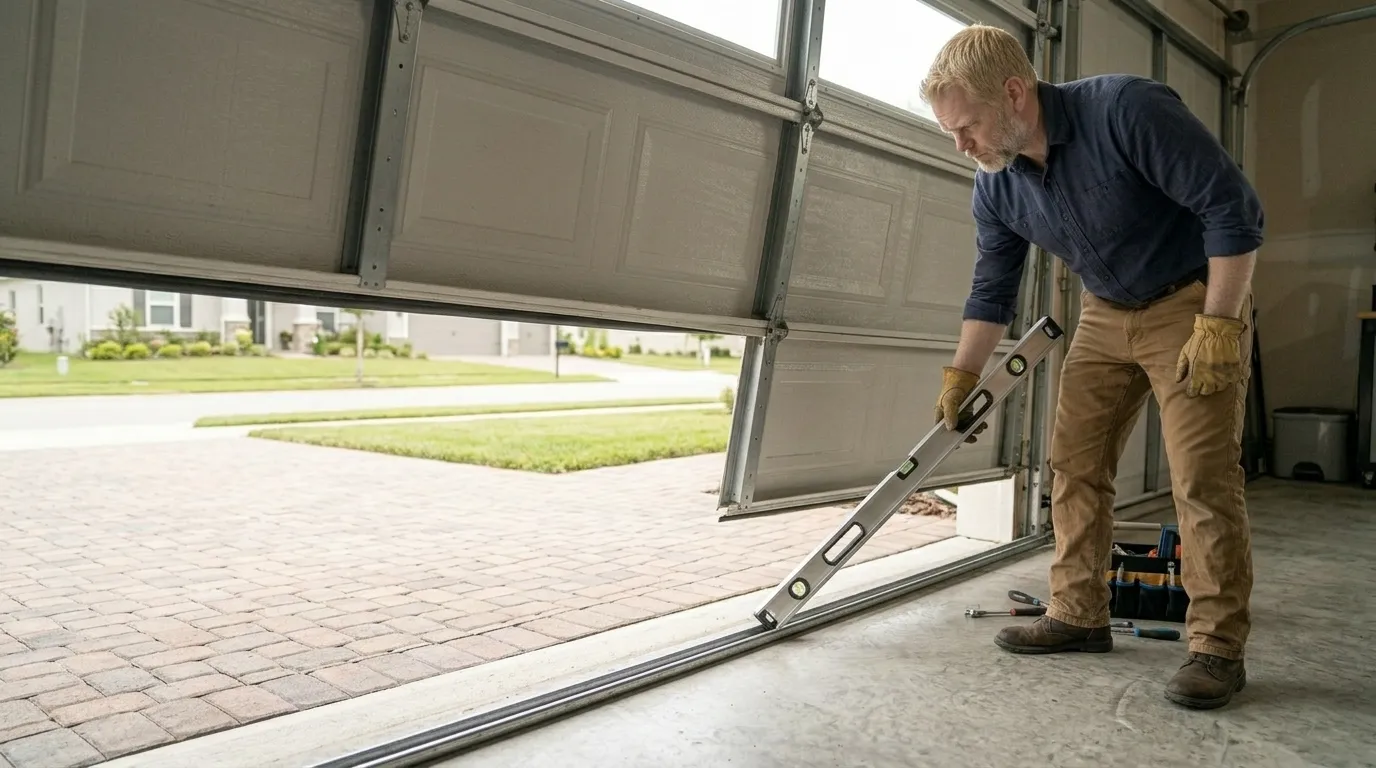
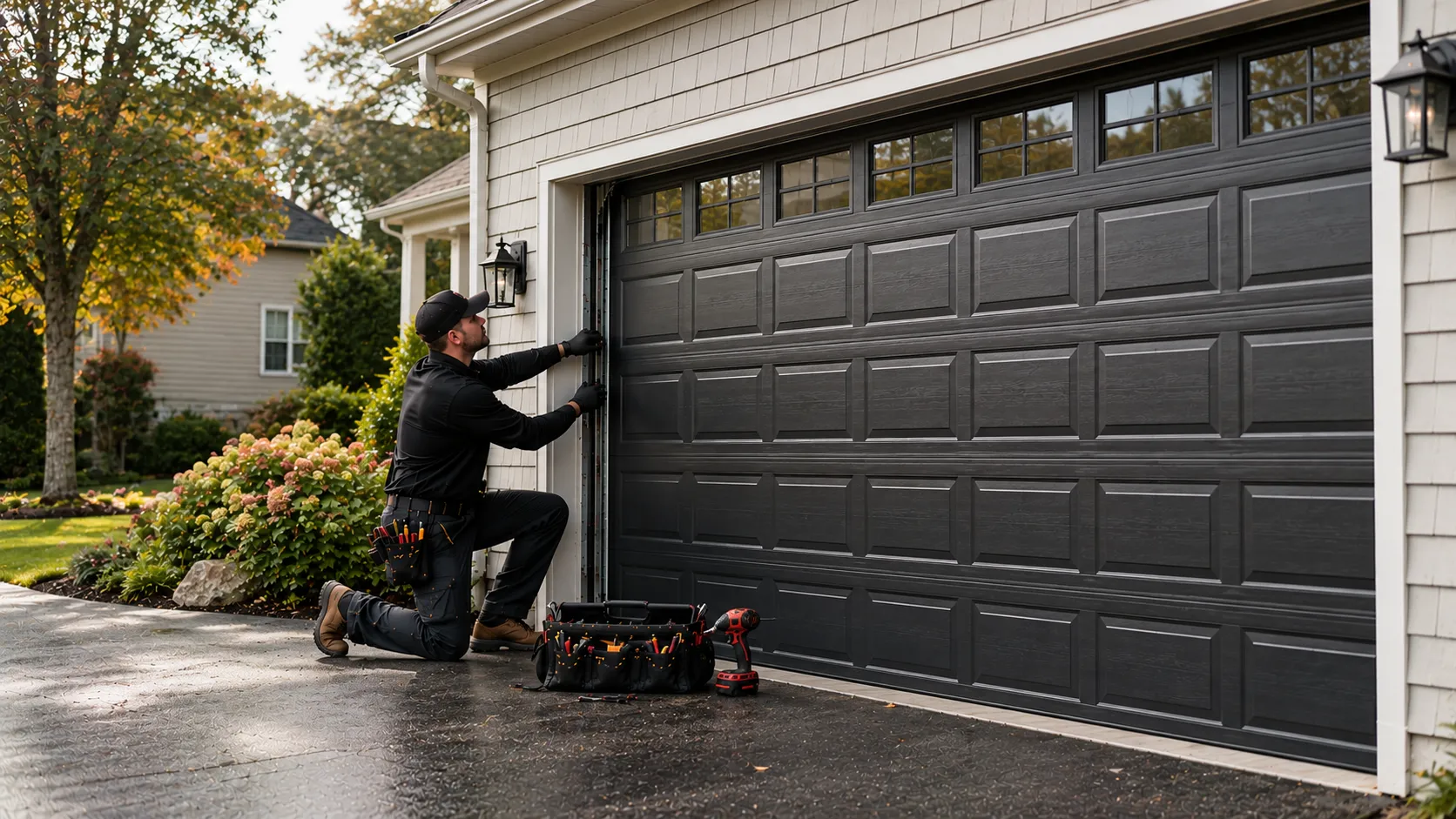
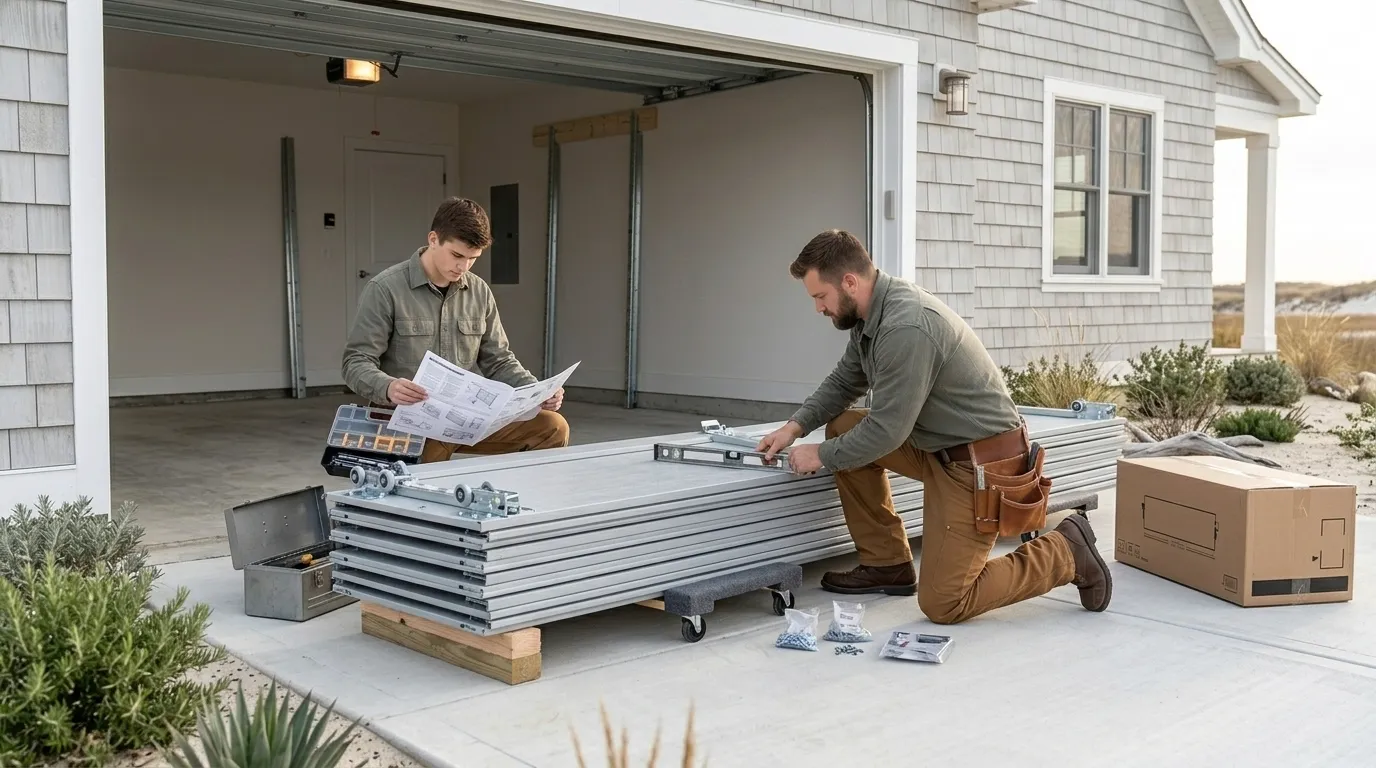
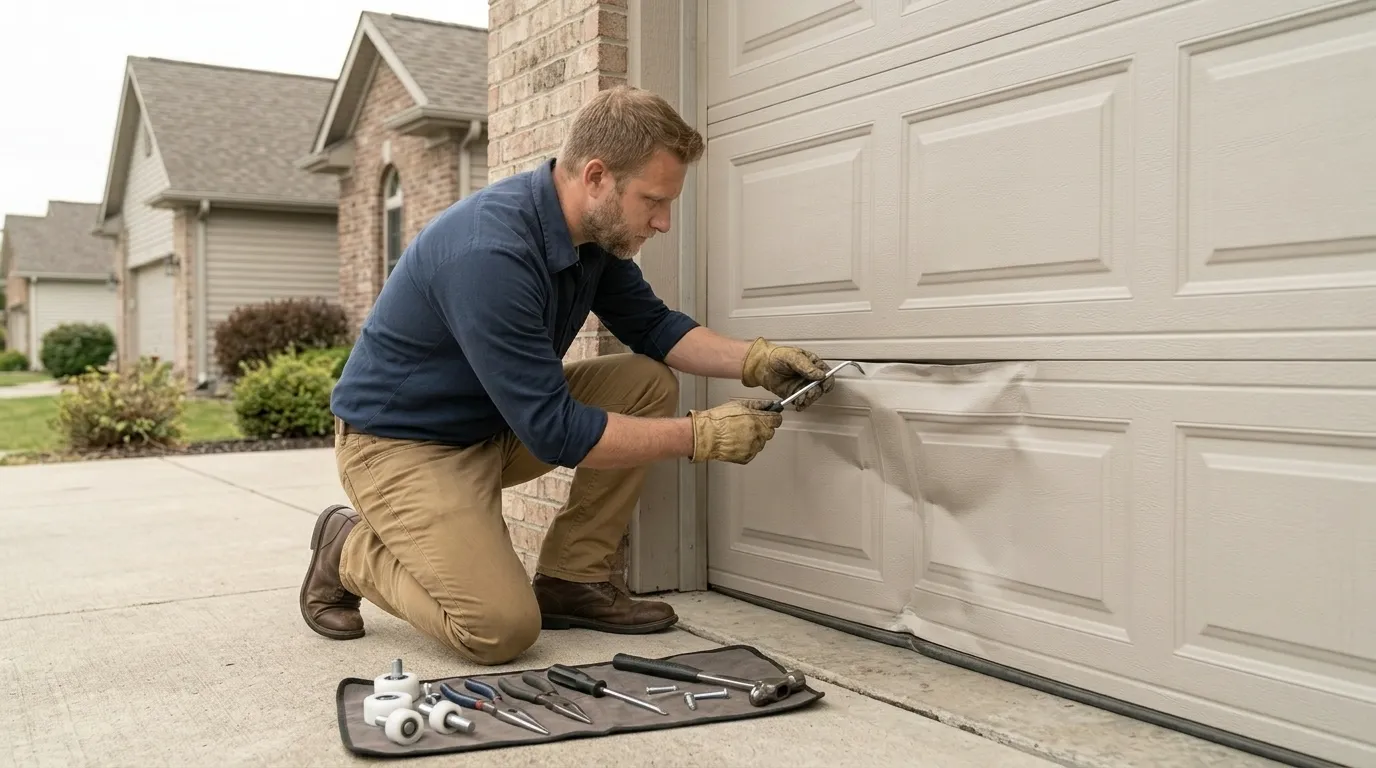
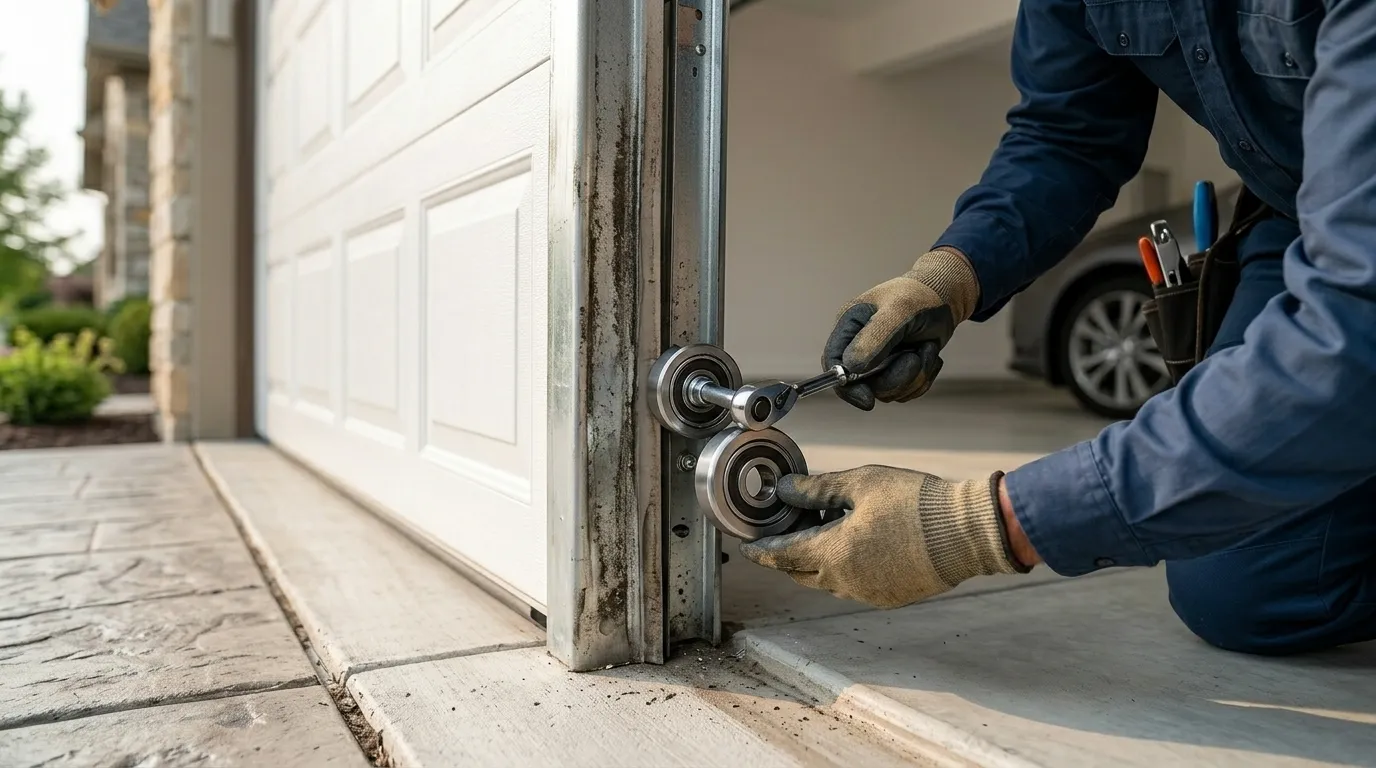
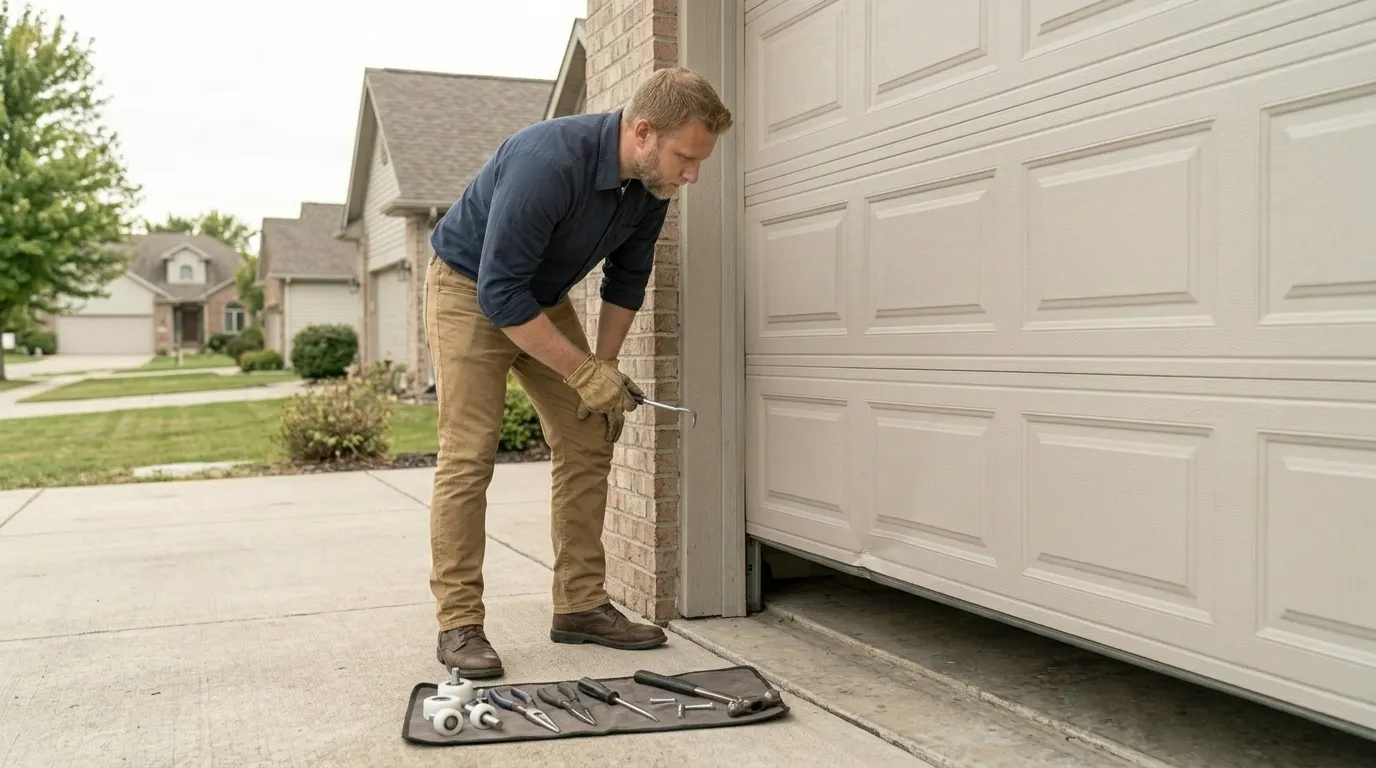
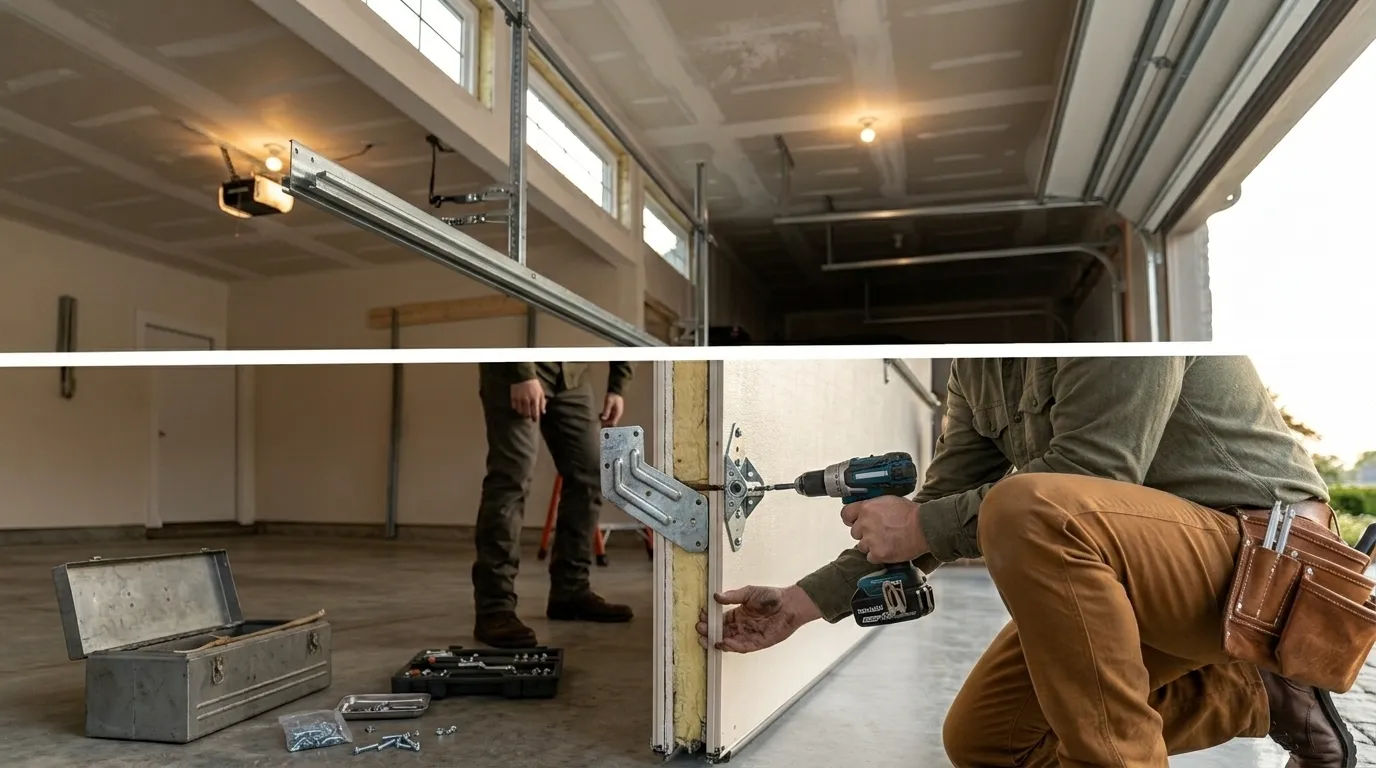
A house built around 2003 usually came with a factory steel door on extension or torsion springs rated for that era's opener hardware, and a garage door opener that's likely on its second or third motor by now if it's ever been swapped. The failure points we see on homes this age are less about ancient one-piece doors or side-mounted hardware nobody stocks, and more about wear: worn rollers, a cable starting to fray, a spring that's simply reached the end of its cycle count after two decades of daily use. Torsion springs on a door this age are usually standard sizing, which is a genuine advantage - it means faster sourcing and fewer surprises once we're actually looking at the track and drum. Climate here is mild temperate, so we're not fighting the kind of extreme swings that crack panels or warp wood doors, but daily use over twenty years still wears out cables, rollers, and springs on schedule.