What Was Built Here
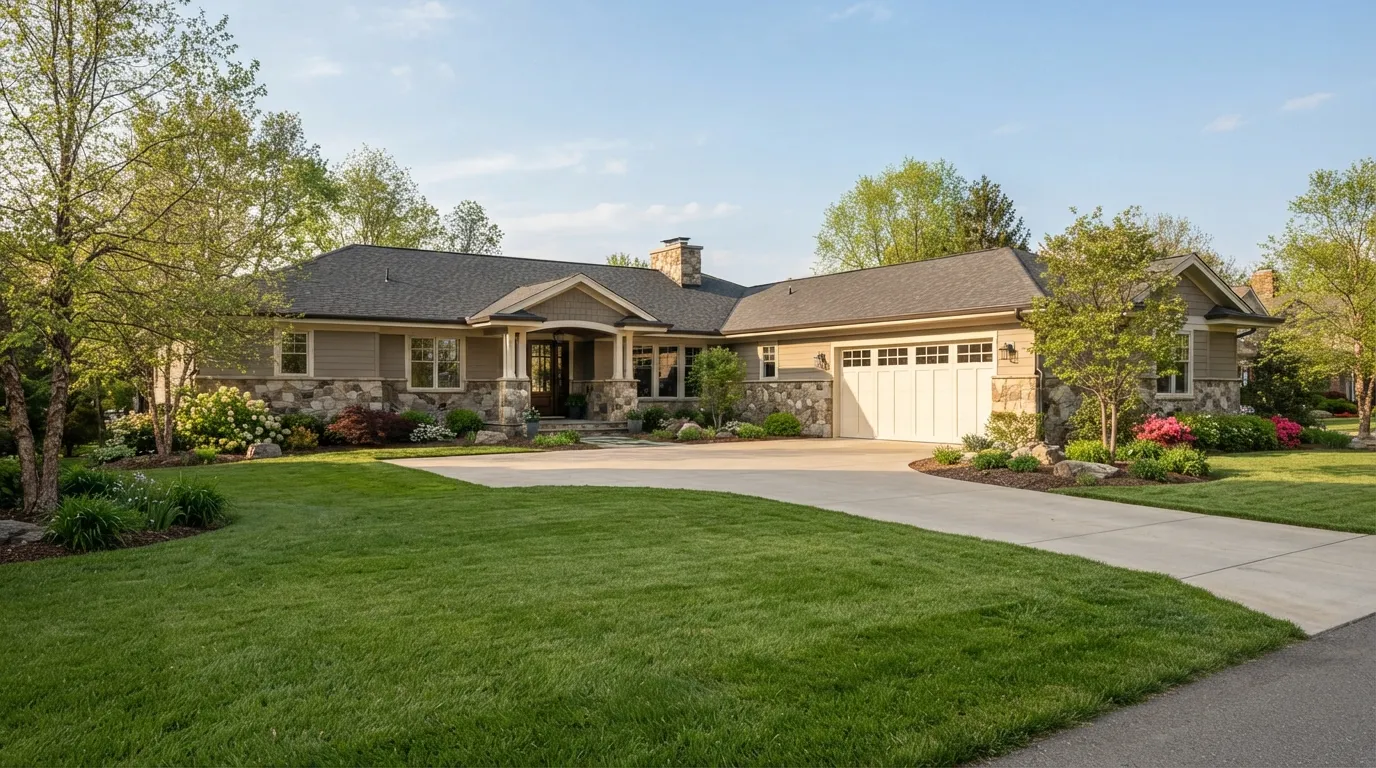
Williamsburg's homes carry a median build year of 1987, which lines up almost exactly with the 1987 midpoint for the wider service area - but that area spans housing built anywhere from 1964 to 2021. Williamsburg itself sits solidly in the older half of that range, closer to the 1980s cluster than the newer construction you'd find further out.
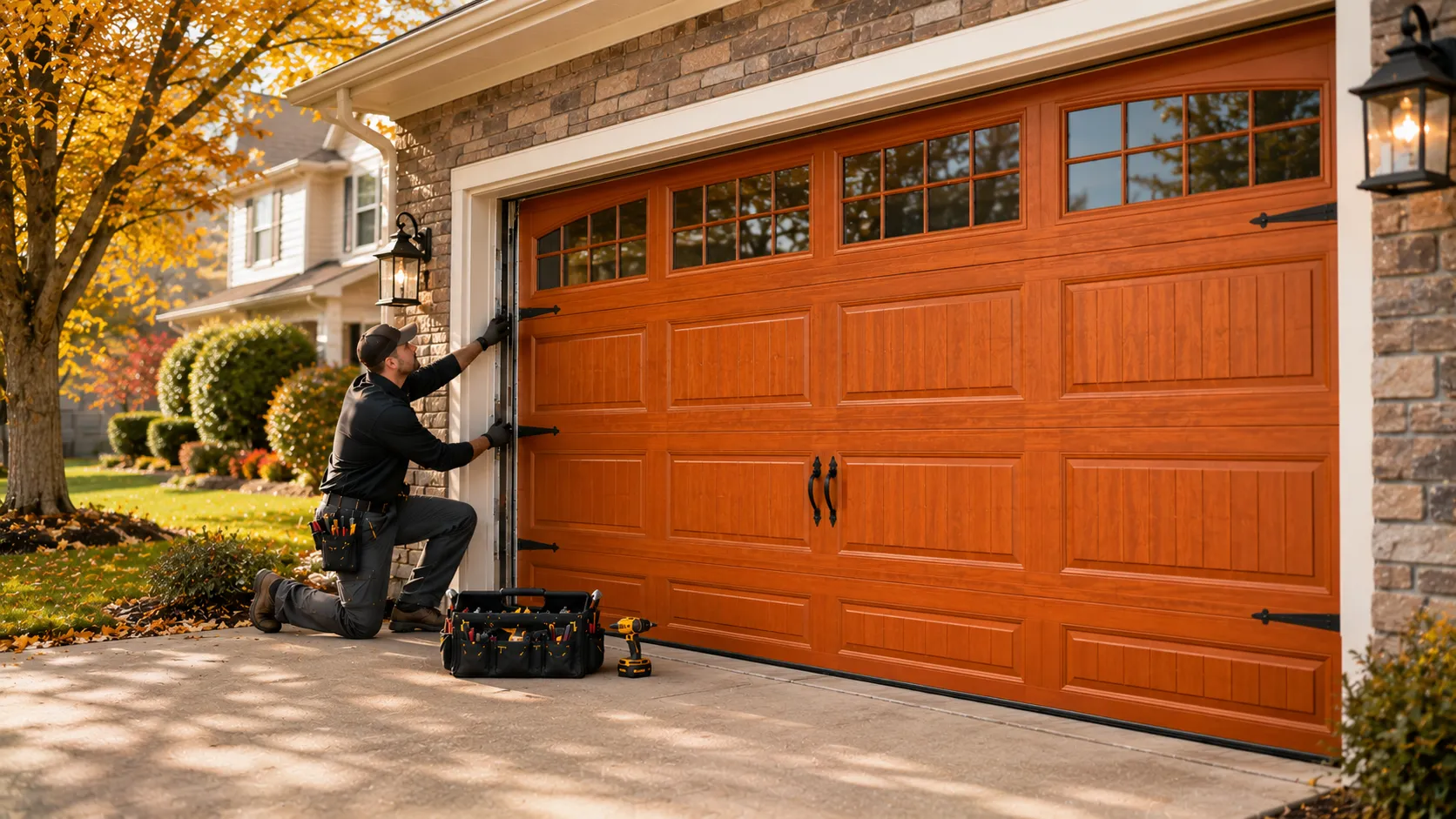
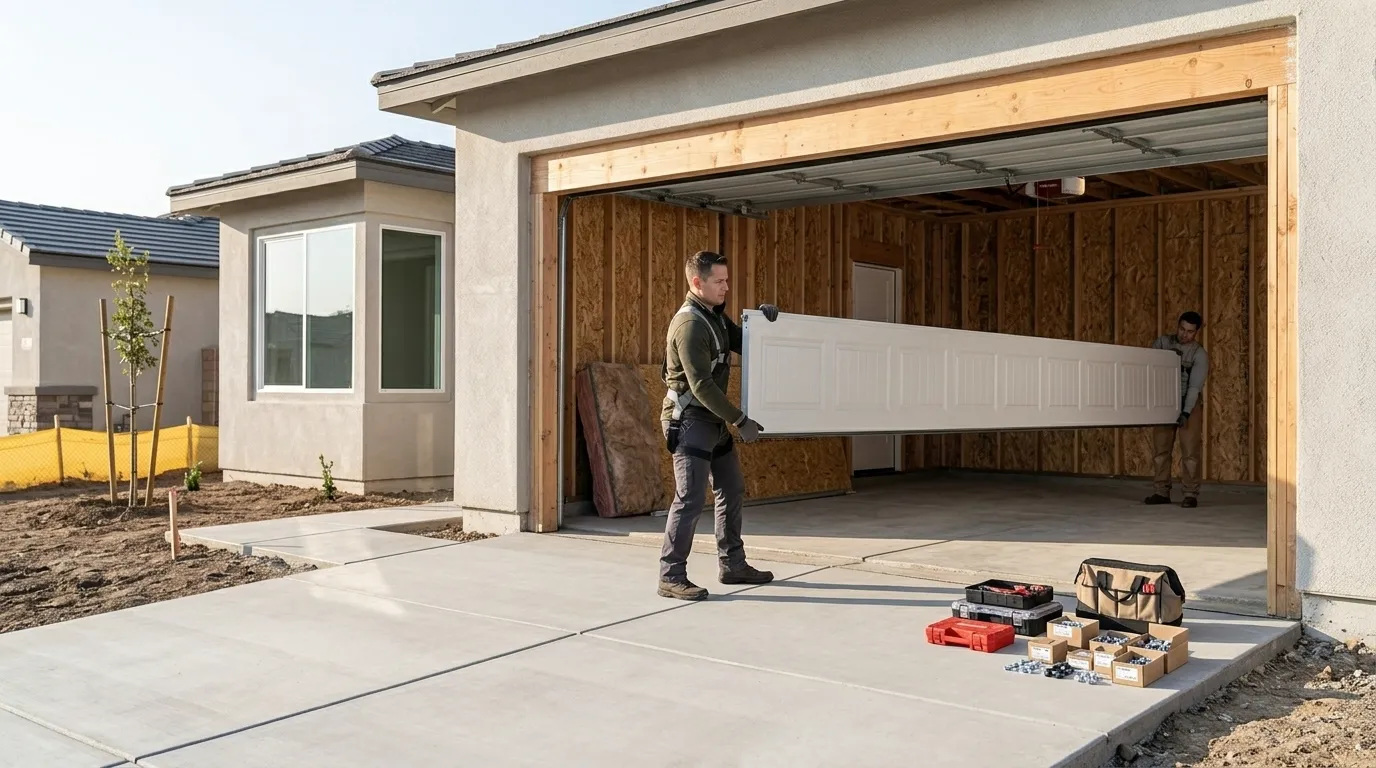
With about 3,176 households here, this isn't a sprawling subdivision built in one phase by one builder. It's a smaller, more settled pocket, and the doors on these garages have mostly been through at least one full life cycle already - original hardware replaced once, sometimes twice, by whoever owned the house before.
Median household income here runs $81,200, just under the $82,107 figure for the broader service area. That tracks with what we see on these calls: owners who maintain the house steadily rather than let a door limp along for a decade past when it should've been swapped. The mild temperate climate this part of Central Florida sits in means the wood and steel here aren't fighting hard freezes, which changes what actually fails first.
What the Housing Means for Your Door
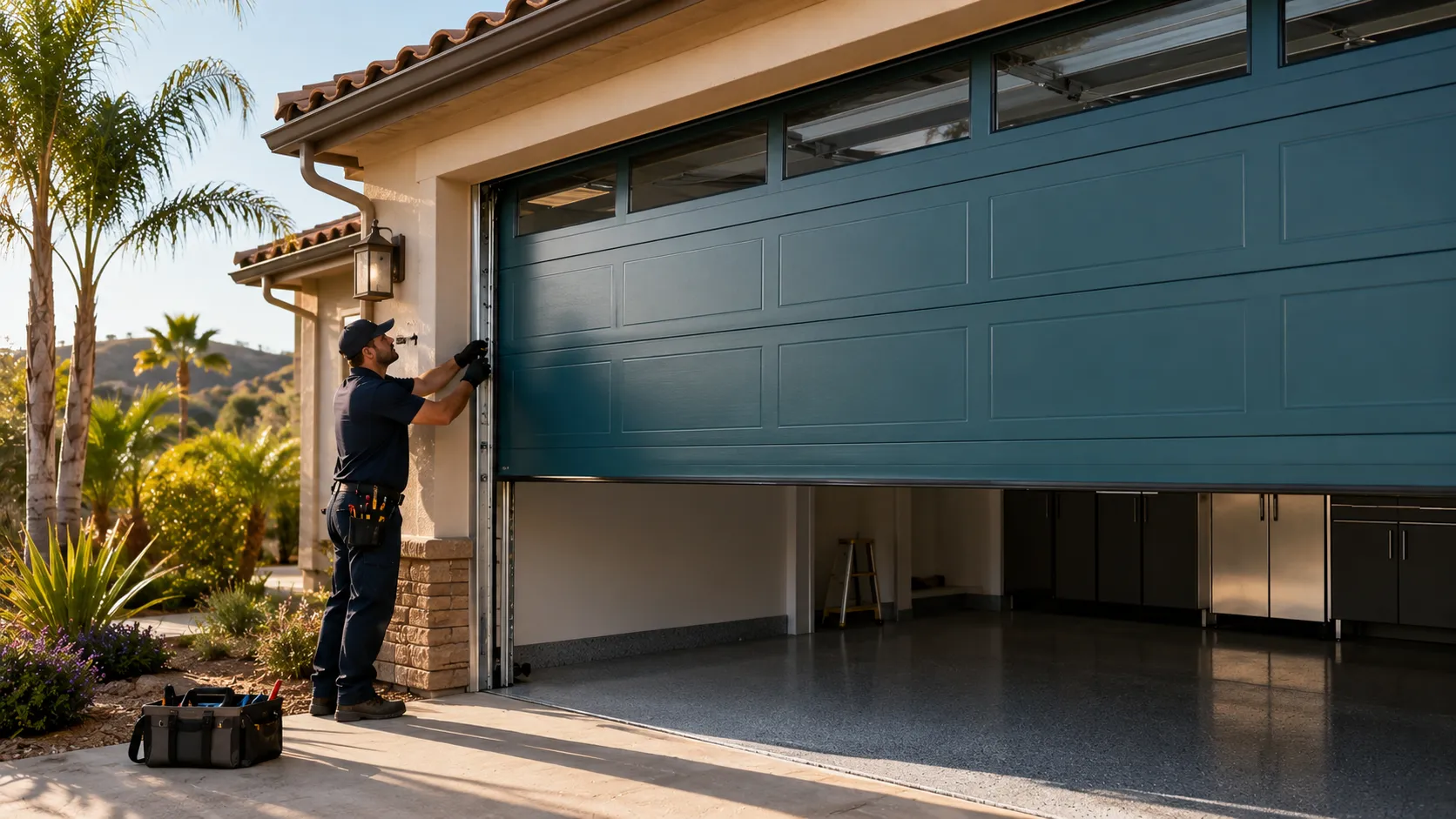
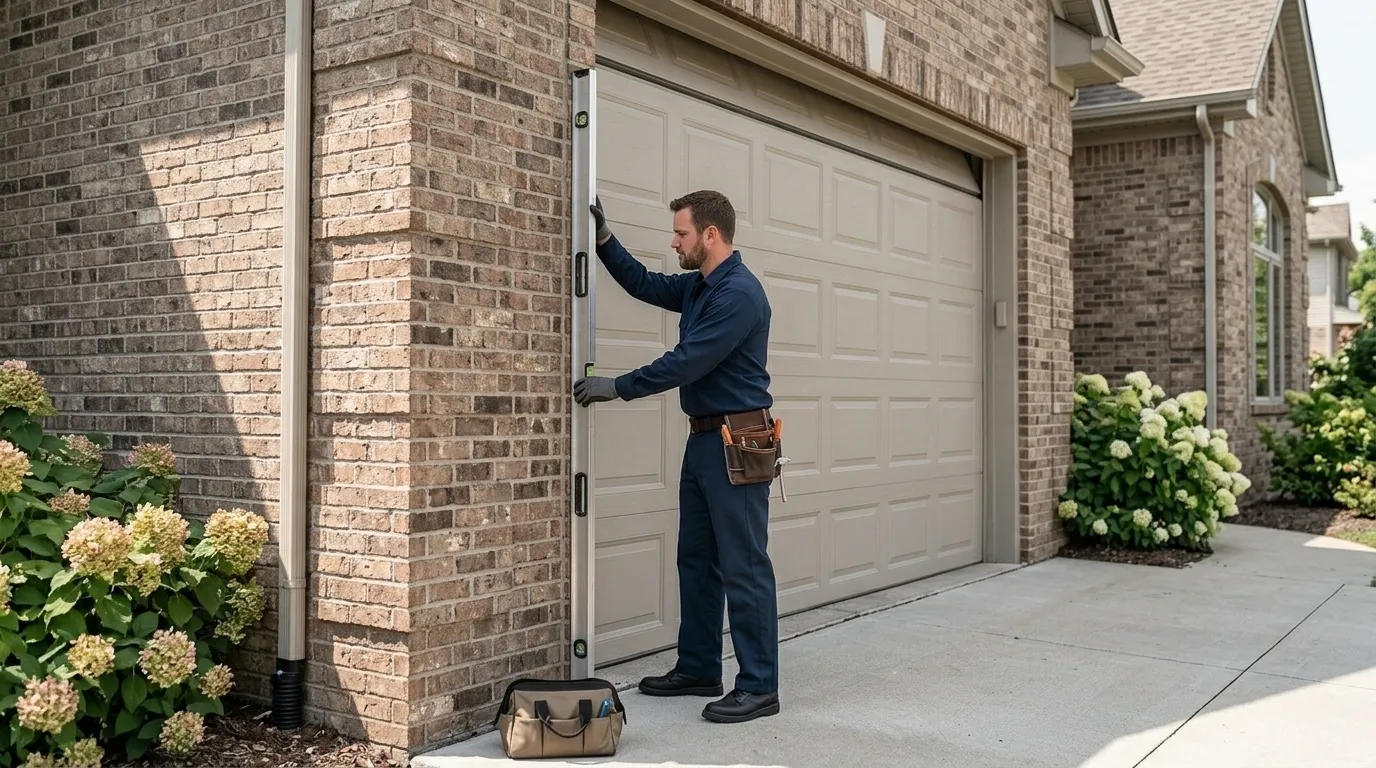
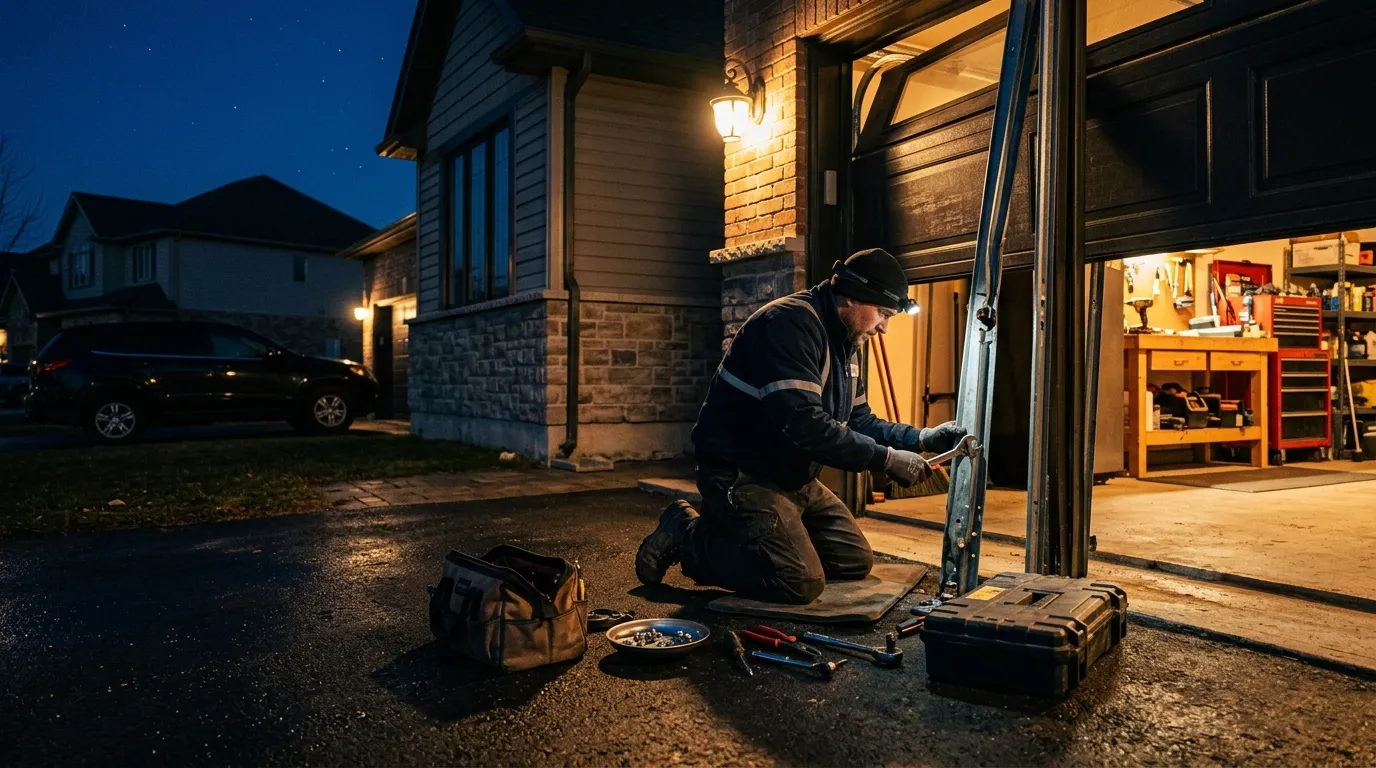
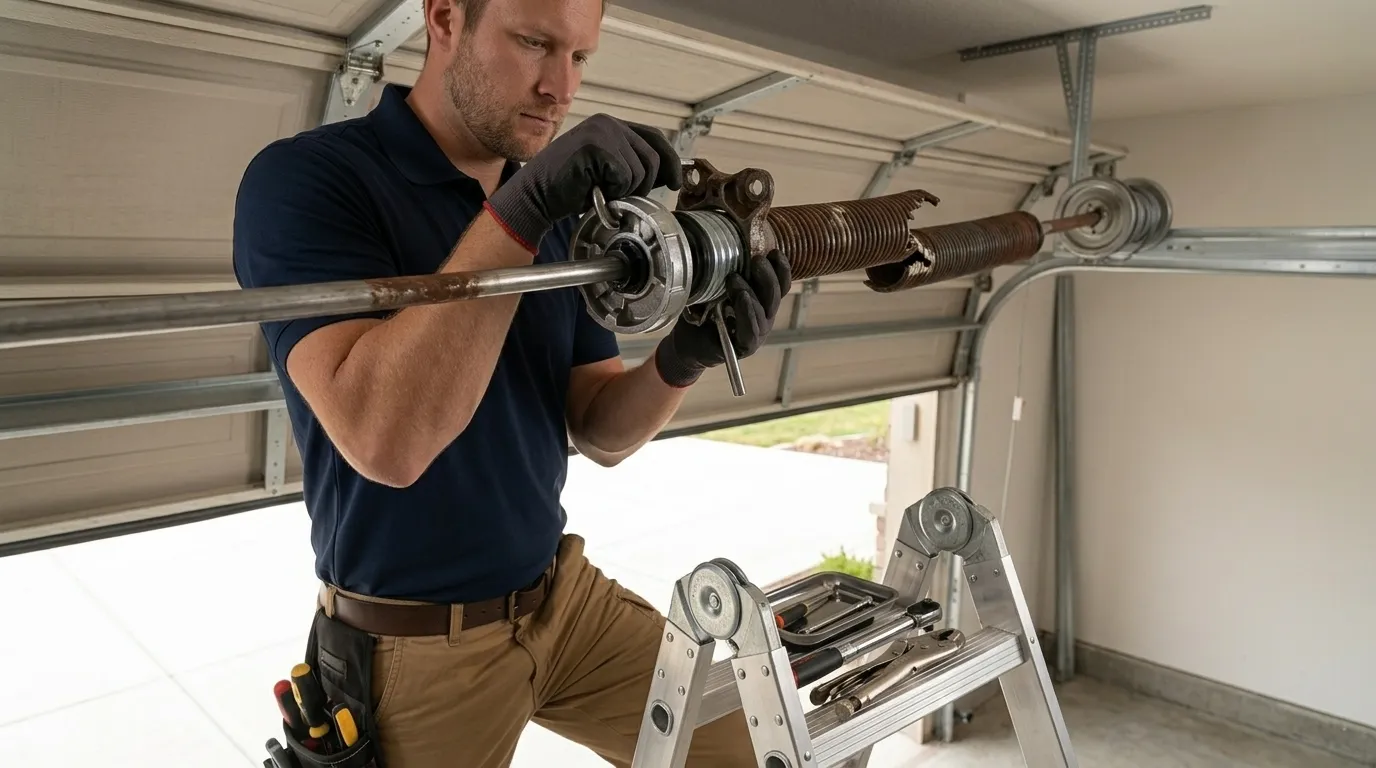
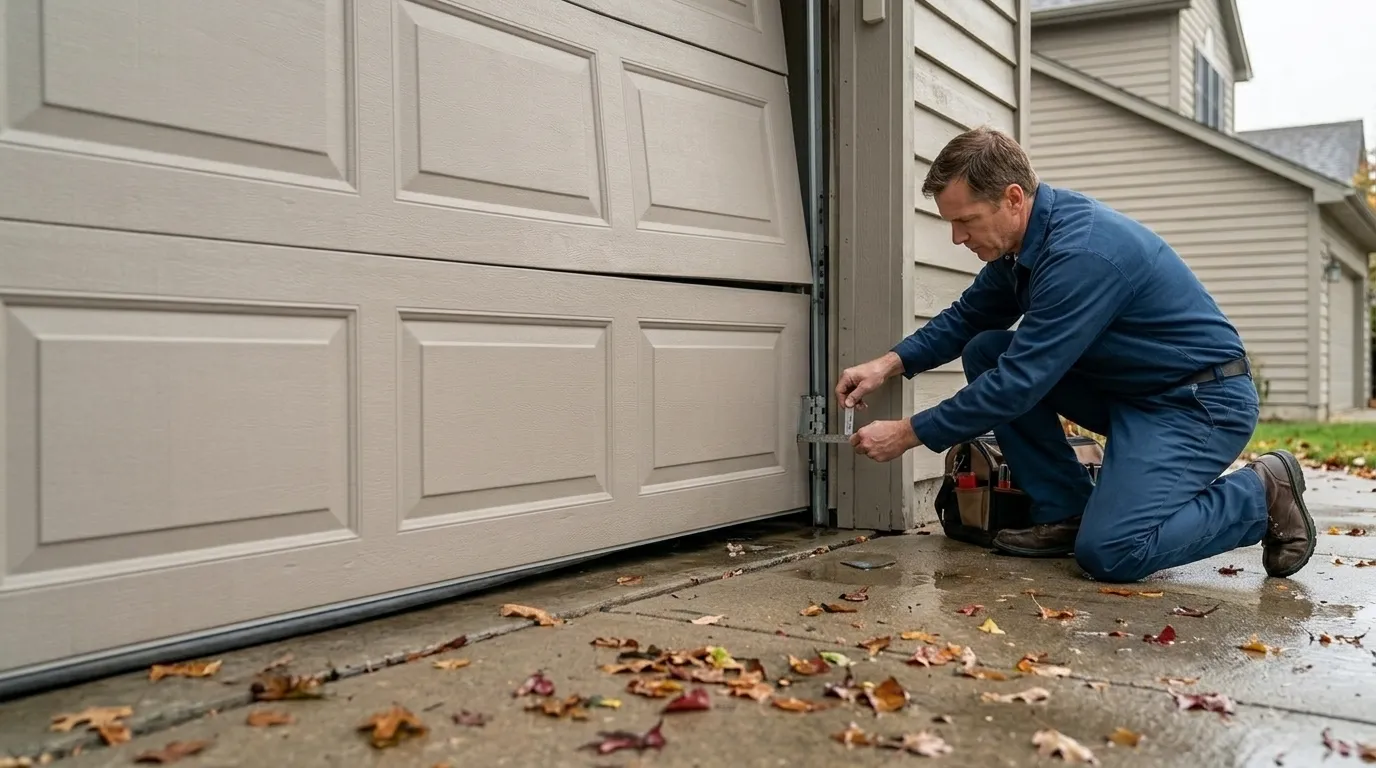
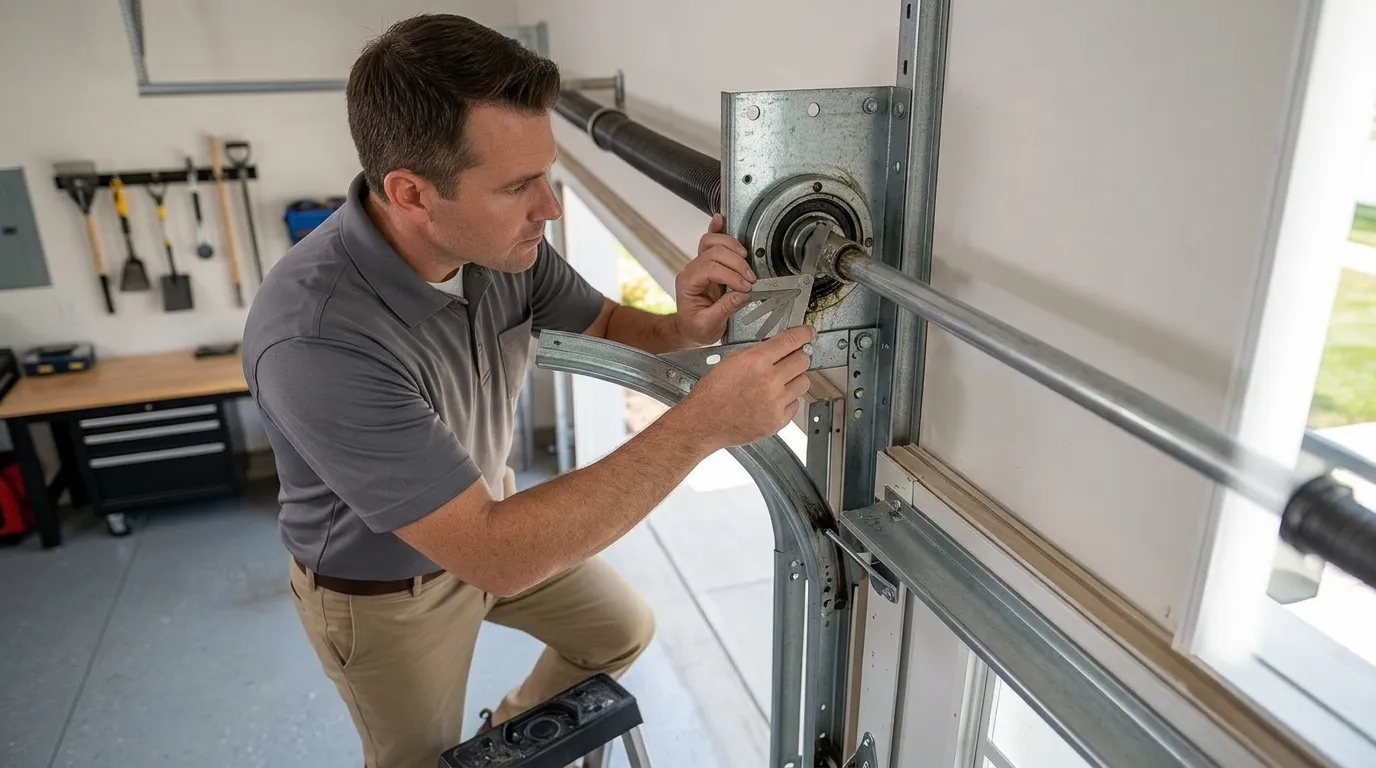
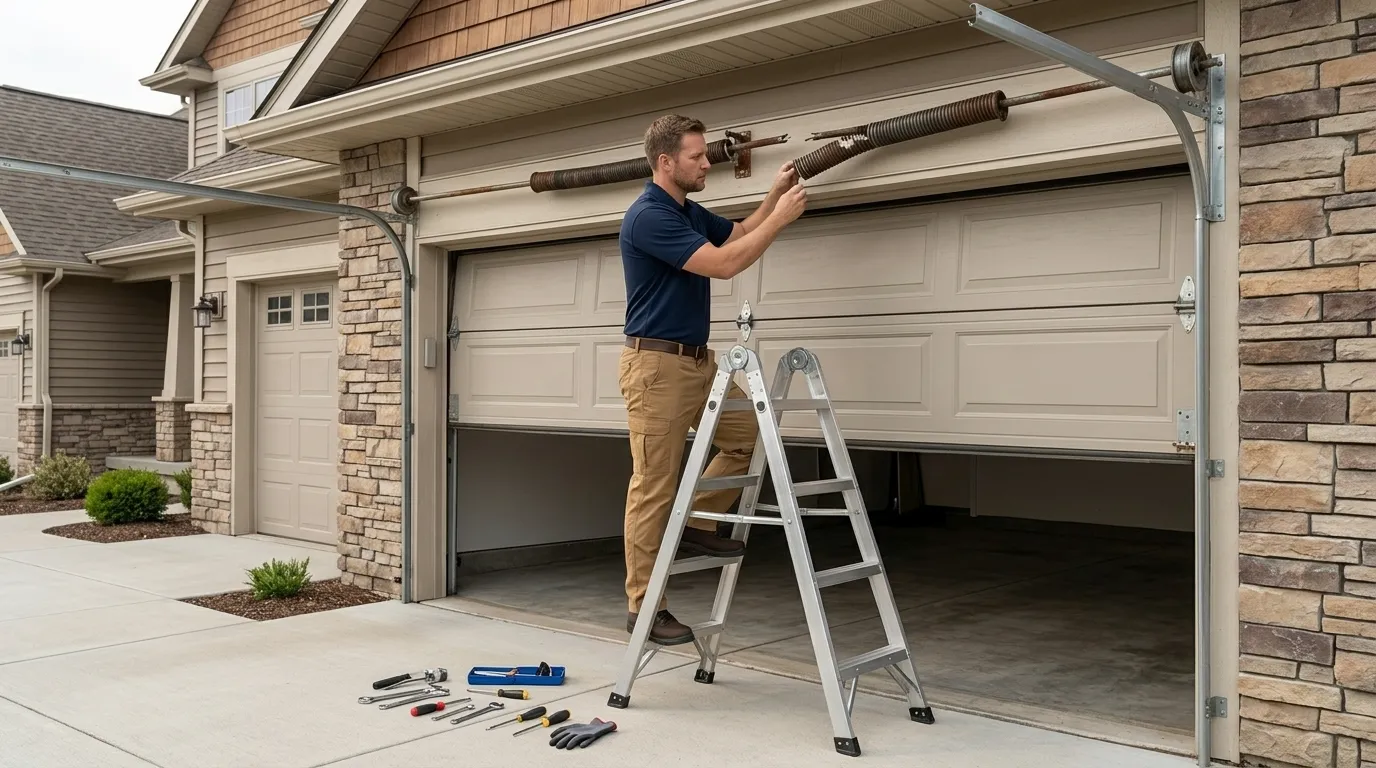
A garage built in the mid-to-late 1980s almost always came with a torsion spring system, but not always the safer double-spring setup that's standard on newer double doors. Single-spring torsion units on a two-car door from that era are common in Williamsburg, and when one of those lets go, the door doesn't ease down - it drops.
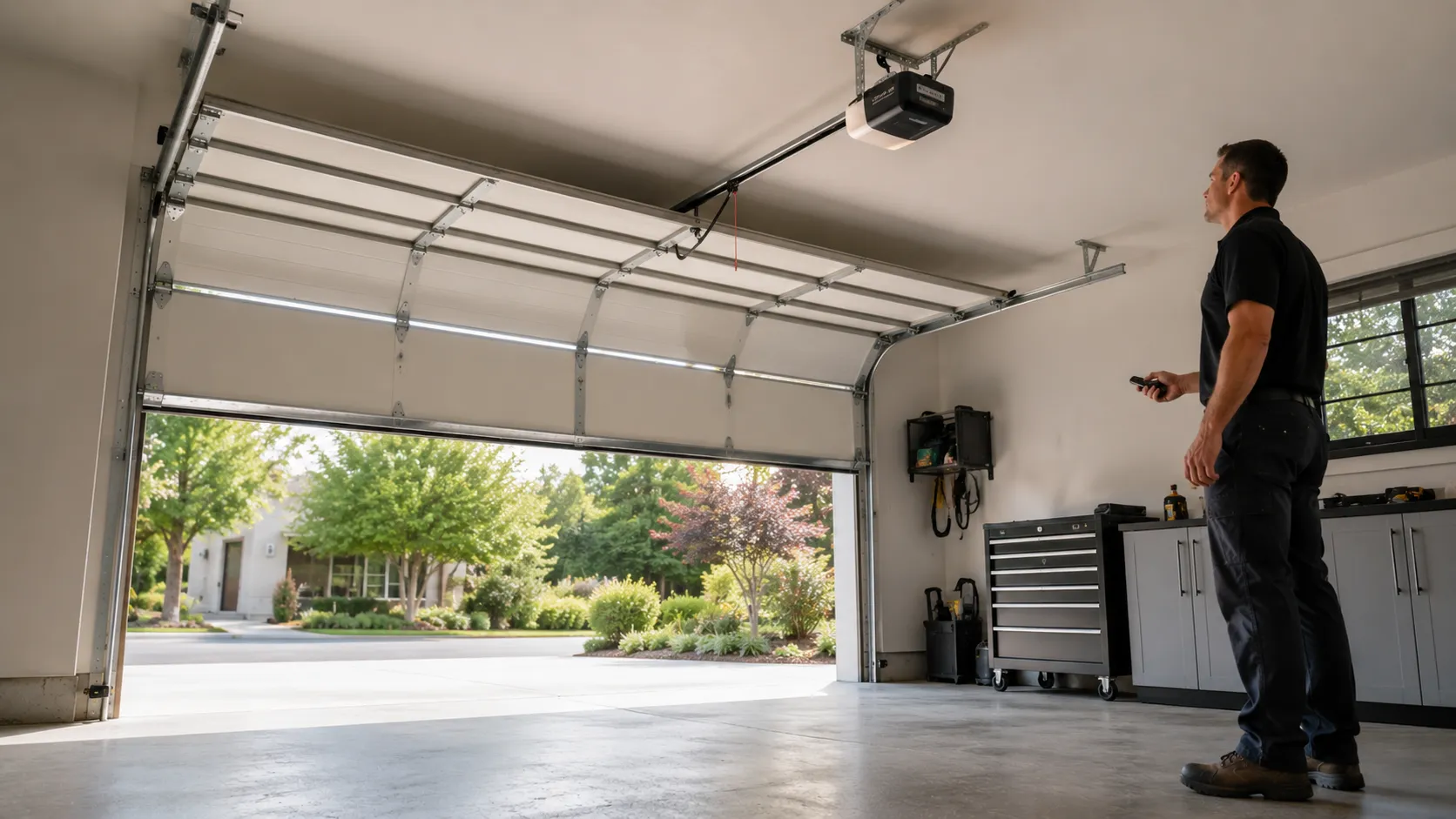
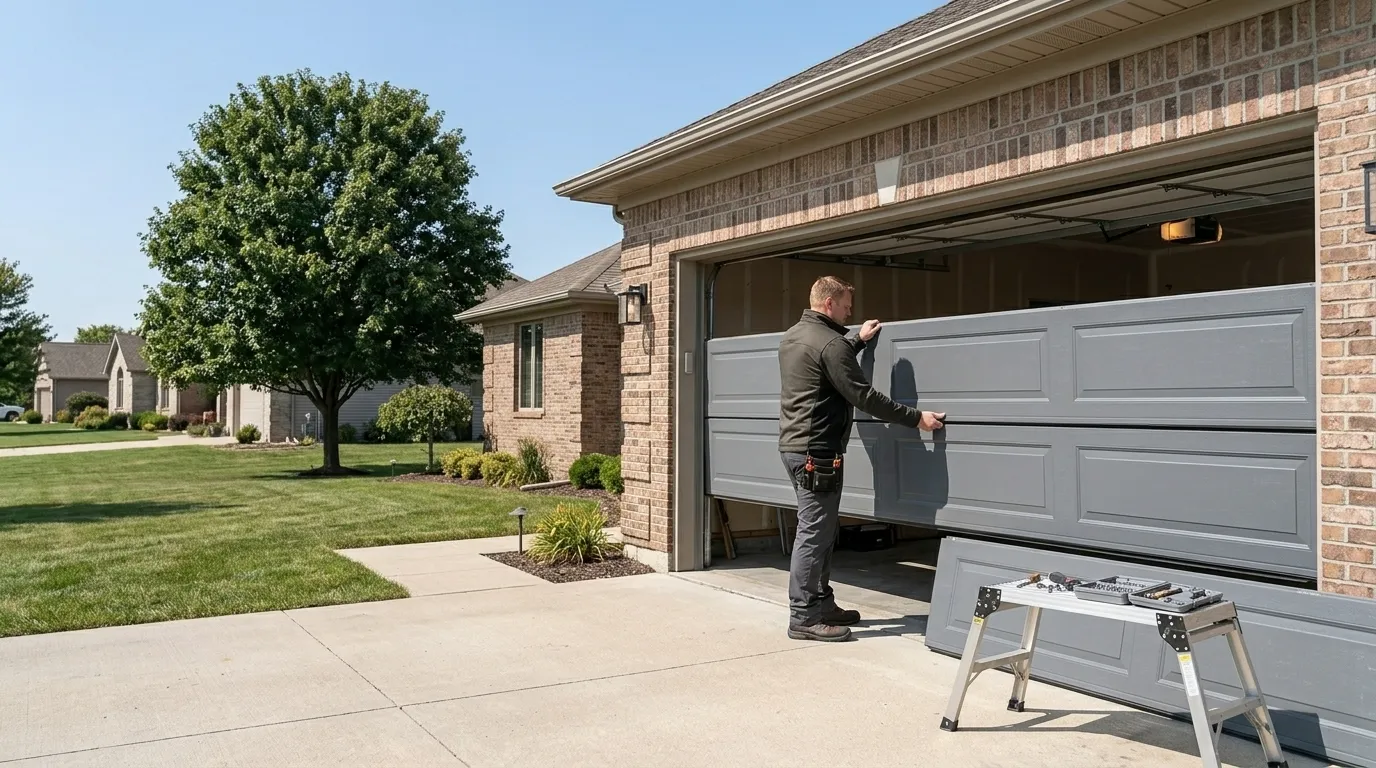
Steel doors from this period also used thinner gauge panels than what's sold now, so dents and bent tracks show up sooner, and the foam insulation (where there is any) has usually broken down enough that it no longer does much. Openers from the original build are long gone in most of these homes - chain-drive units from the late '80s rarely made it past 15-20 years - so what's on the wall now is probably a second or third opener, sometimes mismatched to a track that's still original.
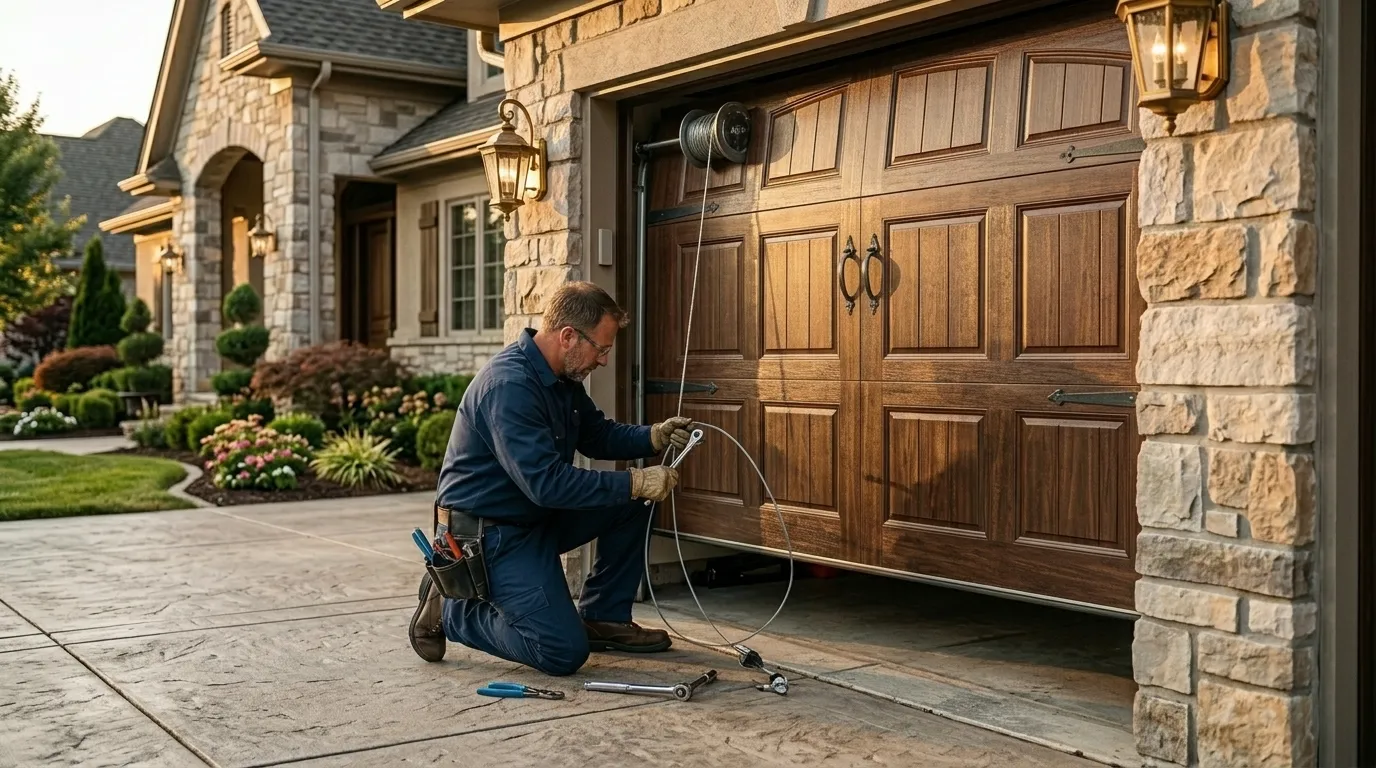
Because the climate here stays mild rather than swinging through hard freezes, we're not chasing the same cracked seals and frozen tracks you'd see up north. The failures we see are mechanical wear - springs, rollers, cable fray - worn down by cycles and Florida humidity, not cold.