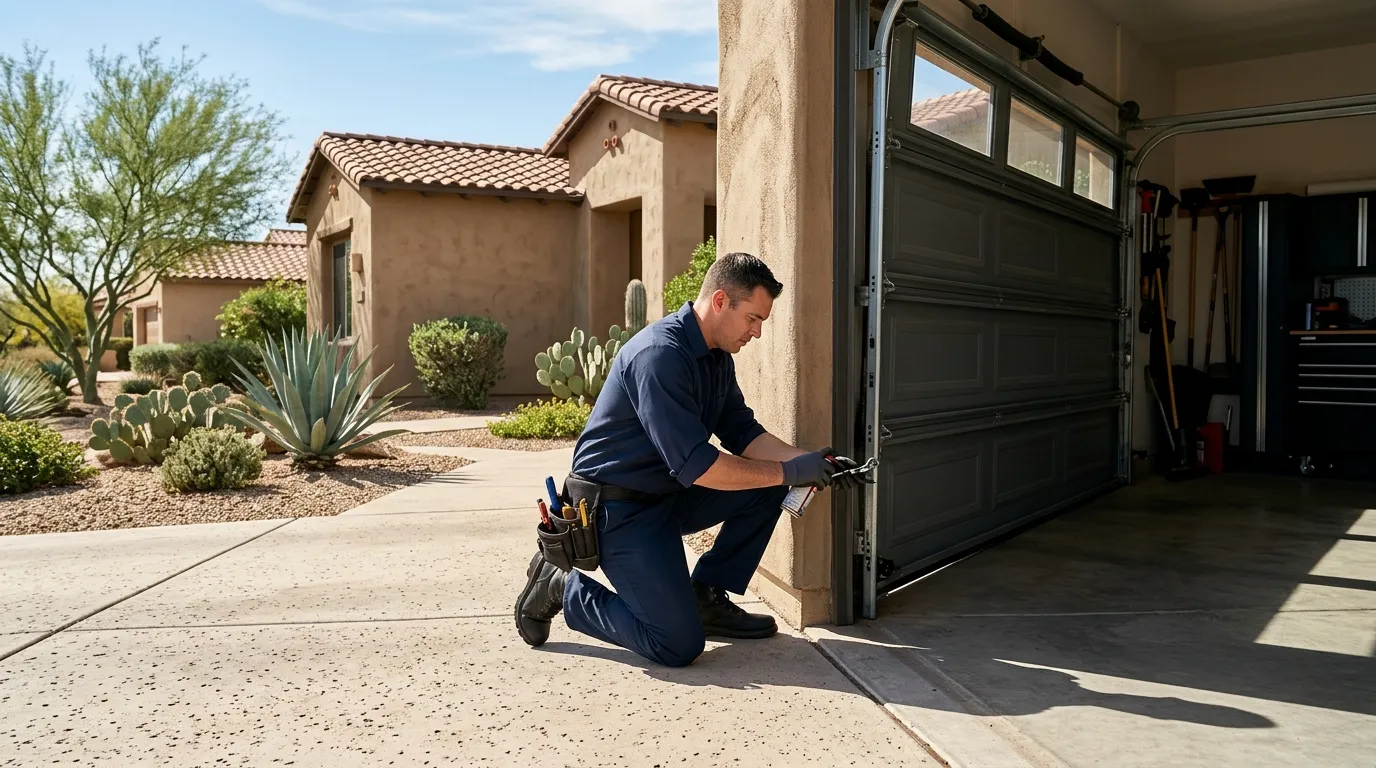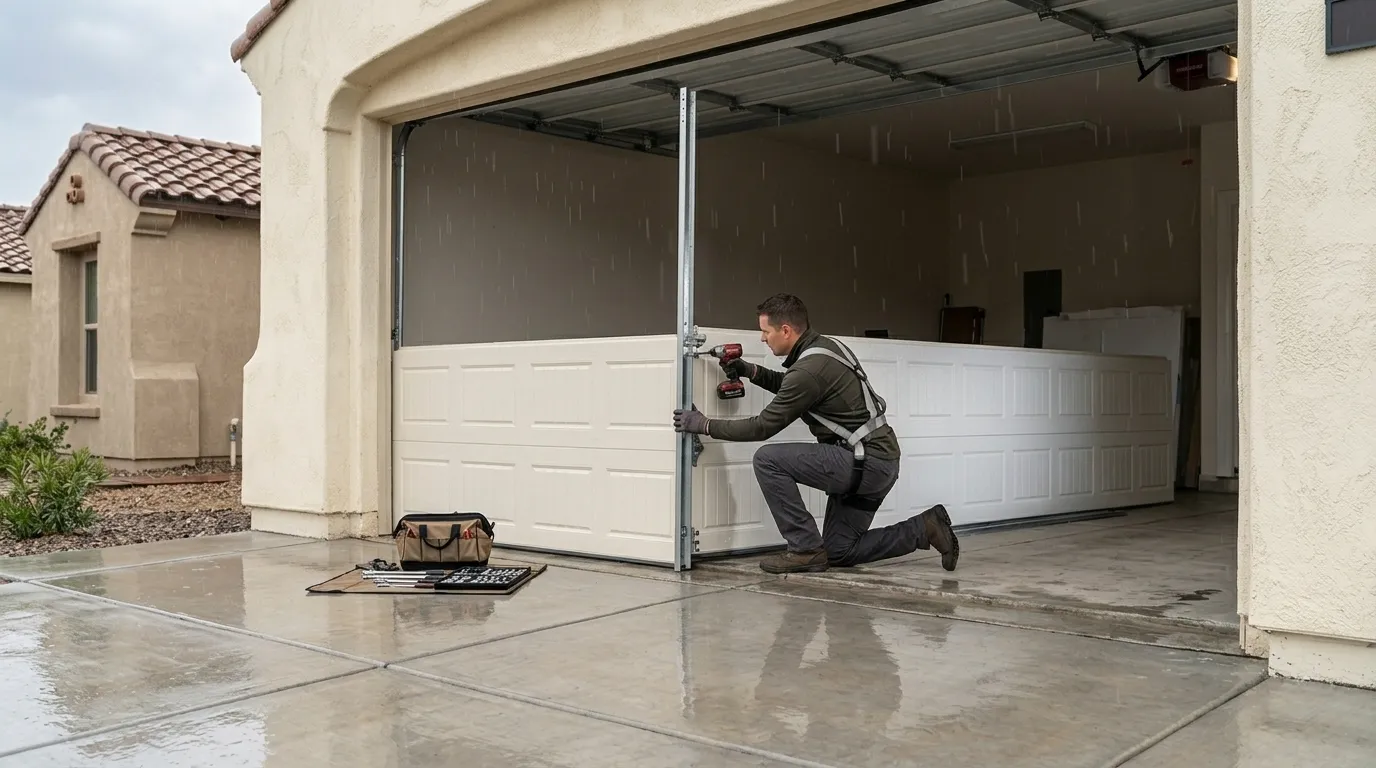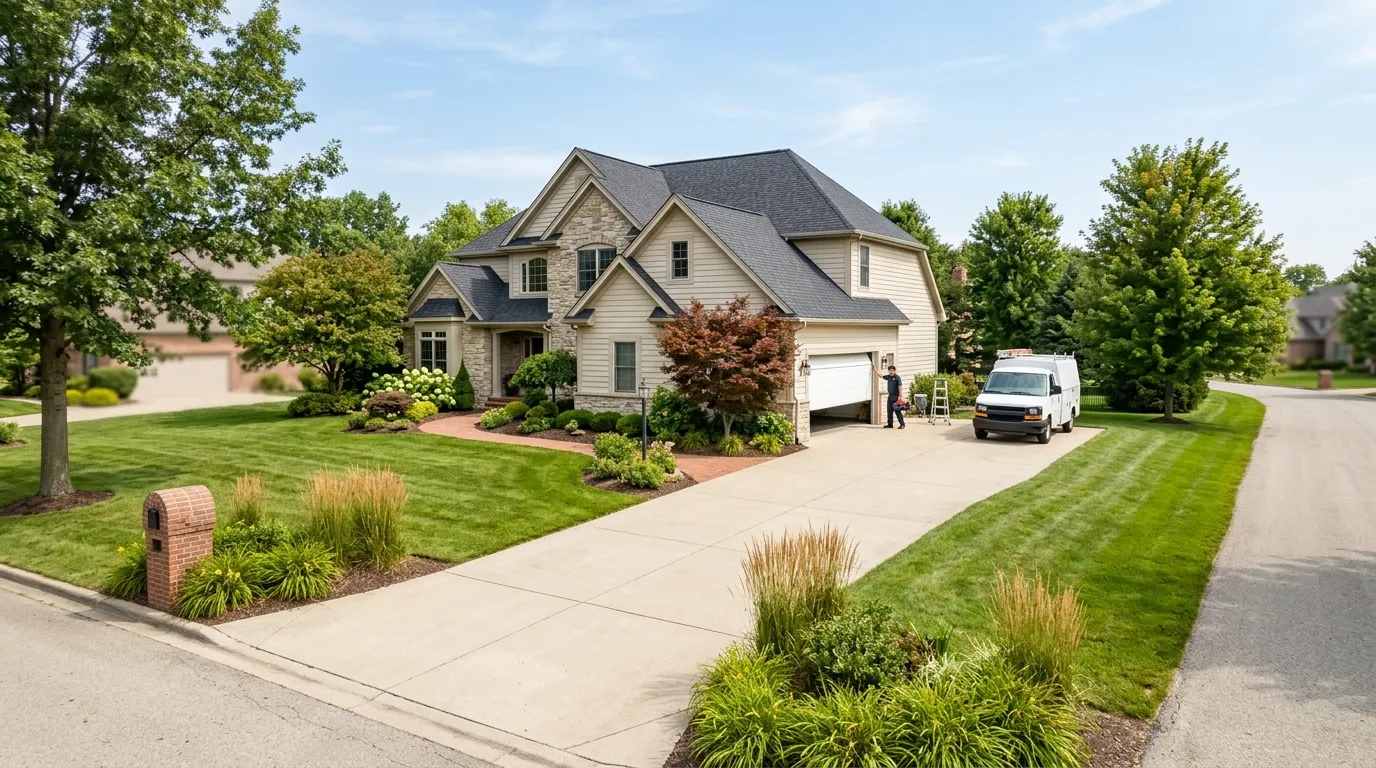
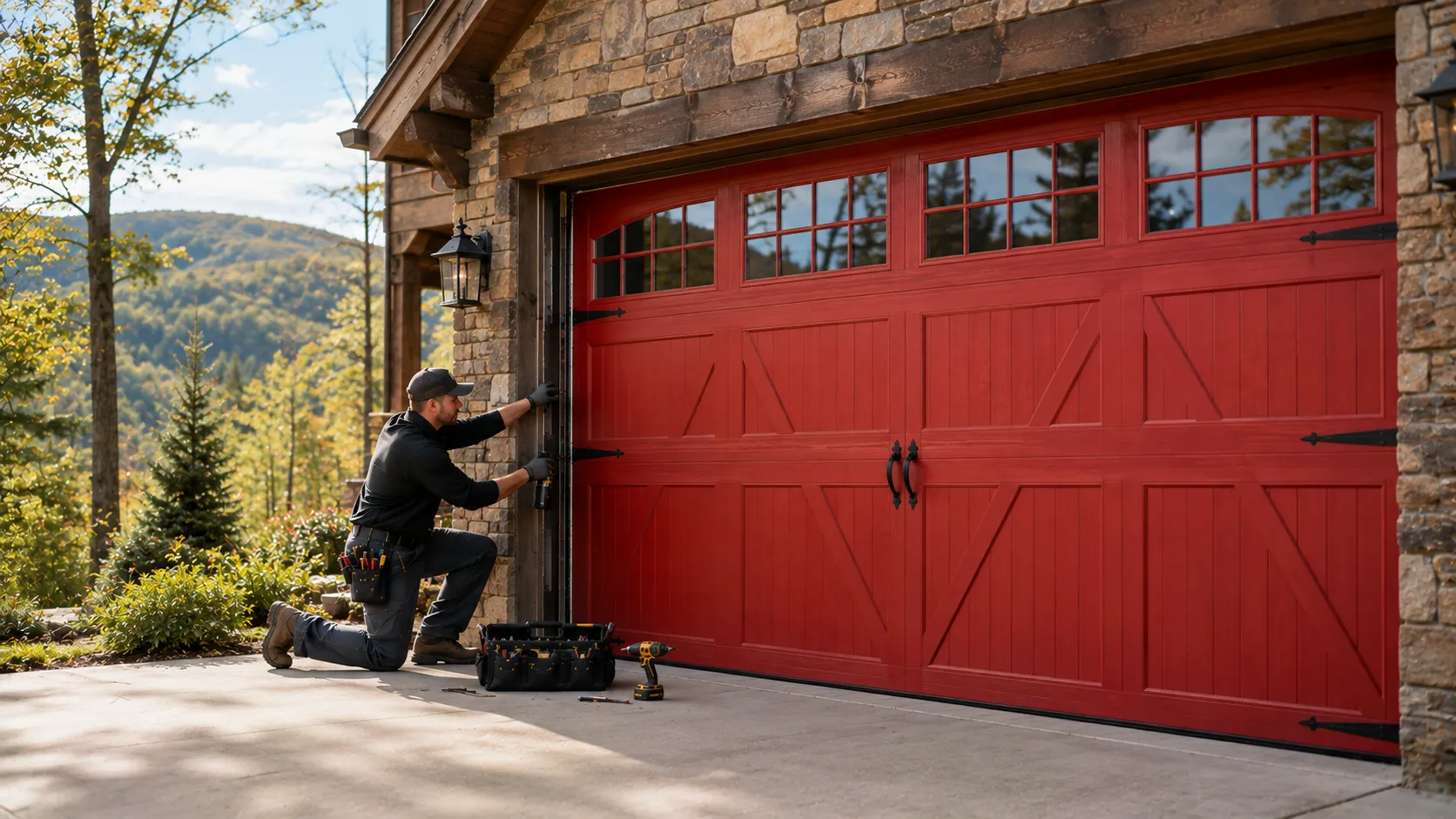
What Was Built Here
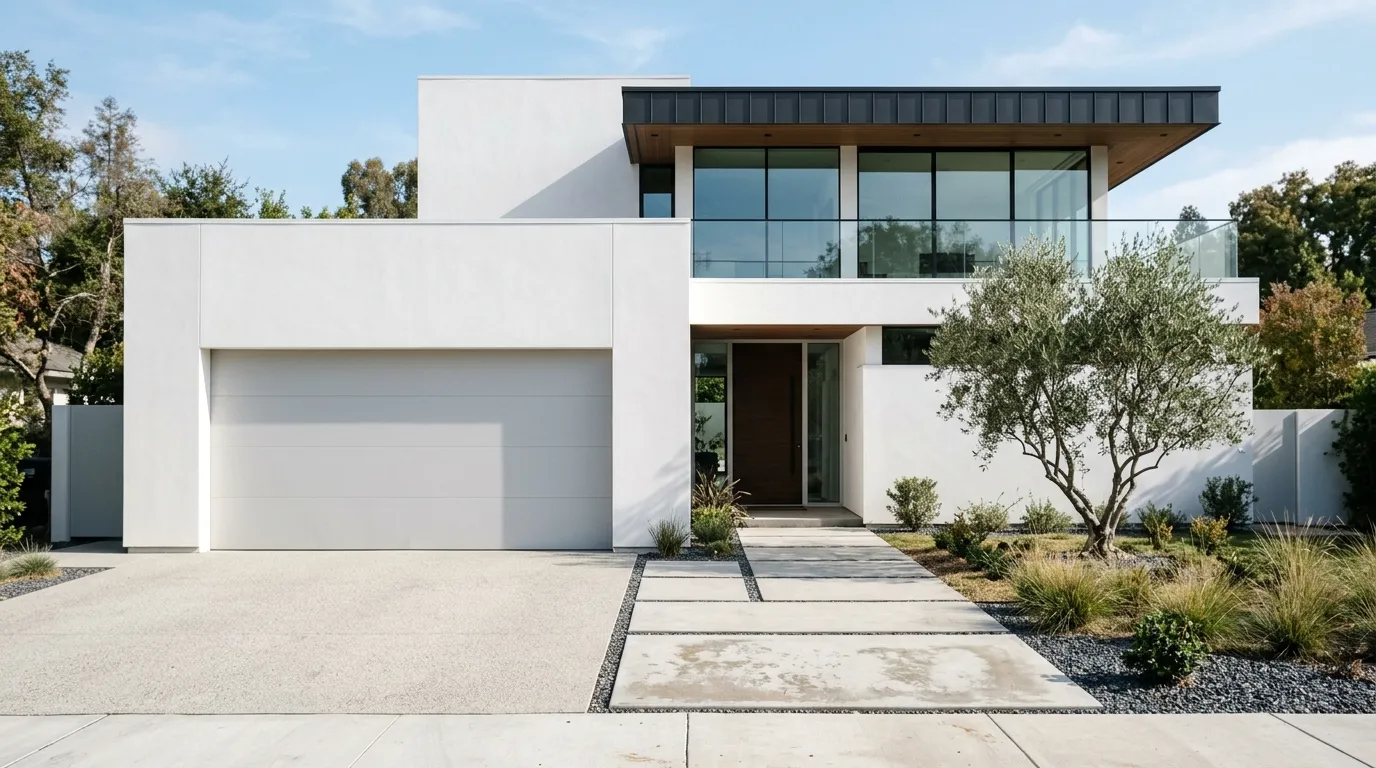
Winter Park's median year built sits around 1973, noticeably older than the roughly 1987 median across the wider service area. That's not a small gap. It means a good share of garage doors here are on their second or even third opener, but the original track and header hardware from the early 1970s is still bolted in more often than you'd think, especially on homes that never got a full door replacement. With 12,653 households in the area and a median income of $98,076, we also see more owners investing in insulated upgrades and quieter belt-drive swaps than in the newer subdivisions farther out, where builders installed newer doors from day one and there's less incentive yet to touch them.
What the Housing Means for Your Door
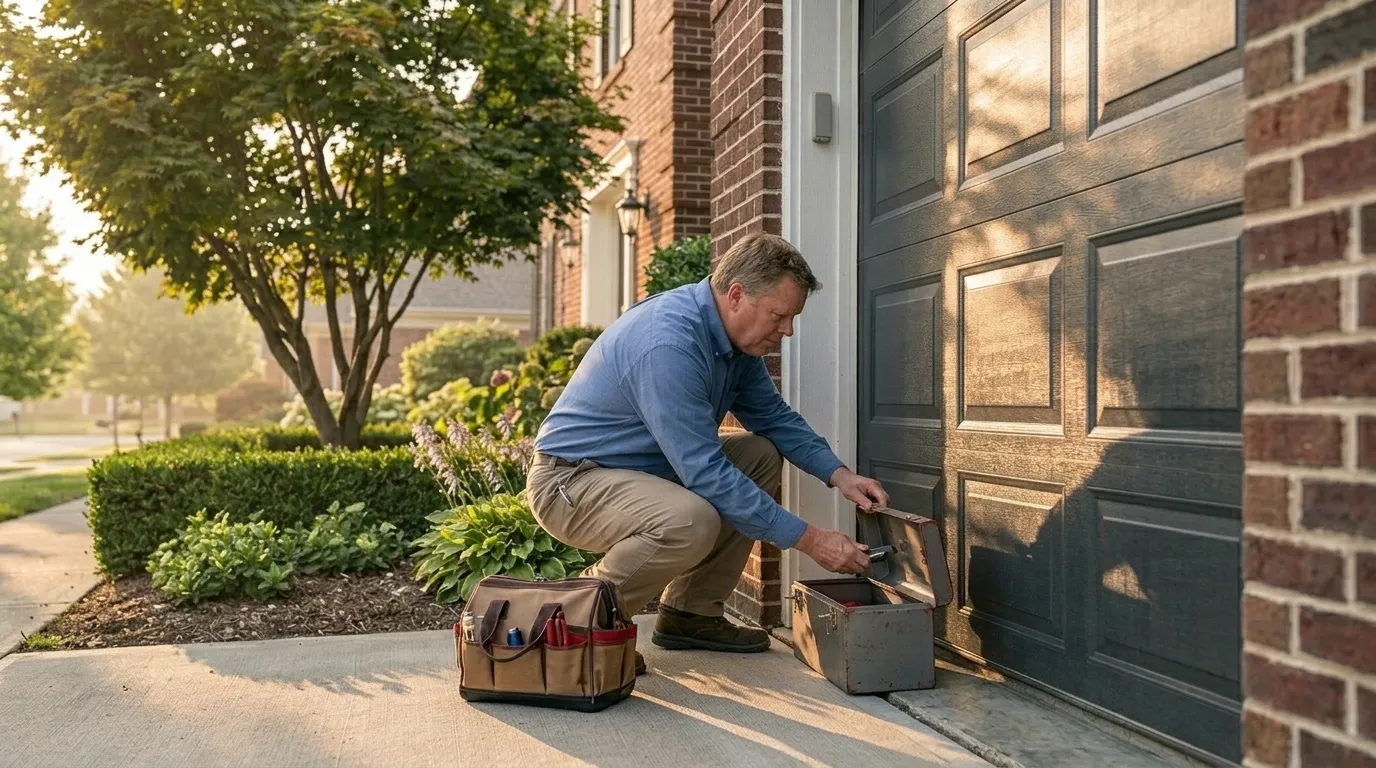
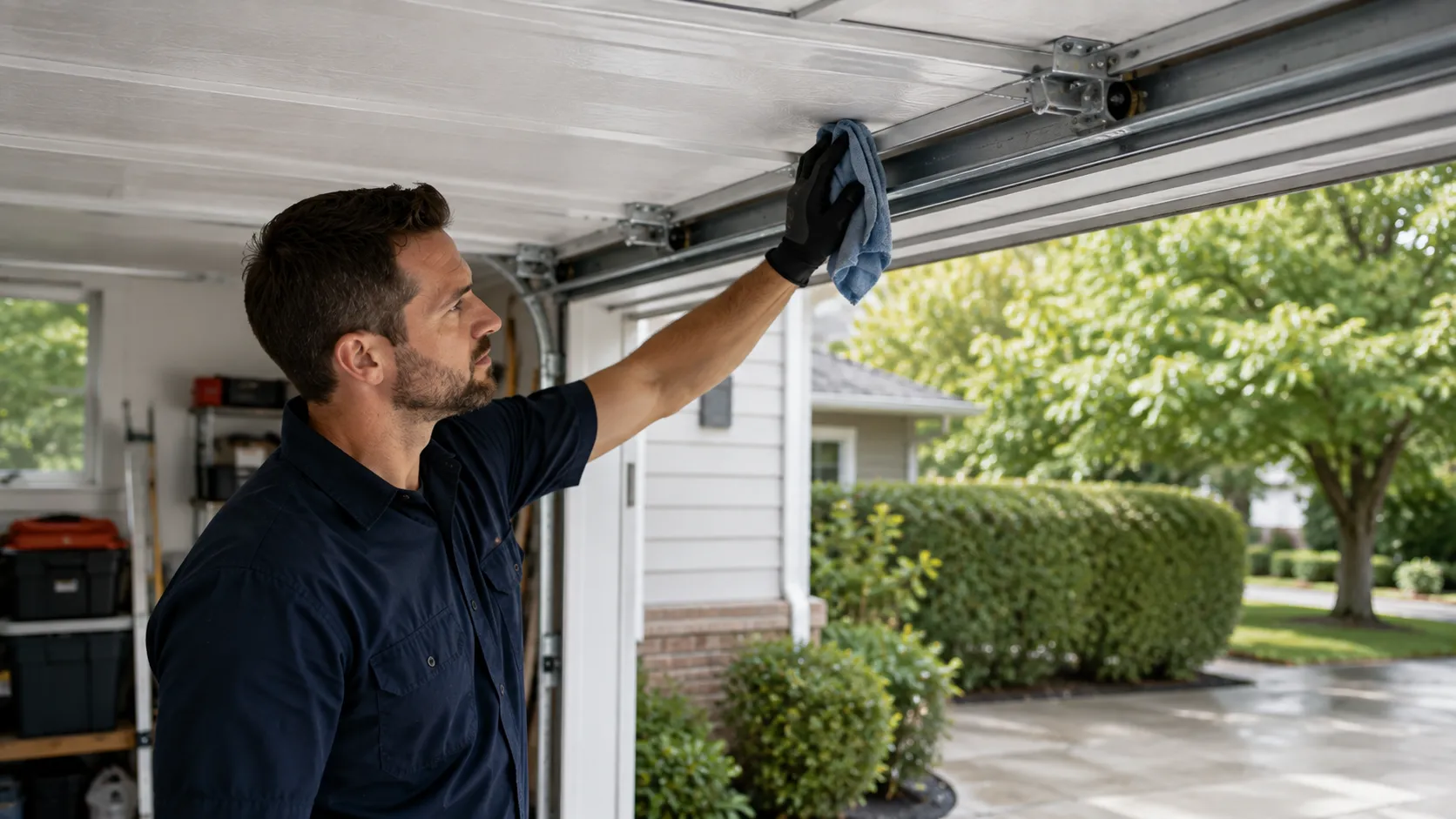
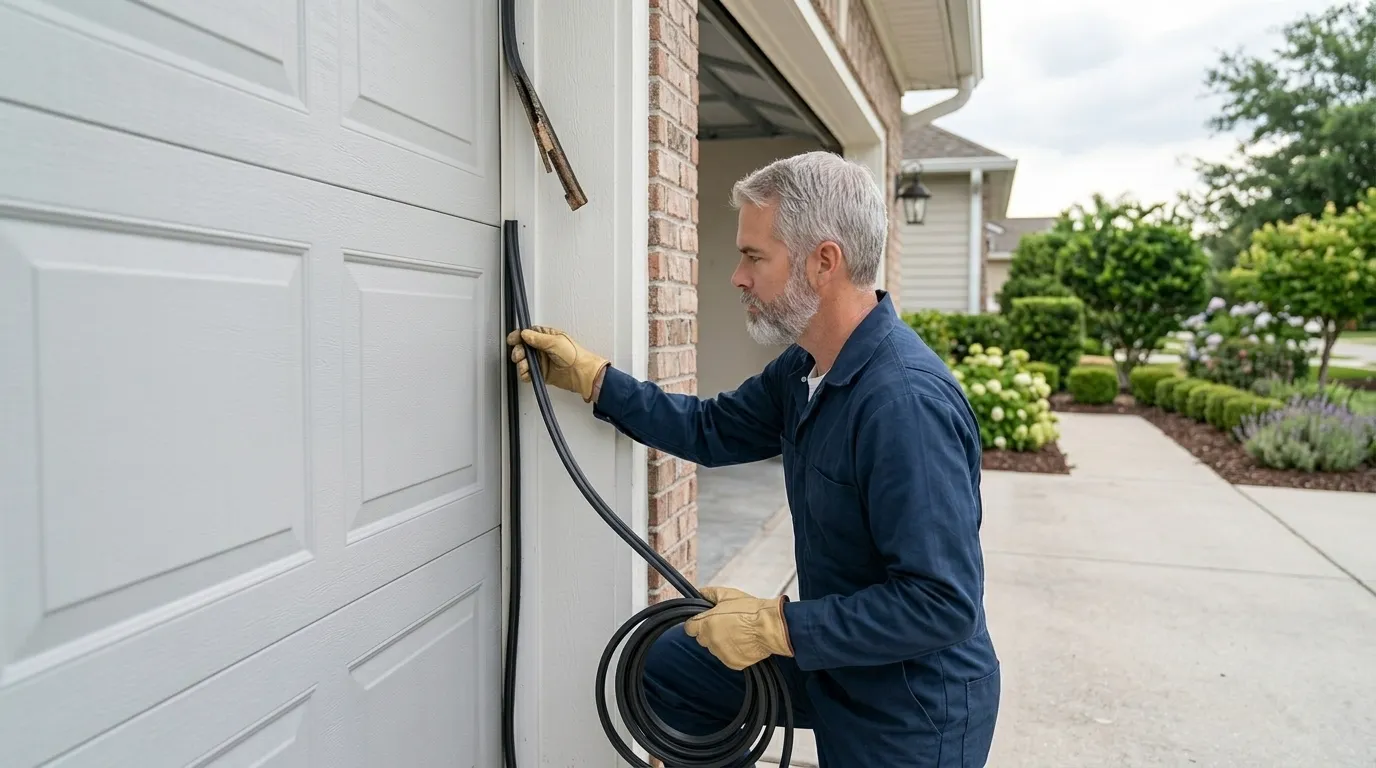
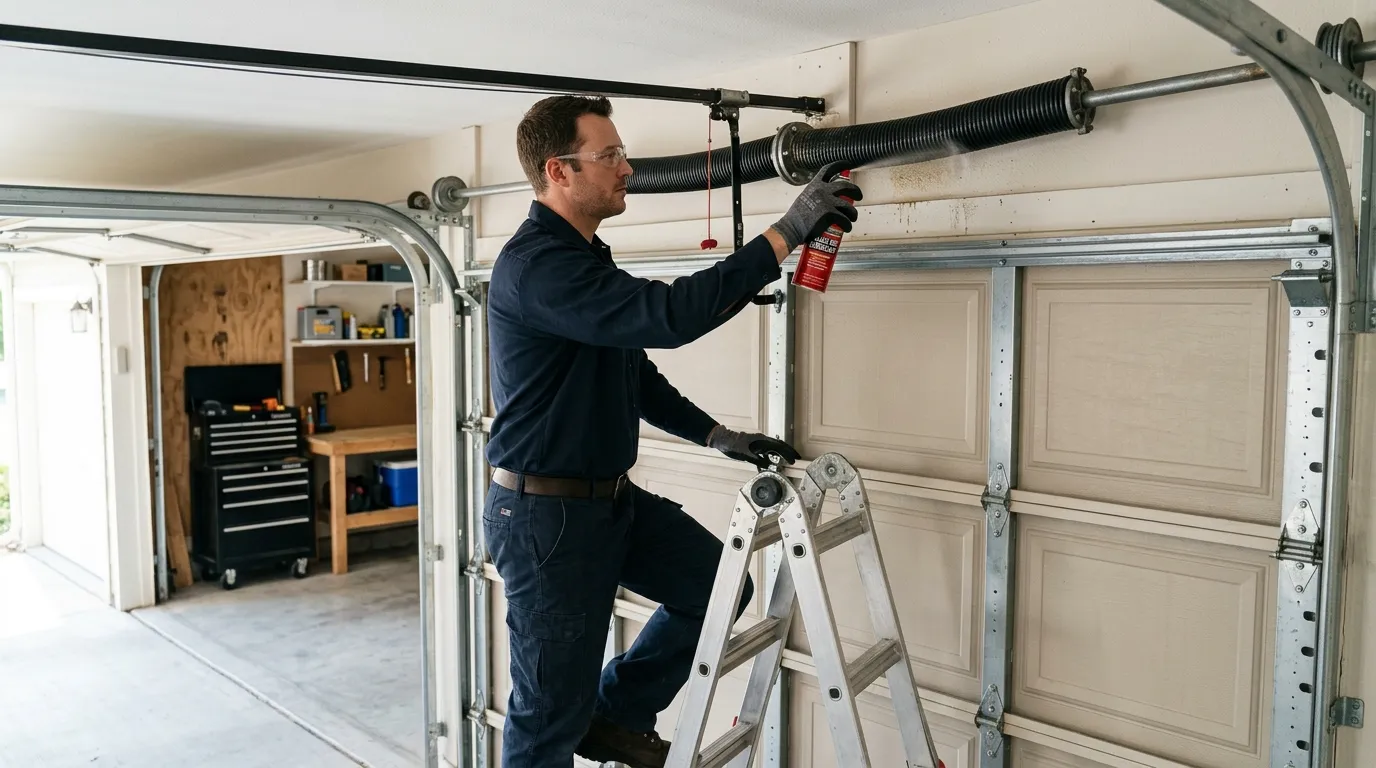
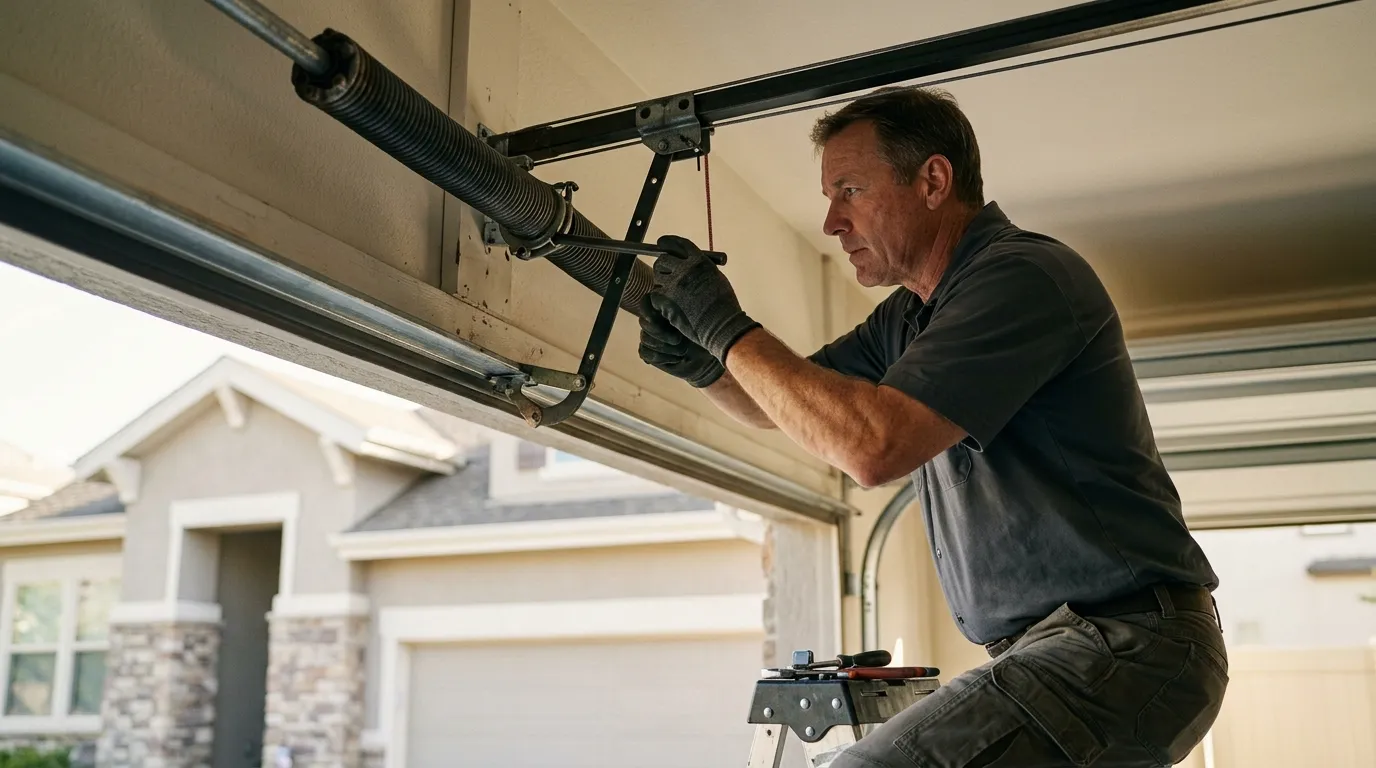
A door installed in the 1970s or early 80s usually runs on a different spring and track setup than anything sold new today - often a single-spring extension system overhead, sometimes with a stationary cone that isn't rated for the door weight going on the market now. Parts houses don't stock these the way they stock modern torsion components, so a repair on an original setup can mean sourcing a less common size or, more often, telling the homeowner that patching it isn't worth the labor when the whole assembly is past its safe service life. The climate here is mild temperate, so we're not fighting the freeze-thaw cracking or extreme humidity swelling that ages hardware faster in harsher regions - the wear you see in Winter Park is mostly straightforward age and cycle count, not weather damage. That's actually good news: it makes the failure points more predictable, not less.